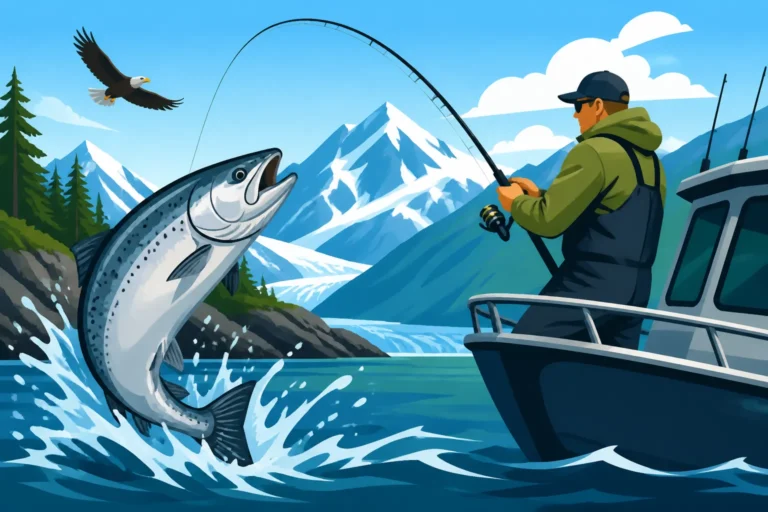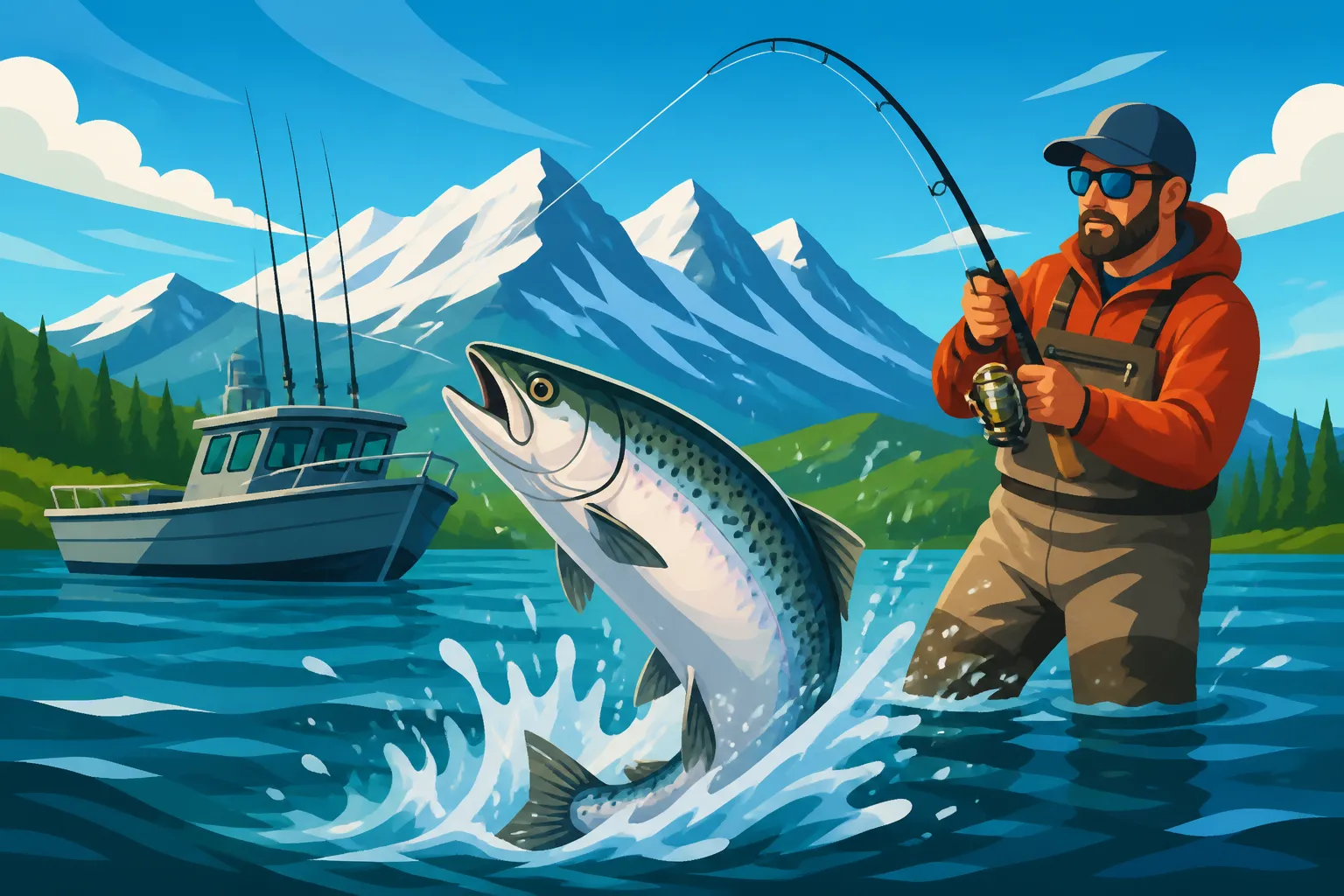
Bristol Bay Fishing Guide
Planning a fishing trip to the legendary Bristol Bay can feel like staring at a vast, untamed map with a hundred possible paths and no clear starting point. This region of Alaska is renowned globally for its unparalleled wild salmon runs and incredible trophy trout, but its remoteness and the sheer scale of its offerings can be truly overwhelming for first-time visitors and even seasoned anglers. You might be wondering where to go, what to fish for, when to visit, or how to even get there without a small fortune. This comprehensive guide is designed to demystify Bristol Bay, breaking down everything you need to know to plan a successful and unforgettable fishing adventure in one of the world's last great fishing frontiers.
Why Bristol Bay is Alaska's Fishing Mecca
Bristol Bay isn't just a place on a map; it's a feeling, a reputation, and a living testament to untouched wilderness. It’s an area so significant that it has been at the forefront of global conservation efforts for decades. When anglers talk about "Alaska fishing," a good portion of that awe and wonder is often directed squarely at Bristol Bay.
The Sheer Scale and Untouched Wilderness
Imagine a region larger than some small countries, almost entirely devoid of roads, where the primary mode of transportation is often a small bush plane, floatplane, or boat. That's Bristol Bay. Its vastness can be intimidating, making you feel tiny against the backdrop of towering volcanoes, braided river systems, and endless tundra. This incredible scale is precisely what makes it so special. Unlike many other popular fishing destinations that have been impacted by development, Bristol Bay remains largely pristine, its ecosystems largely intact.
This lack of development means the waters are cleaner, the fish populations are healthier, and the wildlife encounters are truly wild. You're not just casting a line; you're immersing yourself in an ecosystem where bears roam freely, eagles soar overhead, and the salmon dictate the rhythm of life. For many, the frustration of navigating such a remote location quickly transforms into profound appreciation once they experience its raw, untamed beauty. It’s an escape from the paved world, offering a quiet solitude that's increasingly rare.
Unparalleled Salmon Runs
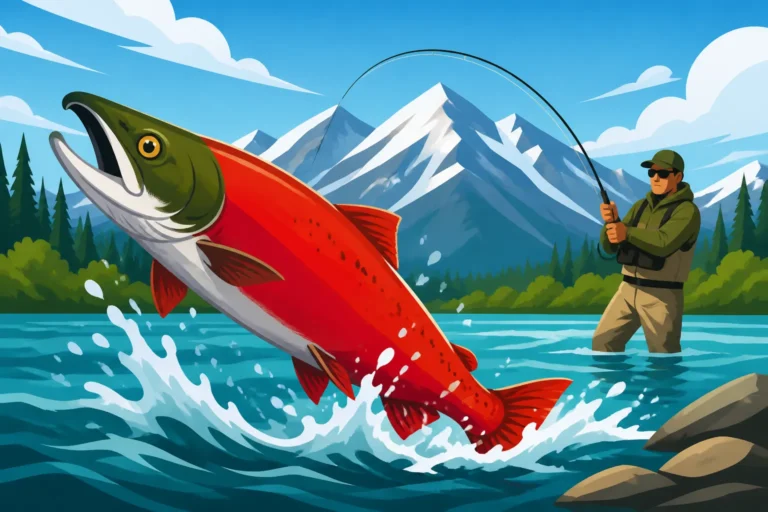
At the heart of Bristol Bay's reputation lies its staggering salmon runs, particularly the Sockeye (red) salmon. Every summer, literally tens of millions of Sockeye salmon return from the ocean to spawn in the rivers and lakes of Bristol Bay. These aren't just large numbers; these are the largest Sockeye salmon runs on Earth, supporting not only an incredible sport fishery but also a vital commercial fishery and the subsistence livelihoods of local communities.
But it's not just Sockeye. While they are the dominant species, Bristol Bay also sees robust runs of King (Chinook), Coho (Silver), Pink (Humpy), and Chum (Dog) salmon. The sheer volume of returning salmon enriches the entire ecosystem, providing abundant food for everything from grizzly bears to the voracious rainbow trout that feed on their eggs and carcasses. The question for many becomes not if you'll catch a salmon, but how many and which species. This abundance can make an angler feel overwhelmed by choice, but it also guarantees an action-packed experience that few other places can rival.
Key Fish Species You'll Encounter in Bristol Bay
Bristol Bay is a diverse angler's paradise, offering opportunities to target multiple species, each with its own unique appeal and challenge. While salmon are king, the region's freshwater fisheries are equally legendary.
Sockeye Salmon: The Heartbeat of Bristol Bay
When you hear "Bristol Bay salmon," most people immediately think of Sockeye. These fish are known for their vibrant red flesh, incredible fighting prowess, and schooling behavior that creates almost unimaginable numbers in the rivers. Sockeye don't typically bite traditional lures or bait once they enter freshwater; instead, they are primarily caught by "flossing" or "flipping," a technique that involves drifting a leader with a bare hook (or a bead mimicking an egg) through schools of fish, aiming to hook them in the mouth as they orient into the current.
The fight of a Sockeye is relentless. They are powerful swimmers, often making blistering runs and acrobatic jumps that will test your tackle and your stamina. Many anglers consider Sockeye to be the best-tasting salmon due to their rich, firm, red flesh. They are also notoriously challenging to clean if you're not used to their smaller size compared to Kings, but the reward is well worth the effort. Knowing when they run and how to target them is key to a successful Sockeye trip. If you want to dive deeper into these incredible fish, check out our guide on Alaska Sockeye Salmon Explained and learn How to Catch Sockeye Salmon in Alaska.
King, Coho, Pink, and Chum Salmon
While Sockeye dominate the numbers, the other salmon species offer distinct angling experiences.
- King Salmon (Chinook): The undisputed heavyweight champion, King salmon are the largest and most sought-after salmon species. Bristol Bay's major river systems, like the Nushagak and Alagnak, are famous for their strong King runs. These fish average 20-40 pounds but can easily exceed 50 pounds, offering a grueling, drag-screaming battle that can last for an hour or more. Targeting Kings often involves back-trolling with Kwikfish, drifting cured eggs, or casting large spinners. Be prepared for a serious test of strength and endurance if you're after these magnificent fish. For more detailed information, our Alaska King Salmon: Complete Guide is a great resource.
- Coho Salmon (Silver): Cohos are known for their aggressive strikes and acrobatic aerial displays. They typically arrive later in the summer, offering fantastic action from mid-August through September. They readily strike a variety of lures, flies, and bait, making them a favorite for both spin and fly anglers. Their strong, flashy runs and willingness to hit topwater presentations make them incredibly exciting to catch. For specifics on these fighters, check out Alaska Coho Salmon: Facts and Fishing Tips.
- Pink Salmon (Humpy): These are the most abundant salmon species in Alaska, especially in even-numbered years in some systems. While often overlooked by anglers focused on Kings or Sockeye, Pink salmon offer fast-paced action, especially on lighter tackle. They are eager biters and a great option for younger anglers or those simply looking for constant rod-bending fun.
- Chum Salmon (Dog): Known for their impressive size and powerful fight, Chums are often found alongside other salmon species. They can be incredibly strong, making them a formidable opponent on a fly rod. While their table quality is generally considered lower than other salmon species, they are a blast to catch. To understand the subtle differences between these two abundant species, you might find our article on Pink vs Chum Salmon Differences insightful.
Trophy Rainbow Trout and Other Freshwater Gems
Beyond the incredible salmon, Bristol Bay is home to some of the world's finest wild rainbow trout fishing. These aren't your average trout; many grow to immense sizes, routinely exceeding 20-30 inches and sometimes pushing into the upper 30s. What makes them so large and vibrant? The salmon. These trout are opportunistic feeders, gorging themselves on salmon eggs during the spawn and then switching to flesh and insect patterns as the season progresses.
Fly fishing for these "leopard rainbows" (named for their distinctive spots) is a bucket-list experience for many. Using egg patterns under an indicator, drifting flesh flies, or stripping streamers can all be incredibly effective. Rivers like the Naknek, Alagnak, and Kvichak are particularly famous for their trophy rainbow populations.
But the freshwater bounty doesn't stop there. You'll also encounter:
- Dolly Varden: Often mistaken for Arctic Char, these char are widespread throughout Bristol Bay and are eager biters. They typically run from 12-20 inches, offering spirited fights on light tackle. They feed heavily on salmon eggs and flesh, often found right alongside the rainbow trout. If you're curious about distinguishing them, read our comparison of Alaska Dolly Varden vs Arctic Char.
- Arctic Grayling: With their distinctive, sail-like dorsal fin, Arctic Grayling are a beautiful and willing quarry found in the colder, clear waters of Bristol Bay's upper river systems and tributaries. They are primarily insect eaters, making them a favorite target for dry fly anglers. They may not be large, but their beauty and eagerness to rise to a well-presented fly make them a delightful catch. Learn more about them in our Alaska Arctic Grayling Explained article.
- Northern Pike: In some of Bristol Bay's shallower, warmer lake systems and sloughs, you can find aggressive Northern Pike. These ambush predators offer explosive strikes and strong fights, often tearing up topwater lures.
For the serious trout angler, Bristol Bay is a dream come true. Our Alaska Rainbow Trout Guide can provide even more insights into chasing these magnificent fish.
Here's a quick overview of the main species:
| Species | Primary Season | Typical Size | Primary Techniques | Eating Quality |
|---|---|---|---|---|
| Sockeye Salmon | Mid-July to Mid-August | 5-10 lbs | Flossing, Flipping (beads, bare hook) | Excellent |
| King Salmon | June to Early July | 20-40 lbs (up to 70+) | Back-trolling, Drifting Bait, Casting Lures | Excellent |
| Coho Salmon | Mid-August to September | 8-15 lbs | Casting Spinners/Spoons, Fly Fishing Streamers | Very Good |
| Pink Salmon | July to August | 3-6 lbs | Casting Spinners/Spoons, Fly Fishing | Good |
| Chum Salmon | July to Mid-August | 10-20 lbs | Casting Lures, Fly Fishing Streamers | Fair to Good |
| Rainbow Trout | June to September | 18-30+ inches | Fly Fishing (eggs, flesh, streamers), Spin Fishing | Catch & Release Preferred |
| Dolly Varden | June to September | 12-20 inches | Fly Fishing (eggs, streamers), Spin Fishing | Catch & Release Preferred |
| Arctic Grayling | June to September | 10-18 inches | Fly Fishing (dry flies, nymphs) | Catch & Release Preferred |
When to Plan Your Bristol Bay Fishing Adventure (Seasons & Runs)
Timing is everything in Alaska fishing, especially in Bristol Bay, where fish runs are highly seasonal and dictate the type of experience you'll have. Trying to fish for a specific species outside its peak window can lead to disappointment, so understanding the Alaska salmon run timing is crucial.
Early Season: June and Early July
The early season in Bristol Bay, typically from early June through the first half of July, offers a unique blend of opportunities and conditions. This is primarily King Salmon season, with the Nushagak River being a prime destination for these massive fish. While the sheer numbers of Kings might not match other areas in Alaska, the size and fighting power of Bristol Bay Kings are legendary. Anglers will be focused on drifting bait, back-trolling plugs, and heavy spin fishing.
Beyond Kings, the early season also sees the very first trickles of Sockeye salmon starting to arrive, though usually not in fishable numbers for the main "flossing" techniques until mid-July. However, this is an excellent time for hungry rainbow trout in rivers that don't see heavy King runs, as they've been waiting all winter for the first signs of salmon. The weather can be a bit more unpredictable than peak summer, with cooler temperatures and a higher chance of rain. The upside? Fewer crowds, giving you a more intimate wilderness experience before the peak season frenzy begins.
Peak Season: Mid-July to Mid-August
This is undoubtedly the main event in Bristol Bay. From roughly July 10th to August 15th, the region explodes with Sockeye salmon. The numbers are truly mind-boggling, and stories of "combat fishing" – where anglers stand shoulder-to-shoulder, reeling in fish almost constantly – are born here, particularly in popular spots on rivers like the Russian River (though that's not in Bristol Bay, the phenomenon is similar in some areas). While "combat fishing" has its detractors, the sheer volume of fish is undeniable.
During this period, all five species of Pacific salmon can be present, though Sockeye will be the most numerous. King salmon fishing can still be good in early to mid-July, overlapping with the start of the Sockeye push. Rainbow trout are also highly active, feasting on the massive influx of salmon eggs. The weather is generally at its warmest and most stable, though Alaskan summers are always subject to sudden changes. The downside? This is also the busiest and most expensive time to visit. Lodges book out years in advance, and the rivers can see significant angler pressure. It's a trade-off for experiencing the natural phenomenon that is the Bristol Bay Sockeye run. For a broader understanding of how salmon runs work, our Alaska Salmon Run Timing Explained article is a must-read, and for general planning, check out the Best Time to Fish in Alaska.
Late Season: Late August and September
As the Sockeye runs wind down, Bristol Bay transitions into a fantastic Coho salmon and trophy trout season. From late August through September, the rivers fill with aggressive Coho salmon, providing explosive topwater action for fly anglers and spinner enthusiasts alike. Many lodges shift their focus exclusively to these acrobatic fish.
This late season is also prime time for chasing trophy rainbow trout. With millions of salmon having spawned, the riverbeds are littered with eggs, and decaying salmon carcasses provide a rich feast for rainbows, Dolly Varden, and grayling. The trout are at their biggest and fattest, actively feeding to prepare for winter. The landscapes begin to transform into stunning autumn colors, and the crowds thin out considerably. While the weather becomes cooler and more prone to rain, snow, and wind, many experienced anglers prefer the solitude and focused fishing opportunities of the late season. It's a different kind of adventure, often marked by fewer fish numbers overall but larger average sizes for the target species.
Navigating Bristol Bay: Lodges, Charters, and DIY
Deciding how you'll experience Bristol Bay is perhaps the most critical decision, heavily influencing your budget, comfort, and the type of fishing you'll do. The region's remoteness means that self-sufficiency or reliance on established services is key.
All-Inclusive Fishing Lodges: The Full Experience
For many, an all-inclusive fishing lodge is the quintessential Bristol Bay experience. These lodges provide everything: round-trip air transportation from regional hubs like Dillingham or King Salmon to the lodge, comfortable accommodations, gourmet meals, experienced guides, top-tier fishing gear, and often fish processing services. Imagine waking up, enjoying a chef-prepared breakfast, stepping into a waiting boat with your guide, and having all the logistics handled for you. After a full day of fishing, you return to a warm meal, a hot shower, and camaraderie with fellow anglers.
The biggest frustration with lodges, undeniably, is the cost. They are a significant investment, often ranging from several thousand to over ten thousand dollars per person for a week-long stay. However, they eliminate nearly all the headaches of logistics, safety, and wilderness preparedness, allowing you to simply focus on fishing. They often have exclusive access to prime waters or operate within specific river systems, providing diverse fishing opportunities for various species. Many lodges book out a year or more in advance, especially for peak season dates. When researching, platforms like FishingBooker can be incredibly helpful for comparing different lodge offerings, amenities, and prices, and sometimes even reading reviews to find the perfect fit. If you're considering this route, our Alaska Fly-In Fishing Lodges Guide and How to Choose an Alaska Fishing Charter offer great foundational advice.
Guided Day Trips and Fly-Outs
If a week at an all-inclusive lodge isn't in your budget or schedule, guided day trips and fly-out options offer a more flexible (though still significant) investment. These trips typically originate from regional hub towns such as Dillingham or King Salmon. You would arrange your own flights to these towns, find local accommodations, and then book daily guided excursions.
- River Guides: Many local guides operate jet boats or drift boats on the major river systems accessible from these towns. They provide the boat, gear, and expertise for a full day of fishing. This can be a great way to target specific species like King or Sockeye salmon without the commitment of a full lodge package.
- Fly-Out Trips: The true magic of Bristol Bay often lies in accessing its countless remote streams and lakes. Numerous air taxi operators in Dillingham, King Salmon, and Illiamna offer fly-out trips. These involve a scenic bush plane flight to a remote, unpressured fishing spot, where you might be guided or dropped off for a self-guided day. This is often the best way to find truly untouched rainbow trout or secluded salmon runs. Be aware that weather can impact fly-out trips, leading to delays or cancellations. Again, resources like FishingBooker can list local guides and air taxi services that cater to day trips and fly-outs, helping you find reputable operators for specific locations.
The DIY Dream (and Reality Check)
Can you do Bristol Bay on your own? Technically, yes, but it comes with a massive reality check. Bristol Bay is vast, remote, and unforgiving. A true DIY trip typically involves significant experience in wilderness survival, navigation, bear safety, and understanding complex Alaskan fishing regulations. You'd be responsible for all transportation (often renting a vehicle, then a boat or hiring an air taxi for specific drop-offs), all gear, all food, all safety equipment, and knowing exactly where to go and when.
For most, a fully unguided trip to Bristol Bay is not advisable unless you are an extremely experienced Alaskan outdoors person with intimate knowledge of the region. The logistics alone can be a nightmare, and the risks of wilderness encounters (bears, medical emergencies, weather changes) are substantial without professional support. While the allure of saving money is strong, the potential for a disastrous or unproductive trip is high. However, if you are drawn to the challenge and have the requisite experience, a hybrid approach of using an air taxi for remote drop-offs while self-guiding might be feasible. Our Guided vs Unguided Fishing in Alaska article offers a balanced perspective on these choices.
Essential Gear and Techniques for Bristol Bay Fishing
Having the right gear and understanding the effective techniques are paramount for success in Bristol Bay. This isn't a place for flimsy tackle or guesswork; the fish are powerful, and the conditions can be demanding.
Rods, Reels, and Lines for Salmon and Trout
Bringing the wrong gear can indeed ruin a trip, or at least diminish your chances of landing that trophy fish. Here’s a breakdown of what you'll typically need:
- King Salmon: For Kings, you'll want heavy-duty gear. A 9-10 foot medium-heavy to heavy power casting or spinning rod, rated for 15-30 lb line, is standard. Pair this with a robust baitcasting or spinning reel capable of holding 200-300 yards of 50-65 lb braided line (like PowerPro or Sufix 832) with a strong drag system. A fluorocarbon leader of 30-40 lb is common.
- Sockeye and Coho Salmon: For these species, a lighter setup is more enjoyable. An 8.5-9.5 foot medium-light to medium power spinning rod, rated for 8-15 lb line, is ideal. A quality spinning reel filled with 20-30 lb braid and a 12-20 lb fluorocarbon leader will handle most Sockeye and Coho.
- Rainbow Trout, Dolly Varden, Grayling (Spinning): For spin fishing these species, a 7-8 foot medium-light to medium power rod with a sensitive tip is perfect. A smaller spinning reel spooled with 10-15 lb braid and a 6-10 lb fluorocarbon leader will offer a sporting fight.
- Fly Fishing (Salmon): For larger salmon like Kings or Chums, a 9-10 weight, 9-foot fly rod with a fast action is necessary. A heavy-duty large arbor reel with a strong drag and plenty of backing (200+ yards of 30 lb dacron) is essential. For Sockeye and Coho, an 8-weight rod is often sufficient. You'll want appropriate sinking-tip lines or full sinking lines for streamers, and a floating line for indicator nymphing.
- Fly Fishing (Trout): For Bristol Bay's trophy rainbow trout, a 6 or 7-weight, 9-foot fly rod is the workhorse. A good quality large arbor reel with reliable drag and at least 100 yards of 20 lb backing is standard. Both floating lines (for indicator nymphing with beads/eggs) and intermediate or fast-sinking lines (for stripping streamers or flesh flies) are useful.
For a more general overview of what to pack, our Alaska Fishing Gear and Tackle Guide will be incredibly helpful.
Lures, Flies, and Bait
Understanding what fish eat and how they react to various presentations is key.
- Salmon Lures (Spinning/Casting):
- Spoons: Classic spoons like Pixie, Little Cleo, or Koo-Tak in bright colors (orange, chartreuse, pink, silver) are highly effective for Coho, Pink, and Chum salmon.
- Spinners: Vibrax, Mepps, or Blue Fox spinners in sizes 4-6 are excellent for Coho, Pink, Chum, and sometimes even Kings.
- Plugs/Plugs: Kwikfish, FlatFish, or Wiggle Warts in various sizes and colors (chartreuse, sardine, metallic finishes) are deadly when back-trolled for King salmon.
- Soft Plastics/Jigs: For Coho, jigs tipped with a piece of prawn or scent can be very effective.
- Salmon Bait: Cured salmon roe (eggs) is a highly effective bait for King salmon, especially when drifted or back-trolled. Regulations often restrict the use of bait, so always double-check the current emergency orders and local rules.
- Trout Flies:
- Egg Patterns: Beads (often 8mm-12mm in various opaque and translucent colors) or egg-sucking leeches are indispensable during and after the salmon spawn.
- Flesh Flies: These flies imitate decaying salmon flesh and are highly effective for post-spawn trout.
- Streamers: Sculpins, Dolly Llamas, and various baitfish patterns are excellent for aggressive trout and Dolly Varden.
- Dry Flies/Nymphs: For Arctic Grayling, small dry flies (Elk Hair Caddis, Adams) and various nymph patterns are essential.
Crucially, barbless hooks are often mandatory in Bristol Bay's freshwater systems, particularly in catch-and-release areas or when targeting specific species like rainbow trout. Additionally, bait restrictions are common to protect wild fish populations. Always check the Alaska Department of Fish and Game regulations specific to the river system you're fishing. It's a frustrating but necessary part of conservation. Our guides on Alaska Bait Restrictions Explained and Alaska Barbless Hook Requirements cover these vital topics in detail.
Key Fishing Techniques
Bristol Bay fishing employs a variety of techniques, often specific to the species and water conditions.
- Drift Fishing: This is a fundamental technique, especially for salmon and trout in rivers. It involves allowing your lure, fly, or bait to drift naturally with the current, mimicking free-floating food. For salmon, this often means bouncing a weight along the bottom with a short leader. For trout, it's typically an indicator rig with beads or nymphs. Our guide on Drift Fishing in Alaska: How-To Guide explains this in detail.
- Back-Trolling: A highly effective method for King salmon, especially from a boat. The boat is positioned upstream and slowly motors downstream, allowing plugs or bait to "back-troll" into prime holding water. The Kwikfish mentioned earlier are often used with this technique.
- Fly Fishing:
- Indicator Nymphing (for Trout/Sockeye): This involves suspending an egg pattern or bead under a strike indicator, allowing it to drift naturally. For Sockeye, this often becomes the "flossing" or "flipping" technique, where the goal is to get the hook in the fish's mouth as it mouths the "egg" or turns in the current.
- Stripping Streamers (for Trout/Coho): Casting and retrieving large, flashy flies to imitate baitfish or salmon fry can elicit aggressive strikes from trout and Coho.
- Dry Fly Fishing (for Grayling/Trout): For rising grayling or opportunistic trout, casting a dry fly on the surface can be incredibly rewarding.
For a broader understanding of different fly fishing approaches, refer to our How to Fly Fish in Alaska guide.
Regulations, Conservation, and Responsible Angling
Fishing in Bristol Bay isn't just about catching fish; it's about participating in a world-class fishery that requires careful stewardship. Alaska's fishing regulations are designed to protect these precious resources, and understanding them is your responsibility as an angler.
Understanding Bristol Bay's Specific Rules
Alaska's fishing regulations can be incredibly complex, and Bristol Bay is no exception. Rules vary by species, river system, time of year, and sometimes even specific stretches of a river. This complexity, while sometimes a frustration for anglers, is absolutely vital for managing such a dynamic and valuable fishery.
- Sport Fishing Regulations Booklet: Before you even leave home, obtain the most current Alaska Sport Fishing Regulations booklet for the Southcentral or Southwest regions (depending on your exact location in Bristol Bay). These booklets are available online through the Alaska Department of Fish and Game (ADF&G) website.
- Emergency Orders: This is where things get tricky. ADF&G frequently issues "emergency orders" that can change bag limits, open or close fisheries, or alter legal gear in-season, sometimes with very little notice. This is particularly common for King and Sockeye salmon runs, which are heavily monitored. Your guide will be up-to-date on these, but if you're going DIY, you must check the ADF&G emergency order website daily. Our Alaska Fishing Emergency Orders Explained article can shed more light on this dynamic aspect of Alaskan fishing.
- Harvest Records and King Salmon Stamps: For certain species, like King salmon and specific species in certain regions, you might need an additional "King Salmon Stamp" or be required to record your catch on an "Alaska Harvest Record Card." These are crucial for management purposes. Failure to comply can result in fines or violations. Always double-check Do You Need a King Salmon Stamp in Alaska and Alaska Harvest Record Card Explained to ensure you're compliant.
- Licenses: Don't forget your Alaska Fishing License: Complete Guide! Both residents and non-residents need a valid license.
Catch and Release Best Practices
With such an abundance of fish, especially in a region teeming with wild populations, practicing responsible catch and release is not just good etiquette—it's essential for conservation. Many of Bristol Bay's prized trout waters are entirely catch-and-release, or have strict slot limits.
- Minimize Handling: Keep the fish in the water as much as possible. If you must lift it for a photo, do so quickly and support its body horizontally.
- Barbless Hooks: As mentioned, these are often required and always recommended. They reduce harm and make unhooking easier.
- Proper Tools: Carry a pair of long-nosed pliers or forceps for easy hook removal. Avoid gaffs or stringers unless you intend to keep the fish.
- Revive, Don't Release Immediately: If a fish is exhausted, hold it gently in the current, facing upstream, until it can swim away under its own power.
- Avoid Spawning Fish: While legal in some areas, intentionally targeting actively spawning fish can disrupt reproduction. Give them space.
Adhering to Alaska Catch-and-Release Best Practices helps ensure these incredible fisheries remain healthy for generations to come.
Bear Safety and Wilderness Preparedness
Bristol Bay is prime habitat for brown bears (grizzlies), black bears, and even polar bears in its far northern reaches. Anglers are guests in their home, and bear safety is not a suggestion—it's a necessity.
- Carry Bear Spray: Always have bear spray accessible, not in your backpack. Know how to use it.
- Make Noise: Talk loudly, clap, or wear bear bells, especially when walking through dense brush. Most bear encounters happen because the bear is surprised.
- Store Food Properly: If staying overnight, use bear-resistant containers or hang food in trees. Don't leave food or fish scraps around camp.
- Process Fish Away from Camp/Fishing Areas: If you keep fish, clean them downstream or away from where you're fishing and staying. Dispose of carcasses responsibly, far from human traffic.
- Be Aware of Your Surroundings: Always scan your environment. Look for fresh tracks, scat, or recent kills.
- Travel in Groups: Bears are less likely to approach groups of people.
- Know What to Do in an Encounter: Understand bear behavior. Most bears are just curious. If a bear approaches, stand your ground, make yourself look large, and speak firmly. If it charges, deploy bear spray. If attacked, it depends on the type of attack (defensive vs. predatory), but generally, play dead for a defensive attack, fight back for a predatory one. Your guide will be an expert in bear safety.
Beyond bears, the Alaskan wilderness demands respect. Pack appropriate clothing for all weather conditions (layers!), carry a first-aid kit, and consider a satellite communication device (like a Garmin InReach or Spot device) in remote areas where cell service is non-existent.
Planning Your Bristol Bay Trip Logistics
The success of your Bristol Bay adventure hinges significantly on meticulous planning, especially when it comes to travel, packing, and handling your catch.
Getting There: Flights and Transfers
Getting to Bristol Bay is a multi-step process for most travelers. The journey itself is part of the adventure, but it can also be a source of frustration due to the numerous connections and potential for delays.
- Fly to Anchorage (ANC): This is the main international gateway to Alaska.
- Regional Flight to Bristol Bay Hub: From Anchorage, you'll take a regional flight to one of the main Bristol Bay hubs, typically Dillingham (DLG) or King Salmon (AKN). These flights are primarily operated by Alaska Airlines or regional carriers like Ravn Alaska. These regional flights are often smaller propeller planes, and luggage weight restrictions can be stricter than on mainline flights. Always check these limits carefully to avoid unexpected fees.
- Lodge/Air Taxi Transfer: Once you land in Dillingham or King Salmon, your onward journey depends on your arrangements.
- Lodge Guests: If you're staying at an all-inclusive lodge, they will typically arrange for your transfer, often via a floatplane or wheel plane directly to their lodge's airstrip or dock. This transfer is usually included in your package.
- Day Trippers/DIY Anglers: You might arrange for a local air taxi service (e.g., Katmai Air, Branch River Air Service, Naknek River Camp) to fly you to a specific river or lake for your day trip. If you're basing yourself in Dillingham or King Salmon, you might rent a car for local access or use local ground transportation services.
The multiple flights and varying luggage allowances can be complex and expensive, so planning ahead and consolidating gear is critical.
Packing Smart for the Alaskan Wilderness
Alaska's weather is famously unpredictable. A beautiful sunny morning can quickly turn into a cold, rainy, and windy afternoon. Layering is not just advice; it's a survival strategy.
- Waterproof Outerwear: This is non-negotiable. A high-quality, breathable, fully waterproof rain jacket and pants are your most important pieces of clothing. Brands like Grundéns or Simms are popular among serious anglers for their durability and performance in harsh conditions. Our guide on Best Rain Gear for Alaska Fishing offers excellent recommendations.
- Layers: Bring thermal base layers (wool or synthetic, no cotton), fleece jackets, and insulated vests or puff jackets. You should be able to add or shed layers easily throughout the day.
- Waders and Boots: If you plan on wading, breathable chest waders (neoprene is too hot for summer) and sturdy wading boots with good ankle support are essential. Gravel guards are also important to keep debris out of your boots. For a deeper dive, check out Do You Need Waders for Alaska Fishing and Best Waders for Alaska Fishing.
- Headwear: A warm beanie or wool hat is crucial for cold days, and a wide-brimmed hat or baseball cap for sun protection.
- Gloves: Fingerless gloves for dexterity or full waterproof gloves for colder, wetter days.
- Socks: Wool or synthetic socks are best. Bring multiple pairs.
- Eyewear: Polarized sunglasses are essential for spotting fish and reducing glare, and also for eye protection from hooks.
- Sun Protection: Even on cloudy days, the Alaskan sun can be intense, especially on the water. Sunscreen and lip balm with SPF are a must.
- Day Pack: A waterproof day pack to carry extra layers, snacks, water, and personal items.
- Personal Items: Medications, toiletries, camera, extra batteries, power bank, and insect repellent (head nets can be a lifesaver during mosquito season).
For more detailed packing advice, our article on How to Dress for Alaska Fishing provides practical tips.
Fish Processing and Shipping Your Catch Home
After a successful trip, getting your hard-earned catch home in prime condition is the final logistical hurdle.
- Lodge Services: Most all-inclusive lodges offer comprehensive fish processing services. This typically includes filleting, vacuum sealing, flash freezing, and boxing your fish for transport. They will often coordinate with regional air carriers for shipping or provide it to you packed for checked luggage. This service is invaluable and usually included in the lodge package, or available for an extra fee. Some even work with freight services.
- Local Processors: If you're doing a day trip or DIY, you'll need to find a local fish processor in towns like Dillingham or King Salmon. These businesses offer similar services – filleting, vacuum sealing, freezing, and packaging. Be sure to research them in advance and confirm their hours and pricing.
- Shipping vs. Checked Luggage:
- Checked Luggage: Many anglers choose to check insulated fish boxes as extra baggage on their return flights. These boxes are designed to keep fish frozen for 24-48 hours. Ensure they are properly taped and labeled. Adhere to airline size and weight limits (usually 50 lbs or 70 lbs per box).
- Freight/Shipping: For larger quantities of fish, or if you prefer not to deal with fish boxes at the airport, freight services can ship your fish directly to your home. This is often more expensive but can be more convenient.
It's crucial to coordinate these details well in advance of your departure. Nothing is more frustrating than having a freezer full of fish with no clear plan to get it home! When looking for charter services on FishingBooker, sometimes they offer options that include fish processing as part of their package or can recommend local processors. For a deeper dive into preserving your catch, explore our guide on Alaska Fish Processing and Shipping Home Rules.
Disclaimer
The information provided in this guide is for general informational purposes only and is subject to change. Alaska fishing regulations, emergency orders, and specific fishery conditions can change rapidly and without notice. It is the angler's responsibility to consult the most current Alaska Department of Fish and Game regulations and any applicable emergency orders before engaging in any fishing activities. Always prioritize safety in the Alaskan wilderness and consider consulting with local guides or air taxi operators for the most up-to-date information.