Alaska Catch-and-Release Best Practices
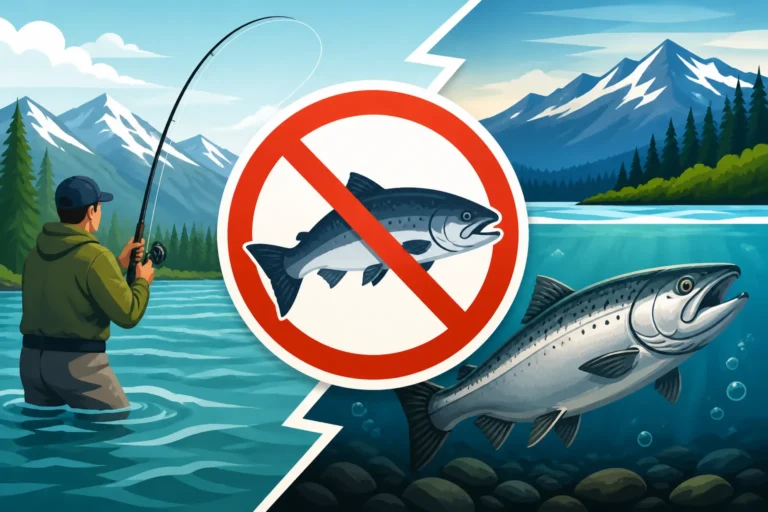
There's nothing quite like the thrill of feeling a strong tug on your line, the bend in your rod, and the ensuing battle with a powerful Alaskan fish. But for many of us who cherish Alaska's incredible fisheries, the thought of accidentally harming a fish we intend to release can be a real worry. Balancing the excitement of the catch with our responsibility to conservation is key. This guide is all about equipping you with the knowledge and best practices to ensure your catch-and-release efforts contribute positively to the health and future of Alaska's wild fish populations.
Why Catch-and-Release Matters in Alaska's Fisheries
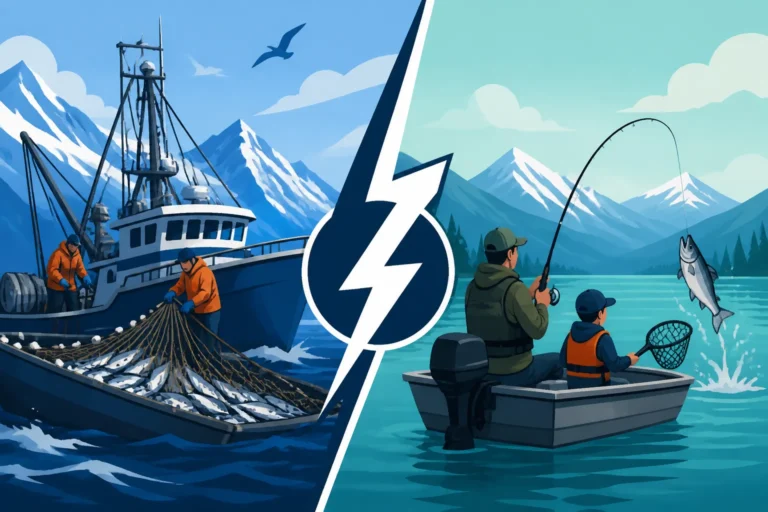
Alaska's reputation as a world-class fishing destination isn't just because of its abundance; it's also because of dedicated conservation efforts. Catch-and-release fishing plays a vital role in maintaining the sustainability of these precious resources, allowing anglers to enjoy the sport without overharvesting. It’s a mindful approach to fishing that acknowledges our impact and seeks to minimize it, especially for vulnerable or recovering populations.
Protecting Fragile Ecosystems
Alaska's freshwater rivers, pristine lakes, and vast saltwater expanses are interconnected ecosystems, each with delicate balances. Overfishing, even unintentional, can disrupt these balances, impacting not just the target species but also the prey and predators within that environment. By practicing careful catch-and-release, we reduce the overall mortality rate of fish, allowing more individuals to survive, spawn, and contribute to the genetic diversity of their populations. This is particularly crucial for species that might be facing environmental pressures or where escapement goals (the number of fish that must escape to spawn) are critical for future returns.
Consider the health of a river system like the Kenai or the Russian River. These rivers see immense fishing pressure during salmon runs. If every fish caught was kept, even within legal limits, the cumulative impact could be devastating. Catch-and-release allows more fish to reach their spawning grounds, which in turn feeds the surrounding ecosystem, from bears and eagles to the microscopic organisms that form the base of the food web. It’s about being a good steward of a truly wild place, ensuring that the vibrancy we experience today is there for our children and grandchildren.
Ensuring Future Generations of Fish
The long-term health of any fishery depends on a healthy spawning stock. When we release a fish effectively, we give it the best chance to recover from the encounter and fulfill its biological imperative to spawn. This is especially important for larger, older fish, which often carry the most robust genetics and contribute significantly more eggs to the next generation. Removing too many of these trophy-sized individuals can, over time, lead to smaller fish populations or changes in average fish size.
For species like King Salmon, which have faced challenging returns in recent years, every released fish that survives to spawn is a victory. Regulations often reflect this, with specific areas or times mandating catch-and-release, or even restricting fishing entirely, to protect these vital populations. Understanding and respecting these rules, and applying best catch-and-release practices, directly contributes to the resilience of species like the Chinook and helps ensure that the runs continue for years to come. It’s a direct investment in the future of our sport and Alaska's natural heritage.
Essential Gear for Successful Catch-and-Release
The tools you use play a huge role in how well a fish survives after being released. Investing in the right gear isn't just about making your life easier; it's about minimizing stress and physical harm to the fish. When you're out on the water, whether it's the famed waters of Bristol Bay or a remote interior stream, having the proper equipment ready to go can make all the difference in a successful, healthy release.
Choosing the Right Hooks and Line
One of the most impactful choices you can make for catch-and-release is your hook selection. Barbless hooks are unequivocally the best choice. They penetrate easily, but more importantly, they remove with minimal tissue damage and often much faster than barbed hooks. Many areas in Alaska, particularly those with sensitive fish populations or during specific seasons, actually require barbless hooks by regulation. For example, some sections of the Kenai River for rainbow trout, or specific salmon fisheries, will mandate their use. It's not just a suggestion; it's often the law, and vital for fish survival. You can often find pre-made barbless hooks, or you can easily crimp down the barb on a standard hook with a pair of pliers. This simple act drastically reduces trauma, especially when a fish is deeply hooked.
Using a line strength appropriate for the target species is also crucial. While it might seem counterintuitive, using too light of a line can prolong the fight, exhausting the fish to the point of no return. A prolonged fight can build up lactic acid in the fish's muscles, making recovery difficult even if it swims away. On the other hand, using an excessively heavy line might reduce the sport, but more importantly, it can lead to bigger hooks or more aggressive tackle that can cause more damage. The goal is to subdue the fish quickly but gently, and choosing a line that balances fighting capability with minimizing stress is part of the art. Look for high-quality fluorocarbon or monofilament leaders that are strong but offer some abrasion resistance, which can be found on platforms like Amazon, ensuring your line doesn't snap prematurely and leave a fish trailing tackle.
Must-Have Landing Tools
When it comes to actually landing the fish, your tools should prioritize its well-being over convenience. Knotless, rubberized landing nets are superior to traditional knotted nylon nets. The soft, smooth mesh of a rubberized net protects the fish's delicate slime coat, fins, and scales from abrasion and damage. That slime coat is a fish's first line of defense against disease and parasites, so preserving it is paramount. They also prevent hooks from getting tangled, making the release process much quicker. Using a net also allows you to keep the fish partially submerged during hook removal, further reducing stress.
For hook removal, especially when dealing with toothy species or those that have swallowed the hook, long-nosed pliers or hemostats are indispensable. These tools allow you to reach into the fish's mouth and dislodge the hook quickly and efficiently without having to handle the fish excessively or put your fingers in harm's way. Again, a quick search on Amazon will reveal a wide array of options designed specifically for anglers. For certain species that suffer from barotrauma (pressure changes when brought up from deep water), such as rockfish, a deepwater release device is absolutely critical. These devices help rapidly descend the fish back to its capture depth, allowing its swim bladder to recompress. Failure to use one for deep-caught fish dramatically decreases their survival rate. Always be prepared with the right tools before you even cast your line.
| Gear Item | Purpose | Catch-and-Release Benefit | Notes |
|---|---|---|---|
| Barbless Hooks | Secure catch, easy removal | Minimizes tissue damage, quicker release | Crimp barbs on regular hooks or buy pre-made. Often legally required. |
| Rubberized Net | Landing fish | Protects slime coat, fins; reduces tangles | Avoid knotted nets. Allows for in-water hook removal. |
| Long-Nosed Pliers/Hemostats | Hook removal | Safe, quick, precise removal; less handling of fish | Essential for deeply hooked fish or toothy species. |
| Deepwater Release Device | Descending deep-caught fish | Prevents barotrauma, greatly increases survival | Critical for rockfish and other deepwater species. Often required by regulation. |
| Strong, Appropriate Line | Fighting fish | Subdues fish quickly to reduce exhaustion | Avoid overly light line; balance fight time with fish health. |
The Art of a Quick and Gentle Release
Releasing a fish isn't just about letting it go; it's about giving it the best possible chance to survive and thrive after the encounter. This "art" involves a combination of quick action, gentle handling, and attentive revival. Every second out of water, every squeeze, and every rough touch can diminish a fish's chances. Your goal is to return the fish to its environment in as good a condition as when it bit your lure.
Minimizing Air Exposure and Stress
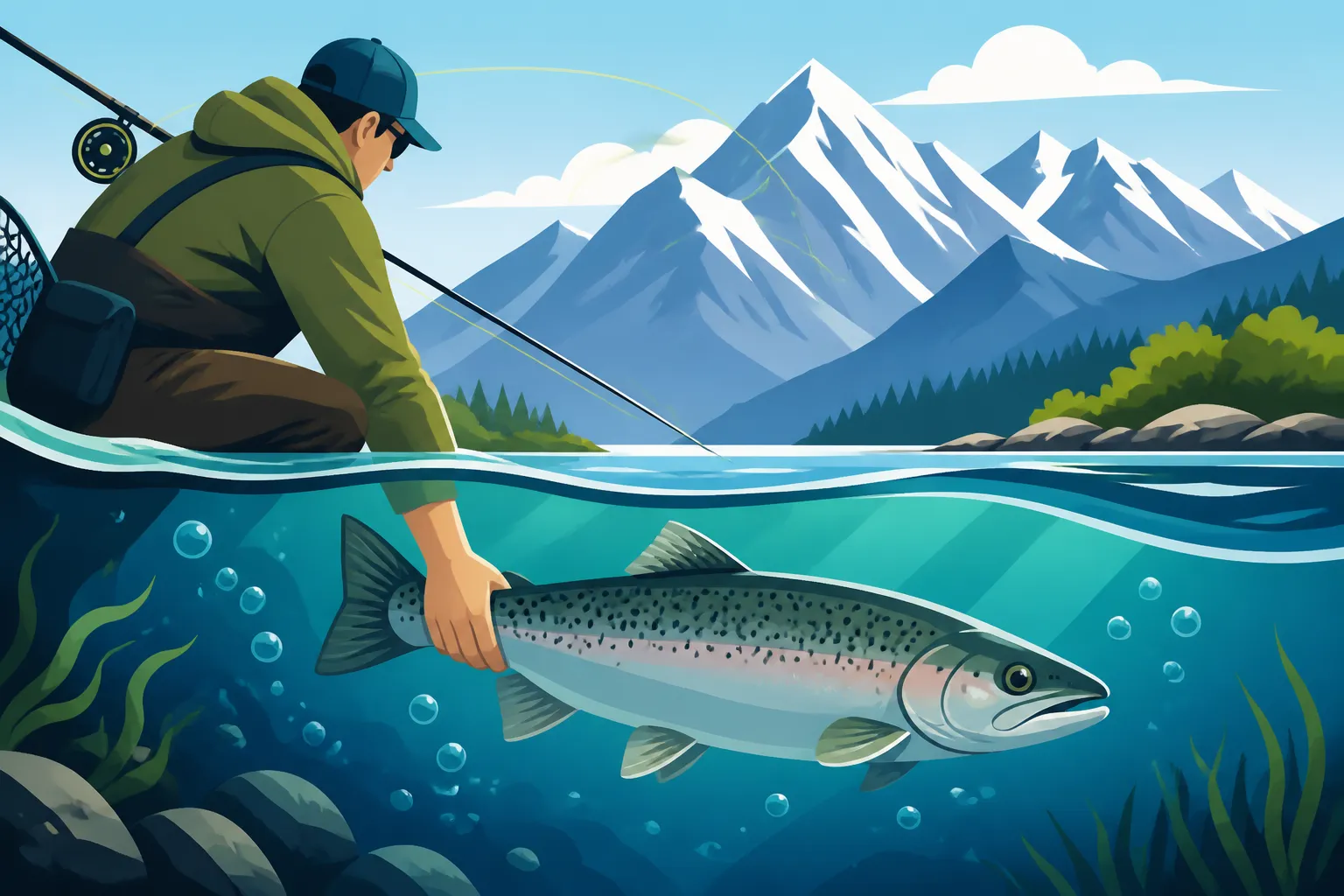
One of the most critical factors in a successful release is keeping the fish in the water as much as possible. Fish cannot breathe air, and even a few seconds out of their aquatic environment can cause significant stress and damage to their gills. If you need to bring a fish closer to remove a hook, try to do so with its head and gills submerged in the net or just at the water's surface. If you must lift it for a quick photo, keep it horizontal and support its full weight, minimizing its time out of the water to mere seconds.
Imagine being held underwater for a minute – that's what even brief air exposure feels like to a fish. When a fish struggles and thrashes out of water, it can also injure itself by flopping against hard surfaces, tearing fins, or rubbing off its protective slime coat. This slime coat is a vital defense against infection, and its removal leaves the fish vulnerable to bacteria and fungi. Always have your tools (pliers, camera) ready before you even bring the fish close, so the entire process is streamlined and efficient. By being prepared and deliberate, you can drastically reduce the fish's ordeal and increase its post-release survival.
Proper Handling Techniques
How you physically handle a fish is paramount. Never squeeze a fish around its belly or gills. The internal organs are delicate, and undue pressure can cause serious, often fatal, internal damage. Instead, use wet hands to gently support the fish horizontally, one hand under its belly near the pectoral fins and the other supporting the caudal peduncle (the narrow part of the body near the tail). For larger fish, like a respectable Silver Salmon or even a smaller King, it's often best to keep them in the water, only lifting their head enough to quickly remove the hook.
Avoid touching the fish's eyes or gills at all costs. The gills are extremely fragile and essential for respiration; even slight damage can be deadly. If a fish is thrashing, keep your hands clear of its mouth, especially if it's a toothy species like a Lingcod or even an aggressive Coho. For many trout and salmon, a simple firm but gentle grip on the tail and supporting the belly is sufficient. If you’re fishing for Alaska Steelhead, for instance, adhering to Alaska Steelhead Catch-and-Release Rules is not just good practice, it's often mandatory to protect these incredible fish. Always prioritize the fish's health over your desire for a perfect photo; a quick, in-water shot is far better than a prolonged, out-of-water pose.
Reviving the Fish for a Strong Swim-Off
After the hook is removed, the work isn't over. Many fish, especially after a hard fight, will be exhausted. This is where revival comes in. Hold the fish gently in the water, facing upstream into the current, allowing water to flow over its gills. If there's no current, gently move the fish forward and backward in the water to force oxygenated water through its gills. This helps to re-oxygenate its blood and flush lactic acid from its muscles. Do not let go until the fish shows strong signs of recovery.
Watch for the fish to regain its color, start moving its fins, and show signs of wanting to swim away. It might try to pull away from your grip. Once it feels strong enough to swim on its own, let it go. Sometimes, a fish might dart away quickly, while others may need a few minutes of careful revival. If a fish rolls over or floats away, it likely hasn't recovered sufficiently, and you should continue revival efforts. Ensuring a "strong swim-off" is the ultimate goal of catch-and-release, signifying that you've done everything possible to give that fish a second chance at life.
Species-Specific Considerations for Alaskan Waters
Alaska is home to an incredible diversity of fish, and while the general principles of catch-and-release remain constant, there are important nuances for different species. Understanding these specific considerations can dramatically improve survival rates and ensure you're in compliance with Alaska Fishing Regulations Explained, which often have species-specific rules.
Salmon Catch-and-Release Nuances
Alaskan salmon, including Kings, Sockeye, Silvers, Pinks, and Chums, are powerful fighters that can become quickly exhausted. For species like King Salmon, which are often subject to stricter conservation rules and even Alaska King Salmon Fishing Regulations and Limits mandating release during certain periods, quick and careful handling is critical. When reeling in a salmon, try to minimize the fight time as much as possible to reduce lactic acid buildup.
When handling salmon, remember their protective slime coat is vital. Avoid touching their eyes or gills, and use a rubberized net to land them if possible. For Sockeye Salmon, which are often "flossed" or snagged unintentionally in combat fisheries, removing the hook carefully is even more paramount, as they can be particularly sensitive to gill damage. Many guides will advise against lifting salmon by their tails alone, especially larger ones, as this can damage internal organs. Always support the belly to keep them horizontal, and if a photo is desired, keep the fish partially submerged.
Halibut and Bottom Fish Considerations
Halibut are robust fish, but releasing them effectively, especially larger ones, presents unique challenges. For smaller "chicken" halibut that are intended for release, it's best to keep them in the water and use long-nosed pliers to remove the hook. If you're targeting larger halibut but catch one you wish to release, minimizing the time it spends out of the water is essential. Using a dehooker while the fish is still in the water is ideal, but if you must bring it aboard for hook removal, ensure it's on a soft, wet surface, and handle it with care. Large halibut can thrash violently, and a quick, deliberate release is key to their survival.
Rockfish, Lingcod, and other deep-dwelling bottom fish present a specific challenge: barotrauma. When these fish are brought up from deep water, the rapid decrease in pressure causes their swim bladders to expand, sometimes pushing out their stomach or eyes. This condition is often fatal if not addressed. This is where a deepwater release device (also known as a descending device or recompression tool) becomes absolutely non-negotiable. Many areas in Alaska, particularly for species like yelloweye rockfish, actually mandate the use of these devices when releasing fish caught below a certain depth. Using a device to send the fish back down to depth allows its swim bladder to recompress, dramatically increasing its chances of survival. Always have one ready when bottom fishing in deeper waters. This is an example where gear purchased from Amazon could literally be a lifesaver for a fish. You can learn more about this critical tool in Alaska Rockfish Deepwater Release Device Rules.
Trout and Char Release Strategies
Alaska's freshwater systems are teeming with various trout and char species, including Rainbow Trout, Dolly Varden, Arctic Grayling, and Arctic Char. These fish are often targeted by fly anglers and spin fishermen who almost exclusively practice catch-and-release. For species like Rainbow Trout, especially the trophy-sized "leopard rainbows" found in rivers like the Kenai, conservation is paramount. Alaska Rainbow Trout Regulations often stipulate specific slot limits or even mandatory catch-and-release in certain areas.
When handling trout and char, their delicate mouths and scales require extra care. Use light tackle appropriate for the size of the fish to avoid over-stressing them. Barbless hooks are highly recommended, as they make quick work of hook removal from their soft mouthparts. A fine-mesh, rubberized net is ideal for landing them, keeping them submerged while you extract the hook with forceps or pliers. These fish are relatively quick to recover, but still deserve the same gentle revival upstream in the current until they swim off with a strong flick of their tail.
Understanding and Adapting to Regulations
Catch-and-release isn't just a personal ethical choice; it's often deeply intertwined with Alaska's fishing regulations. The Alaska Department of Fish and Game (ADF&G) uses regulations, including those related to catch-and-release, as critical tools to manage fisheries sustainably. Being aware of these rules, and knowing how to adapt to them, is part of being a responsible angler in the Last Frontier. You can find comprehensive details in resources like How to Read Alaska Fishing Regulations.
Emergency Orders and Conservation Measures
One of the most dynamic aspects of fishing in Alaska is the frequent issuance of Emergency Orders. These orders, issued by ADF&G, can change regulations on the fly, sometimes even overnight, in response to real-time fishery data such as lower-than-expected fish returns or environmental conditions. These changes can include everything from closing a fishery to mandatory catch-and-release for certain species, or even specific gear restrictions. For instance, an emergency order might declare a King Salmon fishery "catch-and-release only" if escapement goals are not being met. These are crucial conservation measures designed to protect future runs.
As an angler, it is your responsibility to stay informed about these emergency orders, especially when planning a trip or already in the field. Websites, local tackle shops, and fishing guides are excellent sources of up-to-date information. Ignoring an emergency order, even unknowingly, can lead to serious penalties, fines, and the loss of fishing privileges. More importantly, it undermines the collective effort to conserve Alaska's fish. Before heading out, always check for the latest updates. You can find more specific information on these dynamic changes in Alaska Fishing Emergency Orders Explained.
Gear Restrictions for Catch-and-Release
Regulations aren't just about what you can keep or when; they also dictate the gear you can use, often with catch-and-release in mind. A prime example is the widespread requirement for barbless hooks in many of Alaska's salmon and trout fisheries. As discussed, barbless hooks significantly reduce injury to fish that are caught and released, making their use a fundamental catch-and-release best practice that has been codified into law in sensitive areas. For example, specific stretches of the Kenai River may require barbless hooks for trout fishing year-round. Adhering to Alaska Barbless Hook Requirements is crucial for all anglers.
Beyond barbless hooks, other gear restrictions can include limitations on the number of hooks, the use of bait (especially in catch-and-release-only areas for trout), or the type of tackle permitted. For saltwater anglers targeting halibut or other bottom fish, the requirement to have a deepwater release device on board and readily available when fishing below certain depths is another critical regulation aimed at increasing the survival of released fish. This is particularly relevant for guided trips, and Alaska Halibut Charter Regulations Explained often cover these requirements. Always consult the specific regulations for the area and species you intend to fish before heading out, as these rules are designed to protect the resource you've come to enjoy.
Disclaimer
The information provided in this guide is for general informational purposes only and does not constitute legal advice. Fishing regulations in Alaska are complex and subject to frequent changes, including emergency orders. Always consult the most current Alaska Department of Fish and Game (ADF&G) regulations for the specific area and species you plan to fish before engaging in any fishing activity. Non-compliance with regulations can result in significant fines and penalties.