Best Rain Gear for Alaska Fishing
If you've ever spent a day fishing in Alaska, you know the weather can turn on a dime. One moment you're basking in a glorious, albeit fleeting, sunbeam, and the next, a relentless rain squall rolls in, drenching you to the bone. Getting caught unprepared in a downpour isn't just uncomfortable; it can quickly become a miserable experience that cuts your valuable fishing time short. This guide will help you understand what makes truly effective rain gear for the Last Frontier and how to choose the best options to keep you dry, warm, and focused on landing that trophy catch.
Why Quality Rain Gear is Non-Negotiable in Alaska
Alaska isn't known for its subtle weather. It's a place of extremes and rapid changes, and any serious angler quickly learns that proper gear isn't just a convenience – it's an absolute necessity. Trying to skimp on rain protection here is a rookie mistake you'll only make once.
The Unpredictable Alaskan Climate
Alaska’s climate is famously fickle. You might wake up to clear skies in Anchorage, drive down to the Kenai Peninsula, and encounter a completely different weather system – dense fog, a biting wind, and a persistent drizzle that feels like it’s specifically designed to penetrate every seam of your clothing. These aren't just little sprinkles; they're often sustained, soaking rains that can last for hours, making every exposed surface slick and cold. Imagine being out on a charter boat off Homer, targeting halibut, when the waves start kicking up and a squall hits. If your rain gear isn't up to snuff, you'll be shivering and miserable, longing for shore, while your companions with good gear are still fishing comfortably. This constant variability means your gear needs to be ready for anything, from a light mist to a full-blown coastal deluge or an interior river downpour. Ignoring this reality can quickly turn a dream trip into a cold, wet nightmare.
Comfort and Endurance for Long Days
Fishing in Alaska often means long, demanding days on the water. Whether you’re wading a river for Sockeye salmon, casting from the bank for Rainbow Trout, or bottom fishing offshore, you’ll be active for extended periods. Being wet severely impacts your comfort, concentration, and ultimately, your endurance. When water seeps in, your body has to work harder to stay warm, draining your energy and making you lethargic. You start focusing on your discomfort instead of the bite. Effective rain gear, however, acts as your personal dry sanctuary. It keeps the external elements out while ideally allowing internal moisture (sweat) to escape, maintaining a stable microclimate around your body. This allows you to focus on the task at hand – the thrill of the fight, the perfect cast, the strategy of the retrieve – rather than battling the cold and damp. Pairing good rain gear with appropriate base layers and insulating mid-layers is key to thriving, not just surviving, in Alaska's challenging conditions. For more on preparing for your trip, check out our guide on How to Dress for Alaska Fishing.
Key Features to Look for in Alaska Fishing Rain Gear
Choosing the right rain gear can feel overwhelming with all the technical jargon out there. But for Alaska, there are a few core features that are absolutely non-negotiable. Understanding these will help you distinguish between gear that says it's waterproof and gear that actually is waterproof when it matters most.
Waterproofing and Breathability Ratings
This is where the rubber meets the road. True Alaska-worthy rain gear needs to excel in both keeping water out and letting sweat escape.
- Waterproofing Membranes: The gold standard here is often GORE-TEX, which is renowned for its durability and performance. However, many other brands offer their own proprietary waterproof/breathable membranes, like Toray's Dermizax, eVent, or Pertex Shield. These membranes have microscopic pores that are too small for liquid water droplets to pass through, but large enough for water vapor (sweat) to escape. Cheap gear might just have a coating that wears off, leading to failure. When you're looking for quality, research the membrane technology.
- DWR Coating: Beyond the membrane, almost all good rain gear has a Durable Water Repellent (DWR) coating on the outer fabric. This causes water to bead up and roll off, preventing the face fabric from becoming saturated, or "wetting out." When the DWR stops working, the fabric gets heavy and damp, even if the membrane is still technically waterproof, which reduces breathability significantly.
- Hydrostatic Head (Waterproof Rating): This is measured in millimeters (mm) and indicates the amount of water pressure the fabric can withstand before leaking. For Alaska, you want a minimum of 10,000mm, but 20,000mm or higher is ideal, especially for saltwater fishing or prolonged exposure to heavy rain. Anything less will likely leave you feeling clammy and eventually soaked.
- Moisture Vapor Transmission Rate (MVTR – Breathability Rating): Measured in grams per square meter per 24 hours (g/m²/24h), this indicates how much water vapor can pass through the fabric. Higher numbers mean better breathability. A rating of 10,000 g/m²/24h is a good starting point, but 15,000-20,000 g/m²/24h or more will keep you much more comfortable during active fishing. Trying to cast and retrieve all day in a non-breathable rain jacket feels like wearing a sauna suit!
Durability and Construction for Rugged Use
Alaska isn't a place for delicate gear. You'll be brushing against alder branches, kneeling on rocky riverbanks, leaning against rough boat surfaces, and generally putting your gear through its paces.
- Material Thickness (Denier): Look for fabrics with higher denier ratings, especially in high-wear areas. For example, a 70D nylon face fabric might be fine for a lightweight jacket, but reinforced areas on heavy-duty bibs might use 200D or even 500D fabric. Thicker fabrics are more resistant to punctures and abrasion.
- Reinforced Stress Points: Pay close attention to areas that see a lot of abuse: the knees and seat of rain pants or bibs, and the elbows and shoulders of jackets. These should have extra layers of fabric or a more robust material.
- Seam Sealing: Even the best waterproof fabric is useless if the seams leak. All seams on quality rain gear should be fully taped with waterproof tape on the inside. This is a critical detail that's often overlooked but makes all the difference.
- Zippers: Standard zippers are weak points for water entry. Look for waterproof or water-resistant zippers, often recognized by brands like YKK AquaGuard. These have a polyurethane coating that seals the teeth when closed. Storm flaps over zippers are also a good sign of extra protection.
- Hood Design: A well-designed hood is essential. It should be fully adjustable with drawstrings to cinch it down around your face, allow for good peripheral vision, and be large enough to comfortably fit over a baseball cap or even a light beanie without feeling restrictive. Some higher-end jackets will even have a structured brim to keep rain off your face.
Functionality and Angler-Specific Design
Beyond simply keeping you dry, the best rain gear is designed with the angler in mind, offering features that enhance your fishing experience.
- Pocket Placement and Waterproofness: You need places to stash small items like a leader spool, pliers, or a camera without fear of them getting soaked. Look for external pockets with waterproof zippers or storm flaps, and ideally, internal dry pockets for your phone or wallet.
- Adjustable Cuffs and Waist: Cuffs that can be tightly cinched with Velcro or neoprene prevent water from running down your arm when you're netting a fish or casting overhead. Adjustable waists on jackets and bibs ensure a snug fit, preventing drafts and splash entry.
- Full Range of Motion: Your rain gear shouldn't restrict your movement. Look for articulated elbows and knees, gusseted underarms, and a cut that allows for comfortable casting, bending, and reaching without pulling or binding. Brands like Simms, for example, often design their gear specifically for dynamic angling movements.
- High Bibs/Pants: For serious fishing, especially on boats or in rivers, rain bibs or high-waisted pants offer superior protection compared to simple rain pants. They prevent water from splashing up your back or chest, which is a common occurrence on rough seas or when wading deep.
- Visibility: While not strictly functional, brighter colors can be a safety feature, making you more visible to others, especially in low light conditions, dense fog, or during search and rescue situations in remote areas.
Top Types of Rain Gear for Different Fishing Scenarios
Just like you wouldn't use the same rod for every type of fishing, the "best" rain gear depends heavily on your specific Alaska fishing adventure. What's perfect for a short day trip might be utterly inadequate for a multi-day backcountry excursion.
Lightweight Packable Rain Gear
Sometimes you just need something that can handle an unexpected shower without adding significant bulk to your pack. This is where lightweight, packable rain gear shines.
- Pros: The biggest advantage is portability. These garments are designed to be extremely light and compress down to a tiny footprint, making them ideal for stuffing into a daypack or a small tackle bag. They're excellent for those days when the forecast is mostly clear but there's a slight chance of a pop-up shower, or as an emergency backup for shorter outings. Brands like Frogg Toggs are popular for their affordability and extreme packability, often used as disposable options for quick trips or as a backup layer over expensive waders.
- Cons: The trade-off for light weight is often durability and extreme weather protection. The fabrics are typically thinner, making them more susceptible to tears and abrasions from brush or rough boat surfaces. While they'll keep you dry in a light rain, they might struggle to withstand a prolonged, heavy downpour, and their breathability can sometimes be compromised. They're also less insulated, offering minimal warmth beyond blocking wind and rain.
- Use Cases: Think day hikes to a remote lake, casual bank fishing on a sunny day with a chance of afternoon showers, or as a secondary layer when you're unsure if you'll need your primary heavy-duty gear. If you're heading out for a quick evening session on the Kenai River and just need something to throw on if the clouds open up, a good lightweight jacket you can find on Amazon will do the trick.
Heavy-Duty Performance Suits
When you know you're going to face Alaska's true elements – relentless rain, driving wind, ocean spray, and potentially cold temperatures – you need gear that's built like a tank.
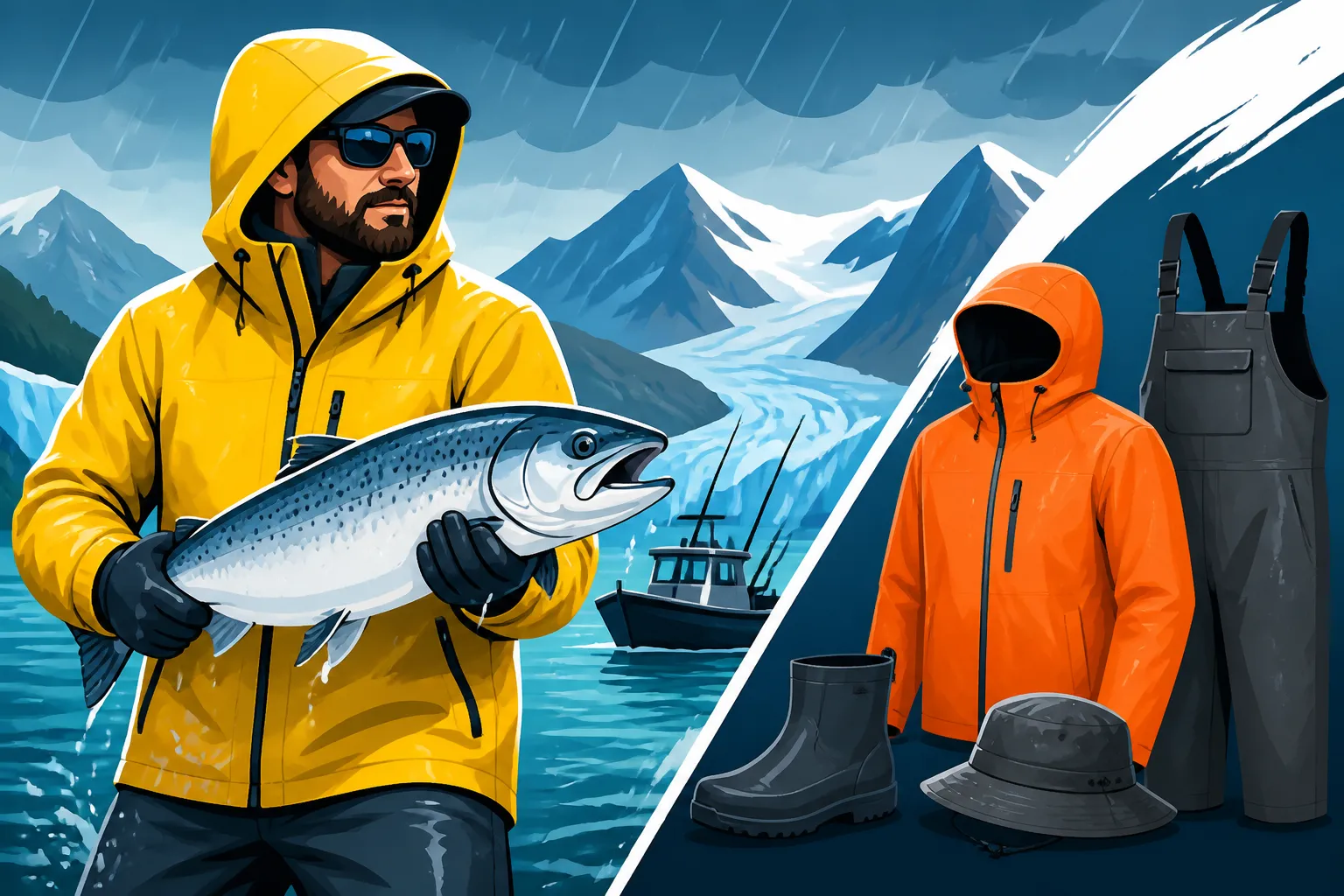
- Pros: These are the workhorses of Alaska fishing. They offer maximum waterproofness, superior durability, and often enhanced breathability thanks to premium membranes and robust construction. They usually feature thicker fabrics, reinforced stress points, and a more tailored fit that allows for layering underneath while still maintaining a full range of motion. Many come with insulated options or are designed to accommodate heavy layering, providing crucial warmth. Brands like Grundéns and Simms are industry leaders in this category, known for their commercial fishing roots and angler-focused designs. A good performance suit, like the Simms ProDry series or Grundéns Brigg/Herkules line, will make you feel almost invincible against the weather.
- Cons: The main drawbacks are cost and bulk. These suits are a significant investment, often running into several hundred dollars for a jacket and matching bibs. They are also heavier and take up more space, which might be a concern if you're flying in with strict baggage limits.
- Use Cases: Multi-day fishing trips, extended saltwater charters out of Seward or Sitka, serious river expeditions, or any scenario where you expect prolonged exposure to harsh weather. If you're planning a week-long stay at an Alaska Fly-In Fishing Lodges Guide or heading out for a full day of Alaska Halibut Charter Regulations Explained, this is the type of gear you absolutely need to invest in. It’s also crucial for guides and commercial fishermen who spend every day on the water.
Waders as Part of the System
While not strictly "rain gear" in the traditional sense, waders are an integral part of an angler's waterproof system, particularly for river and stream fishing.
- Lower Body Protection: Waders provide an impenetrable barrier against water from the waist or chest down, allowing you to stand in the river or walk through wet, brushy banks without getting soaked. For more details, refer to our guide on Do You Need Waders for Alaska Fishing. Chest waders are the most common and versatile choice for Alaska, offering protection up to your armpits, which is essential when wading deep or crossing swift currents. Hip waders offer less protection but are lighter and quicker to don for shallow water.
- Material Types: Neoprene waders offer excellent insulation and are great for cold water, but they can be bulky and less breathable. Breathable waders, typically made from GORE-TEX or similar multi-layered fabrics, are far more comfortable for active fishing, especially in warmer weather, as they allow sweat to escape. For Alaska, a good pair of breathable chest waders is generally preferred for comfort and versatility.
- Integration with Rain Jackets: It's crucial to understand that waders only cover the lower body. For complete protection against rain, you still need a dedicated waterproof rain jacket that extends well over the top of your waders. This creates an overlapping system where water can't seep in, even if you're bending, kneeling, or casting vigorously.
Here's a quick comparison of general rain gear types:
| Feature | Lightweight Packable Gear | Heavy-Duty Performance Suits |
|---|---|---|
| Primary Use | Emergency, short trips, mild rain, backup | Prolonged exposure, heavy rain, harsh conditions, charters |
| Waterproofing | Good to Moderate (often 10,000-15,000mm) | Excellent (often 20,000mm+) |
| Breathability | Moderate to Good (can vary widely) | Very Good to Excellent (premium membranes) |
| Durability | Lower (thinner fabrics, prone to tears) | High (robust fabrics, reinforced stress points) |
| Weight/Bulk | Very Low (easy to pack, light on body) | Higher (more substantial, takes up more space) |
| Cost | Low to Mid-range | High-end investment |
| Comfort | Can feel clammy if non-breathable, less flexible | Designed for active comfort, good layering capabilities |
| Key Brands | Frogg Toggs, some generic shells (often found on Amazon) | Simms, Grundéns, Patagonia, Helly Hansen |
Care and Maintenance of Your Rain Gear
Investing in quality rain gear for Alaska is a smart move, but it's only half the battle. To ensure your gear performs season after season, proper care and maintenance are absolutely essential. Neglecting your rain gear can severely diminish its effectiveness and shorten its lifespan, leaving you vulnerable to the elements when you least expect it.
Cleaning and Reviving DWR
Many anglers mistakenly believe that washing waterproof gear will somehow ruin its waterproofing. In reality, the opposite is often true! Dirt, grime, insect repellent, and fish slime can clog the pores of breathable membranes and degrade the DWR coating.
- Gentle Washing is Key: Always follow the manufacturer's specific washing instructions, usually found on an inside tag. Generally, you'll want to machine wash your rain gear in cold water on a gentle cycle.
- Specialized Tech Washes: Don't use regular laundry detergent, as it can leave residues that strip the DWR and clog membranes. Instead, opt for specialized technical washes designed for waterproof/breathable fabrics, such as those from Nikwax (e.g., Tech Wash) or Grangers. These cleaners are formulated to remove dirt and oils without damaging the DWR or compromising the membrane. You can find these easily on Amazon or at outdoor retailers.
- Reactivating DWR: After washing, the warmth from a tumble dryer can often reactivate the existing DWR coating. Tumble dry on a low-heat setting for about 20 minutes. If water still isn't beading up and rolling off like it used to, it's time to reapply.
- Reapplying DWR Spray: You can purchase DWR-restoring sprays or wash-in treatments (again, brands like Nikwax or Grangers are excellent choices). For sprays, apply evenly to the clean, damp outer fabric of your jacket and pants, then tumble dry on low heat or iron on a very low setting to bond the treatment. This step is critical for maintaining breathability and preventing the fabric from "wetting out."
Storage and Repair Tips
Proper storage and timely repairs can significantly extend the life of your expensive rain gear. Don't just toss it in a corner or stuff it wet into a bag after a long day of fishing.
- Store Clean and Dry: Always ensure your rain gear is completely clean and dry before storing it. Hanging it in a well-ventilated area, away from direct sunlight or extreme heat, is ideal. Storing wet gear can lead to mildew, which not only smells terrible but can also damage the fabric and membrane.
- Avoid Extreme Temperatures and Compression: Don't leave your rain gear crumpled up in a hot car trunk for weeks, nor should you store it in a tightly compressed bag for extended periods. Extreme heat can degrade waterproof coatings and taped seams, while prolonged compression can create permanent creases and compromise the membrane's integrity.
- Patching Small Tears: Accidents happen. A stray hook, a sharp branch, or a misstep can cause a small tear. Don't despair! For minor punctures or rips, products like Tenacious Tape by Gear Aid or AquaSeal can provide excellent, waterproof, and durable field repairs. Always carry a small repair kit, especially on multi-day trips. Clean the area thoroughly, apply the patch or sealant according to instructions, and allow ample curing time.
- Professional Repair Services: For larger tears, seam failures, or complex issues, consider sending your high-end rain gear to a professional repair service that specializes in outdoor gear. Many of the major brands (Simms, GORE-TEX) also offer repair services or recommendations. It’s often a worthwhile investment to save an otherwise perfectly good, expensive piece of gear. Keeping your rain gear in top shape means you'll always be ready for whatever conditions Alaska throws your way, whether you're trying to time the Alaska Salmon Run Timing Explained or battling rough seas for Alaska Halibut Fishing Regulations and Limits.
Disclaimer
The information provided in this guide is for general informational purposes only and does not constitute professional advice. Alaska fishing regulations, weather conditions, and recommended gear can change rapidly. Always consult the latest Alaska Department of Fish and Game regulations and local weather forecasts before embarking on any fishing trip. Personal safety should always be your top priority.