Alaska Fishing Gear and Tackle Guide
Preparing for an Alaska fishing trip often feels like gearing up for an expedition to another planet. You hear tales of monster fish, brutal weather, and regulations that change faster than the tide. It's enough to make even seasoned anglers feel overwhelmed, unsure if their trusty tackle box from back home will stand a chance against the wilds of the Last Frontier. This comprehensive guide is designed to cut through that confusion, helping you understand exactly what fishing gear and tackle you'll need to succeed and stay comfortable in Alaska's diverse and demanding fishing environments.
Understanding the Alaskan Fishing Environment
Alaska isn't just a state; it's a vast wilderness with an incredible array of fishing opportunities, each presenting its own unique challenges and demanding specific gear. From the raging rivers teeming with salmon to the deep, frigid waters of the Gulf, your choice of equipment can make or break your trip. It's not about having the most expensive gear, but the right gear for the conditions and the fish you're targeting.
Freshwater vs. Saltwater Demands
The distinction between freshwater and saltwater fishing in Alaska is paramount when selecting your gear. Freshwater environments, like the Kenai River or the countless streams spilling into Bristol Bay, typically call for lighter, more sensitive rods and reels designed for casting and fighting fish in currents. Think about the finesse needed to present a fly to a wary rainbow trout or the sheer backbone required to stop a charging king salmon in a swift river. Lines often need to be abrasion-resistant to handle snags in rocky riverbeds.
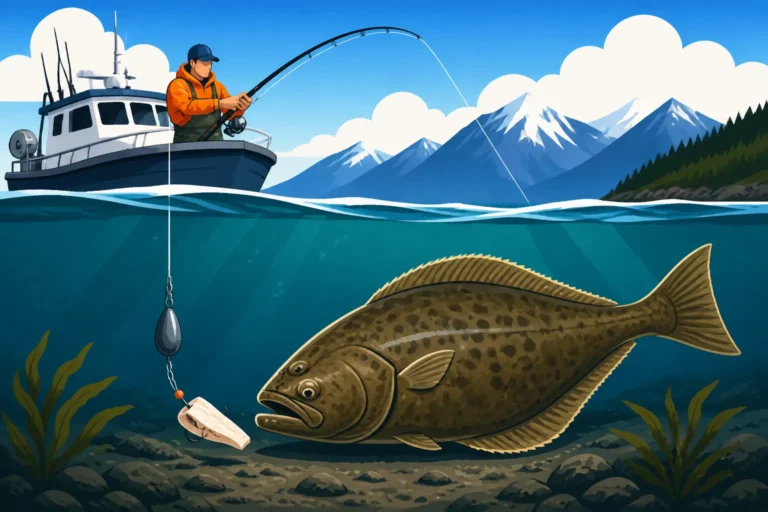
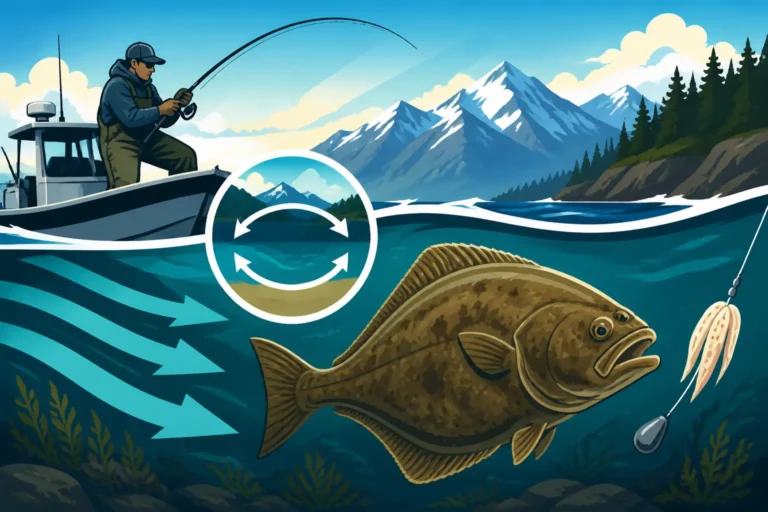
On the other hand, saltwater fishing for species like halibut, lingcod, or rockfish in places like Homer or Seward is a whole different ballgame. You're often fishing in hundreds of feet of water, contending with strong currents, massive depths, and fish that can weigh over a hundred pounds. This necessitates heavy-duty rods and reels capable of handling significant drag, thicker lines with high breaking strengths, and corrosion-resistant components to withstand the relentless saltwater spray. The sheer power of deep-sea winches and the durability of gaffs and landing nets become critical tools. The salt itself is notoriously hard on gear, so choosing equipment designed for marine environments is essential to prevent premature wear and tear.
Weather and Temperature Challenges
Alaska's weather is famously unpredictable. A sunny, calm morning can quickly transform into a blustery, rainy, or even snowy afternoon, even in the peak of summer. This volatility profoundly impacts your gear choices, particularly your personal clothing and protective equipment. You might be fishing under the midnight sun in 70-degree weather one day and bundling up against a cold, driving rain the next. The constant dampness can also wreak havoc on sensitive electronics and reels if they're not adequately protected.
Anglers need to be prepared for everything. This means bringing waterproof and windproof outerwear, insulating layers, and waterproof boots, whether you're standing in a chilly river or getting splashed on a charter boat. Temperatures can swing dramatically within a single day, so a versatile layering system is key. Without appropriate clothing, you'll be miserable, distracted, and potentially even put yourself at risk of hypothermia. Even something as simple as a pair of gloves or a warm hat can be the difference between a fantastic day on the water and retreating back to shore early.
Species-Specific Requirements
Alaska is home to an incredible diversity of fish, and what works for one species might be entirely ineffective for another. Targeting a massive King Salmon requires different gear than pursuing a delicate Arctic Grayling. This isn't just about rod strength; it extends to the type of lure, hook size, line test, and even the specific retrieve or presentation technique. For instance, the aggressive bite and powerful runs of a King Salmon in the Kenai River demand heavy-duty conventional or spinning gear and large, flashy lures or cured eggs.
Conversely, catching sockeye salmon often involves a more specialized "flossing" technique with lighter leaders and bare hooks, requiring a fast-action rod to detect subtle takes. For halibut, heavy jigs or bait rigs dropped to the bottom are standard, necessitating stout rods and powerful reels. Rainbow trout and Dolly Varden, especially in pristine wilderness streams, might respond best to delicate fly presentations or small spinners. Understanding the habits, fighting style, and preferred forage of your target species is crucial for selecting the right gear. Failing to match your tackle to the fish is a common mistake that can lead to frustration and lost opportunities. Our guide on Alaska Fish Species Guide can help you learn more about what you might encounter.
Essential Rods and Reels for Alaska
When you think about fishing, rods and reels are often the first things that come to mind, and for good reason. They are the primary tools that connect you to the fish, transmitting every twitch and run. In Alaska, where fish often reach impressive sizes and fight with incredible power, having the right rod and reel combination isn't just helpful – it's absolutely crucial for success and enjoyment.
Salmon Rods and Reels King, Sockeye, Coho
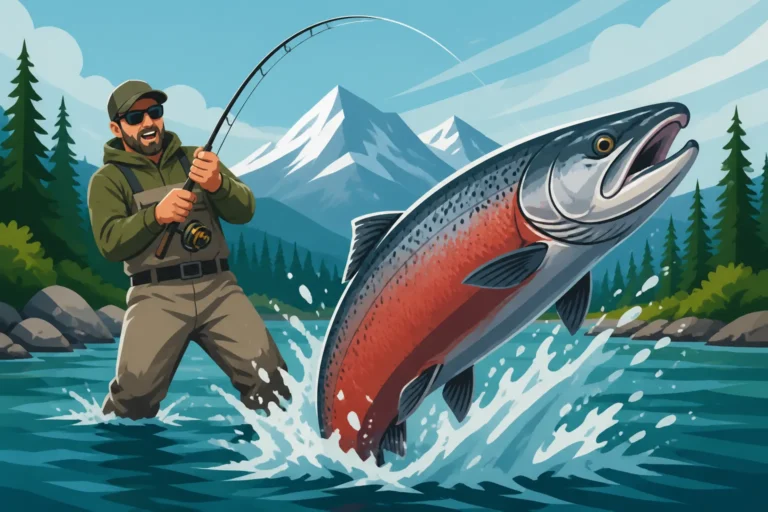
Salmon fishing in Alaska is incredibly diverse, demanding different setups depending on the species and the specific technique. For King Salmon, often called Chinook, you'll want heavy-duty gear. A robust 8.5 to 10.5-foot medium-heavy to heavy power rod with a fast action is ideal for casting large lures, back-trolling Kwikfish, or soaking bait. Paired with this, a high-quality baitcasting reel, like a durable Shimano Tranx or a Penn Fathom, spooled with 30-50 lb braided line and a strong fluorocarbon leader, is essential to handle their powerful runs and weight. When a King Salmon decides to go, it goes, and you need a reel with a smooth, powerful drag system that won't give out. Checking out the How to Catch King Salmon in Alaska guide can provide even more specific tips for these magnificent fish.
Sockeye (Red) Salmon, while not as large as Kings, are incredibly powerful swimmers and are often targeted in fast-moving rivers. A lighter, yet sensitive rod, typically 9 to 10 feet in length with a medium to medium-heavy power and a moderate-fast action, is preferred. This allows for the finesse often required for "flossing" techniques, where you drift a bare hook into the sockeye's mouth. A reliable spinning reel in the 3000-4000 series, spooled with 20-30 lb braided line and a lighter 15-20 lb fluorocarbon leader, provides the balance of sensitivity and power. Brands like Daiwa or Pflueger offer excellent options that provide the smooth retrieve and responsive feel needed. You'll want to practice your casting and line control, especially when rivers are crowded, to avoid tangles and successfully present your offering. For Coho (Silver) Salmon, which are renowned for their acrobatic jumps and aggressive strikes, a versatile 8 to 9.5-foot medium-heavy spinning or baitcasting rod with a fast action is a great choice. These rods provide enough backbone to fight powerful fish but enough tip sensitivity for casting lighter spinners and spoons. A matching spinning reel (4000-5000 series) or a baitcasting reel spooled with 20-30 lb braid is perfect. Think about reels from reliable brands like Abu Garcia or Okuma that offer consistent performance. Silvers often hit hard and put up a spectacular fight, so a smooth drag and strong retrieve are key. Learning How to Catch Coho Salmon in Alaska might give you more specifics on tackle and techniques.
Halibut Rods and Reels
When it comes to Alaskan halibut, you're entering the realm of true heavy-duty fishing. These "barn doors" can weigh well over 100 pounds and stick to the bottom with incredible force, making them one of the strongest fighting fish you'll encounter. For halibut, you absolutely need a stout, heavy-duty conventional rod, typically 5.5 to 7 feet long, with a very heavy power and a fast to moderate action. These rods are designed to handle heavy sinkers (often 1 to 2 pounds or more) and provide the leverage needed to winch up a massive fish from significant depths. Look for rods with a strong backbone and often a gimbal butt for fighting straps.
Pairing this rod with a high-capacity, powerful conventional reel is non-negotiable. Reels in the 30-50 wide size range, from brands like Penn International, Accurate, or Shimano Talica, are common choices. They need to be spooled with 80-150 lb braided line, which has no stretch, allowing you to feel every bite and apply maximum lifting power. A good reel will also feature a powerful and exceptionally smooth drag system that can withstand the immense pressure of a struggling halibut. Many anglers opt for reels with a low gear ratio for maximum cranking power. Having a spare spool or extra line on hand is always a good idea, as even the toughest gear can sometimes encounter issues when battling these giants. You can find more targeted advice in our guide on How to Catch Halibut in Alaska.
Trout and Char Rods and Reels
For the freshwater enthusiast pursuing rainbow trout, Dolly Varden, or Arctic Char in Alaska's pristine rivers and lakes, the gear tends to be lighter and more focused on finesse. These fish, while not reaching the colossal sizes of salmon or halibut, offer fantastic fights on appropriate tackle. For general trout and char fishing, a sensitive 7 to 9-foot medium-light to medium power spinning rod with a fast action is a versatile choice. This allows for precise casting of small spinners, spoons, or bait rigs, and provides the sensitivity to detect subtle takes.
A lightweight spinning reel in the 2000-3000 series, spooled with 6-10 lb monofilament or braided line with a fluorocarbon leader, is ideal. Brands like Shimano, Pflueger, or Okuma offer excellent options that are smooth and reliable. Fly fishing is also incredibly popular for trout and char in Alaska, requiring a different setup entirely. A 5-7 weight fly rod, 9 feet in length, paired with a matching fly reel and floating fly line, is the standard. Specific fly patterns like egg patterns, beads, streamers, or nymphs will vary depending on the time of year and water conditions. For the ultimate in delicacy, some anglers might use even lighter setups, like a 2-4 weight rod, for smaller streams and more finicky fish. Learning about Alaska Rainbow Trout Regulations can also help fine-tune your approach for these beautiful fish.
Terminal Tackle: The Business End
Terminal tackle refers to all the bits and pieces at the "business end" of your fishing line—the hooks, swivels, weights, and leaders that directly interact with the fish and present your bait or lure. In Alaska, where you're often targeting large, powerful fish, the integrity and quality of your terminal tackle are paramount. A weak knot, a flimsy hook, or an undersized swivel can mean the difference between landing a trophy and telling a sad story about "the one that got away."
Line Selection Monofilament, Fluorocarbon, Braid
Choosing the right fishing line is a critical decision that impacts sensitivity, casting distance, strength, and stealth. Each type of line has its strengths and weaknesses, making it suited for different Alaskan fishing scenarios.
Monofilament (Mono): This classic line type is made from a single strand of nylon. It's known for its stretch, which can act as a shock absorber during violent strikes and head shakes, reducing the chance of hooks pulling free. Mono is also relatively inexpensive, easy to tie knots with, and offers good abrasion resistance, which is helpful in rocky rivers. However, its stretch can reduce sensitivity, making it harder to detect subtle bites, especially at depth. It also has a larger diameter for its breaking strength compared to other lines. Many anglers still prefer mono for its forgiving nature, especially when trolling or for certain types of bait fishing. You might use 10-20 lb mono as a mainline for trout or as a leader material for salmon.
Fluorocarbon (Fluoro): Often used as a leader material in Alaska, fluorocarbon is virtually invisible underwater due to its similar refractive index to water. It has very low stretch, offering excellent sensitivity, and boasts superior abrasion resistance compared to mono. Fluoro also sinks, which can be an advantage when trying to get your bait or lure down quickly. The downsides are its higher cost and that it can be stiffer and harder to tie knots with reliably. For clear water conditions or wary fish like sockeye, a 15-30 lb fluorocarbon leader is often indispensable. It's also fantastic for presenting flies to trout or for saltwater jigging where stealth and sensitivity are key.
Braided Line (Braid): Composed of multiple woven synthetic fibers, braided line offers incredible strength-to-diameter ratio, virtually no stretch, and exceptional sensitivity. This makes it ideal for deepwater fishing for halibut, where feeling a bite hundreds of feet down is crucial, or for detecting the lightest tap from a salmon in a river. Braid casts incredibly well, allowing for longer distances. However, it is visible underwater and lacks abrasion resistance if rubbed against sharp rocks or fish teeth, requiring a leader. It also cuts easily, which can be a hazard. In Alaska, you'll commonly find 30-80 lb braid as the main line for salmon and 80-150 lb braid for halibut. When selecting braid, consider reputable brands like PowerPro, Berkley X5, or Sufix 832 for reliable performance. Many anglers will pair their braided mainline with a fluorocarbon leader for stealth and abrasion protection.
Hook Types and Sizes
The right hook is essential for effective hook sets and holding power. In Alaska, you'll encounter a variety of hook types and sizes, each serving a specific purpose.
Single Hooks: For many river salmon fisheries, especially during spawning runs or in areas with conservation concerns, single hooks are often mandated. These hooks typically cause less damage to fish, making catch-and-release more viable. Sizes can range from large 4/0-6/0 for King Salmon to smaller 1/0-2/0 for Sockeye and Coho. Using sharp, strong single hooks is crucial to penetrate the tough mouths of salmon. For example, when fishing for sockeye on the Kenai River, many anglers use a plain 1/0 or 2/0 octopus hook.
Treble Hooks: While restricted in some areas, treble hooks are still used for certain techniques, particularly with lures for Coho or King Salmon where regulations allow. The multiple points increase the chance of a hook-up. If using treble hooks, ensure they are strong enough to handle the fight and that they comply with current Alaska Fishing Regulations Explained. Always check emergency orders as rules can change frequently.
Circle Hooks: These hooks are often required for halibut and other bottom fish, especially when bait fishing, as they are designed to hook fish in the corner of the mouth, minimizing gut-hooking and improving catch-and-release survival. Sizes can range from 14/0 to 20/0 for large halibut. Brands like Mustad or Gamakatsu are popular for their strength and sharpness. They require a different technique than J-hooks; instead of a sharp "set," you simply apply steady pressure as the fish swims away, allowing the hook to slide into place.
J-Hooks: Traditional J-hooks are versatile and still used for various species and techniques where circle hooks aren't mandated. For trout, smaller J-hooks (size 6-10) might be used with bait, while larger, stout J-hooks could be used for salmon in specific lure applications. Always ensure your hooks are chemically sharpened for the best penetration.
Weights, Leaders, and Swivels
These small components play a massive role in your rigging's effectiveness and reliability.
Weights: You'll need a variety of weights to get your bait or lure to the desired depth and maintain contact with the bottom in strong currents.
- Split Shot: Small, versatile weights for light tackle trout fishing or fine-tuning buoyancy.
- Slinky Weights: Made from lead shot inside a flexible cord, these are excellent for river fishing as they snag less often on rocky bottoms. They are a favorite for salmon fishing, especially on the Kenai and Russian Rivers. You'll need various sizes, from 1/2 oz to 2 oz.
- Pyramid or Bank Sinkers: Heavy, dense weights, typically 8 oz to 2 lbs or more, used for saltwater bottom fishing for halibut or lingcod. The shape helps them dig into the sand or mud to resist current. For deep ocean fishing, you might even encounter cannonball-style weights weighing several pounds.
- Lead-Free Alternatives: With increasing environmental concerns, some anglers are exploring tungsten or bismuth weights as lead alternatives, particularly in freshwater environments.
Leaders: A leader is a section of line tied between your mainline and your hook/lure. Its purpose is multifaceted: to provide a less visible connection to the lure (fluorocarbon), to offer abrasion resistance, or to be a weaker link that breaks first in a snag, saving your main line. For salmon, 20-40 lb fluorocarbon leaders are common. For halibut, a heavy monofilament or fluorocarbon leader (80-200 lb) is used, often several feet long, to protect against chafing and fish teeth. Pre-tied leaders with appropriate hooks and swivels are also available and can save time on the water.
Swivels: Swivels prevent line twist, which can weaken your line and make fishing a nightmare.
- Barrel Swivels: Basic swivels for general use, connecting leader to mainline or line to weight.
- Crane Swivels: Stronger and more durable than barrel swivels, preferred for heavier applications.
- Ball Bearing Swivels: The strongest and smoothest option, ideal for trolling or using lures that spin aggressively, like Mepps spinners or spoons, to prevent line twist. Always ensure your swivels are rated for the breaking strength of your line and that they are corrosion-resistant for saltwater use. For King Salmon or Halibut, using robust ball-bearing swivels from brands like Spro is a smart choice.
Lures and Baits That Get Bites
Choosing the right lure or bait is often the most exciting part of fishing, and in Alaska, where fish are often driven by powerful instincts, the right presentation can make all the difference. What entices a King Salmon may be completely ignored by a Sockeye, and what works in a river won't necessarily be effective in the ocean.
Salmon Lures and Baits Spinners, Spoons, Plugs, Eggs
Salmon fishing in Alaska is a diverse art, and your tackle box should reflect that.
- Spinners: These are incredibly effective for all five species of Pacific salmon, especially Coho (Silver) and King Salmon. Popular brands like Mepps, Blue Fox, and Luhr-Jensen Kwikfish offer a variety of sizes and colors. For Silvers, smaller sizes (e.g., Blue Fox Vibrax #3-#5) in bright colors like chartreuse, pink, or orange are deadly. For Kings, larger spinners (e.g., #5-#6) or heavy-bladed spinners that can be worked in deeper currents are often preferred. The flash and vibration mimic baitfish, triggering aggressive strikes.
- Spoons: Spoons, with their wobbling action, are another salmon staple. Acme Little Cleos, Daredevils, and Pixie Spoons are all popular. They come in various weights and finishes, from silver and gold to bright fluorescent colors. Spoons are particularly effective when cast and retrieved in rivers or trolled in saltwater for Kings and Silvers. The erratic action simulates an injured baitfish, making them irresistible. For example, a 3/4 oz gold/orange Pixie is a local favorite for Coho in many rivers.
- Plugs: These are hard-bodied lures that dive and wiggle, excellent for back-trolling in rivers for King Salmon. Brands like Kwikfish (especially K15 or K16 sizes) and Mag Lips are incredibly popular. They come in a multitude of colors, but chartreuse, metallic blue, and green are consistent producers. Often, these plugs are "wrapped" with a thin piece of sardine or herring to add scent, making them even more enticing. The aggressive vibration and scent trail are key to drawing strikes from large, territorial Kings.
- Cured Salmon Eggs: For certain river fisheries, especially for King Salmon and sometimes Steelhead, cured salmon roe is a highly effective bait. The scent and natural appearance are hard for fish to resist. Anglers often buy commercial cures or learn to cure their own eggs. They can be fished under a float, drifted with a slinky weight, or even used in egg loops on specific rigs. It's crucial to check regulations, as bait use is restricted in many salmon fisheries, particularly during conservation periods.
- Beads: While sometimes controversial due to debates about snagging, beads are incredibly effective for Sockeye Salmon and can be deadly for trout that are feeding on salmon eggs. These small, usually plastic or glass, beads imitate individual salmon eggs. They are typically threaded onto the leader a few inches above the hook, which is often a bare circle or octopus hook. The key is to match the color and size of the natural salmon eggs in the river. This technique is often referred to as "flossing" and requires a precise drift to put the bead directly in the fish's path. Our article on How to Catch Sockeye Salmon in Alaska dives deeper into this specific technique.
Halibut Lures and Baits Jigs, Bait Rigs
Halibut fishing is all about getting down deep and presenting something irresistible to these bottom-dwelling giants.
- Jigs: Heavy jigs are a staple for halibut. Metal jigs, soft plastic swimbaits on heavy jig heads (often 8-16 oz, sometimes more), or lead-head jigs dressed with skirts are all popular. Colors often include white, chartreuse, glow-in-the-dark, and blue. Brands like P-Line, Berkley, and Z-Man make robust soft plastics that stand up to halibut teeth. The action is usually a slow lift and drop, mimicking an injured baitfish or octopus. Glow-in-the-dark jigs are especially effective in deep water where light penetration is minimal. You can find a good selection of these on Amazon.
- Bait Rigs: Many halibut anglers prefer to use natural bait. A classic halibut rig involves a large circle hook (14/0 to 20/0), a heavy weight (1-2 lbs or more), and a substantial leader. The most popular baits are chunks of herring, salmon heads, cod, or octopus. These are often presented on a "spreader bar" rig or a simple dropper loop. The key is to use fresh, oily bait and keep it on or very near the bottom. Some anglers also use artificial scents or "smelly jelly" to enhance their bait. The smell attracts halibut from a distance, and the circle hook ensures a solid, safe hookup. The Best Bait for Alaska Halibut guide has more detailed insights.
Trout and Char Lures and Flies
For the smaller, but equally exciting, game fish like rainbow trout, Dolly Varden, and Arctic Char, finesse and imitation are often key.
- Spinners and Spoons: Small spinners (e.g., Mepps Aglia #1-#3, Rooster Tail), and spoons (e.g., Kastmaster, Little Cleo 1/8-1/4 oz) are incredibly effective for casting to trout and char in streams and lakes. Bright colors, natural finishes, and a consistent retrieve can trigger aggressive strikes. These are excellent for covering water and finding active fish.
- Flies: Fly fishing is an immensely popular and effective method for trout and char.
- Egg Patterns/Beads: Especially effective during and after salmon spawning, trout and char gorge on loose salmon eggs. Beads (6mm-10mm) in colors like orange, pink, or red, fished upstream with an indicator, are deadly. Yarn egg flies are also popular.
- Streamers: Patterns like Sculpins, Zonkers, or Woolly Buggers imitate baitfish and leeches, enticing aggressive takes from larger trout and char. Varying retrieve speed and depth can be crucial.
- Nymphs: Caddis, stonefly, and mayfly nymphs are key food sources for trout. Patterns like Prince Nymphs, Hare's Ear Nymphs, and Copper Johns can be fished under an indicator or high-sticked.
- Dry Flies: While less common for the largest Alaskan trout due to their opportunistic feeding habits, dry flies can be effective during insect hatches, especially for grayling. Elk Hair Caddis, Adams, and Parachute Adams are good all-around choices.
- Bait: For bait fishing, worms, salmon eggs (where legal), or even small pieces of cured fish can be effective for trout and char, often fished under a bobber or with a small split shot weight. Again, always verify bait regulations for the specific waters you'll be fishing, as many trout streams are catch-and-release with artificial lures only.
Clothing and Personal Gear: Staying Comfortable and Safe
Alaska's unpredictable weather is legendary, and being improperly dressed or unprepared for sudden changes can quickly turn an incredible fishing trip into a miserable ordeal. Your personal gear is just as important as your rod and reel, ensuring you can focus on fishing rather than fighting the elements.
Layering System for Alaskan Weather
The secret to staying comfortable in Alaska's fluctuating temperatures and weather conditions is mastering the art of layering. Instead of one heavy garment, wear multiple thinner layers that can be added or removed as needed. This allows you to regulate your body temperature effectively throughout the day, whether the sun is beaming down or a cold rain moves in.
Start with a base layer that wicks moisture away from your skin. Synthetic materials like polypropylene or merino wool are far superior to cotton, which absorbs moisture and will make you cold when wet. A good base layer keeps you dry and warm. Next comes your mid-layer, which provides insulation. Fleece jackets, down vests, or heavier wool sweaters are excellent choices. These layers trap warm air close to your body. Finally, your outer layer should be completely waterproof and windproof. This "shell" protects you from rain, snow, and the biting Alaskan wind. Look for high-quality rain gear, ideally GORE-TEX or similar breathable waterproof fabrics, as described in our guide on How to Dress for Alaska Fishing. Having both a waterproof jacket and pants is non-negotiable. Even on a seemingly sunny day, a quick shower or a cold boat ride can quickly chill you to the bone if you're not protected. Remember, it’s always better to have too many layers you can shed than not enough when the weather turns.
Waders, Boots, and Rain Gear
For most freshwater fishing in Alaska, quality waders are an absolute must. You'll often be wading in cold rivers, whether it's to reach a prime casting spot for salmon or to navigate a shallow trout stream.
- Waders: Chest waders made from breathable materials like GORE-TEX or similar synthetics are the gold standard. Neoprene waders offer more warmth but are less breathable, which can be uncomfortable during strenuous activity. Look for durable construction, reinforced knees, and a comfortable fit. Having waders that don't leak is paramount; nothing saps your enthusiasm faster than cold, wet legs. Many reputable brands like Simms, Orvis, and Redington offer excellent options. You can often find a good selection of waders on Amazon, but reading reviews specific to durability is always wise.
- Wading Boots: These provide traction and support while wading. Choose boots with felt or rubber soles (often with studs) for grip on slippery river rocks. Make sure they fit comfortably over your wader booties. Good ankle support is crucial, especially when navigating uneven river bottoms.
- Rain Gear: Even if you don't plan on wading, a full set of high-quality, breathable rain gear (jacket and pants) is indispensable for any Alaska fishing trip, whether you're on a boat or fishing from shore. Look for completely waterproof and windproof material that also allows moisture to escape from the inside. Brands like Grundéns, Helly Hansen, and Simms are favored by Alaskan guides for their robust performance. These pieces are your first line of defense against the elements, protecting your insulating layers beneath. Don't skimp on rain gear; it's one of the most important investments you'll make. Our dedicated post on Do You Need Waders for Alaska Fishing provides more details.
Essential Safety and Comfort Items
Beyond your fishing tackle and main clothing, several smaller items contribute significantly to your safety and comfort on an Alaskan fishing adventure.
- Headwear: A warm beanie or wool hat is crucial for heat retention, as a significant amount of body heat is lost through the head. A baseball cap or wide-brimmed hat is also essential for sun protection on bright days and to keep rain off your face.
- Gloves: Waterproof, insulated gloves or fingerless fishing gloves can keep your hands warm and functional in cold, wet conditions. Neoprene gloves are popular for maintaining dexterity while providing warmth.
- Eyewear: Polarized sunglasses are non-negotiable. They protect your eyes from harmful UV rays, reduce glare off the water, and, most importantly, allow you to see fish underwater, spot structure, and identify potential hazards.
- Sunscreen and Insect Repellent: Even on cloudy days, UV exposure can be high. Sunscreen is important, especially for areas like the face, neck, and back of the hands. Alaskan mosquitoes and "no-see-ums" can be relentless, so a strong insect repellent (DEET-based or picaridin) is essential, particularly for freshwater trips.
- First-Aid Kit: A basic kit with bandages, antiseptic wipes, pain relievers, and any personal medications is a smart inclusion for any outdoor excursion.
- Water Bottle/Hydration: Staying hydrated is important regardless of the weather. Carry a reusable water bottle.
- Navigation and Communication: While guides will handle this, if going unguided, a GPS device, satellite messenger (like a Garmin inReach), or fully charged cell phone (with a waterproof case) are critical for safety. Cell service can be spotty in remote areas.
- Knife/Multi-tool: An essential tool for cutting line, cleaning fish, or performing minor repairs.
Specialized Gear for Unique Alaskan Techniques
Alaska isn't just about conventional fishing; it's also a hub for specialized techniques that require specific gear. Whether you're gracefully casting a fly line for a wild rainbow or deep-sea trolling for a winter King, having the right specialized equipment can elevate your experience and success.
Fly Fishing Specifics Rods, Reels, Lines, Flies
Fly fishing in Alaska offers an intimate and often breathtaking experience, connecting you directly to the environment and the fish in a unique way.
- Fly Rods: For salmon, you'll typically need heavier rods. A 7-9 weight rod is versatile for Coho (Silver) Salmon and larger Sockeye, providing the backbone to cast larger flies and fight strong fish. For King Salmon, a 10-12 weight rod is essential to handle their immense power and the heavier fly lines and flies required. For trout, Dolly Varden, and Arctic Char, a 5-7 weight rod is generally sufficient, offering sensitivity for delicate presentations and enough power for most freshwater fighting. Rod length is usually 9 feet for all applications, providing optimal casting distance and line control.
- Fly Reels: Matching your reel to your rod weight is crucial for balance. More importantly, fly reels for Alaskan salmon need a robust, smooth, and reliable disc drag system. When a King Salmon takes off, you need a drag that can slow it down without jerking, preventing snapped tippets. For trout, a lighter, simpler click-and-pawl or small disc drag reel is often adequate, as their runs are less powerful. Brands like Orvis, Sage, and Lamson produce high-quality fly reels capable of handling Alaskan fish.
- Fly Lines: Different situations call for different lines.
- Floating Lines: Standard for most trout fishing with dry flies, nymphs, or indicators, and for certain salmon techniques where you want to keep your fly near the surface or in the upper water column.
- Sink-Tip or Full Sinking Lines: Essential for getting flies down to fish in deeper pools, fast currents, or when targeting bottom-hugging fish like aggressive King Salmon or bull trout with large streamers. The rate of sink (measured in inches per second, IPS) varies.
- Shooting Heads: For maximum casting distance with heavy flies, especially in strong winds, a shooting head system can be invaluable.
- Flies: Your fly box should be diverse.
- Salmon Flies: For Coho, bright patterns like Dolly Llamas, Clouser Minnows, and various "Intruders" in pink, chartreuse, purple, or black are productive. For King Salmon, large, weighted intruders, articulate flies, or classic patterns like Boss or Popsicle are often used.
- Trout & Char Flies: Egg patterns (Glo-Bugs, plastic beads) are deadly when salmon are spawning. Streamers like Sculpzillas, Articulated Fish-Skulls, and Woolly Buggers imitate baitfish. Nymphs (Prince Nymph, Copper John) and a selection of dry flies (Elk Hair Caddis, Parachute Adams) for hatches are also good to have. You can find a vast array of flies on Amazon, but local fly shops will often have the most up-to-date and effective patterns.
Downriggers and Planer Boards for Trolling
When targeting fish like King or Silver Salmon in large lakes or the saltwater bays of Prince William Sound or Cook Inlet, trolling is a popular and highly effective method. This often involves specialized gear to get your lures to the exact depth where the fish are holding.
- Downriggers: These mechanical devices are used to precisely control the depth of your fishing line and lure. A heavy weight (cannonball) is deployed from the boat, and your fishing line is clipped to a release mechanism on the weight. When a fish strikes, the line pops free from the clip, allowing you to fight the fish directly without the resistance of the weight. Downriggers are indispensable for targeting suspended salmon in deep water, where they might be feeding on baitfish. They allow you to cover vast areas and present your lure at the perfect depth. Many charter boats operating out of places like Valdez or Seward rely heavily on downriggers for successful salmon and halibut trips.
- Planer Boards: While less common for deepwater trolling for salmon in Alaska compared to the Great Lakes, planer boards are used to spread lines out horizontally from the boat. This allows anglers to present multiple lures across a wider path, mimicking a school of baitfish and increasing the chances of encountering fish. They are particularly useful when fishing shallower waters or when trying to avoid tangles with multiple lines. Both downriggers and planer boards enable anglers to present lures effectively over a large area, making them powerful tools for covering water and finding active fish.
Fish Processing and Transport Gear
Catching fish is only half the battle; ensuring your prized Alaskan catch makes it home in prime condition is crucial. This requires specific gear for processing and transporting your fish.
- Fillet Knives: A sharp, flexible fillet knife is essential for cleaning your catch efficiently. Bring a couple of sizes, one for larger fish like salmon or halibut, and a smaller one for trout. Brands like Dexter-Russell or Rapala are industry standards. Don't forget a sharpening stone or steel to keep your edge keen.
- Coolers: High-quality coolers are indispensable for keeping your fish fresh. Insulated coolers like YETI, RTIC, or Igloo Marine are designed to hold ice for extended periods. For transport, you might need sturdy shipping coolers specifically designed for air travel, sometimes provided by fish processors.
- Vacuum Sealer: To preserve the quality of your fish long-term, a vacuum sealer is highly recommended. It removes air, preventing freezer burn and extending freshness significantly. Many lodges and charter operations offer professional fish processing services, including vacuum sealing and freezing, often for an additional fee.
- Fish Bags/Insulated Kill Bags: For larger fish like halibut, an insulated kill bag is excellent for keeping fish cold on the boat, especially before you get back to the dock for processing. These heavy-duty bags can hold ice and keep fish in pristine condition.
- Gloves: Filleting gloves or heavy-duty rubber gloves can protect your hands from cuts and fish slime during processing.
- Boxes and Labels: If you're planning to ship fish home, most processors will provide wax-lined boxes and labels, but it's good to be aware of the process. Understanding Alaska Fish Transport and Shipping Rules is also vital to ensure compliance with airline and state regulations.
Gear Maintenance and Preparation
Taking care of your fishing gear is not just about extending its lifespan; it's about ensuring reliability when that trophy fish bites. Neglecting maintenance can lead to frustrating failures on the water, turning an exciting moment into a letdown. Alaskan conditions are tough on gear, so proactive preparation and post-trip care are critical.
Pre-Trip Checks and Repairs
Before you even leave for Alaska, a thorough inspection of all your gear is paramount. This isn't just a casual glance; it's a dedicated session to ensure everything is in top working order.
- Rods: Check all rod guides for cracks, nicks, or loose inserts, which can fray or cut your line. Test the reel seat for tightness and ensure the ferrule (where rod sections join) fits snugly. If you find any issues, address them immediately; a cracked guide can cost you a fish, or worse, your entire line.
- Reels: Spool all your reels with fresh line. Old, brittle, or worn line is a liability. Lubricate moving parts and ensure the drag system is clean, smooth, and functioning properly. Test the drag at various settings to prevent sticking or seizing during a fight. A little preventive maintenance here, like adding a drop of quality reel oil to bearings and grease to gears, can prevent a major headache on the water. Check all screws for tightness, especially on saltwater reels that might be exposed to corrosive elements.
- Terminal Tackle: Inspect your leaders for abrasion, replace any suspect ones, and tie fresh knots on your mainlines. Ensure your hooks are razor-sharp. If not, sharpen them or replace them. Check your swivels for smooth rotation and rust. It's often a good idea to pre-tie several leader setups for quick changes on the boat or riverbank.
- Waders and Rain Gear: Inspect waders for leaks by filling them with air or water in a bathtub. Patch any pinholes or tears using a wader repair kit. Check all zippers and seams on your rain gear for integrity. A quick waterproof spray treatment can also help refresh the DWR (Durable Water Repellent) coating on older rain gear. Don't find out your rain gear leaks when you're 50 miles from shore in a downpour.
- General: Charge any electronic devices like depth finders or cameras. Pack spare batteries. Ensure your first aid kit is stocked. This meticulous pre-trip ritual ensures that when you hook into that fish of a lifetime, your gear won't be the weak link.
Post-Trip Cleaning and Storage
The fishing trip might be over, but your gear's journey isn't. Proper post-trip cleaning and storage are vital to protect your investment from corrosion, wear, and tear, especially after battling the elements in Alaska.
- Rods: Wipe down all rods with a damp cloth to remove dirt, slime, and salt residue. Pay extra attention to the guides and reel seat. Allow them to air dry completely before storing in a rod case or bag. This prevents mildew and protects delicate components.
- Reels: This is where thoroughness pays off, especially for saltwater reels. Rinse all reels with fresh water (do not submerge them!) to remove salt and grit. A gentle stream from a hose or a damp cloth is usually sufficient. Pay attention to crevices and moving parts. Once dry, apply a light coat of corrosion-inhibiting spray or a few drops of reel oil to exposed metal parts. Back off the drag completely before storing to prevent compression of the drag washers, which can reduce their effectiveness over time. Store reels in a dry, temperate place, ideally in their protective bags.
- Lines: While rinsing braided line, check the first 10-20 feet for any nicks or abrasions. If present, cut them off to prevent break-offs on your next trip. For monofilament and fluorocarbon, check for memory (coiling) and wear. Store lines out of direct sunlight, which can degrade them.
- Waders and Rain Gear: Turn waders inside out and let them dry completely, then turn them right-side out and let them dry again. Store them loosely in a cool, dry place, avoiding folds that can create permanent creases and compromise the material. Hang rain gear to dry thoroughly. Never store wet gear in a confined space, as this can lead to mildew and permanent damage.
- Terminal Tackle: Rinse all lures, weights, hooks, and tools with fresh water. Dry them thoroughly before storing them to prevent rust. Consider using tackle boxes with rust-inhibiting features or add desiccant packets to your tackle boxes. Inspect all hooks and sharpen or replace any that are dull or bent.
- General: Clean and dry all clothing, boots, and personal items. Repack your first aid kit and dispose of any used items. Taking the time for this end-of-season ritual will ensure your gear is ready for its next Alaskan adventure.
Field Repairs and Emergency Kits
Even with the best pre-trip preparation, things can go wrong on the water. Having the ability to perform basic field repairs can save your day, or even your trip.
- Emergency Rod Repair Kit: A small kit containing spare rod guides, guide wrapping thread, and quick-setting epoxy can fix a broken guide in a pinch. While not a permanent solution, it can get you back in action.
- Line Repair: Always carry extra spools of leader material (fluorocarbon, monofilament) and a few spare spools of your main line if possible. Knowing how to tie strong, reliable knots quickly is a crucial skill. A sharp pair of line cutters or nail clippers is essential.
- Reel Tools: A small multi-tool with various screwdrivers and pliers can help tighten loose screws, fix minor jams, or even partially disassemble a reel for a quick cleaning if it gets jammed with sand or grit.
- Wader Repair Kit: A small tube of Aquaseal or similar wader repair glue, along with some patches, can fix a small leak on the spot, preventing a cold, wet day.
- General Gear: A multi-tool, headlamp, duct tape (always useful!), zip ties, and a lighter can come in handy for countless unexpected issues, from fixing a broken zipper to securing gear.
- First Aid: A well-stocked personal first aid kit is critical. Beyond basic bandages and antiseptic, consider bringing blister treatment, pain relievers, and any personal medications. Knowing basic first aid is just as important as having the supplies. Remember, in remote Alaska, professional medical help can be hours or even days away.
Budgeting for Your Alaska Fishing Gear
One of the biggest concerns for anglers planning an Alaska trip is the cost. It's easy to get caught up in the idea that you need top-of-the-line everything, but a smart approach to budgeting can save you a lot of money without compromising your fishing experience. Knowing where to save and where to splurge, and considering options like renting, can make your dream trip more accessible.
Beginner vs. Experienced Angler Budgets
The amount you spend on gear largely depends on your experience level and how often you plan to fish in Alaska.
- Beginner Angler (or First-Time Alaska Visitor): If this is your first time fishing in Alaska, or if you're generally new to serious angling, you don't need to break the bank. Focus on solid, mid-range gear that is reliable and functional without all the bells and whistles. You can often get by with a versatile salmon rod and reel combo that can handle a variety of species, and perhaps a separate heavy-duty setup if you're specifically targeting halibut. Look for reputable brands that offer good value, like Pflueger, Okuma, or Penn's more entry-level models. Your initial investment might be anywhere from $500 to $1500 for a decent set of rods, reels, lines, terminal tackle, and essential rain gear/waders. The key here is to cover the basics well and learn what you truly enjoy before committing to high-end specialized gear. Remember, many Alaska fishing charters will provide all the rods, reels, and terminal tackle, so your personal gear needs might be limited to just clothing and accessories.
- Experienced Angler (or Frequent Alaska Visitor): If you're a seasoned angler who plans to make Alaska a regular destination, or if you have specific techniques you want to master (e.g., fly fishing for Kings), then investing in higher-end, specialized gear makes more sense. You might already own some quality gear that will transfer well. For example, a dedicated Sage fly rod for steelhead or a Shimano Stella spinning reel for powerful salmon. Your budget here could range from $1500 to $5000+ depending on the level of specialization and brand preference. These anglers often appreciate the subtle differences in sensitivity, durability, and performance that premium gear offers, justifying the higher cost. They might also own multiple setups for different species or techniques, such as a dedicated halibut jigging setup and a separate one for salmon trolling.
Where to Save and Where to Splurge
Smart budgeting involves strategic spending. Not every piece of gear needs to be top-tier, but certain items warrant a higher investment.
- Splurge On:
- Rain Gear and Waders: This is perhaps the most critical area. Cheap rain gear will leak, and cheap waders will fail, making you cold, wet, and miserable. Invest in high-quality, breathable, waterproof rain gear (jacket and pants) and durable waders. Brands like Simms, Grundéns, and Patagonia are worth the money for their performance and durability. This ensures your comfort and ability to stay on the water longer.
- Reels (especially saltwater and heavy salmon reels): A high-quality reel with a smooth, reliable drag system is crucial for fighting powerful Alaskan fish. A cheap reel can seize up, break, or have a jerky drag, leading to lost fish. Brands like Shimano, Penn, and Daiwa offer excellent options across various price points, but for large Kings or Halibut, leaning towards their mid to high-end offerings is a wise choice.
- Quality Line: Don't skimp on your main line or leaders. Fresh, strong, and appropriate line can be the difference between landing a fish and a heartbreaking break-off.
- Footwear: Good wading boots (for freshwater) or comfortable, waterproof deck boots (for saltwater) with good traction are essential for safety and comfort on slippery surfaces.
- Save On:
- Rods: While high-end rods offer enhanced sensitivity and lightness, you can find excellent performing rods at mid-range prices. A quality rod from brands like Ugly Stik, Fenwick, or St. Croix in their mid-tier lines will often perform admirably without the premium price tag.
- Terminal Tackle: Hooks, swivels, and weights are consumables. While quality matters, you don't need the most expensive brand for every single item. Buy in bulk when possible, and focus on sharpness and strength over brand name. You can find many reliable options on Amazon for these items.
- Lures and Baits: It's tempting to buy every flashy lure, but a few proven patterns in various colors are usually sufficient. Lures get lost, so don't overspend on individual pieces. Local bait shops often sell effective, affordable lures that are tried and true for specific areas.
- Accessories: Things like tackle boxes, rod cases, and minor tools can often be found at reasonable prices without needing to be top-tier.
Renting vs. Buying Gear Options
For many visitors, especially those on a one-time trip or new to the sport, renting gear is a fantastic option that can save money and hassle.
-
Renting Gear:
- Charters and Lodges: Most guided Alaska fishing charters and full-service lodges will provide all necessary rods, reels, and terminal tackle (sometimes even waders and rain gear) as part of their package. This is a huge benefit, as their gear is specifically chosen for local conditions and maintained by professionals. Always confirm exactly what's included before you book. This is particularly common for saltwater halibut and salmon charters.
- Local Gear Rentals: In major fishing towns like Soldotna, Cooper Landing, or Homer, you can often find local shops that rent out rods, reels, and waders. This can be a great option if you're fishing unguided for a few days but don't want to transport or invest in all the equipment. The cost is typically a daily or weekly rate.
- Pros of Renting: Reduces travel weight and hassle, saves on upfront investment, ensures you have species-appropriate gear, and includes maintenance.
- Cons of Renting: Daily costs can add up for longer trips, may not always have the exact brand or model you prefer, and availability can be limited during peak season.
-
Buying Gear:
- Pros of Buying: You own the gear, can customize it to your preferences, ensure it's well-maintained, and it's always ready for your next adventure. If you plan multiple Alaska trips or fish similar species elsewhere, the investment pays off over time.
- Cons of Buying: Significant upfront cost, hassle of transport (especially flying with rods), and the need for proper maintenance and storage.
Ultimately, the best approach is to assess your trip's duration, your personal fishing goals, and your long-term commitment to the sport. A hybrid approach, where you buy essential personal items like rain gear and sunglasses, but rely on charters for the heavy tackle, often makes the most sense for first-time visitors. If you're planning a trip, be sure to check out our guide on Alaska Fishing License Cost and Types to ensure you're legally prepared for your adventure.
Disclaimer
The information provided in this guide is for general informational purposes only and does not constitute professional advice. Fishing regulations, seasons, and gear requirements in Alaska can change frequently due to emergency orders and conservation efforts. Always consult the most current Alaska Department of Fish and Game (ADF&G) regulations and emergency orders for the specific region and species you plan to fish before heading out. Safety in the Alaskan wilderness is paramount; always inform others of your plans, be prepared for adverse weather, and carry appropriate safety gear.