Whittier Fishing Guide
Getting ready for an Alaska fishing trip can feel like trying to solve a puzzle with half the pieces missing, especially when you're looking at a specific, less-talked-about gem like Whittier. Many anglers dream of those legendary salmon and halibut hauls, but the sheer vastness of Alaska, coupled with the ever-changing regulations and the mystery of where to actually go, can be incredibly daunting. This guide is here to untangle the complexities of fishing in Whittier, Alaska, giving you the insider knowledge you need to plan a successful and unforgettable angling adventure in this unique port town.
Why Whittier is a Hidden Gem for Alaska Fishing
Whittier often gets overlooked by anglers rushing to the more famous fishing destinations like Homer or Seward. But let me tell you, bypassing Whittier is a huge mistake. This small, fascinating town, nestled at the head of Passage Canal in Prince William Sound, offers a unique blend of accessibility, stunning scenery, and fantastic fishing opportunities that you won't find anywhere else. The journey to Whittier itself is an adventure, passing through the Anton Anderson Memorial Tunnel – North America's longest combined vehicle and railroad tunnel – which operates on a timed schedule, adding to the sense of a grand entrance into a secluded fishing paradise.
The Unique Appeal of Prince William Sound
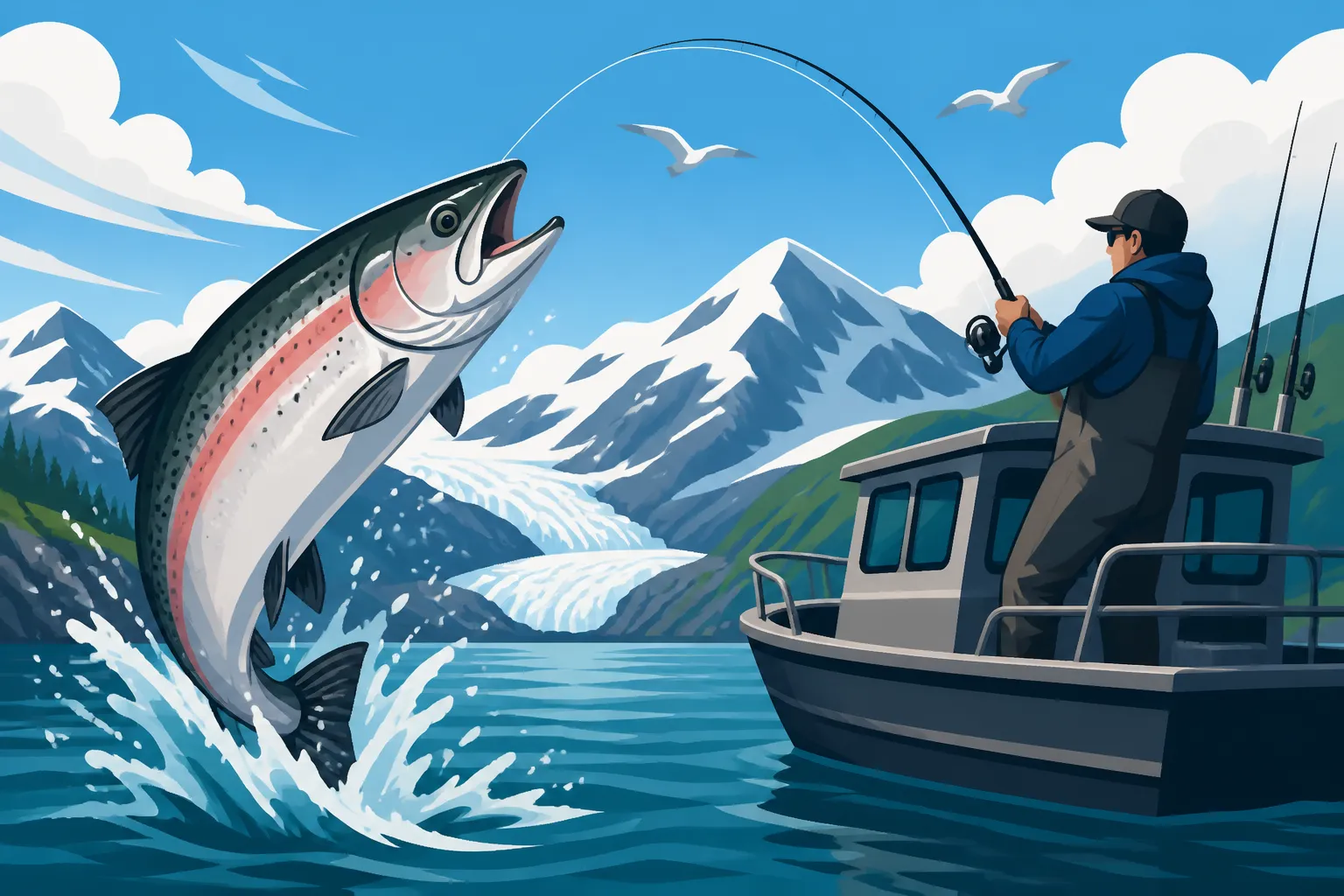
Prince William Sound, surrounding Whittier, is an intricate network of fjords, islands, and glacially carved bays, boasting an incredibly rich marine ecosystem. This isn't just a place to catch fish; it's an experience in raw Alaskan wilderness. The deep, cold waters are a haven for a variety of species, and the sheltered nature of the Sound often provides calmer waters compared to the exposed Gulf of Alaska, which can be a huge relief for those prone to seasickness. Imagine casting your line with towering, glacier-capped mountains as your backdrop, bald eagles soaring overhead, and perhaps even a playful sea otter or a breaching whale in the distance. It’s an immersion into nature that amplifies every tug on your line.
One of the biggest frustrations for many anglers in Alaska is the sheer amount of competition at prime spots. While popular, Whittier still feels less crowded than some of the more renowned hubs, especially if you venture out on a charter. You can find pockets of solitude and incredible fishing without constantly bumping elbows with other boats. Plus, the deep-water access from Whittier means you're quickly out into prime fishing grounds, minimizing travel time and maximizing your time with a line in the water.
Accessibility and Logistics for Anglers
Whittier's accessibility is a significant advantage, particularly for those arriving from Anchorage. It's about a 60-mile drive southeast, but as mentioned, that drive includes the iconic tunnel passage. While the tunnel schedule requires a bit of planning, it’s a small price to pay for the adventure and the relatively straightforward access to top-tier saltwater fishing. This makes Whittier an excellent choice for anglers looking for a day trip from Anchorage or a multi-day trip without extensive travel deep into the wilderness.
You'll find that Whittier is well-equipped for anglers despite its small size. There are reputable fishing charters operating right from the harbor, tackle shops, and basic amenities. One of the common pain points for visitors is finding reliable information or booking a charter last minute, but services like FishingBooker can streamline that process, allowing you to compare options and secure your spot well in advance. This upfront planning is crucial for any Alaska fishing trip, helping you avoid disappointment, especially during peak season. Remember to also sort out your Alaska Fishing License: Complete Guide before you even set foot in the state.
Target Species and Best Seasons in Whittier
Whittier offers a diverse array of fishing opportunities throughout the summer months, with different species making their appearance at various times. Knowing what you're aiming for and when they're typically running is key to a successful trip, otherwise, you might end up frustrated trying to catch a fish that simply isn't there yet.
Pacific Salmon Species
The salmon runs are, for many, the main draw to Alaska. Whittier and the surrounding Prince William Sound see strong runs of several Pacific salmon species, each with its own peak season and characteristics. It's a thrill to fight a powerful salmon, and the waters around Whittier certainly deliver.
King Salmon (Chinook)
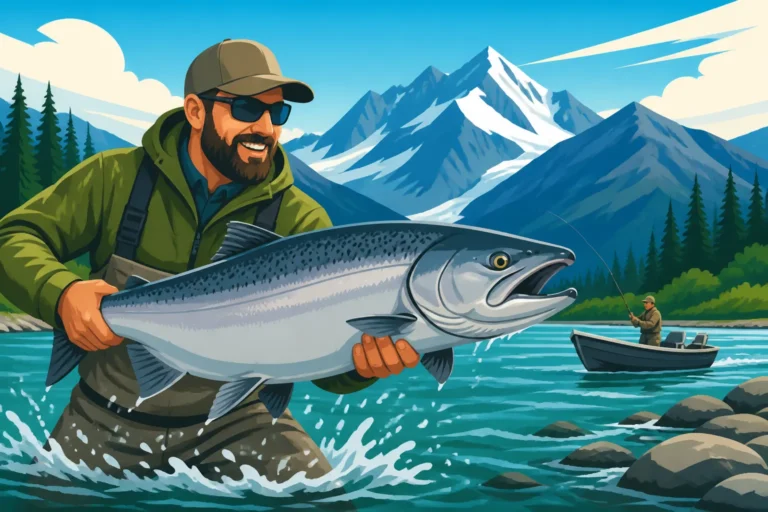
King Salmon, also known as Chinook, are the largest and often most sought-after salmon species. Their sheer power and size make for an incredible fight, and their rich, red meat is a culinary delight. The King Salmon season in Prince William Sound generally kicks off in late May and runs through June, sometimes extending into early July. While not as abundant as in some other regions of Alaska, the Kings caught here are often impressive in size.
Targeting Kings usually involves trolling with downriggers, using large spoons, flashers, or herring. Many charters specialize in King Salmon, and they'll know the deep channels and feeding grounds where these majestic fish are likely to be found. Keep an eye on the specific Alaska King Salmon Fishing Regulations and Limits as these can change rapidly due to conservation efforts. One common frustration is that King runs can be unpredictable, and emergency orders might close fisheries, so always check before you go.
Sockeye (Red), Coho (Silver), Pink (Humpy), and Chum (Dog) Salmon
After the King Salmon, the other species arrive in waves. Sockeye Salmon begin to show up in June, with peak numbers in July. While Sockeye are famously targeted in rivers like the Kenai, saltwater Sockeye fishing in the Sound can also be productive. Coho Salmon, often called Silver Salmon, are known for their acrobatic fights and usually arrive in mid-July, peaking in August and early September. Pink Salmon, or Humpies, are the most abundant species and flood the Sound in huge numbers during late July and August, offering fast-paced action, especially for light tackle enthusiasts. Chum Salmon, also known as Dog Salmon, are also present, often caught incidentally while targeting other species, and can provide a good fight, particularly earlier in the summer.
Understanding the Alaska Salmon Run Timing Explained is crucial. For these species, trolling with spoons, hootchies, or even cut bait like herring are effective methods. Shore fishing from the Whittier docks or nearby accessible points can also yield Pinks and Cohos, particularly during strong runs, making it an option for those without a boat.
Halibut and Other Bottom Fish
Beyond salmon, Whittier is also a fantastic destination for bottom fishing, with Pacific Halibut being the undisputed star. These flat, powerful fish are a true test of strength and provide some of the best eating in the ocean.
Pacific Halibut
Halibut fishing is a quintessential Alaskan experience, and Whittier provides direct access to prime Halibut grounds in Prince William Sound. Halibut season typically runs from May through September. The depths of the Sound hold some real "barn doors," as the big ones are affectionately called. However, it’s not always easy – hauling a 50+ pound halibut from 200 feet down is a serious workout!
Most halibut fishing is done by anchoring over reefs, pinnacles, or drop-offs, or by drifting over promising areas. Heavy rods, large conventional reels, and robust tackle are a must. Bait, such as herring, salmon heads, or octopus, is usually presented on a large circle hook with a heavy sinker to get it down to the bottom. Jigging with large metal jigs is also very effective. It’s vital to be aware of the specific Alaska Halibut Charter Regulations Explained, as these include daily bag limits, size restrictions, and sometimes even specific days of the week when charters can fish for halibut. Many anglers find it frustrating when they catch a huge halibut only to discover it’s outside the legal slot limit, so knowing the rules beforehand prevents disappointment.
Lingcod and Rockfish
Prince William Sound is also home to other delicious bottom fish, including Lingcod and various species of Rockfish. Lingcod are aggressive predators that put up a strong fight, and they are excellent table fare. They are usually found in rocky areas and can be caught jigging or using large swimbaits. Rockfish, such as Yelloweye, Black, and Quillback, are often found in the same areas as Lingcod and Halibut, particularly around rocky structures and underwater reefs.
Catching these species often involves similar gear and techniques as halibut fishing, though lighter tackle can be used for rockfish. It's important to note the specific rules for rockfish, including depth restrictions and the requirement for a descending device to release rockfish caught from deep water. This rule, explained in detail in Alaska Rockfish Deepwater Release Device Rules, helps ensure the survival of released fish.
Here’s a quick overview of what you can expect in terms of species and general timing in Whittier:
| Species | Peak Season | Common Techniques | Notes |
|---|---|---|---|
| King Salmon | Late May – June | Trolling with downriggers | Largest salmon, powerful fighters, often regulated by emergency orders. |
| Sockeye Salmon | July | Trolling, sometimes jigging | Known for bright red meat, often targeted in rivers, but available in Sound. |
| Coho (Silver) Salmon | Mid-July – Sept | Trolling, casting | Acrobatic fighters, excellent eating, great for spin fishing. |
| Pink (Humpy) Salmon | Late July – Aug | Trolling, casting, jigging | Most abundant, good for beginners, fast action. |
| Chum (Dog) Salmon | July – Aug | Trolling, casting | Strong fighters, caught incidentally, good for smoking. |
| Pacific Halibut | May – Sept | Bottom fishing, jigging | Large, powerful, delicious, heavy tackle required. |
| Lingcod | May – Oct | Jigging, large swimbaits | Aggressive predators, found in rocky areas, great eating. |
| Rockfish (various) | May – Oct | Bottom fishing, jigging | Various species, often found with Lingcod, specific release rules apply. |
Remember, these are general guidelines. The exact timing and abundance can vary year to year based on environmental factors and fish stock health. It’s always a good idea to check local reports and forecasts before your trip.
Best Fishing Spots and Techniques Around Whittier
Once you know what you want to catch and when, the next step is knowing where to go and how to catch them. Whittier's location within Prince William Sound provides a multitude of options, from accessible shore fishing to deep-water charter excursions. The biggest challenge for many is knowing the local nuances that make the difference between a good day and a truly great one.
Nearshore and Shore Fishing Opportunities
While offshore charters are popular, Whittier does offer some limited, yet viable, shore fishing options, particularly for salmon species during their runs. This is often the most accessible and budget-friendly way to fish, though it can also be the most frustrating if you’re not there at the right time.
Whittier Small Boat Harbor and Docks
The docks and public access areas around the Whittier Small Boat Harbor can be surprisingly productive, especially for Pink and Coho salmon when they are running strong. Anglers often cast spoons, spinners, or bait from these spots. During peak Pink Salmon runs, it can get crowded, a phenomenon some refer to as "combat fishing," though usually not to the extreme of places like the Russian River.
The advantage here is convenience. You can literally walk out of your accommodation and start fishing. The downside is that you’re limited to what passes close to shore, and the prime spots are often taken early in the morning. For those just looking to get a line wet and potentially catch a few fish for dinner, it's a great option, but don't expect to catch trophy King Salmon or Halibut from shore.
Passage Canal Access Points
Beyond the immediate harbor, there are occasionally other shore access points along Passage Canal that can yield results, particularly for chum and pink salmon. These might require a short hike or a bit more exploration, but they can offer more solitude. Always be mindful of private property and follow all regulations. Checking local forums or asking at tackle shops in Whittier can provide up-to-date information on any current hot spots. The techniques here usually involve casting spoons like Pixie or Koho, or throwing bait under a bobber. For those exploring on their own, understanding the subtle currents and underwater structure is key to finding where fish might hold.
Offshore Charter Fishing in Prince William Sound
For the full Whittier fishing experience and the best chance at a diverse catch, an offshore charter is highly recommended. These boats are equipped to reach the prime fishing grounds and are operated by experienced guides who know the local waters intimately. This takes a lot of the guesswork and frustration out of finding fish.
Targeting Halibut and Bottom Fish Zones
Charter captains operating out of Whittier know the secret halibut holes, the deep pinnacles, and the underwater plateaus where these massive flatfish congregate. These spots are often far from shore, requiring navigation through the vastness of Prince William Sound. Common areas include the deeper waters around Perry Island, Culross Passage, and various reefs and ledges within the Sound.
Techniques are typically heavy-duty bottom fishing, using large circle hooks baited with salmon heads, herring, or squid, weighted with sinkers ranging from 1 to 3 pounds or more, depending on current and depth. Jigging with heavy metal jigs (like the popular Luhr Jensen Crippled Herring or Puget Sound Jigs) is also highly effective. The key is getting your bait or lure to the bottom and keeping it there, despite strong currents. Your guide will provide all the necessary gear, but it's worth understanding How to Catch Halibut in Alaska beforehand to maximize your chances.
Salmon Trolling Grounds
When targeting King, Coho, and Sockeye Salmon, charters will typically employ trolling techniques. This involves dragging lures or bait at specific depths behind the boat, often using downriggers to ensure the offering is at the correct depth where salmon are feeding. Popular trolling areas can be found throughout Passage Canal and into the broader reaches of Prince William Sound, especially near entrances to bays or along current seams where baitfish congregate.
Captain Mike's Charters or Lucky Strike Charters are a couple of examples of reputable operations out of Whittier that know these waters well. They use their local knowledge and fish finders to locate bait balls and salmon schools, significantly increasing your chances of success. They'll employ a range of lures, from classic spoons to hoochies behind flashers, sometimes tipped with a strip of herring. If you're wondering How to Catch King Salmon in Alaska, these charters are your best bet for learning the nuances of the local techniques.
Table of Common Fishing Techniques for Whittier
| Target Species | Common Technique | Key Gear/Bait | Best Location Type |
|---|---|---|---|
| King Salmon | Trolling | Downriggers, large spoons, herring, flashers | Deep channels, fjord entrances |
| Sockeye Salmon | Trolling, jigging | Spoons, hootchies, small jigs | Near river mouths, deeper channels |
| Coho Salmon | Trolling, Casting | Spoons, spinners, herring, hoochies | Near shore, tidal rips, open water |
| Pink Salmon | Casting, Trolling | Spinners, spoons (Pixie, Koho), flies | Shoreline, harbor, open water |
| Pacific Halibut | Bottom Fishing, Jigging | Heavy rod, large reel, herring, salmon heads, large jigs | Deep reefs, pinnacles, ledges |
| Lingcod | Jigging | Large jigs, swimbaits | Rocky structures, kelp beds |
| Rockfish | Bottom Fishing, Jigging | Small jigs, bait, light tackle | Rocky structures, reefs |
Planning Your Whittier Fishing Adventure
A successful fishing trip to Whittier, like any great Alaskan adventure, requires a bit of foresight and preparation. From understanding permits to choosing the right gear and making travel arrangements, getting your ducks in a row will ensure a smoother, more enjoyable experience, saving you from frustrating last-minute scrambles.
Essential Licenses and Stamps
Before you even think about dropping a line, you need to ensure you're legally equipped. This means having the correct Alaska Fishing License: Complete Guide for your age and residency status. Non-residents, in particular, need to pay attention to the specific requirements and costs, as they differ from resident licenses. You can usually purchase these online through the Alaska Department of Fish and Game (ADFG) website, at most sporting goods stores, or even some small shops in Whittier.
Beyond the general fishing license, if you plan to target King Salmon, you will also need to purchase an Alaska King Salmon Stamp. This stamp is mandatory for anyone fishing for King Salmon, regardless of whether you intend to keep them or not. The cost of this stamp often depends on your residency and the duration of your trip. Don't overlook this crucial detail; fishing without the proper license and stamp can result in hefty fines and a spoiled trip.
Booking Charters and Guides
For many, especially those traveling to Alaska for a memorable fishing vacation, booking a charter out of Whittier is the best way to maximize success and minimize logistical headaches. A good charter provides the boat, all necessary fishing gear, bait, and most importantly, an experienced captain who knows the local waters, fish behavior, and regulations inside and out. This is invaluable in an area like Prince William Sound.
When choosing a charter, consider the following:
- Target Species: Do you want to focus on Halibut, Salmon, or a combo trip? Make sure the charter specializes in what you want to catch. A dedicated Alaska Halibut Charter Guide will have specific gear and knowledge for those flatfish.
- Group Size: What's the capacity of the boat? Are you looking for a private charter or a shared trip?
- Reputation: Look for reviews and ask for recommendations. Word-of-mouth is often the best indicator. Services like FishingBooker allow you to read reviews and directly book with reputable Whittier charters.
- What's Included: Clarify what the charter provides (gear, bait, fish cleaning, snacks) and what you need to bring (license, food, rain gear). You'll want to know What to Expect on an Alaska Fishing Charter before you get on board.
- Cost: Understand the Alaska Fishing Charter Cost Explained upfront. Half-day and full-day trips vary significantly.
Booking well in advance, especially for peak summer months (June-August), is highly recommended, as the best guides fill up quickly.
Essential Gear and What to Pack
Even if you're on a charter that provides gear, knowing what personal items to pack is essential for comfort and safety in Alaska's often unpredictable weather. "Dress in layers" is the mantra for a reason here!
- Layered Clothing: Start with a moisture-wicking base layer, add insulating layers (fleece or wool), and top with waterproof and windproof outerwear. Even in summer, temperatures can drop, especially on the water. Good quality rain gear is non-negotiable; you don't want to be soaked and cold on the boat.
- Footwear: Waterproof boots with good traction are a must. XTRATUF boots are practically the unofficial footwear of Alaskan anglers for a reason.
- Hat and Gloves: A warm hat is crucial, and waterproof gloves can save your hands on a chilly, wet day.
- Sun Protection: Even on cloudy days, UV rays reflect off the water, so sunglasses, sunscreen, and a brimmed hat are important.
- Personal Items: Medications, camera, binoculars, and a small backpack for your essentials.
- Food and Drink: While some charters provide snacks, it's always wise to bring your own water, drinks, and any preferred snacks.
- Fish Cooler: If you're driving to Whittier, bringing a large cooler with ice is a good idea for transporting your fresh catch home or to a processor. Many outfitters also offer Fish Processing and Shipping Home Rules services.
One common frustration for first-time visitors is underestimating the weather. It can go from sunny to stormy in a matter of minutes, and being unprepared for rain or cold wind can quickly turn an exciting day into a miserable one. Always err on the side of bringing too many layers, not too few.
Safety Considerations
Alaska is wild, and while Whittier is a town, you're quickly out into rugged wilderness.
- Marine Safety: Listen to your captain. They are the expert on the water and your safety is their priority. Always wear a life vest if instructed, especially in rough conditions.
- Wildlife: Bear sightings are possible even near towns. Store food properly and be bear-aware if exploring shorelines or trails.
- Emergency Orders: Keep an eye on Alaska Fishing Emergency Orders Explained. Regulations can change mid-season, sometimes even mid-day, based on fish runs. Your charter captain will know the latest, but it's good practice to check the ADFG website.
By taking these planning steps seriously, your Whittier fishing trip can be less about navigating challenges and more about creating incredible memories of landing some of Alaska's most prized fish.
Disclaimer
The information provided in this guide is for general informational purposes only and is subject to change. Fishing regulations, seasons, and fish runs in Alaska are managed by the Alaska Department of Fish and Game (ADFG) and can change frequently, sometimes on short notice, due to biological factors and conservation needs. Always consult the official ADFG regulations manual and check for emergency orders before you head out on the water. Additionally, fishing in Alaska carries inherent risks; always prioritize safety and consider hiring experienced local guides or charters for the best and safest experience.