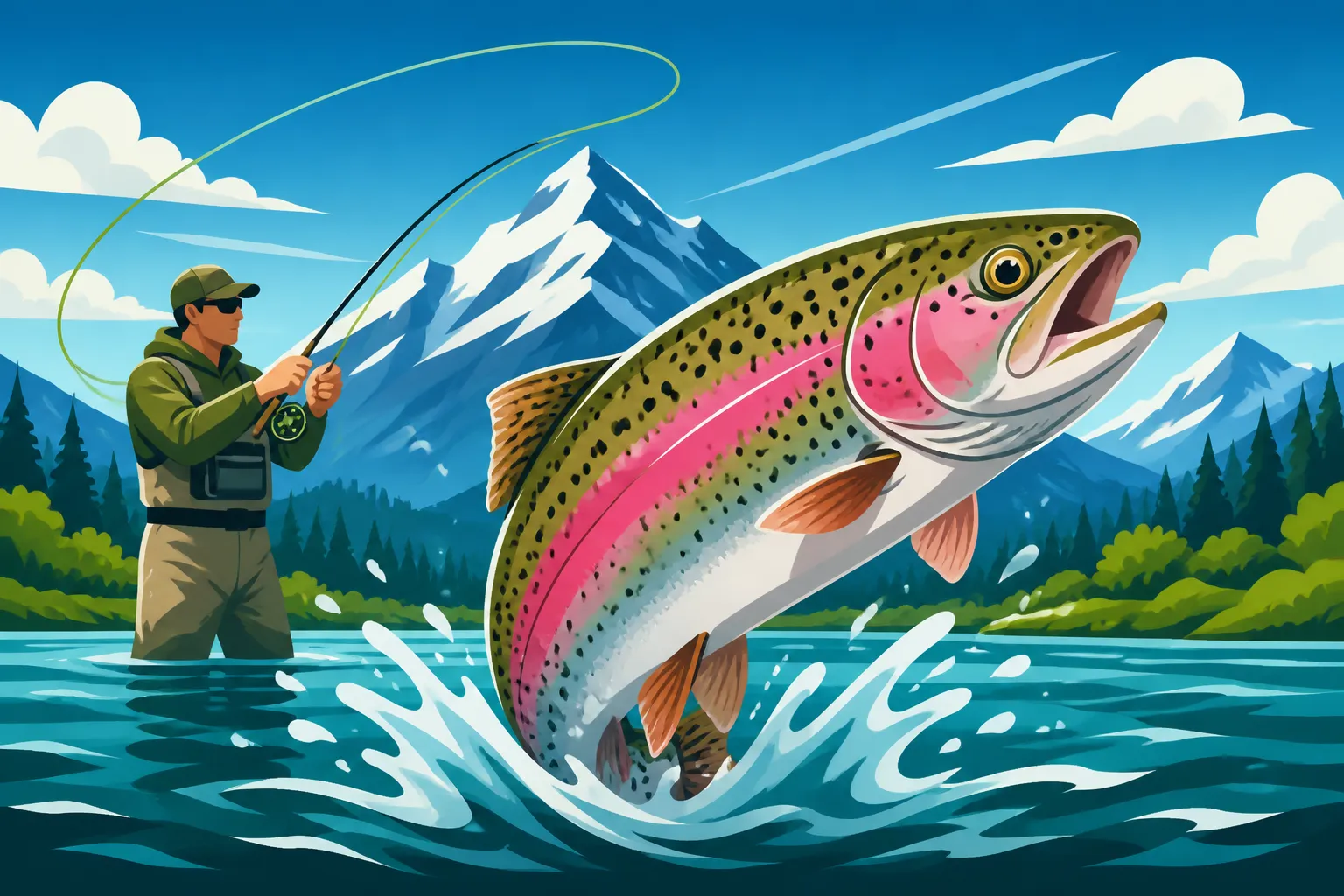
Alaska Rainbow Trout Guide
For many anglers, the dream of hooking into a truly magnificent fish remains just that — a dream. But in Alaska, that dream often swims in the cold, clear waters, especially when it comes to the legendary rainbow trout. These aren't just any rainbows; they are vibrant, hard-fighting specimens that have captured the hearts of countless fishermen, often growing to truly incredible sizes. This comprehensive guide is here to unravel the mystique of Alaska's rainbow trout, offering insights into their world and practical advice to help you experience the thrill of a lifetime.
The Allure of Alaska's Rainbow Trout
There’s something undeniably magical about Alaska, and its rainbow trout embody much of that wild spirit. When you talk to anglers who have fished these northern waters, their eyes light up describing the sheer power and beauty of these fish. It’s not just about the size, though Alaska is famous for its trophy rainbows; it’s about the entire experience of pursuing them in some of the most pristine and breathtaking landscapes on Earth.
Why Anglers Dream of Alaskan Rainbows
It’s easy to see why these fish hold such a revered status. Alaska's rainbow trout are known for their spectacular aerial acrobatics and relentless runs once hooked. They fight with an intensity that can surprise even seasoned anglers, making every catch a truly memorable battle. The sheer weight and length of some of these fish, particularly in rivers like the Kenai or in the Bristol Bay region, can be astounding, offering a legitimate shot at a "fish of a lifetime." This isn't just fishing; it's an immersive experience in the wild.
Beyond their fighting prowess, the aesthetic appeal of an Alaskan rainbow is unmatched. Their vibrant colors – the iridescent sheen, the pronounced red lateral stripe, and the dark spots dotting their silver-flanks – are simply stunning, especially when they're fresh from the glacial meltwaters. Many anglers also seek out the fabled "Leopard Rainbow Trout," a unique variant found primarily in the Bristol Bay drainages, known for its exceptionally bold, large spots that resemble a leopard's coat, adding another layer of allure to the pursuit.
Habitat and Ecosystem Influence
The robust health and impressive size of Alaska's rainbow trout are inextricably linked to their environment. These fish thrive in cold, oxygen-rich waters, often found in rivers and lakes fed by glaciers and snowmelt. The clarity of these waters, combined with abundant food sources, creates an ideal ecosystem for trout growth. Unlike many other regions, Alaska’s vast, undeveloped wilderness means these habitats remain largely undisturbed, fostering incredibly strong and healthy fish populations.
A crucial factor influencing the size and abundance of rainbow trout in many Alaskan systems is the annual salmon runs. When millions of salmon migrate upstream to spawn, they bring with them an unparalleled protein buffet in the form of eggs and decaying flesh. Rainbow trout, being opportunistic feeders, gorge themselves on this bounty, rapidly increasing in size and condition. This cyclical feast is a primary reason why Alaska's rainbows grow so large and are so numerous in certain drainages, offering incredible fishing opportunities especially during the summer and fall.
Understanding Alaska Rainbow Trout: Biology and Behavior
To truly appreciate and successfully target Alaska's rainbow trout, it helps to understand their biology and the specific behaviors that set them apart. These aren't your backyard pond trout; they've adapted to a unique, often harsh, environment, making them fascinating creatures to study and pursue.
Rainbow Trout Subspecies in Alaska
While the term "rainbow trout" often conjures a single image, Alaska is home to various forms, each with distinct characteristics and life histories. The most common are the resident rainbow trout, which spend their entire lives in freshwater lakes and rivers. These are the fish you'll find in countless streams across the state, eager to strike a well-presented fly or lure. They can grow quite large, especially in systems with rich food sources, but they don't typically reach the gargantuan sizes of their anadromous cousins.
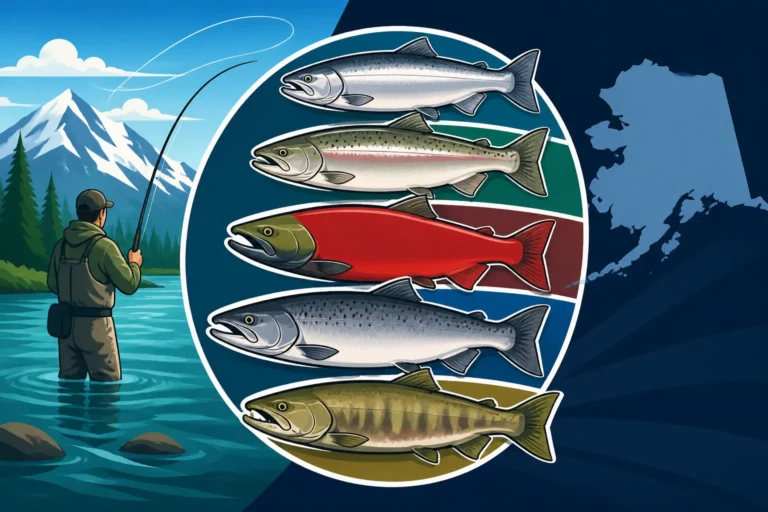
Then there are steelhead, which are essentially migratory rainbow trout. These incredible fish hatch in freshwater, migrate to the ocean to feed and grow for several years, and then return to their natal rivers to spawn. Steelhead are often larger, stronger, and even more acrobatic than resident rainbows due to their time spent in the nutrient-rich marine environment. While not as widespread as resident rainbows, steelhead runs are highly prized by anglers in specific coastal river systems, particularly in Southeast Alaska. When discussing the diversity of fish, it's helpful to understand the nuances, much like exploring the broader world of Alaska Fish Species Guide.
Finally, we have the celebrated "Leopard Rainbow Trout," primarily found in the watersheds of the Bristol Bay region, such as the Kvichak and Naknek rivers. These aren't a distinct biological subspecies, but rather a phenotypic variation characterized by unusually large, bold black spots that extend onto their fins, giving them a striking, almost exotic appearance. Their impressive size and fighting spirit, combined with their distinctive markings, make them a bucket-list fish for many an angler.
Life Cycle and Feeding Habits
The life cycle of an Alaskan rainbow trout begins in the gravel beds of freshwater rivers, where eggs are laid, typically in spring. After hatching, the tiny alevin hide in the gravel, feeding on their yolk sacs. They then emerge as fry and develop into parr, juveniles characterized by distinct vertical markings for camouflage. After a year or two, they mature into adult resident rainbows, or in the case of steelhead, some will transform into smolt and migrate to the ocean.
Regardless of their migratory patterns, one constant for all Alaskan rainbow trout is their opportunistic and voracious feeding habits. While insects (mayflies, caddis, stoneflies) are a staple, especially during hatches, the true engine of their growth comes from salmon. During the monumental salmon runs, trout gorge themselves on protein-rich salmon eggs, a phenomenon often referred to as "egg drop soup." As salmon spawn and then die, their decaying flesh becomes another critical food source, providing essential nutrients for trout to pack on weight for the lean winter months. This explains why fishing during the late summer and fall salmon runs can be incredibly productive for trophy rainbows.
Identifying Alaska Rainbow Trout
Distinguishing an Alaska rainbow trout from other species, particularly the similar-looking Dolly Varden or Arctic Char, can sometimes be a fun challenge on the water. Rainbow trout typically have a silver body with a distinctive, often vibrant, red or pink lateral stripe running along their sides, which can become more pronounced during spawning season. Their bodies are covered in small, irregular black spots, including on their dorsal, adipose, and caudal (tail) fins. The inside of their mouth is usually white or light.
In contrast, Dolly Varden and Arctic Char tend to have more spots on their body, which are often yellow, orange, or red (though sometimes pale), and lack the prominent red lateral stripe of a rainbow. Their spots are generally larger and more irregular, and they typically have a white or light leading edge on their pectoral, pelvic, and anal fins. While all three are beautiful fish, knowing the key identifiers can help you correctly log your catch, especially when considering the rules for your Alaska Harvest Record Card Explained.
Prime Fishing Locations for Alaska Rainbow Trout
Alaska is a vast state, and while rainbow trout can be found in many freshwater systems, some locations stand out as truly world-class destinations for these magnificent fish. Choosing the right spot depends on what kind of experience you're looking for – whether it's trophy hunting in famous rivers, wilderness solitude, or more accessible roadside fishing.
Famous Rivers and Their Unique Charms
When it comes to legendary rainbow trout fishing, a few Alaskan rivers consistently rise to the top. The Kenai River, flowing from Kenai Lake to Cook Inlet on the Kenai Peninsula, is arguably the most famous. Known for its incredible salmon runs, it also holds truly massive resident rainbow trout, with fish exceeding 30 inches not uncommon. The middle and upper sections of the Kenai, particularly around Cooper Landing, are prime spots. Anglers here often target rainbows feeding on salmon eggs and flesh.
Further afield, the rivers of the Bristol Bay region are a mecca for trophy rainbow trout, especially the aforementioned "Leopard Rainbows." The Kvichak River, flowing out of Lake Iliamna, is renowned for its immense rainbows that grow fat on the world's largest sockeye salmon runs. The Naknek River, originating from Naknek Lake, offers similar opportunities for large, aggressive fish. Other Bristol Bay rivers like the Alagnak River also provide incredible fly-out experiences, often producing high catch rates of robust trout. These systems are truly remote and offer an immersive wilderness experience that's hard to beat, making them some of the Best Rivers for Rainbow Trout in Alaska.
The Russian River, also on the Kenai Peninsula, while more famous for its sockeye salmon combat fishing, also holds a healthy population of rainbow trout, especially in its lower sections where they feed on salmon eggs. While generally smaller than those in the main Kenai, they offer fun fishing opportunities, often from the bank.
Remote Fly-In Adventures
For many, the ultimate Alaska rainbow trout experience involves a fly-in trip to a remote lodge or wilderness camp. This is where you escape the crowds and often find fish that see very little pressure. Destinations like those in Bristol Bay are typically accessed via bush plane from regional hubs like King Salmon. These lodges often offer all-inclusive packages, providing comfortable accommodation, expert guides, and daily flights to different remote streams and lakes.
The appeal of a fly-in adventure lies in accessing pristine waters that are teeming with hungry trout. Imagine wading a secluded stream, surrounded by towering peaks, with no other anglers in sight, and casting to wild, aggressive rainbows. This kind of trip usually involves higher costs but delivers an unparalleled wilderness fishing experience and often the best chance at truly trophy-sized fish. It's often considered the epitome of Best Fly-In Fishing in Alaska.
Accessible Roadside Fishing Opportunities
Not everyone can commit to a multi-day fly-in trip or a charter, and thankfully, Alaska still offers rewarding rainbow trout fishing for those who prefer to stay on the road system. While these fish might not be the giants found in the most remote drainages, there are still plenty of opportunities to catch respectable rainbows. Locations near Anchorage, Fairbanks, and on the Kenai Peninsula offer options for drive-up access.
For example, various lakes and streams easily accessible from the Parks Highway or Sterling Highway often hold rainbow trout. While these spots typically see more pressure, a bit of exploring or talking to local tackle shops can reveal hidden gems. You might find smaller, eager fish, perfect for a family outing or a quick day trip. It's a great way to experience Alaska fishing without the logistical complexities of more remote adventures, making it ideal for those seeking a more budget-friendly or spontaneous trip.
Best Seasons and Times for Alaska Rainbow Trout Fishing
Timing your trip is crucial when targeting Alaska's rainbow trout. Their behavior and feeding patterns are heavily dictated by the seasons and, more specifically, the salmon runs. Understanding these cycles will significantly increase your chances of success and help you plan the ultimate fishing adventure.
Spring: Emerging from Winter
As the ice breaks and rivers begin to flow freely, typically from late April through May, Alaskan rainbow trout start to become more active after a long, lean winter. This can be an excellent time to target them, especially in areas where insects begin to hatch. The water is often still very cold, but the fish are hungry and eager to feed on the first available protein sources.
During this period, pre-spawn rainbows may be found in areas where they will soon lay eggs. They're often looking for easy meals, and if there are any lingering salmon eggs from a late fall spawn, they'll be on them. Anglers often find success with egg patterns, small nymphs, or streamers imitating baitfish during the spring. The weather can be unpredictable, with chilly temperatures and occasional snow, but the rewards can be eager fish and fewer crowds. Checking the general Alaska Fishing Seasons: Month-by-Month Guide can give you a broader overview of what to expect.
Summer: The Salmon Spawn Bonanza
Late June through September is often considered the prime time for trophy rainbow trout fishing in Alaska, coinciding directly with the massive salmon runs. This is when millions of sockeye, king, coho, pink, and chum salmon push into freshwater systems to spawn. As these salmon deposit their eggs, the rivers become a veritable buffet for rainbow trout. The trout position themselves behind spawning salmon, feasting on stray eggs drifting downstream.
This period sees rainbows at their most aggressive and often their largest, having gorged themselves on the rich protein of salmon eggs and later, decaying salmon flesh. July and August are particularly famous for the sockeye salmon spawn, which leads to incredible egg-drifting opportunities for trout. Targeting these egg-eaters with bead fishing or egg patterns can lead to incredibly productive days. Whether you're interested in Alaska King Salmon: Complete Guide or smaller salmon, their presence directly impacts the trout fishing.
Fall: Last Hurrah Before Winter
As summer transitions into fall, typically late September through October, the salmon runs dwindle, and the spawning is largely complete. However, this doesn't mean the rainbow trout fishing ends; in fact, it can be another phenomenal time, often with fewer anglers on the water. The trout are still actively feeding, but their diet shifts from fresh eggs to decaying salmon flesh (known as "flesh flies" or "flesh patterns") and smaller baitfish.
The fish are desperate to pack on as much weight as possible before winter's chill sets in and food sources become scarce. They can be incredibly aggressive, striking streamers and larger nymphs with abandon. The fall colors paint the Alaskan landscape in stunning hues, adding to the beauty of the experience. While some rivers may begin to freeze in late October, the early fall offers some of the most consistent and exciting rainbow trout action of the year.
Essential Gear and Techniques for Alaska Rainbow Trout
Getting geared up correctly and knowing the right techniques are paramount for success when chasing Alaska's magnificent rainbow trout. The conditions can be challenging, and the fish are powerful, so having reliable equipment and adaptable skills will make all the difference.
Rods, Reels, and Line Choices
For fly anglers, a fast-action 6-weight or 7-weight fly rod is generally considered ideal for Alaska rainbow trout. A 6-weight offers a good balance of finesse for presenting smaller flies and nymphs, while still having enough backbone to handle a strong, 20-inch-plus rainbow. A 7-weight provides more power for casting larger streamers, fighting bigger fish, or when facing windy conditions. Pair your rod with a sturdy, large-arbor reel with a reliable drag system, spooled with a weight-forward floating line. Having a spare spool with a sinking tip line can also be invaluable for presenting streamers deeper in the water column.
Spin fishermen will want to opt for a medium-light to medium-action spinning rod, typically in the 7 to 8-foot range, which offers good casting distance and sensitivity. A quality spinning reel filled with 10 to 15-pound braided line, with a fluorocarbon leader of 8 to 12 pounds, is a solid choice. Braided line offers excellent sensitivity and strength, while the fluorocarbon leader provides invisibility and abrasion resistance. Remember, these fish fight hard, so don't skimp on the quality of your gear. If you're looking for new gear, you can find a wide range of options on Amazon, from entry-level setups to high-performance equipment.
Lures, Flies, and Bait
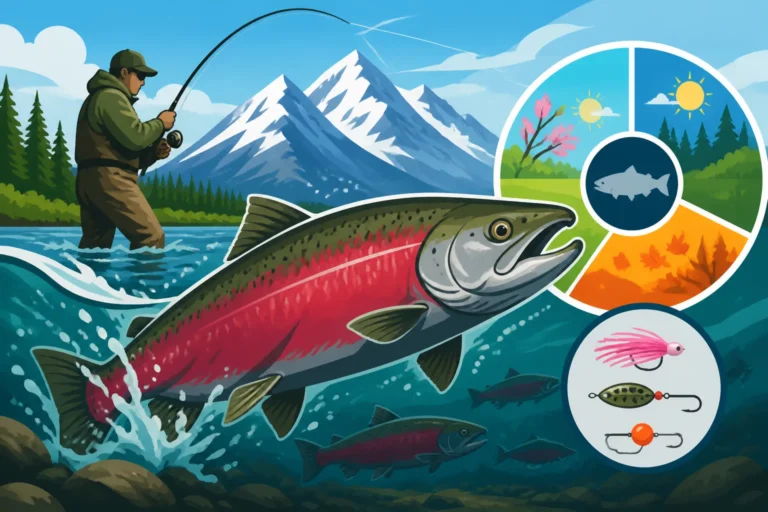
The food source dictates what the trout are eating, so your lure or fly selection should reflect this. During the salmon runs (late summer/fall), salmon egg imitations are king. Beads, tied egg patterns, or even commercially available egg clusters are incredibly effective. You'll want a variety of colors, mimicking different stages of salmon eggs (e.g., natural salmon roe, milky orange, chartreuse).
For flies, flesh patterns (imitating decaying salmon flesh), streamers (like Dolly Llamas, Sculpzillas, or Smolt Patterns), and nymphs (stoneflies, caddis, mayflies) are all critical to have in your fly box. A good selection of attractor patterns can also be effective. For spin anglers, spinners (like Pixies, Vibrax, or Mepps) in various sizes and colors (silver, gold, chartreuse) are very effective, as are small spoons and soft plastic baits that imitate salmon eggs or fry. Always check local regulations for any bait restrictions before you head out, as some areas are fly-fishing only or prohibit bait.
Proven Fishing Techniques
One of the most effective techniques for catching Alaska rainbow trout, especially during the salmon spawn, is bead fishing or indicator nymphing with egg patterns. This involves drifting a weighted egg imitation (often a bead slid up the leader) under a strike indicator, mimicking a naturally drifting salmon egg. The key is a dead drift, allowing the egg to tumble along the bottom as naturally as possible. This technique is extremely productive, and you can learn more about it in depth in a guide on How to Fish Beads for Alaska Trout.
For those who prefer active retrieval, swinging streamers or spinners can be highly effective. This involves casting across or slightly upstream and allowing the current to swing the fly or lure downstream, imparting a natural swimming action. This technique often elicits aggressive strikes from larger, predatory trout. Drift fishing with bait or artificials, often from a boat, is another popular method, particularly on larger rivers like the Kenai. Anglers use weighted setups to present their offering along the bottom, letting the current carry it into promising lies. Spey casting is also gaining popularity for steelhead and larger trout in certain rivers, allowing for long, graceful casts without much backcasting room. If you're considering How to Fly Fish for Alaska Rainbow Trout, these are essential skills to master.
Navigating Regulations and Conservation
Fishing in Alaska, particularly for prized species like rainbow trout, comes with a responsibility to understand and adhere to the local regulations. These rules are in place to ensure the sustainability of these incredible fisheries for future generations. Ignoring them can lead to significant fines and even loss of fishing privileges.
Alaska Rainbow Trout Regulations Explained
Alaska's fishing regulations are managed by the Alaska Department of Fish and Game (ADF&G) and can vary significantly by region, river system, and even time of year. For rainbow trout, common regulations often include specific bag limits (the number of fish you can keep), size restrictions (e.g., a "slot limit" where only fish within a certain size range can be kept, or minimum/maximum sizes), and gear restrictions. For instance, many prime rainbow trout waters are designated "catch-and-release" or have strict "single-hook, barbless" requirements to minimize harm to fish.
It is absolutely vital to consult the current year's Alaska Sport Fishing Regulations booklet for the specific region you plan to fish. These booklets are available online, at license vendors, and at ADF&G offices. Furthermore, always check for "Emergency Orders" before you go, as regulations can change suddenly due to fluctuating fish populations, environmental conditions, or conservation concerns. An emergency order might close a fishery, change bag limits, or impose new gear restrictions overnight. Understanding the intricacies of Alaska Fishing Regulations Explained is paramount for a legal and ethical trip. For example, specific areas might have an Alaska Rainbow Trout Slot Limit Explained which is different from a simple bag limit.
Harvest Record Card and Licensing
Anyone aged 16 or older, whether resident or non-resident, needs an Alaska fishing license to legally fish in the state. Licenses come in various durations, from a single day to an annual license, and costs differ for residents and non-residents. You can typically purchase them online, from local vendors, or at ADF&G offices. A comprehensive guide on obtaining your Alaska Fishing License: Complete Guide is a great resource.
Beyond the general fishing license, some species, including King Salmon and often larger rainbow trout in specific areas, require you to record your catch on an Alaska Harvest Record Card. This card is usually printed on your license or issued separately. It's a critical tool for ADF&G to monitor harvest rates and manage fish populations. Failure to record your catch correctly or carry your harvest card can result in penalties. Familiarize yourself with Alaska Harvest Record Card Explained well before your trip to avoid any issues.
Responsible Angling Practices
Conservation is a cornerstone of Alaskan fishing. Practicing responsible angling ensures that these magnificent resources remain healthy. For rainbow trout, especially in catch-and-release fisheries, this means minimizing stress on the fish. Use barbless hooks, which make release much easier and less damaging. Land fish quickly and efficiently, keeping them in the water as much as possible. If you need a photo, do it swiftly, supporting the fish horizontally with both hands, and get it back into the water to recover.
Additionally, always practice Leave No Trace principles. Pack out everything you pack in, including any fishing line, wrappers, or other trash. Be aware of your surroundings, especially in bear country, and carry bear spray. Respect private property and be considerate of other anglers. These practices not only protect the environment but also ensure a positive experience for everyone who comes to enjoy Alaska's wild beauty.
Planning Your Alaska Rainbow Trout Adventure
An Alaska rainbow trout fishing trip is an investment in time, money, and dreams. Thoughtful planning can transform that dream into a smooth, unforgettable reality, ensuring you're prepared for the rugged beauty and incredible fishing that awaits.
Guided vs. Unguided Trips
One of the biggest decisions you'll face is whether to hire a guide or embark on an unguided adventure. A guided trip, especially with experienced Alaska Fishing Charters: Complete Guide or independent guides, offers immense benefits. Guides possess local knowledge, know the hot spots, understand the ever-changing regulations, and provide all necessary gear. They handle the logistics, transportation to fishing locations, and often even fish processing. For first-timers or those seeking a hassle-free, high-success rate trip, a guide is invaluable. While more expensive, the expertise and convenience often make it worthwhile.
Unguided trips, on the other hand, offer more flexibility and are generally more budget-friendly. This option is better suited for experienced anglers who are comfortable navigating unfamiliar waters, have their own gear, and are knowledgeable about local regulations and safety protocols. You'll have the freedom to explore at your own pace, but you'll also be responsible for all logistics, from transportation to cooking and safety. You can delve deeper into the pros and cons in our guide on Guided vs Unguided Fishing in Alaska. Many anglers find a hybrid approach – hiring a guide for a day or two and then exploring independently – to be a good balance.
Essential Packing List and Weather Preparedness
Alaska's weather is famously unpredictable. You can experience all four seasons in a single day, regardless of the month. Layering is key! Start with moisture-wicking base layers, add insulating fleece or down layers, and top it all off with high-quality, waterproof and windproof rain gear. This isn't just for comfort; it's a safety essential in the Alaskan wilderness. Good quality waders and sturdy wading boots with felt or rubber soles are also a must for river fishing. If you don't already have these, you can easily find reputable brands and options on Amazon.
Beyond clothing, don't forget essentials like a wide-brimmed hat, polarized sunglasses (crucial for spotting fish and protecting your eyes), sunscreen, insect repellent (mosquitoes can be relentless), a first-aid kit, and bear spray. A quality dry bag is invaluable for protecting electronics and spare clothing from rain and splashes. Always pack more layers than you think you'll need, as conditions can change rapidly.
Choosing Lodging and Logistics
Lodging options for an Alaska rainbow trout trip range from luxurious fly-in lodges to rustic cabins, RV parks, and campgrounds. Fly-in lodges, often found in remote areas like Bristol Bay, provide all-inclusive experiences, covering accommodation, meals, guides, and daily flights to fishing spots. These are often the priciest but offer the most immersive and high-end experience. For areas accessible by road, like the Kenai Peninsula, you'll find a wide array of hotels, motels, bed & breakfasts, and vacation rentals.
Consider how you'll get around once you're there. If you're not on a guided trip that handles transportation, renting a car is often necessary for roadside access. For remote regions, bush planes are the primary mode of transport from smaller airfields. Book flights, guides, and lodging well in advance, especially for peak season (July-August), as the best options fill up quickly. Many people start planning their Alaska fishing trips a year or more out, especially for highly sought-after dates.
Disclaimer
The information provided in this guide is for general informational purposes only and is subject to change. Fishing regulations in Alaska are complex and can be modified at any time by the Alaska Department of Fish and Game (ADF&G) through emergency orders. Always consult the most current official ADF&G regulations booklet and check for emergency orders pertaining to your specific fishing location and dates before you head out on the water. Following all regulations is the angler's responsibility.