How to Dress for Alaska Fishing
Heading to Alaska for a fishing trip is a dream come true for many, but the excitement can quickly turn to frustration if you're not prepared for the state's notoriously unpredictable weather. It's truly a place where you can experience all four seasons in a single day, and nothing dampens a fishing adventure faster than being cold, wet, and miserable. This guide is here to cut through the confusion and give you the straightforward, practical advice you need to dress properly, ensuring your focus stays on landing that trophy fish, not shivering.
Understanding Alaska's Unpredictable Weather Patterns
Ask any Alaskan, and they'll tell you: if you don't like the weather, just wait five minutes. This isn't just a quirky saying; it's a fundamental truth when you're planning an Alaska fishing trip. The sheer scale and diverse geography of the state mean that conditions can vary wildly not just from region to region, but sometimes even within the same river valley or coastline over the course of a single day. Many folks come up expecting sunshine and mild temperatures during the summer months, only to be completely caught off guard by a sudden downpour, a chilling wind, or even a dusting of snow in July. It’s a common frustration, and one that often leads to uncomfortable days on the water.
Why Alaska Weather is So Tricky
The unpredictability of Alaska's weather stems from a few key factors that are unique to the Last Frontier. First, you have immense variations in elevation, from sea level along the coast to towering mountain ranges just inland. These geographic features create dramatic microclimates, meaning it could be sunny and warm in a valley but cold, windy, and raining just a few miles away at a higher elevation or around a bend in the river. Coastal areas, like those around Seward or Homer, are heavily influenced by maritime weather patterns, bringing frequent fog, drizzle, and strong winds. Interior regions, such as those near Fairbanks, might see hotter summer days but also experience dramatic temperature drops overnight.
Another significant factor is the rapid transition between weather systems. Alaska sits at a unique latitude where warm Pacific air masses frequently collide with colder Arctic air. This constant interaction means that a clear, calm morning can quickly give way to a fierce afternoon squall, with driving rain and temperatures plummeting by 10 or 20 degrees. It's not uncommon to start your day in a light jacket and end it bundled in full rain gear, questioning if you even packed enough layers. This dynamic environment can feel overwhelming if you’re not accustomed to it, but with the right approach to dressing, you can navigate these shifts comfortably.
Key Weather Factors to Consider
When packing for your Alaska fishing adventure, you need to mentally prepare for the full spectrum of weather possibilities, even if the forecast looks promising. Relying solely on a single-day forecast is a recipe for discomfort. Temperatures, even in peak summer, rarely stay consistently warm. Daytime highs might reach the 60s or 70s Fahrenheit in some areas, but mornings and evenings often dip into the 40s or even 30s. If you're out on the water in a boat, whether it's on a river or the ocean, the wind chill factor can make those temperatures feel significantly colder.
Rain is perhaps the most constant companion of an Alaska angler. It’s not always heavy, torrential downpours, though those certainly happen. More often, you'll encounter persistent drizzle, mist, or light rain that just seems to hang in the air for hours. This kind of moisture can quickly soak through inadequate gear, leading to hypothermia risks if you’re not properly insulated. Strong winds are another major consideration, especially in open areas or on large bodies of water, as they can cut right through thin clothing. Even if you're fishing in July, it's wise to consider that conditions could mimic a crisp autumn day, complete with biting wind and occasional sleet. Being ready for anything truly is the mantra when it comes to Alaska's fishing weather.
The Layering System: Your Best Defense Against the Elements
When it comes to staying comfortable while fishing in Alaska, the layering system isn't just a suggestion—it's an absolute necessity. You simply cannot predict what Mother Nature will throw at you, and the ability to add or remove layers is your ultimate tool for adapting to rapidly changing temperatures, precipitation, and wind. Forget bulky, single-purpose garments; the magic happens when you build your outfit strategically, starting from the skin out. This approach allows you to regulate your body temperature effectively, ensuring you stay warm when it's cold and cool when you're exerting yourself, all while keeping dry.
Base Layer: Moisture-Wicking Marvels
The base layer is your first line of defense, worn directly against your skin. Its primary job is to wick moisture, specifically sweat, away from your body. When you're hiking to a remote fishing spot, reeling in a feisty salmon, or even just setting up camp, your body produces heat and sweat. If that sweat stays on your skin, it cools rapidly, chilling you and making you feel clammy and uncomfortable—a fast track to hypothermia in cold conditions. This is why material choice here is paramount.
You absolutely, positively want to avoid cotton as a base layer. Cotton absorbs moisture and holds onto it, turning into a cold, wet rag against your skin that drains heat from your body. Instead, opt for materials like merino wool or synthetics such as polyester or polypropylene. Merino wool is a natural fiber known for its excellent warmth-to-weight ratio, breathability, and natural odor resistance. Synthetics are fantastic at wicking, quick-drying, and often very durable. For example, a good pair of merino wool long johns or a polyester athletic shirt found easily on platforms like Amazon can make all the difference. Think about both top and bottom layers for comprehensive coverage, especially if you'll be out for long hours in varying conditions.
Mid-Layer: The Insulation Powerhouse
Once your base layer is set to manage moisture, your mid-layer steps in to provide insulation. Its job is to trap warm air close to your body, effectively creating a thermal barrier against the cold. This is where you adjust your warmth level based on the ambient temperature and your activity level. On a brisk morning, you might start with a thick mid-layer, but as the sun comes out and you start casting, you might shed it if you begin to overheat.
Fleece is an incredibly popular and effective mid-layer material due to its warmth, light weight, and quick-drying properties. Polartec fleece, for instance, comes in various weights (100-weight, 200-weight, 300-weight) allowing you to choose the appropriate level of insulation. Down or synthetic puff jackets are also excellent choices for significant warmth, though down loses its insulating properties if it gets wet, making synthetic alternatives a safer bet in persistently damp Alaska. A good quality fleece jacket or a mid-weight synthetic insulated vest can be your best friend when the temperature drops unexpectedly, or when you’re riding in an open boat and the wind picks up. Having options here allows you to fine-tune your comfort throughout the day, preventing both chilling and overheating—two common problems anglers face.
Outer Layer: The Shield Against the Elements
The outer layer, often called a shell, is your ultimate protection against the external elements: wind, rain, and snow. It's the armor that keeps your internal layers dry and functional, which is absolutely critical in Alaska's often wet and windy environment. Without a reliable outer layer, even the best base and mid-layers will eventually fail, leaving you cold and exposed. This is not the place to skimp on quality.
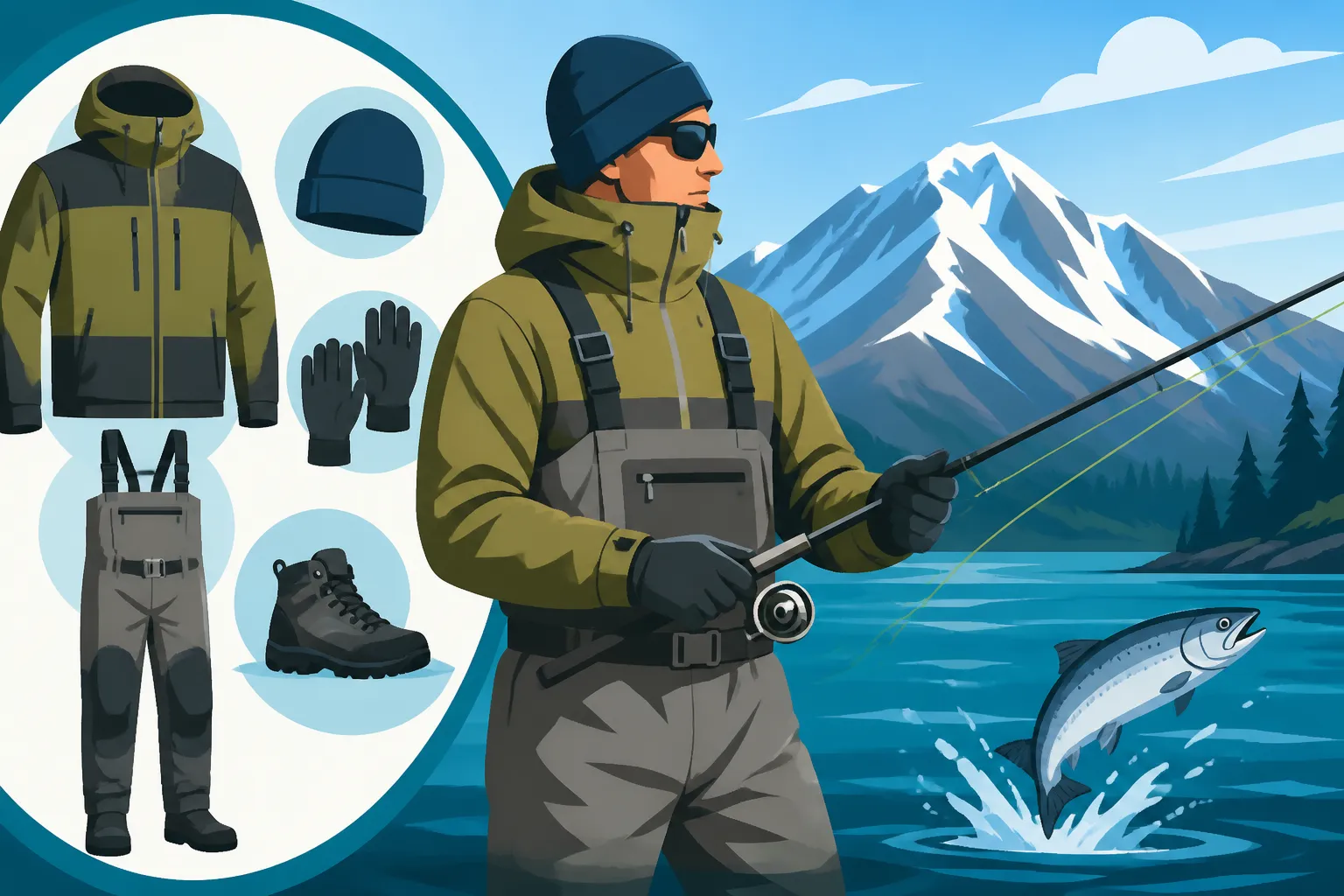
Look for gear that is both waterproof and windproof, but ideally also breathable. Fabrics like Gore-Tex, eVent, or other proprietary waterproof/breathable membranes are excellent choices, as they prevent external moisture from getting in while still allowing internal moisture (sweat vapor) to escape, preventing that clammy feeling. Key features to look for in a good outer layer include a sturdy, adjustable hood that can cinch down tight, waterproof zippers (or storm flaps over zippers), adjustable cuffs to seal out water, and a longer cut to provide extra coverage. Many seasoned Alaska anglers swear by a quality pair of waterproof bib pants paired with a matching jacket for maximum protection, especially on a saltwater charter where you'll face sea spray and potentially heavy rain. You can find a huge variety of robust rain gear, from entry-level options to professional-grade suits, on Amazon, making it easy to compare features and reviews to find the right fit for your trip.
Essential Gear for Head, Hands, and Feet
While the core layering system is crucial, don't underestimate the importance of protecting your extremities. Your head, hands, and feet are prime areas for heat loss, and keeping them warm and dry is paramount for overall comfort and safety, especially during long hours spent outdoors in chilly or wet conditions. Forgetting these critical items can quickly turn an enjoyable outing into a miserable one, proving that comfort truly starts from the top down and bottom up.
Head Protection: Keeping Your Brain Warm and Dry
Heat escapes rapidly from an uncovered head, so a good hat is a non-negotiable item for any Alaska fishing trip. On colder days, or during early mornings and late evenings, a warm beanie made of wool or fleece will be your best friend, trapping body heat and keeping your core temperature stable. When the rain starts (and it almost certainly will), a waterproof hat with a brim is invaluable. It keeps rain off your face, out of your eyes, and prevents water from running down your neck and into your jacket. A cap with a wide brim is also excellent for sun protection on brighter days, especially with Alaska's long summer daylight hours.
Don't overlook the versatility of a neck gaiter or a "buff." These simple tubes of fabric can be worn around your neck for warmth, pulled up over your face to protect against wind and sun, or even worn as a lightweight beanie. They are incredibly adaptable and take up minimal space, making them a must-have for fluctuating conditions. When you're fishing in a brisk breeze or on an open boat, having that extra layer around your neck can make a huge difference in staying comfortable.
Hand Protection: Dexterity and Warmth
Cold hands are not only uncomfortable, but they can also severely impact your ability to tie knots, handle fish, and even operate your reel. The challenge with hand protection is balancing warmth and waterproofing with the need for dexterity. You'll want to be able to feel your line, manage your tackle, and unhook your catch without fumbling.
A good strategy is to use a layering approach for your hands as well. Start with thin liner gloves made of merino wool or synthetic material. These provide a basic layer of warmth and can be worn alone for light tasks. Over these, you can add waterproof and insulated outer gloves or mitts when the weather turns truly foul. Many anglers prefer fingerless gloves or gloves with convertible mitts (that can expose your fingers) for improved dexterity while still offering warmth. For saltwater charters, fully waterproof insulated gloves are essential to protect against sea spray and icy conditions. Finding the right balance will keep your hands ready for action, whether it's casting a line or gently releasing a fish using Alaska Catch-and-Release Best Practices.
Footwear: The Foundation of Comfort
Your feet are your connection to the ground (or boat deck) and are critical for comfort and safety. Wet, cold feet can quickly lead to misery and even medical issues. Therefore, proper footwear is non-negotiable. For many river fishing scenarios, especially if you'll be wading, good quality waders are essential. There's a lot to consider, from breathable options for warmer weather to neoprene for colder water, and ensuring they fit well over sturdy wading boots with good traction. You can learn more in our detailed guide, Do You Need Waders for Alaska Fishing.
For general bank fishing or boat fishing where wading isn't required, waterproof hiking boots or durable rubber boots are excellent choices. Look for boots with aggressive soles that provide good grip on slippery riverbanks or wet boat decks. Ensure they are comfortable enough for long days on your feet. Just like with base layers, skip the cotton socks. Opt for wool or synthetic socks that wick moisture away and provide insulation even if they get a little damp. Bring multiple pairs of socks so you can change into a dry pair if your feet get wet or sweaty; this simple act can vastly improve your morale and comfort.
Specific Scenarios and What to Wear
Alaska offers a diverse range of fishing experiences, from standing in chilly rivers to braving the open ocean. Each scenario presents unique challenges and demands specific considerations for your clothing. Understanding these differences will help you fine-tune your packing list and ensure you're optimally prepared for the type of fishing you'll be doing. A one-size-fits-all approach rarely works here, so let's break down some common Alaska fishing settings.
River Bank Fishing: Waders and Layers
If your Alaska adventure involves fishing from the bank of a river, like the famous Kenai or Russian rivers, or even exploring smaller streams for trout, your primary concern will be keeping your lower body dry and warm. You'll often be standing in or near cold glacial meltwater for extended periods, and sometimes navigating slippery, uneven terrain. This is where a good pair of waders truly shines.
Breathable waders, typically made from materials like Gore-Tex or similar synthetics, are usually the preferred choice for their comfort and versatility, allowing sweat to escape while preventing external water from coming in. Beneath your waders, you’ll want to wear insulating layers that aren't too bulky but provide ample warmth. This often means a good pair of synthetic or wool long underwear and perhaps a fleece pant layer over that, depending on the water and air temperature. Your wading boots should be comfortable, provide excellent ankle support, and have soles designed for traction on slick riverbeds—either felt for rocky bottoms or rubber for general use. Don't forget a sturdy wading belt to prevent water from rushing into your waders if you stumble. For more details on finding those prime spots, check out our guide on Best Bank Fishing in Alaska.
Saltwater Charter Fishing: Full Rain Gear and Warmth
Heading out on a saltwater charter, whether for halibut in Homer or salmon in Seward, presents a different set of challenges. You’ll be on a boat, exposed to the open elements, where wind chill, sea spray, and the potential for heavy rain are constant companions. The wind can be relentless, and even on sunny days, the ocean air can feel surprisingly cold. The deck of a fishing boat can also be wet and slippery.
For these trips, a full, heavy-duty rain suit is absolutely essential. This typically means a robust waterproof jacket paired with matching bib-style pants. Brands like Grundens, Helly Hansen, or Guy Cotton are very popular among commercial fishermen and serious anglers for their extreme durability and waterproofing. These suits are designed to withstand constant exposure to water and wind. Underneath this impenetrable shell, you'll still need your layering system: a moisture-wicking base layer and one or more insulating mid-layers like fleece or a synthetic puffy jacket. Waterproof insulated gloves and a warm hat that stays put in the wind are also critical. Because you'll be relatively stationary for long periods, bringing an extra mid-layer for warmth is always a smart move. For more specific packing advice for these trips, see What to Wear on an Alaska Fishing Charter.
Fly-In or Remote Fishing: Durability and Redundancy
Embarking on a fly-in fishing trip to a remote lodge or wilderness camp, perhaps in Bristol Bay or other interior locations, means you are truly on your own. There’s no quick trip to the store if you forget something, and gear failure can have significant consequences. This scenario calls for the most robust, redundant, and reliable clothing system possible. The isolation means you must be completely self-sufficient and prepared for any eventuality.
Your clothing choices should prioritize durability and proven performance. Double up on essential layers; bring an extra set of base layers, an extra mid-layer, and even a backup pair of rain pants if space allows. High-quality waterproof-breathable outerwear is non-negotiable here. Consider bringing a small repair kit for minor tears in waders or jackets, as a small puncture can quickly ruin your day. Footwear should be rugged and well-broken in, suitable for walking over varied terrain, and, of course, completely waterproof. Think about the extended periods you might spend away from shelter and the potential for truly adverse weather, even in the middle of summer. Being prepared for anything is key, and our guide to Alaska Fly-In Fishing Lodges Guide can help you plan for these incredible, remote adventures.
Remember, the goal is always to stay warm, dry, and comfortable, regardless of what the Alaskan weather throws your way.
| Layer Type | Purpose | Recommended Materials | What to Avoid | Key Features to Look For |
|---|---|---|---|---|
| Base | Wicks moisture, light warmth | Merino wool, Synthetic (polyester) | Cotton | Flat seams, athletic fit |
| Mid | Insulation, traps warmth | Fleece, Synthetic down/puff | Bulky, non-compressible items | Zippered pockets, variable thickness |
| Outer | Waterproof, windproof barrier | Gore-Tex, eVent, PVC (heavy-duty) | Water-resistant only | Adjustable hood, waterproof zippers, adjustable cuffs |
| Head | Warmth, rain/sun protection | Wool beanie, waterproof brimmed hat | None | Cinchable hood on jacket, secure fit for wind |
| Hands | Warmth, dexterity, grip | Fleece, wool, waterproof shell | Bulky, non-waterproof | Fingerless/convertible options, grippy palms |
| Feet | Warmth, moisture management, traction | Wool/synthetic socks, rubber boots, waders | Cotton socks | Good ankle support, aggressive sole, proper wader fit |
Disclaimer
The information provided in this guide is for general informational purposes only and does not constitute professional advice. Alaska's weather and fishing regulations can change rapidly. Always consult the most current Alaska Department of Fish and Game regulations and local weather forecasts before heading out on any fishing trip. Safety should always be your top priority.