Seward Alaska Fishing Guide
Planning a fishing trip to Alaska can feel like navigating a vast, unpredictable wilderness before you even cast a line. You dream of epic battles with giant salmon or halibut, but the sheer number of options, regulations, and locations, like Seward, can be completely overwhelming. You're left wondering where to start, what to catch, and how to make the most of your precious time. This comprehensive guide is here to cut through the confusion, offering a deep dive into everything you need to know to experience truly legendary fishing in Seward, Alaska.
Why Seward is an Angler's Paradise
Seward, nestled at the head of Resurrection Bay on the Kenai Peninsula, isn't just another pretty Alaskan town. It's a genuine fishing hub, drawing anglers from around the globe with its diverse fisheries and stunning backdrop of mountains and glaciers. Many folks arrive in Alaska and immediately think of places like the Kenai River, but Seward offers a completely different, equally thrilling, saltwater experience. It's a place where the ocean meets the mountains, creating unique opportunities for both seasoned pros and first-time visitors.
The Unique Appeal of Resurrection Bay
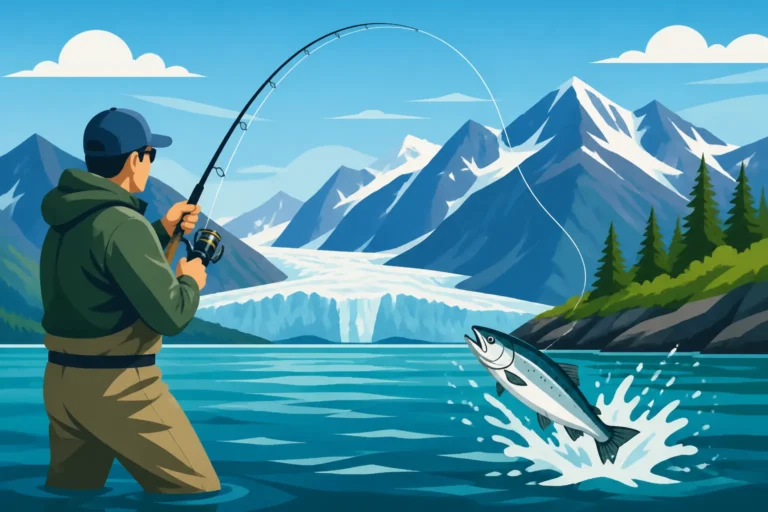
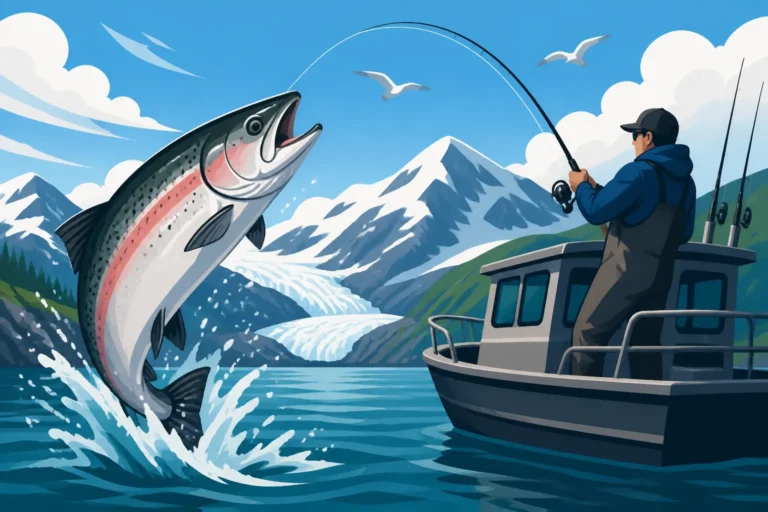
Resurrection Bay itself is a marine wonderland, a deep fjord carved by glaciers that provides sheltered waters teeming with life. This means that even on days when the open ocean might be too rough, there's often productive fishing to be found within the bay's confines. Imagine pulling up a feisty silver salmon with a glacier calving in the background – it's an experience that truly defines Alaskan angling. The bay's protected waters also make it an excellent starting point for those who might be new to ocean fishing or prefer a calmer ride.
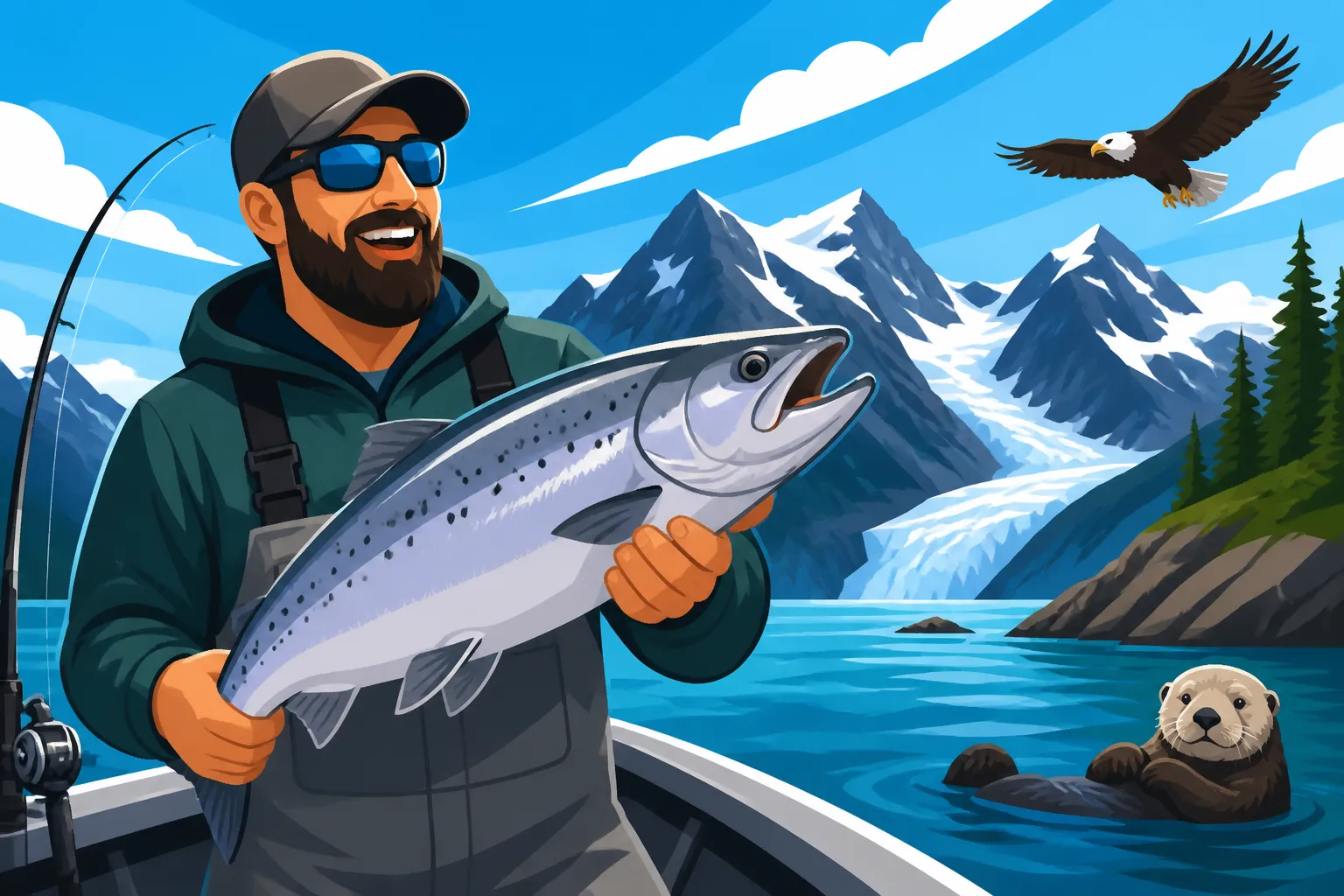
Beyond its calm waters, Resurrection Bay acts as a vital migratory pathway for various salmon species making their way to spawning rivers and streams. This funnel effect concentrates fish, making them more accessible to anglers. You'll find different depths and structures within the bay, from shallow feeding grounds near shore to deeper channels where halibut and rockfish lurk. It's a microcosm of Alaska's marine environment, offering a taste of everything without venturing too far offshore. Plus, the wildlife viewing opportunities, from sea otters to humpback whales, are just an added bonus to your fishing adventure.
A Gateway to Offshore Adventures
While Resurrection Bay offers fantastic fishing, Seward's true claim to fame for many is its direct access to the Gulf of Alaska. This is where the legends are made, where "barn door" halibut and hard-fighting lingcod reside. Heading out from Seward's bustling harbor, you'll quickly find yourself in prime waters for some of the most sought-after sportfish in the world. The journey itself is part of the adventure, as you pass dramatic sea cliffs, pristine coves, and perhaps even spot some puffins nesting.
The offshore fishing grounds beyond Resurrection Bay extend into vast, productive areas that require experienced captains and well-equipped vessels. These areas include diverse underwater topography, such as seamounts, pinnacles, and deep canyons, which act as magnets for baitfish and, consequently, the larger predatory species. Many of the most productive halibut grounds, for instance, are found miles offshore, where the ocean floor drops significantly. This isn't just a simple boat ride; it's an expedition into the heart of Alaska's rich marine ecosystem, promising a fishing experience that can be truly unforgettable.
Prime Fish Species You'll Encounter in Seward
When you come to Seward, you're not just fishing; you're embarking on a quest for some of Alaska's most iconic and delicious fish. The diversity here is incredible, offering something for every angler's preference and skill level. It's important to know what you're targeting, not just for the thrill of the catch, but also to understand the regulations and best techniques.
Majestic King Salmon and Agile Silver Salmon
King Salmon (Chinook): The Ultimate Prize
Ah, the King Salmon, or Chinook. This is often the holy grail for many anglers visiting Alaska, and for good reason. These powerful fish are renowned for their massive size and incredible fighting ability. In Seward, you'll typically find King Salmon migrating through Resurrection Bay and the nearshore waters of the Gulf of Alaska primarily in late spring and early summer. The season generally kicks off in May and runs strong through June, with some lingering into July. Landing a King is a true test of strength and endurance, often requiring heavy tackle and a strong will.
When targeting King Salmon in Seward, most anglers opt for trolling with downriggers, presenting baitfish like herring or large spoons and plugs at specific depths. Because these fish are often on the move, covering ground is key. Charter captains who specialize in salmon fishing know the migratory routes and preferred feeding areas within the bay and just outside its mouth. Keep in mind that King Salmon populations can fluctuate, and regulations, including bag limits and whether you need a special Alaska King Salmon Stamp Requirements, can change, so always check the latest Alaska King Salmon Fishing Regulations and Limits before you head out.
Silver Salmon (Coho): The Acrobatic Fighter
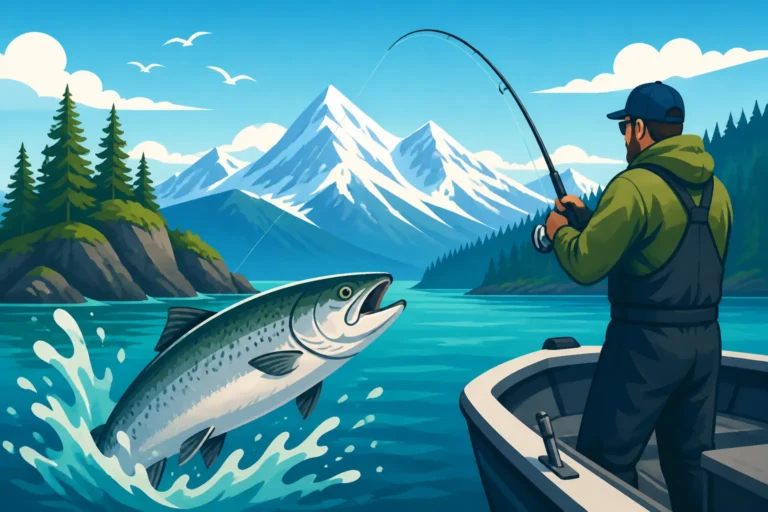
If King Salmon are the heavyweights, then Silver Salmon, or Coho, are the agile, acrobatic boxers of the salmon family. Silvers arrive in strong numbers starting in mid-July and their run typically peaks in August and often extends into September, offering fantastic late-season opportunities. They might not reach the sheer size of Kings, but they more than make up for it with their aggressive strikes and spectacular aerial displays once hooked. These fish are incredibly fun to catch on lighter tackle, providing an exhilarating fight that will get your heart pumping.
Silver Salmon can be found throughout Resurrection Bay and in the nearshore ocean waters. Like Kings, trolling with herring, spoons, or Hoochie lures behind flashers is a very effective method. However, Silvers are often more willing to strike lures cast closer to shore or near schooling baitfish. Many anglers also find success mooching (drift fishing with cut bait) for Silvers when they are schooled up. The peak of the Silver Salmon run in Seward can be absolutely phenomenal, with multiple hook-ups possible in a single outing, making it a favorite for many returning visitors.
The Legendary Pacific Halibut
No discussion about Seward fishing would be complete without talking about the Pacific Halibut. These massive flatfish are arguably the most sought-after bottom dwellers in Alaskan waters, revered for their delicious white meat and their incredible power when hooked. Known affectionately as "barn doors" when they reach monstrous sizes, halibut fishing is a deep-sea adventure that requires dedication and strong arms. The prime season for halibut in Seward generally runs from May through September, peaking in June, July, and August.
Halibut fishing is typically done by dropping heavy jigs or bait rigs (often baited with herring, salmon heads, or octopus) to the ocean floor, sometimes hundreds of feet down. The key is to get your bait right in front of them, and then wait for that distinctive, heavy thud on your line. A common frustration is feeling a bite but failing to set the hook properly on these broad-mouthed fish. Once hooked, a large halibut can put up an incredible fight, often making powerful, deep runs that will test your tackle and stamina. Experienced guides know the best halibut holes, often found around underwater pinnacles, ledges, and channels in the Gulf of Alaska, many miles offshore. Understanding Alaska Halibut Charter Regulations Explained is crucial, as they can be complex, especially concerning size and bag limits for charter anglers.
Lingcod and Rockfish: Deepwater Delights
Beyond salmon and halibut, Seward offers fantastic opportunities to target other hard-fighting and delicious species, particularly lingcod and various types of rockfish. These fish inhabit rocky, deep-water structures and provide excellent fishing, often as a valuable addition to a halibut or salmon trip.
Lingcod: The Toothiest Catch
Lingcod are truly unique, prehistoric-looking predators with powerful jaws and formidable teeth. They are incredibly aggressive and put up a very strong fight, often surprising anglers with their sheer power. The season for lingcod typically opens a bit later in the summer, generally from July 1 to December 31 in the Prince William Sound/North Gulf Coast area, but check current regulations for specifics as these can change. You'll find them lurking around rocky reefs and submerged structures in deeper waters offshore.
To catch lingcod, anglers typically use large jigs, especially those imitating baitfish, or live bait if allowed. They are often caught incidentally while halibut fishing, but dedicated lingcod trips can be incredibly rewarding. The strike of a lingcod is usually violent and unmistakable, and reeling them up from the depths is a serious workout. Be mindful of their teeth when handling them aboard the boat!
Rockfish: A Diverse and Colorful Bounty
Seward's waters are home to a wide array of rockfish species, including the striking yelloweye rockfish, quillback rockfish, black rockfish, and many others. These fish are generally found near rocky bottoms and underwater structures, often shallower than lingcod but still in deeper waters than salmon. They're excellent eating and provide consistent action, making them a great target, especially on days when other species might be less cooperative.
Rockfish are typically caught using jigs or bait, often on multi-hook rigs. They don't fight with the same powerful runs as halibut or salmon, but their sheer numbers and consistent bites make for a fun day on the water. Conservation is particularly important with rockfish, as many species are long-lived and slow-growing, making them vulnerable to overfishing. Alaska has implemented regulations requiring the use of descending devices for rockfish released from deep water to help them survive. Always consult the most current Alaska Rockfish Retention and Release Rules before your trip.
Best Times to Plan Your Seward Fishing Trip
Timing is everything when it comes to Alaska fishing. While Seward offers opportunities throughout the summer, knowing the peak runs for specific species can dramatically increase your chances of a successful and memorable trip. It's not just about when the fish are there, but when they're most abundant and biting aggressively.
Navigating the Seasonal Salmon Runs
Understanding the salmon runs is key to planning your trip around your desired catch. Different species have distinct windows when they flood into Resurrection Bay and the surrounding waters.
Spring King Salmon (Chinook): May to Early July
The first major salmon run in Seward is usually the King Salmon. They start showing up in good numbers in May, with the run typically peaking in June. If your dream is to wrestle with one of these magnificent giants, planning your trip for late May or June is your best bet. During this time, the Kings are actively feeding as they prepare for their spawning journey, making them more susceptible to trolled baits and lures. This early season also often means fewer crowds compared to the later summer months, giving you a more serene angling experience.
However, King Salmon runs can be highly variable year to year due to ocean conditions and spawning success. Emergency Orders from the Alaska Department of Fish and Game (ADFG) are not uncommon for King Salmon fisheries, sometimes leading to closures or restrictions. This is why staying informed with the latest updates is crucial.
Summer Silver Salmon (Coho): Mid-July to September
As the King Salmon run begins to wane, the Silver Salmon (Coho) make their grand entrance. The Silver Salmon run in Seward is often incredibly robust, starting in mid-July and building to a powerful peak throughout August. This is arguably the most consistent and exciting salmon fishing of the summer for many anglers. Silvers are known for their aggressive bites and acrobatic fights, making them a blast on lighter gear.
Late July through August offers prime opportunities for Silvers, with the fishing often remaining strong well into September. If you're looking for fast action and a high chance of success, especially for families or newer anglers, targeting the Silver Salmon run in Seward is an excellent choice. This time of year also typically offers more stable weather conditions, making offshore excursions more pleasant.
Halibut and Bottom Fishing Seasonality
While salmon fishing has distinct peaks, halibut and other bottom fish offer a more extended season in Seward, though certain months definitely stand out.
Prime Halibut Season: June to August
Halibut are available in the waters off Seward from late spring through early fall, typically from May through September. However, the absolute peak for halibut fishing usually falls between June and August. During these warmer summer months, the fish are very active and generally more concentrated on their feeding grounds in the deeper waters of the Gulf of Alaska. This is when the chances of hooking into a truly massive "barn door" halibut are at their highest.
Booking a halibut charter during this peak window is highly recommended, especially if you have your sights set on a trophy fish. The weather is generally more favorable, allowing charter boats to venture further offshore to the prime fishing banks. That being said, early May and late September can still yield excellent halibut fishing, often with fewer boats on the water, though you might encounter more unpredictable weather. Keep an eye on the latest Alaska Halibut Fishing Regulations and Limits as they can impact when and how you can fish.
Lingcod and Rockfish: Summer and Fall
Lingcod and various rockfish species are typically available when the waters are warmer and settled. Lingcod season often runs from July 1 through the end of the year in certain areas, with good fishing throughout the summer and into early fall. Rockfish are generally available throughout the open water season, from May through September, and even into October if the weather holds.
These species are often targeted as part of a combo trip, where anglers fish for halibut or salmon and then move to rocky areas for lingcod and rockfish. Targeting them during the peak halibut or silver salmon months makes sense, as you can diversify your catch and have a backup plan if one species isn isn't biting. The key for these deep-dwelling fish is locating the right structure, which experienced charter captains excel at.
Early vs. Peak vs. Late Season Considerations
Deciding when to fish in Seward involves weighing the pros and cons of each part of the season.
Early Season (May – Early June): Kings and Less Crowds
The early season is characterized by the arrival of King Salmon and the start of halibut fishing. While the weather can be a bit more unpredictable and cooler, the excitement of targeting the powerful Kings is a huge draw. An advantage of the early season is typically fewer crowds on the water and potentially more availability for popular charters. If you're after that trophy King Salmon and don't mind bundling up, this is a fantastic time.
Peak Season (Mid-June – August): Maximum Diversity and Action
This is the busiest time in Seward, and for good reason. You have overlap between King and Silver Salmon runs, prime halibut fishing, and excellent opportunities for lingcod and rockfish. The weather is generally at its best, and the days are incredibly long thanks to the Alaskan summer. If you're looking for the highest chance of catching a variety of species and enjoying comfortable conditions, this is your window. The downside is that charters book up months in advance, and the harbor, restaurants, and hotels will be bustling.
Late Season (September): Silvers and Lingcod, Fewer People
As September arrives, the crowds thin out, but the fishing often remains excellent, especially for Silver Salmon and lingcod. Halibut fishing can also still be very productive. The weather can become more autumnal, with cooler temperatures and an increased chance of rain or wind, but you'll often find a peaceful solitude on the water that's harder to come by in July and August. For anglers who prefer a quieter experience and are still keen on robust silver salmon action, September offers a compelling option.
Top Fishing Spots and Techniques Around Seward
Seward's fishing grounds are diverse, ranging from easily accessible shore fishing spots to deep-water offshore banks. Knowing where to go and how to fish effectively in each area is crucial for a successful outing.
Nearshore Hotspots and Bank Fishing Opportunities
While Seward is famous for its deep-sea charters, don't overlook the productive fishing available closer to shore, especially if you prefer to fish without a boat or are looking for a more budget-friendly option. Resurrection Bay itself offers several prime spots.
Lowell Point and Seward Harbor: For land-based anglers, Lowell Point, just south of Seward, can offer opportunities for Pink and Chum Salmon during their runs (typically late July and August). While Kings and Silvers are less common from shore here, it's still worth a try, especially if you see fish jumping. The Seward Boat Harbor itself and surrounding docks can sometimes yield smaller salmon or Dolly Varden, particularly at dawn or dusk. You're more likely to catch hooligan (eulachon) during their spring run, which can be a fun activity, often done with dipnets.
Techniques for Shore Anglers: Spin fishing with medium-heavy rods is standard. Casting spoons (like Pixees or Vikings), spinners (like Mepps or Blue Fox), or small plugs can be effective for salmon. For bottom fish, a simple bait-and-weight rig with cut herring or squid can yield rockfish or flatfish in deeper sections. Always be mindful of local regulations and signage regarding fishing access and methods. Sometimes, even simple plunking with an enticing bait can produce results.
Offshore Productive Grounds and Charter Strategies
This is where Seward truly shines for many anglers, with vast fishing grounds in Resurrection Bay and the Gulf of Alaska.
Halibut Banks: The prime halibut grounds are typically found anywhere from a few miles offshore to 40-50 miles or more out in the Gulf of Alaska. Specific well-known areas include the waters off Montague Island, the "Football Field" (a local nickname for a productive bank), and various seamounts and ledges. These spots are characterized by underwater structure and depth changes that attract baitfish and, consequently, large halibut. Charter captains have their secret spots and are highly skilled at navigating to these productive areas.
The primary technique for halibut is bottom fishing, which involves dropping heavy tackle with bait (herring, salmon heads, octopus, cod, or even artificial baits like Berkley Gulp) or large jigs down to the seafloor. Many charters use specialized halibut rigs with large circle hooks to ensure good hookups and reduce gut hooking. Drifting over known structure is common, allowing the bait to cover ground. Learning How to Catch Halibut in Alaska from an experienced guide is invaluable.
Salmon Trolling Lanes: For King and Silver Salmon in Resurrection Bay and the immediate offshore areas, trolling is the most prevalent and effective technique. Charters typically use downriggers to get lures and baits (often herring or Hoochies behind flashers) down to the desired depth where salmon are feeding. Popular trolling lanes are often found near the mouth of Resurrection Bay, along the outer coastlines, and near specific points or eddies within the bay where baitfish congregate.
Captain experience and knowledge of recent fish movements are critical here. They'll monitor sonar, current conditions, and radio reports to stay on top of where the fish are biting. Different depths and speeds might be needed depending on the day and species. If you’re interested in learning How to Catch King Salmon in Alaska, a Seward charter is an excellent classroom.
Rockfish and Lingcod Reefs: These species are targeted around rocky pinnacles, reefs, and steep drop-offs in depths ranging from 50 to 500 feet, depending on the species and location. Many charters will combine a halibut trip with a stop at a rockfish spot on the way in or out.
Jigging with heavy metal or soft plastic jigs is a popular method for rockfish and lingcod. Bait, such as chunks of herring or squid, can also be very effective. Again, the boat's sonar and the captain's knowledge of the local underwater topography are essential for finding these structure-loving fish.
River and Freshwater Options Near Seward
While Seward is synonymous with saltwater fishing, there are limited, but noteworthy, freshwater opportunities nearby for those seeking a different experience.
Resurrection River: This river, flowing into Resurrection Bay, sees runs of Pink and Chum Salmon, typically in July and August. It can be a popular spot for locals during the peak of these runs. Anglers often use spin casting methods with bright lures or fly fish with egg patterns or streamers. While not known for large King or Silver runs like other major Alaskan rivers, it offers accessible bank fishing for an alternative experience. Always check specific regulations for the Resurrection River, as rules can vary from saltwater regulations.
Local Lakes: There are several small lakes in the Seward area that offer opportunities for rainbow trout and Dolly Varden. These are typically stocked lakes, providing a good option for families or those looking for a relaxed day of fishing with light tackle. Often, a simple bobber and bait (like PowerBait or worms) or small spinners can be highly effective. These lakes are usually easily accessible by road and can provide a nice break from the hustle and bustle of ocean fishing.
Choosing Your Seward Fishing Adventure: Charters, Guided Trips, and DIY
Deciding how to tackle your Seward fishing adventure is a big step. Do you go with the seasoned pros on a charter, or do you brave the waters on your own? Each option has its own set of advantages and challenges.
The Benefits of a Guided Charter Experience
For most visitors to Seward, a guided fishing charter is the best way to experience the area's incredible marine fisheries. Charters provide a host of benefits that make them worth the investment, especially if you're traveling from afar or are new to Alaskan saltwater fishing.
Expertise and Local Knowledge: This is arguably the biggest advantage. A good Seward charter captain has spent years, if not decades, learning the intricate details of Resurrection Bay and the Gulf of Alaska. They know the migration patterns of salmon, the secret halibut holes, how the tides affect the bite, and where the rockfish lurk. They continuously monitor conditions, recent catch reports, and even emergency orders to put you on the fish. You can spend days trying to figure this out on your own, or you can benefit from their expertise from minute one. They're also skilled in teaching proper techniques, from setting the hook on a halibut to fighting a powerful King Salmon.
Equipment and Safety: Charter boats are fully equipped with top-of-the-line fishing gear, from rods and reels to bait and tackle. This means you don't have to worry about buying or transporting heavy-duty ocean fishing equipment. More importantly, charters prioritize safety. Their boats are regularly inspected, equipped with all necessary safety gear (life rafts, emergency beacons, first aid), and the captains are certified and highly experienced in navigating unpredictable Alaskan waters. They know how to handle rough seas and what to do in an emergency, giving you peace of mind. Many charters also offer fish cleaning services, ensuring your catch is properly prepared for transport. If you're wondering Do Charters Include Alaska Fishing Licenses, the answer is generally no; you'll need to purchase your own beforehand.
Maximized Fishing Time and Comfort: On a charter, your only job is to fish. The captain handles navigation, boat operation, baiting, and sometimes even helps you reel in your catch. This maximizes your actual fishing time and reduces the stress of logistics. Many boats are comfortable, with heated cabins and restrooms, making for a much more enjoyable day, especially on longer offshore trips. For these reasons, checking out a service like FishingBooker can be incredibly helpful for comparing and booking reputable charters in Seward. They list numerous captains and boats, allowing you to read reviews and find the perfect fit for your trip.
Planning Your Own Unguided Excursion
While less common for deep-sea fishing in Seward, planning an unguided trip is certainly an option for experienced anglers who have their own boat and gear.
The Freedom and Challenge: The main draw of an unguided trip is the complete freedom it offers. You set your own schedule, choose your own spots, and fish at your own pace. For truly independent anglers with a deep understanding of marine navigation, safety, and local regulations, this can be a highly rewarding experience. You'll gain an immense sense of accomplishment from finding and catching fish entirely on your own terms.
Significant Preparations Required: However, the challenges are considerable. You'll need a suitable boat, capable of handling Resurrection Bay and potentially offshore conditions, along with all the necessary safety equipment. This includes marine radios, GPS, depth sounders, and survival gear. You'll also need to invest in or bring your own heavy-duty rods, reels, tackle, and bait. Crucially, you must have an in-depth understanding of Alaska Fishing Regulations Explained, including daily and annual bag limits, size restrictions, and any emergency orders. Without local knowledge, finding productive fishing grounds can be like searching for a needle in a haystack.
Limited Freshwater DIY Options: For freshwater, a DIY approach is much more feasible. If you have light tackle, waders, and some local knowledge (or a good map and some online research), you can easily fish the Resurrection River for salmon or some of the local lakes for trout. This is a great way to enjoy a more relaxed day of fishing without the complexities of saltwater gear or boat handling.
Essential Gear and Preparations
Whether you're on a charter or going it alone, some gear is universally important for a comfortable and safe Seward fishing experience.
Layered Clothing and Rain Gear: Alaska's weather is famously unpredictable. Even on a sunny summer day, conditions can change rapidly. Layers are key: start with a moisture-wicking base, add insulating layers (fleece or wool), and top it off with waterproof and windproof outerwear. Quality rain gear (jacket and pants) is non-negotiable. It's much easier to take layers off than to wish you had brought more.
Comfort Items: Sunscreen, sunglasses (polarized are best for spotting fish or reading the water), a wide-brimmed hat, and motion sickness medication (if you're prone to it, especially on offshore trips) are highly recommended. A small backpack with snacks, water, and personal medications is also a good idea.
Fishing Licenses and Stamps: Everyone aged 16 and over needs an Alaska Fishing License: Complete Guide. If you plan to target King Salmon, you'll also need an Alaska King Salmon Stamp. These must be purchased before your trip, either online through the ADFG website or from authorized vendors in Seward. Make sure you understand Alaska Fishing License Cost and Types to choose the right duration for your trip. Don't forget to review Alaska Fishing Limits and Bag Limits Explained specific to the species you're targeting.
Understanding Seward's Fishing Regulations and Licenses
Navigating fishing regulations can be one of the most confusing aspects of an Alaska trip, but it's absolutely essential. Ignorance is no excuse, and violations can lead to hefty fines or even loss of fishing privileges. Alaska's fisheries are carefully managed to ensure sustainability, so playing by the rules is crucial for everyone.
General License Requirements and Stamps
The first and most fundamental step before you even think about casting a line in Seward (or anywhere in Alaska) is to acquire the necessary fishing license.
Who Needs a License?
Anyone aged 16 or older, whether a resident or non-resident, must possess a valid Alaska sport fishing license. There are different types of licenses available, including annual, 1-day, 3-day, 7-day, and 14-day options. If you're a non-resident, you'll want to review the Alaska Non-Resident Fishing License Guide to understand your options and costs. For most visitors on a week-long trip, a 7-day license is a common choice.
King Salmon Stamp:
If your trip includes targeting King Salmon, you'll need to purchase an additional King Salmon Stamp. This stamp is required for anyone fishing for King Salmon, regardless of residency or how long you plan to fish. It's not optional if you're pursuing Kings. This revenue helps fund King Salmon conservation efforts. You can often purchase this at the same time as your fishing license. It's a small separate fee but a critical one for your King Salmon adventure.
Where to Buy:
You can easily purchase your Alaska fishing license and King Salmon stamp online through the Alaska Department of Fish and Game (ADFG) website, or from licensed vendors in Seward, such as sporting goods stores, tackle shops, or even some grocery stores. It's always best to buy it before you head out to fish to avoid any last-minute stress or delays. Make sure to carry a physical or digital copy of your license with you at all times while fishing.
Bag Limits and Size Restrictions for Key Species
This is where things can get a bit tricky and require close attention. Bag limits and size restrictions are in place to manage fish populations and ensure healthy future runs.
Salmon Bag Limits:
Bag limits for salmon in Alaska vary not only by species but also by region, time of year, and even specific river systems. In Resurrection Bay and the surrounding marine waters, there are typically daily and annual limits for King, Silver, Pink, and Chum Salmon. For example, a common daily limit for King Salmon might be one per day, with an annual limit for non-residents. Silver Salmon limits are usually more generous, perhaps two or three per day during the peak of their run. It's absolutely crucial to consult the most current Alaska Sport Fishing Regulations booklet or the ADFG website for the specific limits for the area and time you are fishing. These can, and often do, change during the season via Emergency Orders.
Halibut Limits and Size Restrictions:
Halibut regulations are notoriously complex and can vary significantly for guided (charter) anglers versus unguided (private boat) anglers. For charter guests, there are often daily bag limits (e.g., one or two halibut per day) and frequently specific size restrictions, such as a "reverse slot limit" or a maximum size limit on one of the fish retained. For instance, a common regulation might be "one halibut, no size limit, and a second halibut 28 inches or less." These rules are designed to spread the catch among anglers and protect the larger, breeding-stock female halibut. Private anglers generally have different, often more generous, limits. Understanding Alaska Halibut Charter Regulations Explained is paramount for any charter trip.
Rockfish and Lingcod:
Rockfish also have specific daily bag limits and often aggregate limits for all rockfish species combined. There might be additional restrictions for species like yelloweye rockfish, which are particularly vulnerable due to their slow growth. Lingcod typically have a daily bag limit, often with a size restriction, and a specific season opening date (e.g., July 1). A critical regulation for rockfish is the requirement to use a descending device for any rockfish released from deep water to increase their survival rates.
Harvest Record Card:
For certain species, especially King Salmon and sometimes Lingcod or Yelloweye Rockfish, you'll be required to record your catch on a physical Harvest Record Card that comes with your license. This helps ADFG monitor harvest numbers. Make sure to fill out your Alaska Harvest Record Card Explained accurately and immediately after retaining a fish that requires recording.
Emergency Orders and Responsible Angling
Alaska's fisheries are dynamic, and regulations are frequently adjusted based on in-season monitoring of fish runs and conservation needs.
Understanding Emergency Orders (EOs):
The Alaska Department of Fish and Game (ADFG) issues Emergency Orders (EOs) to modify fishing regulations on short notice. These EOs can close seasons, change bag limits, alter fishing methods (e.g., bait restrictions, single-hook rules), or open new opportunities. EOs are a critical management tool, especially for species like King Salmon whose runs can be highly unpredictable. It's a common frustration for anglers when a planned trip is affected by an EO, but these measures are in place to protect the resource.
How to Stay Informed:
It's your responsibility as an angler to be aware of the most current regulations, including any EOs, for the area you are fishing. Before you leave for Seward and even daily during your trip, check the ADFG website, local tackle shops, or ask your charter captain for the latest updates. Many charter operators are excellent sources of real-time information. You can also sign up for email alerts from ADFG for the Southcentral region.
Responsible Angling Practices:
Beyond legal compliance, responsible angling is about stewardship. This includes:
- Catch and Release Best Practices: If you're releasing fish, especially species like rainbow trout or steelhead, or any rockfish from deep water, learn how to handle them properly to maximize their survival. Minimize their time out of water, use wet hands, and support their body.
- Waste Not, Want Not: Alaska has strict laws against wanton waste of fish. Only harvest what you intend to consume or process, and ensure all edible portions are utilized.
- Respectful Behavior: Be courteous to other anglers, give wildlife its space, and leave no trace behind.
- Bear Awareness: If you're fishing near rivers or streams, always be bear aware. Make noise, carry bear spray, and keep a clean camp. You are fishing in bear country, and it's something you must take seriously.
By staying informed and practicing responsible angling, you contribute to the sustainability of Alaska's incredible fisheries for future generations.
| Species | Primary Season in Seward | Key Regulations Considerations | Common Fishing Method |
|---|---|---|---|
| King Salmon | May – Early July (Peak June) | Daily/Annual Limits, King Salmon Stamp required | Trolling with downriggers (herring, spoons, plugs) |
| Silver Salmon | Mid-July – September (Peak Aug) | Daily limits, usually more generous than Kings | Trolling (herring, hoochies, spoons), Mooching |
| Pacific Halibut | May – September (Peak June-Aug) | Charter vs. Unguided limits, size restrictions (e.g., reverse slot) | Bottom fishing (bait, large jigs) from offshore boats |
| Lingcod | July 1 – December 31 (check EOs) | Daily limits, size restrictions | Jigging, bait fishing over rocky structures |
| Rockfish | May – October | Daily/aggregate limits, descending device required for release | Jigging, bait fishing over rocky structures |
Making the Most of Your Catch: Processing and Shipping
After a thrilling day of fishing in Seward, you'll likely have a cooler full of delicious fish. Now comes the important task of processing your catch and getting it home. This isn't just about convenience; it's about preserving the quality of your hard-earned seafood. Many visitors are surprised by the logistics involved, but Seward is well-equipped to handle it.
On-Site Fish Processing Services
Seward boasts several professional fish processing facilities right near the harbor, making it incredibly easy to drop off your catch immediately after your trip. These facilities are experts at transforming your whole fish into dinner-ready portions.
What to Expect from Processors:
When you bring your fish to a processor, they'll typically offer a range of services:
- Filleting: They'll expertly fillet your salmon or halibut, removing bones and skin.
- Portioning: Your fillets can then be cut into convenient, meal-sized portions.
- Vacuum Sealing: This is crucial for long-term freshness. Each portion is individually vacuum-sealed, removing air to prevent freezer burn and preserve flavor.
- Flash Freezing: Your vacuum-sealed portions are then flash-frozen at extremely low temperatures. This rapid freezing locks in the freshness and texture, ensuring your fish tastes as good when you eat it at home as it did when it was caught.
- Boxing: Finally, your frozen, vacuum-sealed fish will be packed into airline-approved, insulated fish boxes, ready for transport.
Benefits of Professional Processing:
While you can certainly try to fillet your own fish, especially if you're an experienced angler, professional processors offer unmatched speed, hygiene, and expertise. They can handle large quantities of fish efficiently, ensuring your catch is processed correctly and safely for travel. It saves you time and mess at your accommodation and guarantees the highest quality preservation for your precious Alaskan seafood. Services like those offered by Kenai Cache or Seward Fish Processing are well-regarded options right in town. They often have set pricing per pound for processing, so you can budget accordingly.
Transporting Your Seafood Home
Once your fish is processed, flash-frozen, and boxed, the next step is getting it back to your kitchen. Seward's processors are well-versed in helping you navigate this.
Airline Travel:
The most common way to transport fish is as checked baggage on your flight. Most major airlines allow properly packaged, frozen fish as checked luggage. The insulated boxes provided by processors are designed to keep your fish frozen for 24-48 hours, depending on ambient temperatures and how packed the box is. It's always a good idea to check with your specific airline regarding their current policies, weight limits, and any associated fees for checked seafood boxes before your trip. This prevents any unwelcome surprises at the airport. You often find that the first checked bag is free or discounted, but additional or oversized boxes might incur a fee.
Shipping Services:
If you're not flying directly home or have too much fish to carry on a plane, professional shipping services are available. Processors can arrange to ship your fish via air cargo (e.g., Alaska Air Cargo, FedEx, UPS) directly to your home. This is often more expensive than checking it on your flight but offers convenience and ensures your fish arrives quickly. This option is particularly useful if you're continuing to travel around Alaska after your fishing trip and don't want to lug heavy fish boxes with you. They will pack your fish with dry ice to keep it frozen during transit. Again, discuss options and costs with the processor. For more details on this, you might find our guide on Alaska Fish Transport and Shipping Rules helpful.
Cooler Selection for DIY Transport:
If you're driving or have a particularly short trip, you might opt to transport your fish in your own high-quality cooler with plenty of ice or dry ice. For this, a rotomolded cooler like a Yeti or an RTIC is highly recommended for its superior insulation. Pack the cooler tightly with your frozen fish, add a layer of dry ice on top (handle with care and ensure ventilation if transporting in a vehicle), and then fill any remaining space with regular ice. This method requires careful planning to ensure the fish remains frozen until you reach your final destination.
Disclaimer
The information provided in this Seward Alaska Fishing Guide is intended for general informational purposes only. Fishing regulations in Alaska are subject to change at any time through Emergency Orders issued by the Alaska Department of Fish and Game (ADFG). It is the angler's sole responsibility to check and comply with all current regulations, bag limits, and licensing requirements before and during their fishing trip. We strongly recommend visiting the official ADFG website or consulting local vendors and charter operators for the most up-to-date information. Fishing involves inherent risks; always prioritize safety on the water.