Is Ketchikan Good for Fishing in Alaska
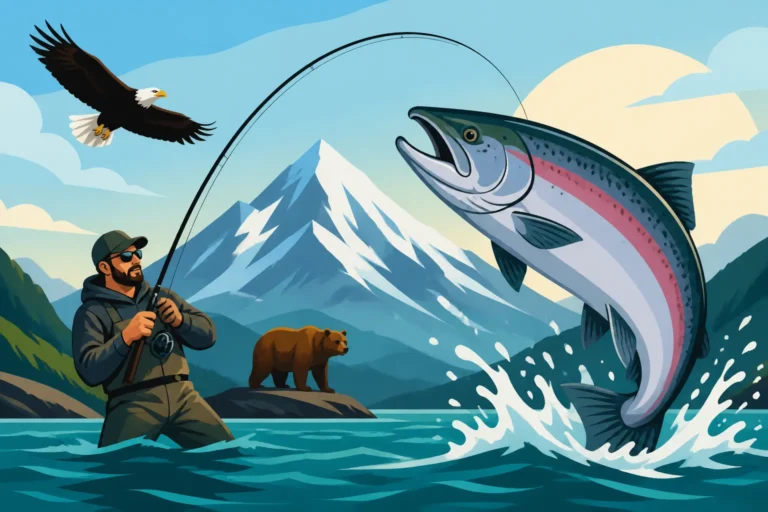
Let's face it, when you're dreaming of an Alaska fishing adventure, the sheer number of incredible destinations can feel overwhelming. You hear tales of giant King Salmon, monster Halibut, and rivers teeming with Sockeye, but then the question hits: Is Ketchikan truly a good place to fish? It's a common concern, especially for those venturing to the Last Frontier for the first time, wondering if this charming Southeast Alaskan city lives up to the hype. Well, I'm here to tell you, without a doubt, that Ketchikan is not just "good" for fishing—it's phenomenal, offering an accessible, diverse, and incredibly productive angling experience that regularly exceeds expectations. This guide will walk you through exactly why Ketchikan stands out as a premier fishing destination and what you can expect when you drop a line in its famed waters.
The Lure of Ketchikan: Why It's a Top Fishing Destination
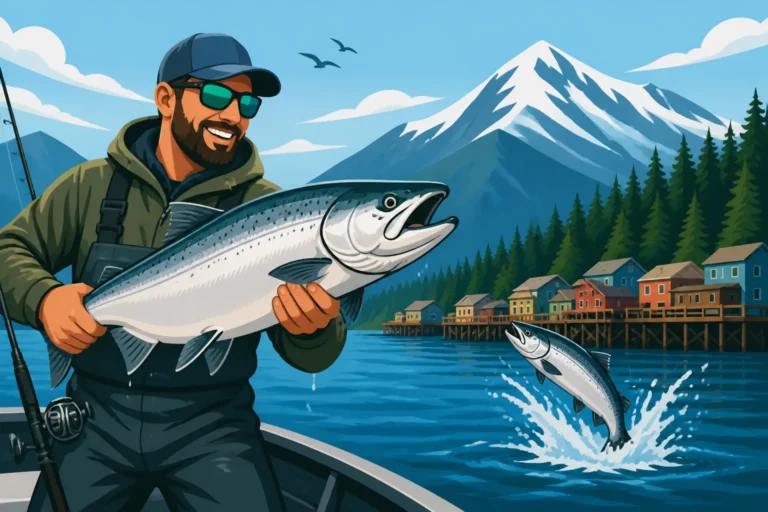
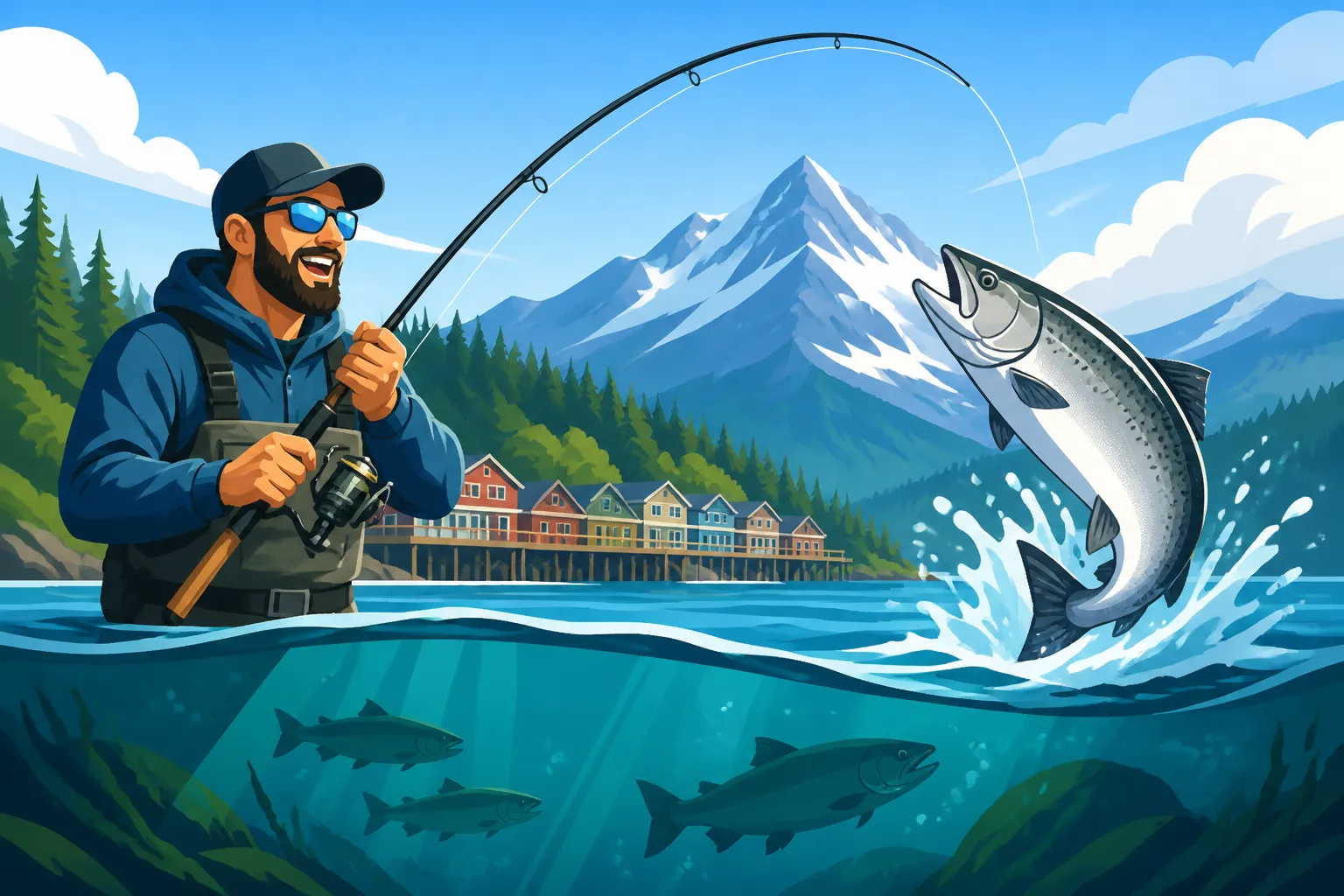
Ketchikan, often dubbed the "Salmon Capital of the World," isn't just a catchy nickname; it's a testament to the incredible marine life that thrives in its surrounding waters. Located in the heart of Southeast Alaska's Inside Passage, this region boasts a unique combination of geography and ecosystem dynamics that create an ideal environment for a wide array of fish species. If you've ever felt overwhelmed by the vastness of Alaska, Ketchikan offers a welcoming entry point without sacrificing any of the prime angling opportunities.
A Rich Fishery and Abundant Species
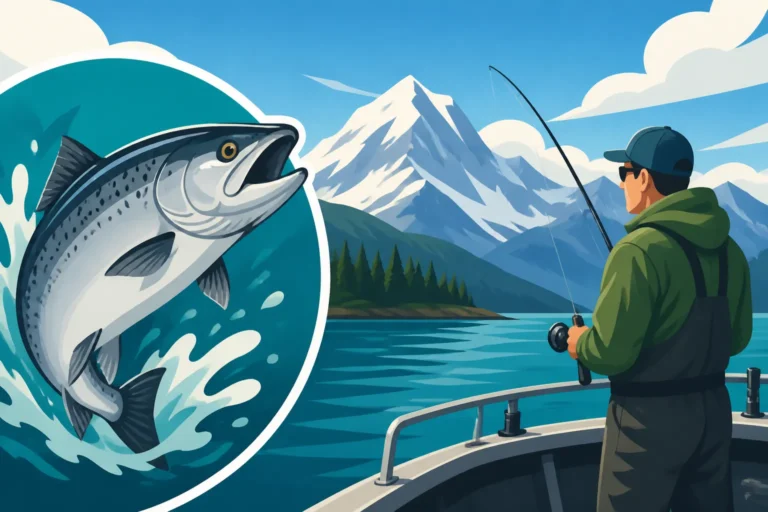
What makes Ketchikan so special for anglers? It's primarily its strategic location along major migration routes for all five species of Pacific salmon. These nutrient-rich waters, fed by countless freshwater streams and rivers, act as highways for salmon returning to spawn. This means you're not just hoping for a fish; you're often intercepting massive schools as they stage before their final journey upstream. It's truly a sight to behold and an experience that every angler craves.
Beyond salmon, the deep, cold waters around Ketchikan are also prime habitat for bottom-dwelling giants. Imagine dropping your line hundreds of feet down and feeling that unmistakable thud as a massive Halibut inhales your bait. Or perhaps wrestling with a feisty Lingcod, a prehistoric-looking fish known for its aggressive fight and delicious white meat. The rocky structures and pinnacles in the area also teem with various species of Rockfish, adding even more diversity to your potential catch. This rich tapestry of marine life ensures that no matter when you visit, there's always something exciting biting.
Accessibility and Unique Setting
One of the often-overlooked advantages of Ketchikan is its accessibility. Unlike many remote Alaskan fishing lodges that require multiple bush plane flights, Ketchikan is a major port for cruise ships and boasts a well-serviced airport with regular flights from Anchorage and Seattle. This makes logistics significantly simpler for travelers, cutting down on transit time and often reducing overall trip costs. You can fly in, check into a comfortable hotel, and be on the water within hours, ready for your adventure.
Furthermore, the unique setting of Ketchikan itself adds to the overall experience. Surrounded by the Tongass National Forest, the largest temperate rainforest in the world, the scenery is absolutely breathtaking. Fishing here isn't just about the catch; it's about being immersed in a wild, majestic landscape where eagles soar overhead and seals pop up to investigate your boat. You're not just visiting a fishing spot; you're stepping into an Alaskan postcard, making the entire journey unforgettable, even when the fish are playing hard to get.
Prime Fishing Seasons and Target Species in Ketchikan
Understanding the rhythm of Ketchikan's fishing seasons is key to planning a successful trip. Different species peak at different times, offering a varied angling calendar throughout the spring, summer, and fall. Knowing what to expect allows you to tailor your visit to your specific fishing dreams, whether it's battling a trophy King Salmon or filling your cooler with savory Silver Salmon fillets.
King Salmon: The Early Summer Royalty
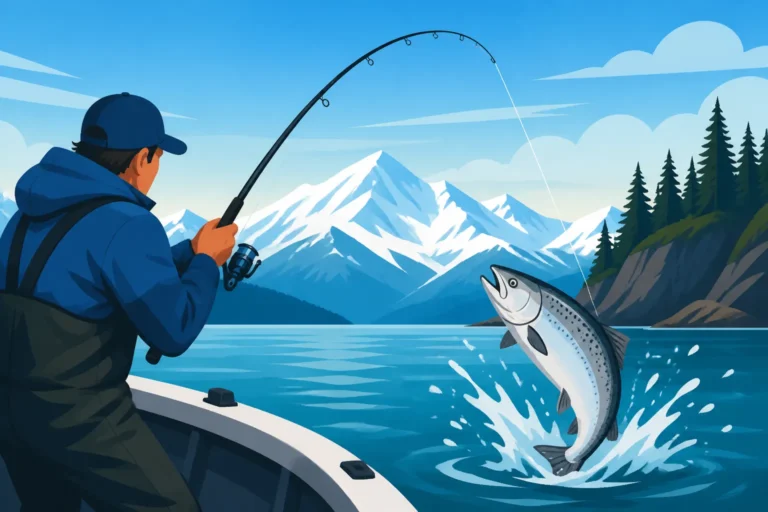
The season kicks off in late spring, usually May and early June, with the highly anticipated arrival of King Salmon, also known as Chinook salmon. These are the true royalty of Alaska's waters, renowned for their immense size, powerful runs, and exceptional table quality. Anglers often troll with downriggers, using spoons, flashers, and herring or artificial baits to entice these magnificent fish. The challenge of hooking and landing a King is an adrenaline rush unlike any other, demanding skill, patience, and robust gear.
It's worth noting that King Salmon runs can be sensitive to environmental factors and conservation efforts. Therefore, checking the most current Alaska King Salmon fishing regulations and limits is crucial, as emergency orders can change limits or even close fisheries to ensure sustainability. For non-residents, remember you'll also need an Alaska King Salmon Stamp Requirements in addition to your regular fishing license if you plan on targeting these prized fish.
Sockeye, Pink, and Chum: Mid-Summer Bonanza
As June progresses into July and August, the waters around Ketchikan become a bustling highway for other salmon species. Sockeye Salmon, known for their vibrant red flesh and intense fight, start their strong push. While often targeted in river systems, strong ocean-run Sockeye can be intercepted closer to shore. Following closely are the immense runs of Pink Salmon, especially prevalent in even-numbered years. Pinks, while smaller, offer non-stop action, making them a fantastic target for families and beginners. Chum Salmon, or dog salmon, also arrive in good numbers, offering another strong fighting fish.
During this period, the sheer volume of fish can be astounding. Imagine multiple hook-ups happening simultaneously, rods bending violently in every direction. This is when you truly understand why Ketchikan holds its "Salmon Capital" title. While not as large as Kings, these mid-season salmon provide continuous excitement and plenty of fish for the cooler. You'll find many charters, easily searchable on platforms like FishingBooker, specializing in these abundant runs, promising a high-action experience.
Silver Salmon: The Fall Frenzy
August and September usher in the reign of the Silver Salmon, or Coho. These acrobatic fighters are a favorite among many anglers for their aggressive strikes, aerial displays, and tenacious battles. Silvers are typically caught by trolling, mooching, or even casting spinners and spoons in certain areas. Their firm, orange-red meat is also highly prized, making them an excellent choice for anglers looking for both a thrilling fight and delicious fillets to take home.
The fall fishing for Silver Salmon can be incredibly productive, often providing consistent action right up until the cooler weather sets in. The landscape also transforms during this time, with autumn colors painting the Tongass National Forest, adding another layer of beauty to your fishing adventure. If you're looking for an unforgettable experience with plenty of action, targeting Silver Salmon in Ketchikan during the late summer and early fall is an excellent choice.
Halibut and Rockfish: Year-Round Bottom Dwellers
While salmon draw much of the attention, the bottom fishing opportunities in Ketchikan are equally impressive. Halibut season typically opens in May and runs through September or even early October, depending on regulations. These "barn doors" can reach truly enormous sizes, with fish over 100 pounds not uncommon. Anglers use heavy gear, large baits (often herring, salmon heads, or octopus), and jigs to target them in deep waters. The fight is a powerful, head-shaking tug-of-war that tests both angler and tackle.
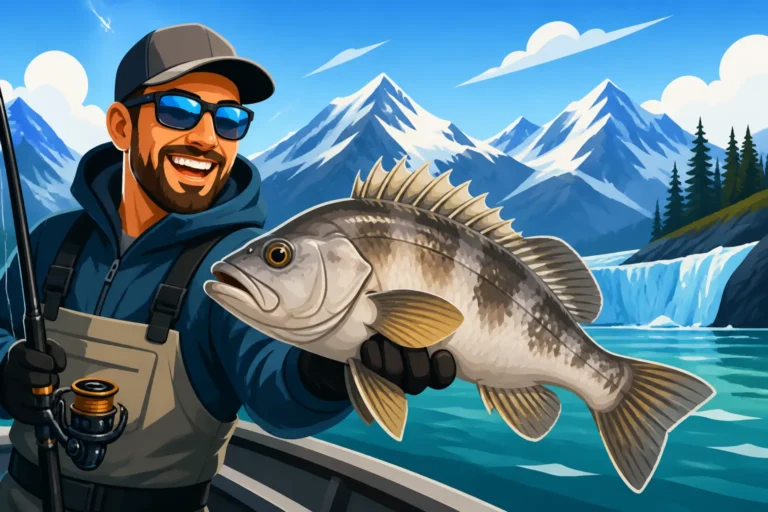
Alongside Halibut, various species of Rockfish, including the vibrant Yelloweye Rockfish (often called "red snapper"), Black Rockfish, and Lingcod, provide additional bottom-fishing excitement. Rockfish are plentiful and offer consistent action, though it's vital to be aware of deepwater release device rules to ensure the survival of released fish. For those seeking variety and the chance at a truly massive fish, dedicating some time to bottom fishing is a must. Knowing the Alaska Halibut Charter Regulations Explained is particularly important if you plan to fish for them with a guide, as specific rules apply.
Here's a quick overview of Ketchikan's peak fishing seasons:
| Species | Peak Season | Primary Technique | Notes |
|---|---|---|---|
| King Salmon | Late May – Early July | Trolling | Trophy fish, powerful fight, prized meat. Check regulations closely. |
| Sockeye Salmon | July – Early August | Trolling, sometimes jigging | Strong fight, excellent table fare. Abundant. |
| Pink Salmon | Mid-July – Late August | Trolling, casting, jigging | Extremely abundant (especially even years), great for action. |
| Chum Salmon | Late July – Mid-August | Trolling, jigging | Strong fighters, good numbers. |
| Silver Salmon | Mid-August – September | Trolling, mooching, casting | Acrobatic fights, aggressive strikes, delicious. |
| Halibut | May – September (sometimes Oct) | Bottom fishing, jigging | Large, powerful, deepwater species. |
| Rockfish | Year-round (peak summer) | Bottom fishing, jigging | Plentiful, various species, great for continuous action. |
| Lingcod | May – October | Bottom fishing, jigging | Aggressive predator, strong fighter, excellent eating. |
Essential Tips for a Successful Ketchikan Fishing Trip
Planning a fishing trip to a destination like Ketchikan, especially if it's your first time in Alaska, can feel like a huge undertaking. But with a few essential tips, you can ensure your adventure is smooth, productive, and truly memorable. From choosing your guide to understanding the local rules, a little preparation goes a long way in making your Alaskan dream a reality.
Choosing Your Adventure: Guided vs. DIY
One of the biggest decisions you'll face is whether to hire a guided charter or attempt a do-it-yourself (DIY) trip. For many visiting Ketchikan, especially those unfamiliar with the local waters, a guided charter is highly recommended. These waters are complex, with currents, tides, and depths that require local expertise to navigate safely and effectively. A good guide knows where the fish are biting, what techniques are working, and how to keep you safe in Alaskan conditions. They'll provide all the necessary gear, bait, and often even help with fish processing.
If you're an experienced saltwater angler with your own boat, or you plan to rent one and have adequate navigation skills for unfamiliar waters, a DIY trip could be an option. However, be prepared for significant planning, including studying charts, understanding local weather patterns, and having all your own tackle. For most visitors, the peace of mind, expertise, and increased success rate offered by a reputable charter make it the superior choice. Platforms like FishingBooker are excellent resources for finding and booking local Ketchikan charters, allowing you to compare options and read reviews before you commit. You can find detailed advice on How to Choose an Alaska Fishing Charter to help with this important decision.
Gear, Licenses, and Regulations
Regardless of whether you go guided or DIY, you absolutely need an Alaska fishing license. This isn't just a suggestion; it's a legal requirement for anyone 16 years or older. You can purchase your Alaska Fishing License: Complete Guide online through the Alaska Department of Fish and Game (ADF&G) website before you arrive, or at local sporting goods stores in Ketchikan. Make sure you also check if you need a King Salmon stamp if you plan to target those majestic fish, as mentioned earlier.
Beyond the license, understanding the local Alaska Fishing Regulations Explained is paramount. These rules cover everything from bag and possession limits to specific gear restrictions and seasonal closures. Alaska's regulations can be complex and are often subject to emergency orders, which can change limits or open/close fisheries on short notice to manage fish stocks. Your charter captain will be fully up-to-date, but if you're going DIY, it's your responsibility to stay informed by checking the ADF&G website or local offices. As for gear, if you're on a charter, they'll provide everything you need. If you're going DIY, plan for heavy saltwater rods and reels for halibut, and medium-heavy setups for salmon, along with a full tackle box of local favorites like herring, Hoochie skirts, various jigs, and salmon eggs.
Planning Your Stay and Booking Ahead
Ketchikan is a popular destination, especially during the peak summer months when cruise ships bring in thousands of visitors daily. This means that accommodations and fishing charters can book up incredibly fast, sometimes more than a year in advance for prime dates. To avoid disappointment, it’s highly advisable to plan your trip and book your charter as early as possible. Many top guides fill their calendars quickly, and waiting until the last minute might leave you with fewer options or less experienced operators.
Consider what you want your trip to include beyond fishing. Ketchikan offers fantastic hiking, kayaking, cultural experiences at the Totem Heritage Center, and a vibrant downtown to explore. Factor in travel time to and from the fishing grounds, as well as time for potential fish processing and shipping. Most charters will assist with fish processing, or you can use local processors in Ketchikan to clean, vacuum-seal, and freeze your catch, ready for transport home. This is often covered in detail when you consider What to Expect on an Alaska Fishing Charter.
Exploring Ketchikan's Diverse Fishing Grounds
Ketchikan's waters are vast and varied, offering different types of fishing experiences depending on how far you venture from port. From protected bays ideal for calmer days to the open ocean stretches for trophy hunting, the "Salmon Capital" truly delivers on its promise of diverse angling opportunities.
Nearshore Opportunities
Even close to Ketchikan's harbor, excellent fishing opportunities abound, especially within the protected channels and inlets of the Inside Passage. These areas are often calmer, making them perfect for those prone to seasickness or anglers seeking a less intense experience. You can find active schools of Pink Salmon and Silver Salmon trolling within a few miles of town, particularly when the runs are strong. Small Halibut and various Rockfish species are also frequently caught in these closer, shallower waters, often around kelp beds or rocky outcroppings.
Fishing nearshore also provides the added bonus of constant scenic beauty. You're never far from land, with the lush green rainforest descending right to the waterline. Keep an eye out for wildlife such as harbor seals, sea lions, and even whales, which are often spotted feeding in these rich waters. Local guides, many of whom list their services on sites like FishingBooker, have an intimate knowledge of these close-to-town hotspots, ensuring productive trips without extensive travel time on the water.
Offshore Giants and Remote Wilderness Fishing
For those seeking larger challenges and potentially bigger fish, Ketchikan offers access to more exposed offshore fishing grounds. Venturing further out into areas like Dixon Entrance or the outer channels means deeper waters and typically larger fish, especially for Halibut and King Salmon. These trips can be exhilarating, but also subject to ocean conditions, so choosing a calm weather window and a sturdy, well-equipped charter boat is paramount.
Some charters also offer what could be described as "wilderness fishing" experiences, venturing to remote islands, secluded coves, or less-frequented stretches of coastline within the expansive Southeast Alaska region. These trips can involve longer runs but often lead to pristine fishing spots where angler pressure is minimal, and the sense of wild adventure is maximized. These deep dives into the surrounding wilderness not only offer incredible fishing but also a chance to truly disconnect and immerse yourself in the untouched beauty of Alaska. For a more focused approach on different species, you might want to look into a dedicated Ketchikan Salmon Fishing Guide or general Ketchikan Fishing Guide to understand specific hotspots and techniques.
Disclaimer
Please remember that fishing in Alaska is subject to ever-changing regulations. Always consult the official Alaska Department of Fish and Game (ADF&G) website or local offices for the most current rules, bag limits, and emergency orders before heading out on the water. Safety should always be your top priority.