Alaska Fishing Emergency Orders Explained
You’ve planned your dream Alaska fishing trip for months, maybe even years. You’ve booked your flights, secured your lodging in Soldotna or Homer, and pictured yourself reeling in that trophy King salmon or monster halibut. But then, just days or even hours before you hit the water, you hear whispers, or worse, see an official notice: an emergency order has been issued, drastically changing the rules for your target fishery. This sudden shift can be incredibly frustrating and confusing, leaving anglers scrambling. This guide will demystify Alaska Fishing Emergency Orders, helping you understand why they happen, what they mean for your trip, and how to stay informed so you're never caught off guard.
What Exactly Are Alaska Fishing Emergency Orders?
Imagine trying to manage a living, breathing ecosystem with countless variables – weather, ocean conditions, predator populations, and human activity – all impacting fragile fish stocks. That's the challenge facing the Alaska Department of Fish and Game (ADF&G). Unlike the standard, broad fishing regulations that are set annually, emergency orders are exactly what they sound like: immediate, in-season changes implemented to respond to rapidly evolving circumstances. They're not just minor tweaks; they can completely alter what, when, where, and how you're allowed to fish, often with little notice. It’s a dynamic system designed to protect the resource, but it certainly keeps anglers on their toes.
The Purpose Behind Emergency Orders
At their core, emergency orders are a critical tool for conservation and sustainable management. Alaska's fisheries are incredibly valuable, both ecologically and economically, and the state is committed to ensuring they remain healthy for generations to come. When specific fish runs, like the iconic King salmon on the Kenai River or Sockeye salmon returning to Bristol Bay, are projected to fall below escapement goals – the number of fish needed to successfully spawn and sustain the population – the ADF&G has to act quickly. These orders protect vulnerable stocks by reducing fishing pressure, giving more fish a chance to reach their spawning grounds.
It’s not just about low numbers, though. Sometimes, an emergency order might be put in place to manage an unexpected surge in a different species, or to shift effort away from a struggling stock. For instance, if an area is seeing incredibly strong pink salmon returns but coho salmon are lagging, an order might be issued to focus fishing effort on the abundant pinks while protecting the more sensitive coho. The goal is always to achieve a delicate balance: allow for recreational fishing opportunities while prioritizing the long-term health of the fish populations, preventing overfishing before it becomes a crisis.
Who Issues These Orders?
The authority to issue emergency orders rests with the Alaska Department of Fish and Game (ADF&G). Specifically, it's typically the local area management biologists and their regional supervisors who are constantly monitoring fish runs and making these crucial, often difficult, decisions. These biologists are on the ground, often conducting daily aerial surveys, sonar counts, and test fisheries to get real-time data on fish abundance and movement. They use this information, combined with long-term forecasts and established management plans, to determine if a run is deviating significantly from what was predicted or needed for conservation.
The decisions are not made lightly. There's a lot of pressure from various stakeholders – commercial fishermen, sport anglers, subsistence users, and local businesses – all of whom are impacted by these changes. However, the biologists' primary directive is to protect the resource, adhering to the principles outlined in the state's fishery management plans. When a decision is made, it's immediately transmitted through official channels, which we’ll discuss shortly, ensuring the public is informed as quickly as possible, even if that means a very rapid turnaround between announcement and implementation.
How Do They Differ from Standard Regulations?
Think of standard Alaska fishing regulations as the foundation – the big rulebook that gets published annually. These are the rules you’d read in the Alaska Fishing Regulations Explained booklet, outlining season dates, general bag limits, legal gear, and overall area rules for the entire year. They are established through a lengthy public process involving the Alaska Board of Fisheries, stakeholder input, and scientific review, typically set well in advance of the fishing season. You can usually pick up a copy of the new regulations booklet around November or December for the upcoming year, giving you plenty of time to plan.
Emergency orders, on the other hand, are the nimble amendments to that foundation. They are dynamic, short-notice adjustments made within the established season. They supersede the printed regulations for a specific time and place. For example, the annual regulations might state that King salmon fishing is open on the Kenai River from July 1st to July 31st with a specific bag limit. An emergency order, however, could come out on July 10th and immediately close King salmon fishing entirely, or reduce the bag limit to zero, or mandate single-hook, unbaited lures only. These changes are temporary, often lasting only days or weeks, until the immediate conservation concern has passed or the fish run improves.
Here's a quick comparison:
| Feature | Standard Regulations | Emergency Orders |
|---|---|---|
| Issuing Authority | Alaska Board of Fisheries | ADF&G Area Biologists |
| Timing of Issuance | Annually, well in advance of season (e.g., Nov/Dec) | In-season, often with very short notice |
| Purpose | Long-term management framework | Immediate conservation response to unforeseen events |
| Duration | Annual, applies for the entire season | Temporary, can last days, weeks, or until rescinded |
| Legal Standing | Published in official annual regulation booklets | Supersedes annual regulations for specific issues |
| Public Input | Extensive, multi-meeting process annually | Limited to immediate scientific assessment |
| Flexibility | Static, set for the year | Dynamic, highly adaptable to real-time conditions |
Common Scenarios Leading to Emergency Orders
Understanding why these orders are issued can help you anticipate potential changes and manage your expectations. It’s rarely arbitrary; there’s always a reason rooted in science and conservation, even if it feels inconvenient at the moment. Alaska's fisheries are complex, and many factors contribute to the health and abundance of fish populations.
Low Salmon Returns and Conservation Concerns
This is by far the most frequent and impactful reason for emergency orders, especially when it comes to the highly prized King salmon (Chinook). Alaska manages its salmon fisheries to ensure a certain number of fish, known as the "escapement goal," successfully make it past all fisheries and into their spawning grounds. If early season indicators, such as sonar counts in rivers like the Kenai or in marine areas, suggest that a salmon run is coming in weaker than forecast and might not meet these escapement goals, ADF&G will take action.
For King salmon, which have faced particular challenges in recent years in some river systems, an emergency order might close the sport fishery entirely, often affecting popular areas like the Kenai River or the Deshka River. These closures are painful for anglers and local businesses alike, but they are deemed necessary to ensure enough King salmon spawn to produce future generations. Similarly, if a Sockeye salmon run, which are the backbone of many Alaskan fisheries, appears to be lagging, you might see bag limits reduced or certain sections of a river closed to specific gear types. This is a constant balancing act, and sometimes the scales tip towards protection. You can read more about Why Alaska Closes King Salmon Fisheries in our detailed guide.
Unforeseen Environmental Factors
Nature is unpredictable, and Alaska's vast wilderness is no exception. Environmental factors can play a significant role in fish behavior and survival, sometimes necessitating emergency orders. For instance, unusually warm water temperatures in a river can stress salmon, making them more susceptible to disease and reducing their chances of successful spawning. In such cases, an emergency order might be issued to close fishing in certain areas or implement catch-and-release only rules to minimize additional stress on the fish. This happened in some rivers during particularly hot summers, where even catch-and-release fishing was deemed too harmful.
Extreme weather events can also trigger emergency orders. Prolonged drought leading to extremely low river levels can concentrate fish, making them easier targets for predators and increasing stress. Conversely, severe flooding can make fishing unsafe, wash out access points, or disperse fish in ways that make traditional management difficult. While less common than conservation-driven closures, these environmental changes remind us that managing a wild fishery requires constant vigilance and the ability to adapt to conditions beyond human control.
Managing Overlapping Fisheries
Alaska is unique in that many areas have multiple fisheries operating simultaneously, often targeting different species or using different gear types. For example, a river might have a sport fishery for salmon, a personal use dipnet fishery for residents, and even a commercial gillnet fishery all at different times or in different sections. When one stock is struggling, say King salmon, but another is abundant, like Sockeye salmon, managing these overlapping interests becomes incredibly complex. An emergency order might be used to restrict methods that inadvertently catch the vulnerable species while still allowing access to the healthy one.
A classic example is when King salmon are low in a system that's also experiencing a strong Sockeye run. An emergency order might mandate the use of single, barbless hooks and restrict bait to minimize "incidental" catch of Kings while anglers are targeting Sockeye. This helps protect the King salmon while still providing a valuable fishing opportunity for Sockeye. It's a pragmatic approach to a difficult problem, aiming to provide as much opportunity as possible without jeopardizing a struggling stock. Understanding Alaska Fishing Limits and Bag Limits Explained is crucial, as these limits are often the first to be adjusted.
Types of Restrictions Imposed by Emergency Orders
When an emergency order is issued, it can take various forms, each designed to address a specific management challenge. These restrictions are not always about outright closures; sometimes they are subtle but important changes to how you can fish. Being familiar with these common types of restrictions will help you quickly understand the implications for your trip.
Gear Modifications and Bait Restrictions
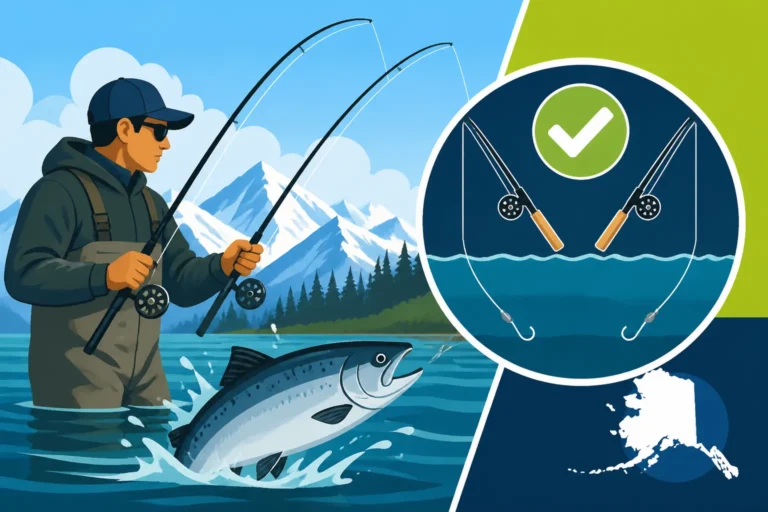
One of the most common ways ADF&G manages fishing pressure and protects vulnerable stocks is by altering legal gear and bait rules. If a specific species, like King salmon, is in low numbers, an emergency order might mandate that anglers use only single-hook, barbless lures and strictly prohibit the use of bait. This is because bait is incredibly effective at attracting fish, and while it's great for catching, it also increases the chance of catching and potentially harming a struggling species, even if you intend to release it. Single, barbless hooks generally cause less harm to fish, making catch-and-release more successful, but it also reduces overall catch rates, thus reducing pressure.
Other gear restrictions might include prohibiting snagging, even in areas where it's usually allowed, or specifying a maximum hook gap size. Sometimes, a specific lure type might be banned if it's found to be too effective or causing too much bycatch. For instance, if you've got a favorite Brad's KillerFish or a set of Spin-N-Glos that typically produce well with bait, an emergency order could render them unusable for a particular species or area. Always double-check what's legal; what was fine yesterday might not be today. Our guide on Alaska Bait Restrictions Explained provides more detail on this topic.
Changing Bag and Possession Limits
The number of fish you're allowed to keep, known as the bag limit, and the total number of fish you can have on hand, the possession limit, are frequently adjusted via emergency orders. These are often the first lines of defense when a fish run is underperforming. For example, the annual regulations might allow you to keep two King salmon per day with an annual limit of five for non-residents. An emergency order could reduce that to one King salmon per day, or even zero, meaning catch-and-release only. For specific species like Sockeye, which often have higher daily limits, an order might cut the limit from six to three fish per day.
Possession limits are also important, especially for those on multi-day trips or visitors planning to freeze and ship their catch. If the daily limit is reduced, it often directly impacts the possession limit, meaning you might not be able to accumulate as many fish as you had planned over several days. It’s crucial to understand the difference between daily and possession limits and how emergency orders can alter both simultaneously. Keeping track of your catch on your Alaska Harvest Record Card Explained becomes even more important during times of fluctuating limits.
Time and Area Closures
Perhaps the most impactful and frustrating emergency orders are outright closures of specific fishing areas or time periods. If a fish run is critically low, ADF&G might close an entire river, a section of a river, or even a specific body of saltwater to fishing for a particular species, or all species, for a defined period. This could mean your planned day of fishing on the Kasilof River for King salmon is suddenly off-limits, or a popular bank fishing spot is restricted. These closures are implemented to provide maximum protection, allowing fish to pass through safely to their spawning grounds without encountering any fishing pressure.
Time closures can also be highly specific. For example, a section of a river might be closed only during certain hours of the day when fish are most active, or it might be closed for specific days of the week, like "no fishing on Mondays and Tuesdays." These closures are often aimed at providing "windows" for fish to move upstream unimpeded. For charter operations, such as Alaska Halibut Charter Regulations Explained, an emergency order could mean certain days of the week are closed to halibut fishing for charters, severely impacting their schedule and client bookings. It’s a stark reminder that in Alaska, Mother Nature and conservation concerns dictate the rules of engagement.
How Anglers Are Notified of Emergency Orders
Getting caught unaware by an emergency order is a terrible feeling. You show up, gear in hand, only to find out the rules have changed, or worse, the fishery is closed. Thankfully, ADF&G makes a significant effort to disseminate these critical updates quickly. Knowing where to look and how to stay connected is key to avoiding disappointment and potential violations.
Official Sources for Real-Time Updates
The absolute best and most official source for Alaska fishing emergency orders is the Alaska Department of Fish and Game website. They maintain a dedicated section specifically for emergency orders and advisory announcements. These are usually published as formal PDFs, detailing the "who, what, when, where, and why" of each change. You'll find specific details about the affected species, geographic boundaries, new regulations, and the effective dates. It's a good practice to check this page daily, or even multiple times a day, leading up to and during your fishing trip, especially if you're targeting sensitive species like King salmon.
Beyond the website, many regions also have specific emergency order hotlines or recorded messages that are updated regularly. For instance, the Southcentral region, including the Kenai Peninsula and Anchorage area, often has a phone number you can call for the latest updates. These hotlines are incredibly useful, especially if you're out of internet range or just want a quick auditory update. Don't rely on hearsay or social media rumors; always cross-reference with an official ADF&G source. Our guide on Where to Find Alaska Emergency Order Announcements provides more detailed methods.
Staying Informed on the Go
In today's digital world, staying informed while you're traveling or already in Alaska is easier than ever, but it still requires diligence. Many anglers find it helpful to sign up for ADF&G's email notification lists. This ensures that emergency orders are pushed directly to your inbox as soon as they are released, offering a proactive way to receive updates. Some regions might also leverage text message alerts, which can be invaluable when you're busy with other trip preparations.
Additionally, local news outlets, particularly radio stations and small-town newspapers in fishing communities like Homer, Seward, or Soldotna, are often quick to report on emergency orders. Many reputable fishing guides and lodges also subscribe to these official feeds and will do their best to keep their clients informed. However, it’s always your responsibility as an angler to know the current regulations. Before you even head out for your day of fishing, a quick check of the ADF&G website on your smartphone (if you have service) or a call to the local hotline should be part of your routine.
The Role of Local Businesses and Guides
Local tackle shops, guide services, and fishing lodges are often the first points of contact for anglers seeking up-to-date information. These businesses are heavily invested in the health of the fisheries and the satisfaction of their customers, so they usually make a concerted effort to stay informed about emergency orders. Many shops will have printouts of the latest orders posted prominently, and their staff can provide valuable context and advice based on current conditions.
For guided trips, your captain or guide is legally obligated to know and follow all current regulations, including emergency orders. A good guide will communicate any changes to you well in advance, explain what they mean for your trip, and adapt their plans accordingly. They often have direct lines of communication with ADF&G or are part of local fishing associations that receive updates immediately. If you've booked a charter, like one in Sitka or Ketchikan, your guide will be your primary source of information once you're on site. That said, it never hurts to do your own independent check, even if you’re with a seasoned professional.
Practical Impact on Your Alaska Fishing Trip
When an emergency order drops, it can feel like a punch to the gut, especially if you've traveled a long way and invested significantly in your trip. It's important to understand the practical implications and how to best navigate these unforeseen changes to still have a rewarding experience.
Adjusting Trip Plans and Expectations
The most significant impact of an emergency order is often the need to adjust your trip plans and, more importantly, your expectations. If your primary goal was to catch a trophy King salmon on the Kenai River in July, and an emergency order closes that fishery, you'll need a Plan B (or C, or D!). This might mean shifting your focus to another species, like Sockeye or Dolly Varden, or even moving to a different river system that remains open. It could also mean changing your fishing technique entirely; if bait is prohibited, you’ll have to rely solely on lures or flies.
This is where flexibility becomes your best friend. Instead of fixating on one species or one location, try to build some adaptability into your itinerary. Maybe plan a "combo" trip that includes both river fishing and saltwater charter fishing, so if one gets restricted, the other might still be viable. Or, research alternative species and techniques beforehand. A good resource for alternative species is our Alaska Fish Species Guide. The initial disappointment is real, but a shift in mindset can still lead to a fantastic and memorable Alaskan adventure, just perhaps not the one you originally envisioned.
What If You're Already on the Water?
This is the scenario everyone dreads: you're out fishing, having a great time, and an emergency order is issued that affects your current activity. While ADF&G aims for effective dates to allow some lead time, sometimes an order can go into effect immediately, or within a few hours. The responsibility falls on the individual angler to be aware of and comply with the new rules as soon as they become effective. Ignorance of the law is not an excuse.
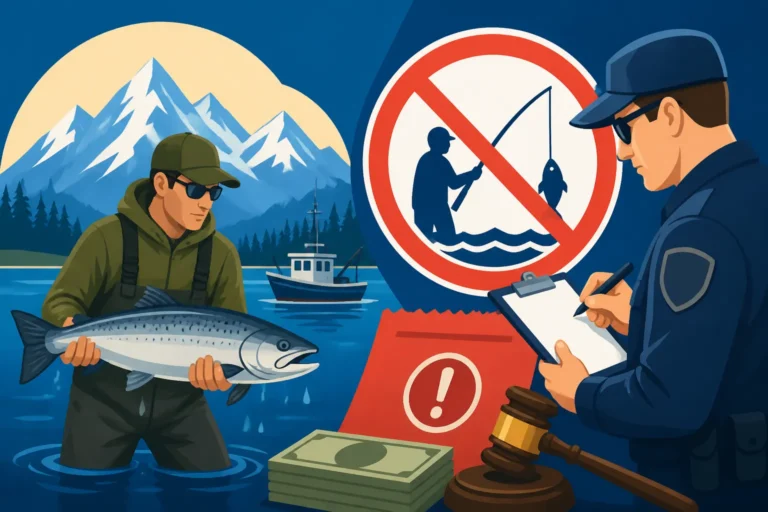
If you hear about a new order while fishing, especially from reliable sources like your guide, a tackle shop via radio, or a passing ADF&G patrol, you must cease the affected activity immediately. This could mean changing your lure, releasing fish you just caught that now exceed the new bag limit, or pulling up anchor and leaving a newly closed area. It might be inconvenient, but compliance is non-negotiable. Failing to adhere to an emergency order can result in significant fines, confiscation of gear, or even loss of your fishing license. It's a serious matter, and enforcement officers do patrol affected areas. Our guide on Alaska Fishing Violations and Fines covers the serious repercussions.
Dealing with Unexpected Changes as a Visitor
For out-of-state visitors, especially those on a once-in-a-lifetime trip, an emergency order can be particularly disheartening. You've invested thousands in travel, lodging, and perhaps a Best Alaska Fishing Charters for Beginners booking, and now your target fish might be off-limits. It's crucial to acknowledge this frustration, but then pivot to problem-solving. Your guide or lodge should be your first point of contact for understanding alternatives. They often have backup plans or can suggest other productive fisheries that are still open.
Consider visiting a local tackle shop. Not only are they a great source for current intel, but they can often recommend alternative gear or techniques for what is open. You might find yourself unexpectedly enjoying a fight with a hefty Rainbow Trout or a feisty Coho salmon when you thought your trip was ruined. Many fishing operations, while unable to refund due to emergency closures, will do their best to reschedule or offer alternative fishing experiences. The key is communication and flexibility. This is where researching Alaska Salmon Run Timing Explained can help immensely in setting realistic expectations for various species throughout the season.
Navigating Specific Emergency Order Scenarios
While emergency orders can affect any fishery, some species and locations are more prone to these in-season changes due to their conservation status, popularity, or complex management. Let's look at a few common scenarios you might encounter.
King Salmon Closures on the Kenai River
The Kenai River King Salmon fishery is perhaps the most famous and, unfortunately, one of the most susceptible to emergency orders. King salmon returns to the Kenai have faced significant challenges in recent years, leading to frequent and often total closures of the sport fishery, sometimes even extending to catch-and-release only or complete closures of the guided portion. These closures are particularly impactful because King salmon fishing is a major draw for tourists and a cornerstone of the local economy in towns like Soldotna and Cooper Landing.
When a King salmon closure on the Kenai happens, anglers usually have a few options:
- Shift to Sockeye: If it's July, the Kenai is also famous for its Sockeye salmon runs. While a completely different fishing technique (often "flossing" or "combat fishing"), Sockeye offer incredible action and a fantastic table fare. Many anglers pivot to Sockeye when Kings are closed.
- Try the Kasilof River: The nearby Kasilof River often has different King salmon regulations, and sometimes it remains open or has less restrictive rules than the Kenai. However, it's also frequently subject to similar closures due to its proximity and shared management challenges.
- Head to Saltwater: A common pivot for frustrated Kenai anglers is to book a saltwater charter out of Homer or Seward to target halibut or lingcod. These ocean fisheries are typically less impacted by river-specific salmon emergency orders, though they have their own set of Alaska Halibut Daily Limit for Charter Anglers rules which can also see in-season adjustments.
Understanding Alaska Kenai River King Salmon Closure Explained can provide deeper insight into this specific challenge.
Halibut Regulations and In-Season Adjustments
Halibut fishing, primarily a saltwater fishery, also sees its share of emergency orders, though they often manifest differently than river salmon closures. Halibut are managed under federal guidelines with state input, and regulations can change to meet annual catch limits set by international bodies. These changes most frequently affect charter boat anglers and non-resident fishermen. Common emergency orders for halibut include:
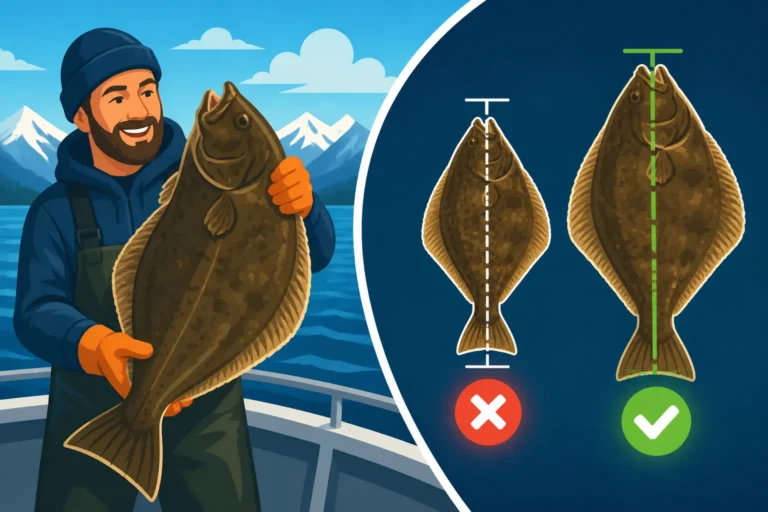
- Size Limits: The "reverse slot limit" is a common tool, where anglers can only keep fish below a certain size (e.g., 40 inches) or above another size (e.g., 80 inches), prohibiting the retention of medium-sized "trophy" fish to distribute the harvest among smaller, more numerous fish.
- Bag Limits: Daily bag limits for charter anglers are often adjusted. This might mean reducing the limit from two halibut per day to one, or even implementing "one fish per angler, per vessel, per day" rules.
- Season Dates/Days: Charters might face "no fishing days," such as closures on Thursdays, to reduce overall fishing effort.
These changes are designed to keep the total harvest within sustainable limits, ensuring the health of the broader halibut stock across the Gulf of Alaska and Bering Sea. For those planning a halibut trip, especially non-residents, staying current on Alaska Halibut Fishing Regulations and Limits is paramount, as these rules are notoriously complex and subject to frequent alteration.
Personal Use and Subsistence Fishery Impacts
It’s easy for sport anglers to focus solely on how emergency orders impact their recreational fishing. However, these orders also profoundly affect Alaska residents who participate in personal use and subsistence fisheries. These fisheries are critical for many Alaskan families, providing essential food resources. Personal use fisheries, like the famous Chitina dipnet fishery for Copper River Sockeye or the Kenai River dipnet fishery, are managed with specific permits and harvest limits.
Emergency orders for these fisheries often involve:
- Reduced Harvest Periods: Shortening the time frames when dipnetting or other personal use methods are allowed.
- Lowered Bag Limits: Decreasing the overall number of fish families can harvest for personal consumption.
- Gear Restrictions: Implementing specific gear limitations to protect other species or ensure fair access.
These changes can be devastating for communities relying on these harvests. The decisions often involve balancing the needs of various user groups (sport, personal use, commercial, subsistence) while prioritizing the long-term health of the fish. When you see an emergency order that affects a popular sport fishery, understand that it often has a ripple effect across all users, highlighting the interconnectedness of Alaska’s resource management.
Tips for Proactive Anglers
While emergency orders are an unavoidable part of fishing in Alaska, there are definitely steps you can take to minimize their impact on your trip and ensure you still have an incredible experience. Being proactive and flexible is the name of the game.
Planning for Flexibility
The single most important piece of advice for fishing in Alaska is to build flexibility into your plans. Don't put all your eggs in one basket – or all your lures on one species in one river!
- Diversify your targets: Instead of solely planning for King salmon, consider having backup plans for Sockeye, Coho, Rainbow Trout, or even a saltwater trip for halibut or rockfish. Our guide to Alaska Fishing Seasons: Month-by-Month Guide can help you identify what's biting when.
- Research multiple locations: If the Kenai River is your prime destination, research viable alternatives like the Kasilof River, Susitna River drainage, or even a flight out to a remote lodge if your budget allows. Having a list of "Plan B" spots can save your trip.
- Book adaptable charters: When booking a guided trip, ask your guide about their contingency plans for emergency orders. Do they offer alternative trips? Can they switch from salmon to halibut if needed? A good guide will have options.
Remember, Alaska offers an incredible diversity of fishing, even if your initial target species becomes temporarily unavailable. Embrace the opportunity to try something new!
Essential Gear for Adaptability
Your tackle box should reflect your flexible mindset. While specialized gear is great for specific techniques, having a versatile setup can really pay off when emergency orders force a change.
- Multi-purpose Rods and Reels: Consider bringing a couple of rods that can handle a variety of situations. A medium-heavy spinning rod might work for both larger salmon and smaller halibut, for example.
- Assortment of Lures and Bait Alternatives: If bait is prohibited, you'll need a good selection of artificial lures. This could include a variety of spinners, spoons (like those classic Pixie spoons or Vibrax spinners), soft plastics, and flies. Having different colors and sizes is always a good idea. You can find many versatile options on Amazon.
- Hooks and Terminal Tackle: Stock up on both barbed and barbless hooks, as well as different weights and leader materials. If an emergency order mandates barbless hooks, you don't want to be caught scrambling. Our guide on Alaska Barbless Hook Requirements is a must-read.
- Rain Gear and Layers: This isn't directly related to emergency orders, but it's crucial for general Alaska readiness. Weather changes fast, and being comfortable allows you to adapt to fishing opportunities regardless of the conditions.
Consulting Experts and Local Knowledge
Leverage the expertise of those who live and breathe Alaska fishing.
- Talk to guides and lodge operators: Before you even arrive, call the guides or lodges you're considering. Ask them about the history of emergency orders in their area, what species are typically affected, and what their backup plans are. Their insights are invaluable.
- Visit local tackle shops: Once you're in Alaska, make a stop at a local tackle shop. Not only are they an excellent source of current conditions and emergency order updates, but their staff often know the local nuances of what's working and what's available. They can recommend specific lures or techniques that are compliant with current rules.
- Online forums and community groups: While not official sources, many online fishing forums and local Facebook groups for Alaskan fishing can offer real-time chatter about conditions and rumors of upcoming orders. Use these as an early warning system, but always verify information with official ADF&G channels.
By combining personal research with local knowledge, you'll be well-equipped to navigate the dynamic world of Alaska fishing regulations.
Understanding the Long-Term Conservation Goals
While it's easy to get frustrated by emergency orders that disrupt your plans, it's really important to remember the larger picture. These measures, however inconvenient, are crucial for the long-term health and abundance of Alaska's fish populations. It's a testament to the state's commitment to sustainable resource management.
Protecting Future Fish Stocks
The primary goal of any emergency order is to protect future fish stocks. When a run is struggling, reducing fishing pressure immediately allows more fish to reach their spawning grounds and successfully reproduce. This isn't just about saving the current generation; it's about ensuring there will be fish for anglers and communities for years and decades to come. Alaska takes its role as a steward of these incredible natural resources very seriously, and temporary sacrifices today are often necessary for abundance tomorrow.
Think of it like an investment. Sometimes you have to make a tough decision to withdraw less from your savings account now, even if you want to spend more, to ensure you have a healthy nest egg for the future. Similarly, a temporary closure of a King salmon fishery is a difficult but calculated decision to safeguard the spawning stock, which in turn influences the strength of future salmon runs. Anglers who respect these regulations are actively participating in the conservation effort, ensuring the legacy of Alaska's world-class fishing continues.
The Balance Between Recreation and Sustainability
Alaska's fisheries management is a complex dance between providing recreational, commercial, and subsistence opportunities while maintaining the ecological integrity of the fish populations. It's not always perfect, and there are constant debates and disagreements among various user groups. However, the system is designed to respond to biological realities. When science indicates that a stock is at risk, sustainability must take precedence.
Emergency orders are a clear manifestation of this commitment. They are the regulatory system's "rapid response team," allowing managers to react quickly to real-time data rather than waiting for the next annual regulatory cycle. While they can be frustrating in the moment, they underscore Alaska's dedication to keeping its fisheries healthy and productive. By understanding their purpose and staying informed, anglers can approach their Alaska fishing adventures with a more informed perspective, appreciating that even a temporary closure is ultimately a step towards preserving the wild, abundant fisheries that make Alaska truly special.
Disclaimer
Please remember that fishing regulations, including emergency orders, can change rapidly. Always consult the official Alaska Department of Fish and Game (ADF&G) website or contact their local offices directly for the most current and accurate information before heading out on your fishing trip. This guide is for informational purposes only and should not be considered a substitute for official ADF&G publications and announcements.