Alaska Coho Salmon: Facts and Fishing Tips
There's nothing quite like the thrill of an Alaska fishing trip, but sometimes, figuring out which salmon is which, let alone how to catch them, can feel like navigating a maze. Anglers often struggle with identifying Coho salmon, understanding their unique behaviors, and knowing the most effective techniques to reel them in. This comprehensive guide will unravel the mysteries of Alaska's Coho salmon, offering practical facts and proven fishing tips to help you successfully target these acrobatic fighters.
Understanding Alaska Coho Salmon Characteristics
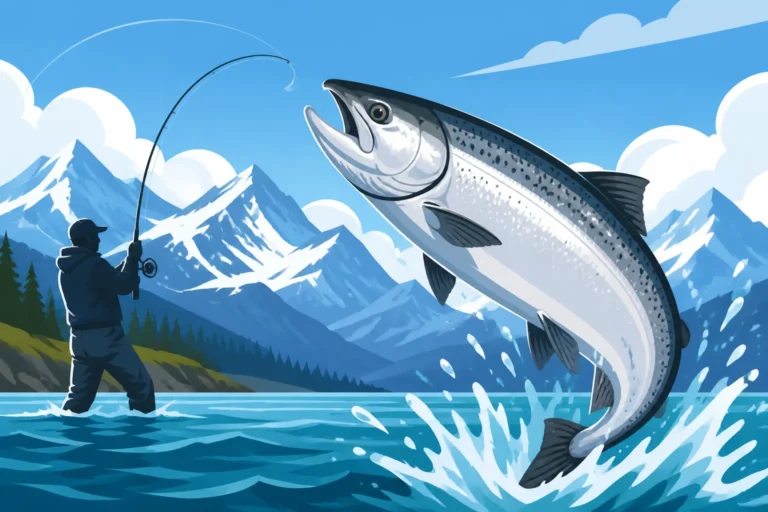
Coho salmon, affectionately known as silver salmon by many Alaskans, are truly a gem of the Last Frontier. They're renowned for their feisty fighting spirit and beautiful appearance, making them a top target for sport fishermen. Distinguishing them from other salmon species is key, as their behaviors, preferred habitats, and even fishing techniques can differ significantly.
Identifying Coho Salmon in the Wild
When you're out on the water, especially during a hot salmon run, everything can look like a blur. But Coho salmon have some distinct features that, once you know them, make identification much easier. They are typically smaller than King salmon but larger than Pink salmon, averaging 6 to 12 pounds, though larger individuals pushing 20 pounds are certainly caught, particularly in regions like the Kenai Peninsula.
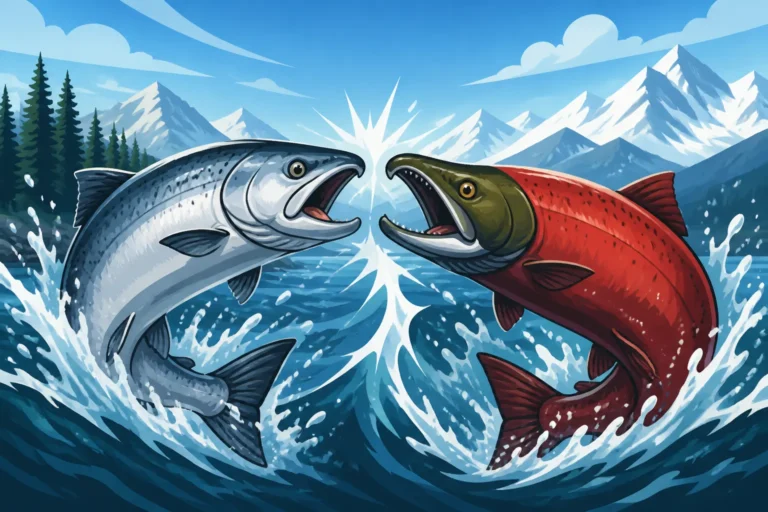
One of their most telling characteristics is their silver sides, hence the "silver salmon" nickname. They have a dark blue or greenish back, often with small, irregular black spots, but these spots are usually only found on the upper lobe of their tail fin and along their backs, not extensively on both lobes of the tail as you might see on a King. Another key identifier is their gum line: Coho salmon have white gums and a black mouth, whereas King salmon have black gums and a black mouth. Their tail fin is only lightly spotted, often with no spots on the lower lobe, and it's less deeply forked than a Sockeye's or a King's when they're fresh from the ocean. As they get closer to spawning, their silver sheen fades, and males often develop a reddish-pink hue on their sides and a more pronounced hooked jaw (kype). Learning how to properly identify them ensures you're following regulations and targeting the right fish, especially if you're trying to differentiate between the various Types of Salmon in Alaska Explained.
Coho Salmon Habitat and Preferred Waters
Coho salmon are incredibly adaptable fish, found in a wide range of freshwater and saltwater environments throughout Alaska. From the panhandle of Southeast Alaska to the rivers flowing into Cook Inlet and even some drainages in the Arctic, silvers are widespread. In saltwater, they tend to stay in shallower coastal waters, often congregating around river mouths and bays as they prepare for their freshwater migration. This makes them accessible for both boat and shore anglers in many coastal towns like Seward, Homer, and Sitka.
Once they enter freshwater, Coho prefer rivers and streams with moderate current and plenty of cover. Think logjams, undercut banks, deep pools, and areas with overhanging vegetation. They often seek out tributaries with good gravel beds for spawning, particularly those with a mix of riffles and pools. Unlike Sockeye salmon, which are often found in wide-open, faster currents, Coho tend to hold in slightly slower water, making them a bit more predictable for anglers. They are less particular about water clarity than some other salmon species and can be found in both glacier-fed, silty rivers and clearwater streams, although clear water often makes them more wary. Understanding their preferred freshwater haunts is crucial for success, especially when fishing specific river systems like the Little Susitna River or the Eklutna Tailrace near Anchorage.
The Life Cycle and Migration of Silver Salmon
The life story of an Alaska Coho salmon is a remarkable journey of survival and instinct, spanning years and thousands of miles. From tiny eggs nestled in a gravel bed to powerful adults returning to their natal streams, each stage is critical. Understanding this cycle helps anglers anticipate their movements and plan their fishing trips for optimal success.
Spawning and Freshwater Rearing
The Coho salmon's journey begins in the autumn, typically from late September through November, when adult salmon return to the freshwater streams and rivers where they were born. After a long and arduous migration, female Coho carefully select gravel beds with clean, oxygenated water, often in smaller tributaries or upstream reaches of larger rivers. They construct nests, called redds, where they deposit their eggs, which are then fertilized by males. Following spawning, both male and female Coho salmon die, completing their life cycle and contributing nutrients back to the ecosystem.
The eggs incubate through the winter, hatching into alevin in late winter or early spring. These tiny fish remain in the gravel, feeding off their yolk sacs until they grow into fry. Unlike King or Sockeye salmon, Coho fry often spend a significant amount of time, typically one to two years, rearing in freshwater. During this period, they feed on insects and small aquatic invertebrates, growing larger and stronger. They require stable freshwater habitats with plenty of cover to avoid predators like birds and larger fish. This extended freshwater rearing phase is a critical difference that influences their survival rates and overall population dynamics. Rivers with healthy insect populations and diverse habitats, such as those found across the Kenai Peninsula, are vital nurseries for young Coho.
Ocean Life and Return Migration
After spending one to two years in freshwater, the young Coho salmon, now called smolts, undergo a physiological transformation that allows them to adapt from freshwater to saltwater. This process, known as smoltification, prepares them for their journey to the ocean. In late spring or early summer, these smolts migrate downstream, entering estuaries and then the vast Pacific Ocean. Once in the ocean, Coho salmon spend one to two years feeding and growing rapidly. They are voracious predators, feasting on smaller fish like herring, sandlance, and squid, as well as crustaceans. This rich diet in the nutrient-dense waters of the Gulf of Alaska and the Bering Sea allows them to pack on significant size and strength, preparing them for their eventual return.
Their ocean migration can take them hundreds or even thousands of miles from their natal streams. This period of rapid growth is what makes them such prized sport fish. When the time is right, typically in late summer and early fall, a powerful instinct guides them back to the exact rivers and streams where they were born. This return migration is a testament to their incredible navigation abilities. They begin to stage in coastal waters and estuaries, waiting for the right conditions—like favorable tides or rainfall that raises river levels—to begin their final push upstream. Understanding this Alaska Salmon Run Timing Explained is essential for anglers to intercept them at various points along their journey.
Peak Seasons and Prime Locations for Coho
Timing is everything when it comes to fishing for Coho salmon in Alaska. While they aren't the earliest salmon to arrive, their consistent runs and aggressive nature make them a favorite from late summer into fall. Knowing when and where to find them significantly increases your chances of a successful outing.
Best Time to Target Coho Salmon
The Coho salmon season in Alaska generally kicks off in late July and runs strong through August and September, often extending into October in some areas. This makes them a fantastic target for those late-season trips after the main Sockeye runs have tapered off and before the winter weather truly sets in.
August is often considered the prime month for Coho across many regions. Rivers like the Kenai, Kasilof, and Susitna see strong pushes of silvers, and the saltwater fisheries in places like Homer and Seward are bustling with boats targeting Coho staging outside river mouths. The weather in August is typically still pleasant, making for enjoyable fishing conditions.
As we move into September, the runs continue, and Coho become even more concentrated in the freshwater systems. This is an excellent time for river anglers, as the fish are fully committed to their spawning migration. The vivid fall colors of the Alaskan landscape also add to the beauty of a September fishing trip. In some systems, particularly in Southeast Alaska, good numbers of Coho can be caught well into October, offering a last hurrah for the salmon season. Checking the Alaska Fishing Seasons: Month-by-Month Guide can give you a broader overview of what's biting throughout the year.
The table below provides a general overview of Coho salmon run timings across popular Alaskan regions:
| Region | Peak Run Timing | Typical Size Range (lbs) | Notes |
|---|---|---|---|
| Southcentral (Kenai Peninsula, Mat-Su Valley) | August – September | 8-15 | Strong freshwater runs, popular roadside access. |
| Southeast (Juneau, Sitka, Ketchikan) | Late July – September | 6-12 | Excellent saltwater charter fishing, good river access in some areas. |
| Bristol Bay | August – Early September | 7-14 | Often targeted during mixed species trips, strong river populations. |
| Kodiak Island | August – October | 8-16 | Robust runs in island rivers, good shore and boat opportunities. |
Note: These are general timings. Actual runs can vary year to year based on environmental factors like water levels and temperatures. Always check local emergency orders.
Top Coho Fishing Destinations
Alaska is vast, and Coho salmon can be found in countless rivers and coastal areas. However, some destinations consistently stand out for their exceptional silver salmon fishing opportunities, catering to both guided and do-it-yourself anglers.
The Kenai Peninsula is arguably one of the most famous and accessible regions for Coho salmon. Rivers like the Kenai River and the Kasilof River see substantial runs, offering both guided drift boat and bank fishing opportunities. The Kenai River is particularly popular for its late-season silvers, and its tributaries often hold good numbers. Similarly, the rivers and streams of the Mat-Su Valley, including the Little Susitna River and the Deshka River, are incredibly productive and relatively easy to access from Anchorage. Anglers often line the banks, casting spinners or drifting eggs for these aggressive fish. These are certainly some of the Best Fishing Spots in Alaska for Coho.
For those seeking a saltwater experience, the coastal communities of Seward and Homer on the Kenai Peninsula are top-tier. Charters here target Coho salmon as they stage in Resurrection Bay and Kachemak Bay, often in conjunction with halibut trips. Trolling with flashers and spoons is a common and highly effective method in these waters.
Further south, Southeast Alaska offers incredible Coho fishing, particularly around Juneau, Sitka, and Ketchikan. These areas are renowned for their abundant marine life, and Coho thrive in these rich waters. Fly-in lodges and charter operations cater to anglers looking for remote, world-class silver salmon action, often encountering multiple species during a single trip. The sheer volume of fish and stunning scenery make Southeast a bucket-list destination for many.
Effective Coho Salmon Fishing Techniques
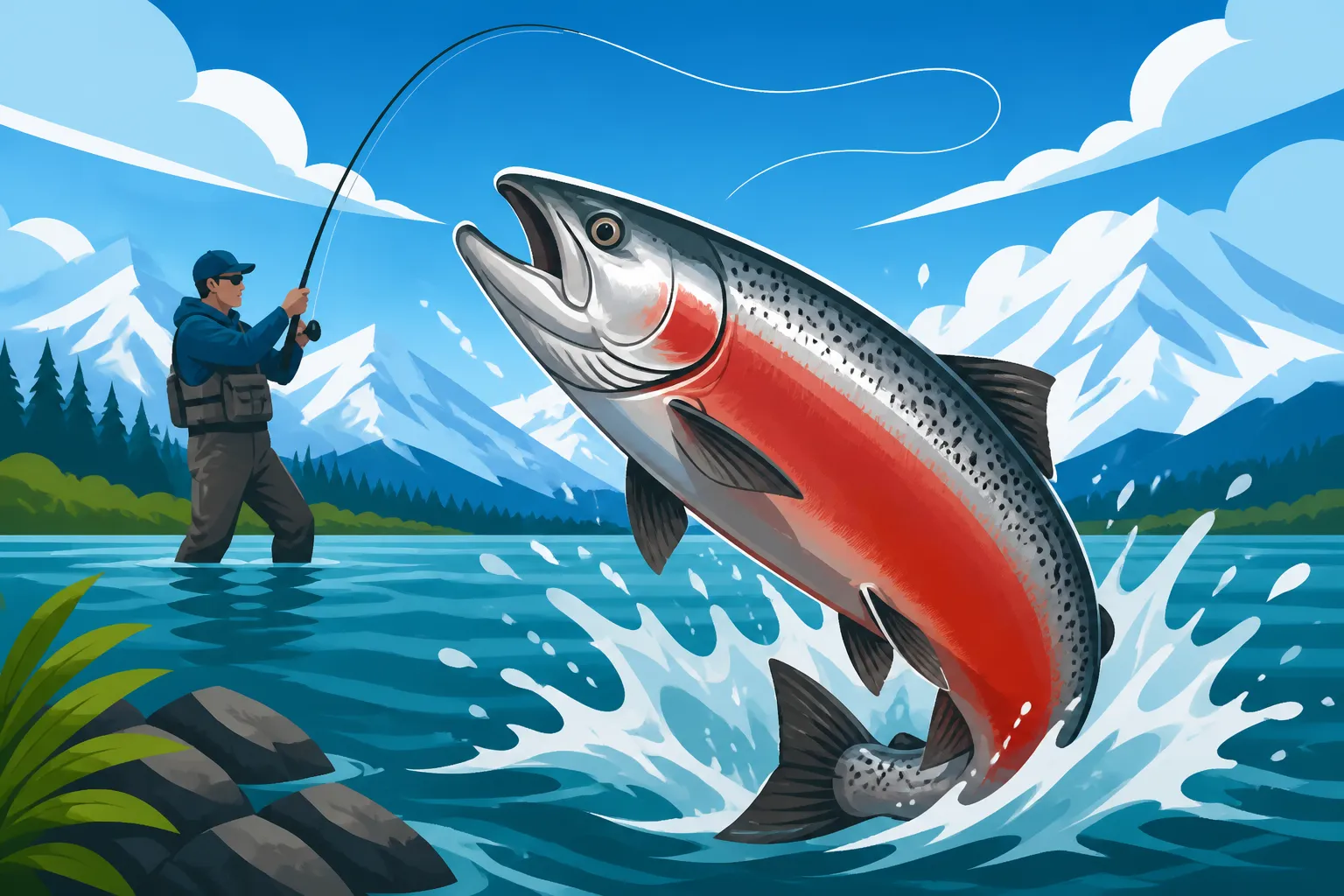
Coho salmon are known for their aggressive strikes and acrobatic fights, making them an absolute blast to catch. While their fighting spirit is legendary, a successful angler knows that employing the right techniques and gear is crucial. Whether you're a seasoned pro or a beginner, there are several tried-and-true methods that consistently produce Coho.
Lures and Bait that Attract Coho
Coho salmon are often less finicky than other salmon species, especially Sockeye, and will readily strike a variety of presentations. Their predatory nature means they respond well to lures that imitate baitfish or brightly colored attractors.
Spinners are a perennial favorite for Coho salmon, both in freshwater and saltwater. Sizes range from 3 to 5, and colors like chartreuse, orange, pink, and silver are highly effective. Brands like Blue Fox Vibrax and Mepps Aglia are go-tos for many Alaskan anglers. The flash and vibration of a spinner mimic an injured baitfish, triggering aggressive strikes. When fishing spinners in rivers, cast slightly upstream and across, allowing the spinner to swing through prime holding water.
Spoons are another excellent choice, particularly in larger rivers, estuaries, and saltwater. Silver, gold, chrome, and brightly painted spoons (like fluorescent red or orange) are highly effective. The erratic wobble of a spoon mimics a fleeing baitfish. Pixee spoons and Little Cleo spoons are classic choices that Coho can't resist. When trolling in saltwater, spoons are often paired with flashers or dodgers to add extra attraction and make them more visible in the water column.
For bait, cured salmon roe (eggs) is a highly effective option in freshwater. Coho are opportunistic feeders, and the scent and texture of salmon eggs are incredibly enticing. Often fished under a float or drifted along the bottom, egg presentations can be deadly, especially during or after a Sockeye run when loose eggs are naturally in the water. Sand shrimp or small herring can also be effective in some river systems and in saltwater. For those who enjoy fly fishing, streamers in various baitfish patterns (like Clouser Minnows) and bright, flashy patterns (such as Flesh Flies or weighted leeches) can be incredibly productive for aggressive Coho. You can find a wide array of these and other essentials on Amazon, ensuring you're well-stocked before your trip. Getting the right gear is part of any good Alaska Fishing Gear and Tackle Guide.
Effective Fishing Methods
The method you choose for Coho fishing often depends on the location and conditions, but several techniques consistently put fish in the boat or on the bank.
Spin Fishing and Casting from the bank is a very popular and accessible method for Coho in many Alaskan rivers. Anglers typically use medium-heavy spinning rods with 15-25 lb monofilament or braided line. When casting spinners or spoons, focus on areas where Coho might be holding, such as eddies, current seams, logjams, and deeper pools. A retrieve that allows the lure to wobble and flash naturally is key. In clear water, a more subtle approach might be necessary, while in murkier water, brighter, noisier lures can be more effective.
Drift Fishing with cured eggs or artificial baits under a float is another highly productive freshwater technique, especially in rivers with moderate current. This method allows your bait to drift naturally at the same speed as the current, mimicking food dislodged from the bottom. Proper weight setup and float selection are critical to ensure your bait is presented in the strike zone. This is a very precise and often deadly technique for Coho holding in specific lanes.
Trolling is the dominant method for Coho in saltwater and larger river systems. Anglers use boats to drag lures, spoons, or bait (like herring) behind them, often with the aid of downriggers to reach specific depths. Flashers and dodgers are frequently incorporated into trolling setups to create additional flash and vibration, attracting Coho from a distance. Trolling allows you to cover a lot of water and present your offering to a wider range of fish. Common trolling speeds vary but are generally slow enough to allow the lure to work naturally, usually between 2-4 mph. For a deeper dive into specific techniques, checking out a guide on How to Catch Silver Salmon in Alaska would be highly beneficial.
Regulations and Responsible Angling Practices
Fishing in Alaska comes with immense privilege, but also significant responsibility. The state's fisheries are carefully managed to ensure sustainable populations for generations to come. Understanding and adhering to Coho salmon regulations is not just a suggestion; it's a legal and ethical obligation for every angler.
Daily Bag and Possession Limits
Alaska's fishing regulations are dynamic and can change frequently, especially for popular species like salmon. For Coho salmon, bag and possession limits vary widely by region, specific river systems, and even by month due to emergency orders. Generally, the daily bag limit for Coho salmon in sport fisheries is between 2 to 3 fish per day, with possession limits often being double the daily limit. However, it's not uncommon for certain rivers, particularly those experiencing lower returns, to have reduced limits or even closures.
For instance, on the Kenai River, depending on the time of year and run strength, the Coho limit might be two fish per day, or it could be reduced further. In contrast, some areas in Southeast Alaska might have more generous limits when runs are robust. Non-resident anglers often have different annual limits for certain species as well. Always consult the current Alaska Department of Fish and Game (ADF&G) regulations booklet for the specific region you plan to fish before you head out. These regulations are updated annually and can even change mid-season via emergency orders. A detailed guide on Alaska Salmon Bag Limits by Species is an invaluable resource.
Gear Restrictions and Ethical Considerations
Beyond bag limits, ADF&G implements various gear restrictions to manage fishing pressure and protect fish stocks, particularly for Coho salmon. Common restrictions include:
- Single-Hook Rules: In some areas, especially during specific times, only single-hook lures or flies are allowed. This is often implemented to reduce snagging or enhance catch-and-release survival.
- Bait Restrictions: Certain rivers or sections of rivers may have "no bait" regulations, requiring the use of artificial lures only. This is often to protect smaller, vulnerable fish or wild salmon smolts.
- Barbless Hooks: Many areas require the use of barbless hooks, particularly in catch-and-release fisheries, as they cause less damage to the fish and make release easier. For example, the Russian River is famous for its barbless hook rule.
- Weight Restrictions: Some regulations might specify maximum weights on lines to prevent snagging.
It's also crucial to practice ethical angling. This includes minimizing stress on released fish, especially if you're practicing catch-and-release. Use appropriate tackle to land fish quickly, handle them gently with wet hands, and release them headfirst into the current. Never "play" a fish to exhaustion if you intend to release it. Be mindful of others fishing around you, especially in crowded areas like the Kenai River. Always pack out what you pack in, leaving no trace of your presence. Understanding the broader Alaska Fishing Regulations Explained and practicing Alaska Catch-and-Release Best Practices are cornerstones of responsible angling in the Last Frontier. Don't forget, you'll also need to understand your Alaska Fishing License: Complete Guide requirements before even wetting a line.
Handling Your Coho Catch: From Water to Table
Successfully catching a Coho salmon is an exhilarating experience, but the job isn't done until that fish is properly cared for. The quality of your catch, whether for immediate consumption or for freezing and shipping home, largely depends on how you handle it in the moments and hours after it's landed.
Best Practices for Preserving Quality
The moment a Coho salmon comes out of the water, its quality begins to degrade. To ensure the best flavor and texture, immediate action is necessary.
- Bleed the Fish: This is perhaps the most crucial step. As soon as you land a Coho, dispatch it humanely (a quick blow to the head with a priest or blunt object is common) and immediately cut the gill arch to bleed it out. This removes blood from the flesh, resulting in a cleaner, milder flavor and better appearance. For charter operations, this is often done by the deckhand. You'll notice a significant difference in the fillet quality. Let the fish bleed thoroughly, preferably by hanging it head down over the side of the boat or placing it in a cooler of ice water.
- Ice Immediately: After bleeding, get the fish on ice as quickly as possible. A cooler packed with plenty of ice (not just a few cubes) is essential. Lay the fish flat, fully submerged in ice if possible, or layered with ice above and below. This rapid cooling slows bacterial growth and preserves the texture of the flesh. Never let a freshly caught fish sit in the sun or in warm water.
- Keep it Clean: Avoid dragging your fish through dirt or placing it on hot, dirty surfaces. Maintain cleanliness throughout the process.
Following these steps will ensure that your beautiful Coho salmon remains firm, fresh, and delicious, ready for whatever culinary adventure awaits.
Filleting, Packaging, and Cooking Tips
Once you're back from your fishing excursion, it's time for processing. Many towns in Alaska, especially major fishing hubs like Homer, Seward, and Soldotna, have excellent fish processing services that will fillet, portion, vacuum-seal, and freeze your catch, often preparing it for shipping home. This is a convenient option for many visitors.
If you're doing it yourself, learning How to Fillet a Salmon in Alaska is a valuable skill. A sharp, flexible fillet knife is crucial. After filleting, inspect the flesh for any remaining pin bones (which can be removed with pliers) or bloodlines (which can be trimmed).
Packaging: For long-term storage, vacuum sealing is the gold standard. It removes air, preventing freezer burn and extending the shelf life of your salmon for months. If you don't have a vacuum sealer, wrap individual portions tightly in plastic wrap, then foil, and finally place them in freezer bags. Clearly label each package with the date and species.
Cooking: Coho salmon is celebrated for its rich, orange-red flesh and moderate fat content, making it incredibly versatile for cooking. It's less oily than King salmon but richer than Sockeye, offering a perfect balance.
- Grilling: A simple marinade (lemon, dill, garlic) or just salt and pepper, cooked skin-side down first, makes for a fantastic meal.
- Baking/Roasting: A whole side of Coho baked with herbs and citrus is a crowd-pleaser.
- Pan-searing: A quick sear in a hot pan, crisping the skin, leaves the inside tender and flaky.
- Smoking: Coho takes wonderfully to smoking, creating a delicious, shelf-stable product.
No matter how you prepare it, enjoying your hard-earned Alaska Coho salmon is the perfect culmination of an incredible fishing adventure. Many anglers find the brand FoodSaver to be an excellent choice for at-home vacuum sealing, ensuring their precious catch travels well and stays fresh.
Disclaimer
Please remember that fishing regulations in Alaska can change frequently due to emergency orders from the Alaska Department of Fish and Game (ADF&G). Always check the latest regulations for the specific area you plan to fish before heading out. This guide provides general information and should not be considered a substitute for the official ADF&G regulations booklet.