Ketchikan Salmon Fishing Guide
Stepping off the floatplane or ferry in Ketchikan, many anglers feel a mix of excitement and overwhelm. You've heard it's the "Salmon Capital of the World," but actually figuring out where to go, what to fish for, and how to fish for it can feel like trying to untangle a hundred yards of monofilament. Don't worry, friend; this comprehensive guide is here to cut through the confusion and help you plan an unforgettable salmon fishing adventure in Ketchikan.
Why Ketchikan is a Salmon Angler's Dream
Ketchikan isn't just another pretty Alaskan town; it's a place where the pulse of the community beats to the rhythm of the salmon runs. Located in Southeast Alaska, it's the first major city you encounter when traveling north through the Inside Passage, often serving as a gateway for adventurers. This unique geographical position, coupled with abundant freshwater systems and rich marine environments, makes it an unparalleled destination for salmon fishing.
The "Salmon Capital of the World" Reputation
This isn't just a catchy nickname; it's a testament to the sheer volume and diversity of salmon that pass through Ketchikan's waters each year. For generations, Tlingit, Haida, and Tsimshian people have depended on these fish, and today, sport anglers flock here from all over the globe. The moniker comes from the consistent, strong returns of all five species of Pacific salmon. When you're here, you're not just fishing; you're part of a living legacy, a vibrant ecosystem where salmon are truly king – and coho, and sockeye, and pink, and chum! You'll find stories everywhere, from the totem poles that depict salmon to the bustling docks where commercial and sport fishers bring in their daily catches. It’s an immersive experience that goes beyond just landing a fish.
Diverse Salmon Species and Unique Geography
What truly sets Ketchikan apart is its access to both saltwater and freshwater fishing opportunities within a very short distance. Anglers can target robust salmon in the nutrient-rich saltwater channels and bays, or venture up into the numerous rivers and streams that crisscross Revillagigedo Island and the surrounding mainland. This proximity means you can switch tactics and locations quickly, depending on what's biting and what the regulations allow.
Imagine casting into the salty waters of Clover Pass, hoping for a hefty Chinook, and then the very next day, wading into the tranquil flow of a stream like the Ward Lake outlet, trying to entice a bright red sockeye. This versatility is a huge draw, offering different challenges and scenery for every type of angler. The deep fjords and islands create sheltered passages that attract baitfish, which in turn attract hungry salmon migrating to their spawning grounds. This unique geography provides an ideal staging area for salmon before they push into their natal rivers.
Understanding Ketchikan's Salmon Species and Their Seasons
To truly conquer Ketchikan's salmon fisheries, you need to understand the ebb and flow of each species. Each salmon has its own distinct personality, preferred habitat, and, crucially, its own run timing. Knowing when and where to find them is half the battle. This really is one of the most critical pieces of information for anyone planning a trip, as being there at the wrong time means missing out on the action entirely.
King Salmon: The Early and Majestic Fight
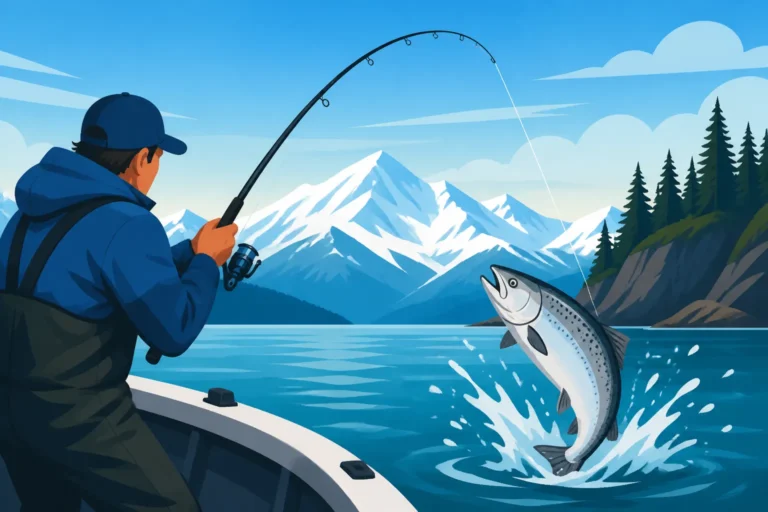
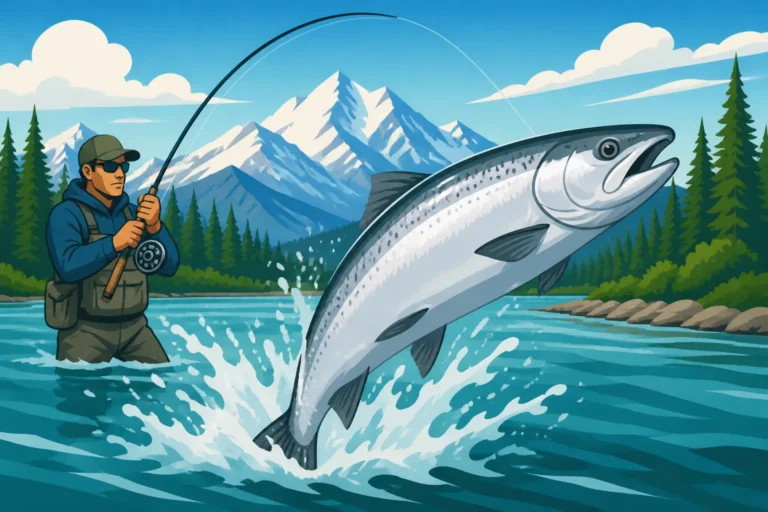
King salmon, also known as Chinook, are the largest and often the most prized of the Pacific salmon. They are famous for their immense power and stubborn fight, often stripping line off your reel with incredible speed. In Ketchikan, you'll generally find these majestic fish starting their runs in late May, with peak activity through June and often extending into early July.
These early-season kings are often targeted in the saltwater, as they make their way towards the spawning rivers. Popular spots include the waters around Betton Island, Mountain Point, and near the mouth of the Ketchikan Creek. Anglers often troll with large flashers and spoons, or bait like herring, trying to intercept these migrating giants. Landing a 30-pound King salmon is a memory that will last a lifetime, and Ketchikan offers some of the best opportunities to do just that. Keep an eye on the Alaska Fishing Regulations Explained, as King salmon seasons and bag limits can change frequently based on conservation efforts. You can learn more about how to Catch King Salmon in Alaska in a dedicated guide.
Sockeye, Pink, and Chum: Mid-Summer Abundance
As the King run begins to taper off, mid-summer brings an explosion of other salmon species. From July through mid-August, Ketchikan's waters teem with sockeye, pink, and chum salmon, offering non-stop action and plenty of fish for the freezer.
- Sockeye (Red) Salmon: While perhaps not as large as kings, sockeye are incredibly strong fighters, known for their powerful runs. They are most commonly targeted in freshwater rivers and streams, where they develop their distinctive red spawning colors. Anglers often "floss" for sockeye, a technique involving a lead weight and a short leader with a bare hook, designed to drift naturally into the fish's mouth as they pack into the rivers. The Ward Lake system is a popular spot for sockeye. Understanding how to Catch Sockeye Salmon in Alaska is key to success.
- Pink (Humpy) Salmon: These are the most abundant salmon species in Alaska and arrive in massive numbers, especially in even-numbered years (though they are present every year). Pinks are smaller, typically 3-5 pounds, but they offer incredible action on light tackle. They're often caught in both saltwater and freshwater, eager to strike brightly colored pink or green lures and flies. Creek mouths, shallow bays, and even the Ketchikan Creek itself can be thick with pink salmon in July and August. They are a fantastic species for beginners or families, offering constant hook-ups.
- Chum (Dog) Salmon: Chums are powerful fish, often larger than pinks and sockeye, ranging from 8-15 pounds. They are aggressive biters and put up a formidable fight, making them a favorite for many anglers. While not always considered the best table fare when spawning, ocean-bright chums are excellent. Like pinks, they can be found in both saltwater and freshwater, and will readily strike spoons, spinners, and flies.
Coho Salmon: Fall's Aggressive Prize
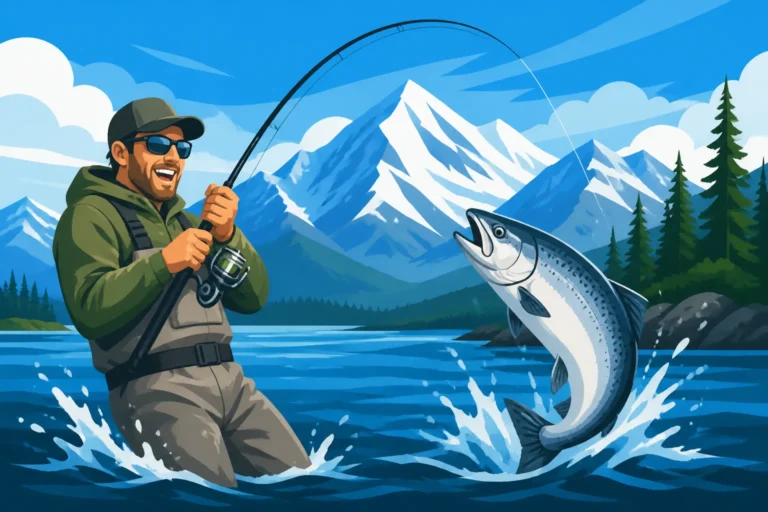
Just when you think the salmon runs might be winding down, the coho salmon, also known as silver salmon, arrive to extend the fishing season into the fall. These acrobatic fish are known for their spectacular aerial displays and aggressive strikes, making them incredibly fun to catch. The coho run typically begins in mid-August and can last well into September, sometimes even into October.
Coho salmon can be found throughout the Ketchikan area, both in the saltwater and freshwater systems. In the ocean, they are often found near bait balls, chasing herring or candlefish. Trolling with bright coho killers, spoons, or plugs is very effective. As they move into the rivers and streams, they become eager to strike spinners, twitching jigs, or even flies. The Ward Lake system, Ketchikan Creek, and other local streams offer excellent opportunities for silver salmon. Many anglers consider these fish some of the best fighters pound-for-pound. If you're looking for that late-season thrill, learning how to Catch Silver Salmon in Alaska is a must.
Annual Salmon Run Timing in Ketchikan
It's important to remember that exact run timings can vary slightly year to year based on water temperatures, snowmelt, and other environmental factors. However, this table provides a general guideline for when each salmon species is typically most abundant in Ketchikan:
| Salmon Species | Peak Season in Ketchikan | Primary Location | Preferred Methods | Average Size |
|---|---|---|---|---|
| King (Chinook) | Late May – Early July | Saltwater | Trolling (bait, spoons, plugs) | 20-50+ lbs |
| Sockeye (Red) | July – Mid-August | Freshwater rivers | Flossing, fly fishing | 6-12 lbs |
| Pink (Humpy) | July – Mid-August (even years stronger) | Saltwater & Freshwater | Spinners, spoons, flies, jigs | 3-5 lbs |
| Chum (Dog) | July – Mid-August | Saltwater & Freshwater | Spinners, spoons, jigs, flies | 8-15 lbs |
| Coho (Silver) | Mid-August – September | Saltwater & Freshwater | Trolling, casting, jigs, flies | 8-18 lbs |
Keep in mind, you can often find overlap between these runs, meaning you might target multiple species in a single day, especially in July and August. Always check the current Alaska Salmon Run Timing Explained and local emergency orders before heading out.
Top Fishing Spots and Effective Techniques in Ketchikan
Now that you know when the salmon are running, let's talk about where to find them and how to catch them. Ketchikan offers a variety of fishing environments, each with its own charm and challenges. From the vastness of the saltwater to the intimacy of a freshwater stream, there’s a spot and a technique for every angler.
Saltwater Hotspots for Kings and Cohos
Many of Ketchikan's most renowned salmon fishing experiences happen on the open waters of the Inside Passage. This is where you'll typically find the biggest King salmon and the most acrobatic Coho. Charters are a popular way to access these areas, as they provide the boat, gear, and local expertise. You can easily find reputable captains through platforms like FishingBooker, which lists many experienced Ketchikan guides.
- Clover Pass: This area, just north of Ketchikan, is legendary. Its deep waters and proximity to the open ocean make it a major migratory route for King and Coho salmon. Anglers often troll with downriggers, presenting bait (like herring) or artificial lures (like hoochies or spoons) at specific depths where salmon are feeding. The action here can be fast and furious, especially during peak season. You might be targeting kings in the morning and then switch to coho later in the day as they move in.
- Mountain Point/Betton Island: South of town, these areas offer similar opportunities for saltwater salmon. The currents and underwater structure create excellent ambush points for feeding salmon. It’s common to see both private boats and charters working these waters, all vying for the next big bite. Patience and persistence are key, but the reward of a powerful King or a leaping Coho is well worth the effort.
- Sheltered Bays and Inlets: Beyond the main channels, numerous smaller bays and inlets provide protection from rougher seas and can hold schools of salmon, particularly coho and pinks, as they stage before entering rivers. These spots are great for lighter tackle and can offer less crowded fishing.
River and Stream Fishing for Sockeye and Pinks
For those who prefer a more hands-on, wade-fishing experience, Ketchikan's freshwater systems offer incredible opportunities, especially for sockeye, pinks, and later, coho. You don't always need a boat to have an amazing salmon fishing day.
- Ketchikan Creek: This urban fishery runs right through the heart of town and is incredibly accessible. During peak pink and coho runs, the creek can be absolutely packed with fish. Anglers often use spinners, spoons, or flies. While it can get crowded, especially during the peak of the runs (which locals affectionately call "combat fishing"), the sheer number of fish can lead to constant action. It's a great spot for families and beginners due to its easy access.
- Ward Lake/Connell Lake System: Just a short drive north of Ketchikan, the Ward Lake Recreation Area offers a beautiful, more serene fishing experience. The outlets and inlets of these lakes are prime spots for sockeye salmon. Anglers often "floss" for sockeye here, using a weighted line and bare hook to drift naturally through schools. Later in the season, coho will move into these systems as well. This area is fantastic for fly fishing or light spin gear.
- Local Streams and Small Rivers: Throughout Revillagigedo Island, countless smaller, unnamed streams and rivers become alive with salmon during the runs. These require a bit more exploration but can offer solitude and incredible fishing for pinks and coho, especially if you enjoy hiking. Always be mindful of private property and local regulations when exploring.
Essential Gear and Tackle for Ketchikan Salmon
Coming prepared with the right gear can make or break your trip. You don't need to break the bank, but having appropriate rods, reels, line, and lures is crucial. Many anglers traveling from out of state opt for guided trips to simplify gear logistics; services found on FishingBooker often include all necessary tackle. For those going unguided, here's a quick overview:
- Rods & Reels:
- Saltwater: For King and Coho trolling, a medium-heavy to heavy conventional rod (8-9 feet) paired with a robust level-wind reel spooled with 30-50 lb braided line is standard.
- Freshwater: For Sockeye, Pink, and Coho in rivers, a medium-action spinning rod (7-9 feet) with a reel spooled with 15-20 lb braided line or 10-15 lb monofilament is versatile. Fly fishermen will want 8-10 weight rods.
- Line: Braided line offers sensitivity and strength, often with a fluorocarbon leader for abrasion resistance and stealth.
- Lures & Bait:
- Kings: Large spoons (like Silver Horde or Tomic), plugs (Kwikfish), and cut-plug herring are top choices.
- Sockeye: Small, bare hooks (often 2/0-4/0) on a short leader with a lead weight for flossing. Small bright beads also work.
- Pinks: Bright pink or chartreuse spinners (Mepps, Pixee), spoons, and small jigs.
- Chum: Large, brightly colored spinners, spoons, or twitching jigs.
- Cohos: Silver or chartreuse spoons, buzz bombs, hoochies, herring, and bright flies.
- Essentials: Waders and waterproof boots are essential for river fishing. Good rain gear is a must for any Alaska trip. A landing net, pliers, and a sharp knife are also vital. You can find more details in our Alaska Fishing Gear and Tackle Guide.
Planning Your Ketchikan Salmon Fishing Expedition
Embarking on an Alaska fishing trip requires some foresight, but with a bit of planning, you can ensure a smooth and incredibly rewarding experience. From deciding on a guide to understanding the rules, here’s what you need to know.
Guided vs. Unguided: Making the Right Choice
This is often one of the first decisions an angler makes, and it largely depends on your experience level, budget, and desired style of trip.
- Guided Trips: For many visitors, a guided trip is the best way to experience Ketchikan's fishing. Local guides possess invaluable knowledge of current conditions, hot spots, and effective techniques. They provide all the necessary gear, a safe boat (for saltwater trips), and often handle fish processing. This option is ideal for first-timers to Alaska, those unfamiliar with salmon fishing, or anyone looking to maximize their time on the water without the hassle of logistics. Booking through platforms like FishingBooker allows you to compare different charters, read reviews, and find a guide that matches your preferences, whether it's a dedicated King salmon trip or a multi-species adventure. Learning how to choose an Alaska Fishing Charter is a good first step.
- Unguided (DIY) Trips: If you're an experienced angler, comfortable with reading regulations, and perhaps have your own gear or plan to rent, an unguided trip can be more cost-effective and offer greater flexibility. Bank fishing on Ketchikan Creek or wading the Ward Lake outlet are popular DIY options. You'll be responsible for all your own gear, transportation, and safety. This route offers a true sense of adventure and independence, but it does require more homework and preparation.
Navigating Licenses, Regulations, and Bag Limits
Alaska has stringent regulations designed to protect its precious salmon resources, and it's absolutely crucial to understand them before you cast a line. Violations can result in hefty fines and even loss of fishing privileges.
- Fishing License: Every non-resident angler aged 16 or older needs an Alaska fishing license. If you plan to target King salmon, you'll also need an Alaska King Salmon Stamp for non-residents. These can be purchased online through the Alaska Department of Fish and Game (ADF&G) website, or at local vendors in Ketchikan. Make sure you understand the Alaska Fishing License: Complete Guide before you arrive.
- Harvest Record Card: For certain species, like King salmon, you'll need to record your catch immediately on a physical harvest record card that comes with your license. This helps ADF&G track catches and manage the resource.
- Bag Limits: Each species of salmon has specific daily and annual bag limits, which can vary by region and even by specific water body. These limits are subject to change, sometimes via emergency orders during the season, depending on run strength. For example, Alaska Salmon Bag Limits by Species details these restrictions. Always consult the most current Alaska Sport Fishing Regulations booklet for the Southeast Alaska region. You can typically find these booklets online or pick up a physical copy in town. The ADF&G website is also your go-to source for emergency orders that might change daily limits or open/close fisheries.
- Prohibited Areas and Techniques: Be aware of "no fishing" zones (often near spawning areas), bait restrictions, or specific gear requirements (e.g., single-hook rules). Knowing how to Read Alaska Fishing Regulations is an essential skill.
Practical Tips for a Successful Trip
Beyond the fishing itself, a few practical tips can make your Ketchikan salmon fishing trip even better.
- Weather Preparedness: Southeast Alaska is known for its rain. Bring high-quality waterproof outerwear, including jacket and pants, and waterproof boots. Layers are key, as temperatures can fluctuate. Even on a clear day, conditions can change rapidly.
- Bear Safety: If you're fishing freshwater streams, particularly those with active salmon runs, you might encounter bears. Carry bear spray, know how to use it, and make noise to avoid surprising them. Always secure food and fish waste.
- Fish Processing: After a successful day, you'll want to preserve your catch. Many charters offer basic filleting and bagging services. For larger quantities, local fish processors in Ketchikan can expertly cut, vacuum-seal, and freeze your fish, even arrange for shipping it home. This service is invaluable for ensuring your prize catches make it back in perfect condition.
- Timing Your Trip: While kings are early, and cohos are late, mid-summer (July-August) often provides the most diverse opportunities, allowing you to target multiple species. Consider what species is your priority when deciding on the best time to fish in Alaska.
Ketchikan truly lives up to its name as the Salmon Capital, offering incredible fishing for all five species of Pacific salmon. With a bit of research, the right gear, and an understanding of the local regulations, you're set for an unforgettable adventure.
Disclaimer
The information provided in this guide is for general informational purposes only and is subject to change. Fishing regulations, seasons, and bag limits in Alaska can vary significantly and are often updated by the Alaska Department of Fish and Game (ADF&G) through emergency orders. Always consult the most current ADF&G regulations booklet for the specific region you plan to fish, and check for any emergency orders before heading out on the water. It is the angler's responsibility to know and follow all applicable rules and regulations.