Best Places to Catch Giant Halibut
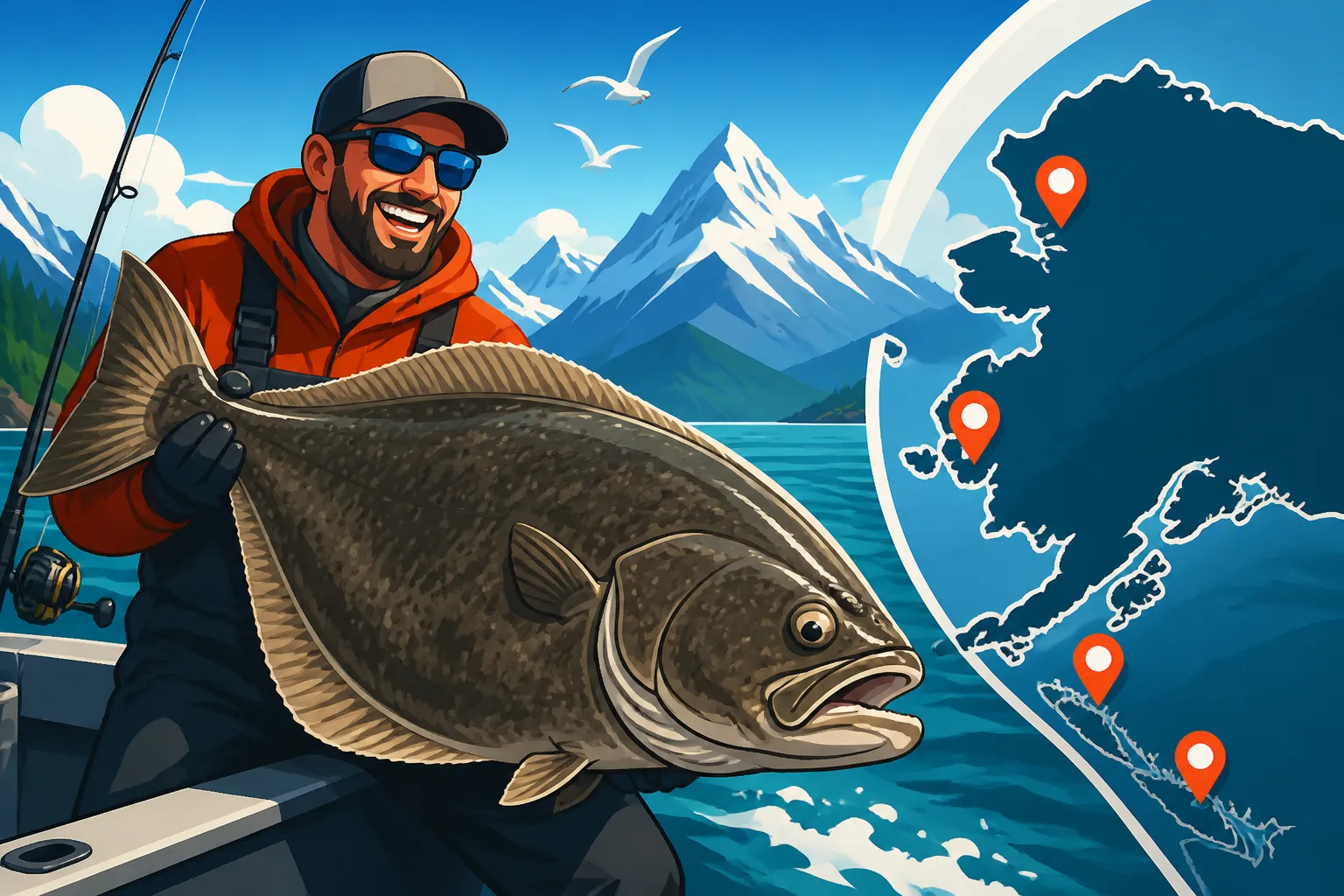
There's a dream that stirs in the heart of every serious angler venturing to Alaska: the dream of hooking into a genuine "barn door" halibut. We're not talking about your average "chicken" halibut, which are plentiful and delicious, but those truly gargantuan flatfish that weigh well over a hundred pounds and put up a fight that'll test every fiber of your being. Finding these elusive giants isn't a simple task, though; it requires knowing where they prefer to lurk, understanding the right techniques, and planning your expedition meticulously. This comprehensive guide is dedicated to helping you pinpoint the best places and strategies for landing that trophy halibut in the Last Frontier.
Understanding the Elusive Giant Halibut
Before we dive into specific locations, it’s important to understand what makes a halibut a "giant" and why they're so sought after. It’s a different ballgame than typical fishing, and managing your expectations while fueling your excitement is key.
What Defines a "Giant" Halibut?
When Alaskans and seasoned anglers talk about "giant" halibut, they're generally referring to fish exceeding 100 pounds. These magnificent creatures are often affectionately called "barn doors" because, well, that's exactly what they resemble once they’re on the deck – a massive, flat, heavy slab. While a 50-pound halibut is a fantastic catch by most standards, a true giant often tips the scales at 150, 200, or even over 300 pounds! These aren't just bigger versions of smaller fish; they are typically older, often female, and inhabit deeper, more rugged parts of the ocean floor, making them a prize for their sheer size and the epic battle they provide.
These larger fish are a completely different challenge. They've survived countless seasons, outsmarted predators, and grown to immense proportions in the cold, rich waters off Alaska. Their size means they possess incredible power, turning a simple retrieve into an endurance sport. Many anglers prioritize the experience of battling one of these behemoths over filling their freezer with smaller, more manageable fish.
Where Giant Halibut Roam
Unlike salmon, which are tied to specific rivers for their spawning runs, halibut are true ocean dwellers. They are ambush predators, perfectly camouflaged to blend into the seabed, waiting for unsuspecting prey. Giant halibut, in particular, favor deep, nutrient-rich waters with strong currents. You’ll often find them congregating around specific underwater structures like pinnacles, ledges, channels, and deep offshore banks where baitfish and other food sources are abundant. These aren't typically shallow water fish; the biggest ones like the immense pressure and cold of the deep, often 200-600 feet down or more.
It's these specific geological features, combined with the powerful ocean currents delivering a constant buffet of food, that create the perfect hunting grounds for the largest halibut. They use these structures for cover and as vantage points to ambush prey like cod, pollock, and smaller flatfish. Finding these specific spots requires experienced captains with intimate knowledge of the local underwater topography.
The Thrill and the Challenge
Let's be real: hooking a giant halibut is an adrenaline rush like no other, but it's also a grueling physical and mental test. The initial bite can range from a subtle tap that feels like a snag to a violent tug that nearly rips the rod from your hands. Once hooked, these fish engage in a relentless, head-shaking, deep-diving battle. Reeling in a 200-pound fish from hundreds of feet below the surface is a full-body workout that will leave your arms aching and your back protesting.
It's not just about strength, though. It's about patience, maintaining steady pressure, and following the captain's instructions. The sheer unpredictability and raw power of a "barn door" make every minute of the fight an adventure. And when that massive, flat form finally surfaces next to the boat, it's a moment of triumph and awe that few fishing experiences can match. Many anglers come to Alaska specifically for this challenge, knowing that even if they don't land a record-breaker, the attempt itself is an unforgettable story.
Prime Locations for Trophy Halibut in Alaska
Alaska is globally recognized for its halibut fishing, but some regions consistently produce larger fish due to their unique marine environments. These are the places where your dream of catching a true giant is most likely to become a reality.
Homer: The "Halibut Fishing Capital of the World"
When it comes to giant halibut, you simply must talk about Homer. At the very end of the Sterling Highway on the Kenai Peninsula, Homer has proudly earned its moniker as the "Halibut Fishing Capital of the World," and for very good reasons. The deep, rich waters of Cook Inlet and the nearby Gulf of Alaska, readily accessed from Homer's bustling harbor, are absolutely teeming with baitfish and present vast expanses of prime halibut habitat. It's a place where landing multiple 100+ pound fish in a single day, by various boats, is not just a fantasy, but a regular occurrence during the peak season. The local charter fleet here is incredibly seasoned, with many captains possessing decades of experience navigating these prolific fishing grounds.
Key Fishing Grounds Near Homer
While the precise, top-secret honey holes are, naturally, closely guarded by experienced captains, well-known productive areas include the waters offshore from Anchor Point and Deep Creek. Many charters also venture much further into the expansive, rich feeding grounds within Cook Inlet and even beyond, which often entails longer runs from the harbor. These zones are characterized by dramatic drop-offs, underwater pinnacles, and significant bottom structures that serve as ideal ambush points for truly large halibut. The strong tidal currents in Cook Inlet constantly deliver a buffet of food, drawing in the biggest predators. Homer is also an excellent base for understanding the entire halibut fishing process, from learning "How to Catch Homer Halibut" to the intricacies of processing your hard-won catch.
What to Expect on a Homer Halibut Trip
A typical full-day Homer halibut charter will usually begin with a significant run, often two to three hours, out to the deep fishing grounds. This is followed by several hours of intense bottom fishing. Expect to be using heavy gear – robust rods, powerful conventional reels spooled with heavy braided line, and substantial weights to get your bait down to depths of 150 to over 400 feet. Patience is absolutely crucial; bites from truly giant halibut can sometimes be surprisingly subtle, or they can be a jarring thud that threatens to rip the rod right out of your grasp. The focus on these trips is squarely on quality over quantity, aiming for fewer, but significantly larger fish. The Homer area is known for its professional approach, with many charters operating with top-tier equipment and skilled deckhands ready to assist you in boating your prize. You can conveniently find and book highly-rated Homer charters through platforms like FishingBooker, ensuring you get on a reputable boat with a knowledgeable crew.
Seward: Gateway to Gulf of Alaska Giants
Nestled at the head of Resurrection Bay, Seward provides direct and relatively quick access to the exceptionally rich waters of the Gulf of Alaska and the outer reaches of Prince William Sound. While perhaps not always commanding the same "Halibut Capital" title as Homer, Seward nonetheless consistently produces an impressive number of trophy halibut, especially for those anglers and charters prepared to make the longer runs offshore. The combination of deep fjords and the powerful, nutrient-laden currents of the open ocean creates an outstanding environment for substantial feeding grounds.
Prime Fishing Zones from Seward
Charters departing from Seward frequently head towards the outer regions of Resurrection Bay, the incredibly abundant waters surrounding Montague Island, or even venture further into the vast expanse of the Gulf of Alaska where some of the largest halibut famously reside. These expeditions are often exhilarating, offering breathtaking views of glaciers, towering cliffs, and diverse marine wildlife, all while pursuing the promise of a monumental catch. The colder, deeper waters characteristic of these areas are particularly ideal for housing the truly immense halibut. Many Seward charters offer "Alaska combo salmon and halibut charters", allowing you to pursue both species on a single trip, which can be an excellent way to maximize your Alaskan fishing experience.
The Seward Experience
Fishing for halibut out of Seward generally involves similar deep-dropping and bottom-fishing techniques as those employed in Homer. However, if your primary goal is a giant halibut, it's absolutely vital to communicate this specific intent with your captain when booking. They will then tailor the trip to focus on the prime spots known for bigger fish. The captains in Seward are highly skilled at navigating the local waters and implementing the best "Seward Halibut Fishing Guide" strategies for targeting those elusive giants. The deep offshore reefs and banks are where the most powerful fish feed.
Sitka: Southeast Alaska's Halibut Haven
Situated on the western coast of Baranof Island, Sitka stands out as a premier destination for consistently productive saltwater fishing across Southeast Alaska. Its strategic location, close to the open ocean and adjacent to the deep, fertile banks of the continental shelf, establishes it as a phenomenal spot for halibut, including some truly monstrous specimens. Sitka is frequently favored by anglers for its often calmer waters compared to other more exposed regions, although, as with all Alaskan fishing, weather conditions can always be a variable. The scenic beauty of the Tongass National Forest meeting the Pacific Ocean provides an incredible backdrop to your fishing adventure.
Productive Grounds Near Sitka
From Sitka, experienced captains will guide you to offshore banks such as the renowned Cape Edgecumbe area, the rich waters of Salisbury Sound, or further out into the vast, open Pacific. These specific waters often experience less fishing pressure compared to areas more readily accessible by road, and they boast an astonishing biomass of baitfish, which naturally attracts the largest and most predatory halibut. The combination of deep-water access and abundant food sources makes Sitka truly one of the "Best Halibut Fishing in Alaska" destinations, offering a genuine chance at a record-breaking catch.
Targeting Giants in Sitka
Expect full-day charters out of Sitka, often specifically dedicated to targeting halibut or offering a highly sought-after salmon/halibut combo trip. The fishing here can be characterized by strong ocean currents, necessitating the use of heavy jigs and robust bait rigs to stay on the bottom. Sitka is exceptionally well-equipped with highly experienced guides and a strong charter infrastructure. Finding a reputable charter in Sitka, potentially through convenient online platforms like FishingBooker, is usually straightforward. However, due to its popularity, booking your trip significantly in advance is always highly recommended, especially if you plan to visit during the peak summer months.
Kodiak Island: Remote and Rewarding
Kodiak Island, often referred to as Alaska's "Emerald Isle," provides a distinctively rugged and remote fishing experience that stands apart from many other destinations. The vast and often challenging waters surrounding Kodiak are incredibly productive, making it a dream destination for adventurous anglers. A fishing trip to Kodiak isn't merely a casual outing; it’s an immersive adventure into true Alaskan wilderness. For those intrepid souls who are seeking fewer crowds and the genuine possibility of encountering truly enormous, less-pressured fish, Kodiak is an absolutely fantastic and highly rewarding choice.
Premier Kodiak Fishing Grounds
The halibut fishing grounds around Kodiak are incredibly extensive and diverse, encompassing the rich Shelikof Strait, the productive Marmot Bay, and the countless bays, inlets, and offshore reefs that punctuate the island’s expansive coastline. These areas are defined by their deep, frigid waters and an unparalleled abundance of food sources, creating an ideal habitat for giant halibut to thrive and grow to immense sizes. You’ll often find that charters operating out of Kodiak specialize in multi-day excursions, as this allows them to access the most remote, pristine, and historically productive spots where the biggest fish reside, far from any significant fishing pressure.
An Unforgettable Experience
Embarking on a fishing trip to Kodiak is much more than just angling; it's an all-encompassing wildlife and wilderness experience. While en route to the fishing grounds, you might encounter majestic Kodiak bears foraging along the shoreline, pods of whales breaching in the distance, or playful sea otters swimming amongst the kelp beds. While the process of finding and booking a specialized charter might require a bit more dedicated research compared to the more tourist-centric harbors of Homer or Seward, the potential rewards on Kodiak can be truly immense. For those with a profound sense of adventure and a desire for a truly wild experience, various "Kodiak Fishing Guide" resources will effectively point you towards highly skilled captains who possess the invaluable local knowledge of where the biggest leviathans of the deep prefer to hide.
Table: Top Giant Halibut Fishing Destinations in Alaska
| Destination | Key Characteristics | Best Time for Giants | Typical Fishing Depth | Primary Charter Focus |
|---|---|---|---|---|
| Homer | "Halibut Capital," highly accessible, large charter fleet, Cook Inlet & Gulf access. | Late June – August | 150-400+ feet | Trophy Halibut |
| Seward | Direct Gulf of Alaska access, spectacular scenery, deep offshore waters, generally less crowded than Homer. | July – September | 200-500+ feet | Halibut, Combo Trips |
| Sitka | Southeast Alaska gem, consistently strong catches, prolific offshore banks, often calmer ocean conditions. | June – August | 100-350 feet | Halibut, Salmon Combo |
| Kodiak | Remote, true wilderness fishing adventure, vast unpressured grounds, high potential for massive fish. | July – September | 250-600+ feet | Multi-day, Trophy Halibut |
Strategies and Techniques for Landing a "Barn Door" Halibut
Knowing where the giant halibut are is a crucial first step, but it’s an entirely different challenge to actually hook and successfully land one of these powerful creatures. These immense fish demand specific tactics, heavy-duty gear, and a whole lot of preparation. Without the right approach, even being in the best location might not yield the desired results.
Heavy-Duty Gear is Non-Negotiable
Seriously, forget about your light-tackle freshwater rod; it won't stand a chance against a "barn door." For giant halibut, you need gear that’s built for battle. There’s no room for compromise here if you're serious about your trophy quest.
Rods, Reels, and Line Built for Power
You’ll need specialized heavy-action boat rods, typically stout 6-7 foot models, designed with an incredibly strong backbone to absorb and withstand the immense pressure that a large halibut can exert. This rod needs to be paired with a powerful, high-capacity conventional reel, such as a Penn International, Shimano Talica, or an Avet, capable of holding hundreds of yards of incredibly strong 80-130 lb braided line. Braided line is absolutely crucial in deepwater halibut fishing because its near-zero stretch allows you to clearly feel subtle bites from hundreds of feet down, and its incredible strength provides the raw power needed to hoist a giant from the depths. This combination of rod, reel, and line forms the foundation of your giant halibut setup, providing the necessary leverage and resilience.
Industrial-Strength Terminal Tackle
When targeting fish that can weigh as much as a small grizzly bear, every component of your terminal tackle needs to be industrial-strength. This means employing heavy-duty, large circle hooks, typically ranging from 16/0 to 20/0, which are designed to hook fish in the corner of the mouth, making for safer releases and reducing foul-hooking. You’ll also need substantial leaders, often 200-400 lb monofilament or fluorocarbon, to resist the halibut’s abrasive mouth and powerful jaws. Additionally, to get your bait down to the deep-water feeding zones, you’ll need heavy weights, commonly ranging from 1 to 4 pounds, and sometimes even more depending on the prevailing depth, current, and drift speed. All swivels, snaps, and connection points must also be of the highest strength and quality. While many reputable charters provide top-tier gear, if you choose to bring your own, it is absolutely paramount to ensure it is robust enough for the immense task at hand. Familiarizing yourself with "How to Set Up a Halibut Rig for Alaska" can significantly enhance your chances of success.
The Best Baits and Lures for Giants
Halibut are voracious and opportunistic predators, and the biggest ones are looking for a substantial meal. Understanding their diet and preferences is key to enticing that trophy bite.
Natural Baits for Enticement
When it comes to bait, bigger is often better for giant halibut. Large, oily pieces of natural bait create a strong scent trail in the deep water, effectively drawing halibut in from a considerable distance. Excellent choices include large chunks of fresh herring, whole or cut salmon heads, large pieces of octopus, chunks of cod, or even entire salmon fillets. Many of the most successful anglers and charter captains swear by the effectiveness of fresh, potent bait. The rich oils and strong scent of these baits mimic the natural prey of a large halibut, making them incredibly irresistible. Your captain will typically have the freshest and most effective bait available on board.
Jigs and Artificials for Active Fishing
Heavy metal jigs, often weighing between 16 and 32 ounces (or even more in extreme currents), are exceptionally effective for targeting halibut. Popular choices include classic lead head jigs dressed with large plastic grubs or squid skirts, which add visual appeal and extra action. More specialized jigs like the Krokodile spoon or larger, vibrant Bouncer Jigs can also provoke aggressive strikes. Jigging is a physically demanding technique that allows you to actively work the lure near the bottom, covering more area and enticing a bite from a curious or aggressive halibut. Sometimes, the most effective approach is a combination: a heavy jig tipped with a piece of natural bait, such as herring or a salmon strip, which provides both visual attraction and a potent scent. Learning "How to Jig for Halibut in Alaska" can significantly increase your active fishing success.
Mastering the Deep Water Battle
Getting your bait to the bottom and feeling the bite is only half the battle; successfully fighting and landing a giant halibut requires skill, stamina, and strategy.
Finding the Zone and Presenting Your Bait
Halibut, by nature, are bottom dwellers and primarily feed close to the ocean floor. Your experienced captain will utilize advanced sonar and GPS to pinpoint specific "halibut spots" – these are often underwater structures like rocky reefs, submerged ledges, or expansive flats where these massive fish are known to aggregate. The critical task for you as an angler is to get your bait or jig down to the bottom as swiftly as possible and, crucially, to keep it there. This often means constantly adjusting your line to account for the boat's drift and the strength of the underwater currents. Failing to keep your offering in the strike zone means missing opportunities.
Feeling the Bite and Fighting Smart
The bite of a giant halibut can be surprisingly varied. Sometimes, it’s a subtle, almost gentle tap, especially if the fish is just mouthing the bait. Other times, it can be a sudden, jarring thud or a powerful, unmistakable tug that feels like you've hooked a freight train. Unlike species like salmon, where you might aggressively "set the hook," with circle hooks and halibut, the technique is different: you typically don't set the hook with a sharp jerk. Instead, you apply steady, firm pressure, allowing the fish to swim away with the bait. As the line tightens, the circle hook will naturally pivot and embed itself in the corner of the fish's mouth. Then, and only then, does the true battle commence. The retrieve is a grueling process, often involving a series of short, powerful pumps of the rod coupled with steady, continuous reeling, ensuring that you maintain constant tension on the line. Any slack can allow the fish to throw the hook. This is where your physical strength and mental endurance are truly put to the test, often for minutes, sometimes for an hour or more, before that magnificent "barn door" finally surfaces.
Planning Your Ultimate Giant Halibut Expedition
Chasing these magnificent titans of the deep requires significantly more than just having good gear and a fervent wish. Smart, meticulous planning is absolutely essential to ensure a successful, safe, and truly memorable fishing trip to Alaska.
Timing Your Trip for Peak Season
Just like any other fishery, there are optimal times when your chances of encountering a giant halibut are significantly higher. You want to align your trip with the best feeding activity.
When the Giants are Most Active
While halibut fishing seasons in Alaska are generally open for several months, the absolute sweet spot for specifically targeting giant halibut typically spans from late June through August. During these months, the fish are at their most active, feeding aggressively, and tend to be found in higher concentrations in waters accessible to charter boats. While you might certainly catch halibut earlier in the season (May to early June), the peak feeding frenzy that draws in the largest fish usually coincides with the warmer summer months and the abundance of baitfish schools. Understanding "Alaska Halibut Season Explained" is critically important for scheduling your trip to maximize your chances.
Dealing with Alaska's Fickle Weather
Alaska's weather, particularly along the coast, can be notoriously unpredictable and change rapidly. While summer typically offers the most stable and pleasant conditions, strong winds, heavy rain, and rough seas can still materialize with little warning, especially when you venture offshore. It is absolutely crucial to be prepared for cold, wet weather, even if you’re visiting in the middle of July. Always pack appropriate layers, waterproof outerwear, and suitable footwear. Furthermore, it's essential to discuss potential weather contingency plans with your chosen charter captain before your trip. A reputable charter will prioritize your safety and may need to reschedule or adapt the trip if conditions become unsafe.
Choosing the Right Charter and Captain
This might be the single most important decision you make when planning a giant halibut hunt. The right captain makes all the difference.
Experience and Specialization Matters Most
For a true giant halibut quest, you absolutely need an experienced captain and crew who don’t just fish for halibut, but specifically specialize in targeting these immense fish. Look for charters that have a verifiable, proven track record of consistently landing large halibut, not just the more common "chicken" halibut. Don't hesitate to ask prospective captains about their biggest catches, the type of gear they use (ensuring it's heavy-duty enough), and their overall philosophy on targeting trophy fish. Personal reviews and direct referrals from other serious anglers are invaluable resources. Many of the top-rated charters known for consistently landing large halibut, providing an exceptional "Alaska Halibut: Complete Guide" experience, can often be found and vetted on reputable online platforms such as FishingBooker.
Essential Questions to Ask Your Charter
Being prepared with specific questions for your charter captain is a smart move. This ensures your expectations align with what the charter offers and helps you pick the best fit for your trophy hunt. Don't be shy; this is your dream trip!
- "Do you specifically target large halibut, or is the focus more on a general catch, a mixed bag?"
- "What size weights do you typically use, and how deep do you usually fish for the bigger ones?"
- "How long are the typical runs to the best giant halibut spots? Will we spend a lot of time traveling?"
- "What is your policy if we quickly catch our limit of smaller halibut, but our primary goal is still to find a giant?" (It's important to remember that daily and annual limits apply. Once you keep a fish, it counts against your limit, and you generally cannot continue fishing for a bigger one once your daily limit is met.)
- "Do you carry and actively use deepwater release devices for rockfish or smaller halibut we intend to release?" This question highlights a commitment to sustainable fishing practices, which is always a positive sign of a responsible operation.
Logistics and Fish Processing
After the adrenaline rush of landing a giant halibut, the practicalities of getting your catch home begin. This part of the trip can be just as important as the fishing itself.
What Happens After the Catch
Successfully landing a giant halibut is undeniably the highlight, but it’s just the initial phase. You then need to safely get it back to shore, have it properly processed, and ultimately, transport it home. Most reputable charters are well-versed in this process and will provide assistance with boating and handling the fish, often having established partnerships with local, professional fish processors. These processors are essential to preserving the quality of your catch.
Professional Processing for Your Prize
Fish processors located in key Alaskan fishing towns like Homer, Seward, and Sitka are experts at cleaning, filleting, vacuum-sealing, and flash-freezing your valuable catch. They understand the critical steps required to maintain the exceptional quality of Alaskan seafood. Beyond processing, they can also expertly arrange for shipping your fish directly to your home, whether you prefer fresh-frozen fillets, or even specially smoked and packaged products. This is an absolutely vital service, as you certainly do not want to risk losing your hard-earned and prized fish due to improper handling or storage. Make sure you fully understand the "Alaska Fish Transport and Shipping Rules" and inquire about all associated costs well in advance. While it can sometimes be more cost-effective to transport your processed fish as checked luggage in a quality cooler on your flight home, professional shipping services offer convenience and handle all the complex logistics, ensuring your fish arrives safely.
Respecting Regulations and Sustainable Fishing
Alaska’s fisheries are considered some of the best-managed and most productive in the world, a testament to careful conservation efforts. When you’re targeting trophy fish, it becomes even more vital to fully understand and scrupulously respect all relevant regulations to ensure these incredible resources remain abundant for future generations.
Understanding Bag and Size Limits
Navigating Alaskan fishing regulations can sometimes feel like trying to solve a complex puzzle, but it's absolutely essential for any angler.
Dynamic Regulations for Halibut
Halibut regulations in Alaska are often quite complex and possess the potential to change annually, and sometimes even in-season, based on comprehensive stock assessments and critical conservation objectives. This dynamic nature is particularly true for charter anglers, who are frequently subject to different rules compared to unguided, independent anglers. For instance, regulations can include specific reverse slot limits (where certain size fish cannot be retained), annual limits for non-residents, and even designated days of the week when halibut charters are not permitted to operate at all. It is always paramount to consult the most current Alaska Department of Fish and Game (ADF&G) regulations for the precise area you intend to fish before your trip commences. An excellent starting point for this research is our detailed guide on the "Alaska Halibut Daily Limit for Charter Anglers". Your charter captain will also be an invaluable resource for navigating these regulations on the day of your trip.
King Salmon Stamp Requirements
While not directly pertaining to halibut fishing, it's crucial to remember that if your trip includes any plans to also target King Salmon, non-resident anglers are required to purchase an Alaska King Salmon Stamp. This is a separate, additional endorsement that must be affixed to your standard Alaska fishing license. This stamp supports King Salmon management and conservation efforts. You can find comprehensive details regarding this requirement in our informative guide: "Do You Need a King Salmon Stamp in Alaska" Be sure to acquire this if you plan to fish for Kings, as penalties for not having it can be steep.
Practicing Ethical Angling
Beyond the regulations, there's an ethical component to fishing, especially when targeting such magnificent creatures.
Catch and Release of Giants
While the dream of taking home a massive halibut for bragging rights and the freezer is powerful, many experienced and conservation-minded anglers are increasingly choosing to release the very largest fish, especially the immense female "barn doors." These large females are often the most prolific breeders in the population, and their continued survival is critical for maintaining healthy halibut stocks. If you do make the admirable decision to release a giant, it is absolutely essential to employ proper catch-and-release techniques to maximize the fish's chances of survival. This includes minimizing the fight time, handling the fish gently and as little as possible out of the water, and crucially, utilizing a descending device if the fish was brought up from deep water.
The Importance of Descending Devices
If you happen to catch a rockfish or a smaller halibut that you intend to release, particularly from significant depths, the use of a descending device is not merely a recommended best practice but is often a regulatory requirement in Alaskan waters. These devices are specifically designed to safely return fish to the depth from which they were caught, which helps to mitigate the severe effects of barotrauma (the physical damage caused by rapid pressure changes when fish are brought up from deep water). By allowing the fish to re-pressurize at its natural depth, these devices dramatically increase the survival rate of released fish, contributing positively to the overall health of the marine ecosystem.
The Harvest Record Card
Alaska employs several methods to monitor fish populations and ensure sustainable harvests, and the Harvest Record Card is a key part of this system.
Mandatory Recording of Specific Catches
For certain prized species, including King Salmon and Halibut (though the specific rules can vary depending on the region you're fishing and whether you are guided or unguided), you are often mandated to accurately record your catch on an Alaska Harvest Record Card. This card serves as a vital tool for wildlife managers, providing them with critical data to track harvest numbers, assess population health, and make informed decisions about future regulations. It is absolutely crucial that you understand "What Is the Alaska Harvest Record Card" and precisely how to fill it out for your specific fishing trip, including marking off your halibut catch. Your charter captain will undoubtedly guide you through the correct procedure for halibut on the day of your adventure, ensuring full compliance with state regulations.
Disclaimer
Please remember that fishing regulations in Alaska, including those for halibut, can change frequently. Always consult the latest Alaska Department of Fish and Game (ADF&G) regulations before heading out on your trip. This guide is for informational purposes only and should not be considered legal advice regarding fishing regulations.