Best Halibut Fishing in Alaska
The dream of hooking into a monstrous halibut in Alaska is something that haunts many an angler's sleep. But let's be honest, trying to figure out where exactly to go to chase these legendary "barn doors" can feel like searching for a needle in a haystack the size of Texas. With so many coastal towns, vast fishing grounds, and differing local opinions, it's easy to get lost before you even cast a line. This guide is designed to unravel that confusion, pinpointing Alaska's prime halibut fishing locations and equipping you with the knowledge to plan a truly unforgettable, trophy-worthy adventure.
The Allure of Alaska's Halibut Fishing
There's something uniquely captivating about the pursuit of Pacific halibut in Alaska. It's not just the sheer size these flatfish can attain, but the environment, the challenge, and the promise of some of the finest table fare on the planet. Many come to Alaska specifically for this battle, and for good reason.
Why Alaska is the Halibut Capital of the World
When people talk about halibut fishing, Alaska is almost always the first place that comes to mind, and it's not just clever marketing. Alaska's vast, cold, nutrient-rich waters of the Gulf of Alaska and the Bering Sea provide an unparalleled habitat for Pacific halibut to thrive and grow to incredible sizes. These waters are part of one of the healthiest and most well-managed fisheries in the world, ensuring sustainable populations for generations of anglers. Unlike other regions where halibut might be a secondary target, here, it's often the main event. You'll find entire towns and economies built around the halibut season, from custom boat builders to fish processors and, of course, expert fishing charters ready to take you out. The sheer abundance of fish, coupled with the potential for truly enormous specimens, solidifies Alaska's reputation as the place to go for halibut.
Understanding the "Barn Door" Myth and Reality
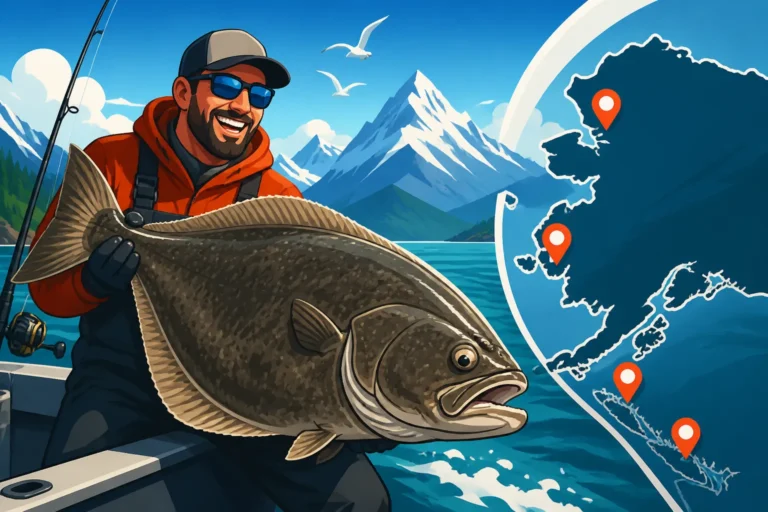
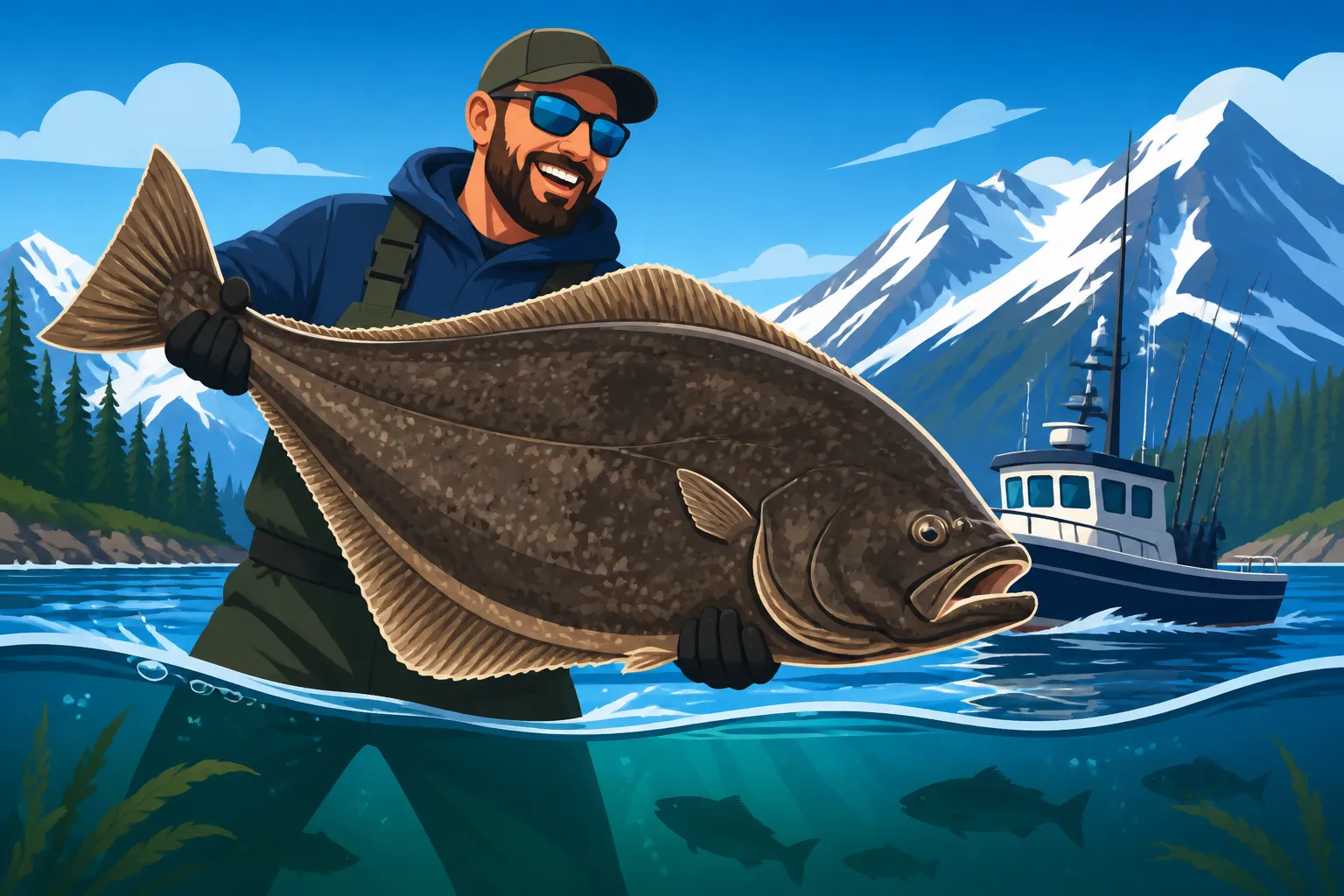
Ah, the "barn door" halibut – a term whispered with reverence and awe among anglers. This isn't just a tall tale; it's the very real possibility of landing a halibut weighing well over 100 pounds, sometimes even pushing 300 or more! Imagine wrestling a literal door off the bottom of the ocean, feeling every powerful head shake and slow, determined pull against your tackle. These leviathans are predominantly female, mature fish that have spent decades growing fat in the deep, cold waters. While they are out there, and Alaska is your best bet for finding one, it's important to set realistic expectations. Most anglers will catch "chicken" halibut, which are typically 10 to 40 pounds, or perhaps a "sow" in the 50 to 80-pound range. These are still fantastic fish, providing plenty of meat and a thrilling fight. Landing a genuine "barn door" often requires patience, the right conditions, skilled captains, and a healthy dose of luck. But the possibility is always there, adding an undeniable thrill to every drop of your line.
Decoding Halibut Habitat and Behavior
To successfully target halibut, you need to think like a halibut. Understanding where they prefer to hang out and how their feeding habits are influenced by their environment is crucial for maximizing your chances.
Preferred Depths and Bottom Structures
Halibut are primarily bottom dwellers, preferring soft, sandy, or gravelly bottoms where they can camouflage themselves and ambush prey. However, they aren't just lounging in barren flats. They gravitate towards underwater structures that provide both cover and concentrations of baitfish. Think of them as opportunistic predators lying in wait.
They often gather around:
- Submerged reefs and rock formations: These structures create eddies and upwellings that concentrate baitfish. Halibut will patrol the edges, waiting for an easy meal.
- Drop-offs and ledges: A sudden change in depth provides a current break and a perfect ambush point. Halibut will often position themselves on the deeper side, looking up at prey moving along the shallower shelf.
- Channels and underwater canyons: These natural pathways funnel baitfish and provide excellent hunting grounds, especially in areas with strong tidal flow.
- Wrecks and artificial reefs: Any structure that provides cover and attracts smaller fish will attract halibut.
The depth at which you find halibut can vary significantly. While some can be caught in relatively shallow waters of 50-100 feet, particularly during certain tides or feeding frenzies, the really big ones tend to inhabit deeper water, often 200 to 800 feet, or even more. When you're dropping a heavy lead weight down into those depths, you're not just fishing; you're exploring a hidden world where colossal flatfish roam. Local knowledge from experienced captains, especially those found through platforms like FishingBooker, is invaluable in identifying these specific deepwater honey holes.
The Influence of Tides and Currents on Halibut Feeding
Tides and currents are perhaps the most critical, yet often overlooked, factors in successful halibut fishing. Halibut are not fans of extremely strong currents; they'll typically hunker down or move to areas with less flow when the current is ripping. However, they absolutely thrive in moving water, as it dislodges baitfish, crabs, and other food items from the bottom, carrying them right to the halibut's waiting maw.
The sweet spot for halibut fishing usually occurs during the "slack tide" periods – either the hour or two leading up to high or low tide, and the hour or two immediately after. During these times, the current slows down, making it easier for halibut to hunt and for your bait to remain naturally presented on the bottom without being swept away. This is when they are most actively feeding and when your chances of a bite are highest. As the current picks up again, you might find fewer bites, or you'll need significantly heavier weights to keep your line down. Understanding the local tide charts and how to adjust your fishing strategy accordingly is paramount. A good captain will always be keenly aware of the tides and position the boat to maximize your time in the productive windows.
Premier Coastal Regions for Halibut Fishing
Alaska's coastline is immense, and while halibut can be found in many areas, certain regions stand out as consistent producers of trophy-class fish and offer world-class fishing experiences.
Homer: The "Halibut Fishing Capital"
There’s a reason Homer proudly declares itself the "Halibut Fishing Capital of the World." Situated on the Kenai Peninsula overlooking Kachemak Bay, Homer offers unparalleled access to vast halibut grounds in Cook Inlet and the Gulf of Alaska. The fishing here is legendary, attracting anglers from all over the globe. What makes Homer truly special is its accessibility via Alaska's road system, making it a popular choice for both independent travelers and those looking to join a charter without the need for a bush plane.
The waters off Homer are rich in baitfish and boast numerous productive banks and deepwater ledges that consistently hold large numbers of halibut. Charters here are numerous and well-established, offering everything from half-day trips for smaller groups to full-day excursions targeting trophy fish. You'll find a lively fishing culture, excellent fish processing facilities, and a general buzz that makes it a quintessential Alaskan fishing experience. Homer also offers fantastic opportunities to combine your halibut trip with salmon fishing in nearby rivers, making it a versatile destination for anglers seeking a mixed bag. For more details on this specific area, check out our Homer Halibut Fishing Guide.
Seward and Valdez: Gateway to Prince William Sound
Further east along the Gulf of Alaska, Seward and Valdez serve as the primary gateways to the incredibly beautiful and productive waters of Prince William Sound and its outer reaches. These towns, while also accessible by road, offer a slightly different fishing experience compared to Homer.
Seward, known for its stunning fjords and proximity to Kenai Fjords National Park, provides access to deep, productive waters relatively close to port. The halibut grounds here are characterized by underwater canyons and extensive shelves where big fish congregate. Many charters departing from Seward target both halibut and salmon, offering exciting combo trips. The scenic beauty alone is worth the journey, with glaciers tumbling into the sea and abundant wildlife sightings a common occurrence.
Valdez, located at the head of Prince William Sound, offers a similar blend of breathtaking scenery and excellent fishing. Its waters are famous for large halibut, often caught in deeper sections of the Sound or just outside its entrance. Valdez hosts popular fishing derbies that routinely produce massive halibut, showcasing the potential of these waters. Both Seward and Valdez provide access to some truly immense fishing grounds, where a day on the water isn't just about catching fish, but about experiencing the raw majesty of coastal Alaska. If you're planning a trip to Seward, our Seward Halibut Fishing Guide offers more insights.
Southeast Alaska: Sitka and Juneau's Deep Waters
Southeast Alaska, a region defined by its labyrinthine archipelago of islands, deep fjords, and proximity to the open Pacific, offers some of the most consistent and often legendary halibut fishing in the state. Sitka and Juneau are two of the premier destinations in this panhandle region.
Sitka, a historic town on Baranof Island, is renowned for its trophy halibut potential. Its offshore waters boast seamounts, reefs, and deep continental shelf breaks that are magnets for giant flatfish. The consistent current and rich feeding grounds here support a vibrant population of large halibut. Fishing out of Sitka often involves runs to offshore grounds, and many lodges offer multi-day, all-inclusive packages that focus on maximizing your time on these productive waters. The fishing pressure, while present, feels less concentrated than on the road system, and the sheer volume of productive water means there's always a new spot to explore.
Juneau, the state capital, also provides excellent access to deep-water halibut grounds within the intricate waterways of Southeast Alaska. While Sitka might be more famous for its trophy halibut, Juneau offers fantastic, consistent fishing for good-sized fish, often combined with superb salmon opportunities. The convenience of flying directly into Juneau makes it an attractive option for many anglers. Charters from both Sitka and Juneau are highly professional, leveraging years of local knowledge to put you on the fish.
Kodiak Island: Remote and Productive Grounds
For those seeking a truly remote, wilderness fishing experience with incredible halibut potential, Kodiak Island stands out. Known as the "Emerald Isle" for its lush green landscape, Kodiak is home to some of the largest halibut in the world. Its vast, relatively unpressured waters, stretching into the Gulf of Alaska, hold immense populations of big fish.
Fishing on Kodiak often involves staying at a remote lodge or flying out to isolated bays and banks. The runs to the fishing grounds can be longer, but the reward is often worth it. Anglers here can expect to catch a high volume of halibut, with excellent chances at trophy-sized fish. Beyond halibut, Kodiak also offers incredible opportunities for salmon, lingcod, and rockfish, making it an ideal destination for a diverse fishing adventure. The rugged beauty of the island, coupled with the potential for wildlife viewing (including the famous Kodiak bear), adds another layer to the experience. For a deeper dive, check out our Kodiak Fishing Guide.
Key Halibut Fishing Hotspots and What Makes Them Shine
Within these broader regions, certain specific areas are consistently recognized as prime halibut real estate. These are the spots where local captains spend countless hours, patiently learning the nuances of the currents, depths, and bottom structure that attract the biggest and most abundant halibut.
Homer's Outer Coast and Kachemak Bay
Homer's reputation as the "Halibut Capital" isn't built on a single spot but on a network of highly productive areas. While Kachemak Bay itself holds decent halibut, especially for smaller "chickens," the true giants are typically found further out, along the outer coast in the Gulf of Alaska.
- The Barren Islands: Located southwest of Homer, these islands are surrounded by deep, nutrient-rich waters and feature complex underwater topography with numerous ledges, pinnacles, and shelves. The strong currents around these islands sweep vast amounts of food past waiting halibut, making them a consistent hotspot for larger fish. The run to the Barrens can be an hour or two, but the potential rewards are often worth the journey.
- Boulder Patch and Point Pogibshi: Closer to Homer, these areas offer more accessible deepwater fishing. The Boulder Patch, as its name suggests, is characterized by rocky bottoms that hold baitfish and, consequently, hungry halibut. Point Pogibshi, at the mouth of Kachemak Bay, also features significant drop-offs and current breaks that are productive, particularly during certain tidal stages.
- The "Flats" near Anchor Point: North of Homer, towards Anchor Point, are extensive underwater flats that, while not always holding "barn doors," can be incredibly productive for a high volume of good-eating halibut, especially on certain tides.
These diverse options mean that Homer charters can adapt to weather conditions and target different sizes of halibut, always aiming for the best possible experience for their clients.
Seward's Deepwater Canyons
Seward’s halibut fishing revolves around its unique access to deep, glacially carved fjords and the more open waters of the Gulf of Alaska. The topography here is rugged and dramatic, both above and below the waterline.
- Resurrection Bay Entrance: Just outside Resurrection Bay, where Seward is located, the bay floor drops off dramatically into the Gulf. These deep channels and ledges are prime ambush points for halibut, particularly during feeding tides. This area is often targeted on shorter trips.
- Montague Strait and Offshore Banks: Further out, beyond the immediate bay entrance, lies Montague Strait and numerous unnamed offshore banks and pinnacles. These areas are characterized by incredible depths and complex underwater structures. Charters often target specific rock piles or deepwater canyons where halibut are known to congregate. The fish found here tend to be larger due to the greater depths and reduced fishing pressure compared to closer-in spots. This is where the potential for a true trophy halibut becomes very real.
- Cape Cleare: On the southern tip of Montague Island, Cape Cleare is known for its strong currents and highly productive halibut grounds. The confluence of currents brings a wealth of food, making it a consistent producer of large fish. However, fishing here requires experienced captains who know how to navigate the conditions safely and effectively.
The beauty of fishing out of Seward is that you're constantly surrounded by breathtaking scenery, from towering cliffs to calving glaciers, making the journey to the fishing grounds as memorable as the fishing itself.
Sitka's Offshore Reefs and Seamounts
Sitka's fishing grounds are legendary for their consistent production of large halibut, largely due to its proximity to the nutrient-rich open Pacific Ocean and a seafloor adorned with remarkable underwater features.
- Fairweather Grounds: These iconic offshore grounds, while a significant run from Sitka, are perhaps the most famous halibut hotspot in Southeast Alaska. The Fairweather Grounds are a series of vast underwater banks and seamounts where the continental shelf drops off dramatically. This area is a feeding mecca for halibut, attracting massive schools of baitfish and, consequently, the largest halibut. It's not uncommon to pull up multiple 100+ pound fish in a single day here. However, fishing the Fairweather Grounds is highly weather-dependent and requires an experienced captain and a seaworthy vessel for the journey.
- The Pinnacles and Local Reefs: Closer to Sitka, there are numerous local reefs, pinnacles, and ledges that consistently hold good numbers of halibut. These spots might not produce as many "barn doors" as the Fairweather Grounds, but they offer reliable action for quality eating-sized fish and are often more accessible on days when the offshore conditions are rough. Charters in Sitka excel at navigating these intricate local waters, knowing exactly where the halibut will be holding based on the tide and time of year.
- Oceanic Fronts and Eddies: The convergence of different water masses, creating oceanic fronts and eddies offshore, are also prime areas. These conditions concentrate nutrients and baitfish, creating a feast for halibut. Knowledgeable captains constantly monitor oceanographic conditions to find these productive zones.
Sitka's allure lies in this combination of vast offshore potential for genuine monsters and reliable inshore fishing for abundant eating-sized halibut, making it a dream destination for any serious angler.
Kodiak's Remote Bays and Banks
Kodiak Island offers a rugged, wild fishing experience, and its halibut grounds are as productive as they are remote. The island's sheer size means there are countless spots, many of which see minimal pressure.
- Chiniak Bay and Ugak Bay: These large bays on the eastern side of Kodiak offer relatively sheltered waters with productive halibut grounds. They feature extensive sandy and gravelly bottoms, along with numerous submerged rock formations and drop-offs that attract bait and halibut. These areas are more accessible from Kodiak City and are good for consistent catches of medium to large halibut.
- Marmot Bay and Afognak Island Waters: North of Kodiak, the waters around Marmot Bay and Afognak Island are known for their abundant halibut populations. These areas are wilder, with deep channels and strong currents that bring in rich food sources. Fishing here often requires longer boat rides or fly-out access, but the rewards can be phenomenal, with excellent chances at trophy fish in a pristine environment.
- The Shelikof Strait Side: The western side of Kodiak Island, facing the Shelikof Strait, also offers fantastic halibut fishing. This area is generally more exposed to weather but can be incredibly productive, especially around the numerous islands and underwater structures that dot the strait. Charters operating from remote lodges on this side of the island have direct access to these less-fished waters.
What sets Kodiak apart is the sense of true wilderness. You're not just fishing; you're immersed in an ecosystem teeming with wildlife, often spotting whales, sea lions, and bears on your way to the fishing grounds. It’s an adventure that goes far beyond the catch.
Timing Your Alaska Halibut Adventure
Knowing where to fish is only half the battle; knowing when to fish is equally important for a successful halibut trip. Timing can make all the difference between a good day and a truly epic one.
Best Months for Halibut Fishing
Generally speaking, the Alaska halibut season runs from May through September, with peak fishing months typically falling in the heart of summer.
- May: The early season can be fantastic, especially for larger fish. Many "barn doors" are caught in May as they emerge from deeper waters and begin to feed actively. The weather can be a bit more unpredictable, and the days are still building towards peak daylight, but if you hit a good weather window, the fishing can be superb. There's less fishing pressure this time of year, too.
- June: This is widely considered one of the prime months. The weather starts to stabilize, the days are long, and halibut are feeding aggressively. Both volume and size are excellent, making June a very popular time for charters.
- July: Often the warmest month, July continues to offer exceptional halibut fishing. The fish are abundant, active, and spread out across many different depths. This is a great time for families or first-timers to experience Alaska halibut fishing due to generally calmer seas and comfortable temperatures.
- August: As the summer progresses, August remains a top-tier month. Halibut are still very active, and while some of the very largest fish might start moving to deeper water, there's still a strong chance for trophy catches. Many anglers combine August halibut trips with coho (silver) salmon fishing, as the silvers start their runs.
- September: The late season can still be very productive, particularly for larger halibut. The weather begins to cool and can be more variable, but the fishing pressure significantly decreases, and the fish are often very aggressive as they fatten up for winter. If you don't mind cooler temperatures and potentially choppier seas, September can offer some incredible opportunities for big fish without the crowds.
For specific details on seasonal availability, checking out a guide like Best Time to Catch Halibut in Alaska can provide even more tailored information.
Daily Tidal Windows for Success
As we discussed earlier, understanding tides is absolutely critical for halibut fishing. Halibut are powerful fish, but they prefer not to fight strong currents if they don't have to. Instead, they position themselves to ambush prey when the current is just right.
- Slack Tide (The Golden Hour): The hour before and the hour after both high and low tide are often referred to as "slack tide." During these periods, the current slows significantly. This is when halibut become most active, moving around freely to feed. It's also when your bait and jigs can be presented most effectively on the bottom without being swept away or requiring excessively heavy weights. Many charters plan their trips around these critical windows, ensuring you're over prime halibut grounds during these productive times.
- Incoming and Outgoing Tides (Moderate Flow): Outside of slack tide, halibut will still feed during moderate current flows. They'll often tuck into current breaks behind structure or on the "down-current" side of ledges, waiting for food to drift by. This is when drift fishing can be very effective, allowing your bait to cover ground naturally.
- Strong Currents (Least Productive): When the current is ripping, halibut tend to hunker down. Your ability to get and keep your bait on the bottom becomes extremely difficult, often requiring massive lead weights that make fishing cumbersome. Bites are typically fewer and far between during these periods.
Always pay attention to the local tide charts for your chosen fishing location. Your charter captain will certainly have them memorized and use them to orchestrate your day on the water, moving from spot to spot to maximize your time in the most productive tidal windows.
Here's a quick overview of peak times for halibut in popular areas:
| Fishing Region | Primary Fishing Style | Best Time (Peak) | Typical Halibut Size | Notes |
|---|---|---|---|---|
| Homer | Charter (day trip) | June – August | "Chicken" (10-40 lbs) to "Barn Door" (100+ lbs) | Road system accessible, strong charter fleet, often combine with salmon |
| Seward | Charter (day trip) | June – August | Mixed sizes, good chance for big ones | Closer to Anchorage, stunning scenery, gateway to Prince William Sound |
| Sitka | Charter (multi-day) | May – September | Trophy potential (50-300+ lbs), consistent | Fly-in destination, strong commercial fleet, offshore grounds |
| Kodiak | Charter (lodge-based) | May – September | Abundant, good size (30-150 lbs) | Remote wilderness, less pressure, combo trips for diverse species |
| Valdez | Charter (day trip) | June – August | Good mix, often larger than Seward | Scenic fjords, popular derbies, can be windier |
Essential Gear and Proven Techniques for Trophy Halibut
Catching halibut, especially the larger ones, isn't for the faint of heart or flimsy tackle. You need robust gear and a good understanding of the techniques that get a bait into their strike zone and a fish to the boat.
Rods, Reels, and Line Selection for Power
When targeting big halibut, you're essentially preparing for a tug-of-war with a very strong, very flat, very determined fish. Your gear needs to be up to the task.
- Rods: Look for heavy-duty conventional rods (often called "stand-up" rods) in the 6 to 7.5-foot range with a fast to moderate-fast action. The rod needs a strong backbone to lift heavy weights and fight powerful fish, but enough sensitivity in the tip to detect subtle bites. Fiberglass or composite rods are popular for their durability and power.
- Reels: A high-quality, level-wind conventional reel is crucial. You'll want a reel with excellent drag, a high line capacity (500+ yards), and a strong retrieve ratio. Models like the Penn Fathom, Shimano Talica, or Avet series are popular choices. Ensure the reel is spooled with braided line.
- Line: Braided line, typically 80 to 130-pound test, is the standard for halibut. Its lack of stretch provides incredible sensitivity, allowing you to feel every bump on the bottom and every nibble. The thin diameter also reduces drag in the water, helping your heavy weight get to the bottom faster. You'll typically use a top shot of heavy monofilament (100-200 lb test) or fluorocarbon (80-150 lb test) as a leader for abrasion resistance and to act as a shock absorber. This setup, often provided by quality charters you might find on FishingBooker, ensures you have the muscle to handle any halibut you encounter.
Baits, Jigs, and Rigs That Get Results
Halibut are not particularly picky eaters, but presenting the right offering effectively is key. The most common and effective choices include:
- Natural Baits:
- Herring: This is arguably the most popular and effective halibut bait. A large, whole herring or a butterflied herring (to release more scent and create more action) rigged on a circle hook is deadly.
- Sablefish (Black Cod): Cut plugs or fillets of sablefish are incredibly oily and tough, making them a durable and attractive bait for halibut.
- Salmon Heads/Skins: Often available from salmon processing, these offer a large, scent-rich meal for big halibut.
- Squid and Octopus: These tough baits stay on the hook well and are a natural food source for halibut.
- Large pieces of other fish: Lingcod, rockfish, or even other halibut (if legal and processed correctly) can be used as cut bait.
- Jigs: Heavy metal jigs, often in the 12 to 24-ounce range (or even heavier in strong currents), are highly effective. Colors like glow-in-the-dark, chartreuse, blue, or white are popular. Jigs are often tipped with a piece of bait for added scent and appeal.
- Rigs: The most common rig is a simple "slider" rig or a "spread bar" rig, designed to keep your bait on or very near the bottom.
- Slider Rig: This involves a heavy lead sinker (often 1 to 3 pounds, or more) that slides freely on your main line, above a strong barrel swivel. Below the swivel, a heavy leader (80-150 lb mono/fluoro) is tied to a large, sharp circle hook (12/0 to 20/0 is common). Circle hooks are preferred as they typically hook the fish in the corner of the mouth, making for easier release if needed and minimizing gut hooks.
- Spread Bar Rig: This rig uses a metal or heavy plastic spreader bar to keep your bait (or multiple baits/jigs) away from your heavy sinker, reducing tangles and presenting the offering more naturally.
Understanding the right bait, jig, and rig setup is fundamental to How to Catch Halibut in Alaska.
Mastering the Art of Bottom Fishing and Jigging
Once you have the right gear and bait, the technique of getting it to the halibut and enticing a bite comes into play.
- Bottom Fishing (Bait Fishing): This is the most common and often most effective method.
- Drop to the Bottom: Lower your rig until you feel the sinker hit the seafloor.
- Lift and Drop: Reel up a few feet, then slowly lower it back down. This creates a puff of scent and commotion on the bottom, mimicking a struggling baitfish or a piece of food being stirred up by the current.
- Hold and Wait: Often, the most effective technique is to simply hold your bait steadily on the bottom or just a foot or two off, letting the scent work its magic. When you feel a bite – which can range from a gentle tap to a heavy thud – resist the urge to violently set the hook. With circle hooks, simply reel steadily, applying pressure, and the hook will set itself in the corner of the halibut's mouth.
- Feel for Structure: Pay attention to what your line is telling you. Bumps, snags, or changes in how the weight feels on the bottom can indicate you're over promising structure.
- Jigging: This active method can be very effective, especially when halibut are aggressively feeding or when you're trying to cover ground.
- Drop and Lift: Drop your heavy jig to the bottom. Once it hits, lift your rod tip sharply (1-3 feet) and then let it fall back down on a semi-slack line. The jig will flutter and dart, mimicking a distressed baitfish.
- Vary the Retrieve: Experiment with the speed and height of your lifts. Some days, a fast, aggressive jigging motion works best; other days, a slow, methodical lift-and-drop is more productive.
- Add Bait: Tipping your jig with a piece of herring or squid can significantly increase its effectiveness, adding scent and visual appeal.
Whether you're bottom fishing with bait or actively jigging, patience and persistence are key. Halibut might take a few nibbles before fully committing, so stay alert and be ready for that satisfying, heavy pull.
Choosing Your Halibut Fishing Experience: Charter vs. DIY
Deciding how to tackle your Alaska halibut adventure is a big decision. Both guided charters and do-it-yourself (DIY) fishing offer unique benefits and challenges.
Benefits of a Guided Halibut Charter
For most people, especially those visiting Alaska specifically for a halibut experience, a guided charter is hands down the best option. The benefits far outweigh the costs, particularly when you consider the investment in time and money for a DIY trip.
- Expert Knowledge: This is the single biggest advantage. Experienced captains and guides spend hundreds of hours on the water each season. They know the hotspots, the tides, the currents, and where the fish are holding at any given moment. They’ve learned the subtleties that only come from years of direct experience. They know which specific structures and depths are producing, saving you countless hours of trial and error.
- Safety: Alaska's waters can be unpredictable. Charter boats are equipped with advanced navigation, communication, and safety gear, and their captains are highly trained in maritime safety and first aid. They monitor weather conditions constantly and know when it’s safe to go out and when it’s time to head back. This peace of mind is invaluable, especially if you're not intimately familiar with Alaska's marine environment.
- Equipment Provided: You don't need to worry about buying expensive heavy-duty rods, reels, line, or specialized rigs. Charters provide all the necessary high-quality gear, bait, and tackle. This alone can save you hundreds, if not thousands, of dollars.
- Fish Processing: Many charters offer basic fish processing (filleting your catch) right on the boat or have partnerships with local processors who can clean, vacuum seal, and freeze your fish, even arrange for shipping it home. This convenience makes a huge difference at the end of a long day of fishing.
- Comfort and Convenience: Charter boats are designed for fishing comfort, with amenities like heated cabins, bathrooms, and plenty of deck space. The crew handles all the grunt work – setting up lines, baiting hooks, gaffing fish, and untangling lines – allowing you to focus purely on the fishing experience.
- Maximizing Success: Quite simply, a good charter significantly increases your chances of catching fish, especially trophy halibut. Their expertise helps ensure you're in the right place at the right time with the right gear.
If you're looking to book a top-notch experience, considering reputable services like FishingBooker can help you find and compare various Alaska fishing charters and ensure you get a knowledgeable guide for your adventure. You might also want to read up on How to Book an Alaska Fishing Trip to prepare.
Challenges and Rewards of Unguided Halibut Fishing
For the adventurous and experienced angler, DIY halibut fishing in Alaska offers the ultimate freedom and a profound sense of accomplishment. However, it comes with significant challenges.
- Challenges:
- Boat Ownership/Rental: You'll need a suitable boat (typically 20-30+ feet) capable of handling offshore conditions, properly equipped with GPS, sonar (essential for finding structure), and safety gear. Rentals are available in some towns, but they are expensive and require a high level of boating experience.
- Knowledge Gap: You are entirely responsible for finding the fish. This means extensive research, understanding bathymetric charts, monitoring tides and weather, and developing your own hotspots. This takes a lot of time and can lead to many frustrating, fishless days.
- Gear Investment: You'll need to purchase all your own heavy-duty gear, tackle, and bait, which is a substantial upfront cost.
- Safety Responsibility: All safety aspects are on you. Knowing how to handle emergencies, navigate unfamiliar waters, and respond to rapidly changing weather is crucial.
- Logistics: From launching and retrieving the boat to fueling, cleaning, and processing your catch, all logistical burdens fall on you.
- Rewards:
- Complete Freedom: You set your own schedule, choose your own spots, and fish exactly how you want. This autonomy is incredibly appealing to some.
- Sense of Accomplishment: There’s an immense satisfaction in successfully finding and catching halibut entirely on your own terms.
- Cost Savings (Potentially): While the upfront costs can be high, for extended trips or for groups of experienced anglers, a DIY trip can be more economical per person than multiple charter days. However, unexpected repairs, lost gear, or wasted fuel looking for fish can quickly negate these savings.
Unguided fishing is generally best suited for experienced boaters and anglers who are familiar with offshore conditions, have a solid understanding of marine electronics, and are prepared for the extensive planning and potential setbacks that come with it. For most visitors, a professional charter is the path to a more relaxed, safe, and productive halibut fishing experience.
Navigating Alaska Halibut Regulations and Conservation
Alaska's fisheries are among the best managed in the world, and adhering to regulations is not just a legal requirement but a crucial part of preserving this incredible resource for future generations. Halibut regulations are especially dynamic and can change frequently.
Understanding Bag Limits, Size Restrictions, and Annual Limits
Halibut regulations in Alaska are complex and can vary depending on whether you're a resident or non-resident, fishing on a charter or unguided, and even by the specific region or management area you are in. These rules are put in place by the International Pacific Halibut Commission (IPHC) and the National Marine Fisheries Service (NMFS), with input from local management bodies.
Typically, key regulations include:
- Daily Bag Limits: This specifies how many halibut you can catch and keep per day. For charter anglers, this is often restricted to one fish per day, sometimes with specific slot limits (e.g., a fish under a certain size or a fish over a much larger size, known as a "reverse slot limit"). Unguided anglers may have different, often slightly more generous, daily limits.
- Possession Limits: This defines the total number of halibut you can possess at any given time, including those in transit or being processed. It's usually double the daily bag limit.
- Annual Limits: For non-resident anglers, there is often an annual limit on the total number of halibut they can retain over the entire season. This is a critical regulation to be aware of and is typically tracked on your fishing license or harvest record card.
- Size Restrictions: These are incredibly important for halibut. Historically, there have been minimum and maximum size limits, or even "reverse slot limits" (e.g., you can keep a halibut under 40 inches or over 80 inches, but not those in between). These are designed to protect spawning-age female halibut.
- Closed Seasons/Days: Certain days of the week (e.g., Thursdays in some areas) or specific periods of the year might be closed to halibut fishing for charter anglers to manage effort and harvest.
It is absolutely imperative to check the most current Alaska Halibut Fishing Regulations and Limits before you go fishing. Regulations are subject to emergency orders and in-season changes. You can find up-to-date information on the Alaska Department of Fish and Game (ADF&G) website. Your charter captain will always be intimately familiar with the latest rules, but it’s still your responsibility as an angler to understand them.
Responsible Fishing: Deepwater Release and Sustainable Practices
Conservation isn't just about following rules; it's about ethical angling practices that ensure the health of the fishery. Halibut are long-lived fish, and the big females are critical for reproduction.
- Deepwater Release Devices: Many halibut are caught from significant depths. When brought to the surface, especially from deep water, they can suffer from barotrauma (due to the rapid change in pressure), making it difficult for them to swim back down and survive. If you catch a halibut that you intend to release (e.g., it's outside the legal slot limit, or you've already filled your bag limit), using a deepwater release device is highly recommended and sometimes even mandated. These devices (often a weighted clamp or barbless hook) quickly descend the fish back to its capture depth, allowing it to recover from barotrauma. It's also important to follow Alaska Rockfish Deepwater Release Device Rules as rockfish also suffer from barotrauma.
- Catch and Release Best Practices: If not using a deepwater release device, minimize the time the fish is out of the water. Handle it gently, support its body, and avoid excessive squeezing. Use dehookers if necessary.
- Understand Your Impact: Be mindful of your annual limit, especially as a non-resident. If you've already kept a significant amount of fish, consider focusing on catch-and-release or targeting other species for the remainder of your trip.
- Support Sustainable Tourism: Choose charter operators and lodges that demonstrate a strong commitment to sustainable fishing practices and conservation. Many ethical operators will provide deepwater release devices and educate their clients on responsible angling.
By understanding and adhering to these regulations and embracing responsible fishing practices, you play a vital role in ensuring that Alaska remains the premier destination for halibut fishing for generations to come. After all, the joy of catching a massive halibut is only amplified by knowing that you're contributing to a healthy, thriving ecosystem.
Disclaimer
The information provided in this guide is for general informational purposes only and is subject to change. Fishing regulations in Alaska are dynamic and can be updated frequently by the Alaska Department of Fish and Game (ADF&G) through emergency orders. Always consult the official ADF&G regulations, current emergency orders, and local authorities before engaging in any fishing activities. It is the angler's responsibility to know and follow all applicable laws and regulations.