Best Late-Season Fishing in Alaska
Oh, the crisp air, the vibrant changing leaves, the quiet solitude on the river – that's the real magic of late-season fishing in Alaska. Many folks plan their Alaskan fishing adventures for the peak summer months, believing that once August fades, so do the opportunities for a great catch. This couldn't be further from the truth, and it's a common misconception that causes many anglers to miss out on some truly spectacular, uncrowded fishing experiences. If you're wondering when the bite truly ends and what treasures await those who brave the cooler temperatures, this comprehensive guide is here to shed light on the incredible potential of Alaska's late-season fisheries.
Understanding What Defines Alaska's Late-Season Fishing
When we talk about "late-season" fishing in Alaska, we're generally referring to the period from early September through late October, and sometimes even into November for certain hardier species or dedicated ice anglers. This isn't just a calendar designation; it signifies a distinct shift in fish behavior, weather patterns, and the overall angling experience compared to the bustling summer months.
The Seasonal Transition and Its Impact
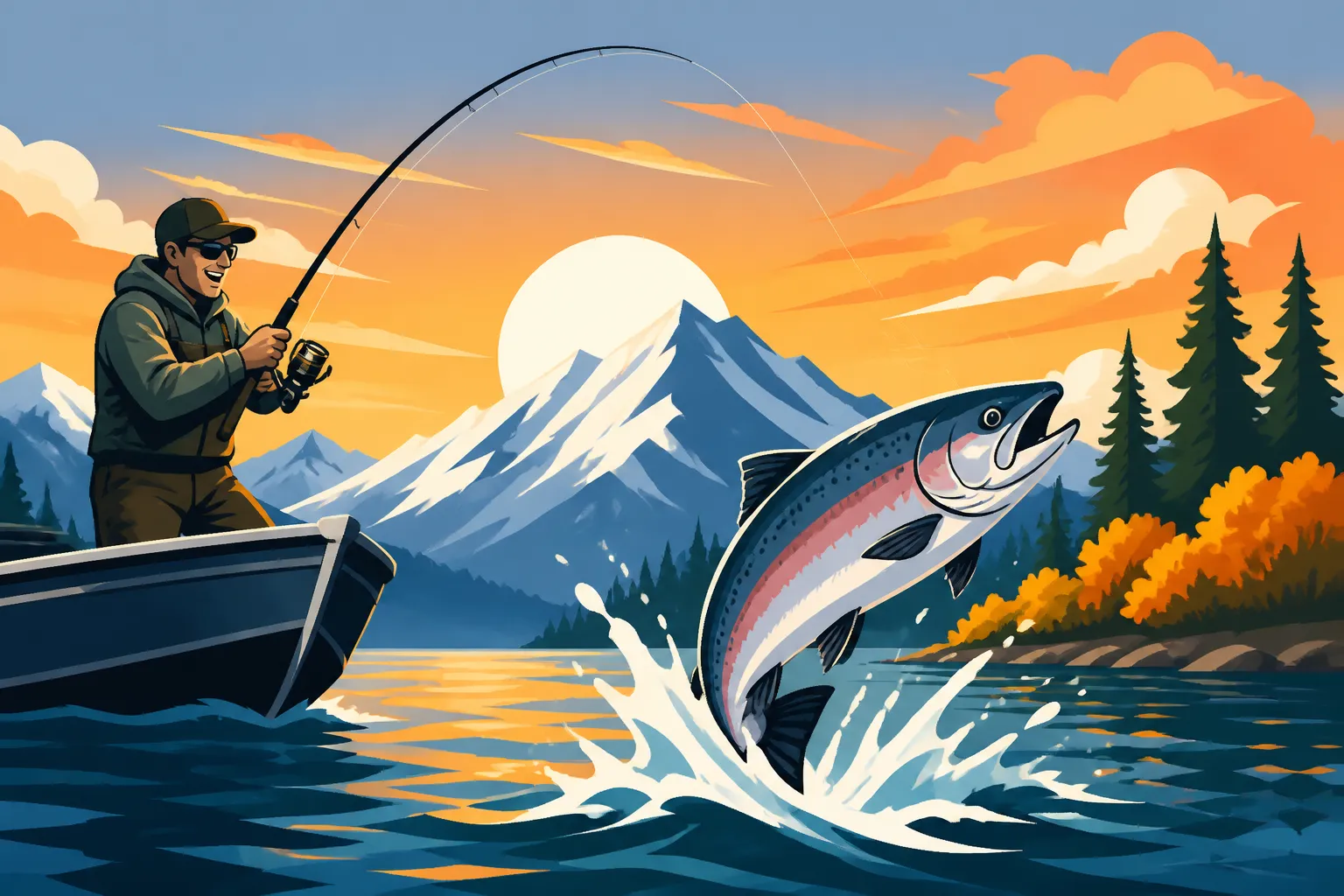
As summer's long daylight hours begin to recede and the air takes on a noticeable chill, Alaska undergoes a magnificent transformation. The vibrant green landscapes of July give way to a fiery palette of reds, oranges, and golds, particularly noticeable in the Interior and on the Kenai Peninsula. This change isn't just aesthetic; it signals fundamental shifts in the aquatic environment. Water temperatures drop, migratory salmon runs dwindle or conclude, and resident fish begin to feed more aggressively in preparation for winter. For anglers, this means adapting tactics, being prepared for more variable weather, and often finding more peaceful waters, far removed from the summer crowds. It’s a time when you might have a prime fishing hole all to yourself, listening to the rustle of leaves instead of the chatter of dozens of other anglers.
The Perks of Angling Beyond Peak Summer
While the summer months (June-August) are undeniably fantastic for their sheer abundance of salmon and halibut, the late season offers unique advantages that many experienced Alaskans cherish. Firstly, the crowds diminish significantly. Roads are less congested, popular fishing spots have fewer people elbowing for space, and even towns like Homer or Seward feel a bit more laid-back. This can lead to a more relaxed and immersive fishing experience. Secondly, the cooler temperatures, while requiring more layers, often mean fewer bugs – a huge relief for anyone who's battled Alaska's infamous mosquitoes and no-see-ums in July. Lastly, the late season provides unparalleled opportunities for targeting specific species that are either peaking or are less pressured, like robust silver (coho) salmon, aggressive rainbow trout, or trophy Arctic grayling.
Prime Species to Target in Alaska's Late Fishing Season
While King and Sockeye salmon runs are largely over by September, the late season brings its own superstars to the forefront. Focusing on these particular species will significantly increase your chances of a memorable catch.
The Mighty Silver Salmon (Coho)
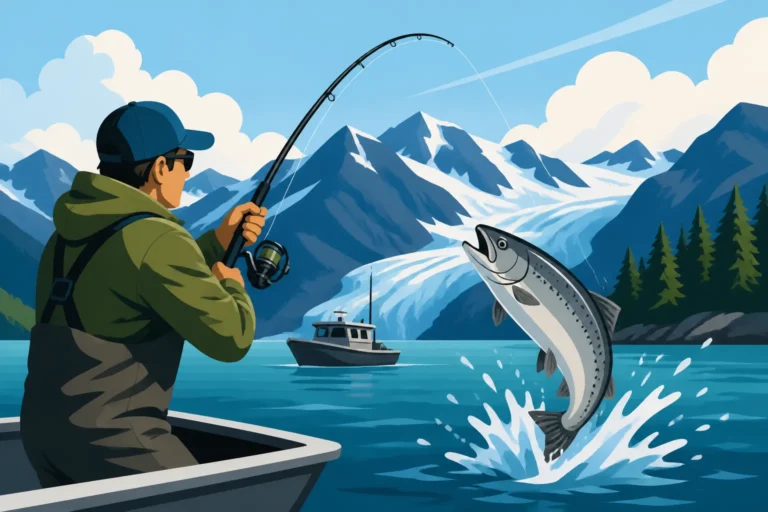
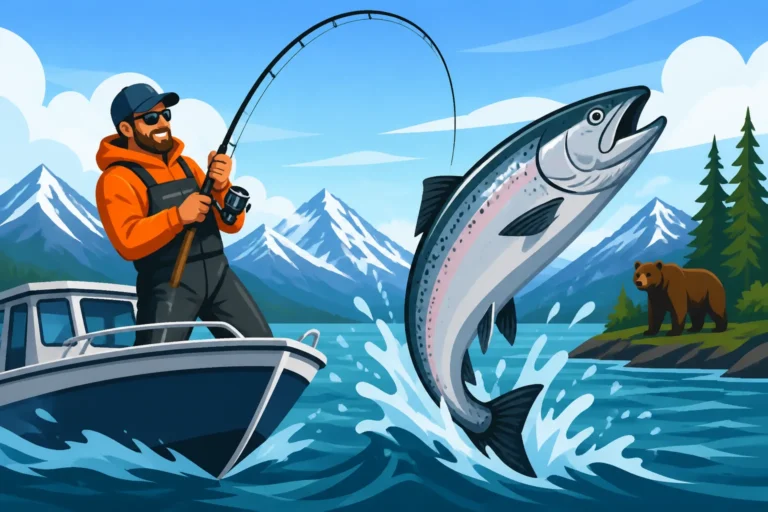
If there's one fish that truly shines in the Alaska late season, it's the coho, also known as silver salmon. These acrobatic fighters typically run from late July through October, with the peak often occurring in September. They are known for their aggressive strikes and spectacular aerial displays, making them an absolute blast to catch on both spinning gear and fly rods. Many anglers consider them the most exciting salmon species to target due to their spirited fight. You’ll find them in both saltwater estuaries and pushing far up freshwater rivers, chasing after bright, flashy lures or streamers. Their meat is firm, orange, and absolutely delicious, making them a highly prized catch for the dinner table. If you're wondering when exactly to target these beauties, our guide on Alaska Silver Salmon Run Timing can give you precise details by region.
Resident Trout, Dolly Varden, and Steelhead
As salmon finish spawning and their carcasses begin to decompose in the rivers, a different kind of feast begins for resident freshwater fish. Rainbow trout, Dolly Varden, and Arctic grayling gorge themselves on salmon eggs and decaying salmon flesh, fattening up for the winter ahead. This post-spawn feeding frenzy makes them incredibly active and receptive to egg imitations, flesh patterns, and small baitfish flies or spinners.
- Rainbow Trout: Rivers on the Kenai Peninsula, such as the Kenai River and its tributaries near Cooper Landing and Soldotna, are world-renowned for their large, hungry rainbow trout in the fall. These fish can reach impressive sizes, with 20-inch-plus rainbows being common. Fishing for them can be exhilarating, especially with light tackle. Our comprehensive Alaska Rainbow Trout Guide has all the details you need to get started.
- Dolly Varden: Often confused with Arctic char, Dolly Varden are opportunistic feeders found in many of the same rivers as salmon and trout. They are voracious in the fall, feasting on eggs and smolt, and their vibrant colors become even more pronounced as they near spawning.
- Steelhead: For the truly dedicated angler, fall is prime time for steelhead in certain Southeast Alaska rivers. These anadromous rainbow trout offer an incredibly challenging and rewarding pursuit, known for their powerful runs and elusive nature. Be aware that most steelhead fisheries in Alaska are catch-and-release, often with specific regulations like those outlined in Alaska Steelhead Catch-and-Release Rules.
Hard-Fighting Bottom Fish and Lingcod
Don't forget the saltwater opportunities! While halibut fishing might slow down a bit as the weather gets rougher, it's still possible to connect with these giants, especially in early September. More reliably, however, the late season offers fantastic action for various species of rockfish and lingcod.
- Rockfish: There are many species of rockfish in Alaskan waters, including yelloweye, black rockfish, and quillback. They are abundant year-round, but late season can provide excellent opportunities, particularly on days with calm seas. They are aggressive biters and offer a steady tug on the line, making for fun fishing and excellent table fare. You'll need to know about Alaska Rockfish Retention and Release Rules to ensure sustainable practices, especially for deepwater species.
- Lingcod: These prehistoric-looking predators are known for their massive mouths, sharp teeth, and aggressive nature. Lingcod fishing often peaks in the fall, particularly in areas with rocky reefs and deep structures. They put up a formidable fight and are highly sought after for their delicious, flaky white meat. Be sure to check Alaska Lingcod Fishing Regulations and Limits as rules can be quite specific regarding size and season.
Premier Locations for Late-Season Alaska Fishing
Choosing the right location is crucial for a successful late-season trip. The vastness of Alaska means conditions and opportunities vary greatly by region.
Rivers of the Kenai Peninsula
The Kenai Peninsula is arguably one of the most accessible and productive areas for late-season freshwater fishing. Rivers like the Kenai and Kasilof continue to be hotbeds of activity.
- Kenai River: Known for its legendary salmon runs, the Kenai River transforms in the fall into a world-class trout fishery. The sheer volume of decaying salmon and eggs creates an abundant food source, making the resident rainbow trout grow fat and feisty. Areas around Cooper Landing and Soldotna, including the Upper Kenai River and its confluence with the Russian River, are particularly famous. Access is good, with numerous public access points and boat launches. You can explore more options in our guide to the Best Fishing Spots on the Kenai Peninsula.
- Kasilof River: A bit quieter than the Kenai, the Kasilof also offers excellent late-season coho salmon fishing. Its slower, more meandering currents can make for a more peaceful experience, and it's also a great spot for targeting resident trout and Dolly Varden.
- Small Streams and Lakes: Don't overlook the myriad smaller streams and lakes throughout the peninsula. Many of these offer exceptional fishing for trout and Dolly Varden as they feed heavily. These spots often require a bit more exploration but can reward you with incredible solitude and pristine fishing.
Southeast Alaska's Coastal Waters and Rivers
Southeast Alaska, with its temperate rainforest climate, offers a longer and often milder late season, making it a fantastic choice. The fishing here is predominantly marine, but coastal rivers also boast strong salmon and steelhead runs.
- Saltwater Charters: Cities like Sitka, Juneau, and Ketchikan remain viable hubs for saltwater charters well into the fall. While king salmon numbers might be lower, opportunities for coho salmon, halibut, and especially rockfish and lingcod remain strong. Guides often adapt their trips to target these more reliable late-season species. If you're looking for an experienced captain for a late-season saltwater adventure, platforms like FishingBooker can help you find reputable charters in these areas, specializing in bottom fish or late coho.
- Coastal Rivers: Many of the smaller, less-pressured rivers draining into the Inside Passage have strong runs of coho salmon in September and October, and some host significant steelhead runs in the fall and spring. These fisheries often involve hiking into remote areas or accessing them via floatplane or boat, offering a true wilderness experience.
Southcentral Alaska Near Anchorage
Even close to Alaska's largest city, late-season opportunities abound for those willing to venture out.
- Ship Creek (Anchorage): Believe it or not, even right in downtown Anchorage, you can experience some exciting late-season fishing. Ship Creek often sees a late coho salmon run extending into September, providing a unique urban angling experience. It's easily accessible and perfect for a quick trip.
- Mat-Su Valley: Rivers in the Mat-Su Valley, such as the Little Susitna River, can provide decent coho fishing into September. Additionally, many lakes in the area are stocked with rainbow trout and Arctic char, offering consistent action as water temperatures cool. This region is a fantastic choice for a day trip or even a multi-day excursion. Our guide to the Best Fishing Spots Near Anchorage offers more local insights.
Essential Gear and Tactical Considerations for Late-Season Success
Fishing in Alaska's late season means being prepared for changing conditions and adapting your approach to target specific fish.
Clothing and Weather Preparedness
This is perhaps the most critical aspect of late-season angling. The weather in Alaska can turn on a dime, going from crisp sunshine to driving rain or even snow within hours. Layering is non-negotiable.
- Base Layers: Start with moisture-wicking synthetic or merino wool next to your skin to keep you dry.
- Mid-Layers: Fleece or down jackets provide crucial insulation.
- Outer Layers: A high-quality waterproof and windproof jacket and pants are essential. Don't skimp here; being wet and cold will quickly ruin your day.
- Accessories: Waterproof gloves, a warm hat, and waterproof boots (or waders for river fishing) are also vital.
- Waders: If you're planning on wading in rivers for trout or salmon, breathable waders are a must, along with sturdy wading boots with good ankle support. Our article How to Dress for Alaska Fishing provides a comprehensive checklist to keep you comfortable.
Rods, Reels, and Line for the Season
Your gear choices should reflect the species you're targeting.
- Coho Salmon: For river coho, a medium-heavy spinning rod (8'6" to 9'6") paired with a 3000-4000 size reel spooled with 20-30 lb braided line and a fluorocarbon leader (15-20 lb) is a versatile setup. For fly fishing, a 7-8 weight rod with a floating line and sink tips or a full sinking line is ideal.
- Trout/Dolly Varden: Lighter spinning gear (medium-light, 6'6" to 7'6") with 10-15 lb braid and a lighter fluorocarbon leader (6-10 lb) works well. Fly anglers will enjoy a 5-7 weight rod, perfectly suited for casting egg patterns or streamers.
- Saltwater Bottom Fish: For halibut, lingcod, and rockfish, a stout boat rod (conventional or heavy spinning) with a powerful reel spooled with 50-80 lb braided line is standard. Strong leaders are a must due to sharp teeth and abrasive structures.
- General Tip: Always bring a spare spool of line or extra line, as colder temperatures can sometimes make mono more brittle and braid more prone to wind knots. Refer to our Alaska Fishing Gear and Tackle Guide for a more detailed breakdown.
Effective Lures, Bait, and Flies
Fish behavior changes in the fall, so your tackle box should too.
- Coho Salmon: Spinners in bright colors (chartreuse, orange, pink, silver), spoons (Pixees, Krokodile), and plug baits (Kwikfish, Flatfish) are highly effective. For bait, cured salmon roe is hard to beat. Fly anglers should have a selection of brightly colored streamers, egg-sucking leeches, and intruders.
- Trout/Dolly Varden: The fall feeding frenzy on salmon eggs makes egg imitations paramount. Bead fishing (matching the size and color of natural salmon eggs) is incredibly productive. Flesh flies and small baitfish patterns are also excellent choices. Spinners like Mepps or Blue Fox in smaller sizes can also entice strikes.
- Saltwater Bottom Fish: Heavy jigs (4-16 oz depending on depth and current), large swimbaits, and bait rigs tipped with herring or salmon heads are standard. Circle hooks are often required for certain species and are generally recommended for safety and ethical release.
Navigating Regulations, Emergency Orders, and Logistics
Alaska's fishing regulations are complex and can change rapidly, especially in the late season when stock assessments are finalized. Staying informed is vital.
Understanding Dynamic Regulations and Emergency Orders
The Alaska Department of Fish and Game (ADF&G) manages fisheries dynamically. What was open yesterday might be closed today, or bag limits might change. This is particularly true for salmon fisheries in the late season as runs wind down and conservation efforts become critical.
- Checking Emergency Orders: Before you head out, always, always, always check the latest emergency orders for the specific region and river system you plan to fish. You can do this online through the ADF&G website or by calling their local offices. Our article, How to Check Alaska Emergency Orders Before Fishing, provides step-by-step instructions.
- Harvest Record Cards and Stamps: Don't forget your Alaska Fishing License: Complete Guide and any required stamps, like the King Salmon Stamp, even if you're targeting other species, as incidental catches can happen. Ensure you accurately fill out your Alaska Harvest Record Card Explained for any retained salmon.
- Catch and Release Practices: Many late-season fisheries for species like steelhead or even certain trout areas are catch-and-release only. Familiarize yourself with best practices to minimize stress on the fish.
| Species | Primary Late Season Months | Prime Locations | Common Tactics | Special Considerations |
|---|---|---|---|---|
| Coho (Silver) Salmon | Sept-Oct | Kenai River, Kasilof, Southeast Rivers | Spinners, Spoons, Flies, Roe | Aggressive fighters, excellent table fare. Check run timing. |
| Rainbow Trout | Sept-Nov | Kenai River, Russian River, Lakes | Beads, Egg Flies, Small Spinners | Feed heavily on salmon eggs. Often catch & release. |
| Dolly Varden | Sept-Nov | Kenai River, Kasilof, Coastal Rivers | Beads, Flesh Flies, Small Spinners | Abundant, opportunistic feeders. |
| Steelhead | Sept-Nov (into Spring) | Southeast Coastal Rivers | Flies (Swing), Drift Bait, Spinners | Highly prized, typically catch & release. Limited fisheries. |
| Lingcod | Sept-Oct | Deepwater Reefs (Southeast, Kodiak) | Heavy Jigs, Bait Rigs | Aggressive, sharp teeth. Check size and bag limits. |
| Rockfish | Sept-Nov | Coastal Waters (Statewide) | Jigs, Bait Rigs | Abundant, great eating. Deepwater release devices often required. |
Chartering and Guides in the Off-Peak Season
While fewer guides and charters operate in the late season, many excellent ones are still available, especially for coho salmon in rivers or saltwater bottom fishing. They are often less busy and can provide a more personalized experience.
- Booking in Advance: Even in the late season, it's wise to book guides or charters a few weeks out, especially for popular weekends. Using online platforms like FishingBooker can help you compare available guides, read reviews, and secure your spot with confidence, ensuring you find someone knowledgeable about late-season hot spots.
- What to Expect: A good late-season guide will have up-to-date knowledge of emergency orders, the best baits/lures for the current conditions, and a deep understanding of fish behavior. They'll also be prepared for the weather, providing extra gear if needed. Our guide on How to Choose an Alaska Fishing Charter offers more tips for selecting the right professional.
- Guided vs. Unguided: Depending on your experience and comfort level with the elements, opting for a guide in the late season can significantly improve your safety and success, especially if you're unfamiliar with specific river systems or saltwater conditions.
Alaska's late fishing season truly offers a unique charm that's often overlooked. With fewer people, vibrant fall colors, and aggressive fish preparing for winter, it’s a time of year that rewards the prepared and persistent angler with unforgettable experiences and incredible catches. Don't let the thought of summer's end stop you from exploring the incredible angling opportunities that stretch into the Alaskan autumn.
Disclaimer
Please remember that fishing in Alaska involves inherent risks. Always prioritize safety, check local weather forecasts, and be aware of wildlife, especially bears, which are actively feeding in the fall. This guide provides general information and recommendations; always consult the most current Alaska Department of Fish and Game regulations and emergency orders before heading out on your fishing adventure.