Drift Fishing in Alaska: How-To Guide
The sheer power of Alaska's rivers can be intimidating, making many anglers wonder how they could possibly present a bait effectively in such strong currents. Drift fishing, a technique often misunderstood as merely letting your line go, is actually an incredibly nuanced and effective way to connect with Alaska's legendary salmon and trout. This guide will take you deep into the art and science of drift fishing, helping you master the methods that consistently put fish on the bank.
Understanding the Core Principles of Drift Fishing in Alaska
Drift fishing, at its heart, is about presenting your bait or lure in the most natural way possible, mimicking the movement of natural food sources in the current. It’s not about casting and retrieving quickly; it’s about slow, controlled presentations that allow your offering to tumble and drift downstream just like a natural morsel would. This method is exceptionally effective in Alaska's rivers, where fish are accustomed to feeding on items washed down by the flow.
The Philosophy of Natural Presentation
Imagine a salmon egg or a struggling insect being swept downstream. It doesn't swim against the current or dart erratically; it moves with the flow, sometimes tumbling, sometimes slowing in an eddy. The philosophy of natural presentation in drift fishing is to replicate this exactly. Your line, leader, and weight must be perfectly balanced to allow your bait to drift at the same speed as the current, without dragging or being pulled unnaturally. This means using just enough weight to get down to the fish zone, but not so much that it anchors your presentation.
For many anglers, the biggest challenge is learning to "feel" the bottom without actually dragging. It's a subtle dance where your weight lightly taps the riverbed, indicating you're in the strike zone, but never digs in. This natural drift is what convinces wary fish, especially those holding in fast-moving water, that your offering is a legitimate meal rather than a trick. It requires patience, a keen sense of touch, and a willingness to constantly adjust to the river's ever-changing moods.
Why Alaska's Rivers Are Perfect for Drifting
Alaska's rivers are teeming with nutrients, salmon eggs, and aquatic insects, providing a rich buffet for fish. The strong, often glacial currents, combined with varied bottom structures like gravel bars, seams, and deep pools, create ideal drift fishing conditions. From the vast braided rivers of the interior to the iconic clear waters of the Kenai Peninsula, these waterways are designed for a natural presentation.
Consider the Kenai River, for example, famous for its massive salmon runs and trophy rainbow trout. The sheer volume of spawning salmon provides an incredible food source in the form of loose eggs, making egg patterns or cured roe an irresistible offering when presented naturally. Similarly, rivers like the Russian River, known for its incredible sockeye runs, see millions of fish pushing upstream, creating feeding opportunities for opportunistic trout and Dolly Varden. Drift fishing allows you to cover diverse stretches of water, from shallow riffles where fish might be staging, to deeper holes where they seek refuge, all while presenting your bait in the most enticing way. The dynamic nature of these rivers, with their varying flows and depths, means that drift fishing is rarely a static endeavor, keeping you engaged and challenged.
Essential Gear for Alaska Drift Fishing
Before you even think about casting, having the right gear is paramount. Alaska's fishing conditions can be tough on equipment, and the fish themselves are formidable fighters. Skimping on tackle can lead to frustrating break-offs and missed opportunities. Investing in quality gear designed for the rigors of Alaskan angling will pay dividends.
Rods and Reels: Finding Your Balance
For drift fishing in Alaska, you'll generally want a medium-heavy spinning or casting rod, typically between 8.5 to 10.5 feet in length. The extra length provides several advantages: it allows for longer casts to cover more water, helps in line management to keep your drift natural, and provides better leverage when fighting large fish in strong currents. A sensitive tip is crucial for detecting those subtle bites, while a strong backbone is necessary to set the hook and muscle fish away from snags.
When it comes to reels, durability and a smooth drag system are key. A spinning reel in the 3000-5000 series or a low-profile baitcasting reel with a robust gear ratio will serve you well. Brands like Shimano, Daiwa, and Penn offer excellent options that can withstand the demands of Alaskan fishing. Ensure your reel holds at least 150-200 yards of line, as those powerful King Salmon or surging Sockeye can really strip line off. The drag system needs to be consistently smooth to prevent line breaks when a fish makes a sudden run, especially with powerful species found in Alaska's rivers. Many anglers find reliable options by checking reviews on platforms like Amazon for rods and reels specific to drift fishing applications.
Line Choices for Sensitivity and Strength
Choosing the right fishing line is critical for successful drift fishing. You need a line that offers a delicate balance of sensitivity to detect soft bites and the strength to handle powerful fish. A popular choice for a mainline is braided line, often 20-40 lb test, due to its low stretch, which enhances sensitivity, and its incredible strength-to-diameter ratio. This allows you to feel even the slightest tap or the subtle scrape of your weight on the bottom.
However, braided line is visible in clear water, so you’ll always want to use a fluorocarbon leader. Fluorocarbon is nearly invisible underwater, extremely abrasion-resistant, and has a similar refractive index to water. A 10-20 lb test fluorocarbon leader, typically 2-4 feet long, is usually sufficient. Some anglers prefer monofilament mainline for its stretch, which can act as a shock absorber, but it sacrifices some sensitivity. Regardless of your mainline choice, keep an eye on your line for nicks and abrasions, especially after fishing around rocky bottoms, as a compromised line is a guaranteed heartbreak with a trophy fish on the other end. For more detailed insights into what specific lines might work best, our Alaska Fishing Gear and Tackle Guide offers a comprehensive breakdown.
Terminal Tackle: Weights, Leaders, and Hooks
The final components of your drift fishing setup are your terminal tackle, and these need to be carefully selected to match the conditions.
- Weights: Slinky weights, pencil lead, or flat coin weights are commonly used because they tend to snag less than traditional round sinkers. The amount of weight you need will depend entirely on the current speed and depth of the water. Start with enough weight to tick the bottom occasionally but not drag consistently. Having a variety of weights (from 1/4 oz to 1 oz or more) on hand is essential for adapting to different river sections.
- Leaders: As mentioned, fluorocarbon leaders are preferred for their invisibility and abrasion resistance. The length and strength will vary based on water clarity and target species. For example, when targeting King Salmon, you might use a shorter, stronger leader (15-20 lb), while for trout in clearer water, you might opt for a longer, lighter leader (10-12 lb).
- Hooks: The type and size of hook are crucial. Wide gap or Octopus hooks are excellent choices, typically in sizes #2 to 1/0, depending on your bait. For sockeye, small, strong single hooks are usually required by regulation, often size #2 or #4. Always check current Alaska Fishing Regulations Explained for specific hook requirements, especially regarding single hooks, barbless hooks, or specific lure/bait restrictions in different areas.
- Swivels and Beads: A small barrel swivel can help prevent line twist, especially when using spinning gear. Beads, often brightly colored, can be used above the hook to protect knots or to attract fish, mimicking salmon eggs.
Remember, a successful drift relies on a balanced system where all these components work together seamlessly.
Bait and Lure Options
The effectiveness of drift fishing often comes down to what you're presenting on your hook. The beauty of this technique is its versatility with a range of baits and lures.
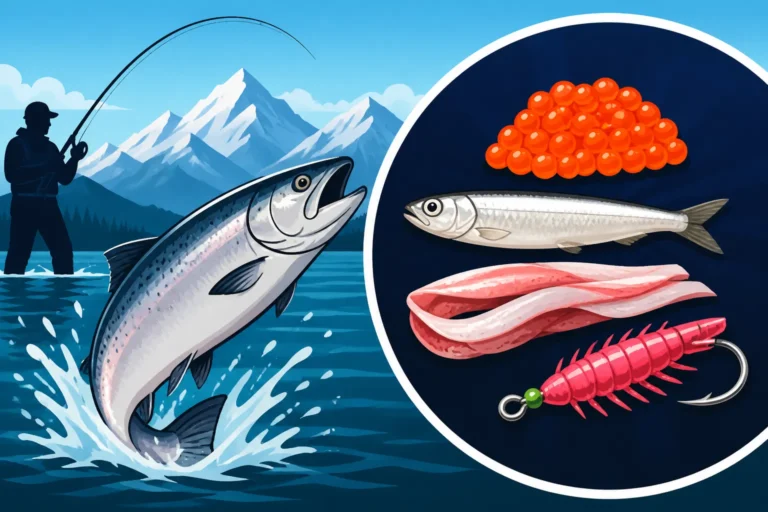
- Cured Roe (Salmon Eggs): This is arguably the most effective bait for many salmon and trout species in Alaska. Whether it's individual eggs, a small cluster in an egg sac, or a chunk of cured roe, the natural scent and appearance are irresistible. Cured eggs can be purchased from local tackle shops or prepared yourself.
- Bead Rigs: In rivers with strong sockeye runs, bead fishing is incredibly popular, especially for rainbow trout and Dolly Varden that feed on loose salmon eggs. A small, buoyant bead (often 6mm to 12mm), mimicking a salmon egg, is threaded onto the leader, with a bare hook tied a couple of inches below it. This setup requires precision to ensure the hook can snag the fish in the mouth, as regulations often specify how a fish must be hooked.
- Artificial Worms/Soft Plastics: Products like Berkley Gulp! baits or other soft plastic worms can be highly effective, especially when tipped with a scent. They offer durability and a consistent presentation.
- Small Spinners or Spoons: While less common for pure drift fishing, small inline spinners (like Mepps or Rooster Tail) or tiny spoons can be drifted through runs, especially for trout. They add a subtle flash and vibration that can trigger strikes.
- Flesh Flies/Egg-Sucking Leeches: For fly anglers adopting drift techniques with a bobber or indicator, these patterns are superb for trout and char, imitating natural food sources.
Always ensure your bait and lure choices adhere to local regulations, as some areas may have bait restrictions or specific rules about what can be used. Many excellent options for these baits and lures can be found on Amazon, making it easy to stock up before your trip. For more targeted recommendations, check out our guide on Best Lures for Alaska Salmon.
Mastering Drift Fishing Techniques
Drift fishing isn't just about throwing your line in the water; it's a dynamic, active technique that requires constant attention and adjustment. Learning to read the water, present your bait correctly, and detect strikes are the hallmarks of a successful drift angler.
Reading the Water: Current, Seams, and Structure
The most crucial skill in drift fishing is learning to "read" the river. Fish don't just sit randomly in the current; they strategically position themselves in places that offer food, shelter, and energy conservation.
- Current Seams: These are the boundaries where fast-moving water meets slower water. Fish often hold in the slower water, waiting for food to be swept past from the faster current. These are prime targets for your drift.
- Riffles and Runs: Shallow, turbulent water (riffles) often leads into deeper, faster-moving sections (runs). Fish will stage in riffles before moving into runs, or hold in the runs themselves. Drifting through these areas can be very productive.
- Pools and Eddies: Deeper, slower sections of the river, often found below rapids or bends, provide holding water. Eddies, where the water swirls back upstream, are classic ambush points.
- Structure: Submerged logs, large rocks, ledges, and undercut banks all provide cover and current breaks where fish feel safe and can conserve energy. Your goal is to drift your bait as close to these structures as possible without getting snagged.
By understanding how the water moves and where fish are likely to hold, you can cast your line precisely to ensure your bait drifts through the most productive zones. Observe the surface for indicators of current speed and direction, and look for tell-tale signs of fish activity like jumpers or rises.
The Art of the Perfect Cast and Drift
A perfect cast for drift fishing isn't necessarily the longest; it's the one that allows your bait to land upstream of your target zone and achieve a natural, drag-free drift.
- Casting Upstream: Cast your line 45 degrees upstream from your position, aiming to land your weight and bait slightly beyond where you expect fish to be holding.
- Mending Your Line: As your line and bait hit the water, the current will immediately start pulling your main line, creating drag and an unnatural drift for your bait. To counteract this, you'll need to "mend" your line. This involves quickly lifting your rod tip and flipping an arc of slack line upstream, effectively putting a belly of line above your weight, allowing your bait to continue drifting naturally with the current. You might need to mend several times during a single drift.
- Maintaining Contact: While mending, it's crucial to maintain a semi-tight line to feel your weight ticking the bottom and to detect bites. You don't want a slack line where you can't feel anything, but too tight a line will pull your bait unnaturally. It's a constant balancing act.
- Tracking Your Drift: Follow your line with your rod tip, keeping it pointed downstream at the same speed as your drift. This helps maintain control and allows you to react quickly. Your drift should ideally last as long as possible through a productive zone, often ending directly downstream of your position.
Practice is key here. The more you cast and drift, the more intuitive line management and mending will become, leading to longer, more effective drifts.
Detecting Bites and Setting the Hook
This is often the most challenging aspect for new drift anglers. Unlike aggressive retrieves where bites are often obvious, drift fishing bites can be incredibly subtle.
- Subtle Taps: Often, a bite will feel like a slight tap or a momentary increase in weight. It might feel like your sinker has hit a rock, but if it feels different – softer, or more persistent – it's likely a fish.
- Line Movement: Watch your line where it enters the water. Any sudden twitch, stop, or unnatural movement could indicate a bite. If your line suddenly stops when it shouldn't, or darts sideways, set the hook!
- Rod Tip Twitch: With a sensitive rod, you might see or feel a subtle twitch in your rod tip.
- The "Heavy" Feeling: Sometimes, the only indication is a sudden feeling of "heaviness" on your line, as if your weight has become momentarily stuck in soft mud. This is often a fish mouthing the bait.
When you suspect a bite, don't hesitate. Set the hook firmly with a sweeping motion of your rod upstream, bringing the rod tip up sharply and smoothly. With braided line, the hook set is immediate and direct. With monofilament, you might need a slightly more aggressive sweep due to the line's stretch. Be ready for an immediate fight, as Alaskan fish are renowned for their power and acrobatics!
Best Fish Species for Drift Fishing in Alaska
Alaska is a haven for diverse fish species, and drift fishing proves highly effective for many of them. While salmon often steal the spotlight, a variety of fish readily take a naturally drifted bait.
Sockeye Salmon: The Flipper's Challenge
Sockeye salmon, known for their bright red flesh and incredible fighting spirit, present a unique challenge for drift anglers. Unlike King or Coho salmon that often strike at traditional baits and lures out of aggression or hunger, sockeye have a very different feeding behavior once they enter freshwater. They typically cease feeding on their spawning migration. This means targeting sockeye often involves "flossing" or "lining" them.
The technique, often strictly regulated, involves drifting a small, bare single hook (often with a small bead or yarn) through dense schools of sockeye. The goal is for the line to pass over the fish's back, and as it reaches the mouth, the angler quickly lifts their rod to "floss" the hook into the fish's mouth. It's a highly effective, yet controversial, method that requires precision and knowledge of specific regulations. Rivers like the Kenai and Russian are famous for their sockeye runs, drawing thousands of anglers. Understanding Alaska Sockeye Salmon Run Timing is crucial to being in the right place at the right time for this exciting, if unconventional, form of drift fishing.
King Salmon: Drifting for Royalty
King Salmon, or Chinook, are the undisputed monarchs of Alaska's rivers, and drift fishing is a prime method for targeting these behemoths. Kings often hold in deeper, slower seams or behind structure, waiting for an easy meal to drift by. They are powerful, aggressive feeders, and a well-presented bait can trigger a violent strike.
When drift fishing for Kings, you'll want to use heavier gear, larger baits (like a substantial chunk of cured roe or an artificial lure with scent), and stronger leaders. Focus your efforts on the deeper slots and current breaks. The bite can be surprisingly subtle for such a large fish, sometimes feeling like just a gentle tug before the line goes screaming. The thrill of hooking into a 30, 40, or even 50-pound King on a drift is an experience every angler dreams of. Our guide on How to Catch King Salmon in Alaska delves deeper into specific strategies for these magnificent fish. Always be aware of Alaska King Salmon Fishing Regulations and Limits, as these can change frequently based on run strength.
Trout and Char: Opportunistic Drifters
While salmon runs bring the crowds, Alaska's rainbow trout, Dolly Varden, and Arctic char offer incredible drift fishing opportunities, especially in the wake of a salmon spawn. These opportunistic feeders gorge themselves on loose salmon eggs, decaying flesh, and smolt.
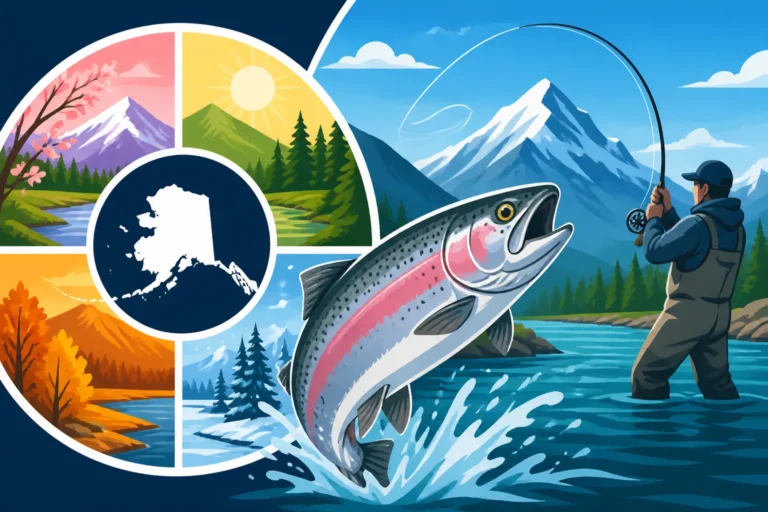
Drifting small bead rigs, egg patterns, flesh flies, or even small pieces of cured roe is incredibly effective for these species. They'll often be found downstream of spawning salmon, positioned to intercept the rich buffet drifting their way. The Kenai River is particularly famous for its trophy rainbow trout, which grow to immense sizes by feasting on salmon eggs. The strikes from these trout and char are often more aggressive than those of sockeye, providing a delightful fight on lighter tackle. Rivers like the Russian River and its confluence with the Kenai are hotbeds for this action. For a detailed look at targeting these beautiful fish, explore our Alaska Rainbow Trout Guide.
Top Alaska Rivers for Drift Fishing
Alaska boasts an incredible network of rivers, many of which are world-renowned for their fishing. While drift fishing can be done in many waterways, some rivers truly stand out as prime locations for this technique.
The Kenai River: A Drift Fishing Mecca
The Kenai River, flowing through Alaska's Kenai Peninsula, is arguably the most famous river in the state and a true drift fishing mecca. Its clear, turquoise waters, strong currents, and diverse structure make it ideal for drifting for all five species of Pacific salmon, as well as trophy rainbow trout and Dolly Varden.
During the King Salmon runs, anglers drift large egg cures or artificial baits through deep holes and along cut banks. For sockeye, the river transforms into a "flossing" hotspot, especially in the mid-river sections. After the salmon have spawned, the Kenai's rainbow trout fishing becomes legendary, with anglers drifting bead rigs and flesh flies for massive, egg-fed bows. Access points are numerous, and many guided drift boat trips operate daily, offering unparalleled opportunities. It's truly an experience to be on the Kenai, feeling the bottom with your weight, knowing that a monster fish could be just a tap away. Our comprehensive guide, Kenai River Fishing: Complete Guide, is an excellent resource for planning a trip here.
Russian River: Sockeye Central
The Russian River, a tributary of the Kenai, is famous for its incredible sockeye salmon runs. While it's relatively short, its confluence with the Kenai creates a funnel for millions of sockeye, and also draws massive numbers of rainbow trout and Dolly Varden that feed on the abundant salmon eggs.
Drift fishing here is predominantly focused on sockeye flossing during the peak runs. Anglers line the banks, meticulously drifting small setups through the current. However, it's also a phenomenal spot for trout and char, especially in the late summer and fall, when they congregate to feast on the post-spawn bounty. The strict regulations and sometimes crowded conditions mean mastering your drift and understanding river etiquette are essential for a successful day. The Russian River is a testament to the power of a concentrated salmon run and the effectiveness of precise drift fishing. For a deeper dive, check out our Russian River Fishing Guide.
Other Notable Drift Fishing Rivers
While the Kenai and Russian rivers are iconic, many other Alaskan rivers offer fantastic drift fishing opportunities.
- Kasilof River: Another Kenai Peninsula gem, the Kasilof is a glacial river known for its King and Coho salmon runs. It's often less crowded than the Kenai, offering a more serene drift fishing experience. The turbid waters here mean scent is even more crucial, and drift fishing with cured eggs or highly scented artificial baits is very effective.
- Talkeetna River: Further north, the Talkeetna River, near the quaint town of Talkeetna, offers excellent opportunities for King and Silver salmon, as well as rainbow trout and Dolly Varden. Its braided nature requires good boat handling for drift trips, but shore anglers can also find success in accessible eddies and seams.
- Deshka River: Part of the Susitna River drainage, the Deshka is a popular early-season King Salmon fishery for road system anglers. Drift fishing with eggs or Kwikfish is a common and successful technique here, particularly during the early June peak.
- Anchor River: On the southern Kenai Peninsula, the Anchor River is a smaller, intimate stream famous for its King and Silver salmon, as well as steelhead. Drift fishing with small baits and careful presentations is key in these often-clearer waters.
Each of these rivers presents its own unique challenges and rewards, but the fundamental principles of drift fishing remain the same: accurate casting, meticulous line control, and a natural presentation.
Common Challenges and Troubleshooting in Drift Fishing
Even the most experienced anglers face hurdles when drift fishing in Alaska. The dynamic nature of the rivers, coupled with the sheer number of fish and fellow anglers, can present various challenges. Knowing how to troubleshoot these common issues can save a day on the water.
Dealing with Snags and Lost Gear
Snags are an inevitable part of drift fishing, especially when you're diligently trying to tick the bottom where the fish are holding. Alaska's rivers are wild, often littered with submerged logs, rocks, and debris. Lost weights, hooks, and even entire rigs can add up, both financially and in terms of lost fishing time.
- Minimizing Snags: The best defense is a good offense. Use just enough weight to get down, but not so much that you're constantly digging into the bottom. Adjust your weight as current speed changes. Employ "slinky" weights or pencil lead, which are designed to slide over obstructions more easily than traditional cannonball sinkers. When you feel a sticky spot, lift your rod tip slightly to hop your weight over it.
- Retrieving Snags: If you do get snagged, resist the urge to pull straight back forcefully. Instead, try moving upstream or downstream while keeping tension on the line. Sometimes, a change in angle can free your weight. If fishing from a boat, gently motor upstream past the snag and try to pull from the opposite direction.
- Sacrificial Gear: Accept that you will lose some gear. Keep a plentiful supply of weights, leaders, and hooks on hand. Some anglers will tie a weaker line to their weight so that if it snags, only the weight is lost, saving the rest of the rig.
Being prepared with extra terminal tackle, perhaps from bulk purchases on Amazon, and understanding how to minimize and deal with snags will make your drift fishing experience much more enjoyable and less frustrating.
Adjusting to Changing Water Conditions
Alaska's river conditions can change dramatically and quickly. Glacial melt, heavy rains, or even tidal influences (in rivers closer to the coast) can alter water levels, clarity, and current speed, all of which impact drift fishing.
- Water Level: If the water rises, fish might move to different holding lies, often closer to the banks or into freshly inundated areas. You'll likely need to use more weight to get your bait down to the fish. Conversely, if water levels drop, fish might concentrate in deeper pools, and you'll need less weight.
- Water Clarity: Glacial rivers can turn milky, or heavy rains can muddy any river. In turbid water, fish rely more on scent and vibration. This is where cured eggs, highly scented artificial baits, or bright, contrasting colors on your bead or yarn become more effective. In clear water, subtle presentations, natural colors, and longer fluorocarbon leaders are key.
- Current Speed: Stronger currents require more weight to maintain bottom contact and a natural drift. You'll also need to mend your line more frequently and aggressively. In slower currents, less weight and a lighter touch are needed to prevent dragging.
Always check local conditions before heading out, using resources like the Alaska Department of Fish and Game (ADF&G) website or local tackle shop reports. Flexibility and a willingness to adapt your rig and technique are essential for success in Alaska's dynamic river environments. You might find our article on How Often Do Alaska Fishing Rules Change helpful, as regulations often respond to changing conditions.
Overcoming Crowds and Fishing Etiquette
Some of Alaska's most famous drift fishing spots, particularly during peak salmon runs, can become incredibly crowded. Dealing with other anglers, respecting personal space, and adhering to unspoken rules are crucial for an enjoyable and safe experience.
- Give Space: Always allow ample space between yourself and other anglers. A good rule of thumb is to give enough room for both of you to cast and complete a drift without interfering.
- Rotate Through Runs: In popular bank fishing spots, a common etiquette is to rotate through a productive run. Anglers will often take turns, making a drift or two, then stepping out and moving to the end of the line, allowing others to cycle through. This "combat fishing" style, common on rivers like the Russian River, can be productive if everyone follows the system.
- Control Your Drift: Ensure your drift is controlled and doesn't cut off other anglers downstream. Your line should ideally pass through your designated zone without veering wildly.
- Avoid Casting Over Others: Never cast directly over another angler's line. This is a sure way to cause tangles and frustration.
- Mind Your Noise: Be mindful of noise, especially when fishing in quiet areas. Sudden loud noises can spook fish.
- Respect Private Property: Always be aware of property boundaries and only fish where public access is permitted.
A little courtesy goes a long way. By being respectful and understanding the unwritten rules, you contribute to a positive fishing environment for everyone. If you're looking to avoid the most popular spots, our guide on Best Roadside Fishing in Alaska might offer some alternative, less crowded options.
A Comparative Look at Drift Fishing Methods
To illustrate how drift fishing can be adapted, let's look at a quick comparison of setups for different target species and conditions.
| Feature | Sockeye Salmon (Flossing) | King Salmon (Roe/Artificial) | Rainbow Trout (Beads/Flies) |
|---|---|---|---|
| Rod Length | 9-10 ft medium-light/medium | 9-10.5 ft medium-heavy/heavy | 8.5-9.5 ft medium-light/medium |
| Line (Main) | 15-20 lb Braided | 30-40 lb Braided | 10-20 lb Braided |
| Leader | 10-15 lb Fluorocarbon (2-3 ft) | 15-25 lb Fluorocarbon (1-2 ft) | 8-12 lb Fluorocarbon (3-5 ft) |
| Weight Type | Slinky/Pencil Lead | Slinky/Pencil Lead | Split Shot/Slinky (lighter) |
| Weight Size | 1/4 – 1/2 oz (or more in fast water) | 1/2 – 1.5 oz (or more in deep water) | 1/8 – 1/4 oz (minimal) |
| Hook | #2 or #4 Single, barbless | 1/0 – 3/0 Octopus/Wide Gap | #4 – #6 Single, often tied below bead |
| Bait/Lure | Bare hook w/ bead/yarn | Cured roe, Kwikfish, Soft Plastics | Beads, Egg patterns, Flesh flies |
| Typical Water | High-density schools, medium current | Deeper holes, current seams | Spawning areas, downstream of salmon |
| Bite Indication | Line stop, subtle pressure | Hard thump, line pull | Soft tap, line twitch, rod dip |
This table highlights the adaptability of drift fishing, demonstrating that while the core principle remains the same, the fine-tuning of your tackle is crucial for success with different species and in varied river environments.
Final Thoughts on Your Alaska Drift Fishing Adventure
Drift fishing in Alaska is far more than just letting your line flow; it's an immersive experience that connects you deeply with the river and its incredible inhabitants. It requires patience, keen observation, and a continuous adjustment to the ever-changing conditions. From the subtle art of a perfect mend to the explosive thrill of a King Salmon strike, every moment on the water is a lesson and an adventure. Whether you're targeting the challenging sockeye, the regal King, or the magnificent rainbow trout, mastering the drift will undoubtedly enhance your fishing success and your appreciation for Alaska's wild beauty. So, gear up, read the water, and let the current guide your next unforgettable Alaskan fishing memory.
Disclaimer
The information provided in this guide is for general informational purposes only and is not a substitute for checking current, official Alaska Department of Fish and Game regulations. Fishing regulations, seasons, and emergency orders can change frequently and vary by region and species. Always consult the most up-to-date ADF&G sport fishing regulations booklet and emergency orders before heading out to fish in Alaska.