Alaska Sockeye Salmon Explained
If you've ever dreamt of fishing in Alaska, chances are the vibrant, ruby-red Sockeye salmon is high on your wish list. But let's be real, understanding these incredible fish, their elusive runs, and the specific techniques needed to catch them can feel like deciphering an ancient Alaskan mystery. It's easy to feel overwhelmed by all the regulations and local knowledge. This comprehensive guide is here to unravel the secrets of Alaska's Sockeye salmon, helping you understand their unique characteristics, where and when to find them, and how to successfully hook into one of these prized fighters.
What Makes Sockeye Salmon So Special?
Sockeye salmon, often called "red salmon" due to their brilliant spawning coloration, are truly unique among the Pacific salmon species. They're not just another fish in the sea; they hold a distinct place in the hearts of Alaskan anglers and chefs alike. Their lifecycle is fascinating, their fight is legendary, and their culinary value is arguably unmatched.
The Distinctive Flavor and Flesh
When we talk about sockeye, the first thing many people mention is that gorgeous, deep red flesh. This isn't just for show; it's a testament to their diet. Sockeye primarily feed on zooplankton and krill in the ocean, rich in carotenoids, which are the same pigments found in shrimp and crabs that give them their vibrant color. This diet not only gives their flesh its stunning hue but also contributes to its incredibly rich, firm texture and distinctive, savory flavor.
Compared to other salmon species, sockeye meat is leaner than King salmon but more flavorful and firmer than Pink or Chum. It holds up exceptionally well to various cooking methods, whether you're grilling it over an open flame, baking it in foil, or even smoking it for a winter treat. Many connoisseurs consider sockeye the best-tasting salmon due to its clean, intense flavor and appealing texture, making it a highly sought-after catch for both sport and commercial fishermen. This prime quality is why, even if you’re a beginner, a sockeye is often the target species for your first Alaskan fishing adventure.
Ecological Importance and Economic Value
Beyond the dinner plate, Sockeye salmon play a critical role in Alaska's delicate ecosystems. They are a keystone species, meaning their presence (or absence) significantly impacts the surrounding environment. When sockeye return to spawn, their carcasses, after reproduction, provide vital nutrients to the rivers and surrounding riparian zones. This influx of marine-derived nitrogen and phosphorus nourishes everything from insects and plants to bears, eagles, and other scavengers. These nutrients are essential for the health of freshwater ecosystems, supporting the very rivers where the next generation of salmon will hatch and grow.
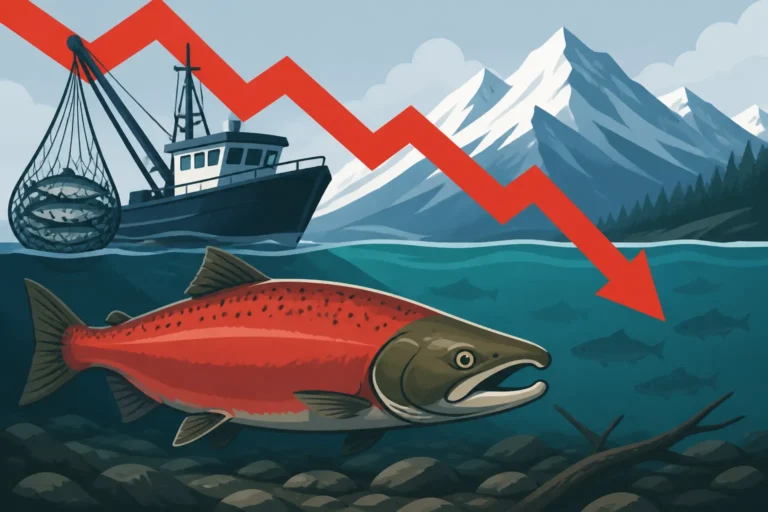
Economically, sockeye salmon are a powerhouse for Alaska. The commercial sockeye fishery, particularly in Bristol Bay, is the largest wild salmon fishery in the world, bringing in hundreds of millions of dollars annually and supporting countless communities. The sport fishing industry also thrives on sockeye, with thousands of anglers traveling to iconic rivers like the Kenai and Russian each summer, contributing significantly to local economies through charters, lodging, and gear sales. It’s a vital resource that Alaska takes very seriously in terms of management and sustainability.
Cultural Significance to Alaskans
For generations, sockeye salmon have been more than just a food source; they are deeply woven into the cultural fabric of Alaska, especially for its Indigenous peoples. Traditional subsistence fishing practices, passed down through millennia, often revolve around the annual sockeye runs. The salmon represent sustenance, a connection to the land and water, and a fundamental part of cultural identity. The rhythm of life in many Alaskan communities still largely follows the seasonal migrations of these fish.
Even for modern Alaskans and those who visit, the sockeye run is an event. It’s a time for families and friends to gather along riverbanks, sharing stories and techniques, filling freezers for the long winter ahead. The experience of "combat fishing" for sockeye on the Russian River or the Kenai, while sometimes a chaotic scene, is also a rite of passage for many, forging memories and traditions that last a lifetime. It’s a powerful connection to the wildness and abundance that Alaska represents, a reminder of nature's incredible cycles.
Identifying Alaska's Sockeye Salmon
Distinguishing sockeye from the other four species of Pacific salmon found in Alaska can be a bit tricky, especially if you're new to the game. However, once you know what to look for, their unique characteristics become much more apparent. This isn't just for curiosity; correctly identifying your catch is crucial for adhering to specific regulations and ensuring you stay within legal limits for various species.
Key Physical Characteristics
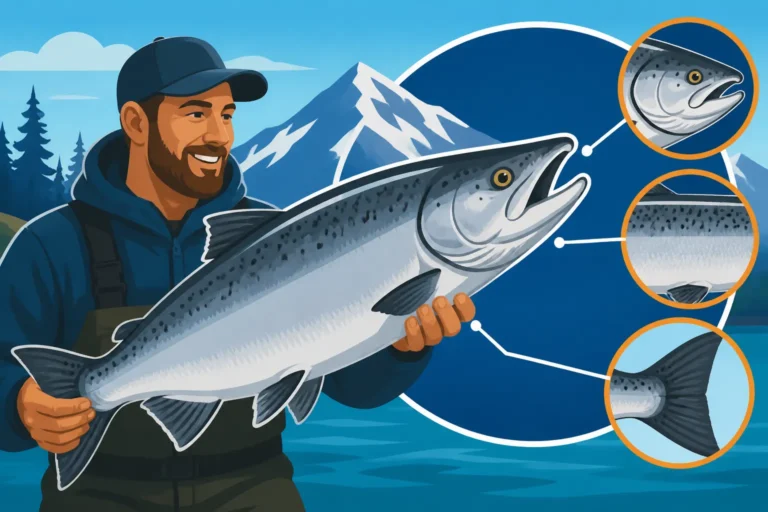
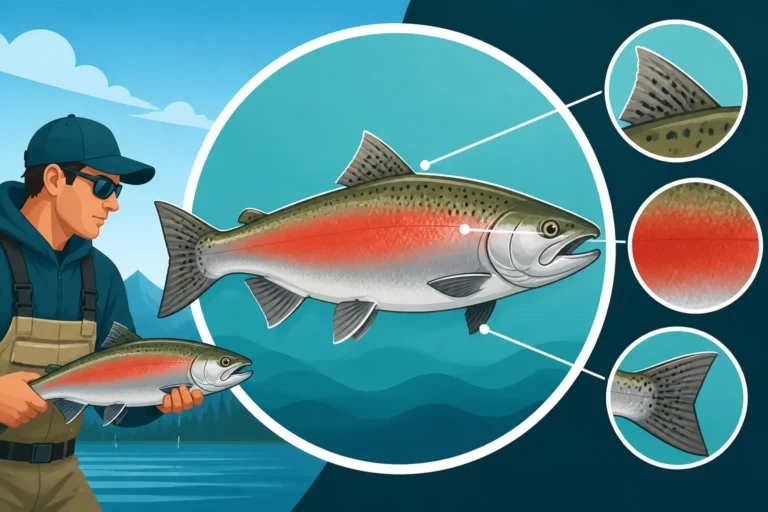
When sockeye salmon are fresh from the ocean, they boast a stunning, sleek appearance. Their bodies are typically silver with a blue-green back, giving them a very clean, metallic look. Unlike King salmon, they lack spots on their backs or tails. Their tails are generally unspotted and deeply forked. One of their most distinguishing features, even in the ocean phase, is their large, prominent eyes relative to their head size. They also have a very streamlined body shape, which contributes to their powerful fighting ability.
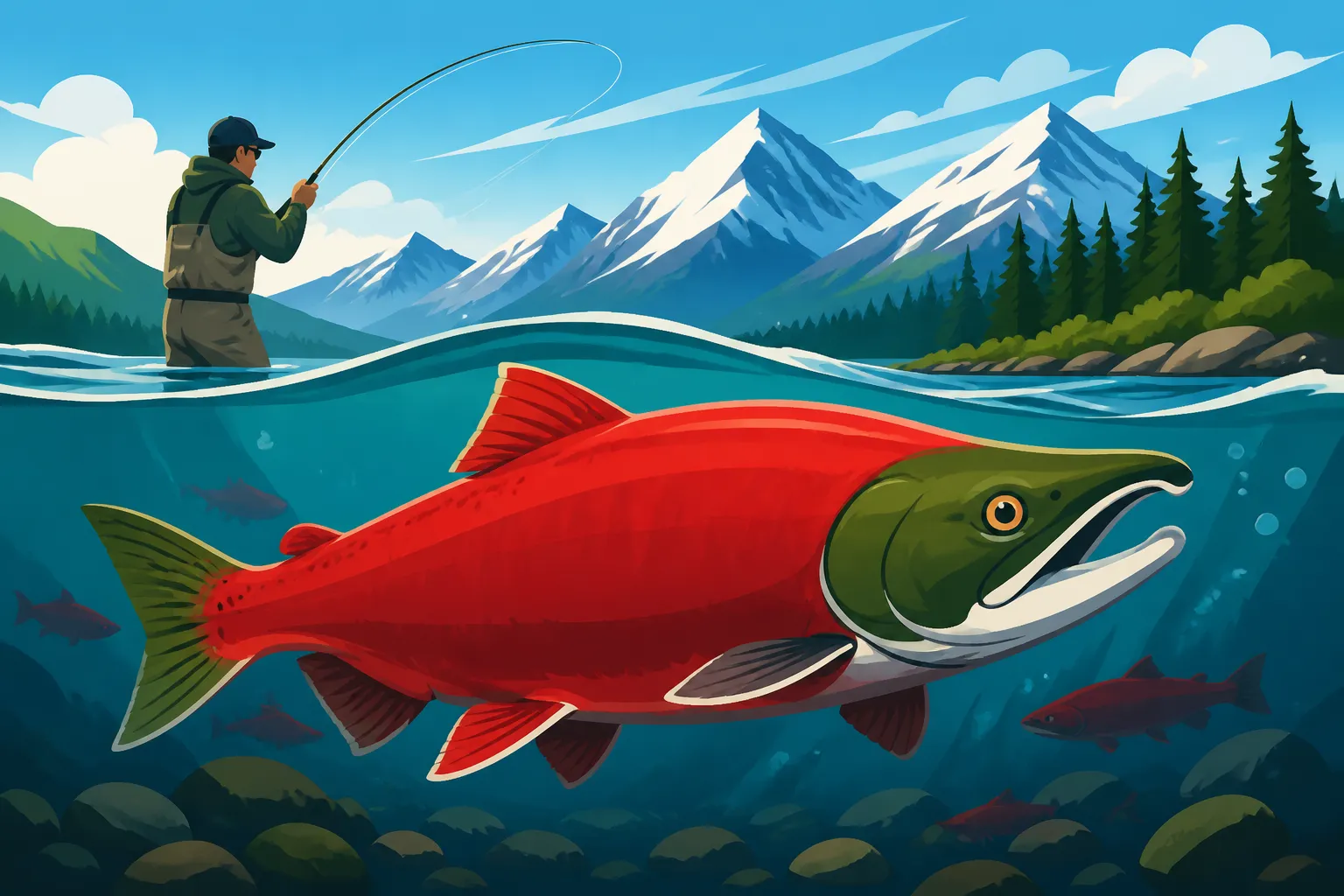
As they begin their journey upstream to spawn, their appearance undergoes a dramatic transformation. This change is one of the most remarkable aspects of their life cycle and is what gives them their "red salmon" nickname. During this time, they develop a vibrant red body and a striking green head, often accompanied by a pale, almost white lower jaw. Males can also develop a pronounced hump on their back and an elongated, hooked jaw (kype). These changes are part of their genetic programming, preparing them for reproduction and making them easier to spot in the clear Alaskan rivers.
Distinguishing Sockeye from Other Salmon Species
Knowing the subtle differences between salmon species is absolutely vital in Alaska, not just for bragging rights, but because different species often have different bag limits and regulations. Here’s a quick rundown on how to differentiate sockeye:
- King Salmon (Chinook): Kings are generally much larger, have small, irregular black spots on their backs and both lobes of their tail, and their mouth is typically dark, almost black, along the gum line. Sockeye lack these spots and have a white gum line.
- Coho Salmon (Silver): Cohos also have silver bodies and unspotted tails when fresh from the ocean, similar to sockeye. However, Coho typically have spots only on the upper lobe of their tail. Their bodies are also a bit more compressed side-to-side than the more torpedo-shaped sockeye. As Coho mature for spawning, they turn darker, often a maroon or reddish-brown, but rarely the brilliant red and green of sockeye.
- Pink Salmon (Humpy): Pinks are easily identifiable by their small size (usually 3-5 lbs), very large oval spots on their backs and both lobes of their tail, and their notoriously small scales. Spawning males develop a huge, distinct hump on their back. Sockeye are larger, lack these large spots, and have much smaller humps, if any.
- Chum Salmon (Dog): Chums are another larger salmon species. When fresh, they have a silvery body with faint vertical bars or "tiger stripes" on their sides. As they mature, these stripes become much more pronounced, and their body can take on shades of purple, green, and red, often referred to as "calico salmon." They have a white mouth and a dog-like canine teeth, which sockeye lack.
Referencing a detailed guide on Alaska Fish Species Guide can provide more in-depth visual aids and descriptions, which are incredibly helpful when you're out on the water.
Seasonal Color Changes
The most dramatic identifier for Sockeye salmon is their incredible transformation during the spawning season. What begins as a sleek, chrome torpedo from the ocean rapidly morphs into a vibrant, almost cartoonish, spectacle of nature. When they first enter freshwater, they might retain much of their ocean-bright silver. However, within days, and certainly weeks, the magic begins. Their bodies flush with a deep, ruby-red hue, while their heads take on a distinct olive-green color. This striking combination is unmistakable.
This color change is a biological imperative, a visual cue for mating. The intensity of the red can vary slightly depending on the specific run, the water conditions, and how long the fish have been in freshwater. Fish caught early in the run, often referred to as "fresh" or "chrome," will still have that silvery sheen, though often with a pinkish tint beginning to show. Those caught closer to their spawning grounds, having completed their incredible journey, will exhibit the full, brilliant red and green. This striking appearance is what makes them so photogenic, but also an indication that their flesh quality may begin to decline slightly as their bodies focus all energy on reproduction.
The Sockeye Salmon Life Cycle: An Amazing Journey
The life cycle of the Sockeye salmon is nothing short of miraculous, a testament to nature's enduring power and precision. From tiny eggs nestled in a riverbed to thousands of miles traveled in the vast ocean, and then the arduous, often deadly, return journey to their natal waters, every stage is a struggle for survival. Understanding this journey helps us appreciate the resilience of these fish and why conservation efforts are so critical.
From Egg to Smolts: Freshwater Beginnings
The incredible journey of an Alaska Sockeye salmon begins in the shallow, gravelly beds of freshwater rivers and lakes. In the late summer and fall, after their epic migration, adult sockeye carefully select optimal spawning grounds. The female digs a nest, called a "redd," using her tail, and deposits her eggs, which are then fertilized by one or more males. These pea-sized, orange-red eggs are then covered with gravel, where they will incubate through the harsh Alaskan winter.
Come spring, typically March or April, the eggs hatch into "alevins," tiny fish with a large yolk sac attached, which provides their nourishment. They remain hidden in the gravel, absorbing their yolk sacs, until early summer. Once the yolk sac is fully absorbed, they emerge from the gravel as "fry." Unlike other salmon species, sockeye fry typically spend one to three years rearing in freshwater lakes before migrating to the ocean. These lakes provide crucial nursery habitat, where the young sockeye feed on zooplankton and grow, honing their survival instincts. This extended freshwater rearing period is a key characteristic that sets sockeye apart from other Pacific salmon.
The Ocean Migration and Growth
After spending their crucial developmental years in freshwater lakes, typically as two-year-olds, the sockeye smolts begin their perilous downstream migration to the ocean. This transition from freshwater to saltwater is a physiological marvel, requiring their bodies to adapt to a completely different environment. Once in the vast expanse of the North Pacific Ocean, they undertake extensive migrations, often traveling thousands of miles in search of food.
In the ocean, sockeye feast primarily on zooplankton, copepods, and krill, which are abundant in the nutrient-rich waters of the Gulf of Alaska and the Bering Sea. This diet, as mentioned earlier, is responsible for their vibrant red flesh and rich flavor. During this ocean phase, which can last anywhere from one to four years (with three years being common), the sockeye grow rapidly, accumulating the energy reserves needed for their final, most demanding journey: the return to their natal spawning grounds. Their time in the ocean is a period of intense feeding and growth, transforming them from small, silver smolts into powerful, ocean-bright adults.
The Epic Spawning Return
The culmination of the Sockeye salmon's life is their incredible return migration. Driven by an innate sense of smell and geomagnetic navigation, adult sockeye begin their journey back to the very freshwater systems where they were born. This upstream migration is an epic feat of endurance, often against powerful currents, through rapids, and past numerous predators like bears, eagles, and even human anglers.
Once they enter freshwater, they cease feeding, relying solely on the fat reserves built up during their years in the ocean. Their bodies undergo dramatic physiological and morphological changes, developing their distinctive red and green spawning coloration and, in males, the hooked jaw. This journey is a race against time and exhaustion, with their sole purpose being to reproduce before they die. After successfully spawning and depositing their eggs, the adult sockeye, having completed their life cycle, will die, their bodies returning essential nutrients to the ecosystem, thus completing the cycle. The precise timing of these returns, detailed in resources like the Alaska Salmon Run Timing Explained, is crucial for anglers planning their trips.
Prime Sockeye Salmon Fishing Seasons and Locations
Catching sockeye salmon in Alaska is often about being in the right place at the right time. Unlike other salmon species that might trickle into rivers over a longer period, sockeye tend to return in massive, concentrated pulses. Missing the peak of a run can mean the difference between landing a limit and going home empty-handed.
Understanding Sockeye Run Timing
Sockeye salmon runs in Alaska typically begin in late May or early June in some areas, but the peak of the action often falls between late June and late July. However, this is Alaska, and things are rarely simple. The exact timing can vary significantly from river to river and year to year, influenced by factors like water temperature, snowmelt, and the overall health of the stock. For instance, the renowned Kenai River Sockeye run usually peaks in mid-July, while runs in Southeast Alaska might be earlier.
It's critical to remember that "peak" can also mean crowds. When the fish are in, so are the people! While earlier in the run, the fish might be "chrome" and stronger fighters, the sheer volume of fish later in the peak can offer unparalleled opportunities, especially for those new to sockeye fishing. Keeping an eye on forecasts and emergency orders issued by the Alaska Department of Fish and Game (ADF&G) is paramount. These forecasts predict the expected size and timing of runs, and emergency orders can adjust bag limits or open/close fisheries based on actual fish counts. You can often find a detailed Alaska Salmon Run Calendar by River to help plan your trip.
Top Rivers for Sockeye Fishing
Alaska boasts several world-class sockeye fisheries, each offering a slightly different experience. Knowing where to go is half the battle, especially for first-timers who are often overwhelmed by the sheer size of the state and the number of options.
- Kenai River: Without a doubt, the Kenai River on the Kenai Peninsula is probably the most famous sockeye fishery in the world. It sees two distinct runs: the early run in June (smaller, but less crowded) and the massive late run in July. The sheer volume of sockeye here is staggering, making it a prime destination for filling your freezer. However, be prepared for crowds, especially during the peak of the second run. This is where "combat fishing" truly comes alive.
- Russian River: A tributary of the Kenai, the Russian River is famous for its crystal-clear water and its own incredibly popular sockeye run, also peaking in July. While the fish are smaller here compared to the Kenai's mainstem, the sheer number of fish and the idyllic setting draw thousands. It’s also known for specific techniques, often requiring long leaders and specialized fly setups.
- Kasilof River: Located just south of the Kenai, the Kasilof River offers another excellent sockeye opportunity, often peaking slightly earlier than the Kenai's big run. It tends to be a bit less crowded than the Kenai, offering a more relaxed experience while still providing excellent fishing.
- Copper River: Famous for its early, highly prized sockeye, the Copper River in Southcentral Alaska offers a unique dipnet fishery for Alaskan residents, but also sport fishing opportunities. These sockeye are known for their extremely high fat content and rich flavor due to their long migration.
- Bristol Bay Region (e.g., Naknek, Nushagak Rivers): For those seeking a truly wild, remote experience, the rivers of Bristol Bay offer some of the largest sockeye runs globally. These are typically fly-in operations, often centered around lodges, providing unparalleled fishing with fewer crowds than the road system. The sheer numbers of sockeye here are legendary.
Before you commit, it's a great idea to check out guides like Best Salmon Fishing Rivers in Alaska or specifically the Kenai River Fishing: Complete Guide to get a more granular understanding of each location.
Regional Variations and Forecasts
While the general sockeye season is summer, specific regions of Alaska have their own unique timing, run strengths, and even distinct characteristics of the fish themselves. Southcentral Alaska, home to the Kenai and Kasilof, has its peak in July. Southeast Alaska, with rivers near Juneau, Ketchikan, and Sitka, might see earlier runs, often starting in June. Western Alaska, including the monumental Bristol Bay, typically sees its colossal runs from late June through mid-July.
Reliable forecasts are your best friend when planning an Alaskan sockeye trip. The Alaska Department of Fish and Game (ADF&G) releases annual salmon forecasts for various regions and rivers. These forecasts estimate the total number of returning fish, which helps anglers anticipate run strength and plan accordingly. While forecasts are educated guesses, they provide an invaluable framework.
However, forecasts are just that – forecasts. Actual returns can deviate, sometimes significantly, due to ocean conditions, freshwater survival, or other factors. This is why staying updated with ADF&G emergency orders is critical, even during your trip. These orders can change daily bag limits, close or open specific sections of rivers, or even close entire fisheries if escapement goals (the number of fish needed to ensure future runs) are not being met or are being vastly exceeded. A good practice is to check the ADF&G website or local fishing reports religiously, sometimes multiple times a day, to ensure you're compliant and maximizing your chances.
Effective Techniques for Catching Sockeye
Sockeye salmon have a bit of a reputation among anglers: they're notoriously challenging to catch by conventional lure or bait fishing because they stop actively feeding once they enter freshwater. This means you can't just throw out a spinner and expect them to bite. Instead, successful sockeye fishing often involves specialized techniques that essentially "floss" or "snag" the fish in a legal and ethical manner. It requires patience, precision, and a bit of local know-how.
The Art of "Flossing" or "Sockeye Flipping"
"Flossing," sometimes referred to as "sockeye flipping" or drift fishing, is the primary and most effective method for legally catching sockeye salmon in Alaska's rivers. The basic principle is to drift a leader with a bare hook (or a small, unbaited fly) through the mouth of the sockeye as it swims upstream, then setting the hook in the jaw. This sounds complex, but it's a learned skill.
Here’s how it generally works: You attach a heavy lead weight (often 1/2 oz to 1 oz, sometimes more depending on current) to your main line, followed by a swivel. Below the swivel, you attach a long leader (usually 3 to 6 feet, often 20-30 lb monofilament or fluorocarbon) with a bare, single barbless hook. The idea is to cast upstream, let the weight sink, and then let your rig drift downstream along the bottom, keeping your line tight enough to feel the weight bouncing along the riverbed. As the leader and hook drift freely behind the weight, it's designed to pass through the sockeye's open mouth as it swims upstream. When you feel a "thump" or resistance, you quickly set the hook with a strong upward sweep of the rod.
It’s crucial to understand that intentionally snagging fish in the body is illegal. Flossing aims for a hook-up in the mouth or jaw. This method requires practice to perfect the drift, the right amount of weight, and the precise timing of the hook set. It's an active form of fishing that, when mastered, can be incredibly rewarding. For a more detailed walkthrough, consider checking out How to Catch Sockeye Salmon in Alaska.
Fly Fishing for Sockeye
While flossing often uses conventional spinning or baitcasting gear, fly fishing is also a highly effective and popular method for sockeye, especially in clearer rivers like the Russian. This technique is similar to flossing, but it involves using a fly rod, a heavy sink-tip fly line, and often a very long leader with a small, sparsely dressed fly (often just a chartreuse or red bead, or a small sparse yarn fly, mimicking an egg).
The goal is still to drift the fly at the level of the fish's mouth, rather than enticing a bite. Anglers cast upstream, mend their line to achieve a drag-free drift, and watch for any subtle hesitation or stop in the drift that might indicate a fish has intercepted the fly. A quick strip set or upward rod sweep is then used to set the hook. This method is incredibly precise and can be highly effective when executed correctly. Many dedicated sockeye fly anglers swear by it, enjoying the challenge and the connection to the fish that fly fishing provides.
Fly fishing for sockeye requires specific gear, including a strong 8-10 weight fly rod, a good quality reel with a reliable drag, and plenty of backing, as sockeye are powerful fighters. Finding specialized sockeye flies can be done through retailers like Amazon, or at local tackle shops in Alaska.
Essential Gear and Tackle for Success
Having the right gear is non-negotiable for sockeye fishing. These are strong, powerful fish that will test your equipment.
- Rod and Reel: For conventional gear, a medium-heavy to heavy spinning rod (8-10.5 feet) paired with a robust spinning reel (4000-6000 size) is ideal. Look for a reel with a smooth, strong drag system. For fly fishing, an 8-10 weight rod is standard.
- Line: A strong braided mainline (30-50 lb test) is recommended due to its sensitivity and lack of stretch, which helps with feeling subtle bites and setting the hook. This should be spooled with a high-quality monofilament or fluorocarbon leader (20-30 lb test) that is longer than your rod, usually 3-6 feet.
- Terminal Tackle:
- Weights: Pencil lead, slinky weights, or large split shot are commonly used. Have a variety of sizes (1/2 oz to 1.5 oz) to adapt to different current speeds.
- Hooks: Single, barbless hooks (size 1/0 to 4/0) are generally required. Check local regulations for specific hook requirements. Gamakatsu and Owner are popular brands.
- Swivels: Heavy-duty barrel or snap swivels (50-80 lb) to prevent line twist.
- Waders and Boots: You’ll be standing in rivers, often for hours. High-quality breathable chest waders and sturdy wading boots with good ankle support and felt or rubber soles are essential. Many anglers recommend brands like Simms or Orvis, which can often be found on Amazon.
- Rain Gear: Alaska weather is notoriously unpredictable. A good waterproof and breathable rain jacket and pants are a must-have.
- Accessories: Pliers, line clippers, a measuring tape (for length limits), a fish stringer or cooler for your catch, and bear spray are all critical. A fishing vest or pack to keep essentials organized will also be very helpful.
Remember to double-check the specific regulations for the river you're fishing regarding hook type, bait restrictions (sockeye fishing is almost always artificial lure/fly only), and any two-pole endorsements. These details often vary by location and time of year. Knowing your Best Lures and Bait for Alaska Sockeye Salmon is usually about knowing the specific rig for flossing, not traditional lures.
Sockeye Salmon Regulations and Conservation Efforts
Fishing for sockeye in Alaska is an incredible privilege, and with that comes a responsibility to understand and abide by the regulations. These rules aren't arbitrary; they are meticulously crafted by the Alaska Department of Fish and Game (ADF&G) to ensure the sustainability of these vital fish runs for future generations. Ignoring them can lead to hefty fines and loss of fishing privileges, so it pays to be informed.
Navigating Daily and Annual Bag Limits
One of the most immediate regulations you'll encounter are daily and annual bag limits. These specify how many fish of a particular species you can keep per day and, for some species, how many you can retain over the entire season. For sockeye, daily bag limits can vary significantly. In many popular areas, a typical daily limit might be three sockeye, but during periods of strong runs, this can increase to six or even more, especially for non-resident anglers. For Alaska residents participating in personal use fisheries, limits can be substantially higher.
It's crucial to check the most current ADF&G regulations booklet for the specific region and river you plan to fish, as well as any emergency orders. These can change daily or weekly based on real-time fish counts and escapement numbers. For example, the Alaska Sockeye Salmon Limits on the Kenai can be quite dynamic, reflecting the abundance of the run. Always read the regulations carefully, pay attention to any special provisions (like reduced limits for non-residents or specific gear restrictions), and always assume the most restrictive rules apply if you're unsure.
The Alaska Harvest Record Card and Reporting
Beyond your fishing license, many fisheries in Alaska require you to have and diligently fill out a Harvest Record Card. This is not just a piece of paper; it's a critical tool for fisheries managers. For King salmon, and often for sockeye salmon in specific areas or during certain runs (especially if annual limits apply), you must immediately record your catch on this card. This includes the date, location, and species of the fish.
The purpose of the Harvest Record Card is to track total harvest and ensure that individual anglers do not exceed their annual limits, especially for species with more conservative harvest quotas. At the end of the year, or upon request by an ADF&G official, you are required to report your harvest. This data is invaluable for assessing the health of fish stocks and making informed management decisions for subsequent seasons. Failing to possess, correctly fill out, or return your Harvest Record Card can result in fines. Make sure you understand how to fill out an Alaska Harvest Record Card before you hit the water. It’s part of your commitment to sustainable fishing.
Emergency Orders and Fishery Management
This is where Alaskan fishing regulations get really interesting – and sometimes frustrating. Alaska's fisheries are managed dynamically, meaning the rules can change in-season via Emergency Orders (EOs). These EOs are issued by ADF&G in response to real-time data on fish returns. If a run is stronger than expected, ADF&G might issue an EO to increase bag limits or extend fishing hours. Conversely, if a run is weaker, they might reduce limits, implement closures (e.g., specific days of the week, or closing certain sections of a river), or restrict gear types to ensure enough fish make it to the spawning grounds.
These changes can happen quickly, often with little notice, especially during peak season. A fishery that was open yesterday might be closed today, or limits might suddenly increase. This rapid adaptation is a cornerstone of Alaska's successful fisheries management, allowing them to react to the unpredictable nature of wild salmon runs.
As an angler, it is your responsibility to stay informed about these emergency orders. You can check the ADF&G website, sign up for email or text alerts, or listen to local radio stations. Many charter operators and tackle shops also provide updates. It's a bit of a hassle, but it's part of the authentic Alaskan fishing experience and crucial for maintaining the health of the resource. Understanding Alaska Fishing Regulations Explained is paramount to a successful and legal trip.
Preparing and Enjoying Your Sockeye Catch
Congratulations, you've landed your beautiful Alaskan Sockeye! Now the real work (and reward) begins. Properly caring for your catch from the moment it leaves the water to when it hits your plate, or freezer, is essential to preserve its incredible flavor and quality. Skipping steps here can compromise all your hard work on the river.
Field Care and Processing Your Fish
The moment a sockeye hits the bank, its quality starts to degrade. The faster you can bleed, clean, and cool your fish, the better it will taste.
- Bleeding: This is perhaps the most important first step. Bleeding your fish immediately helps remove blood from the flesh, which can impart a "fishy" flavor and shorten shelf life. The easiest way is to sever the gills with a sharp knife and place the fish head-down in the water or a cooler of ice water to let it bleed out. Let it bleed for at least 5-10 minutes.
- Gutting: Once bled, gut the fish. Make a cut from the vent to the gills, being careful not to puncture the stomach or intestines. Remove all organs, including the kidney line (a dark red line running along the backbone inside the cavity), which can be scraped out with a spoon or your thumb. Rinse the cavity thoroughly with cold water.
- Cooling: Get your fish on ice as quickly as possible. A cooler full of ice is essential. The colder you keep the fish, the slower the spoilage process. Layer fish with ice, ensuring ice is in the body cavity as well.
Once back from the river, the next step is usually filleting. A good, sharp fillet knife is your best friend here. If you're new to it, there are plenty of online tutorials, or ask a local veteran angler for tips. You might want to pick up a good fillet knife from Amazon before your trip. For a step-by-step guide, see How to Fillet a Salmon in Alaska. Many fishing lodges or local processors offer services for filleting, vacuum sealing, and freezing your fish if you prefer to leave it to the pros.
Culinary Delights: Cooking Sockeye Salmon
Sockeye salmon is a culinary gem, prized for its firm texture and rich, distinctive flavor. Its versatility means it can be prepared in countless ways, each highlighting its unique qualities.
- Grilling: This is a classic for a reason. Sockeye holds up beautifully on the grill. Brush fillets with olive oil, season with salt, pepper, and your favorite herbs (dill, thyme, parsley work wonderfully), and grill skin-side down first until the skin crisps and the fish is nearly cooked through. Finish for a few minutes on the flesh side. The internal temperature for cooked salmon should be around 140-145°F (60-63°C) for medium.
- Baking/Roasting: For a simpler approach, bake or roast sockeye fillets or a whole side. A common method involves a simple lemon-butter sauce, a sprinkle of fresh herbs, and baking at 375-400°F (190-200°C) until flaky.
- Pan-Searing: Get a good crust on your sockeye by pan-searing. Heat a little oil (like avocado or grapeseed) in a cast iron skillet or heavy-bottomed pan until shimmering. Sear skin-side down for 5-7 minutes until crispy, then flip and cook for another 3-5 minutes until done.
- Smoking: For an unforgettable treat, hot-smoking sockeye salmon is a favorite Alaskan tradition. Brine your fillets overnight, then smoke them slowly with alder wood chips for several hours. The resulting smoky, savory flavor is incredible and perfect for appetizers or as a main dish.
- Sushi/Sashimi: If you've handled your fish impeccably from catch to chill, and it's truly fresh, sockeye can be enjoyed raw as sushi or sashimi. Ensure it has been properly frozen at specific temperatures to kill parasites if you intend to eat it raw, especially if you plan to ship it home for later consumption.
Sockeye’s strong flavor profile means it pairs well with bright, acidic accompaniments like lemon, capers, or a fresh salsa. It's truly a fish that speaks for itself, requiring minimal embellishment.
Preserving Your Alaskan Treasure
Bringing your hard-earned sockeye home and keeping it fresh is just as important as catching it. Proper preservation ensures you can enjoy your Alaskan bounty long after your trip is over.
- Vacuum Sealing: This is hands down the best method for freezing salmon. Vacuum sealing removes air, preventing freezer burn and greatly extending the freezer life of your fish. Fillets or portions, once vacuum-sealed, can last for 1-2 years in a deep freezer without significant loss of quality. For travelers, a portable vacuum sealer ordered from Amazon can be a game-changer for preserving your catch on the go.
- Freezing: After vacuum sealing, freeze your fish as quickly as possible. Flash freezing at very low temperatures is ideal, but a standard home freezer will work. Lay packages flat initially for even freezing.
- Shipping Home: If you're traveling, plan how to get your fish home. Most Alaskan towns with significant fishing tourism have fish processing businesses that will professionally fillet, vacuum seal, freeze, and box your catch in airline-approved containers (often insulated waxed boxes or coolers). They can also arrange shipping directly to your home via FedEx or UPS. It's usually worth the cost for the peace of mind and quality assurance. Be sure to understand Alaska Fish Transport and Shipping Rules and how much fish you can bring home from Alaska before you depart.
- Canning/Smoking: For long-term shelf-stable storage, canning sockeye is a traditional method. Hot smoking, as mentioned, also preserves the fish for a period, though smoked salmon should still be refrigerated or frozen for extended storage.
A little extra effort in preservation goes a long way. There’s nothing quite like pulling out a perfectly preserved, ruby-red sockeye fillet from your freezer months later, a delicious reminder of your incredible Alaskan adventure.
Disclaimer
The information provided in this guide is for general informational purposes only and is not intended as legal advice. Fishing regulations in Alaska are complex and subject to change without notice, often via emergency orders. It is the sole responsibility of each angler to consult the most current Alaska Department of Fish and Game (ADF&G) regulations booklet, emergency orders, and local advisories for the specific area and time they plan to fish. Failure to comply with regulations can result in fines, penalties, or loss of fishing privileges.