Alaska Arctic Grayling Explained
Many anglers coming to Alaska often focus solely on the legendary salmon and colossal halibut, dreaming of bent rods and full freezers. However, for those who appreciate delicate beauty and a challenging fight in pristine wilderness settings, overlooking the exquisite Arctic Grayling would be a true missed opportunity. These fish, with their stunning colors and majestic dorsal fins, are a true indicator of healthy, cold northern waters, and pursuing them offers a uniquely rewarding experience. This comprehensive guide will take you deep into the world of the Alaska Arctic Grayling, helping you understand their biology, where to find them, how to catch them, and how to preserve these incredible fish for future generations.
Understanding the Arctic Grayling
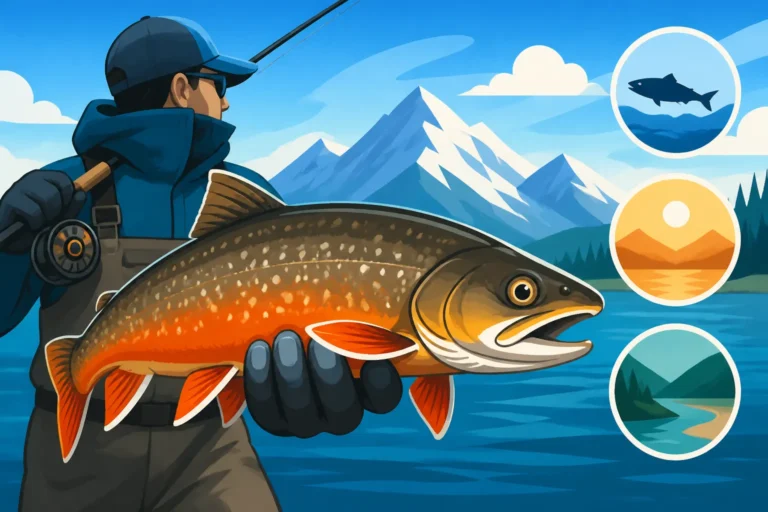
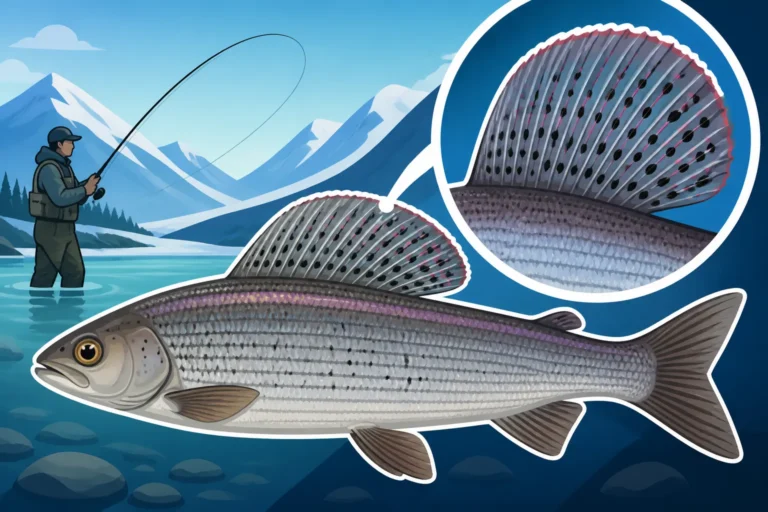
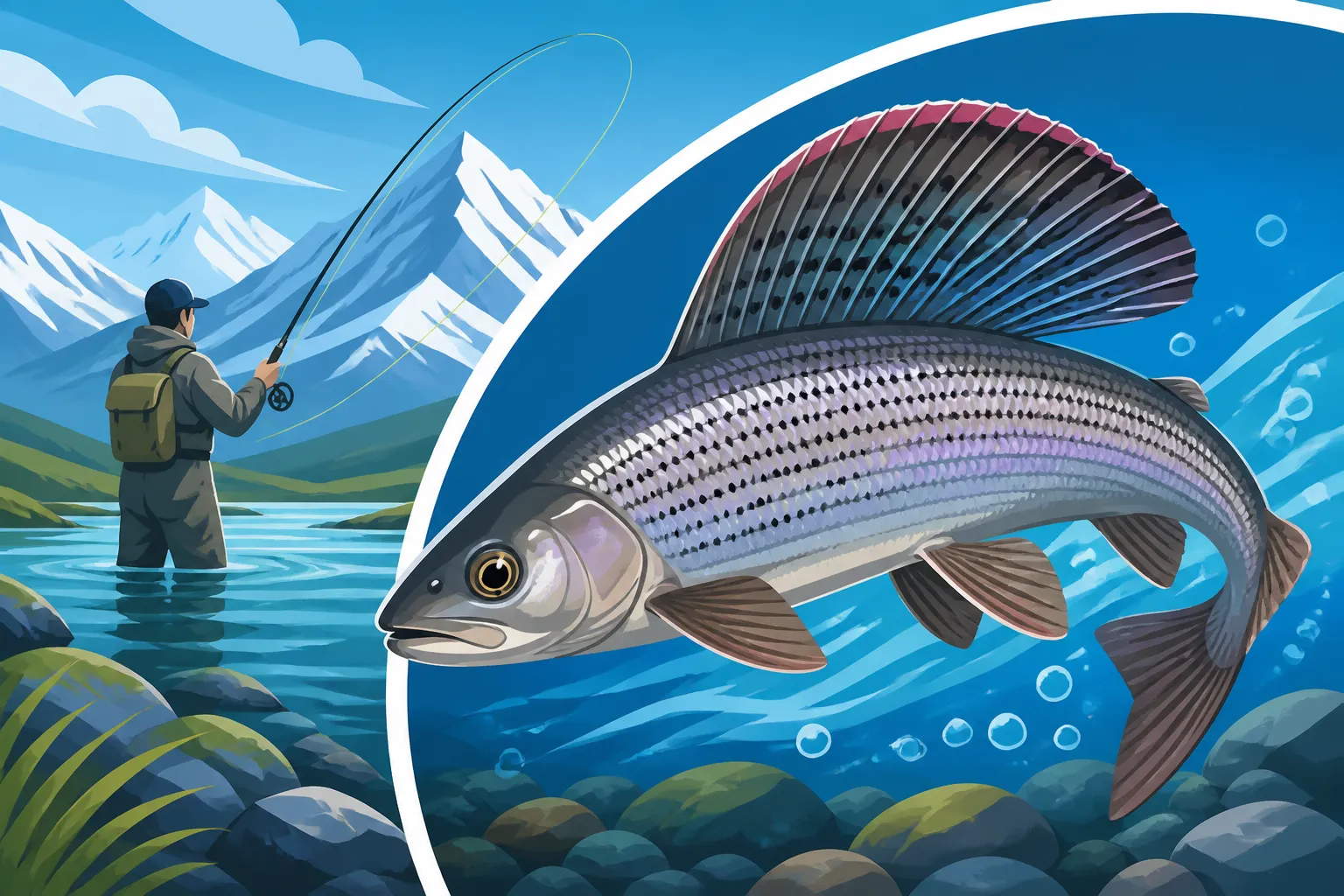
The Arctic Grayling, often called the "sailfish of the North" due to its remarkably large, iridescent dorsal fin, is a freshwater fish that thrives in the cold, clear waters of Alaska's interior and arctic regions. They are truly a sight to behold, with bodies that shimmer with purples, blues, and golds, often adorned with dark spots and stripes. They're more than just pretty faces, though; these fish are integral to the health of the ecosystems they inhabit and offer a fantastic sportfishing experience.
Distinctive Features and Identification
The most striking feature of the Arctic Grayling is undoubtedly its elongated dorsal fin, which can be almost as long as the rest of its back. In males, this fin is often larger and more colorful, displaying vibrant hues of blue, purple, and green. Their bodies typically have a silvery-bronze coloration, fading to white on the belly, with distinct dark spots, especially on the anterior part of the body. Their lateral line is prominent, and they possess a small, almost trout-like mouth. Another subtle but telling characteristic is the faint, almost black, V-shaped marking often visible on their throat, especially on larger specimens. When you see one rise to a fly on a calm summer evening, the flash of its sail-like fin against the twilight sky is unforgettable.
Comparing them to other fish you might encounter, such as a smaller rainbow trout, the grayling's dorsal fin is the dead giveaway. While trout have a smaller, more triangular dorsal fin, the grayling's stands tall and proud. This makes identifying an Arctic Grayling relatively straightforward once you've seen a few. Understanding these key features is crucial, especially when you're trying to quickly identify your catch on the water to ensure you're following specific regulations. For a broader understanding of various fish species, check out our guide on Alaska Fish Species Guide.
Life Cycle and Habitat Preferences
Arctic Grayling typically have a relatively short lifespan, often living 10 to 18 years, though growth rates can be slow in the colder, nutrient-poor waters of the far North. They reach sexual maturity around 3 to 4 years of age. Spawning usually occurs in late April to early June, shortly after ice-out, when water temperatures begin to rise. They migrate from deeper overwintering pools to shallower, gravelly riffles in streams and rivers to lay their eggs. Unlike salmon, grayling do not die after spawning, and females can spawn multiple times throughout their lives.
Their preferred habitats are pristine, cold-water streams, rivers, and clear-water lakes. They thrive in areas with abundant insect life, well-oxygenated water, and gravelly bottoms suitable for spawning and feeding. You'll often find them in relatively shallow areas, especially during the summer, feeding on insects on or near the surface. They are quite sensitive to water quality and temperature, making their presence a good indicator of a healthy aquatic environment. The best places for fishing for these beauties are often clear, unpolluted rivers that flow through vast stretches of wilderness.
Diet and Behavior
Arctic Grayling are opportunistic feeders, with their diet largely dictated by the availability of food in their environment. Their primary food source consists of aquatic and terrestrial insects. Caddisflies, mayflies, stoneflies, and midges, both in their larval and adult stages, make up a significant portion of their diet. During prolific hatches, grayling will rise to the surface with incredible grace and frequency, making them a favorite target for fly anglers. They also consume small crustaceans, fish eggs, and even tiny juvenile fish, especially as they grow larger.
Their behavior is fascinating to observe. Grayling are known for their willingness to rise to a dry fly, often with a subtle, sipping take rather than an aggressive splash. They tend to school, especially smaller fish, and often occupy specific runs or pools, making it possible to catch several from a single spot once you've located them. During the winter, they retreat to deeper pools or lakes, becoming less active. Their summer behavior, however, is what makes them so captivating – actively feeding in the top water column, sometimes in plain sight, showcasing their elegant form. For more on how to specifically target these fish, you might find our article on How to Catch Arctic Grayling helpful.
| Feature | Arctic Grayling | Rainbow Trout (Juvenile) | Dolly Varden (Juvenile) |
|---|---|---|---|
| Dorsal Fin | Very large, sail-like, colorful (often purple/blue) | Smaller, triangular, typically spotted | Smaller, triangular, not as prominent |
| Body Coloration | Shimmering silver/bronze, iridescent hues | Silvery with pink or red lateral band (adults), darker spots | Darker olive-green to brown, pale spots (no red/pink) |
| Spots | Distinct dark spots, especially on front half; often V-shaped mark on throat | Small, dark spots throughout body; often red/pink lateral band | Light spots (often pink or yellow), fewer than trout |
| Mouth | Small, terminal | Larger, more predatory | Moderately large, predatory |
| Habitat Preference | Cold, clear streams, rivers, lakes; active feeders on surface insects | Rivers, lakes; varied habitats | Cold streams, rivers; often coastal/anadromous |
Prime Locations for Arctic Grayling in Alaska
Alaska is a vast state, and while Arctic Grayling are widespread, certain regions and types of waterbodies are truly legendary for their populations. Knowing where to focus your efforts can make all the difference between a few incidental catches and a truly memorable grayling fishing trip.
Interior Alaska Rivers and Lakes
The heartland of Arctic Grayling fishing in Alaska is undoubtedly the Interior. Rivers and streams throughout this region, particularly those accessible from the road system like the Chena River, Salcha River, and various tributaries of the Tanana River, hold healthy populations. These waters often flow through boreal forests, offering a mix of accessible spots and more remote stretches for adventurous anglers. The clear, cold water conditions and rich insect life in places like the upper Chena River provide ideal habitat. You can often find excellent grayling fishing within an hour or two's drive of Fairbanks.
Lakes in the Interior also host grayling, especially those with good inlet and outlet streams. Lakes like Quartz Lake, just south of Delta Junction, or various small lakes along the Denali Highway, can provide fantastic opportunities for both boat and shore-based fishing. The key is seeking out clear water and gravelly areas. While fishing these spots, it’s always a good idea to consult the Alaska Interior Fishing Regulations Summary to ensure you're compliant with any specific local rules for these waters. The sheer number of accessible, productive waters in the Interior makes it a prime destination for grayling enthusiasts.
Arctic and Western Alaska Waters
For those seeking a true wilderness adventure, the remote waters of Arctic and Western Alaska offer some of the most pristine and prolific Arctic Grayling fishing imaginable. Rivers flowing north into the Arctic Ocean, such as the Kuparuk River, Ivishak River, and those within the vast stretches of the Arctic National Wildlife Refuge, teem with grayling. These are often fly-in destinations, requiring a higher level of planning and investment, but the rewards are unparalleled: untouched fisheries, vast solitude, and often larger, more aggressive grayling that rarely see a hook.
The sheer remoteness means these fish face less angling pressure, leading to robust populations and incredible action. Similarly, rivers in Western Alaska, flowing into the Bering Sea, also harbor significant grayling populations. While logistically more challenging, a trip to these regions provides an authentic Alaskan bush experience, combining incredible fishing with stunning scenery and wildlife viewing. Charters specializing in these remote trips can provide all the necessary logistics, often using single-engine bush planes to access remote lakes and river stretches.
Roadside Access vs. Wilderness Exploration
Deciding between roadside access and a full wilderness exploration largely depends on your budget, time, and appetite for adventure. Roadside opportunities, particularly along the Richardson Highway, Steese Highway, and Denali Highway, offer relatively easy access to good grayling fishing. Popular spots include the Gulkana River (though known more for salmon, its upper reaches have grayling), the Piledriver Slough near Fairbanks, and numerous small creeks and culverts along the highways. These spots are great for a day trip or for those on a tighter budget, allowing you to sample Alaska's grayling fishing without extensive travel costs.
However, the trade-off for accessibility is often increased fishing pressure, and you might encounter smaller fish or require more effort to find productive stretches. Wilderness exploration, often involving float trips or fly-in excursions to remote lodges or camps, provides access to truly untouched waters. This usually means larger fish, more consistent action, and an immersive experience in Alaska's wild heart. Companies like Western Alaska Sport Fishing or various outfitters in the Brooks Range specialize in these remote adventures. While more expensive, the solitude and quality of fishing often justify the investment for serious anglers. Think about what kind of experience you're looking for when planning your grayling pursuit. For general advice on finding fishing spots, our Best Fishing Spots in Alaska guide can offer more insights.
Best Times to Pursue Arctic Grayling
Timing is everything when it comes to fishing, and Arctic Grayling are no exception. Knowing when they are most active and where they are likely to be found during different parts of the season and day can dramatically improve your success rate.
Seasonal Opportunities
The prime season for Arctic Grayling fishing in Alaska generally runs from late May through September, though exact timing can vary by region and specific water conditions.
- Late Spring (May-Early June): As the ice breaks up and waters begin to warm, grayling become active after their winter dormancy. This is often when they spawn, making them concentrated in shallower, gravelly areas. They are usually hungry and willing to take flies and small lures.
- Summer (Mid-June to August): This is the peak season. Warmer temperatures mean prolific insect hatches, and grayling will be actively feeding throughout the day, often rising to dry flies on the surface. Long daylight hours provide extended fishing opportunities, and the fish are typically spread out across their summer feeding grounds. This is when you'll find them in riffles, eddies, and tailouts.
- Early Fall (September): As temperatures drop and daylight shortens, grayling feed heavily to build up reserves for winter. While surface activity might decrease, they remain aggressive and can be caught with nymphs, streamers, and small spinners. This is a beautiful time to fish, with vibrant fall colors and fewer people on the water.
You can learn more about how the seasons affect fishing in our Alaska Fishing Seasons: Month-by-Month Guide.
Daily Activity Patterns
Arctic Grayling activity can fluctuate throughout the day, influenced by light, temperature, and insect hatches.
- Morning: Early mornings, especially on calm days, can be excellent for dry fly fishing as insects emerge and grayling begin their day's feeding. The cooler temperatures make for comfortable fishing conditions.
- Midday: As the sun gets higher and water temperatures might rise, grayling might retreat to deeper pools or shaded areas. However, if there's an ongoing insect hatch, they will remain active on the surface. If surface activity slows, switching to nymphs or small streamers fished deeper can still be productive.
- Evening: The hours leading up to sunset are often magical for grayling fishing. Terrestrial insects may fall into the water, and evening hatches can bring a frenzy of surface activity. This is arguably one of the best times to target them with dry flies, watching them gracefully sip insects from the surface.
Understanding the daily ebb and flow of their feeding is key. A calm, overcast day, for instance, might extend surface feeding opportunities compared to a bright, sunny afternoon. For more general advice on timing your fishing, see our article on Best Time of Day to Fish in Alaska.
Weather and Water Conditions
Weather and water conditions play a significant role in grayling fishing success.
- Clear, Stable Conditions: Calm, clear water is ideal. Grayling rely heavily on sight for feeding, so clear water allows them to spot insects easily. Stable weather, without drastic temperature swings or heavy rain, generally means more consistent feeding behavior.
- Rain and Runoff: While a light rain can sometimes trigger insect hatches and improve fishing, heavy or prolonged rain can lead to increased runoff, muddying the water and raising water levels. This reduces visibility, disperses food sources, and can make fishing challenging. Grayling will often move to slower, clearer eddies or seek refuge in the mouths of clearer tributaries during these times.
- Water Temperature: Grayling prefer cold water, typically between 40-65°F (4-18°C). During hot spells, they will seek out cooler spring-fed areas or deeper pools. Conversely, if the water is too cold (just after ice-out), they might be lethargic. Monitoring local water temperatures, if possible, can give you an edge. Generally, consistent, moderately cool temperatures are best for active grayling.
Gear and Techniques for Successful Grayling Fishing
Fishing for Arctic Grayling is a joy because they are often eager biters, responding well to a variety of techniques. However, using the right gear and understanding their subtle takes will significantly enhance your success and enjoyment.
Fly Fishing for Grayling
Fly fishing is arguably the most popular and effective method for Arctic Grayling, offering an incredibly engaging experience. Grayling are voracious insect eaters and are very willing to rise to a properly presented fly.
- Rod and Reel: A lightweight fly rod, typically a 3-weight or 4-weight, in a length of 7.5 to 9 feet, is perfect. This light setup allows for delicate presentations and makes even a small grayling feel like a trophy. Pair it with a matching fly reel with a smooth drag and floating line. You don't need a heavy-duty reel, as grayling don't typically make blistering runs, but a balanced setup improves casting.
- Flies: Grayling are not overly picky, but matching the hatch is always a good strategy.
- Dry Flies: Caddis patterns (Elk Hair Caddis), Mayfly patterns (Parachute Adams, Blue-Winged Olive), and Terrestrial patterns (Ants, Beetles, Grasshoppers) are consistently effective. Sizes 12-18 are usually good, but vary based on what's hatching.
- Nymphs: When fish aren't rising, drifting nymphs like Hare's Ear, Pheasant Tail, and Prince Nymph in sizes 14-20 can be incredibly productive.
- Streamers: Small streamers like Woolly Buggers (black or olive) in sizes 8-12 can entice larger grayling, especially when swung through deeper pools.
- Technique: Delicate presentation is key. For dry flies, aim for a soft landing and a drag-free drift. Watch for subtle sips or dimples on the water. For nymphs, use an indicator and focus on getting your fly down to the feeding zone. Grayling takes can be very subtle, sometimes just a slight hesitation in your line. Our guide on Best Fly Fishing in Alaska: How-To Guide delves deeper into these techniques. Remember to check out quality fly fishing gear on platforms like Amazon before your trip.
Spin Fishing Setups and Lures
While fly fishing is traditional, spin fishing can be equally effective, especially for beginners or when conditions aren't ideal for flies (e.g., windy days, fast currents).
- Rod and Reel: A light to ultralight spinning rod (5-6 feet in length) paired with a small spinning reel spooled with 4-6 lb test monofilament or fluorocarbon line is ideal. This setup provides sensitivity for detecting light bites and allows for accurate casting of small lures.
- Lures: Grayling respond well to small, flashy lures that imitate insects or small baitfish.
- Spinners: Classic in-line spinners like Mepps Aglia, Rooster Tail, and Panther Martin in sizes #0 to #2 are deadly. Colors like silver, gold, black, or those with orange accents are often very effective.
- Small Spoons: Tiny Kastmaster or Little Cleo spoons can work, especially in silver or gold, when jigged gently or retrieved slowly.
- Jigs: Small marabou jigs or plastic grub jigs (1/32 to 1/8 oz) in white, black, or olive can be fished under a bobber or retrieved slowly.
- Technique: Cast upstream and retrieve slowly, allowing the current to impart natural action to your lure. Vary your retrieve speed until you find what works. If fishing a spinner, ensure it's spinning freely. When the fish are less active, a slow, methodical retrieve near the bottom can be very productive. For a broader look at fishing tackle, our Alaska Fishing Gear and Tackle Guide offers more specific advice. You can find a vast selection of these lures and other gear on Amazon.
Essential Tackle and Accessories
Beyond your rod and reel, a few key accessories will make your grayling fishing trip more comfortable and successful:
- Waders and Boots: Many prime grayling spots require wading. Breathable chest waders and comfortable wading boots (with felt or rubber soles for traction) are essential for staying dry and warm in Alaska's cold waters.
- Polarized Sunglasses: These are a game-changer for spotting fish, reading water, and protecting your eyes from UV rays and errant hooks.
- Nippers and Hemostats/Pliers: For cutting line and safely removing hooks from fish.
- Landing Net: A small, soft-mesh net is highly recommended for safely landing and releasing grayling, protecting their delicate fins and slime coat.
- Insect Repellent: Alaska bugs, especially mosquitoes and white socks, can be intense. Don't leave home without a good repellent.
- Bear Spray: You're in bear country. Always carry bear spray and know how to use it, especially when fishing in remote areas.
- Rain Gear: Alaska weather is famously unpredictable. High-quality waterproof and windproof rain gear is non-negotiable for staying comfortable.
- Camera: You'll want to capture the beauty of these fish and the stunning Alaskan landscapes.
Having these items ready, perhaps even stored in a dedicated fishing vest or pack you ordered from Amazon, will ensure you're prepared for whatever the Alaskan wilderness throws your way.
Conservation, Regulations, and Ethical Angling
As with all fishing in Alaska, practicing responsible angling and adhering to regulations is crucial for preserving the health of Arctic Grayling populations and their fragile ecosystems. These beautiful fish are a precious resource, and it's up to us to ensure they thrive for future generations.
Catch-and-Release Best Practices
Arctic Grayling are particularly susceptible to handling stress due to their delicate nature and often cold-water habitats. Practicing proper catch-and-release is vital, especially in areas with high fishing pressure or where specific regulations call for it.
- Minimize Fight Time: Use appropriate tackle that allows you to bring the fish in quickly, reducing exhaustion.
- Keep Fish in Water: Avoid removing the fish from the water whenever possible. If you must, do so only for a quick photo, holding it horizontally with wet hands. Never let it flop on rocks or dry ground.
- Wet Hands: Always wet your hands before handling a fish. Dry hands can remove the protective slime coat, leaving the fish vulnerable to disease.
- Barbless Hooks: Crimp down the barbs on your hooks. This makes hook removal quicker and less damaging to the fish's mouth. Many Alaskan regulations actually require barbless hooks in certain waters for specific species.
- Gentle Hook Removal: Use hemostats or needle-nose pliers to gently remove the hook. If the hook is deeply ingested, cut the line as close to the hook as possible rather than trying to rip it out.
- Revive Carefully: If the fish seems stressed, hold it gently facing upstream in the current until it regains its strength and swims away on its own. Never vigorously push it back and forth.
Following these simple steps greatly increases the survival rate of released fish. Our article on Alaska Catch-and-Release Best Practices offers more detailed guidance that applies to grayling and other species.
Understanding Regulations and Limits
Alaska fishing regulations are dynamic and can vary significantly by region, river system, and even time of year. For Arctic Grayling, regulations typically involve bag limits, possession limits, and sometimes specific size restrictions or gear restrictions (like barbless hooks).
- Consult the ADF&G Regulations Booklet: Before you head out, always obtain and thoroughly read the current Alaska Department of Fish and Game (ADF&G) sport fishing regulations booklet for the region you plan to fish. You can often pick these up at sporting goods stores, tackle shops, or download them from the ADF&G website.
- Emergency Orders: Be aware that regulations can change suddenly via Emergency Orders, often due to conservation concerns. Check the ADF&G website or local offices for any emergency orders that might impact your planned fishing area.
- Bag and Possession Limits: These specify how many fish you can keep per day and how many you can have in your possession (including those at your camp or lodging). For grayling, these are often quite conservative to protect populations.
- Harvest Record Card: For certain species, like King Salmon, a harvest record card is required. While typically not for grayling, it's essential to understand which fish require recording. Our Alaska Harvest Record Card Explained article can clarify this for other species you might target.
Familiarizing yourself with the specific Alaska Arctic Grayling Regulations and Limits for your fishing area is not just a suggestion, it's a legal requirement. Ignorance of the law is not an excuse for violations, and fines can be substantial.
Minimizing Impact in Fragile Ecosystems
The wild places where Arctic Grayling thrive are often pristine and delicate. Our actions as anglers have an impact, and minimizing that impact is part of ethical angling.
- Leave No Trace: Pack out everything you pack in. This includes all trash, fishing line, and food scraps. Leave the area cleaner than you found it.
- Stay on Trails: When approaching fishing spots, try to stick to existing trails to minimize erosion and disturbance to vegetation. Avoid trampling fragile riverbanks.
- Respect Wildlife: You're in bear, moose, and other wildlife country. Give animals their space, never feed them, and secure your food and scented items to avoid attracting bears.
- Avoid Spreading Invasive Species: Clean your boots, waders, and fishing gear thoroughly between different waterbodies to prevent the spread of aquatic invasive species, which can devastate native fish populations and ecosystems.
- Camp Responsibly: If camping, choose established campsites or practice low-impact camping techniques. Use designated fire rings or pack a small stove.
Being a responsible angler means more than just following the rules; it means being a good steward of Alaska's incredible natural resources. Enjoy the fishing, but always prioritize the health of the environment and the fish you pursue. Understanding the differences between Alaska Sport Fishing vs Personal Use can also help clarify the context of recreational angling within the broader Alaskan fisheries management.
Disclaimer
The information provided in this guide is for general informational purposes only and is subject to change. Always consult the most current Alaska Department of Fish and Game (ADF&G) regulations and emergency orders before engaging in any fishing activities. Fishing regulations, seasons, and limits can vary greatly by location and time of year.