Alaska King Salmon: Complete Guide
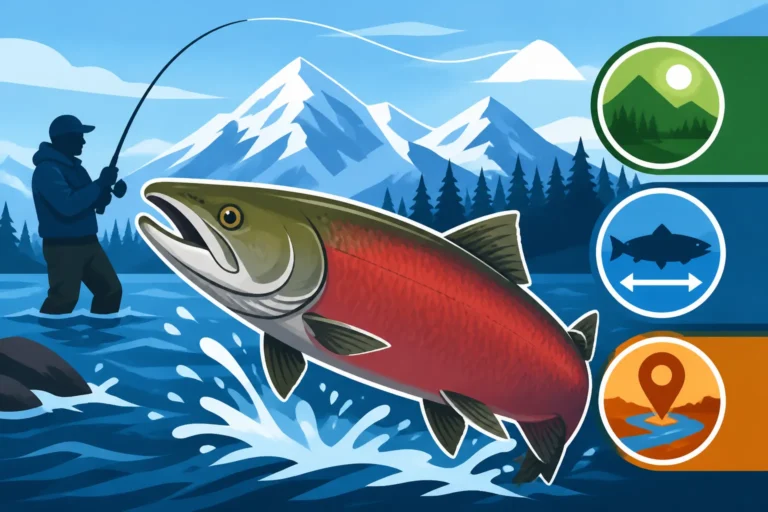
Chasing the legendary King Salmon in Alaska is a dream for many anglers, but the sheer scale of the state and the complexities of its fisheries can feel overwhelming. From deciphering ever-changing regulations to knowing exactly when and where to cast your line, it’s easy to feel lost before you even begin. This comprehensive guide is here to demystify the pursuit of the magnificent Chinook, offering a realistic look at what it takes to experience the thrill of landing Alaska's most prized sportfish.
Understanding the Magnificent King Salmon
The King Salmon, also known as Chinook salmon, is truly the crown jewel of Alaska's fisheries. Their immense size, incredible fighting spirit, and rich, delectable flesh make them a highly sought-after species by anglers worldwide. But beyond the catch, there's a fascinating biological story behind these powerful fish that contributes to their mystique.
The Biology of Chinook Salmon
Chinook salmon (scientific name: Oncorhynchus tshawytscha) are the largest and longest-lived of the Pacific salmon species. They typically spend anywhere from three to seven years in the ocean, growing to impressive sizes before returning to their natal streams to spawn. This extended ocean residence is what allows them to pack on so much weight and develop their immense power. When they enter freshwater to begin their spawning migration, their metabolism shifts, and they stop feeding, relying solely on stored energy reserves. This makes catching them in rivers a unique challenge, often requiring anglers to trigger an aggressive strike rather than a feeding bite.
The life cycle begins with eggs laid in gravel nests (redds) in freshwater rivers, often in the fall. After hatching, the tiny alevin, then fry, spend a varying amount of time in freshwater, from a few months to over a year, before migrating downstream to the ocean as smolt. During their ocean phase, they travel vast distances, feeding on smaller fish and crustaceans, rapidly increasing in size and strength. The journey back to their spawning grounds is arduous, often against strong currents and over long distances, demanding incredible endurance from these fish, making them truly remarkable creatures of the wild.
How to Identify a King Salmon
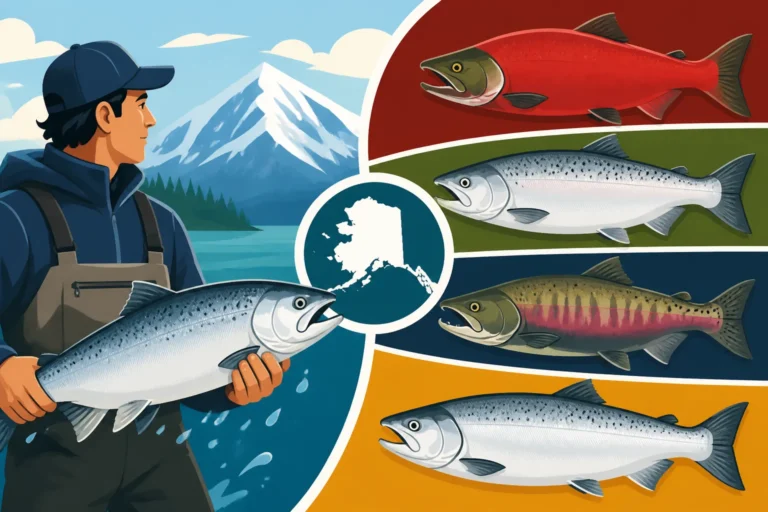
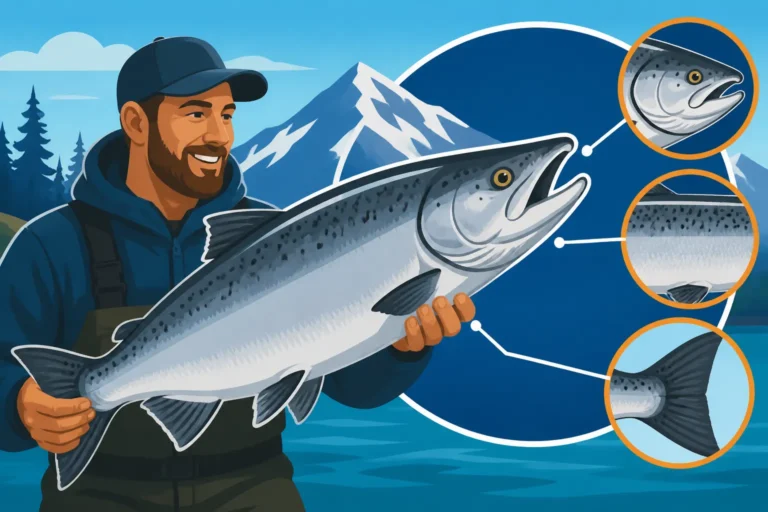
While all five species of Pacific salmon are impressive, identifying a King Salmon on the line or in the net is crucial for adherence to regulations and simply for the sheer satisfaction of knowing you've landed a Chinook. They possess several distinguishing characteristics that set them apart. The most reliable identifiers are their black gums and black spots on both lobes of their tail. Other salmon species might have black spots, but rarely on both lobes of the tail, and their gums are usually white or pale.
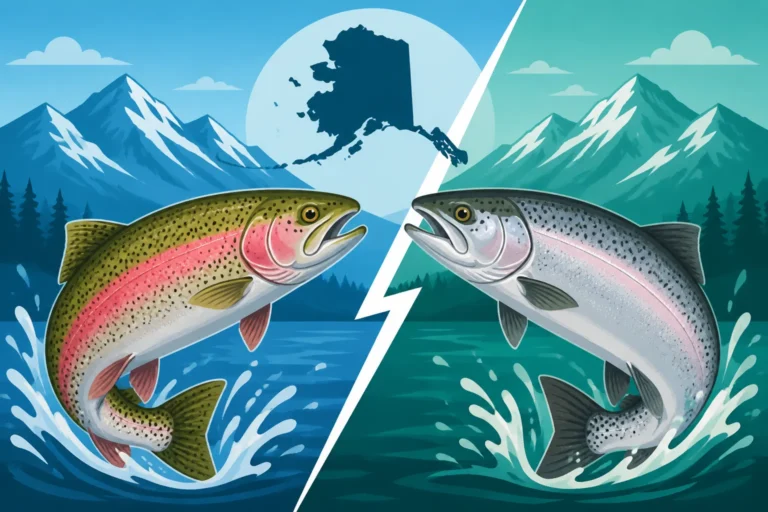
Beyond these key markings, Kings typically have a deep body, often appearing more robust and thicker than other salmon species. Their coloration in freshwater can vary, from bright silver in tidewater areas to a darker, almost bronzy or olive hue as they move further upstream and approach spawning. Their large scales and powerful tail further hint at their immense strength. It’s a good practice to become intimately familiar with these identification markers, perhaps by keeping a handy guide or even a quick reference photo on your phone, to ensure you can confidently identify your catch. Understanding the nuances of How to Identify a King Salmon will make your fishing trips much more rewarding.
The Cultural and Economic Significance
King Salmon are more than just a trophy fish; they are deeply ingrained in Alaska's cultural fabric and economy. For centuries, Alaska Native communities have relied on Chinook for subsistence, recognizing their vital role in the ecosystem and their nutritional value. Traditional harvesting methods and spiritual practices still revolve around the annual salmon runs, reflecting a profound respect for these fish. The return of the Kings signifies abundance and sustenance, connecting generations through shared traditions.
Economically, the King Salmon fishery is a massive driver for many Alaskan communities. Sportfishing charters, lodges, guides, processors, and gear retailers all benefit significantly from the annual influx of anglers seeking these magnificent fish. Towns like Homer, Seward, and Soldotna see a surge in activity during King season, with businesses catering to every aspect of a fishing trip, from providing specialized tackle to freezing and shipping catches. This economic impact is a double-edged sword, however, as it also puts immense pressure on wild stocks, leading to stringent regulations and constant monitoring by the Alaska Department of Fish and Game (ADF&G) to ensure sustainable populations for future generations.
Prime Time for Kings: Alaska King Salmon Season
Timing your trip to coincide with the King Salmon runs is perhaps the most critical factor for a successful Alaska fishing adventure. Unlike some other salmon species that might have prolonged seasons, King Salmon often have intense, shorter windows of opportunity, and these can vary significantly from one region to another. It's a dance with nature, guided by water conditions, temperature, and the mysterious rhythms of migration.
General Season Overview
While King Salmon can technically be found in some Alaskan waters as early as May and into July, the "peak" season for many of the most famous fisheries typically falls from late May through late July. This early summer period is when the largest numbers of mature Chinook are actively migrating upstream to their spawning grounds. Early season Kings, often called "early run" fish, tend to be incredibly vibrant and aggressive, having just entered freshwater from the ocean. As the season progresses into July, "late run" Kings follow, often a bit darker in coloration but still packing a powerful punch.
It’s crucial to understand that these are general guidelines. Alaska is immense, and what's happening on the Kenai River in Southcentral might be entirely different from the Nushagak River in Bristol Bay or the coastal waters near Sitka in Southeast Alaska. Monitoring Alaska Salmon Run Timing Explained is an ongoing process, as the timing can shift year to year based on environmental factors. Being flexible with your travel dates or targeting a specific regional run can greatly improve your chances of hitting the peak.
Regional Run Timings
Different regions of Alaska have distinct King Salmon run timings, and understanding these local nuances is key to planning.
- Southcentral Alaska (Kenai Peninsula, Cook Inlet rivers like Deshka, Susitna, Kasilof):
- Early Run: Often starts in mid-May, peaking in early to mid-June. These are typically smaller in number but offer a fantastic early-season challenge. Rivers like the Kasilof see a strong early run.
- Late Run: The famed Kenai River late run typically kicks off in early July and can last through the end of the month, drawing anglers from around the globe in pursuit of truly colossal Kings.
- Southeast Alaska (Sitka, Juneau, Ketchikan):
- Here, King Salmon fishing is often a more extended affair, with ocean-bright "feeder Kings" available year-round in some areas. The primary migratory runs, however, see pulses of fish entering rivers and coastal areas from late May through early July, with variations based on specific river systems.
- Bristol Bay Region (Nushagak River):
- The Nushagak boasts one of the largest King Salmon runs in the world, with its peak typically occurring from mid-June to early July. This is a shorter, incredibly intense window, and lodges along the Nushagak book up years in advance for this prime time.
- Interior Alaska (Yukon River tributaries):
- These are later runs, often peaking in July and even into August, as the fish have long distances to travel up the massive river systems. These Kings are often darker, but their sheer endurance is a testament to their incredible journey.
Knowing these regional differences helps you narrow down your target location and the best time to book your trip. For a detailed month-by-month breakdown, check out Alaska Fishing Seasons: Month-by-Month Guide.
Factors Influencing Peak Season
The exact timing and strength of a King Salmon run are influenced by a complex interplay of natural factors. Water temperature is paramount; Kings prefer cooler water for migration, so unusually warm springs can delay runs, while cooler, wetter springs might bring them in earlier. River levels also play a significant role. High, turbid water from heavy rains or snowmelt can make fishing challenging, dispersing fish and making them harder to locate. Conversely, stable, clear water can concentrate fish and improve visibility for anglers.
Ocean conditions also have a profound impact. The abundance of feed, ocean temperatures, and predation rates all affect the survival and growth of King Salmon during their years at sea. A strong forage base means bigger, healthier fish returning to spawn. Furthermore, conservation efforts and management decisions, often enacted through "emergency orders" by the ADF&G, can drastically alter fishing opportunities, sometimes closing fisheries entirely or imposing severe restrictions if run forecasts are low. Staying informed about these dynamic factors is part of the Alaskan angler's journey.
Top Fishing Spots for Alaska King Salmon
Alaska is blessed with an abundance of incredible fishing opportunities, but when it comes to King Salmon, some locations have earned legendary status. These spots consistently produce both numbers and trophy-sized fish, drawing anglers from across the globe.
Kenai River: The Legendary Waters
When most people think of Alaska King Salmon, the Kenai River often comes to mind – and for good reason. Flowing through the Kenai Peninsula in Southcentral Alaska, the Kenai holds the world record for the largest King Salmon ever caught on sport fishing gear, a colossal 97-pound 4-ounce monster landed in 1985. While fish of that size are exceedingly rare today, the Kenai still produces impressive Kings every season. The river is known for its two distinct runs: the early run in May and early June, and the famous late run in July.
Fishing on the Kenai is typically done from drift boats or powerboats, with guides expertly navigating its currents. The river's accessible roadside sections, particularly near Soldotna and Cooper Landing, also offer bank fishing opportunities, though these can be crowded during peak times. The Kenai's Kings are known for their explosive runs and dogged fights, often taking anglers on a thrilling battle. The sheer beauty of the surrounding wilderness, combined with the chance at a truly immense fish, makes the Kenai an unforgettable destination. Learn more about planning a trip to this iconic waterway in our Kenai River Fishing: Complete Guide.
Nushagak River: Wild and Abundant Kings
If numbers are what you're after, the Nushagak River in Bristol Bay is arguably the King Salmon capital of Alaska. Remote and wild, the "Nush" hosts one of the largest King Salmon runs globally, with hundreds of thousands of fish returning annually. Unlike the road-system accessibility of the Kenai, the Nushagak is primarily accessed via fly-in lodges and remote tent camps, offering a true wilderness fishing experience. The prime time here is usually a shorter, intense window from mid-June to early July, during which anglers often experience non-stop action.
The Nushagak's Kings are typically caught by trolling from jet boats or back-trolling from powerboats. The sheer volume of fish means that even an average day can result in multiple hook-ups, a stark contrast to the more challenging King fishing on some other rivers. While the individual fish might not consistently reach the gargantuan sizes of the Kenai’s record breakers, they are plentiful, aggressive, and provide an exhilarating fight. This remote fishing paradise is truly a bucket-list destination for serious King Salmon enthusiasts.
Other Productive King Salmon Fisheries
While the Kenai and Nushagak often grab the headlines, Alaska boasts many other incredible King Salmon fisheries, each offering a unique experience:
- Deshka River: North of Anchorage, the Deshka is a popular road-accessible fishery that sees a strong early King Salmon run from late May through June. It’s a favorite for anglers from the Mat-Su Valley and Anchorage looking for a quick drive to good fishing.
- Kasilof River: Located on the Kenai Peninsula, just south of the Kenai River, the Kasilof offers both drift boat and powerboat opportunities. It typically has a strong early King run in May and June, with a late run in July, often providing a great alternative if the Kenai is experiencing closures. The Kasilof is a glacial river, giving it a distinctive milky turquoise color.
- Susitna River Drainage: A vast network of rivers and tributaries, the "Susitna" system offers diverse King Salmon opportunities, from remote fly-in spots to more accessible areas near Talkeetna. These runs are generally from late May through July, depending on the specific tributary.
- Sitka, Ketchikan, and Juneau (Southeast Alaska): The protected waters and numerous islands of Southeast Alaska offer fantastic saltwater King Salmon fishing. Here, anglers often target "feeder Kings" which are actively feeding in the ocean. Charters typically troll with downriggers, and the season can be more extended, sometimes providing opportunities even outside the main freshwater runs. These areas are also popular for Best Salmon Fishing Rivers in Alaska.
Each of these locations offers a different flavor of King Salmon fishing, catering to various preferences for accessibility, wilderness experience, and angling style. Researching specific lodge or guide offerings in these areas can help you pinpoint the perfect adventure.
Mastering the Techniques for King Salmon
Catching King Salmon isn't just about luck; it's about skill, understanding fish behavior, and having the right gear. These powerful fish demand heavy tackle and proven techniques to bring them to the net. It can be frustrating to lose a monster King due to inadequate gear or a poorly executed fight, which is why preparation is key.
Essential Gear and Tackle for Kings
When you're targeting fish that can exceed 50 pounds and fight like a freight train, your gear needs to be up to the task. Skimping on tackle is a surefire way to end up with a broken heart and an empty net.
- Rods: Look for heavy-action rods, typically 8.5 to 10.5 feet long, rated for 15-40 lb line. Graphite composites offer a good balance of sensitivity and power. A strong backbone is essential to turn a King's head and keep it from running into snags.
- Reels: High-quality baitcasting reels or robust conventional reels are preferred for their drag systems and line capacity. Brands like Shimano, Daiwa, and Penn offer excellent options designed for heavy-duty salmon fishing. Make sure it can hold at least 200-250 yards of 25-40 lb monofilament or braided line.
- Line: Heavy monofilament (25-40 lb test) is a common choice for its shock-absorbing qualities. Many anglers, however, opt for braided line (50-80 lb test) for its incredible strength-to-diameter ratio and sensitivity, often pairing it with a fluorocarbon or monofilament leader. You can find durable fishing lines and other tackle on Amazon.
- Terminal Tackle: This includes heavy-duty swivels, snap swivels, and strong, sharp hooks (often 4/0 to 6/0 octopus hooks or single barbless hooks, depending on regulations). Lead weights can range from 1/2 ounce to several ounces, depending on water current and depth.
Proven Fishing Techniques
Different environments call for different strategies when pursuing King Salmon. The most effective methods usually involve getting your bait or lure directly into the fish's travel lane and triggering a reaction strike.
- Back-Trolling: A highly effective technique, especially in river systems like the Kenai and Kasilof. A boat is held against the current (or slowly moved downstream) while weighted baits or lures are deployed. The idea is to present the offering in a natural, enticing way as the boat slowly moves over known King holding water. This method allows precise control over depth and speed.
- Drift Fishing: Popular in rivers where Kings are migrating. Anglers cast weighted presentations (often cured salmon roe or artificial lures) upstream and allow them to drift naturally downstream along the river bottom, hoping to intercept a passing King. This is a very hands-on technique that requires sensitivity to detect subtle bites.
- Casting/Spin Fishing: From shore or boat, casting heavy spinners (like a Pixie or Mepps Cyclops), spoons, or large plugs across current and retrieving them can entice Kings. This is particularly effective in areas where fish are staging or actively moving.
- Jigging/Moocing: More common in saltwater environments like Southeast Alaska. Anglers use heavy jigs or bait (often herring, known as mooching) dropped deep and worked vertically to attract Kings. This can be done from anchored or slowly drifting boats. For a deeper dive into these methods, explore our guide on How to Catch King Salmon in Alaska.
Best Baits and Lures
King Salmon are notoriously picky eaters once they enter freshwater, as they largely stop feeding. Therefore, the goal of bait and lure presentation is often to provoke an aggressive, territorial strike rather than a hunger-driven bite.
- Cured Salmon Roe: Fresh, properly cured salmon eggs are arguably the most effective natural bait for King Salmon in freshwater. The scent and natural appearance can be irresistible. Many anglers have their secret curing recipes, involving borax, colored dyes, and scent additives.
- Plugs: Large, diving plugs like the Kwikfish or FlatFish, often adorned with a sardine or herring fillet, are deadly when back-trolled. The aggressive wobble and scent trail are excellent King attractors. Colors like "silver horde," "fire tiger," and "fluorescent red" are perennial favorites.
- Spinners and Spoons: Heavy-bladed spinners (e.g., Blue Fox Vibrax, Mepps Aglia) and spoons (e.g., Pixie, Little Cleo) in bright, reflective colors can be effective, especially when Kings are actively biting or feeling aggressive. The flash and vibration can trigger a reaction strike.
- Artificial Baits/Soft Plastics: Scented soft plastics, often mimicking eggs or small baitfish, can be used in combination with jigs or under floats. Brands like Pautzke and Berkley Gulp! offer effective options. When shopping for these specialized items, remembering to check availability on Amazon can often save you a trip to a local tackle shop.
- Herring (Saltwater): In saltwater, whole or cut-plug herring, trolled behind flashers or dodgers, is a top choice. The natural oils and action of herring are hard for hungry ocean Kings to resist.
Experimentation is often key, as what works one day or in one river might not work the next. Pay attention to what local guides and successful anglers are using, and don't be afraid to try different presentations.
Navigating Alaska King Salmon Regulations
Alaska's fishing regulations are a beast, constantly evolving to manage dynamic fish populations. This is especially true for King Salmon, a species under immense conservation pressure due to declining runs in some areas. Ignoring or misunderstanding these rules can lead to hefty fines, confiscation of gear, or even jail time – nobody wants that kind of souvenir!
License and King Salmon Stamp Requirements
Before you even think about casting a line for Kings, you absolutely must have the proper licensing. Every angler aged 18 or older needs an Alaska fishing license. Non-residents will pay a higher fee than residents, and licenses are available for various durations: 1-day, 3-day, 7-day, 14-day, or annual. You can easily purchase these online through the Alaska Department of Fish and Game (ADF&G) website or from licensed vendors throughout the state. Dive into the specifics with our Alaska Fishing License: Complete Guide.
However, for King Salmon, a standard fishing license isn't enough. You also need a King Salmon Stamp. This stamp, whether purchased for a single day, multiple days, or annually, is a critical component of King Salmon management. The revenue generated from these stamps directly supports King Salmon research, habitat restoration, and management programs. It's a non-negotiable item for any angler targeting or retaining a King Salmon, regardless of age (even youth under 18 must have one if they plan to keep a King). For a comprehensive breakdown, refer to our guide on Do You Need a King Salmon Stamp in Alaska. Always carry your physical license and stamp (or digital proof) with you while fishing.
Daily and Annual Bag Limits
King Salmon bag limits are among the most restrictive in Alaska, reflecting their conservation status. These limits can vary wildly by region, river system, and even by the specific week of the season.
- Daily Bag Limit: This refers to the number of King Salmon you can keep in a single day. On many rivers, this might be one King Salmon per day, often with a size restriction (e.g., a slot limit or a minimum/maximum length). For instance, the Kenai River frequently has a "one King Salmon 20 inches or greater in length" daily limit during its late run, but this can change on short notice.
- Annual Bag Limit (for Non-Residents): This is where it gets particularly tight. Non-residents often have an annual limit on the total number of King Salmon they can keep statewide in Alaska. For many years, this has been two King Salmon 20 inches or greater in length per year, regardless of how many different trips or rivers you fish. This means if you catch and keep two Kings in June on the Nushagak, you cannot keep any more Kings for the rest of the year, even if you go to the Kenai in July. Understanding your Alaska King Salmon Annual Limit for Non-Residents is critical for non-local anglers.
- Harvest Record Card: Many King Salmon fisheries require you to record your catch immediately on a physical harvest record card that comes with your license. This card is vital for management, providing real-time data on angler harvest. Failure to properly fill out and carry this card can result in citations.
Always double-check the current regulations for your specific fishing area before you go. The ADF&G website and the annual Alaska Sport Fishing Regulations booklet are your best friends.
Emergency Orders and Conservation Efforts
One of the biggest frustrations for anglers, especially those planning a trip months in advance, is the dynamic nature of Alaska's King Salmon regulations. Due to the unpredictable fluctuations in salmon returns, the ADF&G frequently issues "Emergency Orders" (EOs) throughout the season. These EOs can:
- Close a fishery entirely: If run forecasts are too low to meet spawning escapement goals.
- Reduce bag limits: From one fish to zero, or imposing stricter size limits.
- Restrict gear: Mandating single-hook, barbless hooks, or prohibiting bait.
- Alter fishing hours: Limiting the time of day you can fish.
These changes can happen with little notice, sometimes just days before or even during a planned trip. It's a necessary measure to protect the resource, but it can be disheartening if your dream King Salmon trip suddenly becomes a catch-and-release only affair, or worse, entirely closed. This dynamic management system is why staying informed is paramount. Check the ADF&G website daily for emergency orders for your specific region, or subscribe to their email alerts. Understanding Alaska Fishing Regulations Explained is a journey of continuous learning. Many guides and lodges also stay up-to-date and can provide the latest information, helping you navigate these changes.
Planning Your Epic King Salmon Adventure
An Alaska King Salmon trip isn't just a fishing excursion; it's an adventure that requires careful planning, especially when dealing with such a prized species. Deciding whether to go with a guide or try it yourself, booking accommodations, and packing appropriately can make or break your experience.
Deciding Between Guided and Unguided Trips
This is often the first major decision for aspiring King Salmon anglers, and both options have their merits.
- Guided Trips: For many, especially first-timers to Alaska, a guided trip is the recommended choice.
- Pros: Guides possess invaluable local knowledge of the rivers, fish movements, and effective techniques. They provide all the necessary gear, boat (if applicable), and often process your fish. They're also expert navigators of regulations and emergency orders. This option minimizes stress and maximizes your chances of success, making it a great way to experience What to Expect on an Alaska Fishing Charter.
- Cons: Cost is the primary drawback. Guided trips, especially for King Salmon, can be expensive, ranging from several hundred dollars for a single day trip to thousands for multi-day lodge packages. Availability can also be an issue, with prime dates booking up a year or more in advance.
- Unguided (DIY) Trips: For experienced anglers with a good understanding of fishing and navigation, a DIY trip can offer more flexibility and potentially lower costs.
- Pros: Freedom to fish on your own schedule, explore different spots, and use your preferred gear. It can be a very rewarding experience for those who enjoy the challenge of self-reliance and the thrill of discovery.
- Cons: Requires significant research into regulations, fishing spots, and suitable gear. You'll need your own transportation, tackle, and often a boat (or know where to bank fish effectively). The learning curve can be steep, and the risk of not finding fish or encountering unforeseen issues is higher. You are solely responsible for compliance with all regulations, which, as discussed, can be complex.
For King Salmon, due to their elusive nature and the specialized techniques often required, many choose at least a partially guided experience to learn the ropes before attempting a fully unguided trip.
Booking Charters and Lodges
Once you've decided on a guided approach, the next step is booking. The best King Salmon guides and lodges book up incredibly fast, often 6-18 months in advance, especially for peak season dates on famous rivers like the Kenai or Nushagak.
- Research: Look for guides or lodges with a strong reputation, excellent safety records, and positive reviews. Ask about their experience specifically with King Salmon. Look for services that are transparent about their pricing, what's included (gear, fish processing, meals, lodging), and their cancellation policies (especially regarding emergency orders or weather). The Alaska Fishing Charter Cost Explained article can help you understand the investment.
- What to Ask: Don't hesitate to ask specific questions: What is the typical group size? What kind of boats do they use? What specific techniques do they employ for Kings? How do they handle fish processing and packaging? Do they provide all the gear, or should you bring your own?
- Deposit and Confirmation: Expect to put down a significant deposit to secure your booking. Always get a written confirmation of your reservation, including dates, services, and total cost. Be clear on their refund or rebooking policy if fishing conditions change unexpectedly.
Popular King Salmon outfitters often work closely with local processors like 10th & M Seafoods or Alaskan Sweet Fish, ensuring your catch is expertly handled, frozen, and ready for shipment home.
Preparing for Your Trip: Packing and Logistics
Alaska's weather is famously unpredictable, so packing smart is paramount. You might experience sunshine, driving rain, and even snow on the same day, regardless of the season.
- Clothing: Think layers! Waterproof and windproof outer layers are non-negotiable. Quality rain gear (jacket and pants) is essential – think Helly Hansen or Grundéns, which are popular among Alaskan professionals. Wear moisture-wicking base layers (merino wool or synthetics) and insulating mid-layers (fleece or puff jackets). Gloves and a warm hat are also crucial. You might even find excellent deals on essential layering pieces and fishing apparel on Amazon.
- Footwear: Waterproof boots are a must. Knee-high rubber boots are ideal for boat fishing, while breathable, waterproof wading boots are better if you plan on bank fishing with waders. If you're using waders, good quality ones from brands like Simms or Orvis are worth the investment for comfort and durability. Do You Need Waders for Alaska Fishing provides a deeper look.
- Personal Items: Sunscreen, sunglasses (polarized are a huge advantage for spotting fish), insect repellent (the mosquitoes can be legendary), a camera, and any personal medications.
- Travel Logistics: Book flights and rental cars well in advance, especially if you're traveling during peak season. Accommodations outside of specific lodges also fill up quickly. Consider travel insurance, particularly for remote fly-in trips, as weather delays can happen. Ensure your cooler or fish box meets airline regulations if you plan to transport your catch as checked luggage.
Being prepared for all conditions means you can focus on the fishing, not on being cold, wet, or uncomfortable.
The Thrill of the Fight and Care of Your Catch
Landing a King Salmon is an experience unlike any other. They are renowned for their powerful runs, head shakes, and sheer refusal to give up. The battle is often as memorable as the catch itself, and knowing how to properly handle your fish once it's landed is crucial for both conservation and quality.
Landing and Handling a Trophy King
The moment a King Salmon hits your line, you'll know it. The initial strike is often a solid thud, followed by an immediate, unstoppable run. These fish will test your drag, your rod, and your stamina.
- Fighting the Fish: Keep your rod tip up and apply consistent pressure. Let the drag do its job; never try to muscle a King if it’s making a strong run. Pump the rod and reel down to gain line, but be ready for another surge. Be especially careful when the fish is close to the boat or shore, as this is when they often make a last, desperate dash. Many King Salmon are lost right at the boat or bank due to premature netting or gaffing.
- Landing Safely: Once the fish is tired and at the boat, a large, deep-hooped landing net is preferred, especially for smaller to medium Kings. For truly giant fish, or if regulations permit, a careful gaff shot to the head by an experienced guide can be necessary to secure the fish quickly and minimize stress. Always prioritize safety for both the angler and the fish.
- Handling for Release: If you're practicing catch and release (which is often mandatory for Kings, especially for non-residents after their annual limit is met), minimize the fish's time out of water. Use wet hands or gloves to avoid removing their protective slime coat. Remove the hook gently with pliers or a de-hooker. If the fish is exhausted, hold it gently in the current, supporting its belly, until it regains strength and can swim away on its own. This ethical approach ensures the future of the fishery. Alaska Catch-and-Release Best Practices offers valuable guidance.
Field Care and Preservation of Your Catch
If you're lucky enough to keep a King Salmon, proper field care immediately after landing is crucial for maintaining the quality of its prized meat. King Salmon flesh is known for its rich, red color and high oil content, making it excellent for grilling, baking, and smoking.
- Bleeding: The first step after landing a King is to bleed it immediately. This involves making a cut to the gills or severing the caudal artery near the tail. Bleeding helps to remove blood from the flesh, resulting in cleaner, better-tasting meat with a longer shelf life.
- Cooling: Once bled, the fish should be placed in a cooler filled with ice as quickly as possible. Rapid cooling prevents bacterial growth and maintains the firmness and flavor of the meat. Many charter boats have large fish holds packed with ice for this purpose.
- Transport to Processor: As soon as possible, transport your fish to a reputable fish processor. In popular fishing towns like Homer, Seward, or Soldotna, you’ll find several excellent processing facilities, such as JDock Seafood Company. These facilities will expertly fillet, portion, vacuum seal, and flash freeze your catch, preparing it for its journey home.
Neglecting these immediate steps can significantly compromise the quality of your hard-earned catch.
Shipping Your Alaskan Treasure Home
Bringing your frozen King Salmon home is the final logistical hurdle, but with proper planning, it's a smooth process. Most fish processors offer shipping services, making it incredibly convenient.
- Processor Services: They will package your vacuum-sealed, frozen fish into airline-approved, insulated fish boxes (typically 50lb capacity). They'll often coordinate directly with airlines for cargo shipments or prepare it for you to check as luggage.
- Airline Regulations: If you plan to check your fish box as luggage, be aware of airline weight and size restrictions. Most airlines allow standard coolers as checked baggage, but they must be properly secured and labeled. Overweight charges can apply, so weigh your box before heading to the airport.
- Shipping Options: For larger quantities or for those who prefer not to deal with it at the airport, processors can ship your fish directly to your home via FedEx or UPS. This is usually more expensive but offers peace of mind. Ensure your home address can receive frozen goods promptly upon delivery. Alaska Fish Processing and Shipping Home Rules covers this in more detail.
Arriving home with a cooler full of perfectly preserved Alaska King Salmon is the ultimate culmination of an unforgettable fishing adventure, a delicious reminder of the thrill and challenge of pursuing these magnificent fish.
Disclaimer
The information provided in this guide is for general informational purposes only and is subject to change. Alaska fishing regulations, including licensing requirements, bag limits, and seasons, are highly dynamic and frequently updated by the Alaska Department of Fish and Game (ADF&G) through emergency orders. Always consult the official ADF&G website and current Alaska Sport Fishing Regulations booklet or app for the most up-to-date and specific rules pertaining to your intended fishing location and time before heading out. Failure to comply with regulations can result in significant penalties.