Best Combat Fishing Spots in Alaska
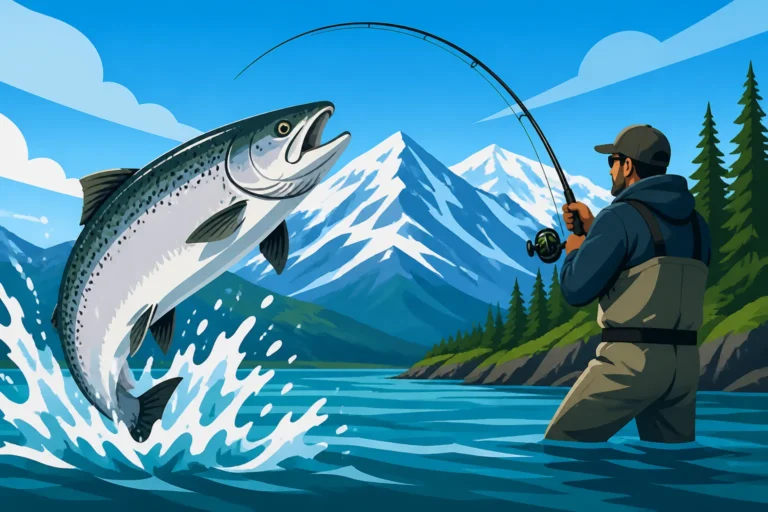
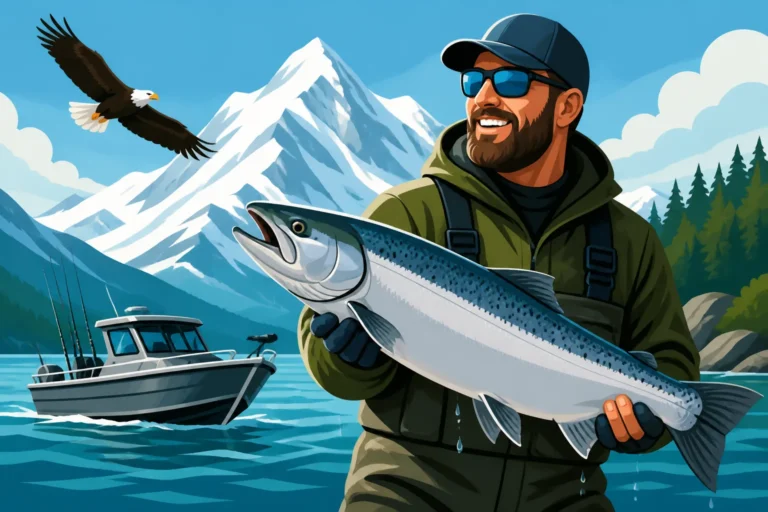
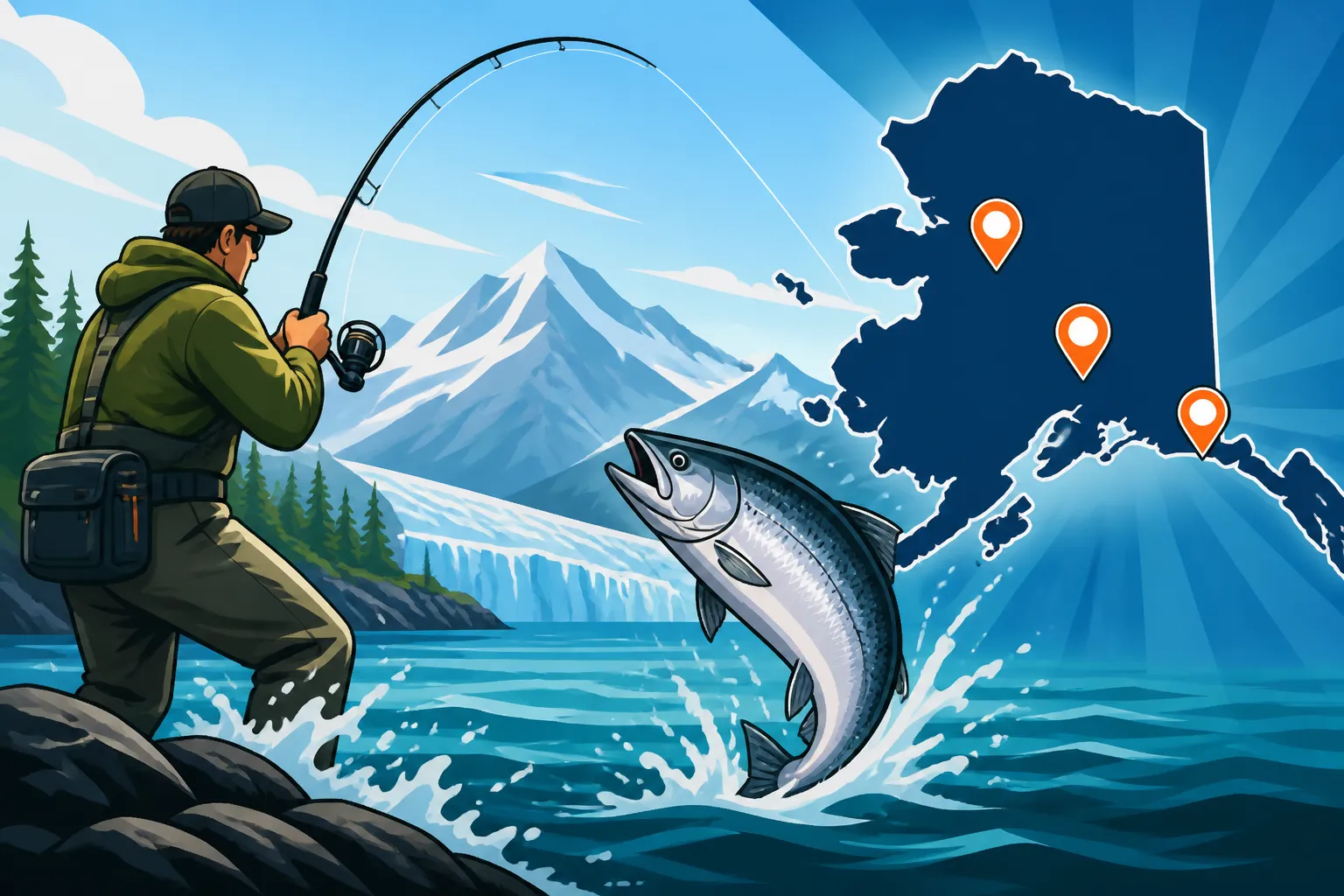
You’ve pictured it: the vast, untamed Alaskan wilderness, a pristine river flowing, and a magnificent salmon on the end of your line. It’s an intoxicating image, but the reality for many seeking the thrill of an Alaskan salmon run often involves a very different scene: shoulder-to-shoulder anglers, a symphony of splashing, yelling, and lines crossing. This intense, high-energy environment is affectionately (or sometimes begrudgingly) known as "combat fishing." It can be overwhelming if you're not prepared, but it's also where some of the most memorable and productive fishing experiences happen. This guide will walk you through the most iconic combat fishing spots in Alaska, offering honest insights and practical strategies to help you navigate the crowds and come out on top, ensuring your Alaskan fishing adventure is legendary, not legendary for tangles!
Understanding Alaska's Combat Fishing Phenomenon
Before we dive into the specific battlegrounds, let's unpack what combat fishing really means in Alaska. It’s not just about crowds; it’s about a unique blend of abundant fish, limited access, and passionate anglers all converging on the same prime locations. It's an experience that can test your patience but also forge incredible memories and stories.
Why the Crowds Gather
The simple truth behind Alaska's combat fishing scenes boils down to two undeniable factors: incredible fish runs and concentrated access points. During peak salmon runs, millions of fish funnel into specific rivers and streams, migrating upstream to spawn. These are not just any fish; we're talking about King Salmon, the revered Chinook, and the incredibly numerous Sockeye Salmon, also known as Reds, which draw anglers from around the globe. When these massive numbers of fish hit specific choke points – narrow river bends, rapids, or confluence areas – they create a bottleneck.
Combine this natural phenomenon with Alaska's relatively sparse road system, and you end up with a limited number of accessible riverbanks and popular fishing holes. Everyone wants a piece of the action, and who can blame them? When the Sockeye are running thick on the Kenai River, it can feel like you could walk across their backs. This sheer volume, coupled with easy access for those driving up from Anchorage or staying in nearby towns like Soldotna or Cooper Landing, inevitably leads to the infamous shoulder-to-shoulder scenarios. It’s a classic supply-and-demand situation: high demand for fish, limited access points, and the natural timing of a salmon run.
The Thrill and the Challenge
Combat fishing isn't for the faint of heart, but it offers a unique thrill that keeps anglers coming back year after year. There's an undeniable energy in the air when hundreds of people are focused on the same goal. When someone yells "Fish on!" a collective buzz goes through the crowd, and you can feel the shared anticipation. Landing a fish in a tight spot, navigating other lines, and successfully bringing your salmon to shore against the current and the crowds, feels like a true accomplishment. It’s a testament to skill, patience, and a bit of luck.
However, it's also incredibly challenging. Tangled lines are a rite of passage, patience wears thin, and sometimes, elbows get nudged. You have to be assertive yet respectful, quick-witted, and prepared for constant interaction with your fellow anglers. For some, this competitive camaraderie is part of the fun – a shared struggle and triumph. For others, it's a test of their limits. But one thing is for sure: if you're looking for a quiet, solitary wilderness experience, combat fishing probably isn't it. If you're looking for an unforgettable, high-octane fishing adventure with a good chance of filling your cooler, read on!
Prime Locations for Alaska Combat Fishing
Alaska boasts several legendary spots where combat fishing isn't just common; it's practically an institution. These are the places where the salmon runs are so epic, and the accessible fishing grounds so prime, that anglers flock by the hundreds, sometimes thousands.
The Kenai River's Lower Sections
When most people think of "combat fishing" in Alaska, the Kenai River almost immediately comes to mind, especially its lower sections near Soldotna during the Sockeye Salmon runs. The Kenai is world-renowned for its massive salmon, particularly its legendary King Salmon, but it's the Sockeye that truly draw the crowds. During the peak of the second Sockeye run, typically mid-July to early August, vast schools of bright red Sockeye pack into the lower Kenai.
Anglers line the banks for miles, often casting just feet from each other. The primary technique here is "flipping for Sockeye," a specialized form of drift fishing where you cast a weighted leader and a small, unbaited fly (often called a "Flyslinger" or similar pattern) upstream, allowing it to drift naturally into the mouths of the upstream-swimming Sockeye. It requires precision, quick reflexes to set the hook, and a good deal of finesse to avoid tangles in such close quarters. The sheer number of fish means that, even with the crowds, success rates can be incredibly high. Just remember to be vigilant about your Alaska Kenai River Sockeye Recording Rules and be aware of your daily and annual bag limits as detailed in the Alaska Sockeye Daily Limit by River. If you're planning a trip specifically for this, our guide on Kenai River Sockeye Fishing Guide offers even more in-depth advice.
The Russian River Confluence
Another iconic combat fishing hotspot is the Russian River, particularly its confluence with the Kenai River. This area, nestled within the Chugach National Forest near Cooper Landing, is famous for its early Sockeye run, typically from mid-June to mid-July. Unlike the lower Kenai, access to the confluence area is strictly managed. You'll often have to park a good distance away and take a shuttle bus to the fishing grounds, which helps control the number of people, but certainly doesn't eliminate the crowds.
Once there, you'll find a dedicated "combat zone" where anglers stand elbow-to-elbow, focused intently on the moving Sockeye. The same "flipping" technique is dominant here, and the rules are very specific, often requiring single, barbless hooks. The concentration of fish is astounding, and the vibrant red Sockeye are a sight to behold. There’s a true sense of community among the regulars, but newcomers need to quickly learn the rhythm and unspoken rules to avoid frustrating their neighbors. Knowing the Alaska Combat Fishing Rules on the Russian River beforehand is absolutely critical for a smooth experience, and our Russian River Sockeye Fishing Guide can help you prepare.
Copper River Dipnetting (Chitina & Miles Lake)
While not "rod-and-reel" combat fishing in the traditional sense, the Copper River's personal-use dipnet fisheries at Chitina and Miles Lake are arguably the epitome of high-volume, communal fishing intensity. These areas are reserved exclusively for Alaska residents participating in a personal-use fishery, where the goal is to harvest large quantities of Sockeye and King Salmon for subsistence or personal consumption. Anglers use large, long-handled dipnets to scoop fish directly from the river.
The scene at Chitina, especially at the bridge crossing the Copper River, is truly unique. Hundreds of Alaskans will line up, waiting their turn to descend rickety platforms or navigate rocky shores, all wielding massive nets. It’s physically demanding, often requiring long hours and strong arms, but the rewards can be enormous. Families come together, setting up makeshift camps, creating a bustling, almost festive atmosphere amidst the hard work. Similarly, Miles Lake (a little further upriver) offers another dipnetting opportunity, often requiring a boat to access prime spots. Before you even think about joining this unique Alaskan tradition, you must understand the Alaska Dip Netting Regulations and secure the necessary permits. Our article on Alaska Personal Use Fishing Explained will give you a comprehensive overview of how these fisheries operate, and specifically for this region, checking Alaska Chitina Dip Netting Regulations is essential.
Ship Creek in Downtown Anchorage
Right in the heart of Alaska's largest city, Ship Creek offers an accessible and often surprisingly productive combat fishing experience, particularly for King and Coho Salmon. While it might not match the sheer numbers of the Kenai or Russian, its urban setting makes it incredibly popular, especially for those looking for a quick fishing fix without a long drive. During the King Salmon run (May-July) and later for Coho (August-September), the banks of Ship Creek, right near the famous Ship Creek bridge, can get packed.
Anglers fish shoulder-to-shoulder, casting into the tidal waters. The fishing here is heavily influenced by the tides, and knowing when to go is crucial. When the tide is pushing in, bringing fresh salmon into the system, the action can be fast and furious. It's a fantastic spot for beginners or those without a boat, offering a taste of Alaskan fishing excitement just steps from downtown amenities. Expect a mix of locals and tourists, all vying for space. For more details on this truly unique urban fishery, be sure to check out our Ship Creek Fishing in Downtown Anchorage guide.
Strategies for Success in Crowded Waters
Successfully navigating a combat fishing scenario isn't just about luck; it's about preparation, technique, and mindset. You can absolutely enjoy these high-energy environments and come home with a cooler full of fish if you approach them strategically.
Mastering Techniques for Tight Spaces
In a crowded fishing spot, your casting and retrieval techniques need to be precise and efficient. Wild, uncontrolled casts are a recipe for tangles and frustration. For Sockeye fishing on rivers like the Kenai or Russian, mastering the "flip" or short, accurate cast is paramount. Instead of a long, overhead cast, you'll learn to gently lob your line a short distance upstream, allowing it to drift naturally. This minimizes the risk of snagging lines upstream or downstream.
Once your line is in the water, paying close attention to your drift is key. You need to read the water, understand how the current is moving your gear, and adjust to match the speed of the other anglers. A quick, decisive hook-set is vital when a fish hits, followed by an efficient fight to bring the fish in quickly. This minimizes the time your struggling fish spends creating chaos among other lines. Learn to communicate with your neighbors – a simple "fish on!" alerts others to your situation, and often, experienced anglers will reel in to give you space. It's a shared dance, and everyone benefits when the steps are known.
Gear Selection for the Fray
Having the right gear is crucial for combat fishing. You need equipment that is robust enough to handle powerful Alaskan salmon, but also manageable in tight quarters. A medium-heavy spinning rod, typically 8.5 to 10.5 feet long, paired with a sturdy reel spooled with 20-30 lb braided line, is a common setup. Braided line offers excellent sensitivity for detecting subtle bites and strong hook-sets, which is a huge advantage.
Beyond your rod and reel, consider practical accessories. A long-handled net is invaluable for quickly landing a fish without leaving your spot or needing assistance. A fish stringer or a cooler close at hand will help you secure your catch immediately, preventing it from flopping around. In Alaska's unpredictable weather, good rain gear is non-negotiable – think durable, waterproof-breathable jackets and pants, not flimsy ponchos. You'll be standing in damp conditions, possibly in the rain, for hours. Check out our Alaska Fishing Gear and Tackle Guide for a more comprehensive list, and specifically for clothing, our guides on Best Waders for Alaska Fishing and Best Rain Gear for Alaska Fishing offer excellent advice on staying dry and comfortable.
Etiquette and Mental Preparation
Perhaps the most important "gear" you can bring to combat fishing is a positive attitude and a strong grasp of etiquette. Crowded conditions can quickly become frustrating if everyone isn't on the same page. Remember, everyone there wants to catch fish, just like you.
- Patience is a Virtue: You will get tangled. It's not a question of if, but when. Approach it calmly, work with the other angler, and untangle your lines without anger.
- Respect Space: Even if it's tight, try to maintain as much personal space as possible. Don't cast over someone else's line intentionally.
- Communicate: A clear "Fish on!" or "Need help with a tangle here!" goes a long way.
- Share the Knowledge: If you see a newcomer struggling, offer a helpful tip, rather than a frustrated sigh.
- Mind Your Fish: Once you've landed a fish, quickly dispatch it and move it off the active fishing line. Don't leave it flopping on the bank to disturb other anglers or attract wildlife.
Mentally preparing for the crowds and potential challenges will make your experience far more enjoyable. Embrace the energy, focus on your technique, and you'll find combat fishing can be an incredibly rewarding Alaskan adventure.
Safety and Practicalities in High-Volume Fishing
Even in crowded areas, Alaska is still wild, and certain practicalities and safety concerns need to be addressed. Being prepared isn't just about catching fish; it's about having a safe and enjoyable trip.
Bear Awareness in Crowded Areas
It might seem counterintuitive, but even in areas bustling with hundreds of people, bear awareness remains critically important. Salmon rivers are prime feeding grounds for both brown (grizzly) and black bears, and they often ignore human presence when their primary food source is abundant. In combat fishing zones, especially on rivers like the Kenai and Russian, bears are frequently observed feeding on salmon.
The presence of many anglers can even exacerbate the issue, as discarded fish carcasses, unattended coolers, and food scraps become powerful attractants. Always store food securely, pack out all your trash, and be mindful of where you clean your fish. It's wise to carry bear spray and know how to use it, even if you’re surrounded by people. Make noise, especially if you're moving through dense brush to access a spot. Never approach or feed a bear. Being proactive and educated on How to Fish Safely Around Alaska Bears is essential for every angler in Alaska, regardless of how many other people are around you. Your vigilance is key, as the bears don't distinguish between a solitary angler and one in a crowd.
Essential Logistics and Planning
Successful combat fishing isn't just about technique; it's also about meticulous planning. Alaska's regulations are complex and can change frequently via emergency orders, so staying informed is crucial.
- Licenses and Stamps: First and foremost, you need an Alaska Fishing License: Complete Guide. If you're targeting King Salmon, you'll also need a King Salmon Stamp. Don't assume you can just show up and buy one on the spot, though many tackle shops do carry them. It's best to secure these online in advance.
- Regulations: Each river and species has specific rules regarding bag limits, gear restrictions (e.g., single hook, no bait), and open seasons. Familiarize yourself with the Alaska Fishing Regulations Explained for your chosen fishing spot. Pay particular attention to Alaska Emergency Orders Explained, which can change daily and impact closures or limits.
- Timing: Knowing the salmon run timing is everything. While it's combat fishing, hitting the peak of the run versus a lull can mean the difference between non-stop action and a slow day. Research specific run forecasts for the river and species you're targeting.
- Access and Parking: Some popular spots, like the Russian River, require shuttles or have limited parking. Plan to arrive early, especially on weekends, to secure a spot.
- Booking Resources: For guided options or detailed information on specific locations and their requirements, resources like FishingBooker can be incredibly helpful. You can often find listings for charters that specialize in navigating these popular rivers, and their descriptions often include vital logistical details, license advice, and what to expect. This can save you a lot of headache in preparing for a trip.
Being prepared with all your permits, knowing the rules, and understanding the logistics will allow you to focus on the fishing, rather than scrambling for information or risking a violation.
Exploring Alternatives to Combat Fishing
While combat fishing offers undeniable excitement and a high chance of success, it’s certainly not for everyone. If the thought of elbow-to-elbow angling sounds less like a dream and more like a nightmare, Alaska still offers countless opportunities for a more serene and solitary fishing experience.
Guided Trips for a More Controlled Experience
One of the best ways to escape the madness of the most crowded spots, while still maximizing your chances of catching fish, is to book a guided fishing trip. A good guide isn't just there to help you catch fish; they're experts in local waters, regulations, and managing the overall experience. They often have access to less-pressured stretches of river, private bank access, or operate drift boats that can put you in prime spots away from the shore-bound crowds.
Guides also provide all the necessary gear, bait, and local knowledge, removing much of the logistical stress. Imagine stepping onto a drift boat on the Kenai River, having your guide navigate you to quiet bends where the fish are still plentiful, but the only other sounds are the rushing water and the call of an eagle. While it's an investment, the value in terms of a less stressful, more personalized, and often more productive experience can be immense. When looking for a guide, platforms like FishingBooker are excellent resources for comparing options, reading reviews, and booking with reputable outfitters. They make it easy to find everything from Alaska Halibut Charter Guide options out of Homer to specialized salmon guides on the Kenai. Our comprehensive guide on How to Choose an Alaska Fishing Charter will give you excellent tips on selecting the right one for your adventure, and you can also weigh the pros and cons in our Guided vs Unguided Fishing in Alaska comparison.
Seeking Out Less Pressured Waters
If you're a DIY angler who prefers solitude, Alaska has vast stretches of wilderness waiting to be explored. You just need to be willing to venture beyond the easily accessible road system. This could mean targeting smaller, less-known rivers and streams that might not have the massive runs of the main arteries but offer a peaceful experience with plenty of eager fish like Rainbow Trout, Dolly Varden, or Arctic Grayling. These spots often require more research, map reading, and sometimes a bit of hiking to reach.
For the ultimate escape, consider a fly-in fishing trip. Numerous remote lodges and charter services specialize in flying anglers into pristine, untouched lakes and rivers. Imagine being dropped off by a floatplane on a remote lake in Bristol Bay, surrounded by towering peaks, with not another soul in sight, and aggressive Rainbow Trout or Silver Salmon hitting your fly every cast. These trips offer an unparalleled wilderness experience and are completely devoid of "combat" scenarios. While they come with a higher price tag, the memories of pure Alaskan solitude are priceless. Explore options like those found in our Best Fly-In Fishing in Alaska guide to start dreaming up your next uncrowded adventure. It’s a completely different kind of challenge and reward, but one that truly embodies the spirit of wild Alaska.
Comparison of Key Combat Fishing Spots
To help you visualize the different combat fishing experiences, here's a quick comparison of some of Alaska's most renowned crowded fishing locations.
| Spot | Primary Target Fish | Peak Season | Typical Technique | Crowd Level | Notes |
|---|---|---|---|---|---|
| Kenai River (Lower) | Sockeye Salmon | Mid-July to early August | Flipping, drift fishing | Very High | Iconic "combat zone" with shoulder-to-shoulder anglers. Known for massive Sockeye runs. Requires precision casting and good etiquette. Mandatory bear safety briefings are often in place, especially near areas like the Russian River confluence. |
| Russian River Confluence | Sockeye Salmon | Mid-June to mid-July | Flipping | Extremely High | Highly regulated access (shuttle required). Intensely focused fishing in a confined area. Excellent Sockeye numbers, but requires strict adherence to rules and high patience levels. |
| Chitina (Copper River) | Sockeye, King Salmon | June to July | Dipnetting | High | A unique personal-use fishery for Alaska residents with permits. Physically demanding, but yields high volumes of fish. A strong community atmosphere. Requires specific permits and knowledge of Alaska Dip Netting Regulations. |
| Ship Creek (Anchorage) | King, Coho Salmon | May-July (King), Aug-Sept (Coho) | Spin fishing, fly fishing | Moderate to High | Urban fishery right in downtown Anchorage. Very accessible, tide-dependent. Can get crowded, especially during King Salmon runs. Great for a quick trip or for beginners. |
Disclaimer
The information provided in this guide is for general informational purposes only and does not constitute legal or professional advice. Fishing regulations in Alaska are subject to change frequently due to emergency orders issued by the Alaska Department of Fish and Game. Always consult the most current official Alaska Sport Fishing Regulations booklet and check for any emergency orders before you head out on your fishing trip. Failure to comply with regulations can result in fines and penalties. Fishing in the wilderness carries inherent risks, including encounters with wildlife. Always prioritize safety and be prepared for changing conditions.