Kenai River Fishing: What to Know Before You Go
Planning an unforgettable fishing trip to Alaska, especially to a legendary river like the Kenai, can feel like an overwhelming task. With so many regulations, prime seasons, and specific techniques to master, it's easy to get lost in the details before you even cast a line. This comprehensive guide is designed to cut through the confusion, offering you an insider's look at what truly matters for a successful and enjoyable Kenai River fishing adventure.
Understanding the Kenai: A River Like No Other
The Kenai River isn't just a river; it's an icon. Its reputation precedes it, drawing anglers from all corners of the globe, and for good reason. But with that fame comes a certain level of mystique and, frankly, a lot of specific knowledge you'll need to navigate its waters successfully. It's a truly special place, but it demands respect and preparation.
Why the Kenai River Stands Out
What makes the Kenai River so legendary? Well, for starters, it holds the world record for the largest King Salmon ever caught on sportfishing gear – a staggering 97-pound monster! But it's more than just trophy fish. The Kenai boasts incredible runs of all five species of Pacific salmon, often in numbers that boggle the mind, particularly the massive Sockeye runs that draw thousands of anglers to its banks each summer. The sheer volume of fish and the dynamic ecosystem, winding through diverse landscapes from glacial lakes to tidal flats, creates an unparalleled fishing experience. However, this popularity means it's also one of the most heavily regulated and sometimes crowded rivers in Alaska. You can't just show up with any old gear and expect to bend a rod; you need to understand the nuances of this powerful waterway.
Key Sections of the River
The Kenai River is typically broken down into three distinct sections, each offering a unique fishing experience and set of challenges:
- The Upper Kenai (Kenai Lake to Skilak Lake): This stretch, originating from Kenai Lake and flowing into Skilak Lake, is often considered the most scenic and least developed section accessible by road. It’s a pristine, swift-moving river, perfect for drift boat fishing for Rainbow Trout and Dolly Varden, especially in the clear waters below Kenai Lake. When the salmon are running, particularly Sockeye and Coho, they push through here, offering exciting action. Access can be tricky, with fewer public access points, and motorboats are restricted in much of this area, preserving a more tranquil, wilderness feel. This section is highly favored by fly anglers.
- The Middle Kenai (Skilak Lake to the Soldotna Bridge): After emerging from Skilak Lake, the river widens and slows somewhat, though still maintaining a strong current. This is perhaps the most famous and heavily fished section, particularly around Cooper Landing and down to Soldotna. It's here you'll find numerous boat launches, lodges, and guide operations. The middle river is renowned for its incredible Sockeye salmon fishing, especially around the Russian River confluence where "combat fishing" for Sockeye is a common, albeit intense, experience. King Salmon also stage and spawn in this area, attracting significant attention. This section sees a mix of drift boats, powerboats (with horsepower restrictions in certain areas), and bank anglers.
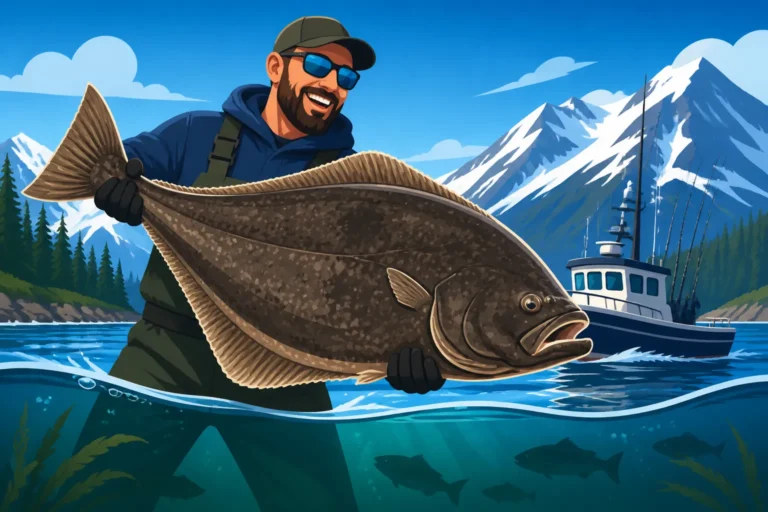
- The Lower Kenai (Soldotna Bridge to Cook Inlet): Below the Soldotna Bridge, the Kenai River becomes wider, deeper, and slower, influenced heavily by the tides of Cook Inlet. This section is primarily fished from powerboats, often targeting King Salmon and Halibut in the lower tidal zones, and eventually all species of salmon as they push upstream. Public access points are more common here, including popular spots within the cities of Soldotna and Kenai. The fishing here can be fantastic, but navigating the tides and understanding where the fish are holding in the broad river requires local knowledge or a good guide.
The Kenai's Prized Catches: What You'll Find and When
The Kenai River is truly a salmon factory, but it's also home to robust populations of resident fish that offer fantastic angling opportunities. Knowing what's biting and when is crucial for planning your trip.
Salmon Species and Their Runs
Alaska is famous for its salmon, and the Kenai is a prime example. You'll find distinct runs of most Pacific salmon species throughout the summer months.
- King Salmon (Chinook): The undisputed heavyweight champion, King Salmon are what many anglers dream of catching on the Kenai. There are typically two distinct runs:
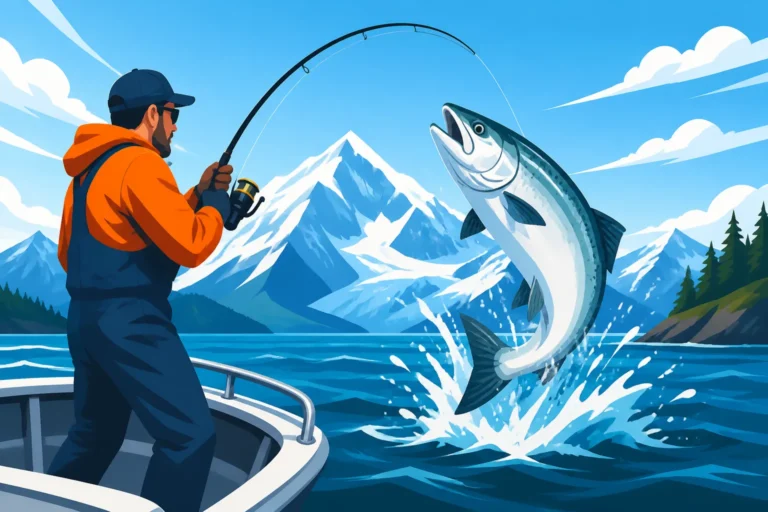
- First Run (Late May to Early July): These Kings are fewer in number but tend to be larger, often in the 30-50 pound range, with some true giants. Fishing often involves back-trolling plugs like Kwikfish or Brad's Killers, or back-bouncing cured salmon roe. Early season King fishing can be feast or famine, but when you connect, it's an epic battle. You'll definitely want to understand the current Alaska King Salmon Fishing Regulations and Limits as they can be quite dynamic.
- Second Run (Mid-July to Early August): This run usually brings a higher volume of fish, though they might average slightly smaller than the first run. The second run sees intense pressure, especially in the lower and middle river. Bait, particularly cured roe, is a favorite, alongside various lures. The Alaska Department of Fish and Game (ADF&G) closely monitors these runs, and emergency orders can change limits or even close fisheries without much notice, so always check before you go. To learn more, check out our guide on how to catch King Salmon in Alaska.
- Sockeye Salmon (Red): While not as large as Kings, Sockeye are legendary for their fighting spirit and incredible table fare. The Kenai River is home to two of the largest Sockeye runs in the world:
- First Run (Late May to Early July): Similar to the Kings, this earlier run is smaller but offers good opportunities.
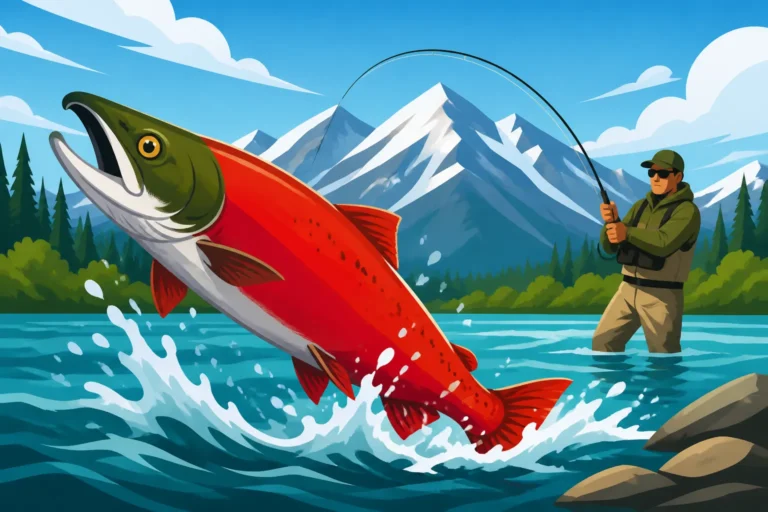
- Second Run (Mid-July to Early August): This is the main event! Millions of Sockeye flood the Kenai, turning portions of the river crimson with their numbers. This is where "flossing" or "combat fishing" becomes a rite of passage for many Alaskan anglers, especially on the Kenai and Russian rivers. While it can be crowded, the sheer volume of fish means incredible action. Knowing the Alaska Sockeye Salmon Limits on the Kenai is absolutely critical, as they can change daily based on escapement counts. For techniques, refer to our guide on how to catch Sockeye Salmon in Alaska.
- Coho Salmon (Silver): Silvers are known for their acrobatic fights and aggressive takes.
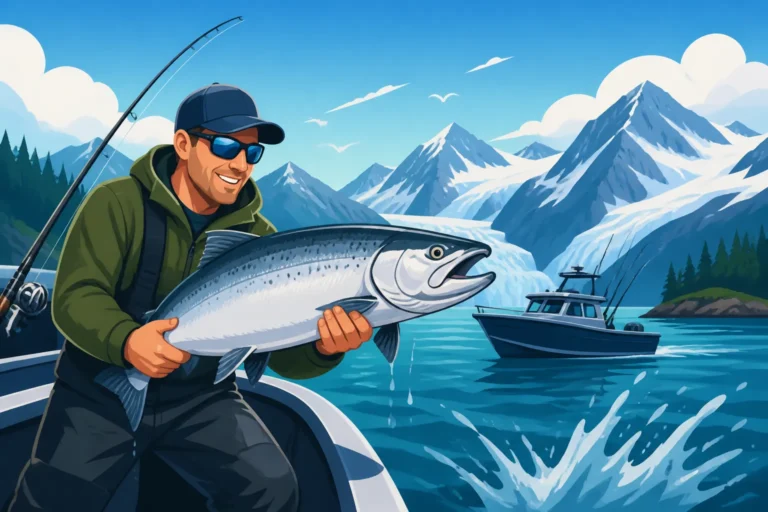
- Run Timing (Mid-August through September): As the King and Sockeye runs wane, the Coho arrive, offering a fantastic late-season opportunity. They are incredibly fun to catch on spinners, plugs, or flies. They readily hit a variety of presentations, making them a favorite for many. Guides often drift cured roe under a float or cast spinners in prime holding water. Our guide on how to catch Silver Salmon in Alaska offers more insights.
- Pink Salmon (Humpy): These smaller, feisty salmon show up in even-numbered years (e.g., 2024, 2026).
- Run Timing (Late July to Late August): While not as prized for eating as other salmon (they are often canned or smoked), Pinks offer non-stop action, especially for families or beginners. They're aggressive biters and can be caught on small spinners, flies, or spoons.
- Chum Salmon (Dog): Less sought after for their meat, Chum salmon are powerful fighters.
- Run Timing (July to August): Chums are often caught incidentally while targeting other species. They are strong, making for exciting fights, and can be caught on large flies, spinners, or bait.
Here's a quick overview of the general salmon run timing on the Kenai River:
| Species | Peak Run Timing (General) | Key Characteristics | Primary Fishing Method |
|---|---|---|---|
| King Salmon | Late May – Early July (1st run) | Largest, trophy potential, powerful fight | Back-trolling, back-bouncing bait |
| King Salmon | Mid-July – Early August (2nd run) | More numerous, slightly smaller average size | Back-trolling, back-bouncing bait |
| Sockeye Salmon | Late May – Early July (1st run) | Smaller run, excellent fighters, great eating | Flossing, fly fishing with beads/flies |
| Sockeye Salmon | Mid-July – Early August (2nd run) | Massive run, "combat fishing," incredible action | Flossing, fly fishing with beads/flies |
| Pink Salmon | Late July – Late August (Even Years) | Abundant, aggressive, good for beginners/families | Spinners, spoons, flies |
| Coho Salmon | Mid-August – September | Acrobatic fighters, aggressive, excellent table fare | Spinners, plugs, flies, drift fishing bait |
| Chum Salmon | July – August | Strong fighters, often incidental catch | Large flies, spinners, bait (less common) |
Keep in mind that exact timing can vary year to year based on weather, water levels, and fish abundance. Always consult the ADF&G website for the latest Alaska Salmon Run Timing Explained and emergency orders.
Resident Fish and Trout Fishing
Beyond the salmon, the Kenai River system is teeming with fantastic resident fish populations. These offer a different kind of challenge and a chance to escape the salmon crowds, especially if you're into fly fishing.
- Rainbow Trout: The Kenai River is world-renowned for its truly enormous Rainbow Trout. These wild, native rainbows grow to incredible sizes, feeding heavily on salmon eggs and flesh during and after the salmon spawns.
- Season: While present year-round, the best trout fishing is typically from late August through October, after the Sockeye and King salmon have spawned. They also offer great fishing in the spring as they feed on juvenile salmon and insects.
- Techniques: Fly fishing with egg patterns, flesh flies, and various nymphs is incredibly effective. Spin anglers can also find success with beads and small spinners, though fly fishing is often the preferred method, especially in catch-and-release only areas. The Kenai's clear waters in the upper sections are prime trout habitat.
- Dolly Varden: Often mistaken for Arctic Char, Dolly Varden are another beautiful and aggressive char species found throughout the Kenai.
- Season: Like Rainbow Trout, Dolly Varden thrive in the colder months and feed heavily during the salmon spawns. They are also active during the summer.
- Techniques: They'll readily hit many of the same patterns as Rainbow Trout – egg patterns, small flesh flies, and even small spoons or spinners. They are often found in the same waters as trout and can provide excellent action, particularly for anglers who love to sight-fish.
Navigating Kenai River Regulations and Essential Gear
One of the biggest hurdles for any angler, especially those new to Alaska, is understanding the complex web of regulations. The Kenai River, being such a productive and popular fishery, has some of the most specific and frequently changing rules in the state. Couple that with the need for reliable gear, and preparation becomes paramount.
Deciphering Kenai-Specific Rules
The Alaska Department of Fish and Game (ADF&G) manages sportfishing in Alaska, and their regulations booklet is your bible. However, the Kenai often has additional specific rules and emergency orders.
- Emergency Orders (EOs): This is perhaps the most critical thing to understand. Due to the dynamic nature of salmon runs, ADF&G frequently issues Emergency Orders that can change bag limits, open or close fisheries, or alter legal gear types, sometimes daily. A common scenario is when King Salmon returns are low; the fishery might close, or bait might be prohibited to reduce incidental catch. You MUST check the ADF&G website or call their hotline daily before fishing. These EOs supersede the regulations booklet. Learn more about how to check Alaska Emergency Orders Before Fishing.
- Gear Restrictions: The Kenai River has specific rules about hooks, lines, and bait. For instance:
- Barbless Hooks: Generally required in many areas, particularly for salmon. Always assume barbless unless explicitly stated otherwise.
- Single Hooks: During certain King Salmon closures or periods of low returns, only single hooks might be allowed.
- Bait Restrictions: Bait (like cured roe) is a powerful attractant, but it's often restricted or completely prohibited during certain times or in specific sections of the river, especially for King Salmon to protect wild stocks. For example, the upper Kenai River often has bait prohibitions.
- Two-Pole Fishing: While possible in some parts of Alaska, it's generally not allowed in the most popular salmon fisheries on the Kenai without a specific stamp and adherence to strict rules.
- Harvest Record Card: For species like King Salmon and sometimes specific trout, you'll need to record your catch immediately on your Alaska Harvest Record Card, which comes with your fishing license. Failing to do so is a common violation.
- Russian River Combat Fishing: The confluence of the Kenai and Russian rivers is famous for its Sockeye fishing, but it's also notorious for its crowds and strict rules. Anglers often stand shoulder-to-shoulder, "flossing" for Sockeye. There are specific rules about how you can fish, the types of leaders, and even how far you can step into the river. Respecting personal space and knowing the specific Alaska Combat Fishing Rules on the Russian River is paramount here.
- Retention vs. Catch & Release: Some areas, particularly for larger Rainbow Trout or during sensitive salmon periods, are strictly catch-and-release. Always check the regulations for the specific area and species you're targeting. For detailed information, consult the full Alaska Fishing Regulations Explained guide.
Must-Have Gear and Local Tips
Being prepared with the right gear can make or break your Kenai River experience. Alaska weather is notoriously unpredictable, often serving up all four seasons in a single day.
- Waders and Rain Gear: This is non-negotiable. You absolutely need good quality, breathable waders (chest waders are best) and sturdy wading boots. Rivers are cold, and you'll be getting wet. A top-tier waterproof and windproof rain jacket and pants are also essential. Brands like Simms, Orvis, and Patagonia are popular among serious anglers for their durability and performance. Don't skimp on this – being cold and wet will ruin your trip faster than anything else.
- Layered Clothing: Think layers, layers, layers. A good base layer (wool or synthetic), a mid-layer for insulation (fleece or puff jacket), and your waterproof outer shell are key. Temperatures can swing wildly from chilly mornings to warm afternoons, then back to cold and rainy.
- Rod and Reel Setups:
- For Salmon: A medium-heavy to heavy action spinning or baitcasting rod (8.5 to 10.5 feet) with a strong, smooth reel spooled with 30-50 lb braided line is standard for Kings and Sockeye. You'll need stout gear to handle these powerful fish in swift current.
- For Trout: A lighter spinning rod (7-8 feet, medium action) with 10-20 lb braid or monofilament, or a 6-8 weight fly rod for fly anglers, will be perfect.
- Terminal Tackle: Bring a good assortment of lures (spinners like #5 Vibrax, Pixee spoons), plugs (Kwikfish, FlatFish), plenty of lead weights (pencil lead for drift fishing, bell sinkers for other methods), swivels, and a variety of hooks (single, barbless if possible, in various sizes). If bait is legal, a good supply of cured salmon roe is invaluable.
- Essentials: A good fishing vest or pack, pliers, line clippers, a net (knotless, rubberized preferred to protect fish), polarized sunglasses, sunscreen, insect repellent (mosquitos can be fierce), a camera, and plenty of water and snacks.
- Local Tackle Shops: Support local businesses! Stores like Kenai River Tackle Shop in Soldotna or The Sportsman's Warehouse in Anchorage can provide up-to-the-minute advice on what's working, current regulations, and any specific tackle you might need. They're also great places to buy your Alaska Fishing License: Complete Guide and stamps.
Planning Your Kenai Adventure: Logistics and Local Wisdom
Beyond the fish and the rules, a successful Kenai trip involves careful planning of where you'll stay, how you'll get around, and whether you'll hire a guide. Making these decisions upfront can save you headaches and maximize your time on the water.
Guided vs. Unguided: Making the Choice
This is often one of the biggest dilemmas for first-time visitors to the Kenai. Both options have their merits.
-
Guided Fishing (Pros):
- Expert Knowledge: A professional guide lives and breathes the Kenai. They know where the fish are, what they're biting on, and how to navigate the ever-changing regulations and emergency orders.
- Equipment Provided: Guides typically supply all necessary gear, bait, and tackle, which saves you the hassle and expense of bringing or buying specialized equipment.
- Safety: They know the river's hazards and can operate safely, especially in swift currents or tidal areas.
- Technique Coaching: Guides can teach you the specific techniques needed for Kenai fish, like "flossing" for Sockeye or back-trolling for Kings.
- Boat Access: Many prime fishing spots are best accessed by boat, which guides provide.
- Fish Processing: Many guides will help you clean and bag your catch at the end of the day.
-
Guided Fishing (Cons):
- Cost: Guides are an investment. A full-day trip can range from $250-$400+ per person, depending on the species and duration.
- Less Freedom: You're on the guide's schedule and fishing methods.
- Crowds (Sometimes): Popular guides fish popular spots, which can still mean sharing the water.
-
Unguided Fishing (Pros):
- Flexibility & Freedom: You fish when and where you want, trying different spots and techniques at your leisure.
- Cost Savings: No guide fees, which can significantly reduce the overall trip cost.
- Adventure: There's a certain thrill in figuring things out on your own and finding success.
-
Unguided Fishing (Cons):
- Steep Learning Curve: Without local knowledge, you might spend a lot of time searching for fish or struggling with techniques.
- Gear Requirement: You'll need to bring or rent all your own gear, including a boat if you plan on water access.
- Safety Concerns: Navigating a powerful river like the Kenai without experience can be dangerous.
- Regulation Confusion: Staying on top of emergency orders and specific rules can be challenging.
For many first-timers, a guided trip, at least for a day or two, is highly recommended to get a lay of the land and learn the ropes. Websites like Alaska Fishing Charters: Complete Guide can help you research options. If you're looking to book a guided trip, services like FishingBooker can be an excellent resource for finding reputable Kenai River fishing guides and comparing their offerings and availability. They streamline the process, allowing you to focus on the excitement of the trip rather than the logistics of finding a trustworthy captain.
Accommodations, Access, and Avoiding Crowds
The Kenai Peninsula offers a wide range of accommodation options, from rustic campgrounds to luxurious lodges. Popular towns like Cooper Landing, Sterling, and Soldotna serve as hubs for anglers.
- Lodges & Hotels: These offer comfort and convenience, often with amenities like fish processing services. Many lodges are all-inclusive, providing meals, guides, and sometimes even flights.
- Vacation Rentals: Options like cabins or houses through sites like Airbnb or VRBO can be great for groups or families, offering kitchen facilities to cook your catch.
- Camping: Numerous state and federal campgrounds are available, especially around Kenai Lake and Skilak Lake, offering a more rustic and budget-friendly experience. Some popular spots fill up fast, so reserve well in advance.
- Public Access Points: The Kenai River has various public access points for bank fishing, but they can get extremely crowded during peak salmon runs. Popular spots include the Russian River ferry, Bing's Landing, and the access points in Soldotna.
- Avoiding "Combat Fishing": While some embrace the elbow-to-elbow experience of the Russian River, many prefer a more serene fishing environment. To avoid the worst of the crowds:
- Fish during weekdays: Weekends are always busier.
- Go during off-peak times: The early morning or late evening often sees fewer people.
- Target resident fish: Trout and Dolly Varden fishing can be excellent when salmon crowds are at their peak.
- Hire a guide for boat access: Guides can take you to less-pressured spots that are inaccessible from shore.
- Consider "fly-out" trips: While expensive, these can take you to remote, uncrowded rivers for unparalleled wilderness fishing, though not directly on the Kenai.
- Explore other Kenai Peninsula rivers: The Kasilof River, just south of the Kenai, offers excellent King and Sockeye fishing with typically fewer crowds, and it's less regulated. For more ideas on where to cast your line, check out our guide to the Best Fishing Spots on the Kenai Peninsula.
When booking your trip, especially if you plan to rely on a charter, using a platform like FishingBooker can help you select guides who specialize in different experiences, from the busy main stem to more secluded tributaries, helping you avoid the dreaded combat fishing if that’s not your style. They allow you to filter by location, species, and even boat type, ensuring you find the right fit for your ideal Alaskan adventure. Remember to book accommodations and guides well in advance, especially for July and August trips; many top operations are booked a year or more out. A little foresight in planning will lead to a much smoother, more enjoyable experience when you finally get to cast a line in the mighty Kenai. Knowing the Best Time to Fish in Alaska can also inform your booking decisions.
Disclaimer
The information provided in this guide is for general informational purposes only and is subject to change. Alaska fishing regulations, including emergency orders, can change rapidly. Always consult the latest Alaska Department of Fish and Game regulations and emergency orders before heading out to fish. Fishing involves inherent risks; always prioritize safety on the water.