Is Kodiak Good for Fishing in Alaska
Thinking about planning an Alaska fishing trip can feel overwhelming, especially when trying to pinpoint the best destination among so many incredible options. Many anglers wonder if Kodiak truly lives up to its legendary reputation for fishing, or if it's just a name synonymous with bears. This comprehensive guide is designed to cut through the confusion, offering a realistic, in-depth look at what makes Kodiak Island a prime fishing locale and how you can experience its unparalleled angling opportunities.
Why Kodiak is a Premier Fishing Destination
Kodiak Island, often called the "Emerald Isle" of Alaska, isn't just about its famous brown bears; it's a colossal hub for some of the most diverse and robust fishing found anywhere in the state. From its rugged coastline to its pristine freshwater lakes and rivers, Kodiak offers an angling experience that can satisfy everyone from the seasoned pro to the casual family fisher. The sheer abundance of fish species, combined with breathtaking scenery, sets it apart.
Geographic Advantage and Abundance
Kodiak's unique geography plays a huge role in its fishing prowess. It's the largest island in Alaska and the second-largest in the United States, offering an incredible variety of habitats. You've got deep fjords, rocky shorelines, expansive bays, and numerous freshwater systems, all contributing to a rich ecosystem. The island sits in a sweet spot where nutrient-rich waters from the Pacific Ocean converge, creating a food source that supports massive populations of both marine and anadromous fish. This means prolific salmon runs and incredible saltwater opportunities for species like halibut and rockfish.
Unlike some more road-accessible fishing areas on the mainland, much of Kodiak remains wild and remote. This relative inaccessibility (outside of the main city of Kodiak) helps maintain the health of fish stocks, reducing overall fishing pressure in many areas. While the city of Kodiak itself has plenty of options, venturing out, often by floatplane or boat, opens up truly untouched fishing grounds that few get to experience. This remoteness can be a logistical challenge, but it pays off with incredible fishing.
Diverse Species for Every Angler
When you think of Alaska fishing, you likely picture salmon, and Kodiak does not disappoint. All five species of Pacific salmon—King (Chinook), Sockeye (Red), Coho (Silver), Pink (Humpy), and Chum (Dog)—make their way to Kodiak's rivers and streams. But the bounty doesn't stop there. The surrounding saltwater is teeming with giant Pacific halibut, lingcod, and various rockfish, including the prized yelloweye. For freshwater enthusiasts, Dolly Varden, resident rainbow trout, and even steelhead runs in some systems offer exciting alternatives to salmon.
This incredible diversity means that no matter what kind of fishing you're passionate about, Kodiak likely has an option for you. If you want to battle a powerful King Salmon in a river, cast flies for Sockeye, or jig for a monster halibut offshore, Kodiak provides. It's truly a destination where you can create a multi-species fishing adventure, often combining freshwater and saltwater pursuits in a single trip. The variety keeps things exciting and offers a great fallback if one specific fishery is having an off-year.
Top Fishing Opportunities in Kodiak
Kodiak offers a smorgasbord of fishing opportunities, each with its own peak season and unique charm. Knowing what to target and when can help you plan the ultimate trip to this Alaskan fishing mecca. Whether you're casting from shore or venturing out on a charter, the island delivers.
Chasing Giant Halibut and Lingcod
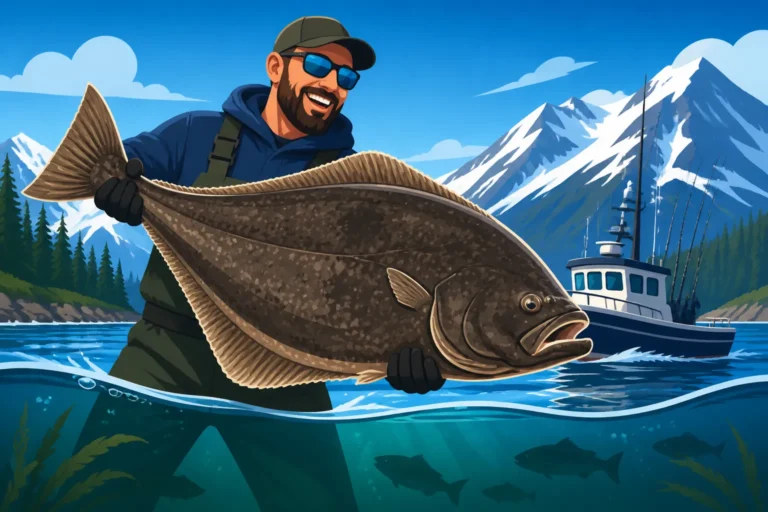
When it comes to saltwater fishing, halibut reigns supreme around Kodiak. The waters surrounding the island are legendary for producing enormous "barn door" halibut, some weighing well over 100 pounds. Halibut fishing typically kicks off in May and continues strong through September, with peak season often being late June through August. Anglers usually head out on charters to offshore banks and deeper channels, often using heavy gear, large baits like herring or salmon heads, and jigs. It's a true test of strength and endurance, and the reward is not just an incredible fight but also some of the best-eating fish available.
Lingcod, with their prehistoric looks and aggressive strikes, are another highly sought-after species in Kodiak's saltwater. They often hang around rocky structures and underwater pinnacles, providing a thrilling fight. Lingcod season typically runs from July through December, with prime fishing during the summer months. Like halibut, they respond well to jigs and large baits fished near the bottom. Many charters offer combination trips, allowing you to target both halibut and lingcod in the same day, maximizing your chances for a diverse cooler full of fish. Remember to check the current Alaska Halibut Fishing Regulations and Limits before you go, as rules can change seasonally.
Salmon Runs: From Kings to Silvers
Kodiak is synonymous with salmon, and its rivers and bays see strong runs of all five Pacific species. The timing of these runs is crucial for planning your trip.
- King Salmon (Chinook): The prized Kings typically begin arriving in June, with runs continuing into early July. Rivers like the Karluk and Ayakulik are historically famous for their King Salmon, though some smaller streams also see good numbers. Early season Kings are vibrant, powerful fighters. Anglers often target them with back-trolling plugs, drift fishing roe, or casting large spinners. Understanding Alaska King Salmon Fishing Regulations and Limits is critical due to conservation efforts.
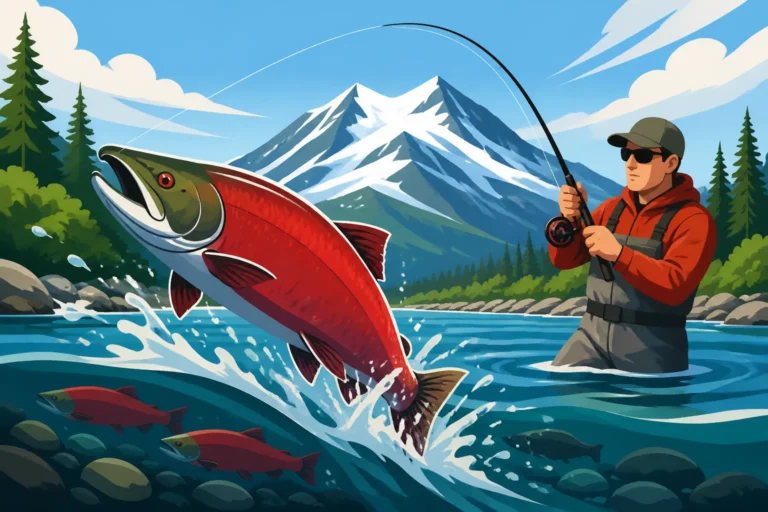
- Sockeye Salmon (Red): Known for their incredible fight and delicious red meat, Sockeye flood into Kodiak's rivers from late June through July. The Karluk and Ayakulik Rivers are also fantastic for Sockeye, as are many smaller, un-named streams. Sockeye are notoriously challenging to catch on traditional lures due to their primarily plankton-based diet; anglers often use techniques like "flossing" or small flies. For detailed information on specific rivers, check out the Alaska Sockeye Salmon Fishing Regulations and Limits.
- Pink Salmon (Humpy): These are the most numerous salmon species, typically showing up in huge numbers during even-numbered years (their two-year life cycle). They arrive in late July and August, providing fast-paced action, especially for light tackle or fly fishing. Almost every stream on Kodiak will see Pink Salmon.
- Chum Salmon (Dog): Also arriving in July and August, Chums are powerful fighters and often underestimated. They are excellent for smoking and canning. You'll find them in many of the same rivers as Pinks.
- Coho Salmon (Silver): Silver Salmon are a favorite for many, known for their aggressive strikes, acrobatic jumps, and willingness to chase lures and flies. Their runs typically start in late August and continue strong through September, often extending into October. Rivers like the Buskin, Pasagshak, and Olds River are popular Coho spots near the city of Kodiak. Be sure to review Alaska Coho Salmon Fishing Regulations and Limits before targeting these beauties.
Knowing the prime windows for each species is key to a successful salmon trip. You can also consult an "Alaska Salmon Run Timing Explained" guide to help plan your multi-species adventure.
Freshwater Trout and Dolly Varden
While salmon and halibut often steal the spotlight, Kodiak's freshwater systems offer excellent fishing for resident species. The island's numerous lakes and rivers are home to feisty rainbow trout and an abundance of Dolly Varden, a char species that often follows salmon into the rivers to feast on their eggs and smolt.
Fishing for these species can be fantastic from late spring through fall. In spring, as ice recedes, hungry trout and Dollies are eager to strike spinners, spoons, or flies. During the summer salmon runs, they are easily caught using egg patterns or flesh flies, mimicking the natural food sources. After the salmon have spawned, these fish will continue to feed on leftover eggs. Lakes like Buskin Lake and Sargent Creek offer easily accessible opportunities near the city of Kodiak, while countless remote lakes and streams accessed by floatplane provide incredible wilderness experiences. These fisheries offer a great change of pace and are particularly good for fly fishing.
Planning Your Kodiak Fishing Adventure
A trip to Kodiak requires a bit more logistical planning than some other Alaskan destinations, but the effort is well worth the reward. From deciding how to fish to ensuring you have the right gear, preparation is key.
Choosing Between Guided and Unguided Fishing
Deciding between a guided trip and going it alone is one of the first big choices you'll face in Kodiak.
- Guided Charters: For halibut, lingcod, and many saltwater salmon fisheries, a guided charter is almost essential. Local captains possess invaluable knowledge of the best fishing grounds, current regulations, and effective techniques. Many reputable operations, which you can often find listed on platforms like FishingBooker, specialize in Kodiak waters. They provide all the necessary gear, safety equipment, and often include fish processing services. If you're looking for a hassle-free experience with the best chance of success, especially for offshore species, a charter is the way to go. You can learn more about What to Expect on an Alaska Fishing Charter to better prepare.
- Unguided Fishing: For freshwater salmon, trout, and Dolly Varden, unguided fishing can be a rewarding experience, particularly if you have some wilderness experience and are comfortable with self-reliance. Road-accessible rivers near the city, like the Buskin River, offer decent bank fishing opportunities. However, the truly exceptional unguided fishing often involves flying out to remote cabins or camping spots via floatplane. This requires careful planning for gear, food, safety, and bear precautions. Always let someone know your itinerary if you're venturing into remote areas.
Many anglers choose a hybrid approach, booking a day or two of saltwater charter fishing and then spending other days exploring freshwater spots on their own. This gives you the best of both worlds.
Logistics: Travel, Accommodation, and Gear
Getting to Kodiak typically involves flying from Anchorage. Alaska Airlines offers multiple daily flights to Kodiak (Kodiak Airport code: KOD). Once on the island, you'll need transportation. Rental cars are available, but given the rugged terrain and limited road system outside the immediate city, many opt for taxis, shuttles, or relying on their lodge or charter service for transport.
Accommodation options range from hotels and motels in Kodiak city to remote fishing lodges and cabin rentals accessible by boat or floatplane. If you're planning a trip during peak season (June-August), it's highly advisable to book flights, lodging, and charters well in advance – often 6-12 months out. Services like FishingBooker can assist in finding and booking reputable charters and lodges, streamlining the planning process.
When it comes to gear, packing layers is crucial for Alaska's unpredictable weather. Waterproof rain gear, warm clothing (even in summer), sturdy waterproof boots, and good quality fishing waders are essential. Most charters provide fishing rods, reels, and tackle, but if you're going unguided, you'll need to bring your own. For specifics, consult a detailed Alaska Fishing Gear and Tackle Guide. Don't forget bug spray, sunscreen, a hat, and polarized sunglasses. And remember, you'll need an Alaska Fishing License: Complete Guide, which can often be purchased online before your trip or at local vendors upon arrival.
Best Times to Fish Kodiak
The "best" time to fish Kodiak really depends on what you want to catch. Here's a general overview, but always check specific run timings and emergency orders closer to your travel dates, as these can vary year to year.
| Month | Primary Targets | Notes |
|---|---|---|
| May | Halibut, Lingcod (late), Resident Trout, Dolly Varden | Halibut season opening, good for bottom fish. Rivers opening up after ice-out. |
| June | King Salmon (early), Sockeye Salmon (late), Halibut, Rockfish | Exciting start to King runs, Sockeye beginning, prime halibut fishing. |
| July | Sockeye Salmon (peak), Pink Salmon (even years), Chum Salmon, Halibut, Lingcod | Peak Sockeye action, massive Pink runs in even years, consistent halibut and bottom fish. |
| August | Coho Salmon (early/peak), Pink Salmon, Chum Salmon, Halibut, Lingcod, Resident Trout | Strong Coho runs begin, continued Pink/Chum action, excellent for saltwater bottom fish. |
| September | Coho Salmon (peak), Resident Trout, Dolly Varden, Halibut (late) | Prime Coho fishing, fewer crowds, great for resident freshwater species, end of halibut season. |
For an even more detailed breakdown, you might find an Alaska Fishing Seasons: Month-by-Month Guide helpful to align your travel dates with your target species.
Making the Most of Your Kodiak Trip
A fishing trip to Kodiak is more than just catching fish; it's an immersive experience in one of Alaska's most wild and beautiful places. To truly appreciate it, consider a few extra tips and activities.
Respecting Wildlife and the Environment
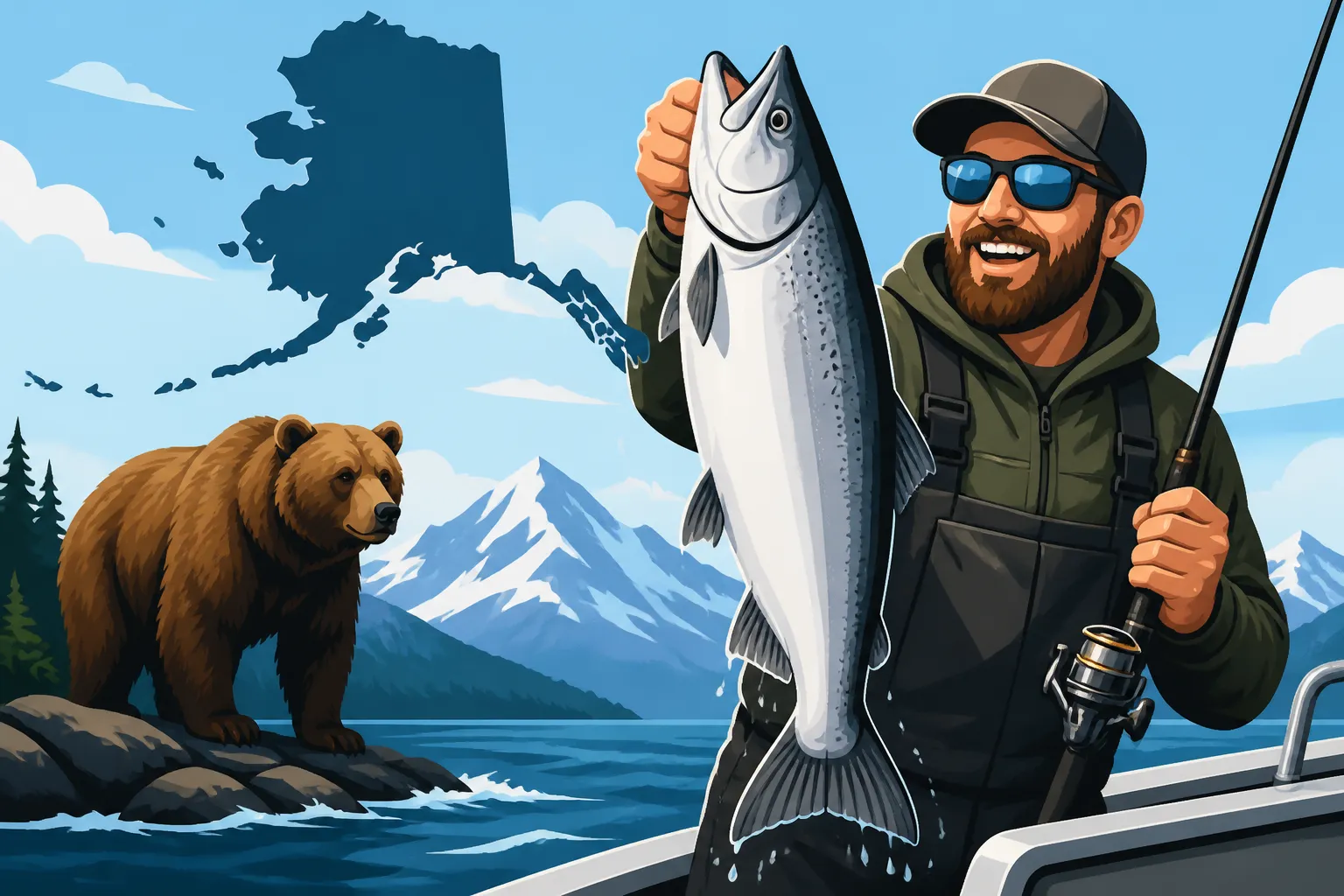
Kodiak Island is home to the Kodiak brown bear, the largest subspecies of brown bear in the world. While incredible to witness from a safe distance, it's crucial to be "bear aware" at all times, especially when fishing remote rivers. Make noise while hiking, carry bear spray, and know how to use it. Never leave food or fish scraps unattended. The local Alaska Department of Fish and Game (ADF&G) provides excellent resources on bear safety.
Beyond bears, Kodiak's ecosystem is fragile. Practice "Leave No Trace" principles, pack out everything you pack in, and dispose of fish waste responsibly according to local regulations. Many fishing lodges and guides on FishingBooker are excellent stewards of the environment and can provide guidance on ethical angling practices. It's our collective responsibility to preserve this incredible wilderness for future generations.
Exploring Kodiak Beyond Fishing
While fishing is undoubtedly the main draw, Kodiak Island offers a wealth of other activities that can enrich your trip. The city of Kodiak itself has a fascinating history. Visit the Alutiiq Museum to learn about the indigenous culture, or explore the Baranov Museum, housed in the oldest standing Russian structure in Alaska. The Kodiak National Wildlife Refuge offers opportunities for wildlife viewing, including the famous bears, various bird species, and marine mammals like sea otters and seals.
For outdoor enthusiasts, hiking trails around Fort Abercrombie State Historical Park offer stunning coastal views and historical insights. Kayaking and paddleboarding in sheltered bays can provide a different perspective of the island's beauty. Many lodges also offer wildlife viewing tours, giving you a chance to see whales, puffins, and other incredible Alaskan creatures up close. Don't underestimate the sheer beauty of the island itself; even a scenic drive can be an adventure.
Preparing Your Catch for the Journey Home
Once you've landed your prize fish, the next step is getting it home in prime condition. Most reputable charters and lodges, including those found through services like FishingBooker, offer fish processing services. This typically includes filleting, vacuum-sealing, and flash-freezing your catch. This process ensures the quality of your fish is maintained.
You'll then typically transport your frozen fish in insulated, airline-approved fish boxes. Airlines have specific regulations regarding the weight and type of packaging for frozen seafood, so it's always best to check with your chosen airline in advance. Depending on the amount of fish you catch, shipping it via air cargo might be a more cost-effective or convenient option than carrying it as checked baggage. Many local processors in Kodiak city also offer shipping services, making it easy to send your catch directly to your doorstep.
Final Verdict: Is Kodiak Good for Fishing?
Absolutely, without a doubt, Kodiak is an exceptional destination for fishing in Alaska. It consistently ranks among the top spots for both its incredible variety of species and the sheer volume of fish. Whether your dream is to battle a massive halibut, fill your cooler with five species of salmon, or enjoy peaceful days fly-fishing for trout in a remote stream, Kodiak delivers. The island's wild beauty, diverse ecosystems, and rich fishing grounds make it a bucket-list destination for any serious angler. The blend of accessible fishing near the city and truly remote, fly-out experiences offers something for every type of adventurer. Just remember to plan ahead, respect the wilderness, and get ready for an unforgettable Alaskan fishing experience!
Disclaimer
The information provided in this guide is for general informational purposes only and is subject to change. Fishing regulations, seasons, and local conditions in Alaska can vary significantly and are often updated by the Alaska Department of Fish and Game through emergency orders. Always consult the most current official regulations and local authorities before planning or embarking on any fishing trip.