Is Seward Good for Fishing in Alaska
Oh, the age-old question that keeps many an angler up at night: "Is Seward good for fishing in Alaska?" If you're pondering a fishing adventure in the Last Frontier, you've likely seen Seward pop up on your radar, and for good reason. Planning a trip to Alaska can feel overwhelming with so many legendary fishing destinations to choose from, each promising a bounty of fish. But let me tell you, when it comes to a comprehensive, accessible, and often incredibly productive fishing experience, Seward stands out as an absolute gem. This guide will dive deep into exactly why Seward is not just "good" but truly exceptional for fishing, covering everything from the species you'll encounter to the best ways to tackle its bountiful waters.
Why Seward Shines as an Alaska Fishing Destination
Seward isn't just a picturesque port town nestled at the head of Resurrection Bay; it's a vibrant hub for some of Alaska's most sought-after fishing. Many anglers arrive with high expectations, hoping to fill their coolers and create lifelong memories, and Seward rarely disappoints. Its unique geographical location and rich marine ecosystem contribute to a fishing experience that's hard to beat.
Gateway to Resurrection Bay and Beyond
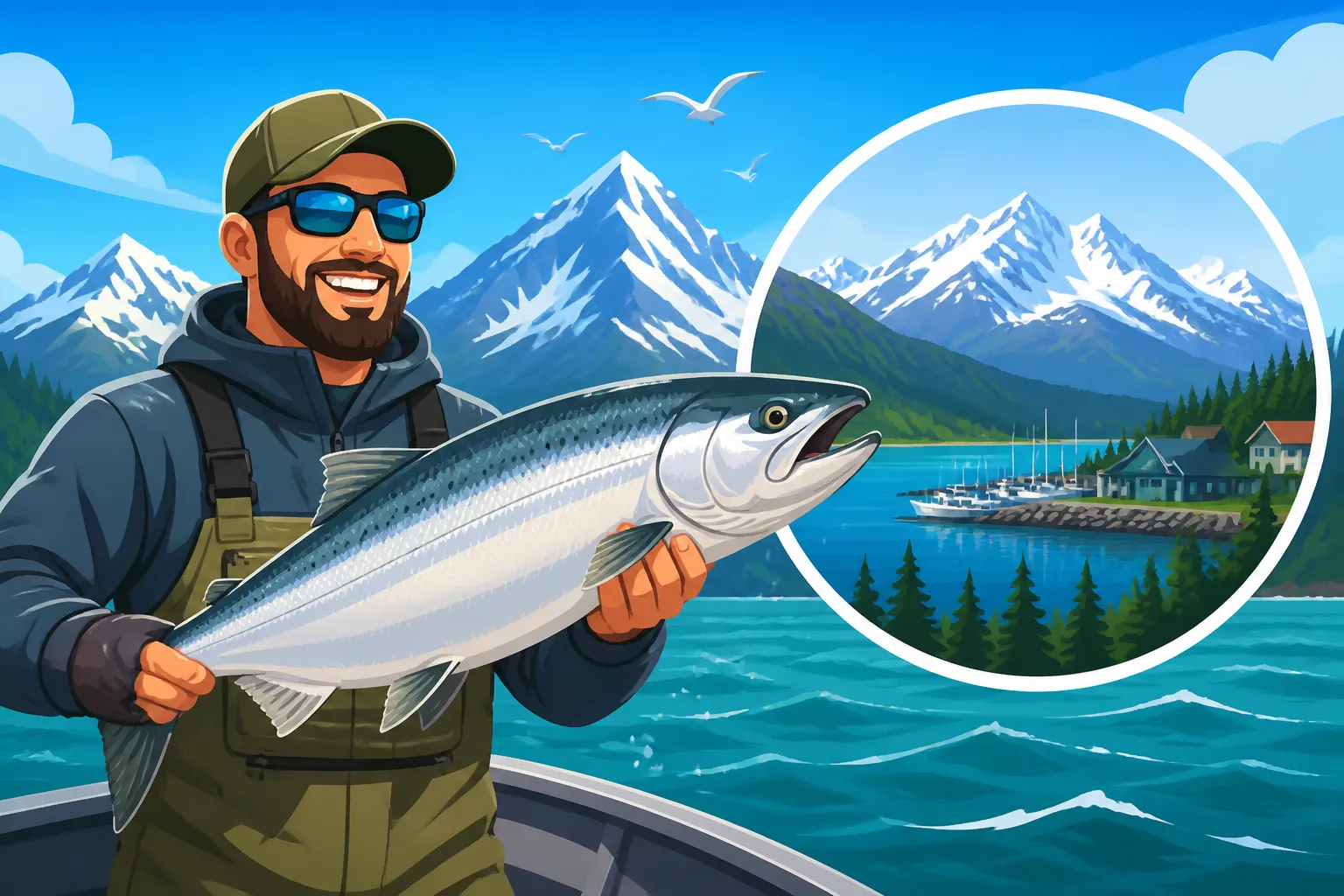
The true magic of Seward lies in its immediate access to Resurrection Bay, a deep, glacially carved fjord that opens directly into the Gulf of Alaska. This isn't just any bay; it's a nutrient-rich environment teeming with baitfish, which in turn attracts larger predatory species. Think of it as a natural funnel for fish moving between the open ocean and various spawning grounds. The bay itself offers incredible opportunities for saltwater fishing, but it also serves as a launching point for journeys further afield into the Gulf of Alaska, where the really big fish often roam.
For those venturing out from Seward, the journey through Resurrection Bay is an experience in itself, with dramatic fjords, towering cliffs, and abundant wildlife like sea otters, seals, and even whales. This scenic beauty adds an extra layer of enjoyment to every fishing trip, making the time between bites just as memorable as the catch. The accessibility of Seward, being at the southern terminus of the Seward Highway, also means it's one of the easiest major coastal fishing towns to reach by road from Anchorage, removing some of the logistical headaches that often come with planning an Alaskan adventure.
Diverse Species, Abundant Opportunities
One of Seward's greatest strengths is the sheer variety of fish available to anglers. Unlike some destinations that specialize in one or two species, Seward offers a full spectrum of Alaskan fishing experiences. Whether you're dreaming of battling a massive halibut, reeling in a feisty king salmon, or filling your limits with vibrant rockfish, Seward delivers. This diversity means that no matter when you visit during the fishing season, there's always something exciting to target.
The marine ecosystem here supports healthy populations of both anadromous (salmon) and resident saltwater species. This ensures that even if one particular run is slow, other opportunities abound, providing a robust and resilient fishing environment. It's truly a destination where you can plan a multi-species trip, spending one day deep dropping for halibut and the next trolling for salmon, all from the same convenient starting point. This abundance and variety make it a fantastic choice for anglers of all skill levels, from seasoned veterans looking for a challenge to families hoping to introduce their kids to the thrill of a big catch.
Accessibility and Convenience for Anglers
Seward isn't just about the fish; it's also about how easy it is to get to and operate from. As mentioned, the drive down the Seward Highway is stunning, offering incredible views and connecting you directly to the town. Once there, you'll find a well-developed infrastructure designed to cater to anglers. The harbor is bustling with charter operations, fish processing facilities, and bait and tackle shops. You won't have to search far to find everything you need to make your trip a success.
Many anglers appreciate the convenience of Seward's setup. Charters typically depart right from the main harbor, making for quick and efficient starts to your day on the water. After a successful trip, numerous local businesses specialize in cleaning, filleting, vacuum-sealing, and even freezing your catch, preparing it for shipment back home. This streamlined process takes a lot of the guesswork and labor out of preserving your hard-won bounty, allowing you to focus on the fishing itself. For those looking to book a guided trip, platforms like FishingBooker can connect you with reputable local captains, simplifying the planning process significantly.
What You Can Expect to Catch in Seward's Waters
When people ask if Seward is good for fishing, what they really want to know is, "What am I actually going to catch?" The answer is, quite a lot! Seward is renowned for its excellent opportunities to target several iconic Alaskan species, each offering a unique challenge and reward.
Chasing Halibut: The Big Flat Fish
Without a doubt, halibut fishing is one of Seward's crowning glories. Resurrection Bay and the surrounding Gulf of Alaska waters are prime habitat for these colossal flatfish, which can grow to impressive sizes, earning them the nickname "barn doors." The thrill of hooking into a halibut that could easily outweigh you is a quintessential Alaskan fishing experience, and Seward delivers it in spades.
Halibut are typically found on the ocean floor, often in depths ranging from 100 to 500 feet, sometimes even deeper. Charter boats from Seward are well-equipped for this kind of deep-sea angling, using heavy-duty rods, electric reels, and large baits like herring, salmon heads, or chunks of cod. The season generally runs from May through September, with peak opportunities in June, July, and August. It's not uncommon for anglers to catch multiple fish in a day, often ranging from "chicken" halibut (under 20 pounds) to substantial "barn doors" weighing well over 100 pounds. While there are specific Alaska Halibut Fishing Regulations and Limits to be aware of, the sheer possibility of landing a monster makes every drop exciting. If you're serious about battling a giant, Seward is an excellent place to make that dream a reality.
The Salmon Run: Kings, Silvers, and More
While halibut might steal some of the spotlight, salmon fishing in Seward is equally fantastic, offering incredible action both in the saltwater of Resurrection Bay and in nearby freshwater systems. All five species of Pacific salmon make their way through these waters, though King (Chinook), Silver (Coho), and Pink (Humpy) salmon are the most commonly targeted by sport anglers.
The King Salmon run typically kicks off the salmon season, often appearing in Resurrection Bay as early as May and running strong into June and early July. These powerful fish are renowned for their incredible fights. Trolling with bait or artificial lures in the saltwater is a popular and effective method for How to Catch King Salmon in Alaska. Following the Kings, Pink Salmon flood the bay in massive numbers during July and August, offering fast-paced action and a great opportunity to fill your freezer. Later in the summer, from late July through September, the Silver Salmon make their grand entrance. Silvers are known for their acrobatic jumps and aggressive strikes, providing exhilarating sport. For specific timing, checking the Alaska Salmon Run Timing Explained can give you a better idea of when to target each species. Many charters offer combo trips, allowing you to target salmon for part of the day and halibut for the other, maximizing your chances for a diverse catch. Remember that King Salmon sometimes require an additional stamp, so familiarize yourself with the Do You Need a King Salmon Stamp in Alaska requirements.
Rockfish, Lingcod, and Other Bottom Dwellers
Beyond the "big two" of halibut and salmon, Seward's marine environment is also home to a fantastic array of other bottom-dwelling fish that provide excellent sport and delicious table fare. These species often inhabit rocky reefs and submerged structures within Resurrection Bay and along the outer coast.
Rockfish, in particular, are abundant and diverse, with species like black rockfish, yelloweye rockfish, and quillback rockfish commonly caught. They are aggressive biters and can be targeted with jigs or baited hooks. While smaller than halibut, they offer consistent action and are highly prized for their delicate, white meat. Lingcod, a true predator of the deep, are another exciting target. These toothy fish can grow quite large and put up a formidable fight. They are often found in similar habitats to rockfish and can be caught using large jigs or live bait. Targeting these species is often incorporated into halibut charters, especially if the halibut bite is slow or if anglers have already filled their halibut limits. Knowing the specific Alaska Rockfish Retention and Release Rules, including the use of descending devices, is crucial to ensure conservation and compliance. Adding these species to your target list ensures that every moment on the water is filled with potential, and you might just discover a new favorite fish to pursue.
Essential Fishing Techniques and Seasons in Seward
To truly appreciate why Seward is good for fishing, you need to understand when to go and how to fish its waters. Alaska's seasons are distinct, and different techniques excel at different times for different species.
Best Times to Plan Your Seward Fishing Trip
Timing is everything in Alaska fishing, and Seward is no exception. While fishing is available for much of the year, the prime season for most popular species runs from late spring through early fall.
Spring (May-June): This is when the fishing season truly kicks into gear. Early May can see some charter operations starting, and by late May, the King Salmon start to show up in Resurrection Bay in decent numbers. This is also a fantastic time for halibut, as they are actively feeding after the winter and often closer to shore. If you're looking for a chance at a trophy King Salmon or an early-season halibut, late May and early June are excellent choices. Check the When Do King Salmon Run in Alaska guide for more detailed forecasts.
Summer (July-August): This is peak season in Seward. The weather is generally at its best, and the fishing is hot. Halibut fishing is consistently strong, with many boats running daily. Silver Salmon runs are in full swing by late July and continue through August, offering incredible action. Pink Salmon also flood the bay during these months, providing non-stop excitement, especially for families or new anglers. Sockeye Salmon may also be passing through on their way to spawning grounds, though they are less commonly targeted in the saltwater immediately surrounding Seward. This period is arguably the Best Time to Fish in Alaska overall, combining favorable weather with high fish abundance.
Fall (September): As summer winds down, September still offers fantastic opportunities, especially for Silver Salmon and late-season halibut. Crowds begin to thin out, and the scenery often turns to brilliant fall colors, making for a beautiful backdrop to your fishing adventure. While some operations might start winding down by late September, early fall can be a very productive and enjoyable time to visit Seward for those seeking a less crowded experience.
Here's a quick overview of prime seasons:
| Species | Prime Season (Seward) | Key Techniques | Notes |
|---|---|---|---|
| Pacific Halibut | May – September | Bottom Fishing, Jigging | Peak in June, July, August. |
| King (Chinook) Salmon | May – Early July | Trolling (bait, lures), Mooching | Strong fight, prized meat. Requires King Stamp. |
| Silver (Coho) Salmon | Late July – September | Trolling, Spin Fishing, Fly Fishing | Very acrobatic, excellent fighters. |
| Pink (Humpy) Salmon | July – August | Trolling, Spin Fishing | Abundant, great for action, often in huge schools. |
| Rockfish & Lingcod | May – September | Bottom Fishing, Jigging | Great table fare, often caught with halibut. |
Popular Methods for Success
Seward's diverse fishery calls for a range of fishing techniques. Understanding these methods will significantly increase your chances of success, whether you're on a guided charter or venturing out on your own.
Bottom Fishing & Jigging for Halibut and Rockfish: This is the go-to method for halibut and many rockfish species. It involves dropping a baited hook (often using herring, salmon heads, or octopus) or a heavy jig (metal or soft plastic) to the ocean floor. Once at the bottom, you either let the bait sit or impart a jigging motion to attract fish. For larger halibut, especially on charters, power reels are often used to make retrieving heavy fish from deep water less exhausting. Learning How to Catch Halibut in Alaska effectively means mastering these deep-water tactics. Descending devices are crucial for releasing rockfish caught from deep water to minimize barotrauma and improve survival.
Trolling for Salmon: For saltwater salmon fishing in Resurrection Bay, trolling is king. This involves dragging lures, spoons, or baited flashers behind a slow-moving boat. The speed and depth are carefully controlled to target salmon at various depths, often using downriggers. Different lure colors and sizes work better depending on the species and conditions. Local guides, often booked through services like FishingBooker, have an intimate knowledge of what's working best on any given day. This method allows you to cover a lot of water and present your offering to many fish.
Spin Fishing and Fly Fishing for Salmon: While often done in freshwater rivers and streams, spin fishing can be effective from shore or small boats within Resurrection Bay's calmer areas or near river mouths, particularly for pink and silver salmon. Bright spoons, spinners, and twitching jigs are popular choices. Fly fishing for salmon, especially silvers and pinks, can be incredibly rewarding when conditions are right, particularly in rivers that empty into the bay. Anglers typically use large, brightly colored flies that imitate baitfish or salmon eggs.
Charter vs. DIY Fishing Considerations
Deciding between a guided charter and a do-it-yourself (DIY) trip is a big decision for many anglers visiting Seward. Both have their merits, and the best choice depends on your experience, budget, and goals.
Guided Charters: For most visitors, especially those new to Alaskan saltwater fishing, a guided charter is highly recommended. These trips offer an immense advantage: experienced captains who know the local waters, understand fish behavior, and have all the necessary gear. Charters provide a safe, efficient way to get to the best fishing grounds, often far out into the Gulf of Alaska where the biggest halibut and salmon reside. They typically include all tackle, bait, and often even some rain gear. This option is ideal for those who want to maximize their chances of success, learn from the pros, and don't want the hassle of renting a boat or buying specialized equipment. You can find excellent options through resources like FishingBooker, which makes comparing different operations straightforward. Check out our Alaska Fishing Charters: Complete Guide for a deeper dive.
Do-It-Yourself (DIY) Fishing: For the more adventurous and experienced angler, DIY fishing from Seward is certainly possible. This usually involves renting a small boat or fishing from shore. Shore fishing is primarily limited to salmon and occasional rockfish near the Lowell Point area or the harbor. However, the true DIY experience for halibut and salmon requires a seaworthy boat, proper navigation equipment, and a solid understanding of marine safety and local fishing regulations. The waters of Resurrection Bay and the Gulf can be unpredictable, and conditions can change rapidly. While it offers more freedom and can be more cost-effective for groups with their own equipment, it comes with significant responsibilities and risks. Always prioritize safety and thoroughly research the area before attempting a DIY offshore trip.
Planning Your Seward Fishing Adventure
A successful fishing trip to Seward, like any Alaskan adventure, requires a bit of foresight and preparation. Understanding the administrative necessities, what gear to pack, and what local services are available will ensure your focus remains on the thrill of the catch.
Securing Your Alaska Fishing License and Stamps
This is non-negotiable, folks! Before you even think about casting a line in Alaska, you need a valid fishing license. This isn't just a suggestion; it's a legal requirement, and wardens take it very seriously. For non-residents, Alaska offers various options, including 1-day, 3-day, 7-day, 14-day, and annual licenses. If you're planning a trip focused solely on Seward, consider the length of your stay and fishing days to pick the most economical option. For instance, an Alaska 7-Day Fishing License: Cost and How to Buy might be perfect for a week-long visit.
In addition to your general fishing license, if you plan to target King Salmon, you'll also need a King Salmon stamp. This is an additional purchase that's mandatory for all anglers, resident and non-resident, who wish to retain a King Salmon. Even if you're just hoping to catch one for a photo, it's wise to have the stamp, as regulations can sometimes require it for simply fishing in areas where Kings are present, even if not explicitly targeting them. It’s always best to be prepared. You can purchase your license and stamps online through the Alaska Department of Fish and Game website or at many local sporting goods stores and charter offices in Seward. Make sure to understand all Alaska Fishing Regulations Explained before you arrive.
Gear Recommendations for Seward Waters
While most charters provide all the necessary fishing gear, if you're going DIY or just want to bring your personal touch, here's a rundown of what's generally recommended for Seward's fishing:
For Halibut & Bottom Fish:
- Heavy Rod & Reel Combo: Think stout conventional rods, 6-7 feet long, rated for 50-100 lb test. Reels should have a high line capacity (300-500 yards of 80-100 lb braided line) and powerful drag. Electric reels are common on charters for deep water.
- Terminal Tackle: A variety of large circle hooks (16/0 to 20/0), heavy lead weights (1-3 lbs, sometimes more in strong current), and strong swivels and snaps. Pre-made halibut rigs are convenient.
- Jigs: Heavy metal or soft plastic jigs (8-24 oz) can be very effective, especially tipped with a piece of bait.
For Salmon (Saltwater Trolling):
- Medium-Heavy Trolling Rod: 8-10 foot rods with a soft tip but strong backbone, paired with level-wind conventional reels spooled with 25-40 lb monofilament or braid.
- Lures & Bait: Flashers (various colors), large spoons (e.g., Silver Horde, Gold Star), hoochies, and plugs. Cured herring or anchovies are also highly effective when trolled behind a flasher.
General Essentials for Any Trip:
- Weather-Appropriate Clothing: Alaska's weather is famously unpredictable. Layers are key! Think waterproof and windproof outerwear (jacket and pants), warm base layers, fleece, and a hat. Our guide on How to Dress for Alaska Fishing has more details.
- Sturdy, Waterproof Boots: You'll be on a wet deck. Xtratuf boots are practically the official footwear of Alaskan anglers.
- Gloves: For warmth and to protect hands from fish and lines.
- Cooler/Fish Box: If you're processing your own catch or transporting it after a charter.
- Camera: To capture those incredible memories!
- Sunscreen & Sunglasses: Even on cloudy days, UV reflection off the water can be intense.
Local Services and Amenities for Anglers
Seward is exceptionally angler-friendly, offering a wide array of services designed to make your trip smooth and enjoyable.
Charter Operations: The harbor is packed with reputable charter companies, each offering different trip durations (half-day, full-day, combo trips) and target species. Many, like those you can find on FishingBooker, operate multiple boats, increasing your chances of finding an available spot even during peak season. It’s always wise to book your charter well in advance, especially for prime dates in July and August.
Fish Processing: This is a huge convenience in Seward. After your charter returns, you can drop off your catch at a local fish processor. They will expertly fillet, portion, vacuum-seal, and freeze your fish, often even packing it into airline-approved boxes for shipment home. Popular processors include J-Dock Seafood Company and Seward Fish & Game Processing. This service is invaluable, saving you hours of work and ensuring your prized catch gets home safely. Make sure you understand the Alaska Fish Transport and Shipping Rules if you plan to fly with your fish.
Bait & Tackle Shops: Need a specific lure, more lead weights, or a new pair of gloves? Seward has you covered. Shops like The Fish House or Seward Sport and Marine supply a wide range of fishing gear, bait, and local knowledge. They are great places to stop for last-minute supplies and to get the latest fishing reports.
Lodging & Dining: Seward offers a range of accommodations, from hotels and motels to cabins and campgrounds. There are also plenty of restaurants catering to various tastes, many serving up fresh local seafood. Staying in Seward means you're just minutes from the docks, making early morning departures much easier.
Disclaimer
Please note that fishing regulations in Alaska are subject to change, sometimes on short notice via emergency orders issued by the Alaska Department of Fish and Game. Always consult the most current Alaska Sport Fishing Regulations booklet for the specific region you are fishing in and check for any emergency orders before heading out. This guide provides general information and recommendations but is not a substitute for official regulations.