How to Fish Safely Around Alaska Bears
The majestic beauty of Alaska draws anglers from around the globe, promising incredible catches and unforgettable experiences. Yet, with that wild allure comes the very real and sometimes unsettling presence of Alaska's native wildlife, particularly bears. It's a concern many people grapple with: how do you enjoy world-class fishing without constantly looking over your shoulder for a grizzly? This guide is here to equip you with practical, realistic strategies to fish safely and confidently in bear country, transforming potential anxiety into informed preparedness.
Understanding Alaska's Bears and Their Habits
Before you even cast a line, knowing a bit about the bears you might encounter is absolutely crucial. Alaska is home to black bears, brown bears (which include grizzlies), and polar bears, though the latter are generally found in the far northern coastal regions, not typically where most sport fishing takes place. Understanding their behavior patterns and why they might be near your favorite fishing hole is the first step in avoiding unwelcome surprises.
Differentiating Bear Species
It might sound simple, but being able to quickly tell a black bear from a brown bear can literally be a lifesaver, as their reactions to humans can differ significantly. Black bears are generally smaller, often have a more pointed snout, and lack the prominent shoulder hump of a brown bear. Their claws are shorter and more curved, better suited for climbing trees. While they can be curious and sometimes aggressive, they are less likely to perceive humans as a direct threat to be charged than a brown bear.
Brown bears, which encompass grizzlies, are typically larger, with a distinct muscular hump on their shoulders, a dished face profile, and longer, straighter claws made for digging. These powerful animals often view prime fishing real estate, especially salmon spawning streams, as their personal pantry. They are known for being more territorial, especially sows with cubs, and are more prone to defensive charges if they feel threatened or surprised. Knowing these subtle differences can inform your immediate response should an encounter occur.
Why Bears are Drawn to Fishing Areas
It’s no secret that bears love fish, particularly salmon. Rivers and streams teeming with spawning salmon are essentially a giant buffet line for them, especially during the crucial pre-winter feeding frenzy. This means that many of the best fishing spots in Alaska, like those on the Kenai River or along the Russian River, are also prime bear habitats. They're not necessarily looking for you, but they are looking for their next meal, and if you're standing in the middle of their food source, they might view you as competition, or worse, a potential food source yourself, especially if you're not careful with your catch.
Their presence is natural and vital to the ecosystem, but it demands respect and careful management from anglers. Bears are opportunistic feeders, and the smell of fish, bait, or even a discarded fish carcass can travel for miles, drawing them directly to your location. This is why vigilance and proper fish handling are paramount when you're out on the water or bank fishing.
Proactive Strategies for Bear Safety
The best bear encounter is the one that never happens. Prevention is always the most effective strategy, and it involves a combination of smart planning, awareness, and respectful behavior in bear country. Don't underestimate the power of simply being a good neighbor in their natural habitat.
Make Your Presence Known
One of the most common causes of negative bear encounters is surprising a bear. Bears generally want to avoid humans as much as we want to avoid them. When you're fishing, especially in dense brush or along noisy rivers, bears might not hear you coming. This is why making noise is crucial. Talk loudly, sing, or carry bear bells, though many experienced Alaskans will tell you that continuous vocalization is far more effective. A simple "Hey bear!" every few minutes, especially when rounding a blind bend or moving through thick vegetation, can give a bear enough warning to move off before you ever see it.
Consider the environment you're fishing in. Are you focused intensely on your line, completely oblivious to your surroundings? This is when you're most vulnerable. Regularly scan your surroundings, both upriver and down, and into the tree line. If you're planning a trip to areas like those around the Kasilof River, where bears are known to be active, integrate constant noise-making and scanning into your fishing routine.
Proper Food Storage and Fish Handling
This is arguably the most critical aspect of bear safety for anglers. Bears have an incredible sense of smell, and anything that smells like food—even a hint—can attract them. Never leave food unattended, and always store it in bear-resistant containers or hung from a tree well away from your camp or fishing spot. The same goes for scented items like toothpaste, deodorant, and bug spray; keep them sealed and secured.
When it comes to your catch, the rule is simple: process it away from where you're fishing and camping. If you're on a multi-day trip, consider cooling and storing your fish in a dedicated spot downstream or downwind, away from your primary area. If you're just out for the day, clean your fish at designated cleaning stations, if available, or take it directly home. Never, ever discard fish guts or carcasses near your fishing spot or trail. These are powerful attractants and essentially train bears to associate humans and fishing areas with easy meals. Be mindful of How to Fillet a Salmon in Alaska quickly and efficiently to minimize lingering odors.
Fishing with a Group vs. Solo
Fishing with a partner or in a small group significantly enhances your bear safety. More eyes and ears mean a better chance of spotting a bear before it gets too close. A group also naturally makes more noise, reducing the likelihood of a surprise encounter. Furthermore, in the rare event of a bear encounter, a group can appear larger and more intimidating, and you have others to help deploy bear spray or assist if someone gets injured.
While solo fishing offers a unique solitude and challenge, it also drastically increases your vulnerability in bear country. If you choose to fish alone, ensure you are even more diligent with your noise-making, awareness, and preparedness. Carry all necessary safety gear, know how to use it, and inform someone of your fishing plans and expected return time. Solo anglers should be particularly attuned to How to Dress for Alaska Fishing with layers and clothing that don't restrict movement or hearing, optimizing their situational awareness.
What to Do During a Bear Encounter
Despite your best efforts, sometimes you'll still find yourself in close proximity to a bear. This is where knowing how to react correctly is paramount. Your response can vary significantly depending on the bear's behavior, the species, and the situation.
Assessing the Bear's Behavior
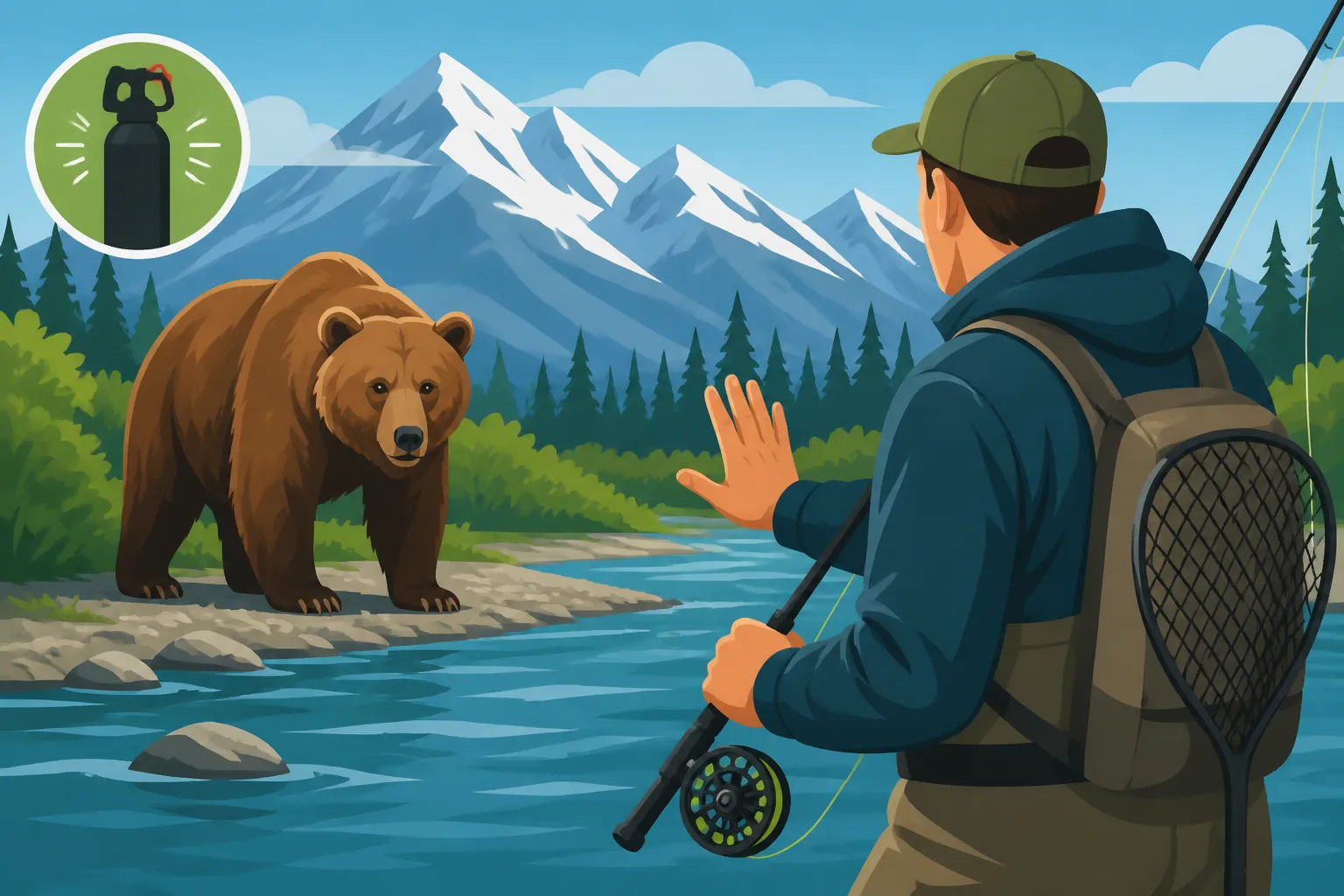
The first step in any encounter is to assess the bear's behavior. Is it unaware of you? Is it curious? Is it agitated or defensive? Most bears, upon noticing a human, will simply move off. If a bear is standing on its hind legs, it's usually trying to get a better look or smell, not necessarily preparing to charge. Remain calm and slowly back away while continuing to talk in a low, steady voice.
Signs of an agitated or defensive bear include huffing, jaw popping, head wagging, or bluff charges (where the bear charges but stops short of contact). This is a warning. In these situations, your goal is to appear non-threatening but also not an easy target. Avoid direct eye contact, but keep the bear in your sight. If the bear is exhibiting predatory behavior – silently approaching you, following you, or repeatedly circling you – this is a much more serious situation, and you need to be prepared to defend yourself.
Defensive vs. Predatory Encounters
Understanding the difference between a defensive and predatory encounter is crucial for your survival. A defensive encounter typically happens when you surprise a bear, get too close to cubs, or infringe on its food source (like a fresh salmon carcass). The bear feels threatened and is trying to neutralize that threat. In these cases, it often involves a brown/grizzly bear. If a defensive charge occurs, your best course of action is to stand your ground, use your bear spray if it gets within 20-30 feet, and if contact is imminent, play dead. Lie on your stomach, protect your neck with your hands, and spread your legs to prevent the bear from rolling you over. Remain still until you are certain the bear has left.
A predatory encounter is rare but extremely dangerous. This is when a bear views you as potential prey. It's usually a black bear, but can be a grizzly. The bear might approach silently, test you, or follow you. In a predatory attack, do not play dead. Fight back with everything you have. Aim kicks, punches, and whatever you can wield at the bear's face and eyes. Use your bear spray if you have it. This is a fight for your life.
Using Bear Spray Effectively
Bear spray is a highly effective deterrent, but only if you know how to use it and have it readily accessible. It's a non-lethal aerosol deterrent that contains capsaicin, a derivative of chili peppers, which irritates a bear's eyes, nose, and lungs. Crucially, bear spray is not bug spray; it's a specific product designed for bear defense. Always purchase a reputable brand, check the expiration date, and know how to operate it before you head into the field. Many experienced anglers find it beneficial to carry their bear spray in a chest holster or on their belt for quick deployment.
When deploying bear spray, aim for the bear's face, discharging in short bursts or a continuous stream if the bear is rapidly approaching. Create a fog barrier between you and the bear, and spray slightly downwind if possible. Remember, it's effective up to about 30 feet, but you want to deploy it closer to ensure maximum impact, ideally when the bear is within 15-20 feet. It's not a magical force field, but a tool to give you precious seconds to escape. You can easily find bear spray and holsters on Amazon, ensuring you have the right gear.
Essential Gear for Bear Country Anglers
Beyond your fishing rod and tackle, specific gear can significantly enhance your safety and peace of mind when fishing in Alaska's wild landscapes. Think of these items as your personal safety net.
Bear Spray and Holster
As discussed, bear spray is your primary non-lethal defense. A good, easily accessible holster is non-negotiable. You don't want to be fumbling in your backpack when a bear is closing in. Look for holsters that allow for quick, one-handed deployment. Many reputable outdoor brands like Counter Assault or UDAP offer reliable bear spray products. Don't cheap out on this item; it's an investment in your safety. For a comprehensive list of what to pack, refer to our Alaska Fishing Gear and Tackle Guide.
Bear-Resistant Food Containers
If you're planning an overnight trip or even carrying a lunch, bear-resistant food containers are essential. Hard-sided coolers with bear-proof latches, or bear canisters, can prevent bears from accessing your provisions. Even day trippers should carry their lunch in a sturdy container and keep it in a backpack that doesn't overtly smell of food. Never store food in your tent or within reach while you're sleeping. This is a common mistake that can lead to dangerous situations.
Noisemakers and Whistles
While your voice is often the most effective noisemaker, carrying a loud whistle can also be helpful, especially if you're hoarse or need to signal distress. Air horns are another option, though they are bulky and can be startling to other wildlife. The key is consistent noise to avoid startling a bear, not necessarily to scare it once it's close. You'll find many compact options for whistles and noisemakers on Amazon, which are easy to clip onto your fishing vest or pack.
Other Important Considerations
Beyond direct bear defense, other gear and practices contribute to overall safety. A high-quality headlamp or flashlight is vital if you're fishing into the twilight hours, as bears are often more active at dawn and dusk. A first-aid kit is always wise for any outdoor excursion. Furthermore, understanding Alaska Fishing Regulations Explained thoroughly, particularly those regarding specific fishing closures or emergency orders, can also indirectly contribute to your safety. If a river is closed for King Salmon, for instance, there might be fewer anglers, but potentially more bears feeding freely.
Here's a quick comparison of bear spray versus firearms for bear defense:
| Feature | Bear Spray (Capsaicin-based) | Firearms (e.g., 10mm, .44 Mag) |
|---|---|---|
| Effectiveness | Highly effective deterrent, disorients bear's senses | Potentially lethal, requires precise shot placement under duress |
| Ease of Use | Point and spray, wider margin for error, minimal training | Requires extensive training, accuracy, and nerve |
| Lethality | Non-lethal, provides escape opportunity | Lethal, often results in bear's death |
| Range | Typically 15-30 feet | Varies by caliber, much longer range |
| Legality | Legal to carry in most areas (check local laws) | Subject to strict firearm laws, permits, licensing |
| Environmental Impact | Minimal, disperses quickly | Can leave wounded animals, risk to others from missed shots |
| Accessibility | Easily purchased (e.g., on Amazon), relatively inexpensive | More expensive, background checks, training courses |
Ultimately, the best defense is always prevention, but having the right tools and knowing how to use them can make all the difference.
Being a Responsible Angler in Bear Country
Fishing in Alaska is a privilege, and with that privilege comes the responsibility to be a steward of the land and its wildlife. This means not only protecting yourself but also acting in ways that preserve the wildness of Alaska for future generations.
Leave No Trace Principles
Practicing Leave No Trace principles is fundamental to bear safety. Pack out everything you pack in, including all food scraps, wrappers, and fishing line. Never leave behind fish parts, bait containers, or any items that might attract bears. The goal is to leave the area exactly as you found it, minimizing any trace of human presence that could habituate bears to people or human food. This applies whether you're at a popular spot like the Kenai River or exploring more remote areas like those accessed by Alaska Personal Use Fishing Explained.
Respecting Wildlife and Their Habitat
Remember, you are a visitor in the bears' home. Give them space. If you spot a bear, especially a sow with cubs, give them a wide berth. Change your fishing spot if necessary. Never try to approach or feed a bear, even if it seems docile or curious. Feeding bears, intentionally or unintentionally, teaches them to associate humans with food, which is often a death sentence for the bear down the line. Keep your distance, observe from afar, and allow them to go about their natural business undisturbed.
Understanding the timing of different salmon runs, like the Alaska King Salmon Run Timing or Alaska Sockeye Salmon Run Timing, can also help you predict peak bear activity in certain areas. Planning your trip around times when fish are abundant but bears might be slightly less concentrated can be another smart strategy.
Staying Updated on Regulations and Emergency Orders
Alaska's fishing regulations are dynamic and can change rapidly due to emergency orders, especially concerning salmon runs and bear activity. Always check the latest regulations from the Alaska Department of Fish and Game (ADF&G) before heading out. These updates can include specific instructions for bear safety in certain areas, such as prohibitions on bait fishing or restrictions on fishing hours in high-traffic bear zones. Staying informed is a crucial part of being a responsible and safe angler in Alaska. Our guide on Alaska Fishing Emergency Orders Explained can help you stay current.
By understanding bear behavior, being proactive in prevention, knowing how to react in an encounter, carrying the right gear, and practicing responsible outdoor ethics, you can dramatically increase your safety and truly enjoy the incredible fishing opportunities Alaska has to offer.
Disclaimer
The information provided in this guide is for informational purposes only and is not a substitute for professional training or guidance. Always consult with local authorities, wildlife experts, and the Alaska Department of Fish and Game for the most current regulations and bear safety recommendations. Fishing in bear country carries inherent risks, and personal responsibility is paramount.