Best Fishing on the Kenai Peninsula
The Kenai Peninsula, often hailed as "Alaska's Playground," presents an exciting yet daunting prospect for anglers. With its sprawling rivers, vast ocean access, and countless lakes, the sheer volume of fishing opportunities can feel overwhelming, leaving many wondering where to even begin their Alaskan fishing adventure. This guide aims to cut through the noise, providing a clear, comprehensive breakdown of the absolute best fishing experiences the Kenai Peninsula has to offer, ensuring you can plan a successful and unforgettable trip.
Unveiling the Angler’s Paradise: Why the Kenai Peninsula Reigns Supreme
The Kenai Peninsula isn’t just another fishing destination; it’s an entire ecosystem tailor-made for anglers, drawing enthusiasts from around the globe. This magnificent stretch of land in Southcentral Alaska is defined by its diverse geography, ranging from glaciated mountains to expansive coastal waters, and this geographical richness translates directly into an unparalleled variety of fishing experiences. It’s truly a place where you can chase a trophy King Salmon in the morning and be battling a monstrous halibut offshore by afternoon.
The Sheer Diversity of Fish Species
One of the most compelling reasons the Kenai Peninsula stands out is the incredible array of fish species that call its waters home. When people think of Alaska fishing, salmon immediately come to mind, and the Kenai delivers in spades. You’ll find all five species of Pacific Salmon here: the mighty King (Chinook), the acrobatic Sockeye (Red), the hard-fighting Coho (Silver), the abundant Pink (Humpy), and the resilient Chum (Dog). Each species brings its own unique challenge and thrill, often running at different times throughout the summer, ensuring there’s always something to target.
Beyond salmon, the peninsula's freshwater systems teem with other sought-after species. The Kenai River, in particular, is renowned for its trophy-sized Rainbow Trout and Dolly Varden, which gorge themselves on salmon eggs and flesh, growing to impressive sizes. In the saltwater realms off Homer and Seward, the fishing expands dramatically. Here, you can pursue the colossal Pacific Halibut, powerful Lingcod, various species of Rockfish, and even Pacific Cod. This biological diversity means that no matter your preference or skill level, the Kenai Peninsula offers a target-rich environment.
A Landscape for Every Angling Style
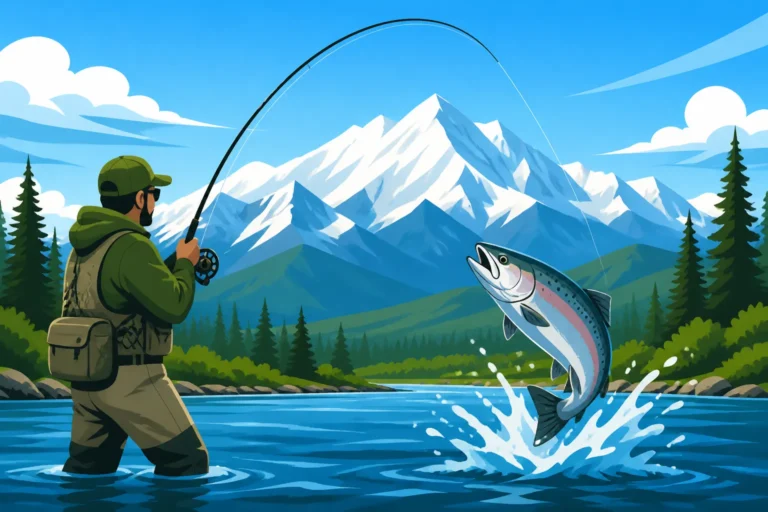
The Kenai Peninsula’s diverse landscapes also cater to virtually every angling style imaginable. If you dream of casting a fly into pristine wilderness waters, remote streams and lakes offer incredible opportunities for fly fishing for trout and salmon. For those who prefer the camaraderie and comfort of a guided trip, numerous charters operate out of towns like Homer and Seward, offering deep-sea adventures for halibut and salmon. These trips often provide all the necessary gear and expertise, making them perfect for beginners or those seeking a hassle-free experience.
River fishing on the Kenai and Kasilof offers options for both guided drift boat trips and bank fishing, allowing anglers to choose between covering vast stretches of water or finding a productive spot along the shore. Even roadside fishing is a popular pastime, with many accessible pull-offs and designated fishing areas along major highways and local roads, especially during the peak Sockeye runs. Whether you're a seasoned fly-fishing purist, a spin-fishing enthusiast, or someone just looking for a family-friendly outing, the Kenai Peninsula provides the perfect backdrop for your fishing ambitions.
The Mighty Kenai River: A Legend in Its Own Right
When one speaks of fishing on the Kenai Peninsula, the Kenai River inevitably dominates the conversation. This glacially-fed, emerald-green river is perhaps the most famous fishing destination in all of Alaska, and for good reason. Its waters are legendary for producing some of the largest salmon on Earth, attracting tens of thousands of anglers each year. Despite its popularity, the river’s sheer size and the abundance of fish ensure that an unforgettable experience is always within reach. However, understanding its nuances, particularly the timing and techniques for different species, is key to success. For a truly deep dive, consider checking out our guide on Kenai River Fishing: Complete Guide to learn more about this iconic waterway.
Targeting King Salmon: The Ultimate Challenge
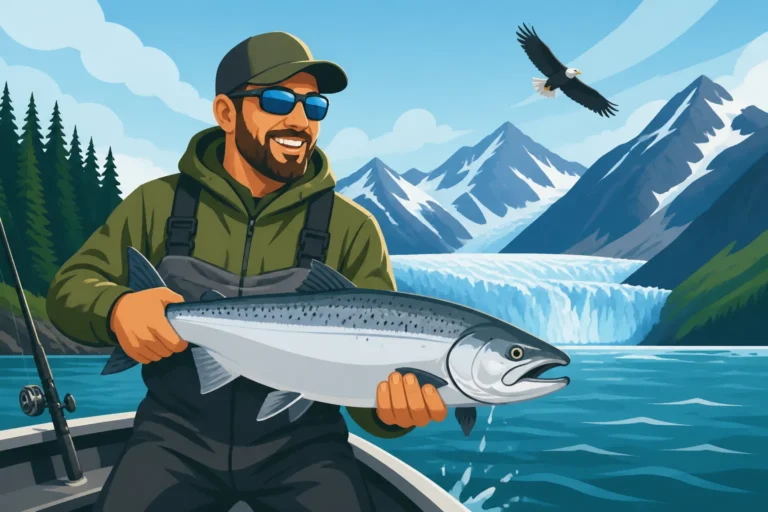
The Kenai River is most famous for its King Salmon (Chinook), specifically for producing the world-record sport-caught King Salmon, a monstrous fish weighing over 97 pounds. While catching a fish of that size is a once-in-a-lifetime dream, the Kenai consistently offers opportunities for Kings well over 40-50 pounds, making it the premier destination for trophy salmon anglers. Kings typically enter the river in two distinct runs: the early run in May and early June, and the later, often larger, run from mid-July into August.
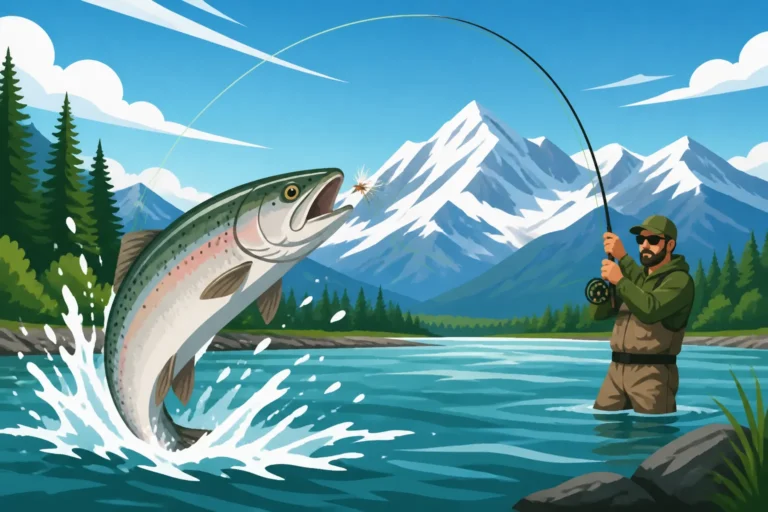
Fishing for King Salmon on the Kenai requires heavy-duty gear and specialized techniques. Back-trolling with Kwikfish, Magnum Wiggle Warts, or large sardine-wrapped plugs is a popular method, often from drift boats or power boats. Back-bouncing with cured salmon roe is another highly effective technique, especially when fish are holding in deeper pockets. It’s a battle of strength and endurance, as these powerful fish put up an incredible fight in the strong current. Be prepared for early mornings, long days, and the thrill of a lifetime when that rod bends hard. Remember to review Alaska King Salmon Fishing Regulations and Limits before you go, as King Salmon rules can change frequently based on conservation needs.
The Sockeye Salmon Phenomenon: Flossing on the Kenai
If King Salmon represent the challenge, Sockeye Salmon represent the sheer abundance and the unique cultural phenomenon that is Kenai Sockeye fishing. Starting in late June and peaking throughout July, millions of Sockeye flood the Kenai River. These bright red-fleshed salmon are known for their exceptional table fare and incredible fighting spirit, especially on lighter tackle. Unlike Kings, Sockeye typically don’t bite lures or bait once they enter freshwater; instead, they are primarily caught by “flossing.”
Flossing involves a weighted leader and a small, unbaited hook trailing behind, designed to catch the fish in the mouth as they swim upstream. It's a highly effective technique when executed correctly and often results in impressive daily limits. Popular spots for Sockeye fishing include the areas near Soldotna, Sterling, and the famous Russian River confluence. The atmosphere during the peak Sockeye run is electric, with anglers shoulder-to-shoulder, patiently casting and reeling. It’s a truly immersive experience, and understanding the local etiquette and proper flossing technique is crucial. Learning How to Catch Sockeye Salmon in Alaska can certainly help maximize your success.
Silver Salmon Season: Fall’s Fierce Fighters
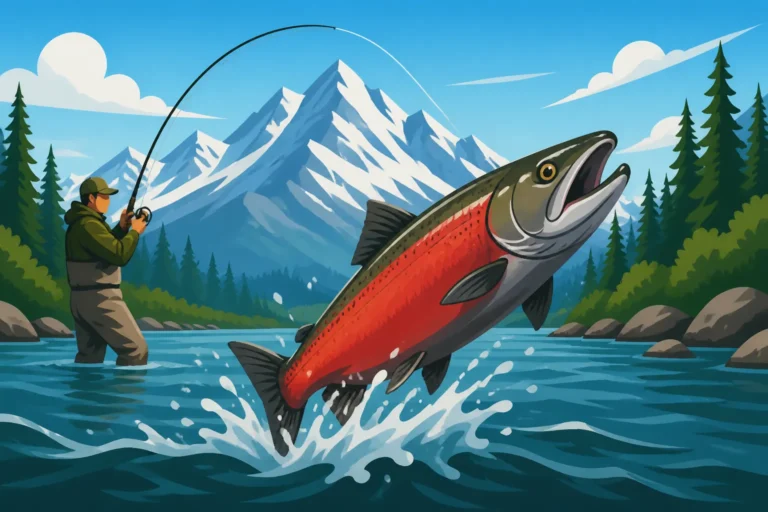
As the summer wanes and the Sockeye runs begin to taper off, the Kenai River undergoes another transformation with the arrival of Coho Salmon, also known as Silver Salmon. These aggressive, acrobatic fish typically begin to enter the river in August and continue through September, offering fantastic action into the fall. Silver Salmon are known for their incredible aerial displays and hard fights, making them a favorite among many anglers.
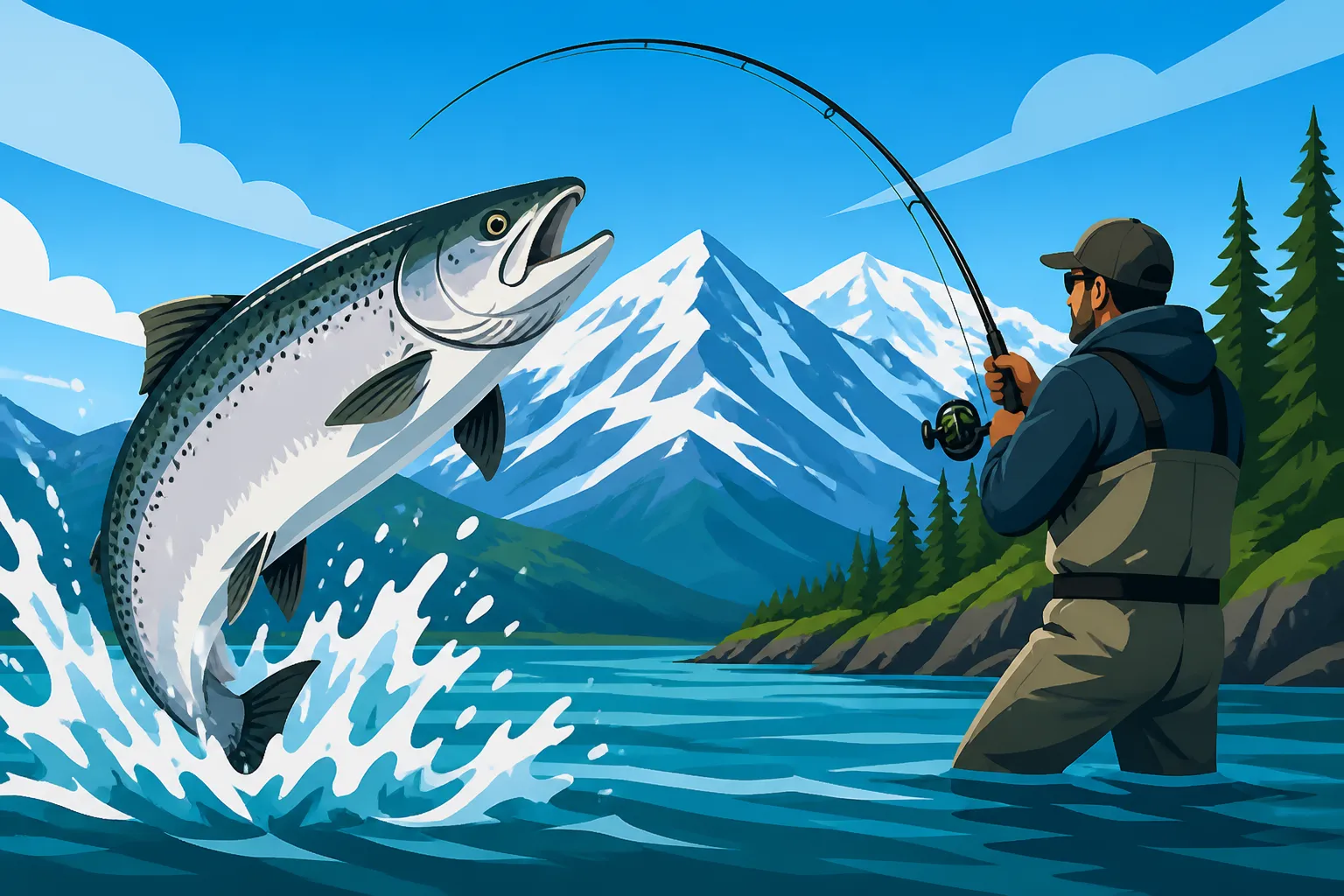
Unlike Sockeye, Coho readily strike a variety of lures and flies. Spinners like the popular Blue Fox Vibrax, brightly colored spoons, and twitching jigs are all highly effective. For fly anglers, stripping streamers or large flashy patterns can produce explosive strikes. Coho are often found in slower moving water, back channels, and eddies, making them accessible from both boats and the riverbanks. Their silver flanks and willingness to chase a lure make for an exhilarating experience, offering a lively end to the salmon fishing season on the Kenai.
Resident Rainbows and Dolly Varden: Year-Round Action
While salmon grab most of the headlines, the Kenai River also boasts some of the finest resident Rainbow Trout and Dolly Varden fishing in Alaska. These fish thrive in the nutrient-rich waters, growing to impressive sizes by feasting on the abundant salmon eggs and decaying salmon carcasses, especially after the salmon spawn. Trout fishing is excellent throughout the spring, summer, and fall, and can even be productive during the winter months for ice fishing enthusiasts in some areas.
Targeting these resident species can be done with both spin gear and fly rods. For spin anglers, small spinners, beads that mimic salmon eggs, or even chunks of cured salmon roe can be highly effective. Fly fishermen will find success with egg patterns, flesh flies, and various nymph and streamer patterns. The Kenai is particularly known for its "leopard rainbows," large, heavily spotted trout that put up a strong fight. Many sections of the river, especially the upper Kenai River above Skilak Lake, are managed as catch-and-release-only for Rainbow Trout to protect these valuable resources and ensure trophy-sized fish continue to thrive.
The Kasilof River: A Wilder, More Intimate Experience
Just south of the Kenai River, the Kasilof River offers a different, often more tranquil, fishing experience. While it may not have the record-breaking King Salmon reputation of its larger neighbor, the Kasilof is a fantastic destination in its own right, known for producing strong King and Coho Salmon runs without the same level of angler pressure. It’s an excellent alternative for those seeking a slightly less crowded environment with equally rewarding fishing.
Kings and Cohos: Less Crowded, Equally Thrilling
The Kasilof River hosts two strong runs of King Salmon each year: an early run in May and June, and a later run in July and early August. These Kings are primarily hatchery-produced fish, meaning there are often more liberal harvest opportunities compared to the sometimes restrictive natural King Salmon runs on the Kenai. The Kasilof Kings are powerful, hard-fighting fish that challenge even seasoned anglers. Similar to the Kenai, back-trolling with plugs and back-bouncing with roe are the most common and effective techniques.
Following the Kings, the Kasilof sees excellent Coho Salmon runs from August through September. These Silvers are just as aggressive and acrobatic as their Kenai River counterparts and provide consistent action during the late summer and early fall. Spinners, spoons, and jigs work wonderfully for Cohos in the Kasilof's more intimate waters. While you might not see the same sheer numbers of anglers as on the Kenai, the Kasilof still draws a respectable crowd, especially during peak runs, so early mornings are still advisable.
Drift Boat Nirvana: The Preferred Kasilof Approach
Due to its narrower channels, slower currents in certain sections, and slightly more remote feel, the Kasilof River is largely a drift boat fishery. Powerboats are restricted on much of the river, which helps maintain its serene atmosphere and provides a classic Alaskan drift boat experience. Hiring a knowledgeable guide who operates a drift boat is often the best way to experience the Kasilof, especially for those new to the area. They can navigate the river safely, position the boat perfectly, and provide expert advice on techniques and current regulations.
A guided drift boat trip down the Kasilof allows anglers to cover significant stretches of water, targeting different holding areas and runs that would be inaccessible from the bank. It offers a unique perspective on the Alaskan wilderness, with opportunities to see wildlife like eagles and bears in their natural habitat, all while enjoying some fantastic fishing. When planning your trip, consider using a platform like FishingBooker to find experienced Kasilof River guides who specialize in drift boat trips for both King and Coho Salmon.
Homer and Seward: Gateway to Saltwater Giants
While the Kenai and Kasilof rivers dominate the freshwater scene, no discussion of Kenai Peninsula fishing would be complete without highlighting the incredible saltwater opportunities available from towns like Homer and Seward. These coastal communities serve as major hubs for anglers seeking the behemoths of the deep: Pacific Halibut, Lingcod, and offshore salmon. The change of scenery, from lush riverbanks to expansive ocean vistas, offers a completely different, yet equally thrilling, Alaskan fishing adventure. You can explore more about these coastal hotspots in our guides, Homer Alaska Fishing Guide and Seward Alaska Fishing Guide.
Homer: Halibut Capital of the World
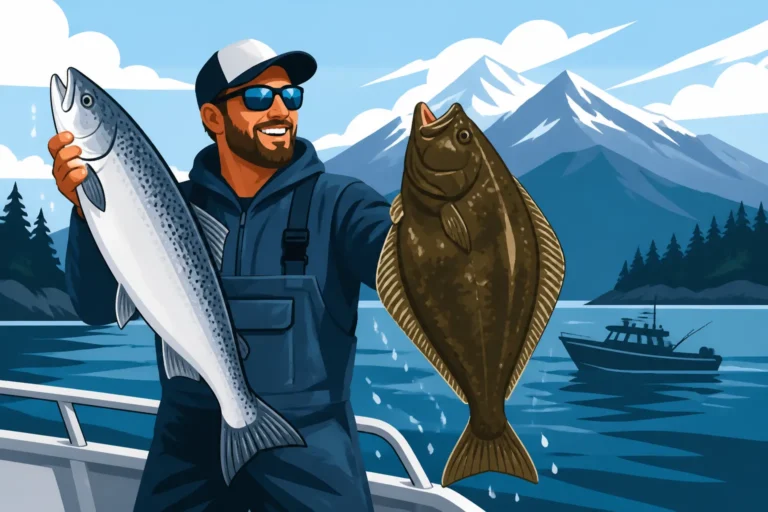
Homer, situated on the beautiful Kachemak Bay, proudly proclaims itself the “Halibut Capital of the World,” and for good reason. Its strategic location provides easy access to deep, nutrient-rich waters that are home to a thriving population of Pacific Halibut, including many “barn doors” – those massive, ancient fish that can weigh hundreds of pounds. Halibut fishing out of Homer is primarily done aboard charter boats, which range from smaller, fast vessels to larger, more comfortable boats equipped with enclosed cabins and restrooms.
A typical halibut charter involves motoring out to productive fishing grounds, often several hours from port. Once on location, anglers use heavy-duty rods and reels, rigged with large circle hooks baited with herring, cod, or octopus, or large jigs. The technique usually involves "bottom fishing" – dropping your bait or jig to the seafloor and waiting for that distinctive thumping bite of a halibut. The fight can be grueling, especially with a large fish, as they tend to make powerful, deep dives. Many charters offer combo trips that also target salmon or rockfish, maximizing your time on the water. When planning a trip, be sure to check Alaska Halibut Daily Limit for Charter Anglers as regulations often differ for guided and unguided trips.
Seward: Silver Salmon and Lingcod Hotspot
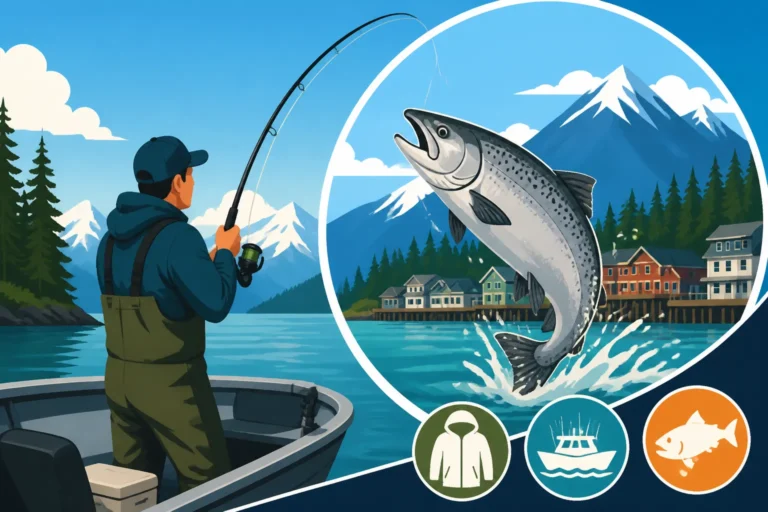
Seward, nestled at the head of Resurrection Bay, offers another fantastic saltwater fishing experience, known for its excellent Coho Salmon and Lingcod fishing, in addition to halibut. The deep, protected waters of Resurrection Bay and the surrounding Gulf of Alaska provide a rich habitat for a variety of species. Seward is particularly popular for its late-season Coho Salmon charters, which often yield impressive numbers of these powerful fighters.
For Coho, charters typically troll with downriggers, presenting a variety of lures, flashers, and bait (often herring) at specific depths where the salmon are feeding. The action can be fast and furious when a school of Silvers is located. Beyond salmon, Seward is a prime location for targeting Lingcod, a prehistoric-looking fish known for its voracious appetite and aggressive fight. Lingcod often inhabit rocky structures and are typically caught by jigging large lead-head jigs with plastic tails or bait. Rockfish species like Yelloweye and Black Rockfish are also abundant, offering additional opportunities for anglers seeking diverse catches.
Multi-Species Saltwater Charters: Best of Both Worlds
Many of the charter operations out of Homer and Seward specialize in multi-species trips, allowing anglers to target a combination of halibut, salmon, and rockfish in a single day. These “combo charters” are incredibly popular as they offer the best value and variety for visitors wanting to experience the full spectrum of Alaska’s saltwater fishing. Imagine starting your day dropping baits for colossal halibut, then switching gears to troll for leaping silver salmon, and perhaps ending with some jigging for colorful rockfish.
The advantage of a combo charter is the flexibility it provides, adapting to the bite and regulations of the day. For example, if the halibut bite is slow, the captain can move to a salmon ground. This versatility ensures a dynamic and exciting day on the water, greatly increasing your chances of bringing home a diverse cooler of fresh Alaskan seafood. When researching charters, platforms like FishingBooker are a great resource for comparing options and reading reviews to find a captain and crew perfectly suited for a multi-species adventure, ensuring you get the most out of your fishing day.
| Fishing Hotspot | Primary Species | Best Time to Visit | Common Techniques |
|---|---|---|---|
| Kenai River | King Salmon, Sockeye Salmon, Coho Salmon, Rainbow Trout, Dolly Varden | May – September (Kings: May-June, July-Aug; Sockeye: Late June-July; Coho: Aug-Sept) | Back-trolling, Back-bouncing, Flossing, Spin Fishing, Fly Fishing |
| Kasilof River | King Salmon, Coho Salmon | May – September (Kings: May-June, July-Aug; Coho: Aug-Sept) | Drift Boating, Back-trolling, Back-bouncing, Spin Fishing |
| Homer (Saltwater) | Pacific Halibut, King Salmon, Coho Salmon, Rockfish | May – September (Halibut: May-Sept; Salmon: May-Sept) | Bottom Fishing (Halibut), Trolling (Salmon), Jigging (Rockfish) |
| Seward (Saltwater) | Pacific Halibut, Coho Salmon, Lingcod, Rockfish | May – September (Halibut: May-Sept; Salmon: Aug-Sept; Lingcod: July-Aug) | Bottom Fishing (Halibut), Trolling (Salmon), Jigging (Lingcod/Rockfish) |
| Russian River | Sockeye Salmon, Rainbow Trout | Late June – July (Sockeye); Year-round (Trout) | Flossing, Fly Fishing |
Exploring Lesser-Known Waters and Freshwater Delights
While the Kenai and Kasilof rivers and the coastal towns of Homer and Seward are undeniable fishing powerhouses, the Kenai Peninsula is vast and holds countless other fantastic fishing opportunities. Venturing beyond the main attractions can often lead to more secluded experiences, offering a chance to connect with nature and discover hidden gems for specific species or angling preferences. These lesser-known areas often provide a unique charm and a break from the crowds that can sometimes characterize the more popular spots.
Russian River: Sockeye and Rainbow Trout Sanctuary
The Russian River, a tributary of the Kenai River, is world-renowned for its phenomenal Sockeye Salmon runs and incredible Rainbow Trout fishing. Located within the Chugach National Forest, it offers a more pristine and often more challenging angling experience compared to the lower Kenai. The Sockeye run here is legendary, attracting thousands of anglers during July who line the banks in the hopes of catching their limit. The technique here is almost exclusively flossing, due to the Sockeye’s disinterest in feeding once in freshwater. For specific regulations and tips, be sure to look up Russian River Sockeye Fishing Guide.
Beyond the Sockeye, the Russian River and its confluence with the Kenai are exceptional for trophy Rainbow Trout. These resident trout thrive on the abundance of salmon eggs and smolt, growing to impressive sizes. Fly fishing with egg patterns, flesh flies, and nymphs is incredibly productive, especially during and after the salmon spawn. The strict catch-and-release rules in many sections, combined with the wild nature of the river, make it a true sanctuary for large, healthy trout, offering a rewarding experience for dedicated fly anglers. However, be prepared for intense "combat fishing" conditions during the Sockeye run, where anglers stand shoulder-to-shoulder, especially at the famous "falls."
Hidden Lakes and Streams: Opportunities for Fly Anglers
For those seeking solitude and a more intimate connection with the Alaskan wilderness, the Kenai Peninsula is dotted with numerous lakes and smaller streams that offer fantastic fishing, particularly for fly anglers. These waters often hold resident Rainbow Trout, Dolly Varden, Arctic Grayling, and sometimes even smaller populations of salmon species. Access can range from roadside pull-offs to remote hike-in destinations or even fly-in trips to truly secluded spots.
Lakes like Swan Lake, Hidden Lake, and Summit Lake, for example, offer opportunities for lake trout, rainbow trout, and even some kokanee salmon (landlocked sockeye). Fishing from a small boat, kayak, or even from shore can be very productive. Small streams and creeks, often unnamed or lightly trafficked, can hold surprising numbers of Dolly Varden and resident trout, eager to strike a well-presented dry fly or nymph. Exploring these areas requires a good map, a sense of adventure, and adherence to local regulations, but the rewards of untouched waters and vibrant fish can be immense.
Roadside Access Gems: Fishing Without a Boat
Not everyone has a boat or the budget for daily guided charters, and the Kenai Peninsula understands that. There are numerous easily accessible fishing spots right off the road system that offer excellent opportunities, especially for bank fishing. Along the Sterling Highway, which traverses much of the peninsula, and various local roads, you’ll find designated public access points, campgrounds, and bridge crossings that provide direct access to productive salmon and trout waters.
The various streams and creeks that feed into the Kenai and Kasilof rivers, for instance, can be fantastic for targeting migrating salmon and resident trout. Often, these spots offer a more relaxed atmosphere than the most crowded sections of the main rivers. Check with local sporting goods stores or the Alaska Department of Fish and Game (ADF&G) for current conditions and specific hot spots, as these can change throughout the season. These roadside gems are perfect for a spontaneous fishing trip, a family outing, or for anglers who prefer to explore at their own pace without the need for a guide or vessel. Our guide on Best Roadside Fishing in Alaska could give you more insights on these accessible spots.
Essential Tips for Your Kenai Peninsula Fishing Trip
Planning a fishing trip to the Kenai Peninsula involves more than just picking a spot on a map. Alaska’s unique environment, dynamic fisheries, and ever-changing regulations require careful preparation to ensure a safe, successful, and enjoyable experience. From understanding the rules to knowing what to pack, a little foresight goes a long way in making your Alaskan adventure truly unforgettable.
Navigating Regulations and Licensing
Alaska’s fishing regulations are complex and can change frequently, often mid-season, especially for sensitive species like King Salmon. It’s absolutely critical to be well-versed in the current rules for the specific area and species you intend to target. The Alaska Department of Fish and Game (ADF&G) publishes an annual Sport Fishing Regulations booklet, which is an invaluable resource. You can usually pick one up at any sporting goods store, tackle shop, or online. Pay close attention to bag limits, possession limits, legal gear (e.g., single-hook, barbless hooks, bait restrictions), and any emergency orders that might be in effect. Staying informed is key to avoiding violations.
Furthermore, everyone over the age of 16 needs an Alaska fishing license. Non-residents will typically need a specific non-resident license, which can be purchased for various durations (1-day, 3-day, 7-day, 14-day, or annual). If you plan to fish for King Salmon, a King Salmon Stamp is often required in addition to your regular license. These can be easily purchased online through the ADF&G website before your trip, or at most retailers that sell fishing gear. Make sure to have your license and stamp (if needed) on you at all times while fishing. Our comprehensive guide on the Alaska Fishing License: Complete Guide is a great starting point for understanding all requirements.
Booking Charters and Guides Wisely
For many visitors, especially those new to Alaska, hiring a guide or charter is the best way to maximize their fishing success and safety. Experienced local guides possess invaluable knowledge of the local waters, fish behavior, and current conditions. They also provide all the necessary specialized gear, saving you the hassle and expense of bringing your own. When booking, do your homework:
- Research Reputable Operators: Look for guides with strong reviews, good reputations, and appropriate licensing. Platforms like FishingBooker can be incredibly helpful for comparing options and reading testimonials from previous clients.
- Clarify What's Included: Confirm whether the price includes your fishing license, King Salmon stamp, fish processing, meals, or other amenities.
- Discuss Target Species and Techniques: Ensure the guide specializes in the type of fishing and species you're most interested in.
- Ask About Capacity and Boat Type: If you're particular about group size or comfort, inquire about the number of anglers per trip and the type of vessel used.
- Understand Cancellation Policies: Alaska weather can be unpredictable. Know the guide's policy regarding weather cancellations or other unforeseen circumstances.
Booking well in advance, especially for peak season (July-August), is highly recommended, as the best guides fill up quickly. For more detailed advice, read our article on How to Choose an Alaska Fishing Charter.
Packing for Alaska’s Variable Weather
Alaska’s weather is famously unpredictable. A sunny morning can quickly turn into a rainy, windy afternoon, even in the middle of summer. Therefore, packing layers and waterproof gear is absolutely essential for a comfortable trip to the Kenai Peninsula.
- Waterproof Rain Gear: A high-quality waterproof and windproof jacket and pants are non-negotiable. Look for Gore-Tex or similar materials.
- Layering: Bring moisture-wicking base layers, insulating fleece or down mid-layers, and your outer rain gear. This allows you to adjust to changing temperatures throughout the day.
- Waterproof Footwear: Xtratuf boots are practically the unofficial uniform of Alaskan anglers, providing excellent waterproof protection and grip. Waders may also be necessary for river bank fishing.
- Warm Hat and Gloves: Even in summer, mornings and evenings can be chilly, and your hands can get cold handling fish in cool water.
- Sun Protection: Despite the cool temperatures, the Alaskan sun, especially reflecting off water, can be intense. Pack sunglasses, sunscreen, and a brimmed hat.
- Insect Repellent: Mosquitoes and no-see-ums can be prevalent, especially near still water or in the evenings.
Being prepared for all conditions will ensure you can focus on the fishing, regardless of what Mother Nature throws your way.
Disclaimer
Please note that fishing regulations in Alaska are subject to change by the Alaska Department of Fish and Game (ADF&G) through emergency orders. Always check the current regulations and any applicable emergency orders before you head out to fish. This guide provides general information and should not be considered a substitute for official ADF&G regulations.