Alaska Personal Use Fishing Explained
For many folks who dream of fishing in Alaska, the sheer volume and complexity of regulations can feel like trying to untangle a hundred yards of monofilament line in a gale. It’s enough to make even the most seasoned angler scratch their head, especially when it comes to understanding the nuances of different fishing types. If you've ever heard whispers of "personal use fishing" and wondered what it means, how it differs from sport fishing, or if it's even something you can do, you're in the right place. This guide is here to untangle those lines, clarify the rules, and help you understand how Alaskans — and sometimes non-residents — participate in these unique fisheries.
What Exactly is Personal Use Fishing in Alaska?
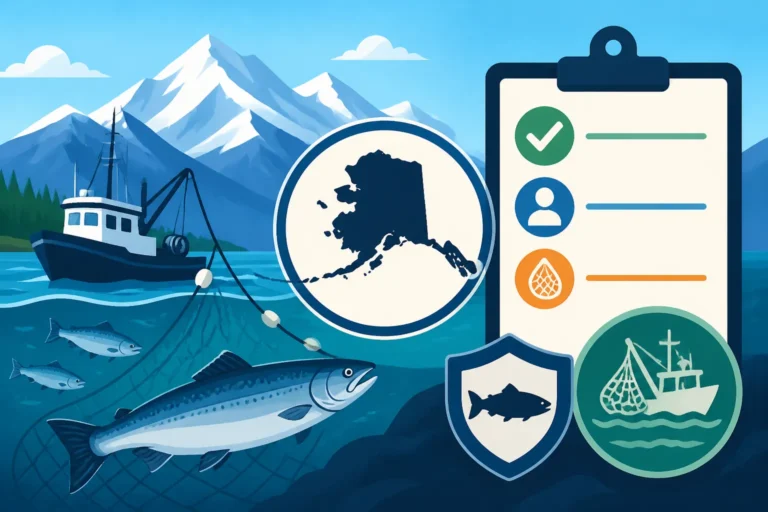
When you first hear "personal use fishing," you might think it simply means catching fish for your own plate, which, on the surface, isn't wrong. But in Alaska, "personal use" is a very specific category of fishing defined by the Alaska Department of Fish and Game (ADF&G), distinct from sport fishing or subsistence fishing. It’s rooted in the idea of providing Alaskans with an opportunity to harvest a significant amount of fish, primarily salmon, for personal consumption, ensuring access to a vital food source. It's truly a cultural cornerstone here, something many families look forward to every year to fill their freezers.
Defining Personal Use vs. Sport Fishing
The biggest confusion often arises when trying to differentiate personal use from sport fishing. While both involve catching fish, the intent, regulations, and even the gear can be wildly different. Sport fishing is generally about recreation, the thrill of the catch, and adhering to daily bag and possession limits designed for individual recreational enjoyment. You buy a standard Alaska Fishing License: Complete Guide and follow the sport fishing regulations for specific areas.
Personal use fishing, on the other hand, is considered a form of "food fishery" aimed at providing a substantial quantity of fish. It often comes with much larger bag limits, sometimes hundreds of fish per household, and requires a specific permit in addition to a sport fishing license. Crucially, personal use fisheries are almost exclusively open to Alaska residents, with very limited exceptions for non-residents in certain types of dipnetting or shellfish fisheries if specified. The methods can also differ; for instance, dipnetting is a prominent personal use technique that isn't typically allowed in sport fisheries. Understanding these distinctions is key to staying legal and respectful of Alaska's diverse fishing opportunities. If you're pondering the details, diving into the specifics of Alaska Sport Fishing vs Personal Use can really clear things up.
The Core Philosophy Behind Personal Use
At its heart, personal use fishing reflects Alaska’s unique relationship with its natural resources. It’s a testament to the state's commitment to allowing its residents to feed themselves directly from abundant fish runs. This isn't just about fun; it’s about providing food security, fostering a connection to the land and water, and upholding long-standing traditions. Many families treat personal use fishing as an annual pilgrimage, teaching younger generations how to harvest, process, and preserve fish – a life skill deeply ingrained in Alaskan culture.
These fisheries are intensely managed by ADF&G to ensure sustainable harvests. They open and close based on real-time fish escapement numbers, meaning how many fish have successfully passed upstream to spawn. This adaptive management ensures that while residents can fill their freezers, enough fish always make it to the spawning grounds to perpetuate the species for future generations. It’s a delicate balance that requires constant monitoring and quick decision-making, often leading to emergency orders that can change fishing times or limits with little notice.
Key Species and Popular Personal Use Fisheries
While various species can be harvested under personal use regulations, salmon, particularly sockeye (red) salmon, are overwhelmingly the primary target. These fish return in immense numbers to rivers like the Kenai, Kasilof, and Copper, making large-scale harvests feasible and sustainable. It’s an incredible sight to behold, with thousands upon thousands of powerful salmon pushing upstream.
Salmon: The Stars of Personal Use Fisheries
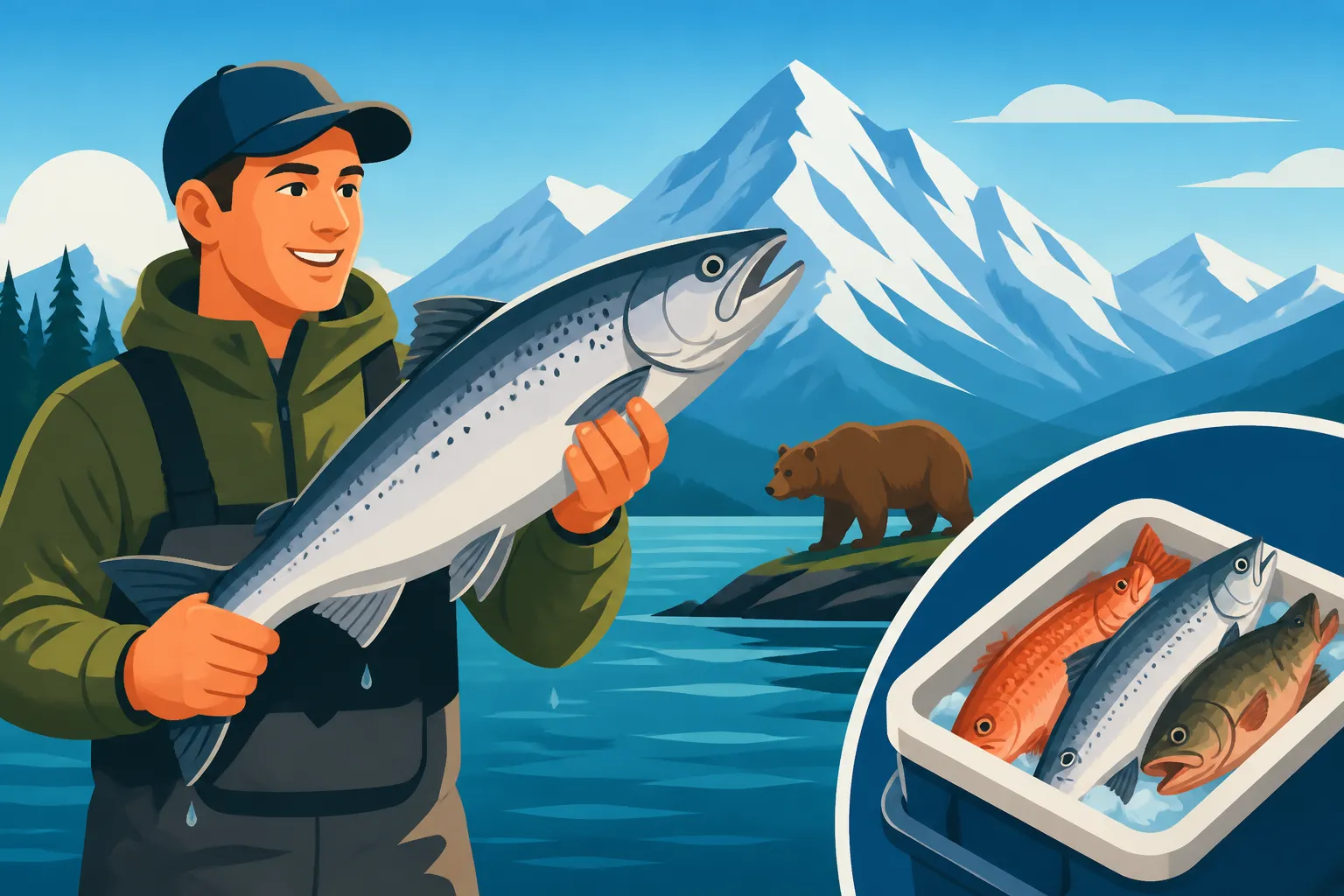
Sockeye salmon are perhaps the most famous and sought-after species in personal use fisheries. Their abundant runs, particularly in mid-summer, draw tens of thousands of participants. The lean, red meat of sockeye is highly prized for its flavor and nutritional value, making it ideal for smoking, canning, and freezing. While sockeye are the main attraction, sometimes coho (silver) salmon also become available in personal use fisheries, though often with more restrictive limits. King (Chinook) salmon are rarely part of personal use fisheries due to conservation concerns and lower overall returns, though occasionally very limited opportunities arise.
The methods for catching these salmon in personal use fisheries are often unique. Dipnetting is arguably the most iconic method, where anglers use large, long-handled nets to scoop fish directly from the river. This isn't a passive activity; it requires skill, strength, and often hours of standing in fast-moving water. Other methods can include set gillnets, which are deployed from shore or boat, and sometimes even spear fishing in specific locations, all governed by strict Alaska Fishing Regulations Explained to ensure fair and safe harvesting.
Iconic Personal Use Locations and What They Offer
Alaska boasts several renowned personal use fisheries, each with its own character and rules. These spots become bustling communities during peak season, a vibrant testament to Alaska's fishing culture.
- The Kenai River: Known globally for its incredible salmon runs, the Kenai River offers a wildly popular personal use dipnet fishery at its mouth, near Kenai. This fishery primarily targets sockeye salmon and is open only to Alaska residents. Anglers brave the cold waters of Cook Inlet, standing shoulder-to-shoulder, waiting for the massive sockeye runs to funnel into the river. It's an intense, physical, and highly social experience. For anyone looking to understand the mechanics, a deep dive into Alaska Kenai Dip Netting Rules is essential.
- The Kasilof River: Just south of the Kenai, the Kasilof also hosts a significant personal use dipnet fishery for sockeye. It tends to be a bit less crowded than the Kenai, offering a slightly more relaxed (though still busy!) atmosphere. Like the Kenai, it's a resident-only fishery, demanding attention to detail regarding openings, closures, and gear restrictions.
- The Copper River: Far to the east, the Copper River is famous for its early-run sockeye and Chinook salmon, though the personal use fishery here is exclusively for sockeye and often allows for both dipnetting and gillnetting in specific areas. The Chitina Subdistrict, in particular, is a major draw. The fish here are renowned for their high fat content, attributed to their long journey upstream. Understanding Alaska Chitina Dip Netting Regulations is crucial if you plan to visit this unique fishery.
- The Susitna Area: Various smaller personal use opportunities exist around the Susitna River and its tributaries, often involving gillnets and targeting chum and coho salmon later in the summer. These can be less chaotic than the major sockeye fisheries but still require diligent research into permits and specific area regulations.
Each of these locations offers a distinct experience, but all share the common thread of requiring careful adherence to strict regulations that often change on short notice due to the dynamic nature of salmon returns.
Understanding Personal Use Permits and Licenses
Participating in a personal use fishery isn't as simple as just showing up with a net. There's a specific set of requirements that ensure only eligible individuals participate and that harvests are properly accounted for. This often involves more than just your standard fishing license.
Essential Licenses and Permits You'll Need
To engage in personal use fishing in Alaska, you'll generally need two things:
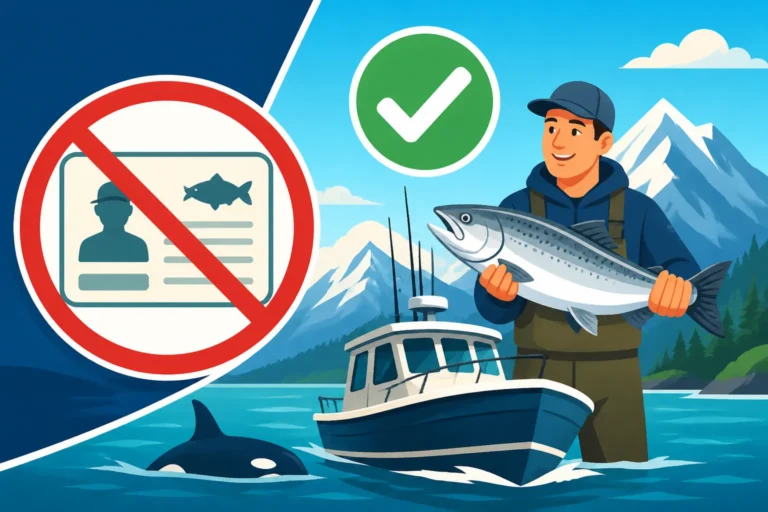
- An Alaska Sport Fishing License: Yes, even though it's "personal use," a current Alaska sport fishing license is typically required. This applies to residents aged 16 and older. For specific details on age requirements, consult Alaska Fishing License Age Requirements. This foundational license supports fisheries management efforts across the state.
- A Personal Use Permit: This is the critical document specific to personal use fisheries. These permits are usually fishery-specific (e.g., a Kenai River personal use dipnet permit, a Chitina personal use dipnet permit). They are often free but are absolutely mandatory. The permit tracks your harvest and helps ADF&G manage the fishery in real-time. It’s essentially your contract with the state to abide by the specific rules of that particular personal use opportunity.
It’s vital to confirm which specific permits are needed for the fishery you plan to target. Information changes annually, and sometimes even in-season, so always double-check the latest ADF&G regulations booklet and emergency orders.
How to Acquire Your Personal Use Permit
Acquiring a personal use permit is usually straightforward, but timing is everything. These permits become available through the Alaska Department of Fish and Game (ADF&G) typically in the spring, well before the summer fishing seasons commence.
- Online Portal: The most common and convenient way to get a permit is through the ADF&G online licensing and permit portal. You'll navigate to the "Personal Use" section, select the fishery you intend to participate in (e.g., "Upper Cook Inlet Personal Use Salmon Dipnet Fishery"), and complete the application. Make sure all your information is accurate.
- ADF&G Offices: You can also obtain permits in person at various ADF&G offices across the state, particularly in regions near popular personal use fisheries, such as Anchorage, Soldotna, or Palmer. This can be helpful if you have specific questions or need assistance, but expect longer lines during peak season.
- Designated Vendors: Sometimes, certain sporting goods stores or other designated vendors might distribute permits, but this is less common for the major salmon personal use fisheries.
Always apply for your permit well in advance of your planned fishing date. While they are usually issued instantly online, technical glitches or unexpected demand can sometimes cause delays. Remember, you can't fish without it, and an improperly acquired or missing permit can lead to significant fines.
Important Dates and Application Processes
The specific dates for personal use permits and fishery openings vary each year based on fish forecasts and conservation needs.
- Permit Availability: Typically, permits for the major summer salmon fisheries (like Kenai and Kasilof dipnetting) become available in late spring, often May or early June. It’s wise to keep an eye on the ADF&G website or social media channels for announcements.
- Fishery Openings: Actual fishing dates are announced by ADF&G, usually in the spring, but they are subject to emergency orders. For example, the Kenai River personal use dipnet fishery traditionally opens around July 10th and runs through July 31st, but these dates can shift by a few days or be shortened if salmon returns are weak.
- Household Limit: Personal use permits are generally issued on a "head of household" basis, meaning one permit per household. The permit will specify the total number of fish that can be harvested by that household, regardless of how many individual licensed anglers are participating from that household.
Stay informed by regularly checking the ADF&G website, especially their "Emergency Orders" page, which is critical for understanding in-season changes. This site also publishes the annual Alaska Salmon Run Timing Explained and forecasts, which can help you predict the best times to fish.
| Feature | Personal Use Fishing | Sport Fishing |
|---|---|---|
| Target Species | Primarily salmon (sockeye, coho, chum), some shellfish. | Wide variety: salmon, halibut, trout, grayling, etc. |
| Intent | Harvesting substantial quantities for personal consumption. | Recreation, enjoyment, catch-and-release, smaller harvests. |
| Eligibility | Mostly Alaska residents only (some limited exceptions). | Residents and non-residents. |
| License Needed | Alaska Sport Fishing License + Specific Personal Use Permit. | Alaska Sport Fishing License only. |
| Bag Limits | Household limits, often hundreds of fish per season. | Daily bag and possession limits per individual, much smaller. |
| Methods | Dipnetting, gillnetting, spear fishing (specific areas). | Rod and reel (various techniques). |
| Management | Closely tied to escapement goals, frequent emergency orders. | Annual regulations, some in-season adjustments. |
| Cost | License fee (if applicable), permit often free. | License fee, potentially stamps (e.g., King Salmon Stamp). |
Gear, Techniques, and Safety for Personal Use Fishing
Personal use fishing, especially dipnetting, isn't your average serene day by the lake with a fishing rod. It's often physically demanding, takes place in crowded conditions, and requires specialized gear and a strong emphasis on safety. Getting ready is half the battle!
Recommended Gear for Personal Use Anglers
When you're heading out for a personal use fishery, especially for dipnetting, your gear list will look a bit different from a typical sport fishing trip. The focus is on functionality, durability, and staying warm and dry.
- Dipnet: This is the star of the show. Dipnets are large, hoop-shaped nets on long handles, designed to withstand strong currents and hold multiple powerful salmon. They come in various sizes and shapes, with some popular brands offering robust aluminum or fiberglass frames. You can often find these at local Alaskan sporting goods stores or even on platforms like Amazon if you order in advance. Make sure it complies with the specific fishery's regulations regarding mesh size and pole length.
- Waders and Boots: You'll be standing in the water, often for hours, sometimes chest-deep in frigid glacial rivers. Quality chest waders are non-negotiable. Look for durable, breathable material, and pair them with sturdy wading boots that offer excellent grip on slippery riverbeds. Neoprene waders are a common choice for their warmth.
- Rain Gear: Alaska weather is famously unpredictable. A waterproof rain jacket and pants are essential, even if the forecast looks clear. Layering beneath your rain gear is key for warmth.
- Gloves: Waterproof gloves will keep your hands warm and protected while handling nets and fish in cold water.
- Fish Cooler/Container: You'll need large coolers or fish totes to immediately store your catch on ice. Having a separate cooler for your lunch and drinks is also a good idea.
- Knife and Sharpening Tool: For bleeding and gutting your fish on site, which is often a requirement and helps preserve the quality of the meat.
- Harvest Record Card: This is absolutely vital. You need to record your catch immediately as required by the Alaska Harvest Record Card Explained guidelines. You might also want to bring a waterproof pen or pencil.
- Sun Protection: Sunglasses, a hat, and sunscreen are important, especially with the long daylight hours in summer.
Mastering Common Personal Use Techniques
While personal use fisheries can allow gillnetting or spear fishing in specific areas, dipnetting is the most widely practiced and recognized technique, especially in the Kenai and Kasilof rivers.
- Dipnetting: This involves positioning your large net in the path of migrating salmon and waiting for them to swim into it. It sounds simple, but it requires skill and patience.
- Finding the Right Spot: Look for areas where salmon are naturally funneling, such as constricted channels, eddies, or along riverbanks where the current is strong but manageable. On the Kenai, for instance, anglers will often stand in a line, creating a human barrier.
- Holding the Net: You'll hold the net downstream, allowing the current to push it open. When a fish hits, you'll feel a distinct thump or pull. The key is to quickly lift and close the net to trap the fish. This can be a real struggle with a strong, fresh salmon in swift current.
- Handling the Fish: Once netted, quickly bring the fish to shore, dispatch it humanely, and bleed it immediately. Some areas require fish to be gutted at the site. Remember to record your catch on your permit.
- Gillnetting: Used in fisheries like the Chitina or certain areas of the Susitna, gillnetting involves setting a net that entangles fish by their gills. There are strict rules on net length, mesh size, and deployment times. This method is usually done from a boat or by wading out to set the net. It's a more passive method but requires careful monitoring and prompt removal of fish to ensure quality.
Regardless of the technique, respecting fellow anglers and understanding right-of-way in crowded areas is crucial. It’s often a very social environment, but courtesy goes a long way.
Staying Safe on the River and Around Wildlife
Alaska's wild beauty comes with inherent risks. Safety is paramount, especially in fast-moving rivers and areas frequented by wildlife.
- River Safety:
- Currents: Alaska's rivers can be swift and deceptively powerful. Always be aware of the current, especially if wading. Use a wading staff for stability.
- Water Temperature: Glacial rivers are cold. Hypothermia is a real risk. Dress in layers, wear proper waders, and have warm clothes available for breaks.
- Tides: In coastal personal use fisheries like the Kenai, tidal fluctuations can significantly impact water depth and current. Always be aware of the tide schedule.
- Footing: Riverbeds can be rocky and slippery. Wading boots with good traction are essential.
- Buddy System: Never fish alone, especially in remote areas or strong currents.
- Wildlife Awareness: You are in bear country. Both brown (grizzly) and black bears frequent salmon streams.
- Bear Spray: Carry bear spray and know how to use it. Have it easily accessible.
- Food Storage: Store food and fish scraps properly. Never leave fish carcasses unattended where bears can easily access them.
- Make Noise: Talk loudly or wear a bear bell to avoid surprising a bear.
- Be Aware: Pay attention to your surroundings. Look for signs of bear activity like tracks or scat.
- Fish Processing: Process your fish away from the main fishing area if possible, and dispose of carcasses according to ADF&G guidelines, often by returning them to the swift current away from public access points.
It's crucial to prioritize your safety and the safety of those around you. Being prepared and respectful of the environment goes a long way toward a successful and enjoyable personal use fishing trip.
Navigating Regulations: Emergency Orders and Bag Limits
Alaska's fishing regulations are notoriously dynamic, and personal use fisheries are often at the forefront of these changes due to their direct impact on large numbers of returning fish. Keeping up with emergency orders and understanding bag limits is a continuous process.
Deciphering Emergency Orders and Season Changes
Emergency Orders (EOs) are the primary tool ADF&G uses to adjust fishing regulations in-season to respond to real-time fish returns. This means that a fishery that was open yesterday might be closed today, or limits could change with very little notice. This can be frustrating, especially for those who've traveled or planned extensively, but it's essential for sustainable management.
- Why EOs Happen: EOs are issued when fish escapement goals (the number of fish passing upstream to spawn) are either not being met, requiring closures or restrictions, or are being significantly exceeded, potentially allowing for extended fishing times or increased bag limits. King salmon are particularly susceptible to closures due to low returns, which can impact broader fisheries.
- How to Stay Informed:
- ADF&G Website: The official ADF&G website is the most reliable source. They have a dedicated "Emergency Orders" section that is updated frequently. You should make a habit of checking this page daily, or even multiple times a day, leading up to and during your planned fishing trip.
- Hotlines: Some regions have dedicated emergency order hotlines you can call.
- Local Media/Social Media: Local news outlets and community Facebook groups often share emergency order updates, but always cross-reference with the official ADF&G source.
- Signage: At popular access points, ADF&G will often post physical signs announcing EOs, but don't rely solely on these as they can be outdated or missed.
Understanding How to Check Alaska Emergency Orders Before Fishing is perhaps the single most important piece of advice for any angler in Alaska. Arriving at a closed fishery or fishing under outdated regulations is a surefire way to have a disappointing—and potentially costly—experience.
Bag Limits, Possession Limits, and Harvest Recording
Unlike sport fishing, which typically has daily and possession limits per individual, personal use fisheries usually operate on a "household limit" that covers all licensed anglers within that household. These limits are significantly larger than sport fishing limits and reflect the food-gathering intent of the fishery.
- Household Limits: A common personal use household limit for sockeye salmon might be 25 fish for the head of household plus an additional 10 fish for each additional household member. So, a household with three licensed anglers could potentially harvest 45 sockeye. These limits are set annually and can change via emergency order. For example, specific Alaska Sockeye Salmon Limits on the Kenai will be detailed on your permit and in the regulations.
- Possession Limits: The household limit also serves as the possession limit, meaning you cannot have more than your household's total allowable harvest on hand at any given time, regardless of where the fish were caught (unless they are commercially processed and tagged).
- Harvest Record Cards: This is where the personal use permit really comes into play. Upon harvesting a fish, you are legally required to immediately record it on your permit/harvest card before leaving the fishing site. This includes the date, species, and location. Failure to do so can result in serious fines. The Alaska Harvest Record Card Explained provides all the details you'll need. This data is vital for ADF&G to monitor harvests and manage future seasons.
It’s your responsibility to know and abide by these limits. ADF&G enforcement officers are regularly present at personal use fishing sites, checking permits and harvests. Ignorance of the rules is not an excuse.
Understanding Fish Processing and Transport Rules
Once you've caught your fish, the job isn't over. Proper processing and transport are essential for both quality preservation and legal compliance.
- On-Site Processing: Many personal use fisheries require fish to be bled and gutted at the site of capture. This is not only good practice for fish quality but also helps reduce the weight for transport. Be sure to understand carcass disposal rules; often, entrails must be returned to the main current of the river away from public access areas.
- Identification: Fish must remain identifiable by species until they reach their final place of storage or consumption. This means keeping heads and tails attached until they are processed further (filleted, smoked, etc.). This rule helps enforcement officers verify that you haven't exceeded species-specific bag limits.
- Transport: When transporting fish, especially across management boundaries or out of the state, ensure they are properly documented with your personal use permit information. If you're using a commercial processor to fillet, freeze, and ship your fish, they will provide documentation to accompany your catch. For more on this, check out Alaska Fish Transport and Shipping Rules.
- Filleting and Freezing: Once home or at a processing facility, quickly fillet, portion, and vacuum-seal your catch. Flash-freezing is ideal for maintaining quality. Many Alaskans invest in home vacuum sealers and chest freezers specifically for their personal use harvest.
Maximizing Your Personal Use Fishing Experience
Personal use fishing in Alaska is more than just catching fish; it's an immersive experience that connects you with nature, community, and a deeply rooted Alaskan tradition. With the right approach, it can be incredibly rewarding.
Tips for a Successful and Enjoyable Trip
Beyond the legalities and gear, a few seasoned tips can make your personal use fishing adventure truly memorable and efficient.
- Go with an Experienced Friend: If it’s your first time, tag along with someone who’s done it before. They can show you the ropes, from reading the current to proper dipnetting technique, and help you navigate the often-crowded fishing areas. This firsthand knowledge is invaluable.
- Scout Ahead: If possible, visit the fishing site before you plan to fish, especially if it's new to you. Observe where others are having success, understand the access points, and note any potential hazards.
- Pack Smart: Bring plenty of water, snacks, and extra layers. A small waterproof dry bag for your essentials (phone, keys, wallet) is also a good idea. Consider a thermos of hot coffee or soup for chilly days.
- Arrive Early: Especially on peak days or during prime tides, getting to the fishing spot well before the action starts can help you secure a good location. This is particularly true for the Kenai River dipnet fishery, where spots can fill up fast.
- Maintain Your Gear: Check your waders for leaks, ensure your dipnet is in good repair, and have a sharp knife. A well-maintained kit prevents frustrations on the water. You can find quality gear and repair kits easily on Amazon to keep you ready for the next run.
- Be Patient and Persistent: Personal use fishing can be hard work, and there will be lulls. Stay patient, keep your spirits up, and enjoy the unique atmosphere.
Planning Your Personal Use Adventure
Thoughtful planning is crucial for a smooth and successful personal use fishing trip. It's not something you can typically decide to do on a whim.
- Timing is Everything: Your timing will largely depend on the specific salmon runs. Sockeye runs in July are the most popular. Research the Best Time to Fish in Alaska for your target species and region.
- Permits First: Ensure you have all necessary licenses and permits well in advance. Don't wait until the last minute.
- Transportation and Accommodation: If you're traveling to a personal use fishery, especially one like Chitina that's a bit more remote, plan your transportation and lodging early. Accommodations near popular fishing spots, like those on the Kenai Peninsula, book up quickly during summer.
- Fish Processing Plan: Decide how you'll process your fish. Will you do it yourself, or use a local fish processor? If using a processor, research options like Kenai Custom Seafoods or other local processors, and understand their drop-off procedures and pricing. This plan helps manage your catch efficiently after a long day of fishing.
- Food and Supplies: Stock up on groceries and supplies beforehand. Many popular fishing areas have limited amenities, and prices can be higher.
Respecting the Resource and Fellow Anglers
The sheer number of people participating in personal use fisheries underscores the importance of respect—for the resource, the regulations, and for one another.
- Follow the Rules: Adhering to all Alaska Fishing Limits and Bag Limits Explained, emergency orders, and gear restrictions is paramount. These rules are in place to ensure the sustainability of the fish runs that support personal use fisheries.
- Leave No Trace: Pack out everything you pack in. Dispose of all trash, including monofilament line, in appropriate receptacles. Leave the fishing area cleaner than you found it.
- Practice Courtesy: In crowded fisheries, space is often at a premium. Be mindful of others' fishing lines and nets, and avoid encroaching on their space. A simple "excuse me" and a friendly demeanor go a long way. This is particularly important in areas known for Alaska Combat Fishing Rules on the Russian River, even if personal use typically isn't quite as intense.
- Report Violations: If you witness illegal fishing activity, report it to ADF&G enforcement. Protecting these vital resources is everyone's responsibility.
- Educate Others: If you see someone struggling or accidentally breaking a minor rule, politely offer guidance rather than judgment. Many people are new to these unique fisheries.
Personal use fishing in Alaska is a unique and incredibly rewarding experience that allows residents to deeply connect with the state's natural bounty. With proper planning, adherence to regulations, and a spirit of respect, you can fill your freezer and create lasting memories.
Disclaimer
Please remember that fishing regulations in Alaska are subject to change without notice due to emergency orders issued by the Alaska Department of Fish and Game. Always consult the most current ADF&G regulations booklet and emergency orders before heading out to fish. This guide provides general information and should not be considered a substitute for official regulations.