Alaska Combat Fishing Rules on the Russian River
Many anglers dream of the legendary salmon runs in Alaska, but the reality of fishing the Russian River can be a jolt – especially when you encounter "combat fishing." It's an experience that can be overwhelming, frustrating, and even a bit intimidating if you're not prepared for the crowds and the unique rules. This guide will walk you through the specific regulations and unspoken etiquette for tackling the bustling banks of the Russian River, ensuring you're ready for the action and can make the most of your trip.
Understanding Combat Fishing on the Russian River
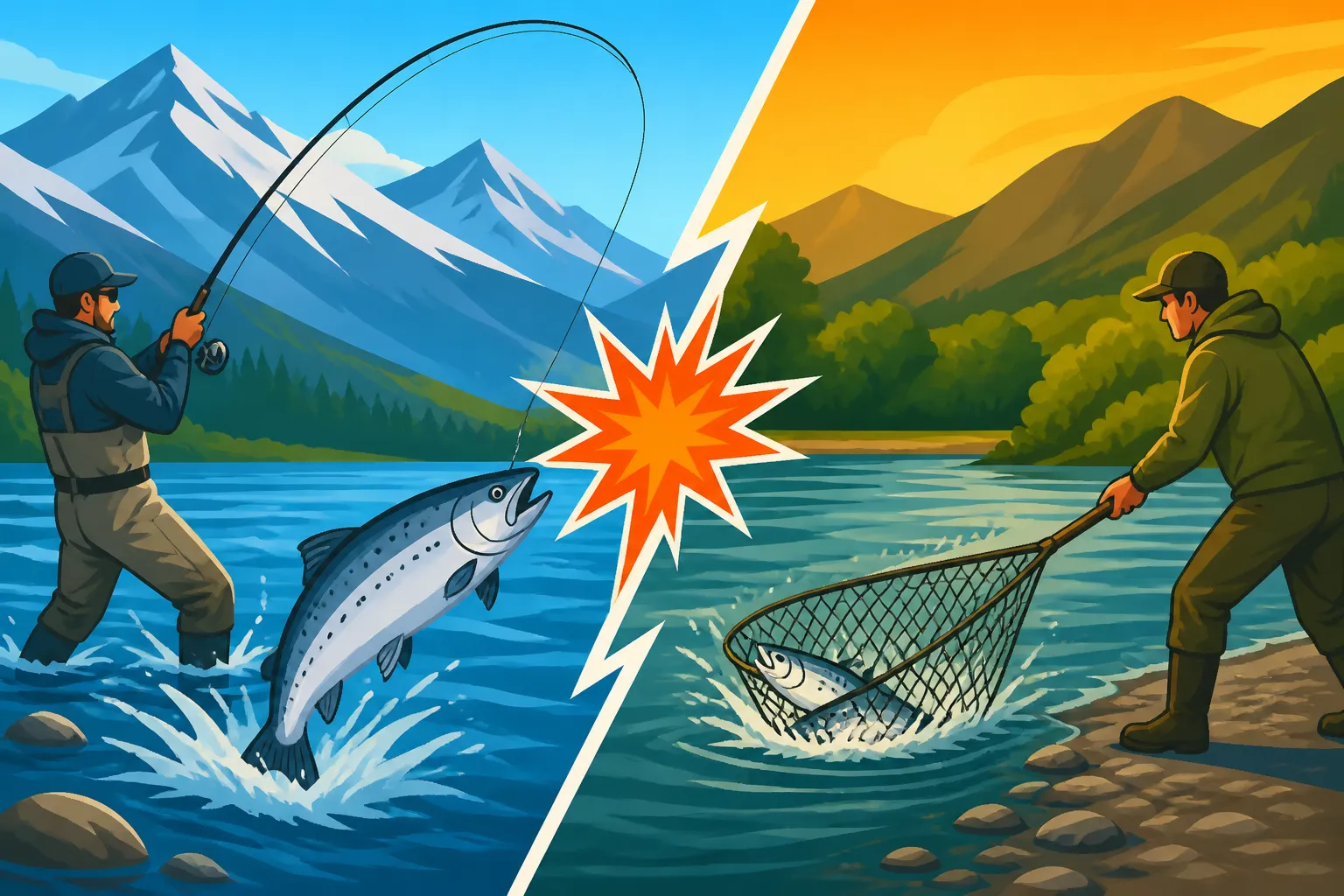
The term "combat fishing" probably conjures up images of anglers elbow-to-elbow, casting over each other, and maybe even a few heated exchanges. And honestly, on the Russian River, during the peak of the sockeye salmon runs, that mental picture isn't far from the truth! But it's not all chaos; there's a method to the madness, and knowing what you're stepping into is half the battle.
The Draw of the Russian River Sockeye
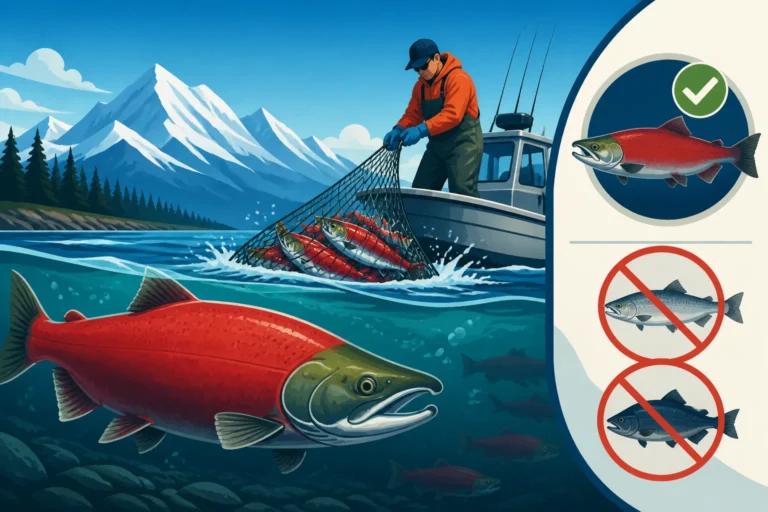
The Russian River, a tributary of the Kenai River near Cooper Landing, is world-renowned for its phenomenal sockeye (red) salmon runs. These powerful, crimson-flanked fish flood into the river in incredible numbers, particularly during late June and July, making it one of the most productive sockeye fisheries in Alaska. The sheer volume of fish is what draws thousands of anglers from around the globe, creating an intense, yet incredibly rewarding, fishing experience. People flock here because the chance of catching your limit of delicious sockeye is genuinely high, a rarity in many other fisheries.
Imagine standing in clear, cold water, surrounded by towering spruce trees, and seeing hundreds, if not thousands, of sockeye salmon pushing upstream. It's a truly wild and captivating scene that ignites the primal angler within. The fish are concentrated in specific spots, primarily at the confluence with the Kenai River and throughout the lower Russian River, creating bottlenecks that facilitate the unique "combat fishing" dynamic. For many, it's not just about catching fish; it's about being part of an iconic Alaskan tradition.
What "Combat Fishing" Truly Means
"Combat fishing" isn't a regulated term, but rather a colloquial description of the incredibly high angler density and the close-quarters fishing techniques employed on the Russian River. It means standing shoulder-to-shoulder with other anglers, sometimes with only a few feet separating you, all casting into the same narrow channels. The sheer number of lines in the water can lead to tangles, crossed lines, and a constant need for communication and patience. It’s an environment where personal space is a luxury, and awareness of your surroundings is paramount.
This isn't a serene, quiet fly-fishing experience. It's an active, high-energy pursuit where efficiency, courtesy, and a thick skin are valuable assets. When you hear the term "combat fishing," understand it implies a specific approach to fishing that values collaboration (sometimes begrudgingly) over solitude, and where quick casts and retrieves are more important than long, graceful ones. It's a testament to the abundance of fish that so many people can, and do, successfully fish these waters simultaneously.
Peak Season Frenzy and the Human Element
The Russian River experiences two main sockeye runs: the first typically arrives in June, and the second, larger run, hits in July. During these peak periods, especially on weekends and holidays, the riverbanks can become absolutely packed. Campgrounds like those at the Russian River Ferry and Sportsman's Landing fill up fast, and parking can be a nightmare. This intense human element amplifies the "combat" aspect.
Think about it: hundreds of individuals, each with their own fishing style and experience level, all vying for the best spots. You'll encounter seasoned Alaskans who've been fishing the river for decades, wide-eyed tourists on their first trip, and everything in between. This mix of experience levels means that while some will adhere strictly to etiquette, others might be less aware. It's important to remember that everyone is there for the same reason – to catch fish – and a little patience and a lot of understanding go a long way. The noise, the constant casting, the occasional yells of "Fish on!" – it all contributes to an atmosphere that's unlike almost any other fishery in Alaska. Understanding the salmon run timing in Alaska is key to planning your visit.
Essential Regulations for Russian River Anglers
Fishing in Alaska, particularly in high-pressure areas like the Russian River, comes with a very specific set of rules. The Alaska Department of Fish and Game (ADF&G) implements these regulations not just to manage the harvest, but also to ensure fairness and safety among the massive crowds. Ignorance of the rules is never an excuse, and violations can lead to hefty fines or even loss of fishing privileges. Taking the time to read the latest regulations booklet is a must; you can find more information in our guide on how to read the Alaska Sport Fishing Regulations Booklet.
Gear and Tackle Limitations
The Russian River has very strict rules regarding tackle, primarily to ensure fair hookups and to prevent snagging, which is generally illegal in most sport fisheries. For sockeye salmon, the common legal technique involves a weighted fly or bare hook, often referred to as "flossing."
Here's a breakdown of common gear restrictions:
- Single Hook, Barbless: This is a non-negotiable rule. All hooks must be single-point and completely barbless. This is critical for quick, clean releases of incidentally hooked fish and to minimize injury. You can bend down the barb on a regular hook with pliers, but it’s easier to buy barbless hooks upfront. For more details, see our article on Alaska Barbless Hook Requirements.
- Weight Above Hook: When targeting sockeye by flossing, the weight (often a lead split shot or Slinky weight) must be positioned above the bare hook or unbaited fly. The idea is for the weight to sink, allowing the line and hook to drift naturally into the sockeye's mouth as they swim upstream. You cannot use bait on the Russian River. For more on this, check out Alaska Bait Restrictions Explained.
- No Treble Hooks: Absolutely no treble hooks are allowed.
- Leader Length: While not always strictly regulated, shorter leaders are generally preferred to keep the rig compact and reduce tangles.
- Casting Restrictions: In some areas, or during specific emergency orders, casting might be restricted to certain hours or methods to further manage pressure. It's vital to check ADF&G's emergency orders before you head out. These can change daily and affect everything from bag limits to gear restrictions.
A typical legal setup you'd find many anglers using involves a medium to heavy-action spinning rod, about 8 to 10 feet long, paired with a reliable spinning reel spooled with 20-30 lb monofilament or braided line. You'll then tie on a leader, attach a slinky weight or a series of large split shots, and then your barbless, single hook. Many anglers purchase pre-tied "sockeye rigs" which can be found at local tackle shops or online at places like Amazon, though it's always good to double-check their legality for the specific regulations in place.
The Importance of the Harvest Record Card
Any time you plan to fish for King Salmon, or if you're a non-resident fishing in certain areas, you'll need a state-issued sport fishing license. On top of that, if you plan to keep any King Salmon, or certain other species like trophy fish or in specific designated areas, you’ll need a King Salmon stamp and must fill out a harvest record card. For the Russian River, even though it's primarily a sockeye fishery, non-residents will need to understand the harvest record card system.
While residents often don't need to record sockeye on their general sport fishing license, non-residents fishing the Russian River must record all King Salmon caught (even if released) and, depending on the current regulations, may need to record sockeye if fishing within specific harvest record zones or if regulations change. The harvest record card is a critical conservation tool that helps ADF&G track angler effort and harvest.
Here's why it's so important:
- Legal Requirement: Failing to properly fill out your harvest card or having an unrecorded fish can lead to significant penalties. This isn't just a suggestion; it's a legal mandate.
- Conservation: The data collected from harvest cards directly informs management decisions, helping to ensure sustainable fish populations for future generations.
- Daily and Annual Limits: Your harvest card helps you keep track of your daily and annual bag limits. It's easy to lose count in the heat of the moment, especially if you're catching a lot of fish.
- Proof of Legality: If a Fish and Game Trooper checks your catch, your properly filled-out card is your proof that you are adhering to the rules.
Make sure you know how to fill out an Alaska Harvest Record Card before your trip. Always carry a pen or pencil with you when fishing!
Specific Sockeye Salmon Rules and Emergency Orders
The Russian River is primarily a sockeye fishery, and the rules revolve heavily around these fish. The daily bag and possession limits for sockeye can vary not just by year, but also by specific dates and even regions within the Kenai River drainage, which includes the Russian River.
Typically, the Russian River has a daily bag limit of three sockeye salmon over 16 inches and an annual limit of six sockeye salmon over 16 inches for non-residents. However, these numbers are subject to change via emergency orders. For residents, limits are generally more generous, often allowing for six sockeye salmon per day. You can find detailed information on Alaska Sockeye Daily Limit by River.
Emergency Orders (EOs) are a critical component of Alaska fishing. These are real-time changes to regulations made by ADF&G to respond to changing fish escapement numbers or fishing pressure. A fishery that was open yesterday could be closed today, or bag limits could be adjusted overnight.
For instance, if sockeye returns are strong, ADF&G might increase the daily bag limit. Conversely, if returns are weak, they might reduce limits, close the fishery entirely, or impose additional restrictions. It's your responsibility to check for current emergency orders before you go fishing and, ideally, even while you are there. Many local tackle shops and guide services will post current EOs, and ADF&G has a dedicated hotline and website. Our guide on Alaska Fishing Emergency Orders Explained can provide more insight into this dynamic system. Staying informed is paramount for a legal and successful trip.
Navigating the Crowds: Etiquette and Effective Strategies
So, you understand the rules. Now, how do you actually fish productively and politely in a "combat fishing" scenario? It’s less about brute force and more about finesse, patience, and good manners. This is where the veteran angler really shines – not by catching the most fish, but by navigating the chaos with grace.
Finding and Holding Your Spot
During peak runs, finding an open spot on the Russian River can feel like trying to find a parking space at a sold-out concert. Anglers will arrive hours before dawn to secure prime positions, especially at popular bends or deeper holes where sockeye tend to hold.
- Arrive Early: If you want a good spot, set your alarm for ridiculously early. We're talking 3 AM or 4 AM in July when the sun is already up. The best spots are usually gone by sunrise.
- Be Patient and Observe: Don't just barge in. Walk the banks, observe where people are successfully fishing, and look for small gaps. Sometimes, an angler will leave for a break, creating a temporary opening.
- Ask Politely: If you see a small space, a simple, "Is this spot taken?" or "Mind if I squeeze in here?" can go a long way. Most anglers are generally friendly, especially if you're respectful.
- Hold Your Ground (Respectfully): Once you've established your spot, you have a reasonable right to hold it. However, if you need to step away for a bathroom break or to grab something from your gear bag, tell your neighbors. A quick, "Hey, I'm just stepping away for five minutes, I'll be right back," prevents someone from accidentally taking your prime real estate. You might even find some handy portable fishing chairs on Amazon that make waiting more comfortable!
Remember, this is not a free-for-all. There's an unwritten rule of first-come, first-served, and respecting established positions is key to maintaining a semblance of order. For those looking for a quieter experience, exploring other areas of the Kenai Peninsula might be a better fit, but for the thrill of the Russian, you embrace the crowds.
Mastering the Legal "Flossing" Technique
"Flossing" is the predominant and legal method used to catch sockeye salmon on the Russian River. It's a specific technique designed to hook sockeye fairly in the mouth, not snag them. Sockeye, unlike King salmon, rarely strike at lures or bait once they enter freshwater to spawn. They're focused on their biological imperative, not eating.
Here's how it works:
- Cast Upstream: Cast your weighted, barbless, unbaited rig slightly upstream and across the current.
- Let it Drift: Allow your rig to sink and drift naturally downstream. The weight pulls your line down, and the bare hook trails behind.
- The "Floss": As the rig drifts, the line (often brightly colored like chartreuse or pink monofilament) passes across the sockeye's mouth. When the line makes contact, the fish often opens its mouth or slightly nudges it.
- Set the Hook: As the line "flosses" through the fish's mouth, a quick, sharp tug on the rod sets the hook in the corner of its jaw. This is a subtle feel, often mistaken for a snag initially, but with practice, you learn to differentiate. It's a quick, upward sweep of the rod tip.
- Reel in Quickly: Once hooked, reel quickly and keep pressure on the fish to bring it in before it causes a tangle with other lines.
The challenge lies in getting your rig to drift naturally into the sockeye's path without intentionally snagging them. Snagging (hooking a fish anywhere other than the mouth) is illegal, and Fish and Game wardens patrol the river constantly. If you repeatedly snag fish, you could be cited. The intent is key here; a legitimate foul hook often happens, especially with the high density of fish, but intentional snagging is strictly prohibited. Understanding how to legally fish for sockeye is crucial, and it’s a core component of any good Russian River Sockeye Fishing Guide.
Being a Respectful Angler
In a combat fishing situation, common courtesy isn't just nice, it's essential for everyone's enjoyment and safety. A few simple rules of etiquette can make a huge difference:
- Mind Your Cast: Before you cast, always look behind you and to your sides to ensure you won't hit another angler or get tangled in their line. A simple "Heads up!" before a cast can prevent a lot of frustration.
- Communicate Tangles: Tangles will happen. When they do, calmly announce "Tangle!" or "Crossed lines!" and work with your neighbors to untangle them. Don't just yank your line; it only makes it worse. Sometimes, this means briefly cutting lines and re-tying, so always have fresh leader and tackle handy.
- Share the Water: If you've caught your limit, or if you're consistently catching fish while others aren't, consider stepping back for a while. Taking a break to let others have a turn in a productive spot is a sign of a truly experienced and courteous angler.
- Keep Your Space Clean: Alaska's wilderness is pristine. Pack out everything you pack in, including discarded fishing line, food wrappers, and anything else. Leaving trash is a surefire way to annoy locals and harm the environment.
- Manage Your Fish: Once you've caught a fish, quickly land it, dispatch it ethically if you're keeping it, and record it on your harvest card. Don't let a caught fish thrash around in the water causing more tangles. If you're practicing Alaska Catch-and-Release Best Practices, do so quickly and efficiently to minimize stress on the fish.
By following these simple guidelines, you contribute to a more positive experience for everyone on the river. It’s a community out there, even if it’s a crowded one!
Common Mistakes and What to Expect
Even with the best intentions, combat fishing on the Russian River can be a trial by fire. Many first-timers make similar mistakes, which can quickly lead to frustration or even regulatory issues. Knowing what to expect and how to prepare can significantly improve your experience.
The Mental Game and Patience
Perhaps the biggest challenge on the Russian River isn't the fish, but the mental game. It's easy to get discouraged when you're constantly snagging, getting tangled, or watching the person next to you land fish after fish.
- Frustration is Normal: Acknowledge that you will get frustrated. The lines will tangle, your cast might not be perfect, and the fish might not cooperate immediately. Take a deep breath.
- Patience is a Virtue: You might stand for hours without a bite, then suddenly hit a productive streak. Don't give up too soon. Persistence often pays off.
- Focus on Your Own Fishing: It’s tempting to constantly compare your success to others. Instead, focus on perfecting your own technique, observing the nuances of the water, and enjoying the process. Everyone has good days and bad days.
- Take Breaks: Stepping away from the intensity for 15-20 minutes, grabbing a snack, or just walking a bit can reset your mindset. The nearby trails offer a great opportunity to stretch your legs and get some quiet time before diving back into the fray.
Remember, you're fishing in one of the most beautiful places on Earth, even with the crowds. Enjoy the scenery, the wildlife (bears are common here, so be bear aware!), and the incredible natural spectacle of the salmon run.
Avoiding Common Violations
The rules for combat fishing are specific, and violations are taken seriously. Here are some common pitfalls anglers fall into:
- Illegal Snagging: This is the most frequent violation. If a Fish and Game officer observes you repeatedly snagging fish (i.e., hooking them anywhere other than the mouth) and not releasing them immediately, or if your technique appears designed to snag, you will be cited. If you're having trouble hooking fish legally, don't hesitate to ask a fellow angler for tips on their "flossing" technique. This is directly related to Alaska Fishing Regulations Explained.
- Using Bait/Wrong Hooks: Many anglers forget or don't realize the strict barbless, single-hook, no-bait rules. Double-check your setup thoroughly. Even a tiny piece of roe on your hook is considered bait and is illegal.
- Over-Limits: In the excitement of a hot bite, it's easy to lose track of how many fish you've caught, especially if you're a non-resident with tighter Alaska Sockeye Salmon Limits on the Kenai. Keep your harvest card up-to-date and count carefully.
- Fishing in Closed Waters: Always check for emergency orders. Certain areas might be closed to fishing temporarily to protect spawning fish or for other conservation reasons. Fishing in a closed area is a serious offense.
- Not Having a License/Stamp: Sounds obvious, but sometimes people forget or assume certain exemptions that don't apply. Ensure you have the correct Alaska Fishing License Cost and Types for your residency and age, and any required stamps.
| Violation Type | Description | Consequence (General) | How to Avoid |
|---|---|---|---|
| Intentional Snagging | Deliberately hooking a fish anywhere other than the mouth. | Fine, possible license suspension, equipment confiscation. | Learn proper "flossing" technique; release foul-hooked fish immediately. |
| Using Barbed Hooks | Not bending down barbs on hooks, or using factory-barbed hooks. | Fine. | Use barbless hooks or crimp down barbs with pliers firmly. |
| Using Bait | Attaching any natural or artificial bait (e.g., roe, scents) to your hook. | Fine. | Use only unbaited flies or bare hooks. |
| Over Bag Limit | Keeping more fish than allowed by daily or annual limits. | Significant fines per fish, possible license suspension. | Keep track with your harvest card, know current limits. |
| No Harvest Card | Fishing without a required harvest record card, or not filling it out. | Fine. | Always carry your license and a pen, fill out immediately after keeping a fish. |
| Fishing in Closed Area | Casting in areas designated as closed by regulation or emergency order. | Fine, possible license suspension. | Check ADF&G emergency orders daily. Look for signage. |
Maximizing Your Experience (Despite the Crowds)
Despite the challenges, "combat fishing" on the Russian River can be an incredibly memorable and successful experience. It's about adjusting your expectations and embracing the unique environment.
- Bring the Right Gear: A sturdy spinning rod and reel, quality line, plenty of appropriate weights, and barbless hooks are essential. Don't forget chest waders for wading the river and good rain gear (available on Amazon) because the weather can change quickly. Our Alaska Fishing Gear and Tackle Guide has more detailed recommendations.
- Plan Your Timing: While peak season means crowds, it also means the most fish. If you prefer fewer people, aim for weekdays or the earlier/later parts of the runs. The Best Time to Fish in Alaska often coincides with the biggest runs.
- Stay Flexible: If your favorite spot is packed, be willing to move and explore other areas of the river or even nearby stretches of the Kenai.
- Talk to Locals: Many experienced anglers are happy to share tips, especially if you're polite and respectful. Ask about the current bite, water conditions, or specific techniques.
- Enjoy the Harvest: There’s nothing quite like fresh, wild Alaska sockeye. Whether you're grilling it up that night at your campsite or freezing it to take home, the reward of a successful day (or even a few successful hours) is immense.
Ultimately, "combat fishing" on the Russian River is an experience unique to Alaska. It’s challenging, sometimes frustrating, but profoundly rewarding for those who come prepared, respect the rules, and embrace the wild, bustling energy of the Alaskan salmon run.
Disclaimer
The information provided in this guide is for general informational purposes only and is not intended as legal advice regarding fishing regulations. Alaska fishing regulations, including those for the Russian River, can change frequently through emergency orders issued by the Alaska Department of Fish and Game (ADF&G). It is the responsibility of each angler to consult the most current ADF&G Sport Fishing Regulations booklet and any active emergency orders before and during their fishing trip. Failure to do so may result in citations or penalties.