Best Fishing in Kodiak
The thought of planning a fishing trip to Kodiak can feel like staring at an overwhelming buffet of incredible options – where do you even begin with so much world-class fishing potential? Many anglers dream of this legendary island but get lost in the details of species, seasons, and spots. This comprehensive guide is designed to cut through that confusion, giving you a clear roadmap to experiencing the very best of Kodiak Island's diverse and productive fisheries.
Why Kodiak is a Premier Fishing Destination
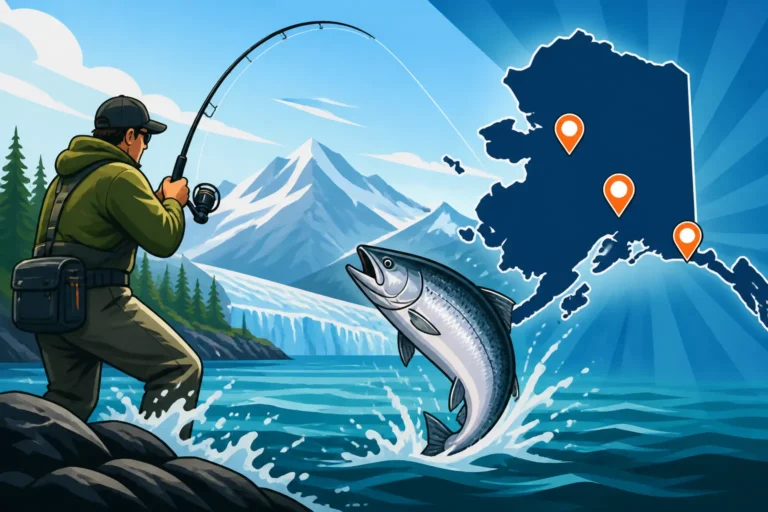
Kodiak Island, often called the "Emerald Isle" due to its lush green landscape, isn't just a pretty face; it's a fishing powerhouse. This vast island, the second-largest in the United States, is surrounded by nutrient-rich waters and laced with countless rivers and streams, creating an ecosystem that supports an astounding array of fish species. Anglers from around the globe flock here for good reason, drawn by the promise of battling trophy salmon, wrestling colossal halibut, and finding peace fly fishing for trout in pristine wilderness settings.
The Island's Unique Ecosystem
Kodiak's fishing prowess stems from its unique geography and climate. Situated in the Gulf of Alaska, it receives abundant rainfall and benefits from the confluence of oceanic currents, fostering incredibly rich marine life. This bounty extends from microscopic plankton to vast schools of baitfish, which in turn support larger predatory species like salmon and halibut. The island's numerous watersheds, fed by mountains and glaciers, provide vital spawning grounds for all five species of Pacific salmon, alongside robust populations of resident freshwater fish.
Beyond the sheer numbers, Kodiak's rugged coastline, sheltered bays, and deep-water fjords create diverse habitats for fish. You can find yourself trolling for King salmon in relatively calm bay waters one day, and the next, venturing out to the open ocean for monster halibut in deeper channels. This ecological diversity means that no matter your preferred fishing style or target species, Kodiak likely has a spot perfectly suited for you, offering a genuine taste of Alaskan wilderness angling.
A Rich History of Angling
Fishing isn't just a pastime on Kodiak; it's deeply woven into the island's cultural fabric. For centuries, indigenous Alutiiq people have relied on these abundant waters, developing sophisticated fishing techniques and a profound understanding of the marine environment. Modern sport fishing traditions continue this legacy, with many local guides and charter operators boasting generations of experience navigating these complex waters.
This long history translates into an established infrastructure for anglers. From well-maintained boat launches in Kodiak City to remote lodges accessible only by floatplane, the island is set up to support fishing adventures of all scales. You'll find a community that understands and values its natural resources, committed to sustainable fishing practices that ensure future generations can enjoy the same incredible opportunities. It’s more than just catching fish; it’s about participating in a timeless Alaskan tradition.
What Makes Kodiak Stand Out
What truly elevates Kodiak above other fantastic Alaska fishing destinations is its unparalleled blend of accessibility and wildness. You can arrive via commercial flight directly into Kodiak City (Kodiak Airport, KOD), rent a car, and be fishing a productive roadside river or heading out on a charter within hours. Yet, with a short floatplane ride or a multi-day boat trip, you can find yourself in absolutely untouched wilderness, fishing waters where few others have cast a line.
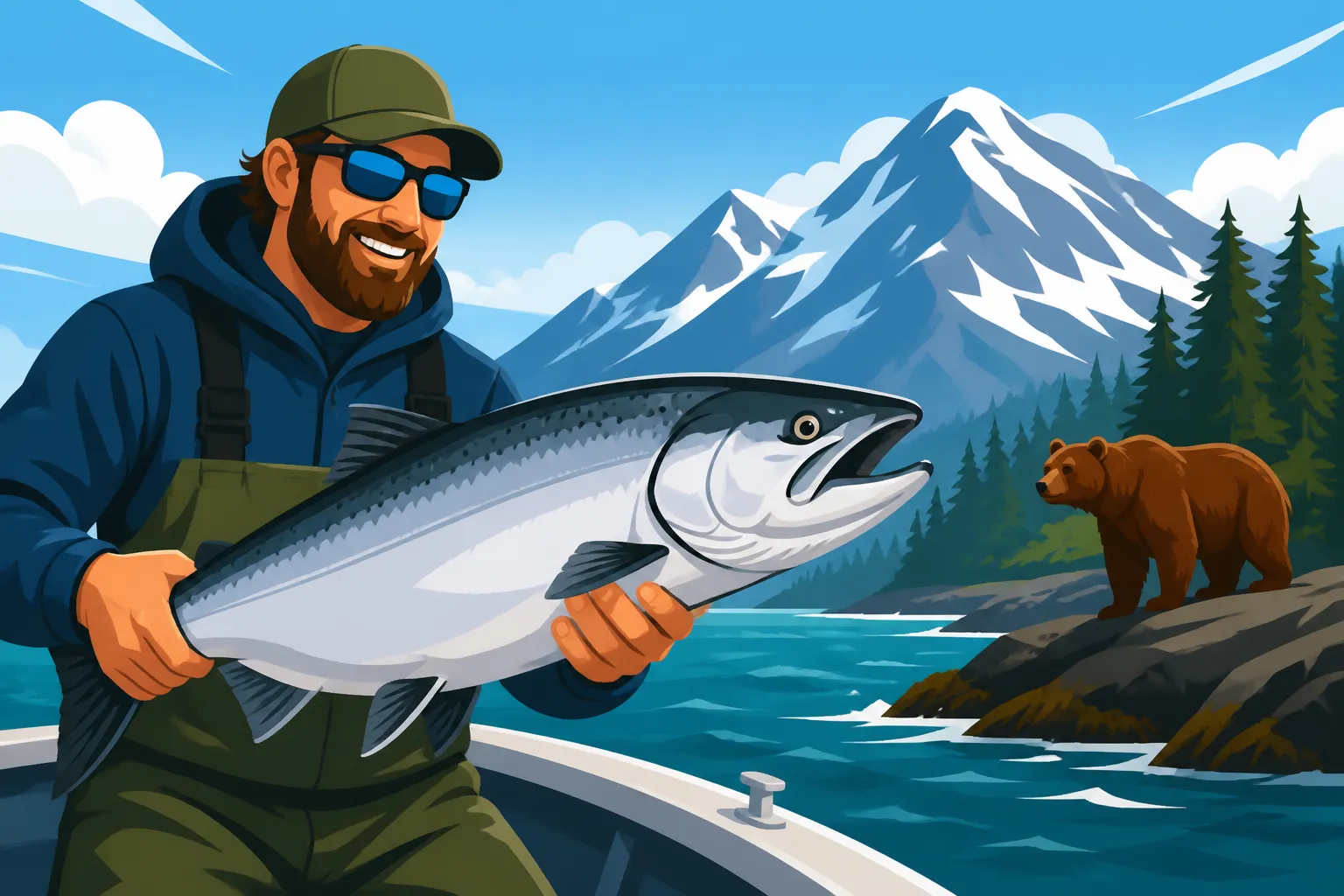
This duality means Kodiak caters to every kind of angler, from families looking for a convenient, memorable experience to seasoned adventurers seeking solitude and trophy fish. The variety of fish, coupled with the breathtaking scenery of towering mountains, lush forests, and abundant wildlife – including the famous Kodiak brown bears – makes every fishing trip here a truly holistic Alaskan experience. It's not just about what you catch, but the entire immersive journey.
Chasing Salmon on Kodiak Island
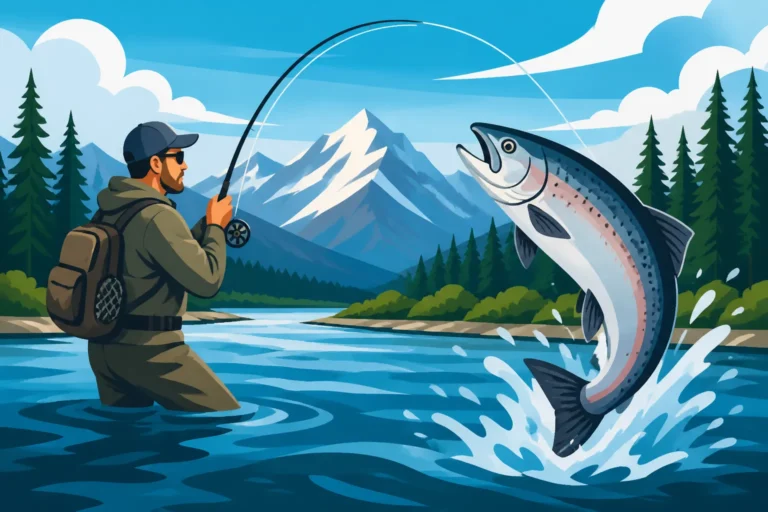
Kodiak Island is a salmon paradise, hosting all five species of Pacific salmon throughout the season. The timing and availability of these runs vary, creating a dynamic fishery that keeps anglers on their toes. Understanding when and where each species runs is key to maximizing your salmon fishing success. From the powerful Kings to the abundant Pinks, there’s a salmon challenge waiting for everyone.
King Salmon: The Early Season Royalty
King salmon, also known as Chinook, are the largest and most prized of the Pacific salmon. On Kodiak, the King salmon season typically kicks off in late spring, around May, and can extend into early July. These magnificent fish are known for their incredible fighting power, often leading to prolonged battles that test even the most experienced angler. They can be found both in saltwater, feeding near river mouths and in deeper channels, and as they begin their migration upstream into various rivers.
Popular King salmon spots on Kodiak include the Buskin River, near Kodiak City, which sees a smaller but consistent run, and more remote rivers like the Karluk and Ayakulik, accessible primarily by charter or fly-out trips. Anglers often use techniques like trolling with herring or spoons in saltwater, or back-trolling and drift fishing with roe or plugs in freshwater. Securing your King Salmon Stamp is essential if you plan to target these regal fish. While regulations can be restrictive to protect vulnerable stocks, catching a Kodiak King is an unforgettable achievement.
Sockeye and Pink Salmon: Summer's Abundance
As the King salmon run wanes, the island transitions into the vibrant summer fishery for Sockeye and Pink salmon. Sockeye, or Red salmon, begin their strong push into rivers in late June and continue through July, often filling rivers with their bright red bodies as they approach spawning grounds. They are incredibly strong fighters, known for their powerful runs, and are a favored table fare due to their rich, red meat. Rivers like the Buskin, Pasagshak, and particularly the Ayakulik and Karluk, can see enormous Sockeye runs, offering fantastic opportunities for dip netting for residents and sport fishing for all.
Pink salmon, or Humpies, arrive in staggering numbers, especially during even-numbered years (their dominant cycle). These smaller, but extremely aggressive salmon start showing up in mid-July and run through August, often crowding coastal streams and river mouths. Pinks are incredibly fun on light tackle, providing non-stop action, and are an excellent choice for beginner anglers or families. They readily hit small spinners, spoons, and flies. For both Sockeye and Pinks, being aware of the current Alaska Salmon Bag Limits by Species is crucial, as limits can change based on run strength.
Silver (Coho) Salmon: Fall's Fierce Fighters
As summer begins to fade, Kodiak's fishing season receives a powerful second wind with the arrival of Silver salmon, also known as Coho. These acrobatic fighters typically start showing up in late August and continue strong through September, and sometimes even into October. Silver salmon are renowned for their aggressive strikes, aerial displays, and tenacious fights, making them a favorite among many anglers. They are often found in both saltwater, just offshore or in estuaries, and making their way up the rivers.
Many of Kodiak's rivers, including the Buskin, Olds, Pasagshak, and remote streams like the Saltery River, offer excellent Coho fishing. Spin fishermen often use brightly colored spinners, spoons, and coho flies, while fly anglers find great success swinging streamers or stripping various patterns. The fall scenery on Kodiak, with changing leaves and crisp air, only adds to the magic of chasing these energetic fish. Checking the Alaska Salmon Run Timing Explained can help you plan your trip to coincide with peak Coho action.
The Thrill of Halibut and Bottom Fishing in Kodiak Waters
While salmon often steal the spotlight, Kodiak's saltwater fishing for halibut and other bottomfish is equally legendary. The deep, cold waters surrounding the island are prime habitat for these powerful fish, offering some of the most exciting and rewarding angling experiences Alaska has to offer. Be prepared for a serious workout when you hook into a "barn door" halibut!
Battling the Barn Doors: Halibut Fishing
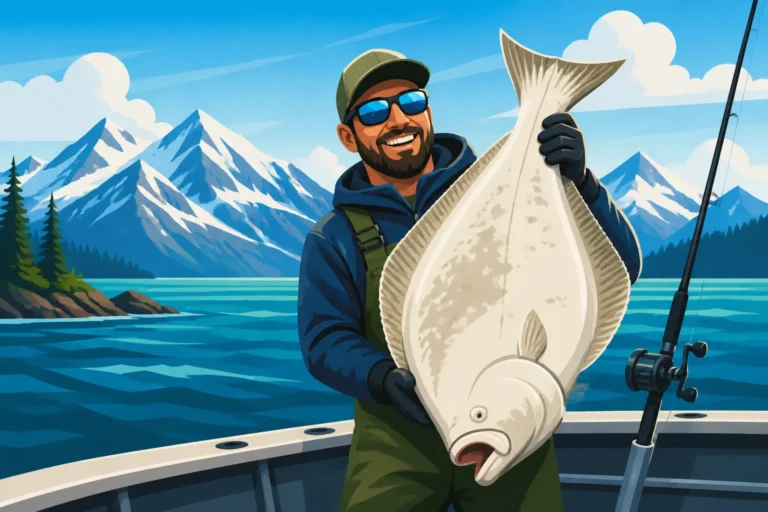
Halibut fishing off Kodiak is a true adventure. These flat, powerful predators can grow to immense sizes, with "barn doors" weighing well over 100 pounds not uncommon. The season generally runs from May through September, with peak opportunities in June, July, and August. Charter boats routinely venture into the deep waters of Chiniak Bay, Ugak Bay, and other offshore locations, targeting rocky ledges, drop-offs, and sandy bottoms where halibut ambush their prey.
Most halibut fishing involves bottom fishing with heavy-duty gear, often using large pieces of bait such as herring, salmon heads, or octopus, weighted down to reach depths of 100 to 400 feet. Jigging with large metal jigs is also a popular and effective method. The fight of a large halibut is relentless, characterized by deep, powerful runs that can pull line off a heavy reel. Many anglers find it worthwhile to book an Alaska Halibut Charter Guide to navigate these waters and increase their chances of landing a trophy. Remember that Alaska Halibut Bag Limits Explained are strictly enforced, especially for charter anglers.
Diverse Bottomfish Opportunities
Beyond halibut, Kodiak's saltwater scene offers a fantastic variety of other bottomfish, providing plenty of action between halibut bites. Rockfish species, including the vibrant Yelloweye Rockfish (often called "red snapper"), Black Rockfish, and Lingcod, are abundant in the same deep, rocky habitats. These fish are delicious and offer a different kind of fight, often found closer to structure.
Targeting rockfish and lingcod typically involves similar techniques to halibut, such as jigging or bait fishing with cut bait or soft plastics. Many charters offer combo trips, allowing you to target salmon, halibut, and various bottomfish all in one day, maximizing your experience. The regulations for these species, particularly for Lingcod and certain rockfish, include size limits and specific gear requirements like descending devices for releasing deep-water rockfish, so it's always wise to consult the latest Alaska Fishing Regulations Explained.
Freshwater Gems: Trout and Char Fishing on Kodiak
While the salmon and halibut runs draw much of the attention, Kodiak also boasts exceptional freshwater fishing for resident species. Its countless lakes and streams are home to healthy populations of rainbow trout, Dolly Varden, and sometimes Arctic Char, offering a more tranquil, yet equally rewarding, angling experience away from the bustling salmon runs.
Rainbow Trout and Dolly Varden Havens
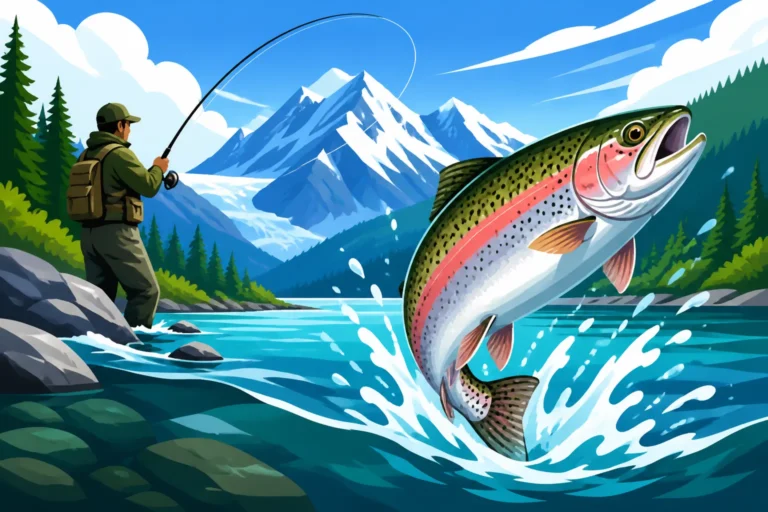
Kodiak Island's freshwater systems are a dream for trout and char enthusiasts. Rainbow trout thrive in many of the island's lakes and rivers, growing to impressive sizes by feeding on salmon eggs and smolt during the salmon runs. Popular spots for rainbows include the Buskin River system, particularly Buskin Lake, and various streams accessible via the road system. For a truly wild experience, numerous remote lakes and rivers accessed by floatplane offer untouched waters where large, native rainbows can be found.
Dolly Varden, a char species often mistaken for trout, are incredibly abundant throughout Kodiak's freshwater and estuarine environments. They are voracious eaters, eagerly taking flies, spinners, and small spoons, especially during and after salmon spawning, when they gorge on eggs. You can find Dollies in almost any stream or river, often alongside salmon. The Pasagshak River and Saltery River are known for their strong populations. Fishing for these species offers a fantastic opportunity to explore Kodiak’s pristine inland landscapes.
Fly Fishing Kodiak's Remote Streams
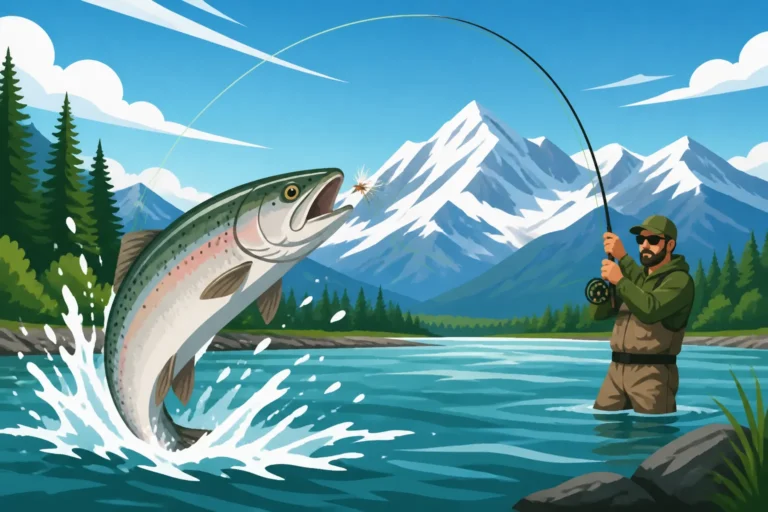
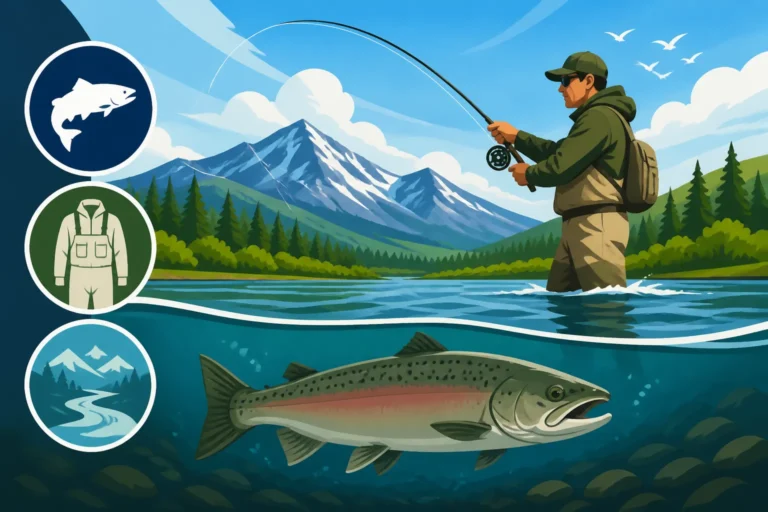
Kodiak is a phenomenal destination for fly fishing, especially for rainbow trout and Dolly Varden. The island's remote streams, often clear and easily wadeable, provide an idyllic setting for casting a line. During the salmon runs, fly fishing with egg patterns and flesh flies can be incredibly productive, as trout and char stack up to feed on the protein-rich bounty. After the salmon have spawned, streamers and nymphs become effective.
For the adventurous angler, a fly-out trip to one of Kodiak's truly wild rivers, such as the Frazer or Dog Salmon rivers, offers an unparalleled experience. These trips often combine world-class fishing with incredible wildlife viewing, including the chance to see Kodiak brown bears fishing alongside you (from a safe distance, of course!). Always carry bear spray and know How to Fish Safely Around Alaska Bears. Booking through a service like FishingBooker can help you find lodges and guides specializing in these unique fly-out experiences, ensuring you have the right expertise for a remote adventure.
Planning Your Kodiak Fishing Adventure
A successful Kodiak fishing trip requires careful planning, from understanding the best times to visit to deciding on the right type of experience. Don't let the remote nature of Alaska deter you; with a little preparation, your dream trip is within reach.
When to Visit for Peak Action
Timing is everything when planning your Kodiak fishing trip, as different species peak at different times. Here's a general breakdown:
| Month | Primary Target Species | Notes |
|---|---|---|
| May | King Salmon, Halibut, Lingcod, Rockfish | Early Kings, good bottom fishing, weather can be variable. |
| June | King Salmon, Halibut, Lingcod, Rockfish | Strong King salmon run, excellent halibut, increasingly stable weather. |
| July | Sockeye Salmon, Halibut, Pink Salmon | Peak Sockeye runs, continued excellent halibut, Pink salmon start arriving, warmer weather. |
| August | Silver Salmon, Pink Salmon, Halibut | Peak Silver (Coho) salmon, huge Pink salmon runs (especially even years), good halibut still. |
| September | Silver Salmon, Rainbow Trout, Dolly Varden | Excellent Silver salmon, vibrant fall colors, trophy trout feeding on eggs. |
For the most up-to-date information on when different fish are running, check out our guide on Alaska Fishing Seasons: Month-by-Month Guide. Be aware that emergency orders can change regulations rapidly, so always check with the Alaska Department of Fish and Game (ADF&G) for current conditions closer to your travel dates.
Choosing Between Guided and Unguided Trips
Deciding between a guided trip or an unguided adventure on Kodiak depends on your experience level, budget, and desired level of independence.
Guided Trips: If you're new to Alaska fishing, targeting specific trophy species, or prefer convenience, a guided trip is often the best choice. Kodiak fishing guides are experts in local waters, understand fish behavior, and have all the necessary gear and safety equipment. They maximize your chances of success and provide invaluable knowledge. Guides can offer saltwater charters for halibut and salmon or freshwater trips for river-run salmon and trout. Services like FishingBooker make it easy to find and compare reputable Kodiak fishing charters and guides, often providing reviews and detailed itineraries. For more on what to expect, read our detailed article on What to Expect on an Alaska Fishing Charter.
Unguided (DIY) Trips: For experienced anglers who enjoy planning their own logistics and have a spirit of adventure, an unguided trip can be incredibly rewarding and often more budget-friendly. Kodiak offers several road-accessible rivers and lakes where you can fish independently. However, DIY trips require you to bring or rent all your gear, understand local regulations, and be self-sufficient. This option is also popular for accessing more remote areas via rented skiffs or kayaks, though this requires considerable backcountry experience and proper safety precautions.
Essential Gear and Preparations
Preparing adequately for a Kodiak fishing trip is crucial for comfort and success. The weather can be famously unpredictable, shifting from sunny to rainy and windy in a matter of hours.
Clothing: Layers are your best friend. Start with moisture-wicking base layers, add insulating fleece or down, and top it with high-quality waterproof and windproof outerwear. A good pair of waterproof boots or waders is essential for shore or river fishing. Don't forget a warm hat, gloves, and sunglasses (polarized lenses are a huge advantage).
Fishing Gear: Your gear will depend on your target species. For salmon and trout, medium to heavy spinning rods or fly rods (6-9 weight) are common. For halibut, heavy-duty conventional gear with robust reels and strong braided line is a must. Bring a variety of lures, flies, and bait appropriate for the season and species. Always carry a reliable fillet knife and a cooler to transport your catch.
Other Essentials: Bear spray is highly recommended for anyone venturing into the wilderness, even on the road system, due to the prevalence of Kodiak brown bears. A first-aid kit, insect repellent, sunscreen, and plenty of water are also vital. Don't forget your Alaska Fishing License: Complete Guide and any necessary stamps, like the King Salmon stamp, which you can often purchase online or at local tackle shops.
Local Hotspots and Hidden Shores
Kodiak Island offers a mix of easily accessible fishing locations and more remote, wilderness experiences. Knowing where to go can make all the difference in catching your target species.
Road System Access: Near Kodiak City
For anglers seeking convenience and good fishing without the need for a boat or plane, Kodiak's road system offers several excellent options. These spots are particularly popular for salmon and trout fishing.
Buskin River: Located just a short drive from Kodiak City, the Buskin River is one of the most accessible and popular fishing destinations on the island. It sees runs of King, Sockeye, Pink, and Silver salmon throughout the summer, as well as a healthy population of rainbow trout and Dolly Varden. The river flows from Buskin Lake to Buskin Bay, offering both lake and river fishing opportunities. There are designated fishing areas, and parking is generally plentiful. It's a fantastic place for families and beginners.
Pasagshak River: On the south end of the road system, about an hour's drive from Kodiak City, the Pasagshak River is another excellent choice. Known for its strong runs of Sockeye and Silver salmon, it also holds good numbers of Dolly Varden and resident trout. The river offers diverse fishing environments, from the tidal flats to upstream sections. The surrounding landscape is breathtaking, providing a true sense of Kodiak's wild beauty.
Olds River: Also accessible by road, the Olds River provides opportunities for Silver salmon later in the season. These roadside fisheries often require some walking to find good spots, but the reward can be well worth the effort. Always respect private property and be mindful of other anglers.
Remote Charters and Fly-Out Adventures
For those craving a deeper wilderness experience and potentially larger, less-pressured fish, Kodiak offers incredible opportunities for remote charter and fly-out trips. These adventures get you away from the crowds and into the heart of Alaska's pristine fishing grounds.
Saltwater Charters from Kodiak City: Many excellent charter operators depart directly from Kodiak City's harbor. They specialize in multi-species trips, taking you into the rich waters of Chiniak Bay, Ugak Bay, or out to more distant halibut grounds. These charters are ideal for targeting large halibut, multiple salmon species (often by trolling in nearshore waters), lingcod, and various rockfish. Booking a charter through platforms like FishingBooker allows you to compare different boats, check their specialties (e.g., Best Halibut Charters in Alaska), and read reviews from other anglers.
Fly-Out Trips to Wilderness Rivers: For the ultimate Kodiak fishing adventure, consider a fly-out trip. Local air taxi services offer flights to remote rivers and lakes such as the Karluk River, Ayakulik River, Frazer Lake, and Dog Salmon River. These locations are famous for their colossal salmon runs, particularly King and Sockeye, and their populations of trophy rainbow trout and Dolly Varden. A fly-out trip typically involves flying to a remote cabin or designated camping area, then fishing independently or with a pre-arranged wilderness guide. These trips offer unparalleled solitude and some of the best fishing Alaska has to offer. Be prepared for true wilderness conditions and strict adherence to bear safety protocols.
Disclaimer
The information provided in this guide is for general informational purposes only and is subject to change. Fishing regulations in Alaska are dynamic and can be altered at any time by emergency orders from the Alaska Department of Fish and Game (ADF&G). Always consult the official ADF&G regulations and emergency orders for the specific region and time you plan to fish before heading out. It is the angler's responsibility to know and follow all applicable laws and regulations.