Best Fly-In Fishing in Alaska
Getting to the best fishing spots in Alaska often means leaving the road system far behind. While roadside fishing can be amazing, there's a unique frustration that comes with crowded rivers and easily accessible waters. If you've ever dreamt of casting your line into pristine, untouched rivers where the fish haven't seen a thousand lures before, then fly-in fishing is your answer. This comprehensive guide will walk you through everything you need to know to plan and execute the Alaskan fly-in fishing adventure of a lifetime.
Why Choose Fly-In Fishing in Alaska?
Let's be honest, the allure of Alaska is often tied to its wild, untamed nature. But with increasing popularity, some of the most famous rivers can feel a bit… busy. That's where fly-in fishing truly shines, offering an unparalleled experience that takes you deep into the Last Frontier. It's not just about catching fish; it's about the entire journey and the profound sense of wilderness you'll encounter.
Escape the Crowds and Find Solitude
One of the biggest headaches for any angler traveling to a renowned fishing destination is the sheer number of people. You dream of casting into a serene river, only to find yourself elbow-to-elbow with dozens of other enthusiasts. Fly-in fishing completely eliminates this frustration. By taking to the skies, you gain access to remote rivers, lakes, and streams that are simply unreachable by vehicle or even a long hike. Imagine having miles of prime water all to yourself, where the only sounds are the rustle of the wind through the alders and the splash of a rising fish. This solitude allows for a deeper connection with nature and a more peaceful, rewarding fishing experience, free from the pressure of competing for the best holes. It's about finding that truly wild spot, the one that few others ever get to see.
Access to Pristine, Untouched Waters
Alaska is vast, and much of its incredible fishing potential lies hidden within its immense wilderness. These are the waters that aren't pounded daily by boats or lined with bank anglers. Fly-in trips open up these hidden treasures, leading you to systems where the fish populations are often denser, and the fish themselves are less wary. The ecosystem around these remote waterways is typically undisturbed, leading to healthier fish and more vibrant insect life for fly anglers. You'll find rivers running crystal clear, showing off every rock and eddy, and lakes so still they perfectly mirror the surrounding mountains. This pristine environment isn't just a pretty backdrop; it translates directly to better fishing, as the fish are in their natural, undisturbed habitat, feeding aggressively and exhibiting their wild instincts.
The Thrill of the Remote Adventure
There's an undeniable thrill that comes with flying over vast stretches of wilderness, knowing you're heading somewhere truly off the beaten path. The journey itself becomes an integral part of the adventure. You might spot a brown bear foraging on a distant hillside, a moose wading through a marsh, or even caribou migrating across the tundra. Landing on a gravel bar or a remote lake in a bush plane is an experience in itself, a dramatic entry into an untouched world. This sense of remoteness fosters a spirit of self-reliance and adventure that you just can't get from a roadside fishing trip. It's an opportunity to truly disconnect from the modern world and immerse yourself in an environment where nature dictates the rhythm, creating memories that go far beyond just the fish you catch.
Understanding Fly-In Fishing Logistics
The idea of flying into the Alaskan wilderness might seem daunting, but with a clear understanding of the logistics, it becomes an exciting and achievable goal. It’s not just about jumping on any plane; it’s about choosing the right aircraft, planning meticulously, and ensuring you’re prepared for the unique challenges and rewards of remote travel.
Types of Aircraft and Their Roles
When you think of Alaskan bush planes, images of rugged, no-nonsense aircraft often come to mind, and for good reason! These planes are the workhorses of the wilderness, designed to handle short, unimproved landing strips or even water landings. The most common types you’ll encounter are the De Havilland Beaver and the Cessna 185/206.
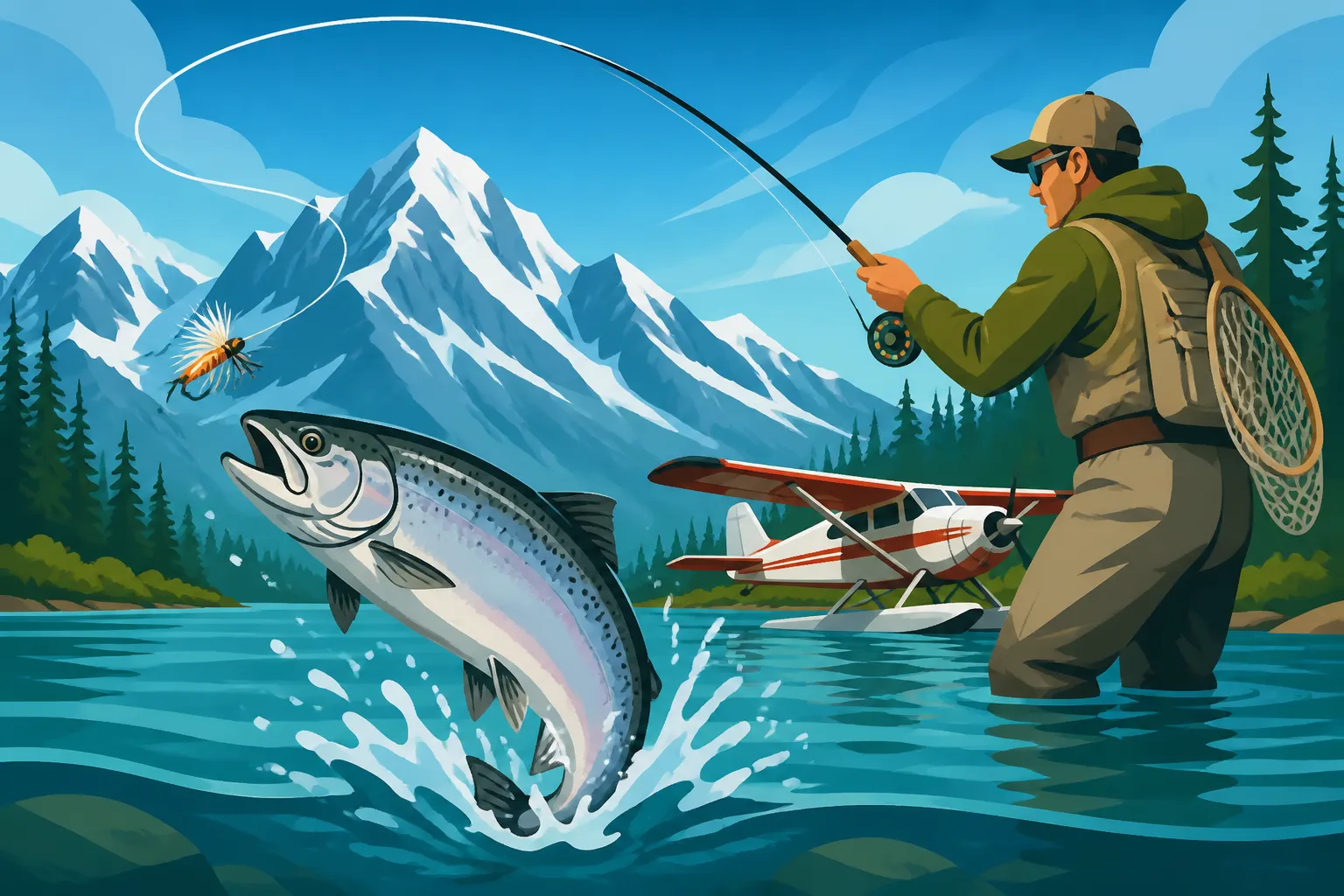
The De Havilland Beaver is a legendary single-engine, high-wing propeller aircraft, often seen on floats (a "floatplane") for landing on lakes and rivers, or on tundra tires for rough gravel strips. Beavers are known for their exceptional short take-off and landing (STOL) capabilities and their ability to carry substantial loads, making them perfect for hauling anglers, gear, and sometimes even inflatable rafts deep into the backcountry. They offer fantastic visibility, giving passengers breathtaking views of the Alaskan landscape below. You’ll often find these aircraft used for accessing remote lodges or drop-off camps where lakes or wide rivers are the primary landing zones.
Cessna 185s and 206s are also popular choices, often outfitted with tundra tires, floats, or skis depending on the season and landing requirements. These are smaller than a Beaver, typically seating 3-4 passengers plus the pilot, and are incredibly versatile. They can get into even tighter spots, accessing smaller lakes and shorter gravel bars. For day trips to a secluded river or a quicker hop to a spike camp, a Cessna might be your ride. Understanding the type of aircraft your outfitter uses can give you an idea of the remoteness and accessibility of your chosen fishing spot, as well as the amount of gear you can comfortably bring.
Planning Your Trip: Booking and Preparation
Planning an Alaskan fly-in fishing trip requires a good lead time, often 6 to 12 months in advance, especially if you're targeting peak salmon runs or popular lodges. Start by researching reputable outfitters and lodges that specialize in fly-in experiences. Look for those with experienced pilots who know the specific regions and weather patterns inside and out. Sites like FishingBooker can be a great starting point to explore various options and read reviews from other anglers. When contacting outfitters, be clear about your fishing goals – are you after trophy rainbow trout, a specific salmon species, or just an overall wilderness experience? This will help them tailor the trip to your expectations.
Once you’ve chosen an outfitter, confirm what’s included in the package. Does it cover round-trip airfare from a hub like Anchorage, all meals, guiding services, and fishing gear? Many fly-in lodges offer all-inclusive packages, meaning everything from your arrival at the main lodge to your departure is handled. Make sure you understand payment schedules, cancellation policies, and what happens in case of weather delays, which are a very real possibility in Alaska. Don't forget to look into obtaining your Alaska Fishing License: Complete Guide and any necessary stamps, like the King Salmon Stamp if you plan to target those magnificent fish. Knowing the specific Alaska Fishing Regulations Explained for your chosen region is also critical.
Packing Essentials for a Remote Expedition
When packing for a fly-in trip, remember that space and weight are often limited on bush planes. Outfitters will typically provide weight restrictions, sometimes as low as 50 pounds per person, including your carry-on. Think layers, and prioritize functional, durable gear over bulky items.
Your clothing system should start with good quality base layers (wool or synthetic, never cotton), followed by insulating mid-layers, and finally, a waterproof and windproof outer shell. Even in summer, Alaskan weather can be unpredictable, with sunshine giving way to cold rain in a matter of hours. Waders are almost universally essential, whether chest waders for river wading or hip waders for shallower bank fishing. Choose durable, breathable waders and sturdy wading boots with good ankle support, as you’ll likely be covering uneven terrain.
Beyond clothing, a small, comfortable daypack for essentials like water, snacks, extra layers, and your camera is crucial. Don’t forget insect repellent with a high DEET concentration – mosquitoes and no-see-ums can be relentless. A good pair of polarized sunglasses will help you spot fish and protect your eyes, and a wide-brimmed hat offers sun protection. For personal hygiene, biodegradable soaps and minimal toiletries are best, especially if you're at a spike camp. Any specific medications you need should be packed in your carry-on, along with a small first-aid kit. Finally, make sure all your important documents, including your fishing license, are easily accessible and protected from the elements.
Top Regions for Fly-In Fishing in Alaska
Alaska is an immense state, and different regions offer distinct fly-in fishing experiences. Knowing where to focus your search can significantly narrow down your options and ensure you're heading to the best waters for the species and adventure you're seeking. From world-famous salmon runs to remote trout havens, Alaska has it all.
Bristol Bay and its Legendary Salmon Runs
When anglers talk about legendary salmon fishing, Bristol Bay almost immediately comes to mind. Located in Southwest Alaska, this region is globally renowned for hosting the largest sockeye salmon run in the world. But it's not just about sockeye; the rivers flowing into Bristol Bay, like the Nushagak, Naknek, and Kvichak Rivers, are also teeming with magnificent king salmon, coho (silver) salmon, pinks, and chums. A fly-in trip to Bristol Bay, often starting from a regional hub like King Salmon or Dillingham, allows access to countless tributary streams and rivers that are practically overflowing with fish during the peak season.
Many of the top fly-in lodges and remote camps are nestled along these river systems, offering daily fly-outs to different beats and rivers depending on the fish runs and conditions. For instance, anglers can spend a day targeting powerful King Salmon in the lower Nushagak, then fly out the next day to an isolated creek to sight-fish for aggressive Sockeye Salmon. The sheer abundance of fish here is what draws so many, making it a fantastic destination for those who want consistent action and the chance to fill their Alaska Harvest Record Card Explained with multiple species. Beyond salmon, many of these systems also hold incredible populations of trophy rainbow trout and Arctic char that feed voraciously on salmon eggs during and after the spawn, offering a truly diverse angling experience. The scenery is classic tundra and boreal forest, with endless horizons and prolific wildlife viewing opportunities.
The Remote Rivers of Interior Alaska
Beyond the famed coastal and Bristol Bay regions, Interior Alaska offers a unique and often overlooked fly-in fishing experience, especially for those seeking a different kind of challenge and species. While salmon do make their way into some of these rivers, the Interior is more celebrated for its robust populations of freshwater resident species, often in spectacularly wild settings. Think vast, open landscapes, clear-flowing rivers, and undisturbed lakes.
Rivers like the Susitna, Deshka, and certain tributaries of the Tanana River system, while some parts are accessible by road, truly open up by bush plane. Here, you can target powerful Northern Pike in shallow, weedy lakes, or seek out the elusive Sheefish, often referred to as the "Tarpon of the North," in the larger river systems further north. The highlight for many in Interior Alaska, however, is the opportunity to pursue magnificent Arctic Grayling. With their distinctive, sail-like dorsal fins and vibrant colors, grayling are abundant in many clear-water streams and lakes. They are voracious eaters, making them a fantastic target for fly anglers. A fly-in trip here might involve setting up a remote camp for several days, exploring different stretches of a river, or even floating a smaller river with an inflatable raft, allowing you to immerse yourself completely in the profound solitude of Alaska's heartland.
Southeast Alaska's Hidden Gems
Southeast Alaska, often referred to as the "Inside Passage," is a labyrinth of islands, fjords, and towering rainforests. While many fishing operations here involve larger charter boats for saltwater species, fly-in trips also offer a spectacular way to access the countless freshwater streams and rivers that cascade from the mountains into the ocean. These "hidden gems" are often short, steep systems, but they hold impressive runs of all five species of Pacific salmon, as well as sea-run cutthroat trout, Dolly Varden, and steelhead.
A fly-in trip in Southeast might involve a floatplane ride from a town like Juneau or Ketchikan, landing on a remote lake or a quiet estuary, and then wading or using a small raft to explore a pristine river. The fishing can be incredibly diverse; you might spend a morning casting for chrome-bright silver salmon fresh from the ocean, and then switch to swinging flies for aggressive Dolly Varden in the afternoon. The lush, verdant scenery, with old-growth forests and dramatic mountain backdrops, is truly breathtaking. Wildlife viewing is also exceptional, with frequent sightings of brown bears, black bears, eagles, and marine mammals if you're flying over saltwater. These trips offer a quintessential Alaskan rainforest experience, combining incredible fishing with some of the most stunning landscapes the state has to offer, away from the hustle and bustle of larger ports.
Key Fish Species Targeted by Fly-In Anglers
One of the greatest joys of fly-in fishing in Alaska is the incredible diversity of fish species you can target. Unlike many roadside fisheries which might focus on one or two dominant species, remote fly-in destinations often offer a grand slam of opportunities. Knowing which species are prevalent in which areas can help you tailor your trip to your angling desires.
Trophy Rainbow Trout and Arctic Char
For many fly anglers, the allure of Alaska's remote waters centers around its incredible trout and char populations. In particular, the rivers and lakes of the Bristol Bay region and other parts of Southwest Alaska are world-famous for their trophy rainbow trout. These aren't your average trout; these are often large, hard-fighting fish that gorge themselves on salmon eggs and flesh, leading to impressive size and strength. A 20-inch rainbow is a common catch, and fish pushing into the upper 20s and even 30-inch range are not unheard of, particularly in systems like the Kvichak River or the Alagnak River. Fly-in trips specifically target these trout during and after the salmon spawn (late summer into fall) when they gather in large numbers to feed. Techniques often involve drifting egg patterns, flesh flies, or streamers.
Alongside rainbows, Arctic char are another prized catch in these remote systems. Often mistaken for Dolly Varden (though distinct species), Arctic char are equally beautiful, boasting vibrant orange and red spawning colors. They share similar feeding habits with rainbow trout, aggressively taking egg patterns and small streamers, especially in the cold, clear waters of remote lakes and rivers. A fly-in trip designed for trout and char often involves floating smaller, wadeable streams, allowing anglers to get out of the boat and sight-fish in clear water – an incredibly rewarding experience. These fish are renowned for their beauty and their willingness to strike, providing consistent action in truly wild settings.
Abundant Salmon Species: Kings, Sockeye, Silvers
Alaska is synonymous with salmon, and fly-in trips provide unparalleled access to all five species of Pacific salmon. Each species offers a unique challenge and fishing experience.
King Salmon (Chinook): The largest and most powerful of the Pacific salmon, King Salmon are the ultimate prize for many anglers. They ascend larger rivers, often in early to mid-summer, and a fly-in trip can put you on remote stretches where these fish are less pressured. Catching a 30, 40, or even 50-pound King on a conventional or fly rod in a wild Alaskan river is an epic battle you won't soon forget. Rivers like the Nushagak or the Togiak are famous for their King Salmon runs. Be sure to understand the specific Alaska King Salmon Fishing Regulations and Limits for your chosen destination.
Sockeye Salmon (Red): Known for their incredible numbers and delicious red meat, Sockeye Salmon dominate many river systems, particularly in Bristol Bay. While they can be challenging to catch on traditional lures due to their primarily plankton-feeding habits, fly-in guides specialize in "flossing" or "lining" techniques that are highly effective. When the sockeye are running thick, you can experience non-stop action, often catching dozens in a single day. The Copper River and Kenai River (though the Kenai has road access, many guides fly to specific remote stretches) are legendary for their sockeye runs. Learn how to time the Alaska Sockeye Salmon Run Timing for the best success.
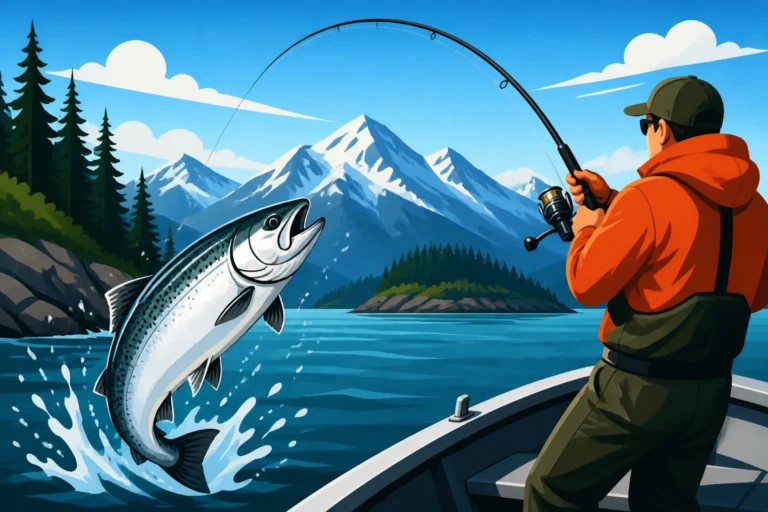
Coho Salmon (Silver): Late summer and early fall bring the acrobatic Coho Salmon. These feisty fish are known for their aggressive strikes and spectacular aerial displays once hooked, making them a favorite among fly and spin anglers alike. They readily hit a variety of lures, flies, and bait. Fly-in trips to coastal rivers in Southeast Alaska or the smaller tributaries of larger river systems offer fantastic Coho fishing. The action can be incredibly fast and furious, providing endless entertainment.
You'll also find Pink Salmon (Humpies) and Chum Salmon (Dogs) in many systems. Pinks are incredibly abundant in even-numbered years and are great fun on light tackle, while Chums are powerful fighters often found alongside other salmon species. A well-planned fly-in trip often allows you to target multiple salmon species throughout your stay, providing a truly diverse angling adventure.
Arctic Grayling and Northern Pike in Wilderness Lakes
While salmon and trout often steal the spotlight, Alaska's interior and northern regions offer fantastic fly-in opportunities for other unique freshwater species like Arctic Grayling and Northern Pike. These trips cater to anglers looking for something a bit different, often prioritizing solitude and the experience of fishing truly remote, untouched waters.
Arctic Grayling: These stunning fish, easily identifiable by their large, iridescent dorsal fin, are a joy to catch on light tackle, especially on dry flies. They thrive in the cold, clear streams and lakes of interior and northern Alaska. Fly-in destinations often involve small, pristine lakes or wadeable rivers where grayling are incredibly abundant and eager to strike. An afternoon of casting dry flies to rising grayling in a remote, silent valley is a quintessential Alaskan experience. They might not be trophy-sized like a King Salmon, but their beauty and aggressive takes make them a beloved target for many fly anglers.
Northern Pike: For those who enjoy a bit more predatory action, remote lakes and slow-moving rivers in parts of Interior Alaska, particularly the Mat-Su Valley and areas north of Fairbanks, offer exceptional Northern Pike fishing. Often accessed via floatplane to secluded lakes, these pike can grow to impressive sizes, frequently exceeding 30 inches and sometimes reaching 40 inches or more. They are aggressive ambush predators, providing explosive strikes on large streamers, spoons, and topwater lures. Fly-in pike trips are about battling powerful, toothy fish in an incredibly wild setting, often in lakes surrounded by dense forests and undisturbed wetlands. These trips provide a stark contrast to the fast-flowing salmon rivers and add another layer of diversity to Alaska's fly-in fishing menu.
Choosing the Right Fly-In Lodge or Outfitter
The success of your fly-in fishing adventure largely hinges on choosing the right lodge or outfitter. With so many options, from rustic tent camps to luxurious all-inclusive resorts, it's easy to get overwhelmed. But asking the right questions and knowing what you're looking for will help you make an informed decision that perfectly matches your dream trip.
What to Look for in an All-Inclusive Lodge
An all-inclusive fly-in lodge is often the most comfortable and hassle-free option for experiencing remote Alaskan fishing. These operations typically handle everything from the moment you arrive at a major transportation hub (like Anchorage or Juneau) until you depart. When evaluating lodges, consider several key factors:
Firstly, location and access to diverse fishing. Does the lodge boast its own fleet of aircraft for daily fly-outs, allowing access to multiple river systems and different species? This flexibility is a huge advantage, as it means guides can choose the best fishing spots each day based on current conditions, fish runs, and angler preferences. A lodge that relies solely on one home river, while potentially excellent, might limit your options if that river is slow or closed. Ask about their typical fly-out range and how many different systems they regularly visit.
Secondly, guide experience and staff-to-guest ratio. Experienced, knowledgeable guides are invaluable, especially in remote wilderness. They not only know where the fish are but also prioritize safety, bear awareness, and proper fish handling. A low guest-to-guide ratio (often 2:1 or even 1:1) ensures personalized attention and more fishing time. Inquire about the experience level of their guides and how long they've been working in the area.
Thirdly, accommodations and amenities. While you're there for the fishing, a comfortable place to rest, warm up, and enjoy good food makes a huge difference. Lodges vary wildly, from cozy cabins with shared baths to private suites with gourmet meals. Check if they have comfortable common areas, drying rooms for wet gear, and perhaps even a hot tub. Good food is paramount after a long day of fishing; ask about their dining arrangements and if they can accommodate dietary restrictions. Finally, ensure they have reliable communication systems for emergencies. Many lodges are listed on platforms like FishingBooker, which can provide a good overview of their offerings and guest reviews.
Day Trips vs. Multi-Day Wilderness Camps
The type of fly-in trip you choose – a single-day excursion or a multi-day camp – will significantly impact your experience and budget.
Day trips are perfect for those with limited time or who want a taste of fly-in fishing without committing to a full week in the wilderness. You typically fly out from a small town (like Soldotna, Iliamna, or Homer) in the morning, fish a remote river or lake for several hours, and return in the evening. This option is often more budget-friendly and allows you to enjoy the comforts of a hotel or lodge each night. It's a fantastic way to target specific species during their peak run in a remote area, like a quick trip for Alaska Sockeye Daily Limit by River on a secluded tributary. The downside is less time on the water compared to multi-day options and less immersion in the true wilderness experience.
Multi-day wilderness camps or expeditions offer a deeper, more immersive adventure. These can range from established tent camps with basic amenities to fully outfitted luxury tent camps. You'll typically fly in and stay for 3 to 7 days, spending all your time fishing and exploring the immediate area, often utilizing inflatable rafts or jet boats to cover more water. This allows for a much more flexible fishing schedule, adapting to weather and fish movements, and truly disconnecting from the outside world. The experience is often more rustic but incredibly rewarding, fostering a true sense of adventure. It's an excellent choice for serious anglers who want to maximize their time in pristine waters and experience the full scope of Alaska's backcountry. You'll pack in everything you need, and pack it all out, truly embracing the "leave no trace" ethos.
Questions to Ask Before You Book
Before putting down a deposit, armed with a list of smart questions will help you sort through the options and find your ideal fly-in adventure.
- What is the typical itinerary? Understand how many hours you'll spend flying versus fishing, and if daily fly-outs are guaranteed or weather-dependent.
- What species are most prevalent during my intended travel dates? Align their expertise with your fishing goals. Don't go looking for Kings in September!
- What is your experience with bear safety and encounters? Wildlife encounters are a given in remote Alaska; ensure they have robust safety protocols and experienced guides.
- What happens if weather prevents flying? This is crucial. Will you be offered alternative fishing opportunities, a partial refund, or a reschedule?
- What gear is provided vs. what do I need to bring? Confirm specifics on rods, reels, waders, and rain gear. Many lodges include high-quality gear to save you the hassle of flying with it.
- What are your weight restrictions for luggage on the bush plane? This will directly impact your packing strategy.
- What kind of food and beverages are included? If you have dietary restrictions, address them upfront.
- How do you handle fish processing and shipping? Many fly-in lodges offer excellent fish processing and freezer space, and can even help arrange shipping your catch home from Alaska.
- Can you provide references from recent clients? A reputable outfitter should be happy to provide contacts.
- What are the payment terms and cancellation policy? Get everything in writing.
Asking these questions helps ensure there are no surprises and that you're well-prepared for the adventure ahead. Remember, a fly-in trip is a significant investment, so thorough research is key.
Essential Gear and Techniques for Fly-In Success
Embarking on a fly-in fishing trip means you'll be in remote territory, so having the right gear and understanding effective techniques is paramount. Space and weight on bush planes are often limited, so every item you pack needs to serve a purpose and be robust enough for the Alaskan wilderness.
Rods, Reels, and Lines for Diverse Species
Given the diversity of species you might encounter, a versatile rod and reel setup, or even a few specialized ones, is essential.
For salmon, especially powerful King Salmon, you'll need sturdy gear. Many guides prefer heavy-duty spinning or baitcasting setups for Kings, typically 8.5 to 10-foot medium-heavy to heavy action rods paired with reels spooled with 30-50 lb braided line. This allows for casting heavy lures and handling the immense power of these fish in strong currents. For sockeye and coho, a lighter setup can be more enjoyable; a 7-9 foot medium action spinning rod with 15-25 lb braid is often perfect. If you're a fly angler pursuing salmon, an 8-10 weight rod is generally recommended, with a stout reel capable of holding plenty of backing, and both floating and sinking lines to cover different water conditions and techniques. For How to Catch King Salmon in Alaska or How to Catch Sockeye Salmon in Alaska, having the right line and leader setup is critical.
For trout and char, especially the trophy rainbows of Bristol Bay, a 6-8 weight fly rod is ideal. This allows you to cast streamers, flesh patterns, and egg imitations effectively, while still having enough backbone to handle large, strong fish. A good quality reel with a smooth drag and at least 100 yards of backing is a must. For spin fishing, a 7-foot medium-light to medium action rod with 10-15 lb braided line is versatile enough for spoons, spinners, and small plugs.
When packing, consider multi-piece travel rods (4-piece or more) to protect your gear and minimize space. Always pack your rods, reels, and any irreplaceable small items like expensive fly lines in your carry-on luggage, not checked bags, to avoid damage or loss.
Flies and Lures for Remote Waters
The flies and lures you bring will vary greatly depending on the species you're targeting and the time of year. However, having a good selection that covers different scenarios is always wise.
For salmon, especially King, Coho, and Pink Salmon, a mix of spinners, spoons, and plugs is effective. Popular choices include:
- Spinners: Vibrax, Pixee, and Mepps in sizes 3-6, in bright colors like chartreuse, orange, and silver.
- Spoons: Koho, Little Cleo, or Daredevle in various metallic and bright finishes.
- Plugs: Kwikfish, FlatFish, or Wiggle Warts in sardine, fire tiger, or black/chartreuse patterns.
For sockeye, small weighted flies (often called "sockeye flies" or "eggbound flies") in bright pink, red, or chartreuse are key for flossing techniques.
For trout and char, especially in egg-rich environments, focus on:
- Egg patterns: Glo Bugs, Battle Creek Eggs, or Beads in various sizes and colors (peach, orange, pink).
- Flesh flies: Sculpin patterns, white or tan rabbit strip flies, or other imitations of decaying salmon flesh.
- Streamers: Sculpzillas, Dolly Llamas, or Clouser Minnows in olive, black, or white.
- Dry Flies: For Arctic Grayling, bring a selection of general attractor patterns like Elk Hair Caddis, Royal Wulff, or Stimulators in sizes 10-16.
For Northern Pike, large, flashy streamers (6-10 inches), oversized spoons (like Johnson Silver Minnows), and topwater lures (like Whopper Ploppers) in aggressive colors are essential.
Always consult your outfitter or guide before your trip. They will have the most up-to-date information on what's working best on their specific rivers and can often provide or recommend specific patterns. This guidance is invaluable for maximizing your success.
Wading and River Safety in the Backcountry
Safety in the Alaskan backcountry is paramount, and understanding proper wading techniques and river safety is crucial, especially when fishing remote, powerful rivers.
Wading Gear: High-quality, breathable chest waders are essential for comfort and safety. Pair them with sturdy wading boots that have good ankle support and felt or rubber soles for traction. Studded soles can provide extra grip on slippery rocks but can also be slick on some boat surfaces. A wading belt should always be worn snugly around your waist to minimize water ingress if you fall. A wading staff is also highly recommended, especially when crossing unknown stretches of river or navigating strong currents. It provides an extra point of contact and helps gauge depth and footing.
Wading Safety: Always wade cautiously and deliberately. Test the water depth and current with your wading staff before committing. Look for slower, shallower sections to cross, and avoid crossing above deep, fast rapids. If fishing with a guide, always follow their lead and instructions regarding safe wading areas. Never wade alone in unfamiliar or fast-moving water. Be aware of changing river conditions; heavy rain can quickly swell rivers, making previously safe areas dangerous.
River Hazards: Beyond swift currents, be mindful of submerged logs, slippery rocks (often covered in algae), and sudden drop-offs. Always have an exit strategy in mind. If you do fall, try to float on your back with your feet downstream, using your arms to scull towards slower water or the bank.
Bear Awareness: Fishing in remote Alaska means you're in bear country. Your guide will be well-versed in bear safety, but it's important for you to be aware too. This includes carrying bear spray (know how to use it!), making noise while hiking or wading, and keeping a clean camp. When processing fish, do so away from your main camp or lodging area, and ensure all fish waste is properly handled according to your guide's instructions. A good resource for bear safety is often provided by local outfitters. This diligence ensures your adventure remains exhilarating, not dangerous.
Navigating Regulations and Conservation
Fishing in Alaska isn't just about the thrill of the catch; it's also about understanding and respecting the intricate system of regulations designed to protect these world-class fisheries. As stewards of this incredible resource, anglers play a vital role in ensuring its health for generations to come.
Understanding Catch Limits and Special Rules
Alaska's fishing regulations are complex and can vary significantly by region, river system, and even specific dates within a season. It's not uncommon for rules to change mid-season via "emergency orders" issued by the Alaska Department of Fish and Game (ADF&G) to respond to fish run strength. This is why having an up-to-date understanding is absolutely critical.
Before your fly-in trip, thoroughly review the current year's Alaska Fishing Regulations Explained booklet, paying close attention to the specific management areas and waters you'll be visiting. Your guide will be an invaluable resource, as they often stay current with daily changes. Key regulations to familiarize yourself with include:
- Daily Bag and Possession Limits: These specify how many fish of each species you can keep per day, and how many you can possess at any given time. For instance, Alaska Halibut Bag Limits Explained often include size restrictions and even "reverse slot limits" for charter anglers. Salmon limits also vary by species and river, with some areas having strict limits on King Salmon.
- Gear Restrictions: Certain rivers or seasons might have restrictions on bait, single hooks, or barbless hooks, especially for conservation reasons. For example, some rainbow trout waters are strictly catch-and-release, or require barbless hooks to minimize harm.
- Time and Area Closures: Specific areas or entire rivers might be closed to fishing for certain species, or entirely, during critical spawning periods or when runs are particularly weak. Knowing Alaska Fishing Emergency Orders Explained is vital, as a river could close overnight.
It's also essential to correctly fill out your Alaska Harvest Record Card Explained, especially for species like King Salmon or halibut, where keeping track of your annual harvest is mandatory. Failure to comply with these rules can result in significant fines, loss of fishing privileges, and even confiscation of gear and catch. These regulations are in place to ensure sustainability, so understanding and following them is a sign of respect for the resource.
Practicing Leave No Trace Principles
Remote fly-in fishing offers the privilege of experiencing truly wild places, and with that privilege comes the responsibility to leave no trace of your visit. This ethical framework ensures that these pristine environments remain wild and untarnished for future generations of anglers and wildlife.
The core principles of Leave No Trace include:
- Plan Ahead and Prepare: Research the area, pack appropriately to minimize waste, and know the regulations. This prevents you from needing to improvise with items that aren't environmentally friendly.
- Travel and Camp on Durable Surfaces: Stick to established trails or travel on rock, gravel, dry grasses, or snow. Avoid sensitive vegetation and fragile ecosystems. If you're with an outfitter at a spike camp, they will have designated areas.
- Dispose of Waste Properly: This means packing out everything you pack in, including all trash, food scraps, and even fish waste in some areas. Use designated waste receptacles where available, or carry out your waste. Human waste should be buried in catholes 6-8 inches deep and at least 200 feet from water, trails, and campsites.
- Leave What You Find: Resist the urge to collect "souvenirs" like rocks, plants, or antlers. Leave them for others to enjoy and for the ecosystem.
- Minimize Campfire Impacts: Use established fire rings where permitted, keep fires small, and ensure they are completely extinguished. In many remote areas, campfires might not be allowed at all, or only with a portable fire pan.
- Respect Wildlife: Observe wildlife from a distance, never approach or feed animals, and store food properly to prevent attracting bears and other animals. Your guide will instruct you on How to Fish Safely Around Alaska Bears.
- Be Considerate of Other Visitors: While you might be seeking solitude, others are too. Practice good etiquette, avoid loud noises, and respect the wilderness experience of others.
Adhering to these principles is not just about avoiding fines; it's about being a responsible angler and contributing to the conservation of Alaska's unparalleled natural beauty.
Ensuring Sustainable Fishing for Future Generations
The longevity of Alaska's world-class fisheries depends on sustainable practices from everyone involved, from commercial fishing fleets to sport anglers. As a fly-in angler, your individual actions contribute to the broader conservation effort.
Catch and Release Best Practices: For many species, particularly trophy rainbow trout, steelhead, and any fish that are over or under legal size limits, practicing proper catch-and-release is crucial. This means:
- Using appropriate tackle to minimize fight time.
- Minimizing handling time; keep the fish in the water as much as possible.
- Wet your hands before touching the fish to protect its slime coat.
- Use barbless hooks, or pinch down barbs on your hooks, to make removal easier and less damaging.
- If taking a photo, do it quickly and support the fish horizontally.
- Gently revive the fish by holding it in the current until it swims away on its own.
Learn more about Alaska Catch-and-Release Best Practices to ensure the fish you release have the best chance of survival.
Adhering to Regulations: As mentioned, the regulations set by ADF&G are based on scientific data and are designed to manage fish populations sustainably. By strictly following bag limits, size restrictions, and gear requirements, you are directly supporting the health of the fishery. Understanding why regulations change, sometimes drastically and unexpectedly, helps foster an appreciation for the complex management challenges.
Support Conservation Efforts: Many reputable lodges and outfitters are actively involved in conservation efforts, funding research, habitat restoration, and responsible management. By choosing to book with such operations, you indirectly support these initiatives. Consider donating to organizations dedicated to protecting Alaska's wild salmon and trout habitats, like Trout Unlimited or the Wild Salmon Center. Your choices as an angler have a ripple effect; by being a responsible and informed participant, you help safeguard Alaska's incredible fishing heritage for generations to come.
Realities and Rewards of Alaskan Fly-In Adventures
Embarking on a fly-in fishing trip to Alaska is more than just a vacation; it's an expedition into the heart of the wild. Like any grand adventure, it comes with its own set of challenges and incredibly rich rewards. Understanding both the realities and the unparalleled joys will help you set realistic expectations and appreciate every moment.
Dealing with Weather and Wildlife Encounters
Let's get real about Alaska: the weather can be a fickle beast, and wildlife isn't in a zoo.
Weather Challenges: Alaska is known for its rapidly changing weather patterns. A sunny morning can quickly give way to cold, driving rain, strong winds, or even snow, even in summer. This isn't just an inconvenience; it can directly impact your fishing time. Bush planes operate under visual flight rules, meaning fog, heavy rain, or high winds can ground flights, leading to delays or even cancellations of fly-outs. This might mean spending an unexpected day fishing the home river or waiting out a storm. It can be frustrating, especially when you've planned and paid so much for the trip, but it's an inherent part of the Alaskan experience. Patience and flexibility are your best friends here. Pack appropriate rain gear and layers, and mentally prepare for the possibility of weather impacting your schedule.
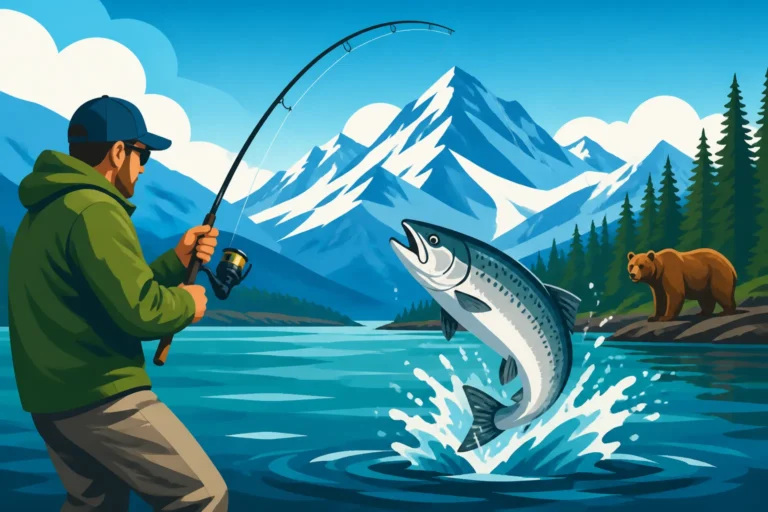
Wildlife Encounters: You're stepping into their home. Bears – brown (grizzly) and black – are common, especially around salmon streams. While awe-inspiring, these encounters require respect, caution, and proper protocols. Your guides are highly experienced in bear country, carrying bear spray, making noise, and knowing how to react. It's crucial to follow their instructions implicitly. Beyond bears, you might encounter moose, caribou, wolves, eagles, and a myriad of other creatures. These sightings are often highlights of the trip, but always maintain a safe distance and never approach or feed wildlife. Be prepared for relentless mosquitoes and other biting insects, especially in calmer, vegetated areas; good quality insect repellent is not an option, it's a necessity. These interactions are a raw, unfiltered reminder that you are a visitor in a truly wild place.
The Unforgettable Moments and Memories
Despite the potential for weather delays or a close encounter with a curious bear, the rewards of an Alaskan fly-in fishing trip far outweigh any challenges. The moments and memories you create will be etched into your mind forever.
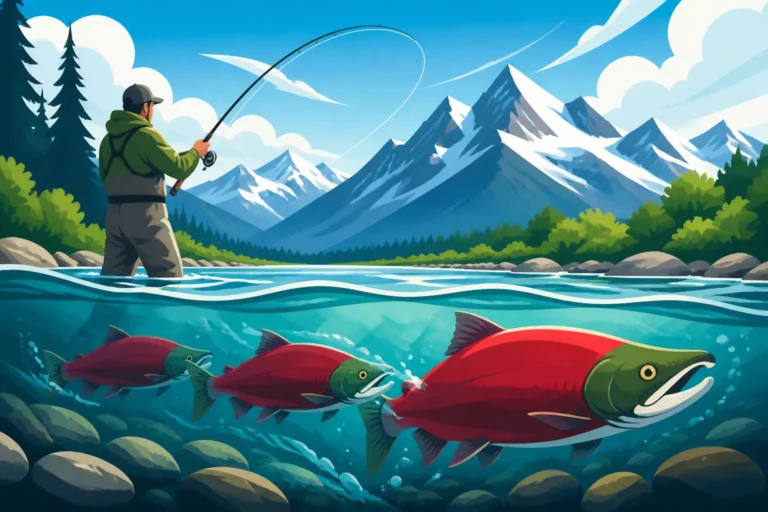
The Fishing Itself: Imagine standing in a crystal-clear river, miles from any road, watching a school of chrome-bright Sockeye Salmon push upstream, their red backs flashing in the sun. Or perhaps you're casting a streamer into a deep pool, and suddenly your line goes tight as a massive King Salmon peels off line, its power almost unbelievable. Landing a 28-inch leopard rainbow trout that glows with vibrant colors, or battling an acrobatic Silver Salmon that leaps repeatedly – these are the pure, unadulterated joys of Alaskan fishing. The sheer abundance and wildness of the fish, combined with the pristine environment, make for fishing experiences that are truly unmatched anywhere else on Earth.
The Scenery and Solitude: Beyond the fish, the landscapes are breathtaking. Flying over braided rivers, towering mountain ranges, vast tundra, and dense boreal forests is an experience in itself. The profound silence of the wilderness, broken only by the sounds of nature, offers a level of peace and introspection rarely found in modern life. You might find yourself marveling at the Northern Lights dancing across the night sky, or watching an eagle snatch a fish from the river. These moments of solitude and connection with nature are deeply restorative and often become as cherished as the fish caught. The camaraderie with your guides and fellow anglers, sharing stories and laughs in a remote lodge, also forms strong bonds and lasting friendships.
Cost Considerations for a Fly-In Trip
Let's address the elephant in the room: fly-in fishing in Alaska is an investment. This isn't your weekend trip to the local pond, and the costs reflect the unique logistics, remote access, expert guiding, and often, all-inclusive luxury that these trips provide.
Understanding the Price Tag: Prices for a multi-day, all-inclusive fly-in lodge trip can range from $4,000 to well over $10,000 per person for a 5-7 day package, excluding airfare to Alaska itself. Day trips are considerably less, typically ranging from $500 to $1,500 per person, depending on the duration, location, and aircraft type. These costs cover the bush plane flights, often multiple fly-outs, professional guiding, top-notch gear (usually), all meals, comfortable lodging, and fish processing. When considering the price, remember you're paying for unparalleled access, safety in remote areas, and expert knowledge that maximizes your fishing success and overall experience.
Breaking Down the Value: While the numbers might seem high, consider what's included. The cost of operating and maintaining bush planes, hiring highly skilled pilots and guides, providing fresh food in remote locations, and maintaining lodges in challenging environments is substantial. The value comes from accessing fisheries that are simply impossible to reach otherwise, experiencing minimal pressure from other anglers, and having a truly customized, wilderness adventure. Compare this to the cost of a high-end international fishing trip, and the value proposition often aligns. For budget-conscious anglers, consider shorter trips, opting for more rustic camps, or booking during shoulder seasons when prices might be slightly lower. Using a platform like FishingBooker can help compare options and find deals that fit your budget while still delivering an exceptional experience.
Table: Popular Fly-In Fishing Regions and Target Species
| Region/Area | Primary Target Species | Secondary Species/Highlights | Typical Trip Style | Key Selling Points |
|---|---|---|---|---|
| Bristol Bay | Sockeye Salmon, King Salmon, Trophy Rainbow Trout | Coho Salmon, Arctic Char, Chum/Pink Salmon, Dolly Varden | All-inclusive lodge, multi-day fly-outs | World-class salmon runs, huge rainbows, diverse fishing |
| Interior Alaska | Arctic Grayling, Northern Pike, Sheefish | Resident Rainbow Trout, Whitefish | Remote camps, day trips, raft trips | Solitude, unique freshwater species, vast wilderness |
| Southeast Alaska | Coho Salmon, King Salmon, Pink Salmon | Sea-run Cutthroat Trout, Dolly Varden, Steelhead, Halibut (combo) | Day trips, coastal lodges, floatplanes | Rainforest scenery, abundant silvers, pristine coastal rivers |
| Western Alaska | King Salmon, Chum Salmon, Sockeye Salmon, Arctic Char | Dolly Varden, resident Rainbow Trout | Wilderness camps, floatplane access | Epic King Salmon runs, strong Chum runs, untouched rivers |
Ultimately, an Alaskan fly-in fishing trip is an investment in an experience that transcends mere angling. It's a journey into the wild heart of Alaska, offering unparalleled fishing, breathtaking beauty, and memories that will last a lifetime. Prepare well, respect the land and its creatures, and embrace the adventure – you won't regret it.
Disclaimer
Please note that fishing regulations in Alaska can change frequently due to emergency orders from the Alaska Department of Fish and Game. Always check the most current regulations before you go fishing. This article provides general information and should not be considered legal advice or a substitute for official regulatory documents.