Kenai River King Salmon Fishing Guide
Dreaming of hooking into a monster King Salmon on Alaska's legendary Kenai River is a shared passion for countless anglers, but the reality of navigating its complex seasons, ever-changing regulations, and competitive waters can feel incredibly daunting. You've heard the stories of massive fish, but also the whispers of frustrating closures and strict rules. This guide is here to demystify the Kenai King Salmon fishery, providing you with practical, in-depth advice to maximize your chances and truly enjoy the experience.
The Legendary Allure of Kenai River King Salmon
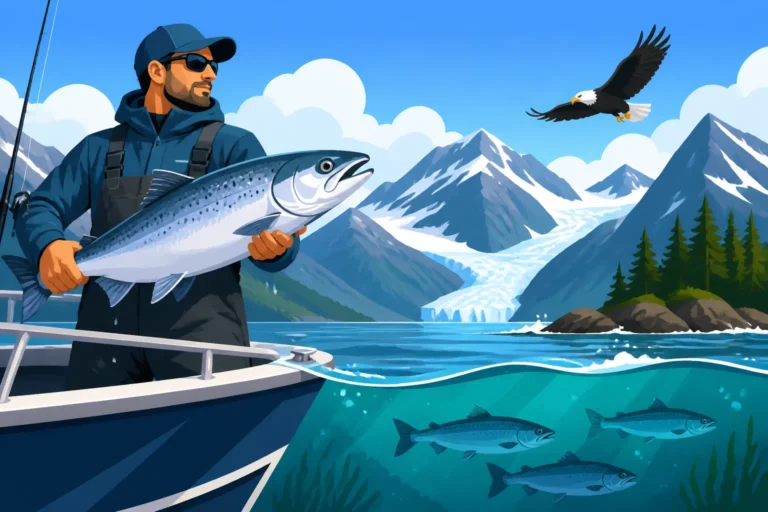
The Kenai River, flowing through Alaska's Southcentral region, isn't just another fishing spot; it's a place steeped in angling legend, primarily because it's home to some of the largest King Salmon (Chinook) on Earth. Anglers come from across the globe hoping to land a fish of a lifetime, a true trophy that can push the scales past 50, 60, or even 70 pounds. But this fame also brings challenges, notably intense fishing pressure and stringent conservation efforts.
Why Kenai Kings Are So Special
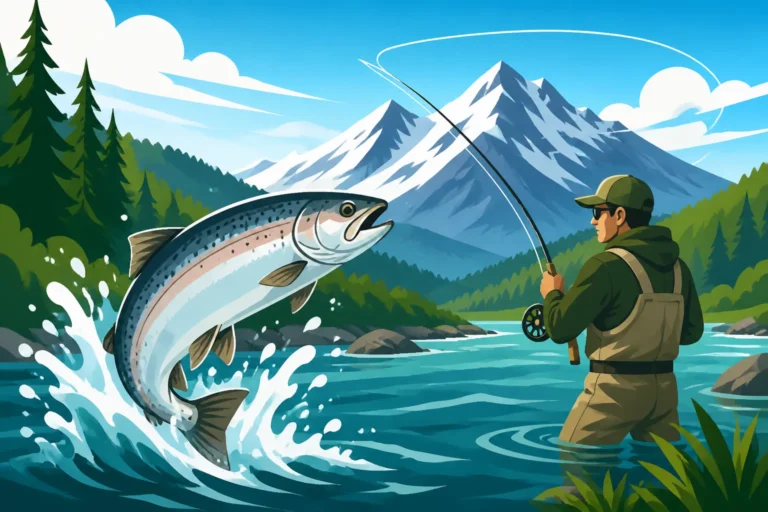
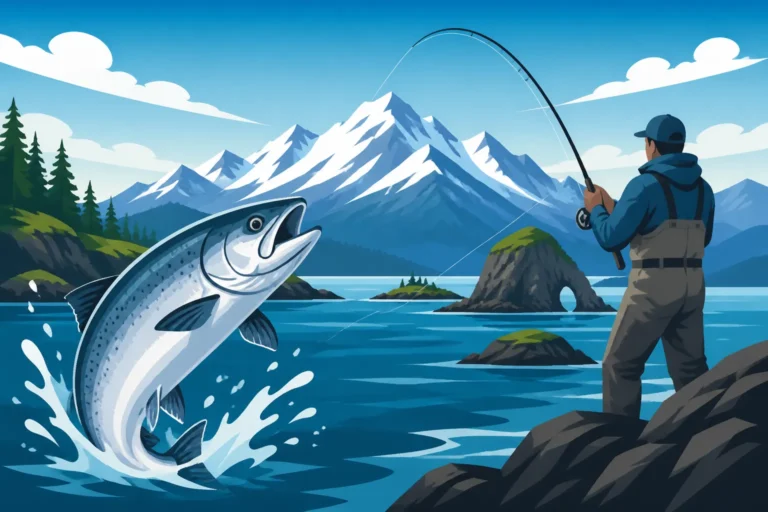
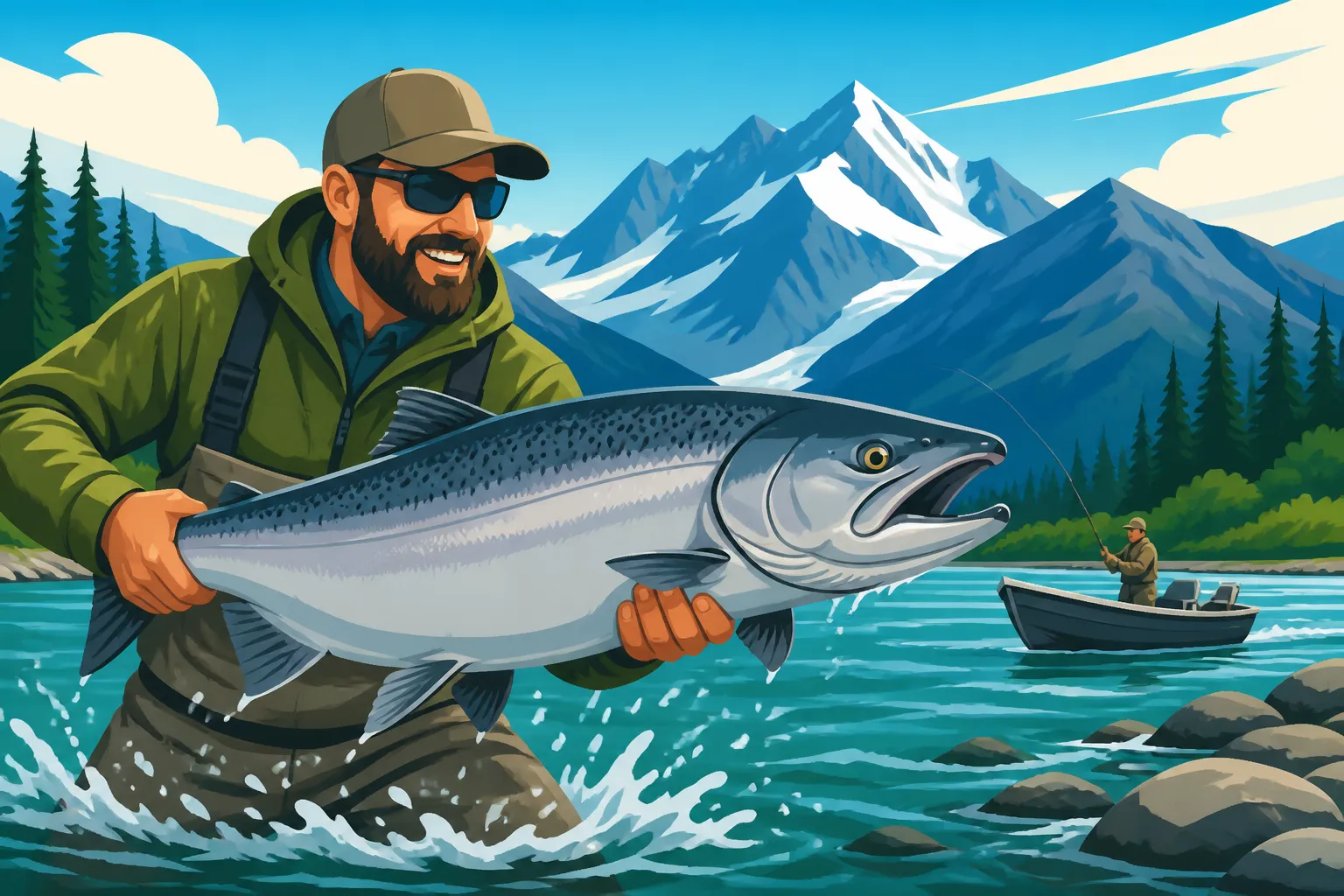
There’s something undeniably special about a Kenai King Salmon. Their sheer size, raw power, and an almost mythical aura set them apart. Imagine the thrill of your rod bending nearly in half, the drag screaming as a colossal fish peels line off your reel, making a powerful run upstream. These fish aren't just big; they're incredibly strong, offering a fight that can test even the most seasoned angler's endurance and tackle. The average size of a Kenai King is impressive, but it’s the potential for a world-record class fish that truly captures the imagination, making every cast a possibility for an unforgettable encounter. Many consider a Kenai King to be the ultimate freshwater trophy, often referred to as a "hog" or "barn door" king due to their impressive girth and deep body.
The river itself adds to the mystique. From the pristine waters of Kenai Lake, snaking through Cooper Landing, past the bustling towns of Soldotna and Kenai, and eventually emptying into Cook Inlet, the Kenai offers a diverse range of fishing environments. Whether you're drift fishing from a McKenzie River-style boat or casting from the bank, the scenic beauty and the anticipation of a colossal strike are unparalleled. Many anglers return year after year, drawn by the challenge and the profound connection to this wild Alaskan landscape.
Navigating the Fishery's Unique Challenges
While the allure is strong, the Kenai King Salmon fishery comes with its own set of significant hurdles. King Salmon populations, particularly on the Kenai, have faced declines in recent years, leading to highly conservative management. This means anglers often grapple with a complex web of rules that can change rapidly through emergency orders. You might plan your dream trip months in advance, only to find out shortly before you arrive that bait is prohibited, or even worse, the King Salmon season has been closed to retention or even to all fishing.
This unpredictability can be incredibly frustrating. It’s not uncommon for anglers to drive hours, pay for lodging, and book guides, only to have their plans upended by a sudden emergency order. Gear restrictions, such as mandatory single-hook, artificial lure-only rules, or specific length and slot limits, are common. Understanding how to check for these Alaska Fishing Emergency Orders Explained is crucial. It’s a fishery that demands flexibility, patience, and a deep respect for conservation. The reward, however, is knowing you're participating in a vital effort to protect these magnificent fish for future generations, even if it means some tough decisions in the short term.
Timing Your Kenai King Salmon Adventure
When it comes to Kenai King Salmon, timing is absolutely everything. The kings typically make two distinct runs into the river, each with its own characteristics, challenges, and opportunities. Understanding these runs and how they're managed is key to planning a successful trip.
Early Run Kings: A Springtime Hope
The Kenai River's "early run" of King Salmon typically begins to trickle in around mid-May and builds through June. These fish are generally headed for the upper river and tributaries like the Russian River. Historically, the early run was a fantastic opportunity, but in recent years, it has often seen the most conservative regulations, including catch-and-release only or complete closures due to conservation concerns. Anglers targeting the early run need to be exceptionally diligent in checking the latest regulations and emergency orders.
Despite the restrictions, the early run can still be an exciting time. The river is usually less crowded than in July, and the fish, while potentially fewer in number, are incredibly fresh, feisty, and bright. Early run kings are often caught in the upper sections of the river, near Cooper Landing, and can offer a more peaceful, wilderness-like experience. If you’re planning an early season trip, keep a close eye on the Alaska Department of Fish and Game (ADF&G) announcements. Booking flexible arrangements through services like FishingBooker can provide options if regulations shift, allowing you to perhaps pivot to another species or location if King Salmon closures impact your initial plans.
Late Run Kings: The July Rush
The late run of Kenai King Salmon, often considered the main event, typically begins to show up in earnest in late June and peaks through July. This is when the river truly comes alive with anglers. These fish are generally much larger on average than their early-run counterparts, and the sheer volume of fish is usually higher. It's the run that has produced most of the Kenai's legendary "monster" Kings. However, with the increase in fish comes a significant increase in fishing pressure.
The late run is synonymous with the vibrant atmosphere of Soldotna and Kenai, where fishing charters launch daily and the riverbanks are dotted with anglers. While there's more opportunity, there's also more competition for prime spots. Regulations are still a major factor, and even in the late run, emergency orders can curtail opportunities, especially for retention. Understanding Best Time to Catch King Salmon in Alaska is vital, but always remember that "best time" is highly dependent on current conservation needs.
Table: Typical Kenai River King Salmon Run Timing & Regulations (Subject to Change)
| Period | Run Type | General Size | Typical Crowds | Common Restrictions | Notes |
|---|---|---|---|---|---|
| Mid-May – June | Early Run | Medium-Large | Moderate | Catch-and-release, bait restrictions, closures | Focus on upper river; highly variable regulations. |
| Late June – July | Late Run | Large – Trophy | High | Catch-and-release, bait restrictions, slot limits | Main event; intense pressure; highest chance for large fish. |
| August | Post-Peak | Few Kings | Low | Rare; focus shifts to Sockeye/Coho | King season typically winding down or closed; very few active Kings. |
Note: All regulations are subject to change via Emergency Order. Always check current ADF&G regulations before fishing.
Understanding Alaska Salmon Run Timing Explained
Alaska's salmon runs are a natural spectacle, but their timing isn't always perfectly predictable. Many factors influence when Kings, Sockeye, and other salmon species enter the rivers, including ocean conditions, water temperatures, and snowmelt. While ADF&G provides forecasts, these are just estimates. A warmer spring might mean an earlier push of fish, while a cold, wet one could delay their arrival. This is especially true for King Salmon, whose migratory patterns can be more erratic than other species.
For the Kenai, officials closely monitor fish counts at sonar stations, particularly one near river mile 8.5. These counts directly inform management decisions. If counts are too low, restrictions are quickly implemented to ensure enough fish make it to the spawning grounds. This means that while a general run timing exists, being able to react to real-time information is crucial. This proactive management, though sometimes frustrating for anglers, is a cornerstone of Alaska's sustainable fisheries. Being prepared for changes by having alternative fishing plans or a flexible itinerary is always a wise approach when targeting Kenai Kings.
Top Techniques and Essential Gear for Kenai Kings
Successfully landing a Kenai King Salmon requires not just luck, but a solid understanding of effective techniques and the right gear. The river’s currents, depth, and the sheer power of these fish demand specialized approaches. You can find detailed instructions on How to Catch King Salmon in Alaska through various resources, but here we’ll focus specifically on the Kenai’s unique demands.
Productive River Fishing Techniques
On the Kenai, several techniques consistently prove effective for King Salmon, each suited to different conditions and preferences.
- Back-Trolling: This is a hallmark technique on the Kenai, especially from a boat. Anglers use a heavy-duty rod (often 9-10 feet, rated for 15-40 lb line) and a stout baitcasting reel spooled with strong braided line (65-80 lb test, with a 30-50 lb monofilament or fluorocarbon leader). A diver or large flatfish-style plug (like a Kwikfish or a large Mag Lip) is deployed, often "wrapped" with a sardine or herring fillet for added scent and attraction. The boat slowly moves backward (downstream), allowing the plug to "work" near the bottom, presenting an irresistible target to holding King Salmon. The key is to maintain constant contact with the bottom without snagging, which requires precise boat control and attention to current. This method is incredibly effective for covering water and targeting specific holding lies.
- Back-Bouncing/Drift Fishing: This technique involves drifting a lead weight and bait (or artificial lure) along the bottom with the current. From a boat, anglers cast upstream and let their rig bounce along the bottom as the boat drifts downstream at the same speed. From the bank, it involves casting out and letting the current carry your presentation. The idea is to keep your bait directly in the fish's strike zone, which is often very close to the riverbed where Kings are holding. Bait setups might include a large cured salmon roe cluster or a chunk of herring on a single, barbless hook, typically paired with a Spin-N-Glo or similar attractor. The weight, often a lead sinker or a slinky weight, needs to be heavy enough to maintain bottom contact but light enough to drift naturally. This technique requires a delicate feel to differentiate between the bottom and a fish strike.
- Casting from the Bank: While boat fishing is popular, many anglers successfully target Kings from the bank, particularly in specific areas accessible by road. This often involves casting large spinners (like a Pixee Spoon or a Blue Fox Vibrax in sizes #5 or #6) or heavy jigs tipped with a scent. The challenge here is covering enough water and getting your lure to the correct depth in strong currents. Patience is crucial, as you might need to make hundreds of casts to find a biting fish. Targeting eddies, current breaks, and deeper holes close to the bank can increase your odds. Remember to always use appropriate casting gear, a heavy-action rod, and a reliable reel that can handle powerful runs.
Essential Tackle and Bait Considerations
When gearing up for Kenai Kings, "heavy-duty" is the operative phrase. These fish are not only massive but they fight dirty, using the strong current to their advantage.
- Rods and Reels: You'll want a sturdy baitcasting rod, typically 8.5 to 10.5 feet long with a heavy action, rated for 15-40 lb line. Paired with a robust conventional or baitcasting reel, such as those from reputable brands like Shimano or Daiwa, capable of holding at least 250 yards of 65-80 lb braided line. A smooth, powerful drag system is non-negotiable.
- Line: Braided mainline (65-80 lb) offers superior strength and sensitivity. Always use a leader, typically 30-50 lb monofilament or fluorocarbon, tied to your main line with a strong knot like a FG knot or a uni-to-uni. This provides a bit of stretch and makes your presentation less visible.
- Hooks and Lures: The Kenai often has single, barbless hook regulations for Kings. Make sure your hooks are strong and sharp. For back-trolling, Kwikfish or Mag Lip plugs in various colors (chartreuse, sardine, metallic blue) are staples. For drift fishing, Slinky weights or lead cannonball weights (1-6 oz depending on current) are essential, often paired with a Spin-N-Glo and a large, cured egg cluster or herring. Check out the Best Bait for Alaska King Salmon and Best Lures for Alaska King Salmon for more specific recommendations.
- Waders and Rain Gear: Alaska weather is notoriously unpredictable. Quality breathable waders and a reliable rain jacket and pants are not optional; they are survival gear. You'll be spending long hours on or near the water, often in cool, damp conditions.
- Safety Gear: Bear spray is a must, especially when fishing from the bank. A well-stocked first-aid kit, communication device (satellite messenger for remote areas), and plenty of water are also essential. If you're using a guide, they will provide most of the safety gear, but it's always good to be prepared. When researching guides or planning a DIY trip, platforms like FishingBooker can help you find experienced captains who prioritize safety and are well-equipped.
Essential Regulations for Kenai King Anglers
Fishing the Kenai for King Salmon isn't just about technique; it's also about strict adherence to a complex set of regulations designed to protect these precious fish. Ignorance of the rules is never an excuse in Alaska, and violations can lead to hefty fines, confiscation of gear, and even loss of fishing privileges. Knowing Alaska Fishing Regulations Explained is your first step.
Licensing and King Salmon Stamps
Before you even think about wetting a line, you need the proper documentation. Every angler aged 16 or older, whether resident or non-resident, must possess a valid Alaska fishing license. For non-residents, this typically means purchasing a 1-day, 3-day, 7-day, 14-day, or annual license. You can usually get your Alaska Fishing License: Complete Guide online through the ADF&G website, or from licensed vendors throughout the state.
But for King Salmon, there's an additional requirement: the Alaska King Salmon Stamp. This stamp is mandatory for all anglers (residents and non-residents) who wish to fish for King Salmon, regardless of whether they intend to keep one or practice catch-and-release. The revenue generated from these stamps directly supports King Salmon enhancement and conservation programs. You'll need to purchase a King Salmon stamp for the specific duration of your fishing license. For example, if you buy a 7-day fishing license and plan to target Kings, you'll need a 7-day King Salmon stamp. Failing to have one could result in a violation even if you never actually hook a King. Make sure you understand Do You Need a King Salmon Stamp in Alaska and get one before you hit the water.
Understanding Bag Limits and Harvest Records
Kenai King Salmon regulations are particularly stringent regarding bag and possession limits. These limits can change frequently, sometimes even mid-season, via emergency orders, so it's paramount to check the ADF&G website or local offices daily. Generally, non-resident annual limits for King Salmon on the Kenai River are extremely conservative, often one or two fish per year, and daily limits can be one fish, with size restrictions or reverse slot limits sometimes in effect. Residents typically have slightly more lenient limits, but still highly restricted compared to other salmon species.
Beyond simply knowing the daily and annual limits, all King Salmon caught and kept (even if they are under a specified maximum length) must be immediately recorded on your Alaska fishing license or harvest record card. This is not optional. You need to fill in the date, species, and location as soon as the fish is retained. This data is critical for biologists to monitor harvest rates and manage the fishery effectively. Failing to record a retained King Salmon is a serious violation. This makes understanding Alaska King Salmon Fishing Regulations and Limits absolutely essential. Always carry a pen or pencil with you while fishing to ensure you can comply with this requirement on the spot.
Responsible Angling on the Kenai River
Fishing the Kenai River for King Salmon is more than just catching fish; it's about being a responsible steward of a precious natural resource. With heavy fishing pressure and sensitive fish populations, ethical angling practices are not just good manners, they're vital for the health of the fishery.
Minimizing Impact and Practicing Catch and Release
Even when fishing during retention periods, many anglers choose to practice catch and release, especially for larger breeding fish, or when regulations mandate it. If you're releasing Kings, minimizing stress and handling time is paramount. Use single, barbless hooks to make hook removal quicker and less damaging. Land the fish quickly, keep it in the water as much as possible, and use wet hands or gloves if you must handle it directly. Avoid dragging fish onto the bank or boat. If you need a photo, be swift and keep the fish low over the water. A good release technique ensures the fish has the best chance of survival to spawn and contribute to future runs.
Additionally, be mindful of your footprint on the river itself. Pack out everything you pack in, and perhaps even a little extra litter you find. Avoid trampling sensitive vegetation on the banks. The Kenai is a pristine environment, and it’s up to every angler to keep it that way. Fishing etiquette, such as giving other anglers space and not cutting off drifts, is also crucial, especially during crowded periods in areas like the Kenai River. Respecting other anglers and the environment ensures a positive experience for everyone.
Planning Your Trip with Local Expertise
Navigating the complexities of the Kenai River fishery can be overwhelming, especially for first-time visitors. This is where local expertise becomes invaluable. Booking a reputable fishing guide, particularly one experienced in guiding King Salmon trips on the Kenai, can significantly enhance your experience and increase your chances of success. Guides are intimately familiar with the latest regulations, optimal techniques, and the current fish movements. They also provide all the necessary specialized gear, meaning you don't have to invest in expensive tackle you might only use once.
When searching for a guide, platforms like FishingBooker can connect you with experienced outfitters in Soldotna, Cooper Landing, and Kenai who specialize in King Salmon. Look for guides with strong reputations, good safety records, and a demonstrated commitment to conservation. A good guide will not only put you on fish but also educate you on the local ecosystem and the importance of responsible angling. They'll also be up-to-date on Alaska Halibut Charter Regulations Explained if you plan a combo trip, or know the specifics of Alaska Rainbow Trout Regulations if you want to diversify your angling. A guided trip often removes much of the logistical stress, allowing you to focus purely on the fishing experience.
It’s also wise to engage with local tackle shops and the ADF&G office directly upon arrival. They are excellent sources for the most up-to-the-minute information on water conditions, fish activity, and, most importantly, any new emergency orders. Don't be shy about asking questions; the local community is generally very helpful to those who show genuine respect for the river and its fish.
Disclaimer
The information provided in this guide is for general informational purposes only and is subject to change. Alaska fishing regulations, including those for Kenai River King Salmon, are complex and frequently updated via emergency orders by the Alaska Department of Fish and Game (ADF&G). It is the sole responsibility of each angler to consult the current official ADF&G regulations and emergency orders before engaging in any fishing activity. Failure to comply with all regulations can result in significant penalties.