Alaska Salmon Size Comparison
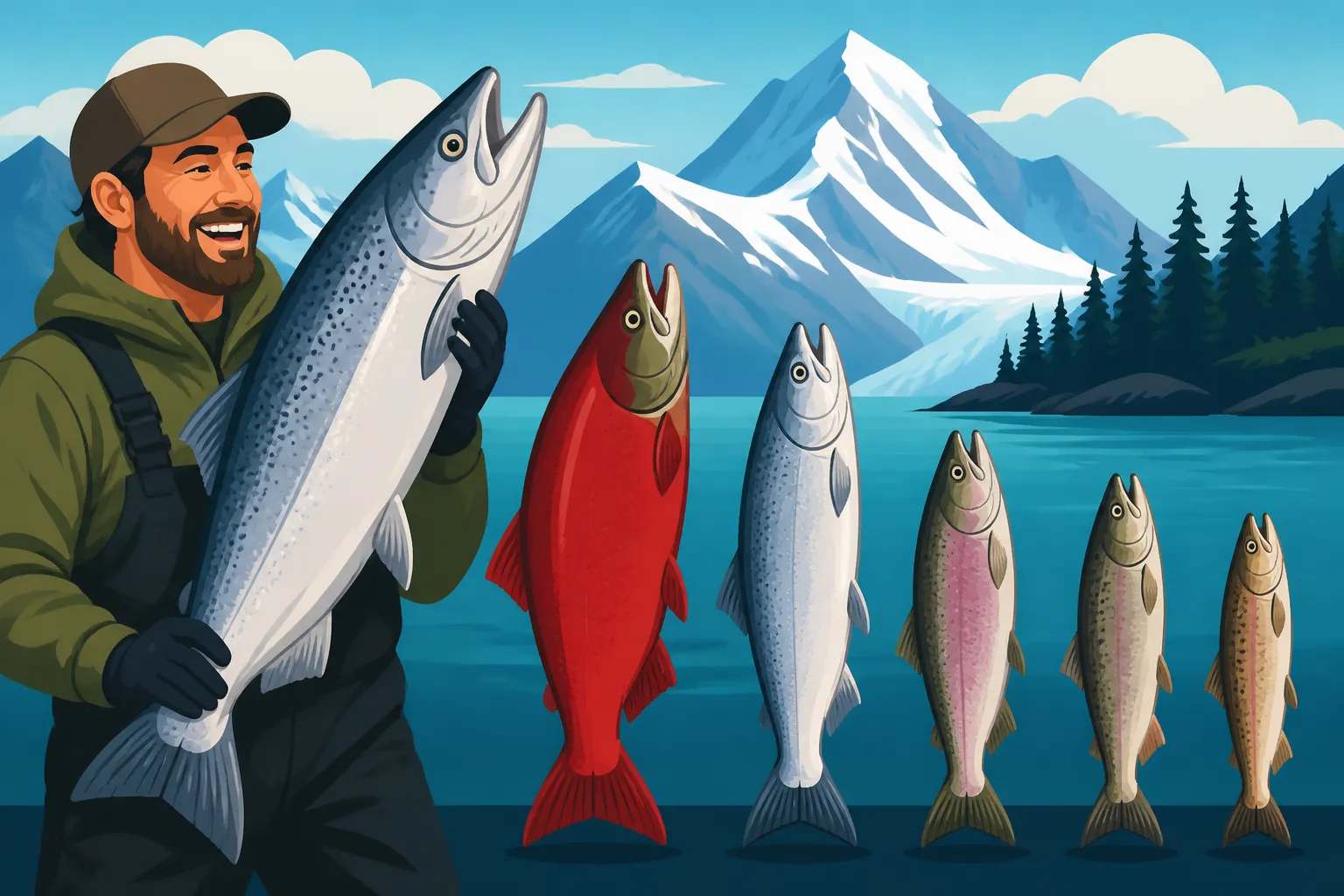
Walking into an Alaskan tackle shop or standing on the banks of a bustling river, it's easy to feel a bit overwhelmed. You hear folks talking about Kings, Sockeye, Coho, and more, and you might wonder, "How on earth do I tell them apart, especially by size?" It’s a common frustration, but understanding the typical sizes of Alaska's salmon species is not just about bragging rights; it's crucial for identifying your catch, understanding regulations, and appreciating the incredible diversity of these magnificent fish. This comprehensive guide will break down the Alaska salmon size comparison, offering insights into what to expect when you hook into one of these powerful swimmers.
Understanding Alaska's Salmon Species: A Quick Overview
Before we dive deep into the numbers, let's briefly touch on the five main species of Pacific salmon found in Alaskan waters. Each species has its own unique life cycle, run timing, and, importantly for us today, typical size range. Knowing these differences will not only help you identify your fish but also give you a better appreciation for the incredible ecosystems they inhabit.
The salmon species we primarily focus on in Alaska are Chinook (King), Sockeye (Red), Coho (Silver), Pink (Humpy), and Chum (Dog) salmon. While all are robust and powerful, their growth rates and maximum sizes vary significantly due to genetics, diet, and time spent in the ocean. This diversity is what makes fishing in Alaska so endlessly fascinating, and sometimes, a little confusing! You might want to explore a broader overview of the Types of Salmon in Alaska Explained to get a full picture of their roles in the ecosystem.
The Five Pacific Salmon of Alaska
Each species, from the mighty King to the feisty Pink, contributes uniquely to Alaska's vibrant fisheries. Their distinct characteristics extend beyond just size, encompassing everything from their coloration to their preferred habitats and even their fighting style when hooked. Understanding these fundamental differences is the first step to becoming a more knowledgeable and successful angler.
When anglers first arrive in Alaska, they often have a general idea of "salmon," but quickly realize it's a diverse family. You might find yourself on the Kenai Peninsula targeting Sockeye one day, then heading to the Gulf of Alaska for a King the next. These varied pursuits highlight the incredible range within just one family of fish.
Why Size Matters Beyond the Brag
It's not just about telling your fishing buddies about the "one that didn't get away." Knowing salmon sizes is critical for adhering to Alaska Fishing Regulations Explained which often include size limits, bag limits, and even slot limits for certain species and areas. Misidentifying a fish could lead to unintentional violations, which is something every responsible angler wants to avoid.
For instance, certain areas might have strict size regulations for King Salmon, or specific retention rules that depend on whether a fish is a "feeder" or a "spawner." Being able to accurately gauge the size of your catch, or even just identify the species confidently, becomes incredibly important. Plus, frankly, it helps you plan your tackle and technique, as landing a 5-pound Pink Salmon requires a very different approach than wrestling with a 50-pound King.
King Salmon The Apex Predator: Size and Characteristics
When people dream of Alaska fishing, often it's the magnificent King Salmon, or Chinook, that comes to mind. These fish are the undisputed heavyweights of the Pacific salmon family, renowned for their incredible power, size, and thrilling fights. Their sheer bulk sets them apart from all other salmon species, making them a true trophy for any angler.
Hooking into a King is an experience etched into memory. Their deep, powerful runs and head shakes demand sturdy gear and a strong will. It’s not uncommon to spend 20 minutes or more battling a large King, making every pound feel like ten. This formidable adversary is why many anglers plan their entire trips around the Alaska King Salmon Run Timing.
Average and Record King Salmon Sizes
King Salmon are, without a doubt, the largest of the Pacific salmon, and their average sizes reflect this. While averages can vary by river system and time of year, they consistently top the charts.
Typically, King Salmon caught in Alaska range from 20 to 50 pounds (9-23 kg). However, it's not at all uncommon to land fish in the 60 to 80-pound (27-36 kg) class, especially in legendary rivers like the Kenai. These larger fish are often referred to as "trophy Kings" and are a testament to the rich feeding grounds of the Gulf of Alaska. The world record King Salmon, caught in Alaska's Kenai River, weighed an astounding 97 pounds, 4 ounces (44.1 kg), which really puts into perspective just how massive these fish can get. While you might not land a record breaker, knowing that possibility exists is part of the allure. If you're wondering how big these fish truly grow, check out our guide on How Big Do Alaska King Salmon Get.
Identifying Features Beyond Weight
While size is a huge giveaway for King Salmon, there are other distinguishing characteristics that help with identification, even if you’re looking at a smaller specimen or one in the water. Kings typically have a deep body, a square or slightly forked tail, and a distinctive bluish-green back fading to silver sides and a white belly. Critically, they have black spots on both their upper and lower tail lobes, which is a key differentiator from Coho Salmon.
Their gums are also a reliable identifier; King Salmon usually have a black gum line along the base of their teeth in both the upper and lower jaw. This "black mouth" is a tell-tale sign that helps confirm you've got a Chinook, regardless of its size. Their scales are relatively large, and their flesh, ranging from deep red to pale pink, is highly prized for its rich flavor and high oil content.
Sockeye Salmon The Crimson Jewel: Size and Traits
Sockeye Salmon, also known as Red Salmon, are iconic for their brilliant crimson spawning colors and their phenomenal fighting spirit, especially on lighter tackle. While not as large as Kings, they are incredibly powerful for their size and provide an exhilarating challenge on the hook. Their sheer numbers during peak runs are legendary, creating a spectacle unique to Alaska.
The experience of fishing for Sockeye, particularly "combat fishing" on rivers like the Russian or Kenai, is unlike any other. Anglers stand shoulder-to-shoulder, casting specialized rigs to intercept these determined fish heading upstream. It's a high-energy, exciting fishery, and landing a bright red Sockeye is a badge of honor. To understand more about these vibrant fish, read our Alaska Sockeye Salmon Explained guide.
Average and Record Sockeye Salmon Sizes
Sockeye Salmon are considerably smaller than Kings but are known for their firm, deep red flesh and exceptional flavor. They are often considered the best-eating salmon by many Alaskans.
On average, Sockeye Salmon caught in Alaska weigh between 6 to 12 pounds (2.7-5.4 kg). While you might encounter some outliers a bit larger, anything over 15 pounds is truly exceptional. The Alaska state record Sockeye weighed 16 pounds, and while that might not sound as impressive as a King, a 12-pound Sockeye on a light rod feels like a freight train. When they are fresh from the ocean, they are incredibly chrome and muscular, making them surprisingly strong fighters. For a deeper dive into their maximum growth, you can check out How Big Do Alaska Sockeye Get.
Identifying Features Beyond Weight
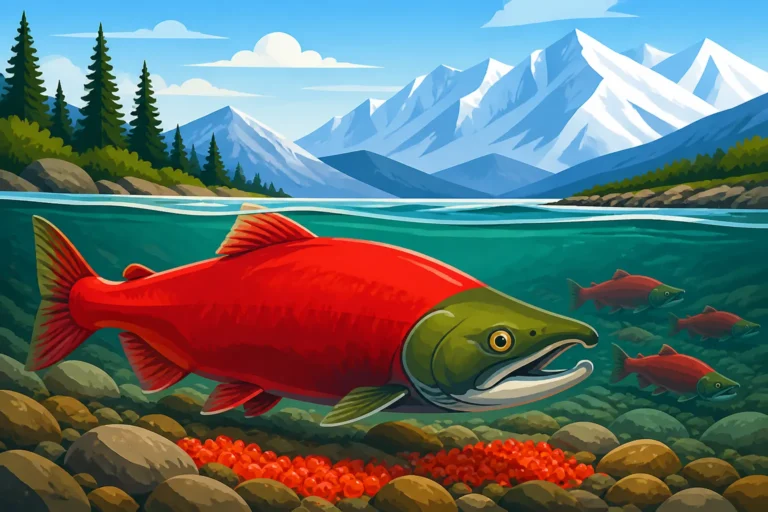
Beyond their size, Sockeye Salmon are distinct in their appearance. When fresh from the ocean, they are a brilliant chrome silver with a dark blue or green back, almost entirely lacking spots. This lack of spots is a major identifier. As they approach spawning, their bodies transform into a stunning, vibrant red, with olive green heads. This color change is one of the most dramatic among salmon species.
Their body shape is streamlined and torpedo-like, perfectly built for powerful upstream migration. Their tails are generally slightly forked. Another key identification feature is their large, prominent eye relative to their head size. They have white mouths with white gums, which contrasts with the King Salmon's black gums. These visual cues are incredibly helpful, especially when dealing with the fast-paced action of a Sockeye run.
Coho Salmon The Silver Bullet: Size and Distinctions
Coho Salmon, often called Silver Salmon, are celebrated for their acrobatic fights and aggressive takes. They are fantastic sportfish, known for jumping clear out of the water and making blistering runs, making them a favorite among many anglers. Cohos arrive later in the summer and into the fall, extending the salmon season with their spirited presence.
Fishing for Coho can be an absolute blast. Whether you're casting spinners from the bank, back-trolling a Kwikfish from a boat, or fly-fishing a flashy streamer, their eagerness to strike and their incredible fight ensure a memorable experience. They are often found in coastal streams and rivers, providing excellent opportunities for both boat and bank anglers.
Average and Record Coho Salmon Sizes
Coho Salmon fall into a mid-range category in terms of size, larger than Sockeye and Pinks, but generally smaller than Kings. They offer a fantastic balance of fight and table fare.
Typically, Coho Salmon in Alaska range from 8 to 15 pounds (3.6-6.8 kg). However, larger Cohos in the 18 to 20-pound (8-9 kg) range are fairly common, especially in certain river systems like the Kenai and Kasilof or in saltwater fisheries. The Alaska state record Coho Salmon weighed 26 pounds, 9 ounces (12 kg), showcasing their potential for impressive growth. These heavier Cohos often put on an unforgettable show, jumping repeatedly and testing every bit of your tackle. For detailed information on where and when to target these fish, check out Alaska Coho Salmon: Size, Season, and Where to Catch.
Identifying Features Beyond Weight
Coho Salmon are aptly named "Silvers" for their brilliant, chromelike appearance when fresh from the ocean. They have a metallic blue-green back that fades into bright silver sides and a white belly. A crucial identifier is the presence of small, sparse black spots typically only on the upper lobe of their tail and on their back, but not on the lower tail lobe. This distinguishes them from King Salmon, which have spots on both lobes.
Their body shape is more slender than a King's but still robust. They have a slightly forked tail. Inside their mouth, Coho Salmon have white gums, but with a black or dark grey tongue, or at least a dark line along the base of their lower teeth. This "white mouth, black tongue" combination is a reliable way to tell them apart from Kings. Coho also have fewer, more widely spaced gill rakers than Sockeye, although this requires a closer inspection and is less commonly used by recreational anglers for field identification.
Pink and Chum Salmon: The Abundant and The Dog: Size Differences
Pink and Chum Salmon often get grouped together in discussions about size because they are generally the smaller species. However, they play vital roles in the ecosystem and offer accessible fishing opportunities, especially for beginners or those seeking high-volume action. While perhaps not the trophy hunters' primary target, they provide abundant sport and a chance to truly experience Alaska's incredible salmon runs.
Pink Salmon are so prolific that they drive massive commercial fisheries and provide endless fun for anglers, especially in odd-numbered years when their runs peak. Chum Salmon, while sometimes overlooked, are incredible fighters and valuable for subsistence and sport alike. Don't underestimate the joy of reeling in dozens of these eager fish.
Pink Salmon (Humpies): Average and Record Sizes
Pink Salmon are the smallest and most numerous of the Pacific salmon species. They have a short, two-year life cycle, which contributes to their smaller size and consistent runs, particularly in odd-numbered years.
On average, Pink Salmon in Alaska weigh between 3 to 5 pounds (1.4-2.3 kg). A really large Pink might hit 8 to 10 pounds, which is a rare and exciting catch for its species. The Alaska state record Pink Salmon weighed 15 pounds (6.8 kg), a truly enormous Humpy. Despite their smaller size, they are incredibly aggressive and will readily hit a wide variety of lures and flies, making them a fantastic target for families and new anglers. They are a great entry point to Alaskan fishing. You can learn more about Alaska Pink Salmon: Size, Season, and Where to Catch.
Chum Salmon (Dog Salmon): Average and Record Sizes
Chum Salmon, also known as Dog Salmon, are often characterized by their striking vertical bars and prominent teeth when spawning. They are powerful, hard-fighting fish that provide a strong pull on the line, earning them the nickname "dog salmon" for their tenacity.
Chum Salmon typically weigh between 8 to 18 pounds (3.6-8.2 kg). While they can occasionally reach into the low 20s, a Chum over 20 pounds is considered a significant catch. The Alaska state record Chum Salmon weighed 32 pounds (14.5 kg). Chums are known for their raw power and straight-line runs, making them a formidable opponent on the right gear. Their flesh, though paler than Sockeye or King, is excellent for smoking and canning. Find more details on Alaska Chum Salmon: Size, Season, and Where to Catch.
Identifying Features for Pink and Chum
Pink Salmon (Humpy): The most distinct feature of a spawning male Pink Salmon is the incredibly pronounced hump on its back, giving them their "Humpy" nickname. Even fresh Pinks are identifiable by their large, oval-shaped spots on their back and throughout their entire tail. Their scales are very small, giving them a smooth appearance. They have white mouths and gums.
Chum Salmon (Dog Salmon): Chum Salmon are distinguished by their lack of spots (or very few, faint spots) on their back and tail. When spawning, they develop distinct vertical bars of green, purple, and red on their sides, and males grow prominent, dog-like teeth. Their tails are broad and slightly forked, and they typically have a slightly pointed snout. Their mouths are white with white gums, similar to Sockeye and Pink, but their body shape and color patterns are very different.
Factors Influencing Salmon Size in Alaska
The size of a salmon isn't just a random occurrence; it's a complex interplay of genetics, environment, and opportunity. In Alaska's vast and diverse ecosystems, these factors contribute to the impressive range of sizes we see within and across species. Understanding what drives these differences helps us appreciate the health of the fisheries and the challenges salmon face.
From the abundance of prey in the ocean to the specific river system they call home, every aspect of a salmon's life influences its growth. This is why you might find larger Kings in one region compared to another, or particularly robust Sockeye in a system with excellent food sources.
Age and Life Cycle Stages
One of the most significant factors determining a salmon's size is its age and how long it spends in the ocean feeding. King Salmon, for instance, spend several years (typically 3-5, sometimes up to 7) in saltwater, gorging themselves on baitfish and growing to massive proportions. This extended ocean residency allows them to accumulate significant biomass.
Sockeye salmon generally spend 1-3 years in the ocean, while Coho usually spend 1-2 years. Pink salmon are unique in their fixed two-year life cycle, which naturally limits their growth potential. Chum salmon typically spend 2-5 years in the ocean. The longer a salmon survives and feeds in the nutrient-rich ocean environment, the larger it has the potential to become before returning to spawn.
Food Availability and Habitat Quality
The abundance and quality of food sources in the ocean are paramount to salmon growth. Rich feeding grounds, particularly in the Gulf of Alaska and the Bering Sea, provide ample supplies of herring, sand lance, squid, and other smaller fish for Kings and Cohos. Sockeye, being primarily plankton feeders, rely on healthy zooplankton populations. A season with plentiful prey generally leads to larger, healthier salmon across all species.
Similarly, the quality of their freshwater rearing habitat as juveniles can also impact their initial growth and survival rates, setting them up for success (or failure) in the ocean. Healthy river and lake systems with abundant insects and cover are crucial nurseries for the next generation. These interconnected habitats are why conservation efforts span both marine and freshwater environments.
Geographic Location and Strain
Alaska is a massive state, and salmon populations can vary significantly from one region to another. A King Salmon returning to a river in Southeast Alaska might have different average size characteristics than one returning to a river in Southcentral Alaska, like the Kenai. These differences can be attributed to distinct genetic strains adapted to local conditions, as well as variations in ocean feeding territories.
For example, the Kenai River is famous for producing exceptionally large King Salmon, a trait attributed to its specific genetic strain and the rich feeding grounds these fish exploit. Likewise, the timing of runs and peak sizes can vary by region. Knowing the local trends for a specific river or bay, like those detailed in guides such as Kenai River Fishing: Complete Guide or Homer Alaska Fishing Guide, can give you an edge in understanding the size potential of your target species.
Practical Tips for Estimating Salmon Size and Identifying Species
Fishing in Alaska is an experience like no other, but it comes with responsibilities. Being able to quickly and accurately estimate the size of your catch and confirm its species is essential for compliance with regulations and for responsible angling. It's not always easy, especially when a fish is thrashing, but with practice and a few key tools, you'll become much more confident.
Many anglers find themselves scrambling to remember regulations or identify a fish on the fly. Having a system in place and knowing what to look for can save you a lot of headache and ensure you're always fishing legally and ethically. This also makes the entire experience more enjoyable when you're not constantly second-guessing yourself.
Visual Cues for Identification and Size Estimation
Beyond the specific features of each species, there are general visual cues that can help you quickly assess a fish. Look at the overall body shape – is it short and stout, or long and slender? What about the head size relative to the body?
When estimating size, especially length, try to compare the fish to something familiar on your boat or along the bank, like a rod section, a cooler, or even your wader boot. Practice estimating lengths on things around you before you even hit the water. It also helps to observe other anglers' catches and note how they compare to known measurements. Remember to pay close attention to the mouth and tail features discussed earlier, as these are often the most reliable identifiers for species. For an exhaustive guide, be sure to check out How to Identify Alaska Salmon Species.
Using Measurement Tools and Understanding Limits
The most reliable way to know a fish's size is to measure it. Many Alaska fishing regulations specify length limits (e.g., "no more than 28 inches" or "over 36 inches"). Having a reliable measuring device is crucial.
- Measuring Tapes: A simple, flexible tape measure is invaluable. Keep one easily accessible on your boat or in your tackle bag. Many fishing boats will have measurement stickers already on the deck.
- Fish Rulers/Boards: For smaller fish, dedicated fish rulers or boards provide a quick and clear measurement. You can find robust, waterproof options on Amazon that are perfect for boat use. These often have markings for common species and lengths, making them very user-friendly.
- Regulation Booklets: Always carry the current Alaska Department of Fish and Game (ADF&G) Sport Fishing Regulations booklet. It contains all the detailed size and bag limits for every species and region. Don't rely on memory! You can also download the ADF&G app for easy digital access.
- Harvest Record Card: Some species, particularly King Salmon and Halibut, require you to record your catch on a physical harvest record card. This is not only for data collection but also helps you track your personal bag limits and annual limits, especially for non-residents. Learning How to Fill Out an Alaska Harvest Record Card is a must.
Here's a handy table summarizing the typical size ranges and key identification marks for Alaska's main salmon species:
| Species | Average Weight Range (lbs) | Average Length Range (inches) | Record Size (lbs) | Key ID Marks | Gums | Tail Spots |
|---|---|---|---|---|---|---|
| King (Chinook) | 20-50 | 30-40 | 97.4 | Large, deep body; dark mouth | Black on both jaws | Black spots on both lobes |
| Sockeye (Red) | 6-12 | 20-28 | 16 | Streamlined; no spots; bright red when spawning | White on both jaws | No spots |
| Coho (Silver) | 8-15 | 24-30 | 26.9 | Silvery; spots mainly on upper tail lobe | White with dark tongue/lower gum line | Spots mainly on upper lobe |
| Chum (Dog) | 8-18 | 25-35 | 32 | No spots; vertical bars when spawning; prominent teeth | White on both jaws | No spots |
| Pink (Humpy) | 3-5 | 18-24 | 15 | Smallest; large oval spots on back and tail; hump on males | White on both jaws | Large oval spots on entire tail |
This table provides a quick reference, but always refer to the official ADF&G regulations for the most up-to-date and specific rules for your fishing area.
Maximizing Your Catch and Ensuring Compliance
Beyond identifying and measuring, knowing how to handle your catch is vital. If you're planning to take your fish home, understanding Alaska Fish Transport and Shipping Rules will be essential. It's often a good idea to bring a quality fillet knife, which you can easily find on Amazon, to process your catch quickly and cleanly.
When fishing in remote areas, or even popular roadside spots, proper fish identification ensures you're abiding by species-specific bag limits. For instance, Alaska Salmon Bag Limits by Species will vary drastically between a Sockeye and a King. Some areas might have catch-and-release rules for certain sizes or species, and you need to be confident in your identification to release the correct fish. Always err on the side of caution if you're unsure. A good pair of polarized sunglasses, available on Amazon, can also greatly help with spotting fish and discerning their features in the water before you even cast.
Finally, while many experienced anglers develop an innate sense for fish size and species, never be afraid to ask your guide or fellow anglers for help if you're uncertain. Responsible fishing in Alaska is about respect for the resource and adherence to regulations, ensuring these incredible fisheries remain healthy for generations to come. Having the right tools, like a measuring tape or a pocket-sized copy of the regulations, can make all the difference. Some anglers even purchase small, laminated fish identification cards that can be attached to a vest or tackle box, also often found on Amazon, providing a quick visual reference when you're in the thick of the action.
Disclaimer
The information provided in this guide is for general informational purposes only and is not intended as legal advice or a substitute for official regulations. Alaska fishing regulations are complex and subject to change frequently, sometimes even by emergency order. Always consult the current Alaska Department of Fish and Game (ADF&G) Sport Fishing Regulations booklet or their official website before fishing to ensure compliance with all applicable rules and limits for your specific location and target species. Failure to do so could result in fines or penalties.