Alaska Coho Salmon: Size, Season, and Where to Catch
Trying to figure out the best time and place to target Alaska's feisty Coho salmon, also known as silver salmon, can feel like you're trying to hit a moving target. With so many variables like river conditions, run timing, and regional differences, it's easy to get overwhelmed and miss out on some truly incredible fishing. This guide is here to cut through the confusion, offering clear, actionable information on when, where, and how to effectively pursue these acrobatic fish, ensuring your Alaskan adventure is filled with memorable hook-ups.
Understanding Alaska Coho Salmon
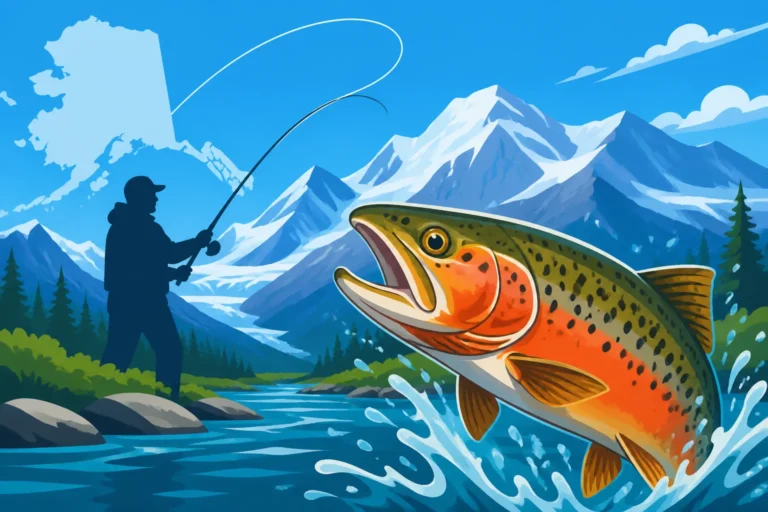
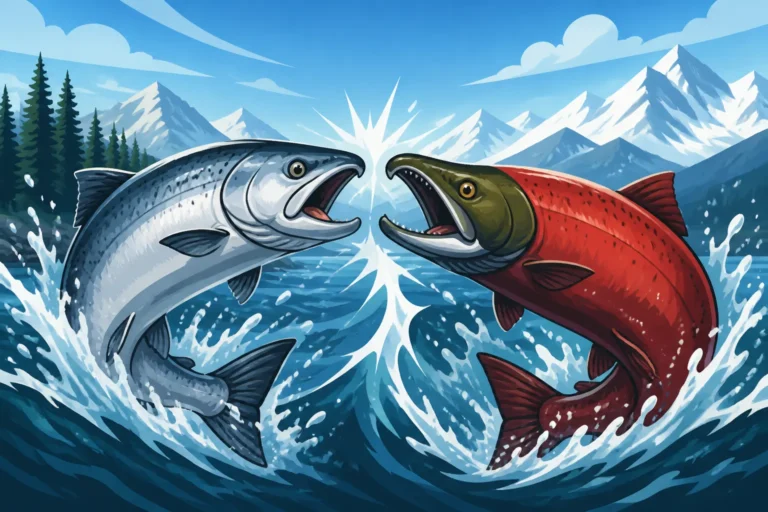
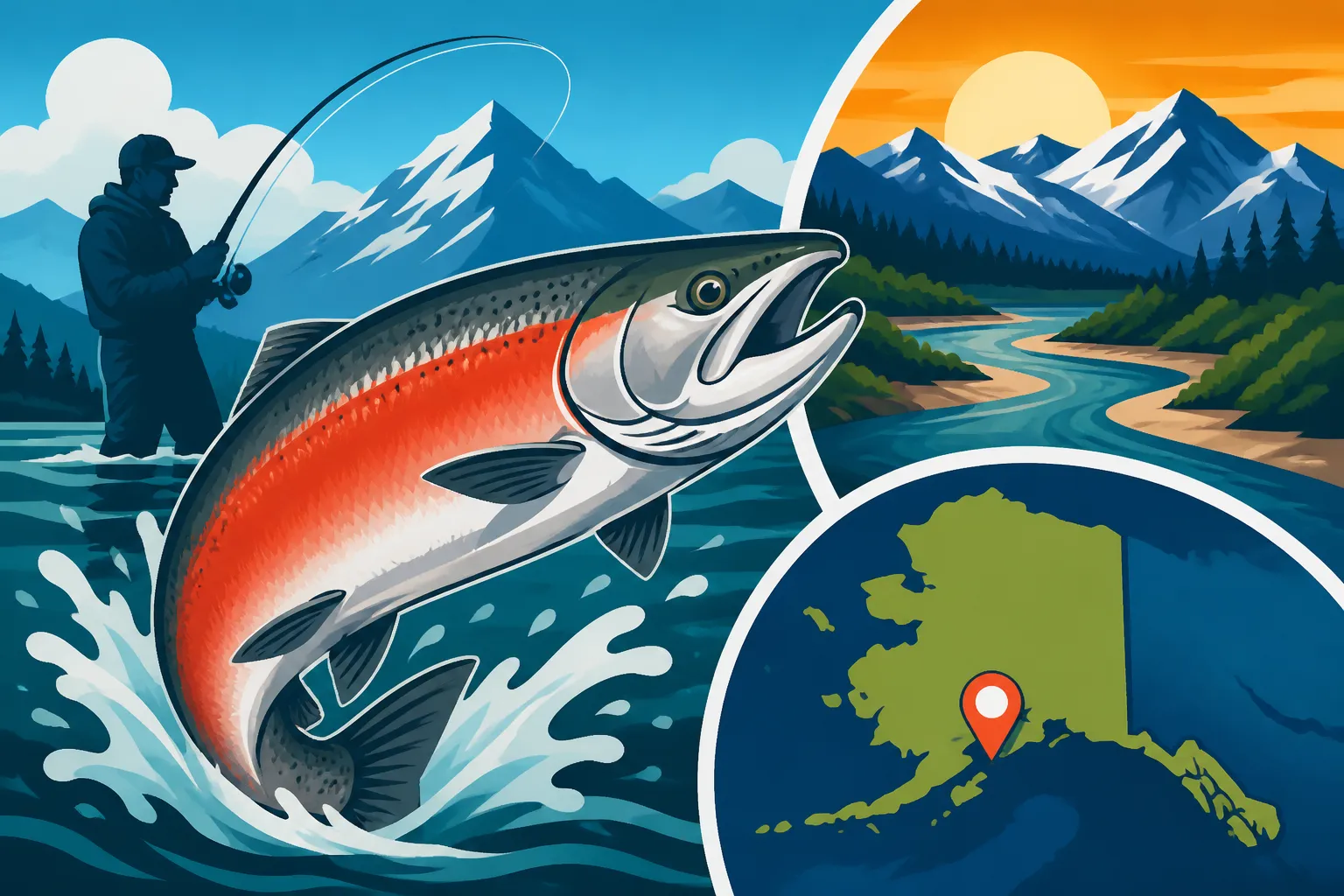
Coho salmon, known for their stunning acrobatics and aggressive strikes, are a favorite among anglers visiting Alaska. They're often referred to as "silver salmon" due to their brilliant, chromey appearance when they first enter freshwater from the ocean. This vibrant silver fades to a darker, sometimes reddish-brown hue as they progress upstream and get closer to spawning. Understanding their characteristics and life cycle is key to predicting their behavior and finding them in the rivers.
What Makes Coho Special?
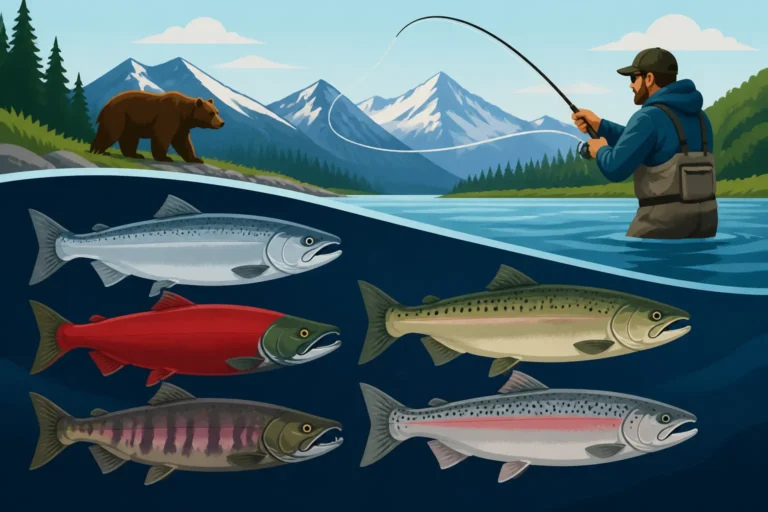
Coho salmon (Oncorhynchus kisutch) are easily identifiable by several key features. When fresh from the ocean, they possess a bright silver body with small, scattered black spots mostly on their upper back and the upper lobe of their caudal (tail) fin. Their gums are typically white with a black line at the base of their teeth, which helps distinguish them from other salmon species like King salmon (Chinook), which have entirely black gums. What truly sets them apart, though, is their fighting spirit. When hooked, Coho are notorious for their spectacular aerial displays, jumping and thrashing vigorously, making them incredibly exciting to catch. They also tend to congregate in certain areas, offering opportunities for fast-paced action once you find a school. If you're looking for more detailed information on their unique traits, check out our guide on Alaska Coho Salmon: Facts and Fishing Tips.
They typically range from 6 to 12 pounds, though larger specimens, especially in certain river systems or saltwater fisheries, can easily exceed 15 pounds. The state record Coho salmon weighed in at a whopping 26 pounds, 15 ounces, caught in the Ione Bay in 1976. While catching a record-breaker is rare, consistent action on decent-sized fish is a hallmark of a good Coho fishery. Their size, combined with their strong fighting ability, makes them a challenging and rewarding catch for both seasoned and novice anglers.
The Coho Life Cycle
The life cycle of an Alaska Coho salmon is a remarkable journey that typically spans three years. After hatching in freshwater streams, juvenile Coho (fry) spend one to two years in their natal rivers, feeding on insects and small invertebrates, growing into smolts. During this freshwater stage, they are particularly vulnerable to predators. As smolts, they undergo a physiological transformation, adapting their bodies to saltwater, before migrating out to the vast feeding grounds of the North Pacific Ocean.
In the ocean, Coho salmon spend one to two years bulking up, feeding primarily on smaller fish like herring and sand lance, as well as squid and other crustaceans. This rich diet is what gives them their brilliant silver color and firm, delicious flesh. It's also where they grow to their impressive adult size. Once they reach sexual maturity, usually in their third year, they begin their arduous journey back to the very freshwater streams where they were born to spawn. This upstream migration is what anglers eagerly anticipate each summer and fall. Understanding this cycle is crucial, as it dictates the Alaska Coho Salmon Run Timing and when they'll be accessible to anglers.
Prime Season for Alaska Coho Salmon
Pinpointing the "best" time to catch Coho salmon in Alaska really depends on where you plan to fish, as runs vary significantly by region and even by individual river system. Generally speaking, the Coho season ramps up in mid-summer and extends well into the fall, offering plenty of opportunities. Unlike their King salmon cousins, which have more defined early and late runs, Coho often have a prolonged presence, especially in larger river systems and near coastal areas.
Regional Run Timings
Coho salmon runs across Alaska typically kick off in late July and hit their peak from August through September, with some rivers seeing strong runs well into October.
- Southcentral Alaska: This region, encompassing areas like the Kenai Peninsula (Kenai River, Kasilof River, Russian River, Deep Creek) and the Mat-Su Valley (Little Susitna River, Deshka River), often sees its first push of Coho in late July, with prime fishing usually from mid-August through September. The Kenai River, for example, is famous for its massive Sockeye runs, but its Coho fishery also draws serious attention. Smaller streams in Prince William Sound and near Anchorage, like Ship Creek, also offer accessible Coho fishing during this window. Many anglers find the Best Time to Catch Coho Salmon in Alaska to be August or early September in this region.
- Southeast Alaska: Areas like Juneau, Sitka, Ketchikan, and Petersburg experience strong Coho runs starting in August and continuing vigorously through September, sometimes even into early October. These coastal areas often have both freshwater river fishing opportunities and excellent saltwater trolling for ocean-bright Cohos. The consistent presence of these fish makes Southeast a fantastic destination for extended Coho trips.
- Bristol Bay & Western Alaska: While renowned for Sockeye, many rivers in Bristol Bay, such as the Nushagak and Naknek, also get respectable Coho runs, typically from late July through August. More remote drainages further west can have runs that last into September, offering a more wilderness-focused experience for those willing to venture out.
It's always a good idea to check the local Alaska Department of Fish and Game (ADF&G) regulations and emergency orders for specific rivers before you head out, as run strengths and limits can change quickly.
Factors Affecting the Coho Run
Several environmental and biological factors can significantly influence the timing, strength, and overall success of an Alaska Coho salmon run. Being aware of these can help you better plan your fishing trip and understand daily conditions.
- Water Levels and Flow: Rainfall plays a huge role in river systems. A good rain can raise river levels, providing "pull" for migrating salmon to enter the rivers from the ocean. Conversely, low water levels can delay runs, making it difficult for fish to cross shallow areas, or concentrate them in deeper pools, which can sometimes make them easier targets, but also more susceptible to pressure. High, turbid water can also make fishing challenging as fish might spread out and lures become less visible.
- Water Temperature: Coho, like all salmon, prefer certain water temperatures. If river temperatures are too warm, they may stage in cooler saltwater or deeper river pools, waiting for a drop in temperature before making their final push upstream. Extremely cold water can also slow their metabolism, making them less aggressive and harder to entice.
- Ocean Conditions: The health of the ocean during the Coho's feeding phase directly impacts their size and overall abundance. Plentiful forage fish like herring and sand lance lead to larger, healthier adult salmon. Conversely, poor ocean conditions, such as unusual warm water events, can result in smaller fish returning or fewer fish surviving to return.
- Run Timing Variations: While there are general patterns, each year is unique. A strong early push one year might be followed by a late run the next. Monitoring ADF&G run forecasts and local fishing reports (often found on charter websites or local tackle shop blogs) can provide invaluable, real-time insights into specific river conditions and fish activity. Remember, early season fish are often chrome bright and aggressive, while later season fish, though sometimes larger, can be more colored up and focused on spawning.
Top Spots to Catch Coho Salmon in Alaska
Alaska is truly a Coho angler's paradise, offering an incredible variety of locations to pursue these spirited fish. From easily accessible roadside rivers to remote fly-in destinations, there's a spot for every type of angler. Knowing where to focus your efforts can drastically improve your chances of a successful trip.
Popular River Systems
When it comes to freshwater Coho fishing, certain rivers consistently produce excellent results year after year. These rivers are often well-known but for good reason – they hold a lot of fish!
- Kenai River: While most famous for its King and Sockeye runs, the Kenai River, particularly the middle and lower stretches near Soldotna and Kenai, offers phenomenal Coho fishing from mid-August through September. Anglers can target them from boats, drifting or back-trolling, or from various public access points for bank fishing. It's an energetic fishery, often with numerous hook-ups in a single day. Fishing here requires diligent attention to the Alaska Fishing Regulations Explained due to its popularity and species diversity.
- Kasilof River: Just south of the Kenai, the Kasilof is another strong contender for Coho. It's often less crowded than the Kenai but still offers robust runs, primarily from drift boats. The Kasilof's glacial waters can make for a different fishing experience, but the rewards are equally great.
- Little Susitna River (Little Su): Located in the Mat-Su Valley, the Little Su is a favorite for road-system anglers, offering opportunities for both boat and bank fishing. Coho runs here are strong, typically peaking in August and early September. It's a great option for those based near Anchorage looking for a day trip.
- Deshka River: Another productive Mat-Su Valley river, accessible via boat from the Susitna River, the Deshka sees good Coho numbers. It's a prime destination for those seeking a mix of species, but the Coho action can be stellar.
- Sitka Sound Rivers (Southeast Alaska): While specific river names might be less known nationally, the numerous small to medium-sized rivers and streams flowing into Sitka Sound and other Southeast Alaska coastal areas can be absolutely loaded with Coho in August and September. These often require local knowledge or a charter to access but offer incredible opportunities, often sight-casting to schools of bright fish. This region is truly among the Best Fishing Spots in Alaska.
Coastal Saltwater Hotspots
Don't overlook saltwater opportunities for Coho, especially earlier in the run. These "chrome bright" Cohos are fresh from the ocean, incredibly strong, and delicious.
- Kachemak Bay (Homer): Homer is world-renowned for halibut, but the surrounding waters of Kachemak Bay and Cook Inlet also offer excellent saltwater trolling for Coho. Anglers often combine a halibut trip with some salmon trolling for a diverse cooler.
- Seward and Resurrection Bay: Seward's Resurrection Bay and the surrounding waters are fantastic for Coho. Charters frequently troll for these fish, especially from mid-July through September. The scenery here is breathtaking, adding to the experience.
- Prince William Sound (Whittier/Valdez): The vast waters of Prince William Sound, accessible from Whittier or Valdez, provide ample opportunities for saltwater Coho. Trolling around points, near feeder streams, and in protected bays can yield great results. This area is often popular for those seeking combo trips, including rockfish and lingcod.
- Southeast Alaska Islands and Inlets: The intricate network of islands, fjords, and inlets in Southeast Alaska, from Ketchikan up to Juneau, offers unparalleled saltwater Coho fishing. Charters in these areas know exactly where to find the baitfish schools that attract hungry Cohos. Trolling with flashers and spoons or bait is a highly effective method here. Many of the Best Salmon Fishing Rivers in Alaska in Southeast also have corresponding saltwater fisheries right offshore.
Gear and Techniques for Coho Success
Successfully targeting Coho salmon requires the right gear and an understanding of effective techniques. These fish are aggressive but can also be finicky, so having a versatile setup and knowing when to switch tactics is crucial.
Recommended Tackle and Lures
Choosing the right tackle for Coho salmon can make a huge difference in your success rate. Since they're not as heavy as King salmon but are incredibly acrobatic, a balanced setup is key.
- Rods and Reels: For river fishing, a medium-heavy spinning rod (8'6" to 10'6") paired with a robust spinning reel spooled with 20-30 lb braided line is a popular choice. The length helps with casting distance and line control. If you prefer baitcasting, a similar medium-heavy casting rod with a good quality baitcaster is excellent. For saltwater trolling, a medium-heavy rod designed for boat fishing, paired with a levelwind reel spooled with 30-50 lb braid or monofilament, is ideal. You can find a wide selection of suitable rods and reels on Amazon, ensuring you have reliable gear for your trip.
- Line: Braided line is popular for its sensitivity and strength, but always use a fluorocarbon or monofilament leader (15-25 lb test for rivers, 25-40 lb for saltwater) to provide some stretch and make your presentation less visible.
- Lures and Bait: Coho are attracted to a variety of presentations.
- Spinners: Popular choices like Blue Fox Vibrax, Mepps Aglia, and Rooster Tail spinners in sizes #3-#5 are highly effective in rivers. Colors like chartreuse, orange, pink, and silver are classic Coho killers.
- Spoons: Casting spoons like Pixees, Koho, and Acme Kastmaster spoons work wonders, especially in larger rivers or when fish are holding in deeper pools. Again, bright colors with some flash are often best.
- Plugs: For back-trolling from a boat, Kwikfish or Mag Lip plugs in various sizes (K14, K15, 3.5, 4.0) are deadly. Wrap them with cured salmon eggs or a small piece of herring for added scent.
- Soft Plastics/Jigs: Pink or chartreuse grub-tailed jigs fished under a bobber can be incredibly effective, especially when fish are concentrated or in clearer water.
- Bait: Cured salmon roe (eggs) fished under a float, or a chunk of herring/sardine trolled in saltwater, are perennial favorites. If you're looking for more specific recommendations, our guide on the Best Lures for Alaska Salmon dives deep into this topic.
- Terminal Tackle: Always carry an assortment of swivels, snap swivels, weights (pencil lead, slinkies, or cannonball weights for trolling), and a good selection of hooks (sizes 1/0 to 4/0, often Octopus style). Having a good selection readily available, perhaps even ordered from Amazon before your trip, will ensure you're prepared for any conditions.
Effective Fishing Methods
Coho salmon can be caught using a variety of techniques, depending on the location and conditions. Versatility is your friend!
- Casting and Retrieving (Rivers): This is a go-to method for river anglers. Cast your spinner or spoon across and slightly upstream, letting it swing downstream while retrieving at a moderate pace. The goal is to get the lure to "swim" past potential holding lies where Coho might be resting. Experiment with retrieve speeds and depths until you find what triggers a strike. This technique is often discussed in our How to Spin Fishing for Salmon in Alaska guide.
- Drift Fishing (Rivers): Often done from a drift boat but also possible from the bank in some areas. This involves using an unweighted or lightly weighted presentation (like a float with cured eggs or a bead) that drifts naturally with the current, mimicking natural food sources. The key is to match the speed of the current.
- Back-Trolling/Back-Bouncing (Rivers from Boat): Popular in larger rivers like the Kenai and Kasilof. Anglers use weighted plugs or bait setups and slowly motor upstream against the current, letting the current push their lures downstream, keeping them in the strike zone for an extended period. The boat is often held just above the speed of the current, allowing the lures to "back-bounce" along the bottom.
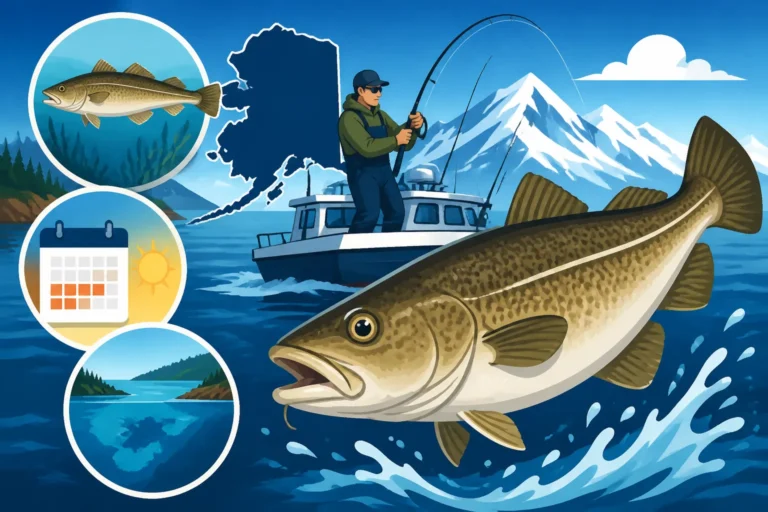
- Trolling (Saltwater): In the ocean, trolling is the primary method for Coho. Boats will move at a slow speed (typically 2-4 mph), dragging flashers and hoochies, spoons, or herring behind them at various depths. Downriggers are often used to get the lures to the desired depth where fish are holding. This is an excellent way to cover a lot of water and find active schools.
- Bobber Fishing (Rivers/Ponds): In certain slower-moving river sections or ponds where Coho might school, bobber fishing with jigs or cured eggs can be incredibly effective. The bobber keeps your bait suspended at a specific depth, allowing you to target fish holding off the bottom.
Always be mindful of Alaska Fishing Regulations and Limits for Coho salmon, as they can change based on the specific body of water and in-season emergency orders.
Alaska Coho Salmon: Size Expectations and Culinary Delights
When you hook into an Alaska Coho, you're in for a treat, both in terms of the fight and the eventual meal. Knowing what to expect regarding their size and how best to prepare them adds to the overall experience.
Average Size and Trophy Potential
Most Coho salmon caught in Alaska rivers and nearshore saltwater range from 6 to 12 pounds. These are solid, feisty fish that provide an exciting battle on appropriate tackle. However, don't be surprised to encounter "chrome bright" Cohos in the 15-20 pound range, particularly in areas like Prince William Sound or Southeast Alaska, especially earlier in the run. These larger specimens offer a truly memorable fight, often leaping multiple times and making powerful runs.
While the vast majority of Coho won't reach world-record status, the potential for a personal best is always there. The thrill comes not just from the size, but from their aggressive nature and acrobatic displays. Many anglers consider a 15+ pound Coho a "trophy" catch, and for good reason—they are powerful fish that demand skill and patience to land. Remember, ethical catch-and-release practices are important for sustaining healthy populations, especially if you've already met your Alaska Salmon Bag Limits by Species.
Preparing Your Coho Catch
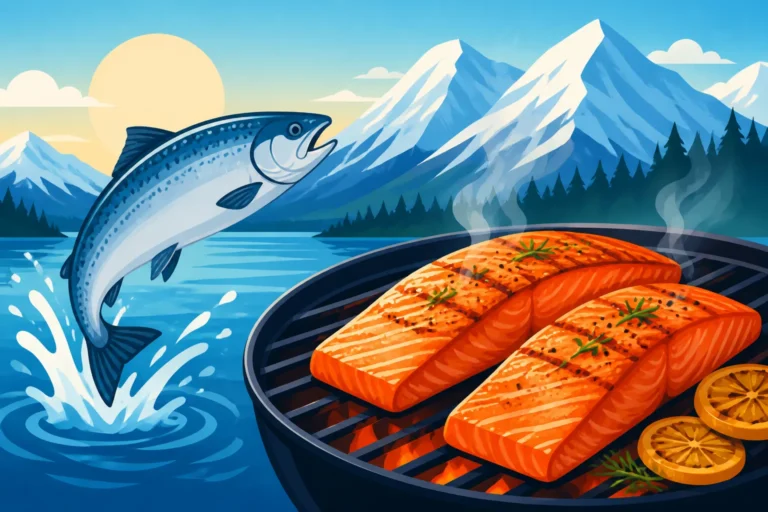
Coho salmon are widely regarded as one of the best-tasting salmon species, with their firm, reddish-orange flesh and moderate fat content. Once you've successfully landed your Coho, proper handling is key to preserving its quality for the dinner table.
- Bleeding and Icing: As soon as you land a Coho you intend to keep, dispatch it quickly and bleed it immediately. This removes blood from the flesh, improving taste and texture. Then, get it on ice as soon as possible. A cooler full of ice is essential, especially on warm days. Keeping the fish cold and clean prevents spoilage and maintains that fresh-from-the-ocean quality.
- Filleting and Processing: Once back at the dock or camp, learning How to Fillet a Salmon in Alaska properly will maximize your yield. Coho fillets are versatile and can be prepared in countless ways. They are excellent grilled, baked, pan-seared, or smoked. Many anglers choose to have their catch professionally processed and vacuum-sealed for shipping home, which ensures long-term freshness. Local processors in towns like Homer, Seward, and Soldotna offer these services, making it easy to enjoy your Alaskan bounty for months to come.
- Culinary Versatility: Coho salmon's flavor profile is rich but not overly oily, making it a crowd-pleaser. It pairs well with a variety of seasonings, from simple salt and pepper to more complex marinades with dill, lemon, or garlic. Smoked Coho is a particularly popular Alaskan delicacy, perfect for sharing with friends and family back home, reminding you of the adventure.
Disclaimer
Fishing in Alaska involves inherent risks, including rapidly changing weather, wildlife encounters, and navigating unfamiliar terrain. Always prioritize safety, understand local regulations, and be prepared for all conditions. This guide is for informational purposes only and should not replace official regulations, professional guidance, or common-sense safety practices.