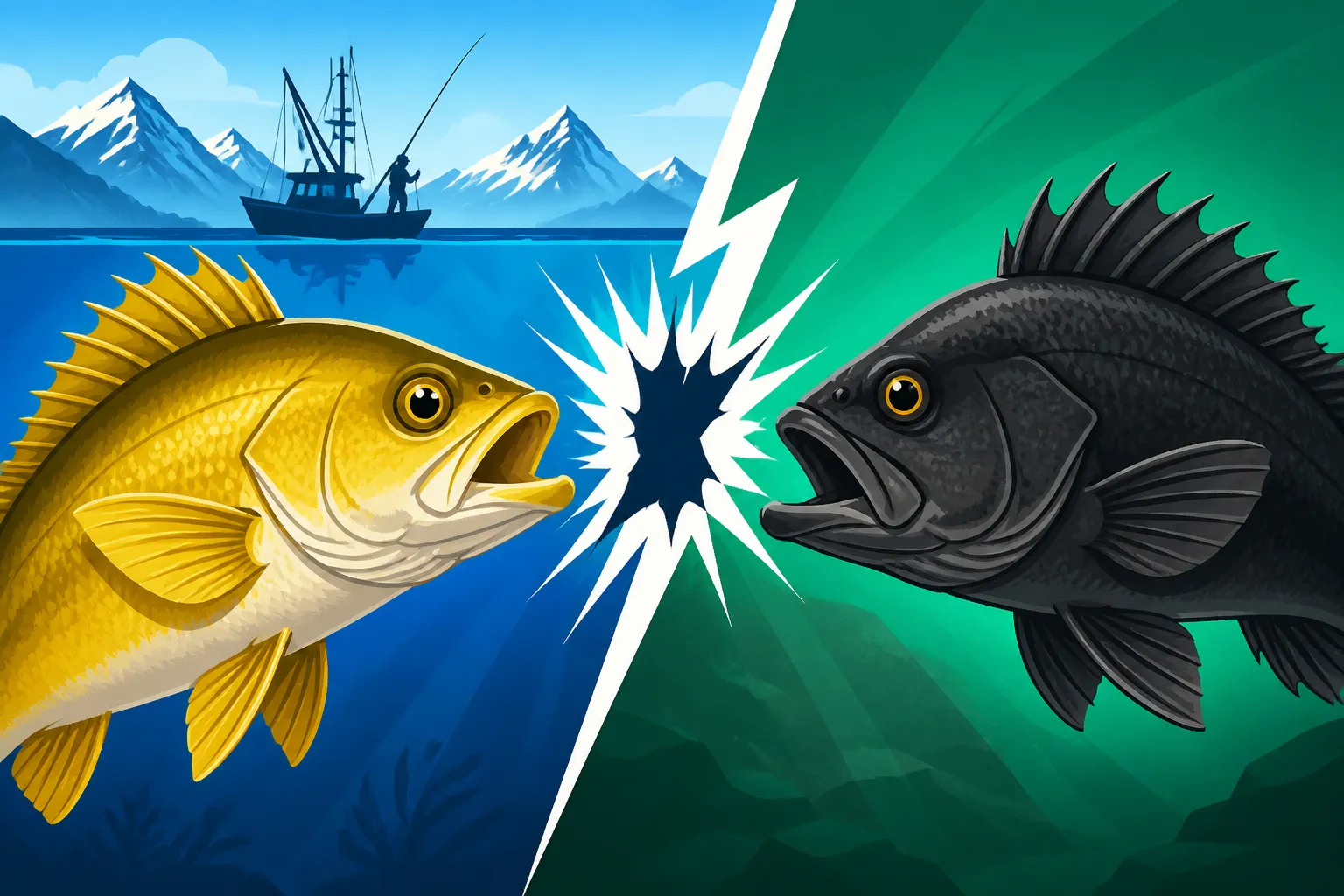
Alaska Yelloweye vs Black Rockfish
One of the trickiest parts of saltwater fishing in Alaska, especially for those venturing out into the vast Gulf or beyond, is telling your rockfish apart. It's not just about bragging rights; correctly identifying species like the Yelloweye and Black Rockfish is absolutely crucial for staying on the right side of the law and ensuring you're doing your part for conservation. This comprehensive guide will walk you through the key differences, helping you confidently identify these two popular, yet often confused, denizens of Alaska's deep.
Why Differentiating Alaska Yelloweye and Black Rockfish Matters for Anglers
Let's be real, when you're out on the water, maybe a little green from the swell, and a fish hits your line, your first thought isn't always "what species is this exactly?" It's usually "FISH ON!" But in Alaska, that split-second identification can save you a hefty fine or, more importantly, contribute to the health of our precious fish stocks. Ignoring the nuances between species like the Yelloweye and Black Rockfish isn't just a minor oversight; it has real consequences.
Navigating Regulations and Conservation Efforts
Alaska has some of the most robust and carefully managed fisheries in the world, and that includes rockfish. The Alaska Department of Fish and Game (ADF&G) sets specific bag and possession limits for various rockfish species, and Yelloweye Rockfish, in particular, often have much stricter limits due to their slow growth rate and long lifespan. They can live to be over 100 years old, which means they reproduce slowly and are highly susceptible to overfishing. This is why you'll often see regulations like a very low annual limit, or even closures, for Yelloweye, while Black Rockfish might have more generous allowances. If you mistakenly keep a Yelloweye thinking it's a Black Rockfish, you're not only breaking the law but also actively harming a vulnerable population. Understanding the nuances of current regulations, which you can always find detailed in the Alaska Rockfish Fishing Regulations and Limits or the broader Alaska Fishing Regulations Explained guide, is paramount. These rules are put in place for a reason, and it's our responsibility as anglers to know and respect them.
Personal Responsibility and Sustainable Fishing
Beyond the legal aspect, there's the moral compass of being a responsible angler. We all want future generations to experience the thrill of catching these magnificent fish. Mistaking a Yelloweye for a Black Rockfish impacts the overall population dynamics, potentially undermining the hard work of fishery managers and conservationists. It's about more than just avoiding a citation; it's about being an ethical steward of Alaska's natural resources. This also extends to how we handle fish, especially when dealing with barotrauma in deeper waters. Practicing proper Alaska Rockfish Retention and Release Rules and using effective descending devices, which we'll discuss, shows a commitment to sustainable fishing. It's a small effort that makes a huge difference in ensuring the long-term health of these incredible Alaska Saltwater Fish Species.
Key Identification Features: Spotting the Differences
Alright, let's get down to brass tacks. You've got a fish on the line, it's orange-ish or dark-ish, and you need to know fast. While both are rockfish and share some general characteristics, there are very clear ways to tell a Yelloweye from a Black Rockfish. Think of it like telling apart two different breeds of dog – they're both canines, but a Labrador and a Poodle are distinct.
Distinctive Coloration and Patterns
This is often the first and most obvious clue, but it can also be misleading if you're not careful.
- Yelloweye Rockfish (Sebastes ruberrimus): These are often called "red snapper" by many, though they are not true snappers. Their primary body color ranges from a vibrant reddish-orange to a deep, burnt orange. What's absolutely key is that they usually have bright yellow eyes, hence the name. Young Yelloweye might have two light stripes along their sides, but adult fish typically have a uniform reddish-orange body. Some may have lighter patches or mottling, but the overall impression is a striking red or orange hue.
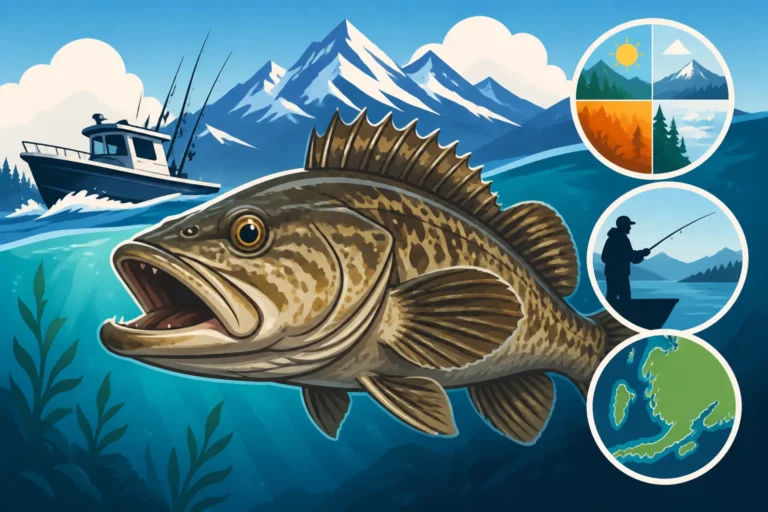
- Black Rockfish (Sebastes melanops): As their name suggests, these fish are predominantly dark, often black, dark gray, or olive green on their backs, fading to a lighter belly. The crucial identifying feature here is the mottled or blotchy pattern on their sides, often appearing as irregular dark spots or splotches over a lighter background. This isn't always a stark contrast, but it's usually visible. They typically have dark eyes, which can sometimes appear greenish in certain light, but never the bright yellow of a Yelloweye.
It's important to remember that fish coloration can vary depending on their depth, diet, and even stress levels, so don't rely solely on color. However, the combination of brilliant yellow eyes and a predominantly red/orange body on a Yelloweye, versus dark, mottled sides and dark eyes on a Black Rockfish, is generally a solid indicator.
Fin Structures and Spines
A closer look at the fins, particularly the dorsal fin, can provide definitive answers.
- Yelloweye Rockfish: Take a good look at the dorsal fin (the one on its back). Yelloweye have a very pronounced and spiny dorsal fin. The spines are typically quite stiff and sharp. More importantly, their anal fin (the fin on the underside near the tail) is rounded. The spines on their head are also quite prominent and rough to the touch.
- Black Rockfish: Their dorsal fin is also spiny, but the spines are generally less pronounced and can appear somewhat softer compared to a Yelloweye. The key distinguishing feature here is their anal fin, which is typically straight or slightly concave, not rounded. The head spines on a Black Rockfish are usually much less prominent, giving their head a smoother appearance.
A helpful way to remember is: Yelloweye have yellow eyes and round anal fins. Black Rockfish are black and have straight/concave anal fins.
Eye and Mouth Characteristics
While the overall color of the eye is a dead giveaway for Yelloweye, there are other subtle differences.
- Yelloweye Rockfish: Those brilliant yellow eyes are hard to miss. Their mouth is also quite large, but typically extends to about the middle of their eye. The lower jaw might protrude slightly, but not excessively.
- Black Rockfish: Their eyes are dark, usually appearing black or very dark brown. They also have a large mouth, but it tends to be more terminal (at the very front) and their lower jaw often protrudes more noticeably than a Yelloweye, giving them a slightly "underbite" appearance.
Lateral Line and Body Shape
The lateral line, a sensory organ running along the side of the fish, can also offer clues, as can the overall body profile.
- Yelloweye Rockfish: Their body is generally robust and deep-bodied, giving them a somewhat "chunkier" appearance. The lateral line tends to be distinct and follows a smooth curve from head to tail.
- Black Rockfish: These tend to have a more slender, elongated body shape, especially when compared to a Yelloweye of similar length. Their lateral line is often less conspicuous and can sometimes appear to dip slightly before continuing to the tail.
To make things a bit easier, here’s a quick comparison table:
| Feature | Yelloweye Rockfish (Sebastes ruberrimus) | Black Rockfish (Sebastes melanops) |
|---|---|---|
| Primary Color | Reddish-orange to deep orange | Dark grey, black, or olive green |
| Eye Color | Bright yellow (definitive) | Dark (black, dark brown, or greenish) |
| Body Pattern | Generally uniform, sometimes mottled, no distinct blotches on adults | Mottled, blotchy, or spotted on sides |
| Anal Fin | Rounded (convex) | Straight or slightly concave |
| Head Spines | Prominent and rough | Less prominent, smoother head |
| Body Shape | Deep-bodied, robust | More slender, elongated |
| Max Lifespan | Up to 120 years | Up to 50 years |
| Typical Depth | Deeper waters (150-600 ft) | Shallower waters (0-300 ft), often near surface |
Habitat, Behavior, and Fishing Considerations
Knowing where and how these fish prefer to live can also give you a significant advantage in identification even before you reel them in. Their habitats often dictate the gear and techniques you'll use, impacting the overall fishing experience.
Preferred Depths and Structures
Where you're fishing can be a strong clue about which rockfish you're likely to encounter.
- Yelloweye Rockfish: These are true deep-dwellers. You'll typically find Yelloweye in deeper offshore waters, often ranging from 150 to 600 feet, sometimes even deeper. They love complex rocky structures, pinnacles, ledges, and deep reefs that provide plenty of cover and ambush points. They are generally solitary or found in small groups. When targeting these fish, you'll often be using heavy weights to get your bait down, perhaps 8 oz or more, depending on the current. This deep-water habitat contributes to their vulnerability, as bringing them up quickly from such depths often causes severe barotrauma.
- Black Rockfish: In contrast, Black Rockfish are much more comfortable in shallower, nearshore waters, though they can extend into moderately deep areas. You'll commonly find them from the surface down to about 300 feet. They are often associated with kelp beds, submerged reefs, rocky shorelines, and even around docks and pilings. They are schooling fish and are frequently found suspended in the water column, actively chasing baitfish. This makes them a prime target for anglers using lighter tackle and techniques like jigging or even casting from shore in some areas. If you're fishing nearshore around Homer or Seward, you're more likely to encounter Black Rockfish.
Fishing Techniques and Gear Selection
Given their different habitats, the way you fish for each species will naturally vary. Understanding these Best Fishing Techniques for Alaska can help you target your desired species more effectively.
- Targeting Yelloweye: When going for Yelloweye, you're often employing methods designed for deep-water bottom fishing. This usually involves heavy conventional gear, stout rods, and reels spooled with braided line to minimize stretch and detect bites in the depths. Baits like herring, squid, or octopus are popular, often fished on a heavy spreader bar rig with large circle hooks. Many anglers choose to use specific heavy jigs, sometimes glow-in-the-dark, to entice a bite. Given the depths, electric reels aren't uncommon, especially on charters, to reduce the strenuous cranking involved. Remember, when rigging up, make sure your hooks are appropriate for the size of fish you're targeting and comply with local regulations. Checking out a good Alaska Fishing Gear and Tackle Guide on Amazon before your trip is a wise move, so you know exactly what heavy-duty gear you'll need.
- Targeting Black Rockfish: Black Rockfish are often targeted with lighter to medium spinning or baitcasting gear. Since they feed higher in the water column and near structure, techniques like jigging with metal jigs, casting swimbaits, or even using a float with bait are effective. They're aggressive feeders and will often strike at a variety of lures, including soft plastics, spoons, and flies. You might find yourself drifting over reefs or slow-trolling near kelp beds. For those looking to catch a variety of Alaska Fish Species, Black Rockfish offer a lively fight on lighter tackle, making them a favorite for many anglers, including those newer to saltwater fishing.
Catch-and-Release Practices and Deepwater Release Devices
This is perhaps the most critical difference in how you should handle these two species.
- Yelloweye Rockfish: Due to their deep-water habitat, Yelloweye are highly susceptible to barotrauma when brought quickly to the surface. Barotrauma occurs when gasses in the fish's swim bladder expand due to the rapid change in pressure, causing their stomach to protrude from their mouth, eyes to bulge, and making it impossible for them to swim back down. Because of their slow growth and longevity, the mortality rate for released Yelloweye without proper care is extremely high. This is why using a deepwater release device is not just recommended, but often legally required when targeting Yelloweye or other deep-dwelling rockfish if you intend to release them. These devices, easily found on Amazon, allow you to safely return the fish to its capture depth, recompressing its swim bladder and significantly increasing its chances of survival. Knowing Alaska Rockfish Deepwater Release Device Rules is essential before you head out.
- Black Rockfish: While Black Rockfish can also experience barotrauma if caught from deeper parts of their range, it's generally less severe than with Yelloweye as they don't typically come from extreme depths. Many Black Rockfish caught in shallower waters can be successfully released without a descending device, provided they are handled gently and quickly. However, if a Black Rockfish shows clear signs of barotrauma (e.g., distended stomach, bulging eyes), using a descending device is still the most responsible action. Always use best practices for catch-and-release, such as minimizing air exposure, handling the fish with wet hands, and supporting its body, regardless of species.
Culinary Delights: Taste and Texture
Beyond the identification and fishing thrills, let's talk about what many anglers are really thinking about: how do they taste? Both Yelloweye and Black Rockfish are excellent table fare, but they do have subtle differences that can influence how you prepare them.
Flavor Profiles and Cooking Applications
Both species offer delicious white, flaky meat, making them highly sought after in seafood markets and kitchens.
- Yelloweye Rockfish: Often considered a premium food fish, Yelloweye possess firm, white, flaky meat with a mild, sweet flavor. Many compare its quality to that of true Red Snapper, hence the common misnomer. The texture is firm but moist, holding up well to various cooking methods. It's fantastic baked, grilled, pan-fried, or even used in ceviche. Its robust texture means it won't fall apart easily, making it a favorite for elegant presentations. If you manage to legally harvest one, you're in for a treat.
- Black Rockfish: Black Rockfish also offer delicious white meat, though it might be slightly softer and perhaps a touch less sweet than Yelloweye. It still flakes beautifully and has a clean, mild flavor that is incredibly versatile. Because they are often caught in larger numbers, Black Rockfish are a staple for many Alaskan anglers. They're excellent for fish tacos, fish and chips, soups, stews, and general pan-frying or baking. They cook quickly and absorb flavors well, making them a chef's delight for quick weeknight meals.
Regardless of which species you're preparing, getting it on ice quickly and processing it properly, similar to how you would How to Fillet a Halibut, is key to maintaining its quality.
Handling Your Catch for Best Quality
Proper handling begins the moment the fish comes aboard. For both Yelloweye and Black Rockfish, swift and humane dispatch is important. Bleeding the fish immediately after catching helps improve the flavor and texture of the meat by removing blood that can cause spoilage. Cut the gill arches or sever the caudal artery (near the tail) and let the fish bleed out in a cool, circulating water bath for a few minutes.
After bleeding, place the fish on ice, ideally in an ice slurry (a mix of ice and saltwater), to cool it down rapidly. This prevents bacterial growth and preserves the quality of the flesh. When you get back to shore, fillet your catch as soon as possible. Vacuum-sealing and freezing the fillets is the best way to preserve them for longer periods, ensuring you can enjoy that fresh Alaskan taste for months to come. Remember, fresh fish is always best, but proper handling means that even frozen rockfish can be incredibly delicious.
Disclaimer
The information provided in this guide is for general informational purposes only and is not a substitute for official regulations. Fishing regulations in Alaska can change frequently due to emergency orders and in-season adjustments. Always consult the current Alaska Department of Fish and Game (ADF&G) sport fishing regulations booklet and any active emergency orders for the specific region you plan to fish before heading out on the water. Failure to do so could result in fines or penalties.