How Big Do Alaska King Salmon Get
One of the biggest questions on every angler's mind when planning a trip to the Last Frontier is, "Just how big are those legendary King Salmon in Alaska?" It's a valid concern, as the sheer size and power of these fish can completely change your tackle choices, your fighting strategy, and even your expectations for the trip. This comprehensive guide is here to shed light on the true dimensions of Alaska's majestic King Salmon, helping you prepare for the encounter of a lifetime.
The Legendary Size of Alaska King Salmon
When we talk about King Salmon, also known as Chinook, in Alaska, we're not just talking about big fish; we're talking about an experience. These are the titans of the salmon world, revered for their incredible size, strength, and the unforgettable battle they present to any angler lucky enough to hook one. The legends are true: Alaska is home to some of the largest King Salmon on the planet.
Average vs. Trophy Size
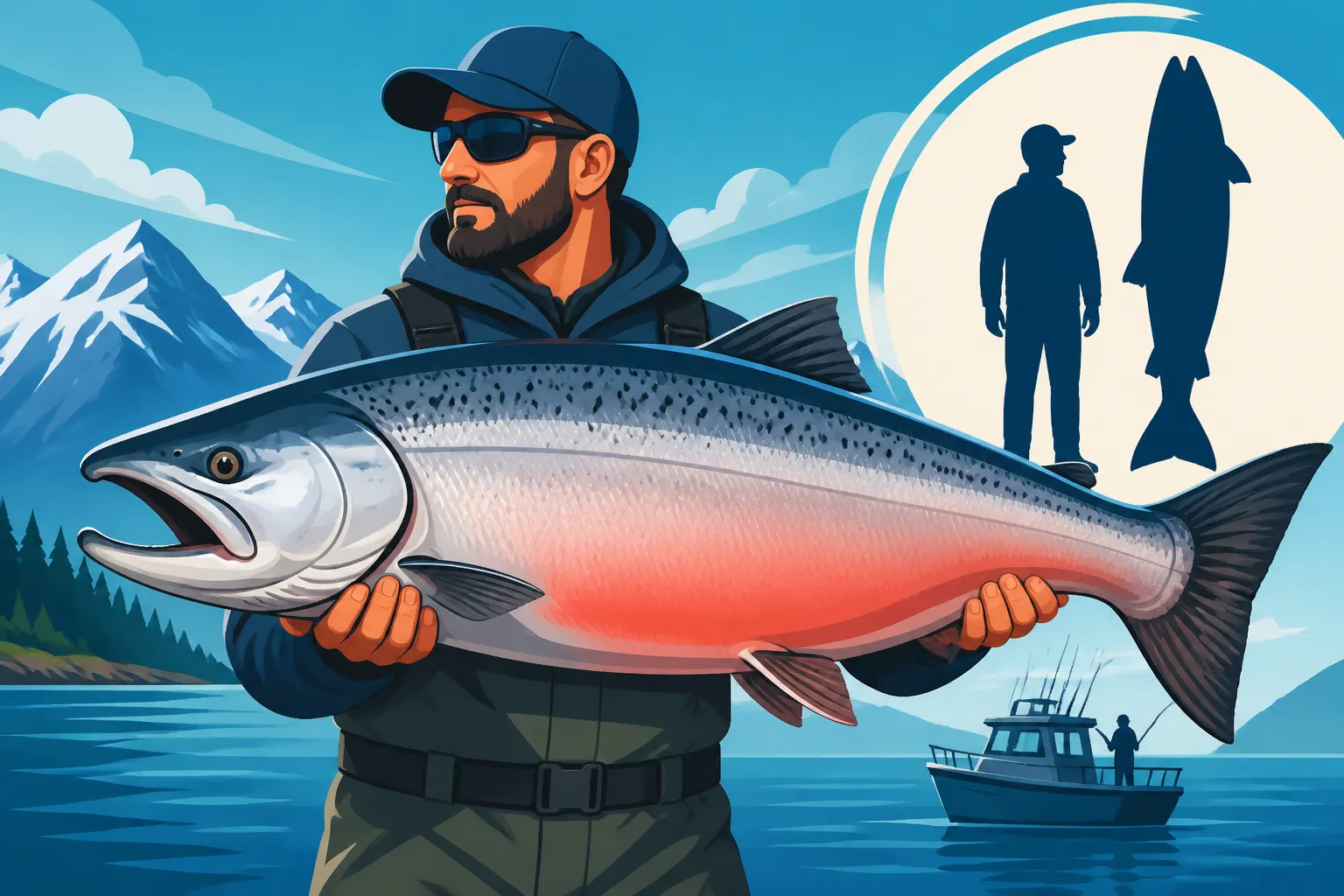
It's helpful to distinguish between what you might commonly catch on a good day and what constitutes a true "trophy" King Salmon in Alaska. Most anglers fishing for Kings in popular river systems or saltwater areas will encounter fish ranging from 20 to 40 pounds. These are already impressive fish, offering a thrilling fight that can leave your arms aching and your heart pounding. A 30-pound King is a respectable catch by any standard, and many anglers would be ecstatic with several fish in this range.
However, the dream for many is the elusive trophy King. In Alaska, a King Salmon is often considered a trophy when it breaks the 50-pound mark. Fish in the 60 to 70-pound class are truly exceptional, becoming stories told for generations. These fish are rare, powerful, and demand every ounce of skill and patience you possess. Landing one is a monumental achievement, a testament to both luck and persistence. For those chasing giants, understanding Alaska's trophy fish explained can provide additional insights into what makes a catch truly remarkable.
The Allure of the Record Breakers
The stories of world-record King Salmon are the stuff of legend, fueling the dreams of countless anglers. The current world record for a sport-caught King Salmon, a behemoth weighing an astonishing 97 pounds, 4 ounces, was caught in the Kenai River back in 1985. This fish, caught by Les Anderson, remains an iconic symbol of Alaska's incredible fishing potential. While that record still stands, anglers regularly pull fish from the Kenai and other rivers that push the upper limits, sometimes reaching into the 70s and 80s.
State records and annual biggest fish contests highlight the ongoing pursuit of these colossal Kings. For instance, the annual King Salmon Derby in locations like Juneau or Valdez often sees fish in the 50 to 60-pound range take top honors. These events demonstrate that while the 97-pounder was a once-in-a-lifetime catch, the potential for truly massive Kings still exists across various Alaskan waters, making every hook-up an exciting possibility. You might be surprised to learn about the Alaska King Salmon size and world record, further emphasizing the legendary status of these fish.
Factors Influencing Growth
So, what makes some King Salmon grow to such immense proportions while others remain merely "large"? Several key factors play a role in the growth and ultimate size of these magnificent fish. Genetics are undoubtedly a major component; some salmon are simply predisposed to grow larger and faster than others. Just like in any species, there's a genetic blueprint that dictates potential.
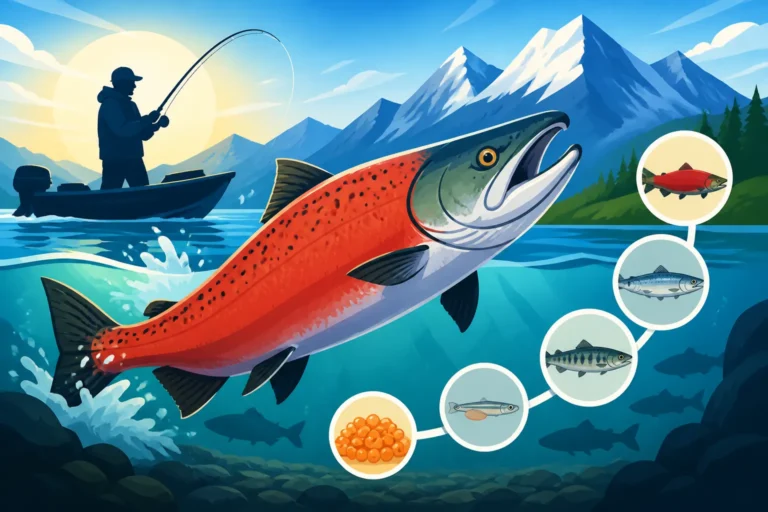
Beyond genetics, the abundance and quality of food during their ocean phase are critical. King Salmon spend several years in the rich feeding grounds of the North Pacific, gorging on smaller fish like herring and squid. Rivers with strong runs of large, healthy Kings often originate from watersheds that feed into these prime ocean foraging areas. The length of time they spend in the ocean also matters; a King Salmon that lives for five to seven years in the ocean before returning to spawn will naturally be much larger than one that returns after only three or four years.
Finally, environmental conditions both in the ocean and in their natal rivers can influence growth. Factors like ocean temperatures, current patterns that distribute food, and the overall health of the marine ecosystem all contribute to how big do Alaska King Salmon get. A changing climate and ocean conditions can directly impact their food sources and migration routes, which in turn can affect their average size over time.
What to Expect When You Hook an Alaska King Salmon
Picture this: you're fishing on a pristine Alaskan river or the vast saltwater, your rod tip suddenly plunges, and line starts peeling off your reel with an alarming scream. That's the moment you've been waiting for, the start of a legendary battle with an Alaska King Salmon. Knowing what to expect in terms of size and fight will help you be ready for the challenge.
Common Sizes by Region
The size of King Salmon can vary somewhat depending on the specific region and river system in Alaska. While the Kenai River is world-renowned for its trophy Kings, consistently producing some of the largest fish, other areas also offer excellent opportunities. For instance, on the Kenai River King Salmon Fishing Guide trips, anglers often target fish in the 30-50 pound range, with occasional giants breaking that barrier. The average size tends to be higher in certain years due to factors like ocean forage and run timing.
In other popular areas like the Nushagak River, particularly during the peak of the Alaska King Salmon run timing, anglers might experience incredible numbers of fish, with many Kings falling into the 20-35 pound bracket. While these rivers might not produce as many record-breaking monsters as the Kenai, the sheer volume of strong, healthy Kings makes for an unforgettable experience. Coastal areas like Southeast Alaska, around Sitka or Ketchikan, also yield robust King Salmon, often weighing 20-40 pounds, as they feed heavily in the rich ocean currents before heading to their spawning grounds. If you're wondering where to catch King Salmon in Alaska, understanding these regional differences is key.
The Thrill of the Fight
Let me tell you, hooking into a King Salmon in Alaska is an adrenaline rush like no other. These fish are absolute powerhouses, and their size directly translates into an epic fight. A 25-pound King can feel like a freight train, making powerful runs, shaking its head violently, and often surprising you with acrobatic leaps. When you scale up to a 50-pounder, the battle intensifies exponentially.
These larger fish can strip hundreds of feet of line in their initial run, testing your drag system and the strength of your rod to their limits. They're notorious for finding snags, diving under the boat, or heading straight for obstacles in the river. The fight with a truly big King isn't just about strength; it's a chess match involving patience, technique, and a lot of grit. It might take 20 minutes or even an hour to bring a massive King to the net, and every second is a testament to the fish's raw power and your own angling prowess.
Handling and Releasing Big Kings
After an exhilarating fight, bringing a large King Salmon to hand requires care, especially if you plan on releasing it. Responsible catch-and-release practices are vital for sustaining healthy fish populations, particularly for these larger, often more genetically valuable spawning fish. If you're fishing with a guide, they'll have large, rubberized landing nets designed to minimize harm to the fish's scales and slime coat.
Once the fish is in the net, keep it in the water as much as possible. If you need a photo, lift it quickly, support its belly with one hand and the base of its tail with the other. Avoid dragging it onto sharp rocks or the bottom of the boat. Remove hooks gently with pliers or a de-hooker. For fish that are exhausted from the fight, gently hold them upright in the current, facing upstream, until they regain their strength and can swim away on their own. This commitment to "Alaska Catch-and-Release Best Practices" ensures these magnificent creatures can continue their journey.
Equipment and Techniques for Targeting Large King Salmon
To consistently hook and land these massive fish, you can't just show up with any old tackle. Targeting big King Salmon requires specific gear and proven techniques designed to withstand their immense power and entice them to bite. Investing in the right tools is crucial for success.
Rods, Reels, and Line Strength
When it comes to rods for Alaska King Salmon, you'll want something stout. A medium-heavy to heavy action rod, typically between 8.5 to 10 feet long for river fishing, provides the backbone needed to absorb powerful runs and apply pressure. For saltwater trolling, shorter, heavier rods around 7 to 8 feet are common. Brands like Lamiglas, Shimano, and G. Loomis offer excellent options. For reels, a high-quality baitcasting reel with a smooth, powerful drag system is essential for river fishing. For saltwater, lever drag conventional reels are often preferred for their incredible cranking power. Make sure your reel has ample line capacity for those long King Salmon runs.
Line choice is equally critical. Most anglers opt for braided line as their main line due to its incredible strength-to-diameter ratio and lack of stretch, which helps detect subtle bites. You'll typically spool up with 50-80 pound test braid. A fluorocarbon leader of 30-50 pound test is then tied to the braid, offering abrasion resistance and invisibility in the water. You can find robust options for your line and leaders on Amazon, ensuring you're prepared for whatever a King throws at you. Don't skimp on line; a weak point can mean losing the fish of a lifetime.
Effective Lures and Bait
Enticing a large King Salmon requires presentation that stands out. When it comes to bait, fresh cured salmon roe is often irresistible, especially in rivers. Many anglers swear by eggs from other salmon species, carefully cured to enhance their scent and durability. Herring is another top choice, particularly for saltwater trolling and mooching; its oily profile and natural action make it highly effective. Sometimes, a whole herring or a cut plug can be the ticket to a huge King bite.
For artificial lures, heavy spinners and spoons are perennial favorites. Large Colorado blades or Willowleaf blades on spinners create significant vibration and flash, mimicking fleeing baitfish. Spoons, particularly in vibrant colors like chartreuse, orange, or metallic finishes, can be deadly when retrieved with a varying cadence. Diving plugs like the Kwikfish or FlatFish, often back-trolled in rivers, are legendary for their ability to provoke aggressive strikes from Kings. These lures dive deep and create a distinct wiggle that predatory King Salmon simply can't ignore. Finding the best lures and bait for Alaska King Salmon often involves local knowledge and adapting to current conditions.
Fishing Strategies for Trophy Kings
Targeting trophy King Salmon often means employing specific strategies honed over years of experience. In rivers, back-trolling with diving plugs or bait is a highly effective method. This involves slowly motoring upstream, allowing your lures or bait to drift naturally downstream, slightly slower than the current. This presents the offering to fish holding in deeper holes or along structure. Drift fishing with cured eggs or beads is another productive technique, allowing your presentation to bounce along the bottom where Kings often lie.
For saltwater fishing, trolling with downriggers to get your bait or lures to the correct depth is paramount. Kings often hold in specific temperature bands or near structure. Mooching, which involves slowly jigging cut bait or whole herring, is also incredibly effective, particularly in areas like Southeast Alaska. Patience is key with all these methods. You might spend hours without a bite, but when a trophy King strikes, it makes all the waiting worthwhile. Learning how to fish for King Salmon in Alaska will significantly boost your chances.
Conservation and Sustainable Practices for King Salmon
While the pursuit of trophy King Salmon is exhilarating, it's essential to remember our responsibility to these magnificent creatures and the delicate ecosystems they inhabit. The health of Alaska's King Salmon runs faces various challenges, and responsible angling plays a critical role in their long-term sustainability.
Understanding Regulations and Limits
Alaska's fishing regulations are dynamic and are designed to protect fish populations, especially vulnerable species like King Salmon. These rules can change frequently based on run forecasts, in-season counts, and escapement goals. It's not uncommon for King Salmon fisheries on rivers like the Kenai to have emergency orders that restrict gear, modify bag limits, or even close fishing entirely for certain periods to ensure enough fish make it to the spawning grounds. This is why always checking the Alaska Fishing Emergency Orders Explained before you head out is absolutely crucial.
Anglers must purchase an Alaska fishing license and, if targeting King Salmon, often a specific King Salmon stamp, like the Alaska King Salmon Stamp requirements. Bag limits and annual limits vary for residents and non-residents, and size restrictions may also apply. For instance, sometimes only "hatchery-marked" Kings (those with an adipose fin clip) can be retained, while wild Kings must be released. Always have a copy of the current regulations for the specific region you're fishing, either digitally or physically, and understand them thoroughly. Ignorance of the rules is never an excuse.
The Importance of Selective Harvest
Selective harvest is a cornerstone of sustainable King Salmon management. This practice encourages anglers to keep smaller, hatchery-origin fish when possible, and to carefully release larger, wild-origin spawning Kings. Large King Salmon, particularly females, are crucial for the genetic diversity and reproductive success of a run. By releasing these bigger fish, we give them the best chance to spawn and contribute to future generations of powerful Kings.
Many anglers are now actively participating in practices like using single, barbless hooks to minimize fish damage, fishing in ways that reduce stress on the fish, and quickly releasing fish that are not intended for retention. If you do harvest a King Salmon, remember to properly record it on your Alaska Harvest Record Card, as this data is vital for fisheries management. The future of Alaska's iconic King Salmon relies on the collective efforts of anglers to fish responsibly and make conservation a priority.
Disclaimer
Fishing regulations in Alaska are complex and subject to change rapidly through emergency orders. Always consult the latest official Alaska Department of Fish and Game (ADF&G) regulations before fishing. This guide provides general information and should not be considered a substitute for official ADF&G resources.