Alaska King Salmon Run Timing
There's nothing quite like the dream of hooking into a colossal King Salmon in Alaska, but the reality can often be a frustrating dance with Mother Nature and ever-changing runs. Many anglers arrive with high hopes, only to find themselves a week too early or a few days too late for the peak action. This comprehensive guide is here to unravel the mysteries of Alaska King Salmon run timing, helping you understand the factors at play and equip you with the knowledge to plan your trip for the best possible chance at that chrome bright monster.
Understanding the Majesty of Alaska King Salmon Runs
Alaska King Salmon, also known as Chinook, are the largest and most sought-after of the Pacific salmon species. Their sheer power, impressive size, and delicious flavor make them a prized catch, drawing anglers from around the globe to the Last Frontier. However, their migratory patterns are complex, influenced by a myriad of environmental cues and biological imperatives.
The Lifecycle and Instinct to Return
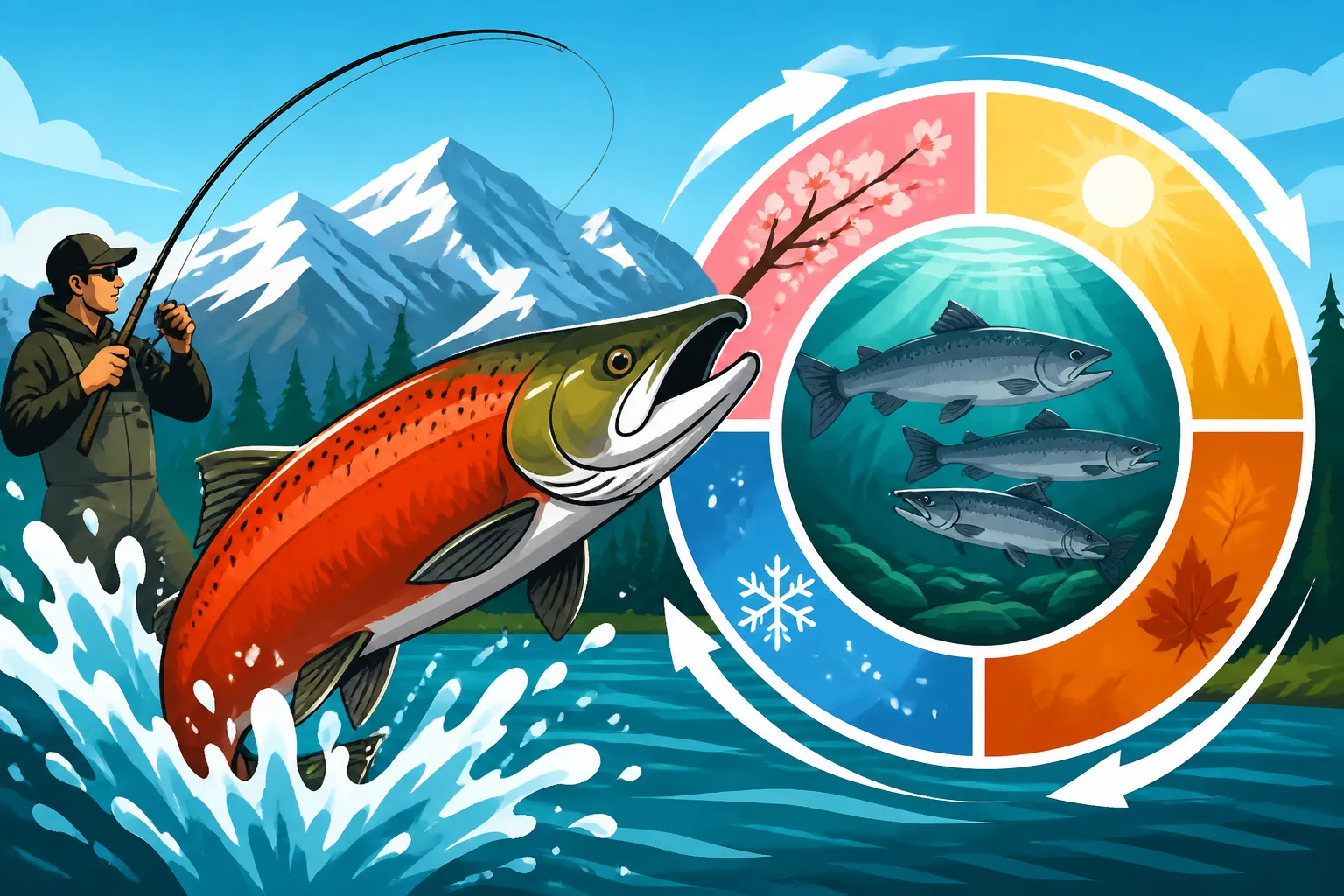
The journey of an Alaska King Salmon is a remarkable saga, starting from a tiny egg buried in a freshwater gravel bed, typically in rivers like the Kenai or the Nushagak. After hatching, these young salmon, or fry, spend a period in freshwater, sometimes for a few months, sometimes over a year, before transforming into smolt and migrating out to the vast, nutrient-rich waters of the North Pacific Ocean. They spend anywhere from three to seven years feeding and growing to immense sizes, becoming the formidable predators we know.
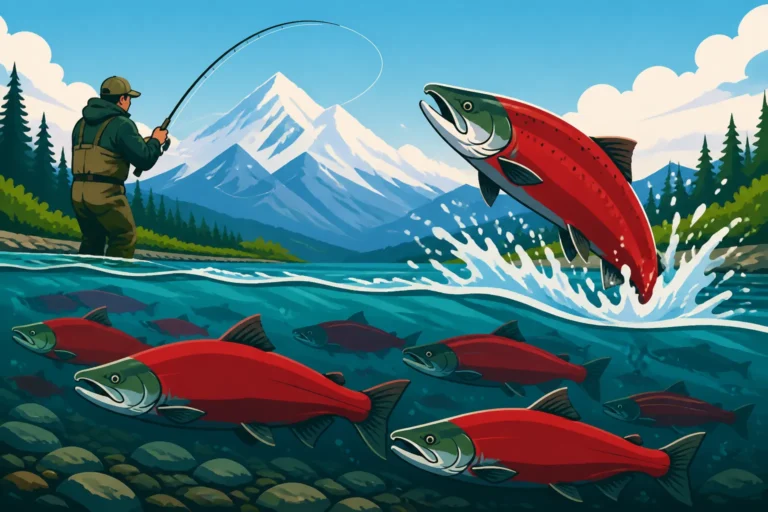
The incredible instinct driving their return to their natal rivers to spawn is one of nature's great miracles. This homing instinct is incredibly precise, guiding them back to the exact stream where they were born, sometimes navigating thousands of miles of ocean to do so. This powerful drive is what creates the "runs" – the mass migration of salmon from saltwater into freshwater. For anglers, understanding this profound biological imperative is the first step in predicting when and where these magnificent fish will appear.
Why Timing Matters for Anglers
Missing the peak of a King Salmon run can feel like a punch to the gut after investing so much time, money, and anticipation into an Alaskan fishing trip. Anglers dream of those legendary days when the river is teeming with chrome-bright Kings, their reels screaming with powerful runs. If you arrive too early, the fish might be sparse, still lingering in saltwater or staging in the lower river. Too late, and the main push might have already moved upstream, or the fish might have begun to darken and lose some of their fighting vigor and culinary quality.
Moreover, the timing of these runs directly impacts not just the sheer numbers of fish, but also their size and freshness. Early fish are often incredibly strong and bright, having just entered freshwater. Peak runs offer the highest probability of encountering large numbers of fish. When planning your adventure, knowing the general window for the various runs in different regions is crucial. It can mean the difference between a trip filled with memorable battles and a trip spent waiting and wondering, which is why paying close attention to factors influencing run timing is so important.
Key Factors Influencing King Salmon Run Timing
Predicting the exact day a King Salmon run will explode into a river is an impossible task, even for the most seasoned professionals. However, we can understand the major environmental factors that act as triggers, helping us predict the general timing and understand why runs might be early, late, strong, or weak in any given year. It’s a complex interplay of natural forces that keeps even the experts on their toes.
Water Temperature and Flow Rates
One of the most significant triggers for King Salmon entering freshwater is water temperature. Generally, Kings prefer cooler water, often between 45 to 55 degrees Fahrenheit. If ocean temperatures are unusually warm, or if river temperatures rise too quickly due to a heatwave, salmon may delay their entry or hold in cooler pockets of water, such as deeper pools or near tributary mouths. Conversely, a sudden drop in river temperature, perhaps from heavy rain or an early cold snap, can sometimes spur them to move.
Flow rates, directly related to river levels, also play a massive role. High water from heavy rains or rapid snowmelt can make it easier for salmon to navigate obstacles and move swiftly upstream, often leading to a more dispersed, faster-moving run. Low water conditions, on the other hand, can concentrate fish in deeper channels and pools, making them easier targets but also potentially delaying their upstream migration as they wait for better flow. Rivers like the Kenai are especially sensitive to these fluctuations, where water levels can shift dramatically. Local guides will often tell you that a steady, moderate flow is usually ideal for a consistent bite.
Ocean Conditions and Smolt Survival
While river conditions dictate when the fish enter, ocean conditions dictate how many fish are available to run. The health of the North Pacific Ocean during the years King Salmon spend growing is paramount. Factors like the abundance of their prey species (e.g., herring, capelin, juvenile pollock), ocean temperature anomalies (such as "The Blob" phenomenon seen in recent years), and the presence of marine predators all influence the survival rate of King Salmon smolt and their growth into mature adults.
A year with poor ocean conditions can result in lower overall returns of King Salmon to their natal rivers several years later. Conversely, banner years with plentiful food and favorable temperatures in the ocean can lead to exceptionally strong runs. Biologists study these ocean indices carefully to help develop run forecasts, but the ocean is a vast, unpredictable place, making precise long-range predictions notoriously difficult.
Historical Data and Forecasts
The Alaska Department of Fish and Game (ADF&G) is the primary authority in monitoring salmon runs and providing forecasts. They meticulously collect historical data on run timing, escapement (the number of fish that successfully make it to spawning grounds), and overall population trends for various river systems. This data is critical in understanding the patterns and developing management strategies.
Each spring, ADF&G releases pre-season forecasts for many of Alaska's major King Salmon fisheries. These forecasts are based on brood year returns, ocean conditions, and other predictive models. However, it's crucial to understand that these are forecasts, not guarantees. Actual run strength and timing can deviate significantly from predictions due to unforeseen environmental changes. Experienced anglers know to treat forecasts as a guideline and to always verify conditions closer to their trip dates. You can often find official ADF&G reports and even scientific papers available for download if you're keen on the detailed biological insights.
Regional Breakdown of Alaska King Salmon Runs
Alaska is a vast state, and King Salmon runs occur across thousands of miles of coastline and inland waterways. The timing can vary significantly from one region to another, influenced by geography, river length, water temperature, and ocean entry points. What's peaking in Southeast might just be starting in Southcentral, and Western Alaska can be a whole different ballgame.
Southcentral Alaska: Kenai and Kasilof Rivers
When most people think of Alaska King Salmon, they often envision the mighty Kenai River. This iconic river is famous for producing some of the largest King Salmon in the world, including the current world record. The Kenai has two distinct King Salmon runs:
- Early Run: These fish typically begin entering the Kenai River in mid-May and continue through late June. They are fewer in number compared to the late run, but often offer excellent fishing opportunities and tend to be incredibly strong and bright. Regulations can be tighter during this run, so it's always wise to check the latest rules.
- Late Run: This is the big one, often starting in early July and peaking around mid-July, sometimes extending into early August. This run sees a much larger influx of King Salmon, including the potential for those truly colossal "Kenai Kings." The sheer volume of fish can make for incredible fishing, but also means more pressure from other anglers. If you're planning a trip to the Kenai, aim for mid-July for the best chance at the late run.
Just south of the Kenai, the Kasilof River offers another fantastic King Salmon fishery. The Kasilof's runs often precede the Kenai's by a week or two, making it an excellent option for earlier season angling. Its early run typically starts in late May and peaks in mid-June, while its late run can begin in late June and extend into July. The Kasilof is primarily a drift boat fishery, offering a different experience from the larger powerboats on the Kenai. Always check the current Alaska King Salmon Fishing Regulations and Limits for both rivers, as they are managed intensively.
Southeast Alaska: Ketchikan, Juneau, Sitka
Southeast Alaska, with its intricate network of islands and fjords, offers a different kind of King Salmon experience. Here, you'll find both "ocean-run" Kings migrating through coastal waters and "resident" Kings that spend more time in protected waters before heading up local rivers. The runs here tend to be earlier than in Southcentral, often starting in May.
- Coastal Migrations: Anglers in areas like Sitka, Juneau, and Ketchikan will target Kings as they migrate along the coast, often feeding heavily before entering their home rivers. This offers fantastic saltwater trolling opportunities, sometimes producing large numbers of fish. These runs can start as early as April and build through May and June.
- River Entry: Specific rivers in Southeast, such as the Stikine, Taku, and Unuk Rivers, see strong King Salmon returns. These river fisheries typically peak from late May through July. The timing can be more spread out due to the varied geography and the fact that many of these are major river systems with multiple spawning tributaries. Fishing here often involves guided charters, which can be an excellent way to experience the local expertise and navigate the complex waterways.
Western and Interior Alaska: Nushagak, Yukon, Deshka Rivers
Moving further afield, Western and Interior Alaska host immense King Salmon runs, often in wilder, more remote settings. These regions typically see later runs due to their colder waters and longer migratory paths.
- Nushagak River: Located in Bristol Bay, the Nushagak River is renowned for having one of the largest King Salmon runs in the world. This fishery is truly epic, with the peak typically occurring from mid-June through early July. Anglers often fly into lodges or remote camps to experience the intense action. The Nushagak River King Salmon Guide provides in-depth information for planning such a trip.
- Yukon River: This colossal river system hosts one of the longest King Salmon migrations on the planet, with some fish traveling thousands of miles upstream to spawn in Canada. Due to this immense journey, the Yukon River King Salmon run typically peaks later, often in July and even into August for the furthest reaches. Fishing here is often subsistence-focused, but sport anglers can find opportunities, particularly in the lower and middle river sections.
- Deshka River: Accessible via the road system north of Anchorage, the Deshka River is a popular spot for early-season Kings. Its run typically begins in late May and continues strongly through June. While not producing the monster Kings of the Kenai, it offers consistent action and is a great option for those based near Anchorage looking for a road-accessible King fishery.
General Alaska King Salmon Run Calendar
Understanding the general window for King Salmon runs across Alaska is crucial for planning your trip. While specific dates will vary year to year and by river system, this calendar provides a broad overview of when you can expect these magnificent fish to be present and catchable. Remember, this is a general guideline; always consult current regulations and forecasts closer to your travel dates.
| Month | Region / River Focus | Typical Run Stage | Notes |
|---|---|---|---|
| May | Southeast Coast (Sitka, Ketchikan), Lower Kasilof, Deshka River | Early arrivals, building runs | Southeast sees strong ocean-run King activity. First pushes in Southcentral rivers. |
| June | Kenai (Early Run), Kasilof (Peak), Nushagak (Building/Peak), Southeast Rivers | Peak for many early-season runs, major runs building in Western Alaska | Prime time for early-season Kings. Nushagak starts getting hot. |
| July | Kenai (Late Run Peak), Nushagak (Peak/Late), Yukon (Building), Southeast Rivers | Peak for major summer runs | The most popular month for King Salmon. Kenai late run is iconic. Intense fishing pressure. |
| August | Upper Yukon River, few lingering Kings in Southcentral | Tail end of runs, focus shifts to other salmon species | Very few King Salmon remaining in most accessible rivers. Some remote or far-upstream fisheries might still have Kings. |
Early Season Kings May-Early June
The early season for King Salmon, generally spanning May through early June, is a special time for many Alaskan anglers. While the numbers of fish might not be as overwhelming as the peak of the summer runs, the Kings that do arrive are often incredibly vibrant, powerful, and aggressive. They haven't been in freshwater for long, meaning they are still in prime fighting form and possess that coveted bright, chrome appearance.
Areas like the lower Kasilof River near Soldotna, the Deshka River (easily accessible from Anchorage), and coastal areas of Southeast Alaska, such as around Sitka, often see the first significant pushes of King Salmon. Fishing strategies during this time might involve back-trolling plugs, drift fishing with bait (where legal), or even fly-fishing in certain sections of rivers. Conditions can be variable, with spring rains affecting water levels and snowmelt keeping rivers cold, so being prepared with versatile gear, perhaps purchased from a reliable online retailer like Amazon, is a smart move.
Peak Season Kings Mid-June-Mid-July
This is the sweet spot for King Salmon fishing in much of Alaska, the time when the runs are at their strongest and the greatest numbers of fish are present. From around mid-June through mid-July, rivers like the Kenai and the Nushagak experience their most intense King Salmon activity. This period often sees larger fish entering the rivers, driven by the biological imperative to spawn.
The sheer volume of fish during this time can create exhilarating fishing experiences, but it also means more anglers on the water. Expect crowded boat launches and popular bank fishing spots. It's during this peak window that regulatory bodies like ADF&G are most likely to implement emergency orders, such as bait restrictions or even closures, to protect the spawning population if returns are lower than expected. Keeping a close eye on Alaska Emergency Orders Explained is critical if you plan to fish during this prime window. This is also when you'll find the most charter availability, with guides often running multiple trips a day.
Late Season Kings Late July-Early August
As mid-July gives way to late July and early August, the main King Salmon runs in many rivers begin to wane. While some rivers, particularly those with very long migratory paths like the upper Yukon, might still be experiencing their peak, most accessible fisheries will see a significant drop in fresh King Salmon. The fish that are still present have often been in freshwater for a while, meaning they may be darker in color and less aggressive as they approach their spawning grounds.
However, the late season can still offer opportunities, especially for those willing to seek out specific tributaries or target the tail end of a run. It's also a time of transition, as other salmon species, particularly Silver (Coho) Salmon and Sockeye Salmon, begin to surge into the rivers. So, while King Salmon might be winding down, the overall fishing action in Alaska often remains vibrant, simply shifting focus to other species. Be aware that fishing for King Salmon at this point can be more challenging, requiring different techniques and a greater understanding of where the fish are holding.
Essential Tips for Tracking and Maximizing Your Trip
Planning an Alaska King Salmon trip is a significant investment of time and money, and nobody wants to go home empty-handed because they missed the run. While there's no crystal ball, combining reliable information sources with a flexible mindset can dramatically increase your chances of being in the right place at the right time. Being proactive and adaptable is key to success in the unpredictable world of Alaskan fishing.
Staying Informed with ADF&G Emergency Orders
This cannot be stressed enough: Alaska's fishing regulations, especially for King Salmon, are dynamic. Emergency Orders from the Alaska Department of Fish and Game (ADF&G) can change daily, sometimes even hourly, based on real-time assessments of fish escapement and projected run strengths. A river that was open to bait fishing yesterday might be closed to bait today, or even closed entirely to King Salmon retention. These changes are implemented to protect the resource, but they can be incredibly frustrating for anglers.
Before you travel, and continually throughout your trip, make it a habit to check the ADF&G website or their dedicated hotlines. Many local tackle shops and guides will also have the most current information. Ignoring these updates can lead to unintended violations, which come with steep fines and potential loss of gear. Understanding Alaska Fishing Emergency Orders Explained is crucial for any serious angler visiting the state. Bookmark the official ADF&G pages and consider signing up for email or text alerts for the regions you plan to fish.
Consulting Local Guides and Fishing Reports
While official forecasts provide a big-picture view, local guides and daily fishing reports offer invaluable, boots-on-the-ground intelligence. These are the people who are on the water every single day, observing fish movement, water conditions, and bite patterns. They often have the most up-to-date information on where the fish are holding, what they're biting on, and how the run is progressing in real time.
If you've booked a guided trip, don't hesitate to call your guide a week or two before your arrival to get their candid assessment of the conditions and the expected run. Even if you're fishing unguided, checking online forums, local bait shops (like those in Soldotna or Homer), and localized fishing report websites can provide excellent insights. Guides often share general information through their social media or blogs, giving you a better feel for the pulse of the river. For detailed information specific to a region, articles like the Kenai River King Salmon Fishing Guide can give you a head start on what local experts advise.
Preparing for Variable Conditions
Alaska's weather is famously unpredictable. A sunny, warm forecast can quickly turn into cold, driving rain, and vice-versa. This variability directly impacts fishing conditions and fish behavior. Beyond just personal comfort, river levels can rise or fall dramatically with rainfall or snowmelt, affecting where fish hold and how they can be targeted. Being prepared for anything is not just a cliché in Alaska; it's a necessity.
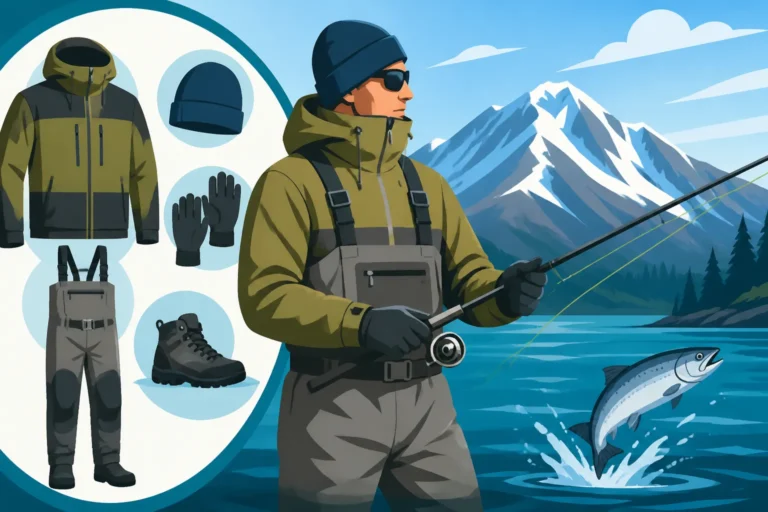
Pack layers – quality rain gear (jacket and pants) is non-negotiable, even if the forecast looks clear. Waterproof boots or waders are also essential for bank fishing or wading in rivers. You'll also want to consider different tackle options for varying water levels and clarity. For example, if the water is high and murky, brighter lures or larger baits might be more effective. Having a selection of different weight sinkers or jig heads, which you can easily find on Amazon, can make a huge difference when the river flow changes. Remember that flexibility in your itinerary, if possible, can also be a huge asset; being able to shift your fishing days based on weather or run strength can turn a challenging trip into a successful one.
Disclaimer
The information provided in this guide is for general informational purposes only and is subject to change. Alaska fishing regulations, run timings, and forecasts are highly dynamic and can be altered at any time by the Alaska Department of Fish and Game (ADF&G) through emergency orders. Always consult the official ADF&G website and current regulations before planning or undertaking any fishing activity in Alaska. Adherence to all local, state, and federal laws is the sole responsibility of the angler.