Alaska Fish Transport and Shipping Rules
One of the biggest concerns for any angler heading to Alaska, whether it's their first time or their fiftieth, isn't just catching fish – it's how in the world you're going to get that hard-earned, precious bounty home without it turning into a smelly, thawed mess. The regulations can feel like a labyrinth, the logistics overwhelming, and the fear of doing something wrong can really put a damper on the end of an otherwise incredible trip. This comprehensive guide is here to untangle all those worries, providing clear, practical advice on navigating Alaska's fish transport and shipping rules so your catch arrives safely and legally at your dinner table.
Navigating Alaska's Fish Transport Rules Within the State
You've landed that magnificent King Salmon or a "barn door" Halibut, and the adrenaline is still coursing through you. But before you even think about the dinner plate, there are crucial rules about how you can transport your fish from the riverbank or the boat dock to the processing facility, or even just back to your lodge. These aren't just suggestions; they're legal requirements designed to protect Alaska's precious fisheries and ensure fair play for everyone. Ignoring them can lead to significant fines and a lot of heartache.
Understanding Personal Possession Limits
It's easy to get caught up in the excitement, but understanding the difference between a daily bag limit and a possession limit is absolutely critical, especially for visitors. The daily bag limit refers to how many fish you can harvest in a 24-hour period. The possession limit, however, dictates the maximum number of fish you can have in your possession at any given time, whether it's fresh, frozen, or processed. For many species, especially salmon and halibut, the possession limit for non-residents is often twice the daily bag limit, but this isn't always the case and can vary significantly by species and region. You absolutely need to check the current Alaska Fishing Limits and Bag Limits Explained for the specific area and species you're targeting.
Imagine you're fishing on the Kenai River for Sockeye Salmon. The daily limit might be three, but your possession limit could be six. This means that if you catch three Sockeye on Monday and keep them, you can still catch three more on Tuesday. However, you can't have more than six in your physical possession at any time unless you've already shipped some home or consumed a portion. This rule is in place to prevent overharvesting and to encourage responsible fishing. If you're planning a longer trip, you'll need to strategically plan your processing and shipping to stay within these limits, perhaps sending a box home midway through your adventure. For detailed information on specific species, like Alaska King Salmon Fishing Regulations and Limits, always consult the most current regulations.
The All-Important Harvest Record Card
Ah, the harvest record card! This little piece of paper often causes more confusion and stress than almost anything else for anglers new to Alaska. It's a mandatory part of your fishing license for certain species, primarily King Salmon and Halibut (for non-residents and often residents too, depending on the rules). Its purpose is to help the Alaska Department of Fish and Game (ADF&G) monitor harvest numbers, which is vital for sustainable fisheries management. Failing to properly fill out or possess your harvest record card can be a costly mistake, even if you’re otherwise in compliance with bag limits.
Every time you retain a King Salmon or Halibut that requires recording, you must immediately mark it on your card, indicating the date, location, and sometimes even the specific area or river section. This isn't something you can put off until you get back to the lodge. The emphasis is on "immediately" – as soon as the fish is retained. This system ensures accurate data collection, which directly influences future fishing seasons and limits. You'll find a complete breakdown in our guide on the Alaska Harvest Record Card Explained, and even a step-by-step guide on How to Fill Out an Alaska Harvest Record Card to help you avoid common errors.
Transporting Unprocessed Fish Within Alaska
So, you've caught your fish, recorded it, and now you need to get it to a processor or perhaps back to your freezer. The rules for transporting unprocessed fish, especially whole fish, can be quite specific. For instance, sometimes certain species, like King Salmon, must be kept whole until they reach a port or processing facility where scales can be used to determine their size and origin, especially if minimum size limits are in effect. Other times, you might be allowed to fillet certain species on the water, but you'll still need to retain specific identifying parts, like a patch of skin, to prove the species and ensure compliance with any length limits.
Always ensure your fish is clearly identifiable if filleted, and if you're transporting whole fish, make sure they are properly iced and protected from spoilage. Driving your catch from a remote fishing lodge on the Tangle Lakes to a processor in Fairbanks, or from Homer to an Anchorage processing plant, requires careful planning. You’ll want sturdy coolers, plenty of ice, and a clear understanding of what parts of the fish (like heads or tails) need to be retained for identification, if any, until you reach a final processing point. Some species might even have rules about how many pieces you can make from one fish. This attention to detail protects you from accidental violations and ensures your catch remains prime for consumption.
Getting Your Alaskan Catch Home: Shipping Options
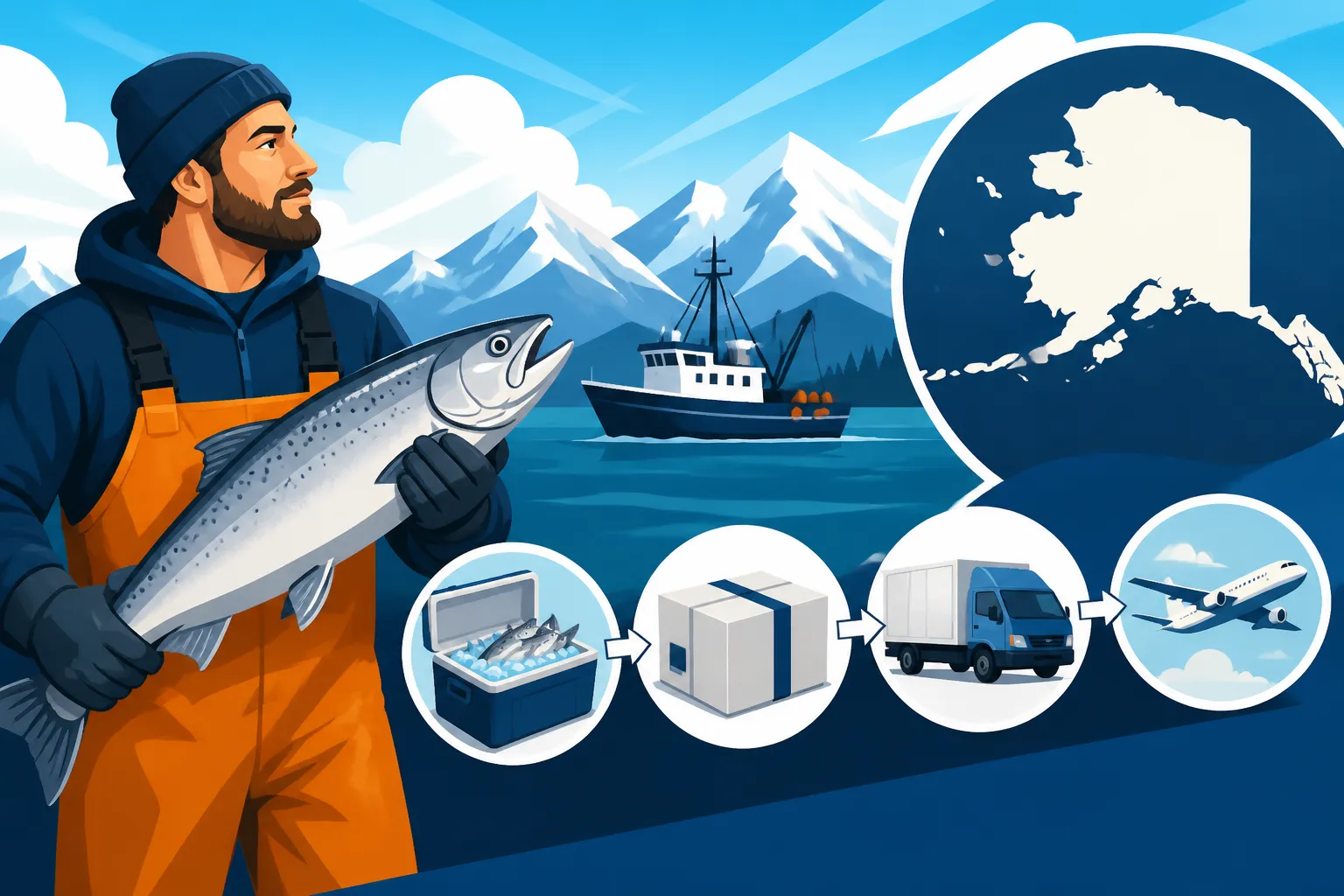
Once your fish is caught, processed, and frozen solid, the next big hurdle is getting it from the wilds of Alaska to your home kitchen. You've got a few main avenues for this, each with its own set of pros and cons, costs, and logistical considerations. Choosing the right method depends on your budget, how much fish you have, and how much personal involvement you want in the process.
Airline Travel with Your Frozen Fish
For many visitors, especially those on shorter trips, simply checking their frozen fish as baggage on their return flight is the most convenient and often the most cost-effective option. However, this isn't as simple as tossing a cooler into the baggage claim line. The Transportation Security Administration (TSA) has regulations regarding frozen food, and individual airlines have their own specific policies on perishable items, weight limits, and acceptable packaging. Most airlines permit frozen fish as checked luggage, provided it's packed in a leak-proof container and completely frozen. Any liquids, including melted ice, are a no-go.
You'll need a durable cooler that can withstand the rigors of baggage handling. High-quality insulated coolers, not just flimsy Styrofoam, are highly recommended. If you're using dry ice, you'll need to be especially careful, as many airlines have strict limits on the amount of dry ice allowed (typically 5-6 pounds) and require it to be vented to prevent pressure buildup. Always call your specific airline in advance to confirm their exact rules, especially concerning dry ice, as policies can change. While convenient, this method means you're responsible for the cooler and its contents every step of your journey, from the processing plant to your final destination airport.
Professional Fish Shipping Services
If the thought of wrestling a heavy, frozen cooler through airports gives you hives, or if you simply have too much fish to reasonably check as baggage, professional fish shipping services are your best friend. Companies like FedEx, UPS, and specialized Alaska-based fish shippers offer services that handle everything from pickup at the processor to delivery right to your doorstep. This can be a huge relief, especially after a long and tiring fishing trip. These services often utilize insulated shipping boxes, sometimes with gel packs or dry ice, and prioritize rapid transit to ensure your fish remains frozen solid.
The peace of mind that comes with professional shipping is often worth the extra cost. These companies are experts in handling perishable goods and have established logistics chains to get your fish home quickly and efficiently. Shipping costs are typically based on weight, destination, and the speed of service (e.g., overnight, 2-day air). While it might seem more expensive upfront, consider the value of your catch and the hassle saved. Many dedicated Alaska processors also act as shipping agents, making it a seamless transition from catch to filleted, frozen, and shipped-home portions. You can learn more about how charters typically handle this in our guide on Fish Processing After an Alaska Charter.
Shipping from Remote Locations
Fishing in Alaska often means venturing far off the beaten path to truly pristine waters, places like Bristol Bay or remote streams accessible only by bush plane. In these scenarios, getting your catch home adds another layer of complexity, but it's certainly not impossible. Remote lodges and outposts are well-versed in the logistics of moving fish from their location to a larger transportation hub. This usually involves small charter planes or regional air carriers that will fly your processed and frozen fish to a main airport like Anchorage or Fairbanks.
From these hubs, your fish can then be integrated into the larger shipping network, either through a professional courier service or even sometimes transferred to a commercial flight for you to pick up as baggage. Coordination is key here. Your lodge or guide will typically have established relationships with local carriers and processors, and they'll be your primary point of contact for organizing this leg of the journey. Be prepared for additional costs associated with these specialized transfers, as the remoteness of these locations means higher freight charges. It's all part of the unique Alaskan adventure, ensuring your remote trophy makes it home.
Mastering the Art of Packaging for Transit
Once your fish has been properly handled and processed, the way you package it for transport or shipping is absolutely critical. Even the best quality fish can be ruined by improper packaging, leading to dreaded freezer burn or, worse, thawing during transit. A little extra effort and investment in good packaging materials can make all the difference between enjoying your catch months later and sadly tossing it out.
The Critical Role of Freezing
The foundation of successful fish transport is ensuring your catch is absolutely, positively rock-hard frozen before it even thinks about leaving Alaska. This isn't just about throwing it in a standard freezer overnight. Professional fish processors use blast freezers, which rapidly freeze fish to extremely low temperatures, often -20°F or colder. This quick freeze prevents large ice crystals from forming, which can damage the fish's cellular structure and lead to a mushy texture and freezer burn when thawed. If you're processing yourself, aim for the coldest setting on your freezer and give it ample time – at least 24-48 hours – to completely solidify.
Vacuum sealing is another non-negotiable step for long-term storage and travel. Air is the enemy of frozen fish, causing freezer burn and degradation of quality. Vacuum sealing removes all air from around the fish, creating an airtight barrier that protects against moisture loss and oxidation. Most reputable processors offer professional vacuum sealing, but if you're doing it yourself, a good home vacuum sealer is a worthwhile investment. You can find many reliable models, along with compatible bags, on Amazon. Our guide on How to Vacuum Seal and Ship Alaska Fish provides even more detail on this essential technique.
Choosing the Right Cooler or Shipping Box
The container you choose for your fish is its first line of defense against the elements and rough handling. For checked airline baggage, a high-quality, rotomolded cooler (like a Yeti, RTIC, or similar brand) is ideal. These coolers offer superior insulation and durability, often keeping contents frozen for several days. They can, however, be quite heavy, eating into your airline's weight allowance. For lighter-weight options, thick-walled insulated shipping boxes, often made of expanded polystyrene (Styrofoam) with an outer cardboard shell, are widely used by professional shippers and processors.
When buying a cooler or shipping box, consider the density of the insulation. The thicker the walls and the denser the material, the better it will perform. Ensure the container is truly leak-proof; airlines will reject anything dripping moisture. If using a Styrofoam box, consider reinforcing the exterior with heavy-duty packing tape. You can often purchase these specialized shipping boxes directly from fish processors, who design them for optimal performance during transit. For smaller amounts or supplemental use, a variety of insulated bags and soft-sided coolers are available on Amazon.
Dry Ice, Gel Packs, and Other Refrigerants
To keep your rock-hard fish frozen during its journey, you'll need supplemental refrigerants. The two most common options are dry ice and gel packs, each with distinct advantages and drawbacks. Dry ice is frozen carbon dioxide and is extremely cold (-109.3°F or -78.5°C). It sublimates, meaning it turns directly from a solid into a gas, leaving no watery mess. It provides the most intense cold for quick freezing and long duration. However, it requires careful handling (it can cause frostbite) and has strict airline and shipping restrictions due to its gaseous nature (it must be vented). Typically, 5-6 pounds is the maximum allowed on commercial flights, and it should be placed on top of the fish.
Gel packs, on the other hand, are less intensely cold but last longer and are reusable. They are safer to handle and face fewer restrictions from airlines or shipping companies. For journeys of 24-48 hours where the fish is already thoroughly frozen, gel packs can be a reliable choice. Many anglers combine methods, using a small amount of dry ice for initial extreme cold and supplementing with gel packs for extended cooling. You can purchase gel packs and even some varieties of Styrofoam coolers with gel pack inserts through online retailers like Amazon, well in advance of your trip. Always remember that no matter which refrigerant you choose, the effectiveness hinges on starting with truly frozen fish.
Common Pitfalls and Smart Solutions
Even with the best intentions, it's easy to make mistakes when dealing with Alaskan fish transport and shipping. The stakes are high – your delicious catch! But with a bit of foresight and knowledge of common pitfalls, you can navigate these challenges with confidence and ensure your fish arrives home safely and legally.
Regulatory Blunders
One of the most disheartening things is to have your amazing fishing trip tarnished by a regulatory violation. This often happens not out of malice, but sheer ignorance or misunderstanding of the rules. Forgetting to record a King Salmon on your harvest card immediately, accidentally exceeding the possession limit because you didn't differentiate between daily and possession limits, or not realizing that specific Alaska Halibut Charter Regulations Explained apply to your trip are all common scenarios. The regulations are complex and can change frequently via emergency orders.
The solution is proactive education. Before you even cast a line, download and thoroughly read the current year's Alaska Fishing Regulations Explained booklet for the region you plan to fish. Pay close attention to any emergency orders, which can modify rules in-season. These are often announced through local media, websites, and hotlines. If you're unsure about a rule, ask your guide or call the local Alaska Department of Fish and Game office. Don't assume. Better safe than sorry when it comes to avoiding Alaska Fishing Violations and Fines.
Underestimating Packaging Needs
There are few things as heartbreaking for an angler as opening a shipping box to find a thawed, leaky, or freezer-burned mess of fish. This is almost always a result of underestimating the brutal reality of transit. A flimsy cooler, not enough refrigerant, or poor sealing can doom your efforts. Roadside Styrofoam coolers, while convenient for bringing drinks to the lake, are often inadequate for a multi-day journey from Alaska to the Lower 48, especially if they are thin-walled. Similarly, using regular household tape for sealing can lead to boxes popping open under pressure.
The smart solution here is to invest in quality packaging or rely on professional processors. If you're doing it yourself, use heavy-duty shipping tape, preferably reinforced, to seal all seams of your shipping box. Ensure your fish is vacuum-sealed and rock-hard frozen. Pack the cooler as full as possible, minimizing air pockets, and use adequate dry ice or gel packs for the anticipated transit time. Think of it this way: the cost of good packaging is a tiny fraction of the value of the fish you're trying to protect. You can even find high-quality packing tape and specialized insulation liners on Amazon.
The Last-Minute Rush
"Oh no, my flight leaves in three hours, and my fish isn't frozen yet, and I haven't even bought a cooler!" This scenario, or variations of it, plays out all too often. The last-minute rush to process, freeze, and ship fish can lead to panicked decisions, overlooked details, and potentially higher costs for expedited services. Processors can get slammed during peak season, leading to longer turnaround times for freezing and shipping. Showing up unannounced with a cooler full of fish expecting immediate service might lead to disappointment.
The best solution is planning ahead. Book your fish processing and shipping services well in advance, especially if you're fishing during the busiest times like July and August. Talk to your fishing guide or lodge about their recommended local processors and their lead times. Ask about their ability to hold your frozen fish until your departure or coordinate direct shipping. If you're doing a significant portion of the packing yourself, have all your supplies – vacuum sealer, bags, cooler, dry ice coupons – ready before you even leave home. This proactive approach will save you stress, time, and potentially money, ensuring your focus remains on the fishing itself.
Professional Processing and Shipping Services
While the DIY approach might appeal to some, for most anglers, especially those on a once-in-a-lifetime trip to Alaska, opting for professional fish processing and shipping services is the smartest move. These businesses specialize in handling your valuable catch with the utmost care, ensuring it reaches your home in perfect condition. They take the guesswork and much of the stress out of the equation, allowing you to simply enjoy the fruits of your labor.
What a Good Fish Processor Offers
A reputable fish processor in Alaska offers far more than just a place to store your fish. They provide a comprehensive service designed to maximize the quality and longevity of your catch. This typically includes expert filleting and portioning, ensuring your fish is cut into convenient, freezer-ready sizes, often boneless and skinless unless you specify otherwise. Following portioning, they utilize industrial-grade vacuum sealers to remove all air, which is paramount for preventing freezer burn and maintaining freshness. This is a step many home vacuum sealers simply can't match in efficiency or seal quality.
Crucially, good processors employ blast freezing technology. Unlike a home freezer, a blast freezer drops temperatures rapidly, preserving the texture and flavor of the fish. They also meticulously label each package, indicating the species, date, and sometimes even the specific angler, which is invaluable for identifying your catch later. Finally, most processors act as shipping hubs, coordinating directly with major carriers like FedEx or UPS, or even specialized freight services, to ensure your frozen fish is packed in insulated shipping boxes and sent on the fastest possible route to your home. This seamless "catch to kitchen" service, often discussed in guides like How to Ship Your Catch Home from Alaska, is worth its weight in gold.
Evaluating Your Options
Not all fish processors are created equal, and choosing the right one can make a significant difference in your experience. When evaluating your options, start by looking at their reputation. Ask your fishing guide or lodge for recommendations, check online reviews, and inquire about their certifications. Quality processors, such as 10th & M Seafoods in Anchorage or Coal Point Seafood Company in Homer, are well-known for their excellent service. Compare pricing, which is usually quoted per pound for processing and separately for shipping, as these can vary considerably.
Consider their location and convenience. Is the processor easily accessible from your fishing destination or on your route to the airport? What are their operating hours, especially if you have an early morning flight or a late return from fishing? Inquire about their turnaround times for processing and shipping, particularly during peak season when demand is high. A good processor will be transparent about their services, costs, and timelines, giving you confidence that your valuable catch is in capable hands. Don't hesitate to ask specific questions about their freezing methods, packaging materials, and shipping guarantees.
The DIY Approach vs. Professional Help
The decision to go DIY or use professional services really boils down to a few factors: your budget, your available time, your skill level, and how much fish you're planning to take home. If you're a local resident or visiting for an extended period, have access to good freezing and vacuum-sealing equipment, and are comfortable navigating airline or shipping regulations, the DIY approach can save you money. You'll handle the filleting, vacuum-sealing, freezing, and then personally manage the transport, either as checked baggage or by arranging direct shipping. This requires significant time and attention to detail, but offers ultimate control.
However, for most non-resident visitors, especially those on a shorter, action-packed trip, professional processing and shipping is almost always the superior choice. The convenience is unparalleled – you drop off your fish, and it magically appears at your doorstep days later. Professionals have the specialized equipment for blast freezing and high-quality vacuum sealing that ensures optimal preservation. They're also experts in the ever-changing shipping regulations and packaging requirements. While the upfront cost is higher, the peace of mind, reduced stress, and assurance that your precious catch will arrive in peak condition often make it a worthwhile investment. Weigh the pros and cons carefully based on your unique trip circumstances.
| Feature | DIY (Self-Packed & Shipped) | Professional Processor & Shipper |
|---|---|---|
| Cost | Generally lower (coolers, dry ice, baggage fees) | Generally higher (per-pound processing + shipping fees) |
| Convenience | Requires personal management of freezing, packing, airport checks | Hands-off; drop fish at processor, arrives at your home |
| Quality Control | Dependent on personal skill, equipment, and diligence | Expert filleting, blast freezing, industrial vacuum sealing |
| Time Investment | Significant time required for processing, packing, airport logistics | Minimal time required; often a quick drop-off |
| Risk of Spoilage | Higher if not properly frozen, packed, or if delays occur | Lower due to expert handling, rapid freezing, and expedited shipping |
| Airline/TSA Regs | Must personally navigate and adhere to rules for checked baggage | Handled by professionals who know the rules |
| Remote Areas | Very challenging, often impractical | Often coordinated by lodges/processors with regional air carriers |
| Tracking | Limited with airline baggage; good with direct shipping | Comprehensive tracking provided for shipped packages |
Disclaimer
Please remember that fishing regulations, including those for possession, transport, and shipping of fish, are subject to change at any time by the Alaska Department of Fish and Game (ADF&G) or federal agencies. Airline and shipping company policies can also evolve. This guide provides general information based on current practices, but it is your responsibility to verify all specific rules and requirements for your planned trip dates and destinations before fishing and shipping your catch. Always consult the official ADF&G regulations, emergency orders, and directly contact your chosen airline or shipping carrier for the most up-to-date information.