Alaska Sockeye Salmon Color and Spawning
Many anglers are fascinated by Alaska's sockeye salmon, but few fully grasp the incredible transformation these fish undergo as they prepare to spawn. It's a common frustration to see vibrant red sockeye in rivers and wonder why they look so different from the silver fish caught earlier in the season, or if they're even safe to eat or target. This comprehensive guide will demystify the remarkable color changes and the intricate spawning behaviors of Alaska's sockeye salmon, helping you understand their life cycle and your role in protecting this vital resource.
The Striking Color Transformation of Spawning Sockeye Salmon
Witnessing sockeye salmon in their spawning phase is like seeing a completely different fish from the sleek, chrome-bright specimens that initially enter Alaska's freshwater systems from the ocean. This dramatic shift in appearance is one of nature's most spectacular displays, signaling the final, crucial stage of their life journey. It's not just a superficial change; it's a profound biological adaptation driven by genetics and environmental cues, all in preparation for reproduction.
From Ocean Silver to Spawning Crimson: The Why Behind the Change
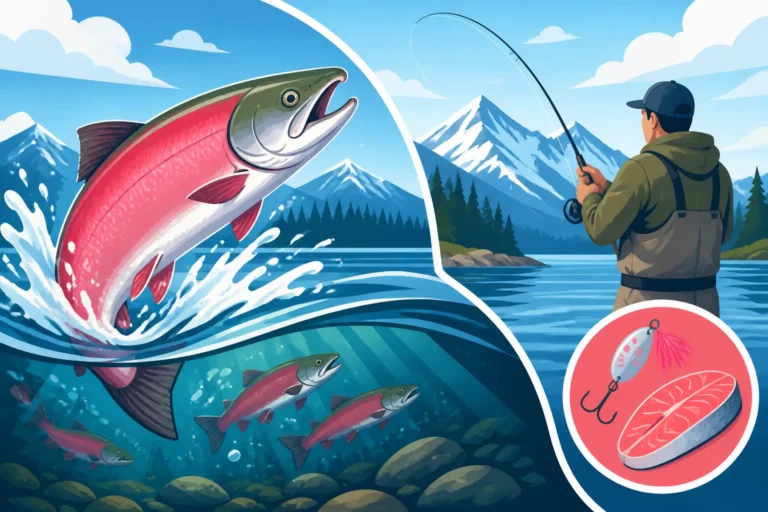
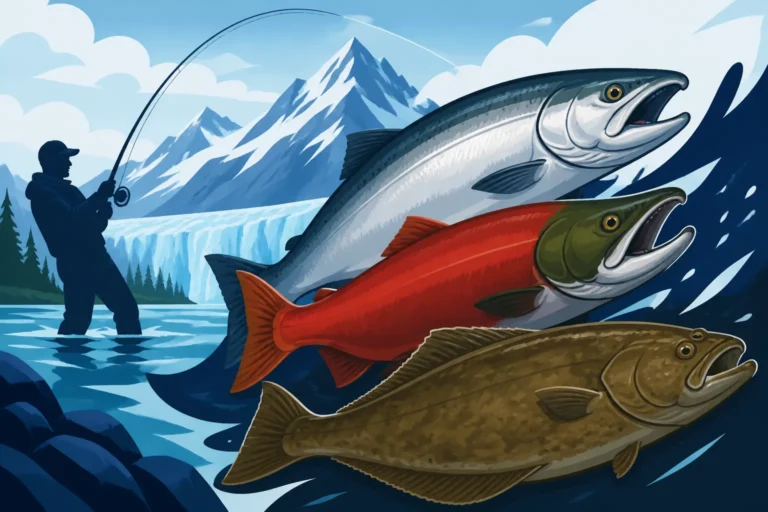
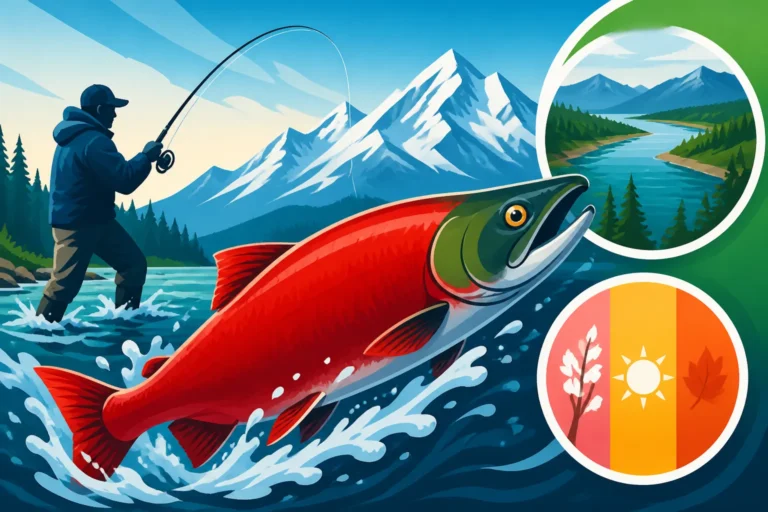
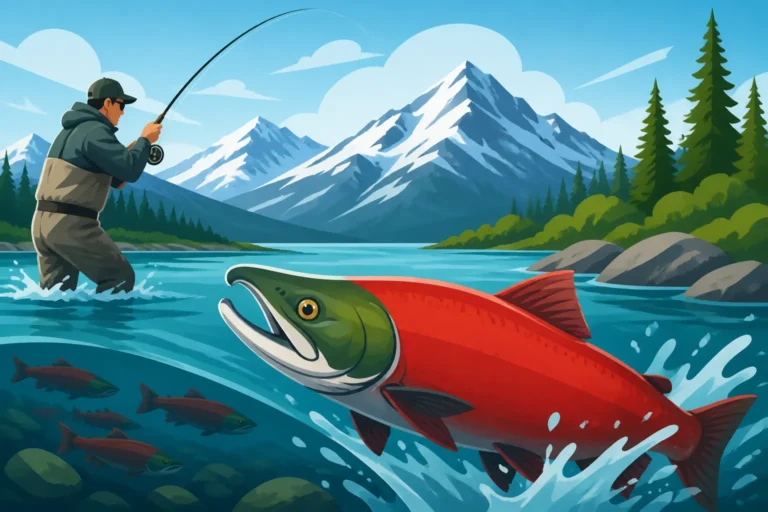
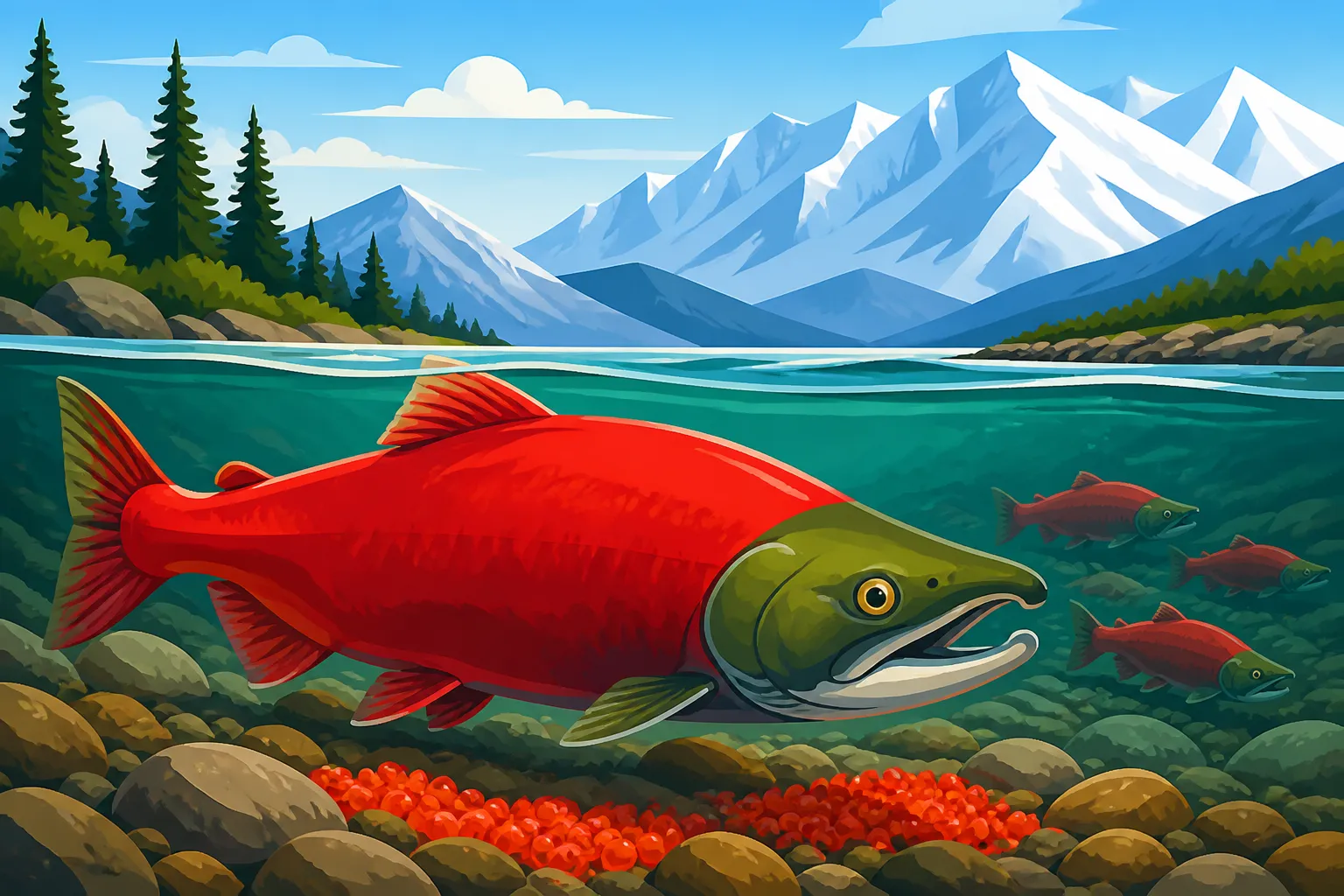
When sockeye salmon return from the ocean, they're typically a brilliant, metallic silver, often with a hint of blue or green on their backs—a perfect camouflage for their pelagic life. However, once they enter freshwater and begin their upstream migration, a fascinating physiological change kicks in. Their bodies start to absorb carotenoid pigments, primarily astaxanthin, from the food they consumed in the ocean (like krill and small crustaceans). These pigments are then deposited into their skin and muscle tissues, causing a gradual but stunning shift to the iconic crimson red that is synonymous with spawning sockeye.
This vibrant red coloration serves multiple vital purposes. Firstly, it's a visual signal to potential mates, indicating a healthy, reproductively ready individual. Males often develop an even more intense hue to attract females and ward off rival males, a common strategy in the competitive world of salmon spawning. Secondly, as salmon cease feeding upon entering freshwater, their bodies begin to break down fats and proteins, which further influences their coloration. The metabolism of these stored energy reserves can enhance the red pigment's visibility, making their final display all the more striking. It's a true testament to the power of natural selection at work.
Beyond the Red: Other Physical Changes in Spawning Sockeye
The color change is just one part of the sockeye's complete metamorphosis. Spawning sockeye, particularly the males, undergo several other dramatic physical alterations that make them almost unrecognizable from their ocean-phase counterparts. One of the most noticeable is the development of a distinct hump on their back, just behind the head, giving them a more robust and aggressive profile. This hump, along with their deepened body, makes them appear larger and more formidable, an advantage in the intense competition for mates and spawning territory.
Furthermore, male sockeye develop a pronounced kype, which is a hooked or elongated snout caused by the reabsorption of bone and cartilage in their jaws. This formidable-looking jaw is used in territorial disputes with other males, acting as a visual deterrent and sometimes even a weapon during physical altercations on the spawning grounds. Both males and females also experience a general toughening of their skin, making it more resistant to abrasions and injuries they might sustain during their arduous upstream journey and while defending their redds (nests). Their scales become embedded and less distinct, and their flesh, which was once rich in omega-3s and bright orange, turns pale and becomes soft and watery as their energy reserves are depleted. If you're wondering Which Alaska Salmon Is Best to Eat, these post-spawning fish are definitely not it.
The Intricate Journey and Process of Sockeye Spawning
The spawning process for sockeye salmon is an incredible feat of endurance, instinct, and natural design. It's a journey that defines their entire existence, culminating in the single most important act of their lives: ensuring the survival of their species. Understanding this journey not only deepens our appreciation for these fish but also highlights the delicate balance of the ecosystems they inhabit. For more general information on their life cycle, check out Alaska Sockeye Salmon: Facts and Fishing Tips.
The Epic Migration to Natal Waters
The journey upstream to their natal (birth) waters is perhaps the most challenging and awe-inspiring aspect of the sockeye salmon's life. Triggered by instinct and environmental cues like rising water levels and specific water temperatures, sockeye begin their arduous migration from the ocean, navigating complex river systems to reach the very lakes and streams where they hatched years earlier. This incredible homing ability is believed to be guided by their acute sense of smell, allowing them to detect subtle chemical signatures unique to their home waters.
This migration is not a leisurely swim; it's a relentless push against strong currents, over rapids, and past countless obstacles and predators. Bears, eagles, and even other fish lie in wait, making the journey a true test of survival. During this period, the salmon cease feeding entirely, relying solely on the fat and protein reserves stored in their bodies. This is a critical factor in their physical transformation and the eventual deterioration of their flesh. The timing of these runs is crucial for both the fish and the ecosystem, and you can learn more about it in our guide on When Do Sockeye Salmon Run in Alaska. Successful migration ensures that millions of eggs are deposited in ideal conditions, perpetuating the species for another generation.
Building Redds and Ensuring Future Generations
Once sockeye reach their preferred spawning grounds, typically shallow, gravel-bottomed areas in rivers or lake tributaries with good water flow, the serious business of reproduction begins. The female sockeye, driven by an ancient instinct, meticulously constructs a nest, known as a redd. She uses her tail to fan away silt and small pebbles, creating a depression in the gravel where her eggs will be safe from currents and predators. This is an exhausting process, and she may construct several redds over a period of days.
After the redd is prepared, she releases her eggs into the depression, and a male, who has been fiercely defending his territory and attracting the female, quickly fertilizes them. This ritual is often repeated with multiple males and multiple redds, ensuring a diverse genetic pool. The female then covers the eggs with gravel, providing a protective layer that helps regulate temperature and oxygen flow, while also concealing them from hungry scavengers. Both males and females will typically guard their redds for a period, fending off other fish or wildlife, until their life force is completely spent. After spawning, their bodies rapidly deteriorate, contributing essential marine-derived nutrients back into the freshwater ecosystem, a crucial part of the Alaska Salmon Life Cycle Explained.
Ecological Factors and Angler Responsibilities Around Spawning Sockeye
The delicate balance of Alaska's ecosystems is intricately tied to the health and success of its salmon runs. Spawning sockeye salmon are not just individual fish; they are a vital component of the entire food web, and their well-being is influenced by a myriad of environmental factors and, increasingly, by human activity. As anglers, understanding these dynamics means we have a unique responsibility to protect this precious resource.
Environmental Pressures and Spawning Success
The success of a sockeye salmon run and the subsequent spawning are highly dependent on specific environmental conditions. Water flow and temperature are perhaps the most critical. Sockeye typically prefer cooler water, and prolonged periods of unusually warm water can stress migrating fish, increase susceptibility to disease, and even prevent them from reaching their spawning grounds. Conversely, low water levels can make migration difficult or impossible, stranding fish or exposing them to increased predation. High water events, especially sudden floods, can scour redds, washing away precious eggs before they have a chance to hatch.
Predation is another natural pressure. Bears, especially brown bears, congregate along sockeye spawning rivers like the Katmai Coast or the Brooks River, timing their hunts with the peak of the runs. Eagles, gulls, and other fish also feed on the salmon and their eggs. While a natural part of the ecosystem, changes in predator populations or prolonged environmental stress can exacerbate these pressures. Furthermore, climate change poses a significant long-term threat, altering stream temperatures, precipitation patterns, and ocean conditions, all of which directly impact the survival and health of sockeye salmon populations. It's a complex web of interactions that determines the fate of each generation.
Ethical Angling and Regulations Near Spawning Areas
Given the critical importance of spawning sockeye, ethical angling practices and strict regulations are paramount. Targeting actively spawning fish is generally discouraged and often illegal due to the high mortality rate and stress it causes, not to mention the poor quality of the flesh. These fish are focused solely on reproduction and are extremely vulnerable. Alaska Fishing Regulations Explained are put in place to protect these crucial populations, and it's every angler's responsibility to know and abide by them. Always consult the most current regulations, especially regarding specific rivers and their management, as limits can change quickly; information on Alaska Sockeye Daily Limit by River is constantly updated.
If you find yourself fishing near an area where sockeye are actively spawning, it's best to move to a different location or switch to targeting other species if allowed. If you accidentally hook a spawning-phase sockeye, it is imperative to handle it with the utmost care, minimize its time out of the water, and release it gently, ideally without removing it from the water if possible. Practicing Alaska Catch-and-Release Best Practices is essential to give the fish the best chance of completing its spawning duties. Remember, the goal of responsible angling is to enjoy the resource while ensuring its sustainability for future generations.
Observing and Protecting Alaska's Spawning Sockeye
The stunning visual of crimson sockeye salmon returning to their home rivers is a natural spectacle not to be missed. Whether you're an angler, a wildlife enthusiast, or simply a visitor to Alaska, observing these fish in their natural habitat offers a profound connection to the wilderness. However, this privilege comes with a responsibility to do so without disturbing their vital mission.
Best Practices for Wildlife Viewing
If you plan to observe sockeye salmon during their spawning run, consider the impact of your presence. The key is to maintain a respectful distance and avoid disturbing the fish or their habitat. When visiting popular viewing spots, like those along the Russian River or portions of the Kenai Peninsula, adhere to all posted signs and designated viewing platforms. These areas are often set up to provide excellent views while minimizing human disturbance. Using a good pair of binoculars, which you can easily find on Amazon, will allow you to get a close-up look without getting too close to the fish.
It's also important to be aware of other wildlife, especially bears, which are frequently drawn to spawning salmon streams. Carry bear spray, know how to use it, and make noise as you walk to avoid surprising animals. Never leave food or trash unsecured, as this can habituate bears to human presence, creating dangerous situations. A waterproof camera, also available through retailers like Amazon, can help you capture stunning images while keeping a safe distance. Always prioritize the well-being of the fish and wildlife over getting the perfect shot or closer view. Check Alaska Salmon Run Calendar by River to time your visit for peak viewing opportunities.
Conservation Efforts and Your Role
The future of Alaska's sockeye salmon, and indeed all its salmon species, depends heavily on ongoing conservation efforts and the collective responsibility of everyone who enjoys Alaska's outdoors. State and federal agencies, like the Alaska Department of Fish and Game (ADF&G), constantly monitor salmon populations and manage fisheries to ensure sustainable harvests while protecting spawning stocks. This includes implementing emergency orders that can quickly change bag limits or close fisheries to protect dwindling runs. Keeping an eye on these updates is crucial, and you can learn How to Check Alaska Emergency Orders Before Fishing through the ADF&G website.
As individuals, our role extends beyond simply following regulations. It means being informed, advocating for responsible land and water management, and supporting organizations dedicated to salmon conservation. When you purchase an Alaska Fishing License: Complete Guide or a King Salmon Stamp, a portion of those funds directly supports fishery management and habitat protection. Properly filling out your Alaska Harvest Record Card Explained is another crucial step, as it provides vital data for biologists. Every decision, from how we dispose of trash to how we conduct ourselves on the water, contributes to the overall health of these magnificent fish and the pristine Alaskan wilderness they call home.
| Spawning Sockeye Transformation Key Stages | Ocean Phase | Spawning Migration | Spawning Grounds |
|---|---|---|---|
| Primary Color | Metallic Silver, Blue/Green Back | Deepening Red | Brilliant Crimson/Maroon |
| Head Color | Silver/Blue | Olive Green | Olive Green |
| Body Shape | Sleek, Torpedo-like | Hump developing, Deepened Body | Pronounced Hump (males), Kype (males) |
| Flesh Quality | Firm, Bright Orange/Red, High Fat | Fading Orange/Pink, Decreasing Fat | Pale, Soft, Watery, Low Fat |
| Feeding Status | Actively Feeding | Ceases Feeding | Ceases Feeding |
| Energy Source | Stored Fat, Marine Food | Stored Fat | Remaining Stored Fat |
| Behavior | Migratory, Schooling | Upstream Migration, Overcoming Obstacles | Redd Construction, Mating, Guarding |
| Vulnerability | Moderate | High (due to stress, predators) | Very High (exhaustion, exposure) |
Disclaimer
The information provided in this guide is for general informational purposes only and is subject to change. Alaska fishing regulations, seasons, and emergency orders can change rapidly. Always consult the official Alaska Department of Fish and Game (ADF&G) regulations before planning or engaging in any fishing activities. This guide does not replace official sources or professional advice.