Alaska Cutthroat Trout: Facts, Season, and How to Catch
When you think of fishing in Alaska, often your mind immediately conjures images of massive King Salmon leaping from glacial rivers or titanic Halibut being hauled from the depths of the ocean. It's easy to overlook the smaller, yet equally captivating, fish that grace Alaska's intricate freshwater systems. Many anglers, even seasoned ones, aren't fully aware of the distinct charm and challenge that comes with pursuing the elusive Cutthroat Trout in the Last Frontier. This comprehensive guide will illuminate everything you need to know about this beautiful species, from its unique characteristics and preferred habitats to the best times and techniques to reel them in.
Unraveling the Mystery of Alaska Cutthroat Trout
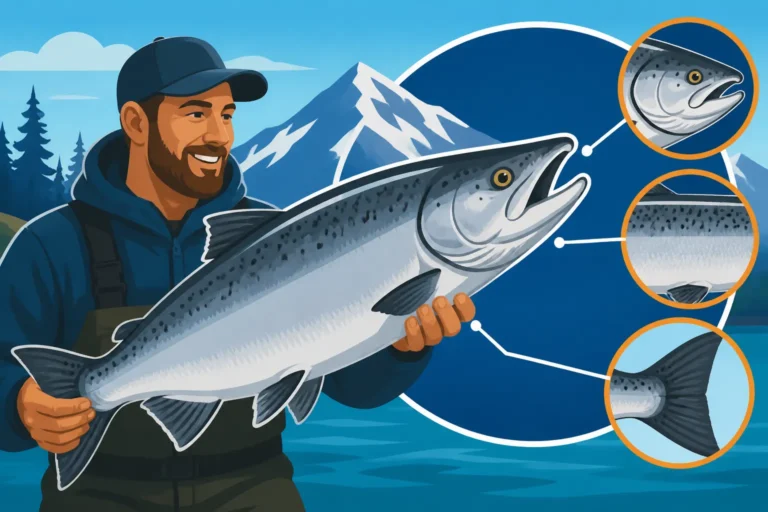
The Cutthroat Trout (Oncorhynchus clarkii) is a truly special fish, often distinguished by the vibrant red or orange "slash" mark found under its lower jaw, which gives it its evocative name. While not as large as a King Salmon, or as abundant as some Sockeye runs, their beauty, fighting spirit, and preference for pristine, often remote, waters make them a prized catch for many dedicated anglers.
Identifying the Cutthroat: Marks and Traits
Beyond the iconic red slash, there are several key features that help identify an Alaska Cutthroat Trout. They typically have an olive-green to yellowish-brown body, often adorned with scattered black spots that are usually more concentrated towards the tail. Their dorsal and caudal fins are also speckled. In Alaska, you'll encounter both resident (freshwater-dwelling) and sea-run populations. Sea-run cutthroat, much like other anadromous salmonids, will be brighter and more silvery when they first enter freshwater, gradually adopting their more vibrant colors as they move upstream. Resident trout tend to have more intense coloration year-round, blending in with their stream and lake environments.
One common frustration for anglers is distinguishing them from Rainbow Trout, especially when the red slash isn't prominently displayed or the fish is smaller. Remember, Rainbow Trout typically have spots evenly distributed over their entire body, and they lack the distinct slash under the jaw. For a more general overview of Alaska's diverse fish, you might want to check out our guide on Alaska Fish Species Guide.
Habitat and Preferred Environments
Cutthroat Trout in Alaska are largely found in the southeastern region, especially within the vast Tongass National Forest, though some populations extend further north. They thrive in clear, cold-water streams, rivers, and coastal lakes that are often nestled within temperate rainforests. These fish are masters of their environment, seeking out areas with ample cover, such as undercut banks, fallen logs, deep pools, and thick aquatic vegetation. The presence of these features provides not only protection from predators but also a rich buffet of insects and smaller fish.
Sea-run cutthroat, as their name suggests, spend part of their lives in saltwater estuaries and bays, feeding and growing before returning to freshwater to spawn. This migratory pattern makes them incredibly robust and often larger than their resident counterparts. Understanding these distinct habitats is crucial, as it directly influences where and how you’ll approach your fishing strategy. They are often found in smaller, more intimate water bodies, making them a fantastic target for those who prefer a tranquil fishing experience away from the bustling crowds of prime salmon runs.
Seasonal Windows and Prime Locations for Cutthroat
Knowing when and where to cast your line is paramount for a successful Cutthroat Trout outing. While these fish are often overshadowed by their salmon brethren, they offer consistent action if you hit the right spots at the right time.
Best Seasons for Targeting Cutthroat
Cutthroat Trout can generally be caught year-round in Alaska, but certain seasons offer better opportunities due to their feeding patterns and migratory behaviors.
- Spring (April – June): This is a fantastic time, especially as waters begin to warm slightly and insect hatches become more prolific. Sea-run cutthroat will be moving into freshwater systems after spending winter in saltwater. They are often very aggressive feeders as they recover from their migratory efforts and prepare for spawning. Early spring can also offer excellent lake fishing opportunities as ice recedes.
- Summer (July – August): While many anglers are focused on the legendary salmon runs, summer can still be productive for cutthroat. They will be actively feeding throughout freshwater systems, and with longer daylight hours, you have more time on the water. However, they might be more scattered as food sources are abundant, and some fish may be preparing to spawn or have recently spawned. This is also when insect activity is at its peak.
- Fall (September – October): Fall is arguably one of the best times to target larger, resident cutthroat trout. As temperatures drop and salmon begin to spawn, cutthroat will often gorge themselves on loose salmon eggs, becoming highly opportunistic feeders. This "egg bite" can be incredibly exciting and lead to some trophy-sized catches. Sea-run cutthroat will also be transitioning back to saltwater, offering another opportunity for anglers in coastal areas.
- Winter (November – March): Winter fishing for cutthroat, though challenging due to weather and accessibility, can be surprisingly rewarding, especially in lakes that remain ice-free or have safe ice for ice fishing. Resident fish will be in deeper, slower pools, conserving energy, and may respond to slower presentations.
For a broader understanding of fishing throughout the year, our Alaska Fishing Seasons: Month-by-Month Guide offers insights into various species.
Top Fishing Grounds in Southeast Alaska
Southeast Alaska is the undisputed heartland for Cutthroat Trout fishing. Its myriad islands, protected bays, and countless small streams and lakes provide ideal conditions.
- Prince of Wales Island: This large island is riddled with incredible freshwater systems and boasts some of the densest populations of cutthroat trout in the state. From road-accessible streams to remote lakes requiring a floatplane, the opportunities here are endless. Areas around Craig and Klawock are popular starting points.
- Admiralty Island: Known as the "Fortress of the Bears," Admiralty Island also offers phenomenal cutthroat fishing in its numerous lakes and streams, though access often requires bush plane or boat.
- Juneau Area: While famous for its salmon and halibut charters, the freshwater systems surrounding Juneau, such as Fish Creek, Sheep Creek, and some of the smaller lake systems, hold strong populations of cutthroat. These are often accessible via a short drive or hike, making them great for a day trip.
- Ketchikan and Sitka: These coastal towns also offer excellent opportunities in nearby streams and lakes. Many small feeder creeks that flow into the saltwater are prime spots for sea-run cutthroat during their migratory periods.
When planning your trip, consider smaller, lesser-known streams rather than just the big named rivers. Cutthroat often prefer these more intimate settings. If you're looking to explore more generally, you can also read our guide on the Best Fishing Spots in Alaska.
Mastering the Art of Catching Alaska Cutthroat Trout
Successfully catching Alaska Cutthroat Trout often requires a blend of finesse and understanding their feeding habits. They can be finicky one day and aggressively territorial the next, making them a consistently engaging target.
Effective Techniques for River and Lake Fishing
Whether you're wading a small stream or casting from a boat on a serene lake, different techniques will yield the best results.
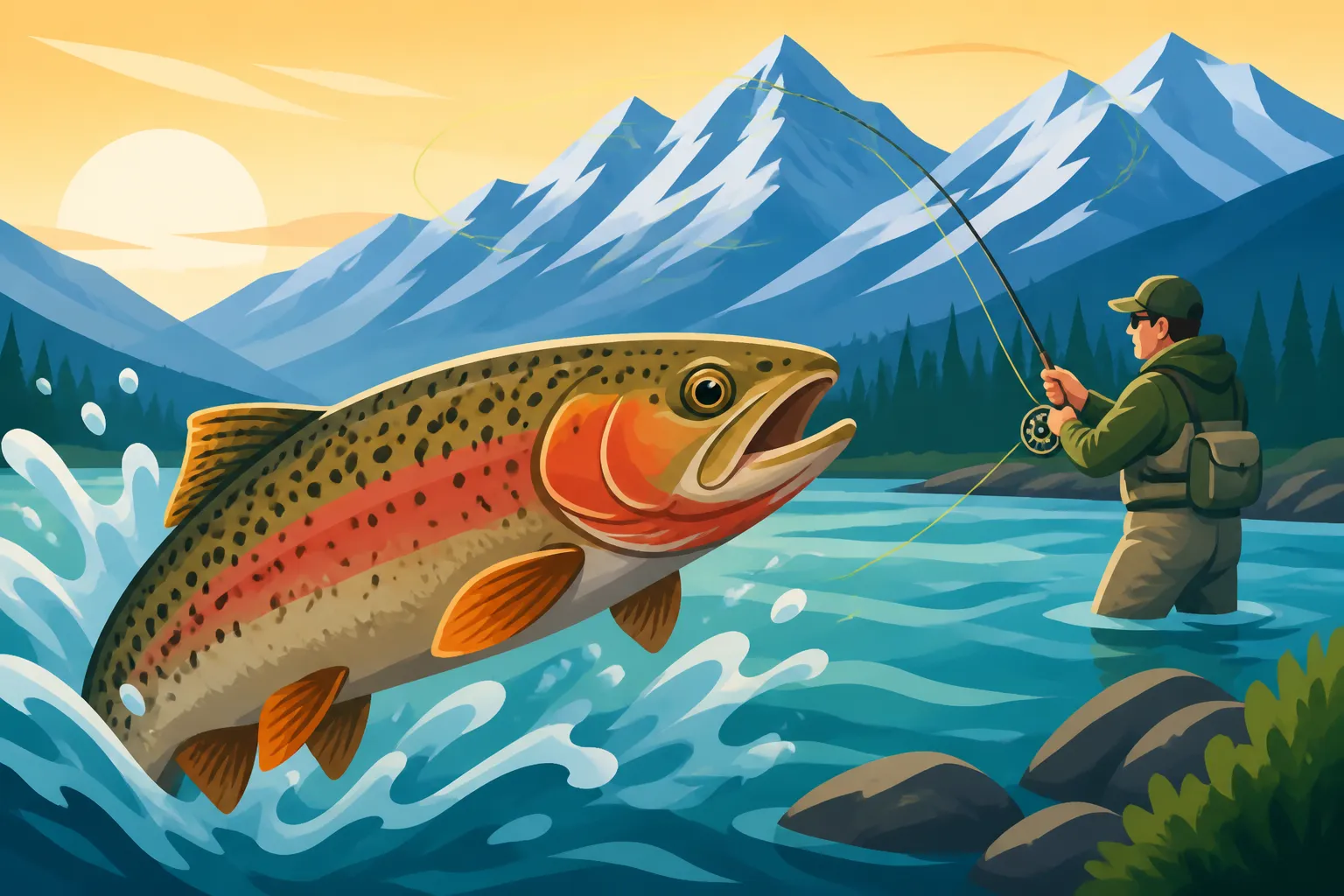
- Fly Fishing: This is arguably the most popular and effective method for cutthroat, especially in rivers and streams.
- Dry Fly Fishing: When hatches are active, presenting a dry fly can be incredibly exciting. Cutthroat are opportunistic eaters and will readily rise to a well-presented Caddis, Mayfly, or Stonefly imitation. Look for rises and cast upstream, allowing a natural drift.
- Nymphing: When fish aren't rising, nymphing is a go-to. Use patterns like Hare's Ear, Pheasant Tail, or Prince Nymphs, presented under an indicator to mimic subsurface insects. Adjust your weight and depth until you find where the fish are holding.
- Streamer Fishing: Especially effective for larger, more aggressive cutthroat, particularly sea-run varieties or those feeding on smaller fish. Patterns like Woolly Buggers, Sculpins, or small baitfish imitations stripped through pools and along undercut banks can provoke explosive strikes.
- Spin Fishing: For those who prefer conventional gear, spin fishing can be highly productive.
- Small Spinners: Classic inline spinners like Mepps Aglia or Blue Fox Vibrax in sizes #1 to #3 are highly effective. Their flash and vibration attract curious cutthroat. Experiment with different colors, but silver, gold, and brass are generally reliable.
- Small Spoons: Spoons such as Kastmasters or Little Cleos in sizes suitable for trout can also work well, especially when cast into deeper pools or when fish are keying in on baitfish.
- Drift Fishing with Bait: While not always permitted or necessary, drifting small pieces of cured salmon eggs (especially during the fall salmon runs), worms, or even small artificial baits like PowerBait can be effective in deeper runs. Always check local regulations first, as bait restrictions are common in trout fisheries.
- Gear Considerations: A lightweight rod (4-6 weight for fly fishing, light to ultralight for spin fishing) with matching reel and line is ideal. Cutthroat often inhabit tight quarters, so lighter, more sensitive gear allows for better presentation and feel. You can find a vast array of rods, reels, and lines on Amazon, suitable for any budget and skill level. For more general gear advice, our Alaska Fishing Gear and Tackle Guide has plenty of suggestions.
Choosing the Right Lures, Flies, and Bait
Selecting the right offering can make all the difference. Matching the hatch or imitating the local forage is key.
Table: Recommended Cutthroat Trout Lures & Flies
| Type | Specific Examples | When to Use | Notes |
|---|---|---|---|
| Dry Flies | Parachute Adams, Elk Hair Caddis, Stimulator | Active insect hatches, fish rising to surface | Focus on realistic presentation and light leader. |
| Nymphs | Hare's Ear, Pheasant Tail, Prince Nymph | Subsurface feeding, year-round effectiveness | Use with strike indicator; vary depth and weight. |
| Streamers | Woolly Bugger (Olive/Black), Sculpzilla | Aggressive fish, larger cutthroat, post-spawn | Retrieve with erratic strips to mimic baitfish. |
| Spinners | Mepps Aglia, Blue Fox Vibrax (size #1-3) | Moving water, general searching, all seasons | Silver or gold blades often best. Cast upstream and retrieve with current. |
| Spoons | Kastmaster, Little Cleo (1/8 – 1/4 oz) | Lakes, deeper pools, imitating baitfish | Erratic retrieve; allow to sink and jig if in deeper water. |
| Bait (if legal) | Cured Salmon Eggs, Worms | Fall (egg bite), slower deep holes | Always verify regulations; use small hooks. |
Beyond these, don't overlook specific local patterns. Sometimes a simple, small leech pattern or an articulated streamer representing a juvenile salmon can be deadly for larger cutthroat, especially in systems where they prey on young salmon. Always carry a variety of options, as cutthroat can be particular on any given day. You can easily stock up on a good selection of these on Amazon before your trip.
Responsible Angling and Conservation
Alaska's fisheries are a precious resource, and responsible angling practices are essential to ensure healthy populations of Cutthroat Trout for future generations.
Understanding Regulations and Limits
Before you even step foot in an Alaskan stream, it is absolutely critical to familiarize yourself with the current fishing regulations. These regulations are set by the Alaska Department of Fish and Game (ADF&G) and can vary significantly by region, river system, and even time of year. For instance, some areas may have special catch-and-release rules for Cutthroat Trout, while others might allow retention with specific size or bag limits. You can find comprehensive details in the official ADF&G sport fishing regulations booklet. A good starting point is our guide on Alaska Fishing Regulations Explained.
It’s also important to note that a valid Alaska fishing license is required for all anglers, resident and non-resident alike. You can easily purchase your Alaska fishing license online or from numerous vendors throughout the state. Be sure to understand specific requirements, such as those detailed in the Alaska Fishing License: Complete Guide. Always double-check any emergency orders that might be in effect, as these can change limits or close fisheries on short notice due to conservation concerns.
Catch-and-Release Best Practices
Many anglers choose to release Cutthroat Trout due to their relatively small size and their status as a valuable sport fish. If you plan to practice catch-and-release, doing so responsibly is vital for the fish's survival.
- Minimize Handling: Try to keep the fish in the water as much as possible. If you must handle it, do so with wet hands to protect its delicate slime coat. Avoid squeezing the fish.
- Barbless Hooks: Using barbless hooks, or crimping down the barbs on your hooks, makes release much easier and reduces injury to the fish.
- Quick Release: Have your camera ready (if you intend to take a photo) and your pliers/hemostats handy for a swift hook removal.
- Revive the Fish: If the fish seems sluggish or stressed, hold it gently in the current, facing upstream, until it regains its strength and can swim away on its own. Never throw a fish back; always release it gently.
- Deepwater Release Devices for Saltwater: While less common for cutthroat, if you accidentally catch a rockfish or other deep-water species while targeting sea-run cutthroat in deeper water, a deepwater release device is crucial for their survival.
Responsible angling goes beyond just following the rules; it's about respecting the environment and the fish you pursue. By adhering to these practices, you contribute to the health and abundance of Alaska's beautiful Cutthroat Trout populations.
Disclaimer: Fishing regulations in Alaska are subject to change by the Alaska Department of Fish and Game. Always consult the most current ADF&G regulations booklet and check for emergency orders before you head out on your fishing trip. The information provided here is for general guidance only.