Alaska Chum Salmon: Size, Season, and Where to Catch
There's a common misconception out there, a quiet judgment that some Alaska salmon species get overlooked, almost dismissed, by anglers dreaming of trophy Kings or abundant Sockeye. Chum salmon, often affectionately (or sometimes, not so affectionately) called "dog salmon," definitely fall into this category. Many folks wonder if they're even worth targeting, or if they're just an incidental catch. But let me tell you, if you’re willing to look past the stereotypes, the Alaska chum salmon offers a fantastic and often underestimated fishing experience. This guide is going to peel back the layers on this powerful fish, covering everything from their impressive size and the best times to find them, to where you can cast a line for an unforgettable fight.
Unpacking the Alaska Chum Salmon: What Makes Them Unique?
When you talk about salmon in Alaska, the spotlight often falls on the majestic King or the vibrant Sockeye. But the chum salmon, or Oncorhynchus keta, holds its own special place in the ecosystem and for those in the know, in the angler's heart. These fish are fighters, resilient, and surprisingly beautiful, especially as they near their spawning grounds. Understanding what sets them apart is key to appreciating them fully.
Identifying the "Dog Salmon"
The nickname "dog salmon" isn't exactly flattering, and it often stems from the formidable canine-like teeth male chum develop during spawning, as well as their historical use as dog food by Alaska Natives. But don't let the name fool you. While their appearance can change dramatically as they transition from the ocean to freshwater, they possess distinct characteristics that help in identification.
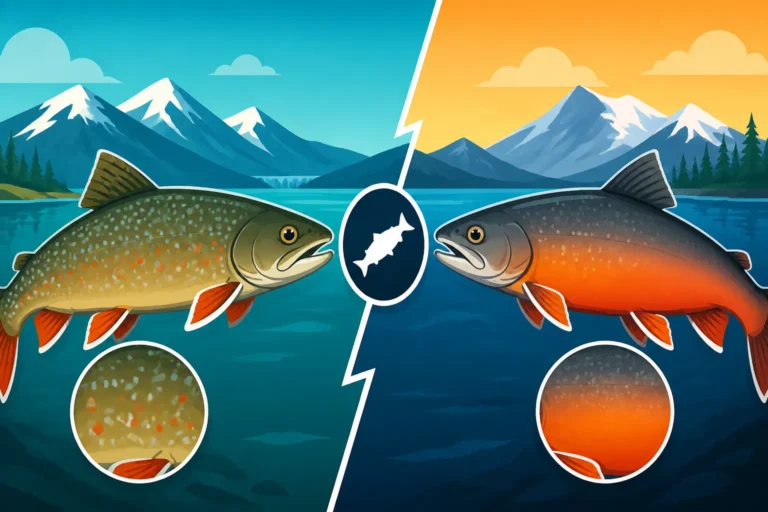
In their ocean phase, chum salmon are typically bright, silvery fish with faint, irregular vertical bars or mottling on their sides. They're streamlined, powerful, and ready for the open sea. However, as they begin their journey upstream to spawn, their transformation is quite striking. Males, especially, develop vibrant vertical stripes of red, purple, and black on their flanks, often with a green-gold sheen. Their jaws become elongated and hooked (a kype), and those "dog teeth" become very prominent. Females also change color, though usually less dramatically, becoming duller with more distinct bars. Knowing How to Identify Alaska Salmon Species is crucial, especially when regulations vary by species. This distinct appearance is part of their charm for many anglers; catching a brilliantly colored spawning chum is a sight to behold.
Average Size and Potential for Trophy Catches
Many anglers are surprised by the sheer size and power of an Alaska chum salmon. While they might not reach the gargantuan weights of the largest King salmon, chums are consistently substantial fish, offering a thrilling fight on appropriate tackle.
On average, adult chum salmon in Alaska typically range from 8 to 18 pounds. However, it's not uncommon to encounter fish pushing into the 20s, and true giants can exceed 30 pounds. Their robust build, broad tails, and deep bodies mean that even a 15-pound chum can put up a battle that feels more like a much larger fish. Imagine hooking into one of these bruisers in a strong current – your reel will sing, and your arms will definitely feel it! The Alaska state record chum salmon, caught in the Lynn Canal in 1995, weighed an astonishing 35 pounds, 4 ounces. While that's an exceptional fish, it illustrates the potential for a real trophy catch. If you’re looking to land a big one, focusing on areas with strong runs and using stout gear will definitely increase your odds. For those interested in pursuing the largest specimens, understanding their feeding habits and migration patterns can be a huge advantage.
When and Where to Find Alaska Chum Salmon
Timing and location are everything when it comes to fishing in Alaska, and chum salmon are no exception. Knowing when and where to intercept these powerful fish can make all the difference between a slow day on the water and an arm-aching battle with multiple hookups.
The Peak Season for Chum Salmon Runs
Chum salmon generally have a strong and reliable run timing, though it can vary slightly by region and specific river systems. Unlike King salmon, which often have earlier, more protracted runs, or Sockeye, which can flood rivers in massive waves, chum runs tend to be a bit more predictable and concentrated in mid to late summer.
Typically, chum salmon start entering Alaska rivers in July. The peak of their runs usually occurs from mid-July through August, with some rivers seeing good numbers well into early September. For instance, in Southeast Alaska, such as around Juneau or Ketchikan, you might see the first chums in early July, with the run peaking by the end of the month. As you move north and west into Southcentral Alaska, like the rivers draining into Cook Inlet, the peak often hits in late July to mid-August. Western Alaska rivers, famous for their sheer volume of salmon, might see chums from late July through August. Factors like water temperature and glacial melt can influence the exact timing, so it's always smart to check the latest Alaska Salmon Run Timing Explained for your chosen area. These are usually robust runs, meaning that when they're in, they're in, offering fantastic opportunities for anglers.
Prime Fishing Locations for Chum Salmon
Alaska is blessed with countless rivers, streams, and coastal areas that host robust chum salmon runs. While they might not always steal the headlines from other species, many regions are renowned for their incredible chum fishing opportunities.
Some of the most prolific chum salmon runs in Alaska are found in the vast river systems of Western Alaska, particularly the Yukon and Kuskokwim Rivers and their tributaries. These remote areas see millions of chums returning to spawn, offering incredible fishing, often with a unique cultural backdrop as local communities engage in subsistence fishing. However, you don't always need to go to the most remote corners of the state to find them. Southeast Alaska boasts excellent chum fishing in numerous smaller rivers and streams accessible from towns like Sitka, Petersburg, and Juneau. Many of these rivers offer fantastic bank fishing opportunities, making them ideal for anglers without a boat.
In Southcentral Alaska, rivers flowing into Cook Inlet, such as the Susitna River drainage, also receive strong chum runs. While these rivers are often heavily fished for Kings and Sockeye, chums provide a reliable target when other species might be less available. Don't overlook saltwater fishing either; many anglers target "bright" chums in coastal estuaries and near river mouths before they begin their freshwater transformation. This is often where you find the strongest, fattest, and best-eating fish. If you're planning a trip, exploring resources like the Best Fishing Spots in Alaska will give you a broader perspective on all the incredible opportunities available throughout the state.
Best Practices for Catching Alaska Chum Salmon
Chum salmon are powerful fish, and a successful day targeting them requires understanding their habits and employing the right techniques and gear. They might not be as finicky as some trout, but they're not always pushovers either.
Effective Techniques and Gear
When it comes to catching chum salmon, versatility is your friend. They respond well to a variety of methods, whether you prefer spinning gear or the delicate art of fly fishing. The key is often getting your presentation in front of them in the right way, as they can be aggressive biters when motivated.
For anglers using conventional spinning or casting gear, spoons, spinners, and jigs are incredibly effective. Bright, flashy colors like chartreuse, pink, orange, and metallic silver or gold tend to work wonders. Popular choices include Blue Fox Vibrax spinners, Pixee Spoons, and lead-head jigs dressed with soft plastics or marabou. A medium-heavy rod, around 8-9 feet long, paired with a sturdy reel spooled with 20-30 pound braided line and a fluorocarbon leader of 15-20 pounds, will give you the backbone needed to handle these strong fish. You can find a fantastic selection of these items, from rods to various lures, on platforms like Amazon, ensuring you're well-equipped. Drift fishing with cured salmon roe or even artificial eggs can also be highly productive, especially in rivers where bait is allowed.
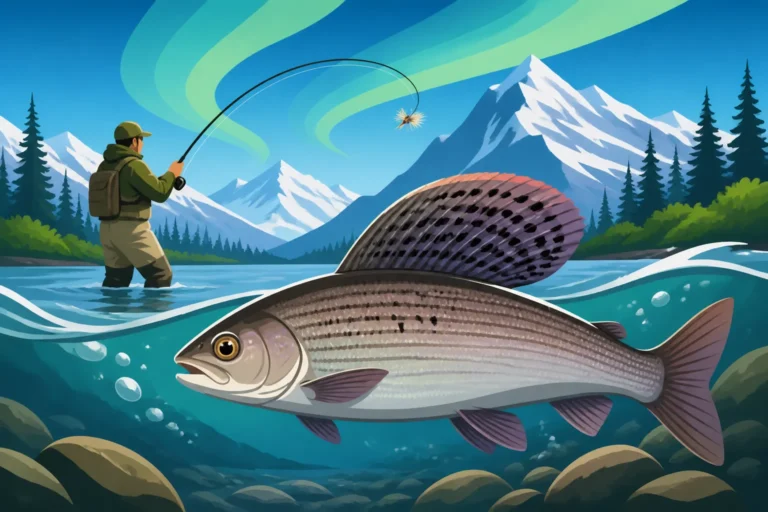
Fly anglers will find chum salmon to be enthusiastic takers as well. Large, brightly colored flies that imitate baitfish or attract attention are usually the ticket. Think Chartreuse and Pink Clousers, bright intruder patterns, or even large Flesh Flies in various hues. A fast-action 8-10 weight fly rod is recommended, paired with a matching reel with a strong drag system. Skagit or Scandi lines, often with heavy sink tips, are excellent for getting your fly down quickly in the often-turbulent currents where chums hold. Don't forget a quality pair of waders and wading boots for comfort and safety while navigating riverbanks; again, Amazon offers a wide range of reliable options. Getting your Alaska Fishing Gear and Tackle Guide in order before your trip is essential for a successful outing.
Fishing Tips for Success
Catching chum salmon isn't just about the gear; it's also about technique, patience, and understanding the fish's behavior in its environment.
One crucial tip is to understand where chum salmon hold in a river. Like most salmon, they tend to move upstream along current breaks, deeper channels, and slower seams, especially when resting from their arduous journey. Look for them in pools below rapids, behind large rocks, or along cut banks. Often, you'll see them porpoising or rolling on the surface, indicating their presence. Casting your lure or fly slightly upstream and allowing it to drift naturally through these holding areas is often the most effective approach. Don't be afraid to experiment with retrieve speeds or jigging motions until you find what triggers a strike. Sometimes a subtle twitch is all it takes, other times an aggressive strip.
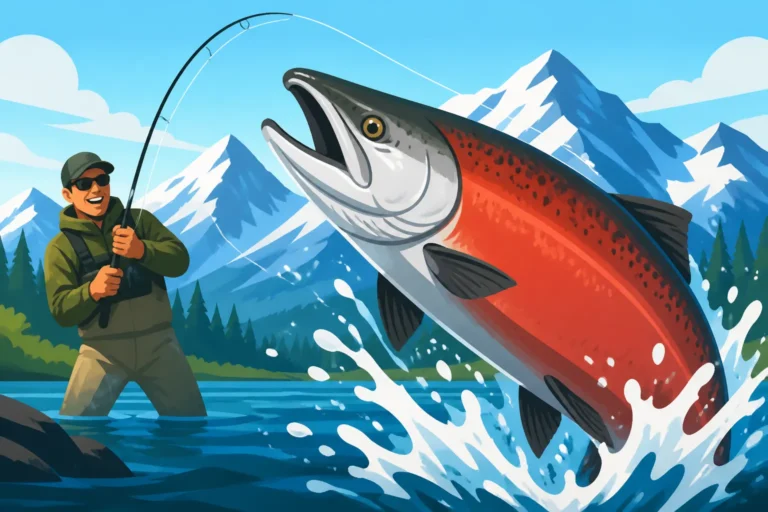
When you hook into a chum, be prepared for a fight! They are incredibly strong and will often make powerful runs, head shakes, and even aerial leaps. Keep your rod tip up, maintain steady pressure, and let your reel's drag do its job. Don't try to horse them in, especially if they are large and fresh from the ocean. This often leads to broken lines or pulled hooks. Also, be mindful of Alaska Fishing Regulations Explained regarding snagging; while chums can be aggressive, ensure you're fishing legally and targeting actively biting fish. Lastly, if you're planning to release fish, handle them gently. Use barbless hooks and minimize their time out of the water to increase their survival odds.
Beyond the Fight: Utilizing Your Chum Salmon Catch
The fight is exhilarating, but what about the table fare? Here's where the "dog salmon" nickname can be particularly misleading, overshadowing the actual quality of the fish, especially if handled correctly.
Eating Quality and Preparation
Let's debunk a common myth right here: chum salmon can be excellent eating, especially if caught in saltwater or fresh from the ocean, before they've had a chance to degrade significantly in freshwater. Their flesh is typically lighter in color than a Sockeye or King, often a pale pink or orange, and has a lower fat content than their richer cousins. This lower fat content is precisely why they're often overlooked in favor of fattier species, but it also makes them incredibly versatile.
When caught bright from the ocean or near river mouths, chum salmon are firm-fleshed and mild in flavor. They are fantastic for smoking, canning, and baking. The low oil content means they take on marinades and rubs beautifully without becoming greasy. For example, a chum salmon fillet marinated in soy sauce, ginger, and garlic, then baked or grilled, can be absolutely delicious. Many Alaskans also swear by smoked chum salmon, particularly if it's brined well and given plenty of smoke time. It creates a drier, flakier product that's perfect for dips, salads, or just flaked on crackers. Don't be afraid to experiment! If you plan on taking some home, learning How to Fillet a Salmon in Alaska efficiently is a valuable skill that will make processing your catch much easier and ensure better quality for the dinner table.
Other Uses for Chum Salmon
Beyond the dinner plate, chum salmon offer a surprising array of other uses, highlighting their importance both ecologically and economically in Alaska.
One of the most valuable byproducts of chum salmon is their roe, often referred to as ikura or salmon caviar. Chum salmon roe is highly prized in culinary circles, particularly in Asian markets, known for its larger, firm eggs with a delicate pop and rich flavor. Many anglers save the roe from their female chum salmon catches, either for personal consumption or to sell. If you’re interested in this, make sure to research proper handling and curing techniques to ensure a high-quality product.
Historically and presently, chum salmon also play a significant role in subsistence for Alaska Natives and as commercial bait. Their flesh, even when past its prime for human consumption, is excellent bait for crab pots, halibut fishing, or targeting other scavenger species. This utilization aligns with the traditional practices that earned them the "dog salmon" moniker, where they were a vital food source for sled dogs during the harsh winter months. So, whether you're catching them for a tasty meal, for their prized roe, or even for bait, the Alaska chum salmon offers value beyond just the thrill of the catch. Embracing all aspects of Alaska Chum Salmon Regulations and Limits ensures these varied uses can continue sustainably for generations to come.
Chum Salmon in Alaska's Ecosystem and Economy
Chum salmon are far more than just another fish to catch; they are a critical component of Alaska's rich and complex natural environment and a pillar of many coastal communities. Their abundance and unique life cycle have ripple effects throughout the ecosystem, supporting a vast network of wildlife and human livelihoods.
Ecological Importance
The sheer volume of chum salmon returning to Alaska's rivers each year makes them an indispensable food source for a wide array of predators. From brown bears feasting on them along riverbanks to bald eagles snatching them from the shallows, chums provide essential protein and nutrients during the late summer and early fall. Think about the iconic images of bears fishing in rivers like the McNeil River or Brooks Falls – while Sockeye often get the fame, chums are a significant part of the bears' diet in many other locations.
Beyond direct predation, the decomposing carcasses of spawned-out chum salmon enrich the freshwater and riparian ecosystems. They transport marine-derived nutrients far upstream, fertilizing the soil, supporting insect populations, and ultimately contributing to the health and growth of the next generation of salmon and other aquatic life. This nutrient cycling is a fundamental process that sustains the productivity of Alaska's wild landscapes. Without strong chum runs, many of these interconnected systems would suffer, underscoring their quiet yet profound ecological importance. Their journey highlights the broader Alaska Salmon Life Cycle Explained which is a marvel of nature.
Economic and Cultural Significance
While not as commercially valuable as King or Sockeye salmon for their flesh, chum salmon hold significant economic value in other sectors and profound cultural importance, particularly for Alaska's indigenous peoples.
Commercially, chum salmon are a cornerstone of many gillnet and seine fisheries, especially in Western Alaska where they constitute a major portion of the annual salmon harvest. The roe, as mentioned earlier, is a high-value product that drives a substantial portion of the commercial worth of chum salmon catches. Fishermen in regions like Bristol Bay or Prince William Sound rely on diverse salmon runs, and chum salmon contribute significantly to their seasonal income. Beyond direct sales, the sport fishing industry also benefits from chum salmon. Many charters offer dedicated chum trips, particularly during periods when other salmon species are less abundant, providing guided experiences that contribute to local economies in towns like Sitka, Juneau, and Kodiak.
Culturally, chum salmon have been a traditional food source for Alaska Natives for thousands of years. They are dried, smoked, and canned, providing sustenance through the long winters. The runs are often tied to community gatherings, traditional fishing camps, and the passing down of knowledge and skills through generations. This deep connection ensures that chum salmon are not just fish but a symbol of sustenance, cultural heritage, and the enduring wildness of Alaska. Understanding this broader context adds another layer of appreciation for this often-understated salmon species.
Conclusion: Don't Underestimate the Chum Salmon
So, there you have it. The Alaska chum salmon, far from being just a "dog salmon," is a powerful, beautiful, and valuable fish. It offers an incredible fishing experience with its strong fight, a surprisingly versatile culinary option, and plays a vital role in Alaska's ecosystem and cultural fabric. Next time you're planning an Alaska fishing adventure, don't overlook the opportunity to target these magnificent creatures. You might just find that the chum salmon provides one of the most memorable and rewarding fishing experiences you've ever had, proving that some of the best adventures are found off the beaten path, away from the typical spotlights.
Disclaimer
The information provided in this guide is for general informational purposes only and is subject to change. Always consult the most current Alaska Department of Fish and Game regulations and emergency orders before planning any fishing trip. Fishing conditions, run timing, and regulations can vary greatly by season and location.