Alaska Pink Salmon: Size, Season, and Where to Catch
If you've ever dreamt of fishing in Alaska, you've likely imagined battling a massive King Salmon or wrestling a "barn door" halibut. But let's be real: sometimes those giants are elusive, and the crowds can be intense. That's where the humble, yet incredibly abundant, Alaska Pink Salmon comes into its own. Often overlooked, these feisty fighters offer some of the most consistent and accessible fishing opportunities in the Last Frontier, making them a fantastic target for beginners and seasoned anglers alike.
Understanding Alaska Pink Salmon
Pink salmon, affectionately known as "humpies" due to the pronounced dorsal hump that develops on males during spawning, are the smallest and most numerous of the five Pacific salmon species found in Alaska. Don't let their size fool you, though; they put up a surprisingly spirited fight on light tackle and provide an excellent introduction to salmon fishing. They're a vital part of Alaska's ecosystem and a cornerstone of its fisheries.
Physical Characteristics and Identification
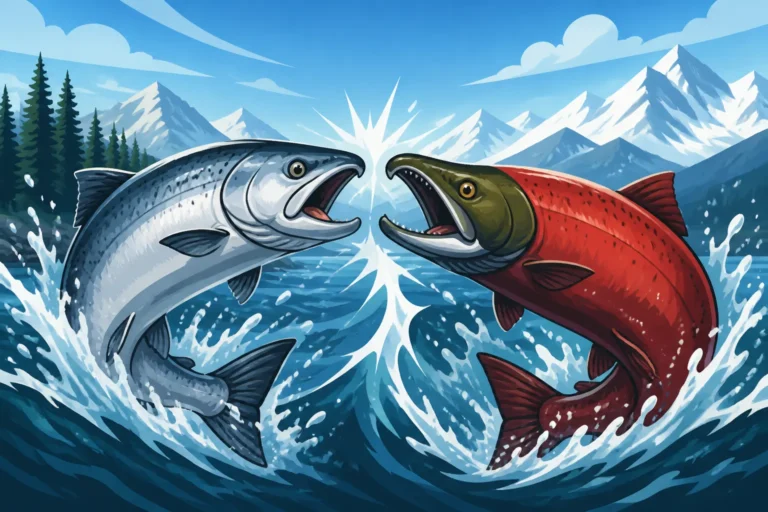
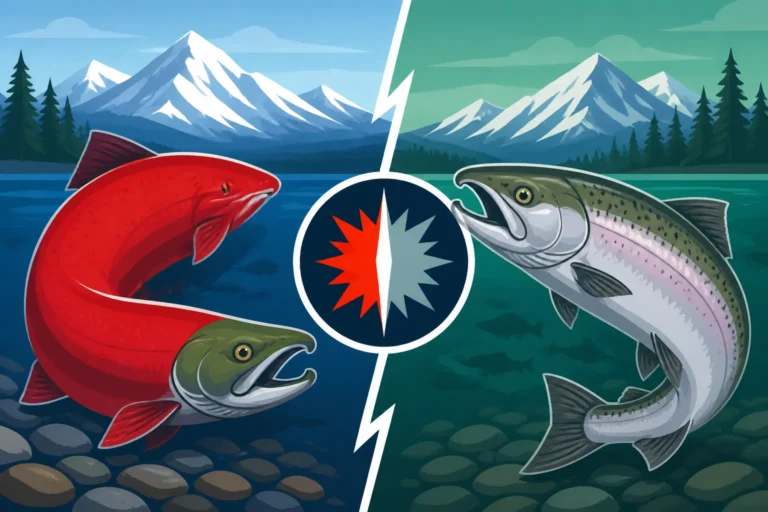
When you first encounter a pink salmon fresh from the ocean, it's quite a sight. They typically sport bright, silvery sides, a white belly, and a dark blue to green back. What really sets them apart are the large, oval-shaped black spots that cover their back, adipose fin, and tail fin. As they enter freshwater to spawn, their appearance undergoes a dramatic transformation. Males develop that characteristic, almost grotesque, hump on their back, and their jaws become elongated and hooked. Their bodies take on a mottled green and brown color, sometimes with splashes of red or yellow, especially on the flanks. Females also change color, though less dramatically, often darkening to an olive green with a white belly.
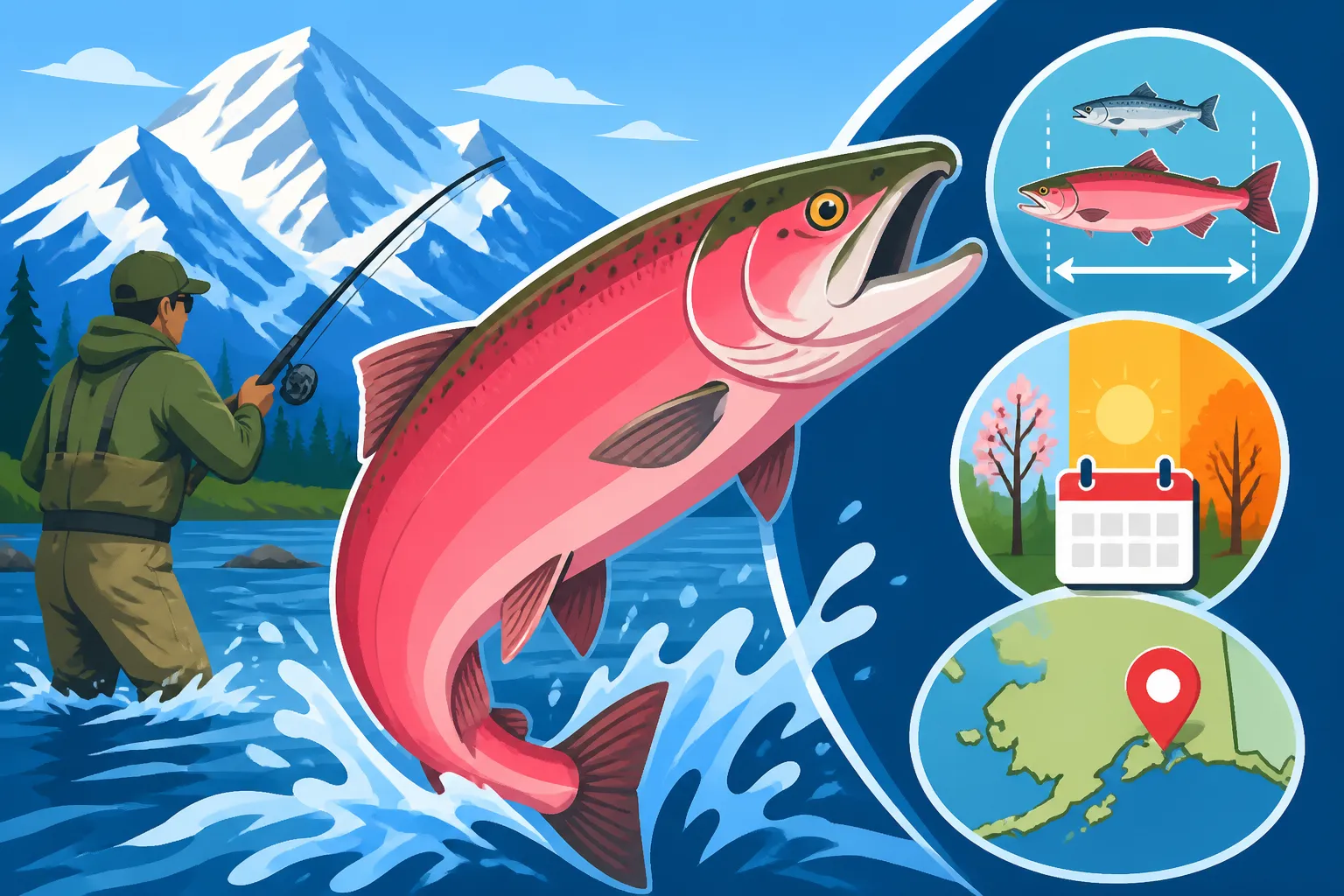
Pink salmon are, on average, the smallest of the Pacific salmon. Most adult pinks weigh between 3 to 5 pounds and measure about 18 to 25 inches in length. While they don't reach the gargantuan sizes of a King Salmon, landing several of these feisty fish can be incredibly rewarding. It's truly fascinating to observe their physical changes from their sleek ocean phase to their spawning colors. To truly grasp the nuances, a good resource for anglers is the guide on how to identify Alaska Salmon species, which helps differentiate them from their larger cousins.
Life Cycle and Spawning Habits
The life cycle of the pink salmon is one of the most intriguing aspects of their biology, and it's also why they are so incredibly abundant. Unlike other salmon species that might spend several years in freshwater or the ocean, pink salmon have a rigid two-year life cycle. This means that if you have a strong run one year, you can generally expect another strong run two years later, provided environmental conditions remain favorable. This predictable cycle makes them a reliable target for anglers.
They are born in freshwater streams, migrate to the ocean shortly after hatching, spend approximately 18 months feeding and growing in saltwater, and then return to their natal streams as mature adults to spawn and complete their life cycle. This rapid turnover contributes to their high population numbers. Pink salmon are typically "stream spawners," preferring smaller streams and the intertidal zones of larger rivers, often spawning in relatively shallow water. You might even see them spawning in estuaries where the freshwater meets the salt, a unique characteristic compared to other salmon that push far upstream. Their eggs hatch in winter, and the fry emerge in spring, quickly making their way to the ocean.
Alaska Pink Salmon Seasons and Runs
Understanding when and where pink salmon run is key to a successful fishing trip. Their runs are incredibly robust and widespread across Alaska, offering ample opportunities for anglers throughout the summer. While they might not garner the same media attention as King or Sockeye salmon, their sheer numbers often make for action-packed days on the water.
Peak Fishing Times by Region
Pink salmon runs generally occur during the summer months, but the exact timing can vary significantly by region and even by individual river system. In Southeast Alaska, which includes popular fishing destinations like Juneau, Sitka, and Ketchikan, pink salmon runs typically start in mid-July and can continue well into August. Rivers like the Juneau's Fish Creek or Ketchikan's Ketchikan Creek see tremendous numbers during this period. Further north, in Southcentral Alaska, particularly around Prince William Sound and the Kenai Peninsula, the runs usually kick off a bit later, peaking from late July through August. Spots like Ship Creek in Anchorage or the Valdez Narrows can be swarming with humpies, sometimes even into early September.
For those venturing into the Interior or Western Alaska, runs can be slightly later, extending through August and sometimes even into early September. It's always a good idea to consult the Alaska Department of Fish and Game (ADF&G) regulations and emergency orders for specific areas you plan to fish, as timings can shift year to year. A handy guide to help you track these movements is the Alaska salmon run timing explained, which provides a broader overview of all salmon species.
Factors Influencing Run Timing
Several environmental factors play a crucial role in determining the precise timing and strength of pink salmon runs each year. Just like other salmon species, water temperature is a significant driver. Pinks prefer cooler water, so unusually warm ocean or river temperatures can delay their migration or push them into deeper, cooler channels. Heavy rainfall can also influence runs, as increased flow can encourage fish to enter rivers from the saltwater, sometimes leading to a surge in fishing activity. Conversely, low water levels can concentrate fish in pools, making them easier to target, but also stressing them.
Ocean conditions during their 18-month feeding phase are arguably the most critical factor affecting run strength. Abundant food sources and favorable water temperatures in the North Pacific lead to healthier, larger returns. Conversely, poor ocean conditions can result in weaker runs and smaller fish. Climate patterns like the Pacific Decadal Oscillation (PDO) and El Niño Southern Oscillation (ENSO) can have long-term impacts on these marine environments, indirectly affecting the abundance of pink salmon. Anglers often find that understanding these broader ecological patterns can help them predict better fishing years.
Best Places to Catch Pink Salmon in Alaska
One of the great joys of pink salmon fishing in Alaska is their widespread availability. You don't always need an expensive charter or a remote fly-out trip to find them. Many excellent spots are easily accessible, making them perfect for a spontaneous outing or a family fishing adventure.
Popular Coastal and River Systems
Pink salmon are true opportunists and can be found in a vast array of coastal waters and river systems across Alaska. In Southeast Alaska, almost any creek or river flowing into the ocean will see a strong pink run. Areas around Ketchikan, like the Whitman Lake System or Ketchikan Creek, are renowned for their incredible numbers. Near Juneau, Fish Creek, Cowee Creek, and the Auke Bay area can be phenomenal. Heading north, Prince William Sound is a major hotbed, with Valdez seeing huge returns in the Valdez Narrows and local streams. Whittier also offers accessible opportunities.
In Southcentral Alaska, especially the Kenai Peninsula, while the focus is often on Kings and Sockeye, pinks flood into rivers like the Kenai River (particularly its lower reaches) and the Kasilof River. Even the Anchorage area has great pink salmon fishing at Ship Creek, right downtown, which offers unparalleled accessibility. For those looking for a truly abundant experience, consider exploring the various arms and bays of Prince William Sound, where pinks often school in massive numbers before heading upstream. A broader overview of promising locations can be found in the guide to the best fishing spots in Alaska.
Shore Fishing and Boat Access
The accessibility of pink salmon makes them an ideal target for both shore anglers and those with boats. For shore fishermen, coastal areas, river mouths, and accessible stream banks are prime locations. Many state parks and public access points along the road system offer fantastic opportunities. For instance, the fishing dock at Ship Creek in Anchorage or the numerous pull-offs along the Homer Spit are famous for their bank fishing for pinks. You don't need a fancy boat; a good pair of waders and a decent casting setup are often all you need.
If you have a boat, whether it's a small skiff, a kayak, or a larger vessel, your options expand considerably. Trolling or casting in saltwater near river mouths or along rocky shorelines can be incredibly productive. Areas like the Valdez Narrows or various coves within Prince William Sound are perfect for boat-based anglers. Many communities offer boat launches, and some even have rental options. Kayak fishing for pinks has also grown in popularity, offering a quiet and intimate way to experience the fishery. Remember, even with abundant fish, having an Alaska Fishing License: Complete Guide is absolutely essential before you cast a line.
Effective Techniques and Gear for Pink Salmon
Pink salmon are generally not picky eaters, which makes them quite forgiving for anglers, especially those just starting out. However, employing the right techniques and having appropriate gear can significantly increase your success rate and enjoyment. You might not need heavy-duty tackle, but a well-balanced setup makes all the difference when you're hooking fish consistently.
Lures, Flies, and Bait Recommendations
When it comes to lures for pink salmon, bright, flashy, and relatively small presentations are usually the ticket. Pinks are aggressive and often strike out of territoriality or curiosity rather than hunger once they enter freshwater.
- Spinners: Small to medium-sized spinners in vibrant colors like chartreuse, hot pink, orange, or silver are incredibly effective. Brands like Blue Fox Vibrax or Mepps Aglia are classic choices. Sizes #2 to #4 are generally perfect. You can find a great selection of these on Amazon.
- Spoons: Casting spoons with a wobbling action, again in bright or reflective colors, also work wonders. Pinks will often chase down a flashing spoon. Pixee spoons are a local favorite, especially with the orange insert.
- Jigs: Small jigs (1/4 to 1/2 oz) tipped with a small piece of bait like cured salmon roe or a grub can be deadly, particularly in slower-moving water or deeper holes.
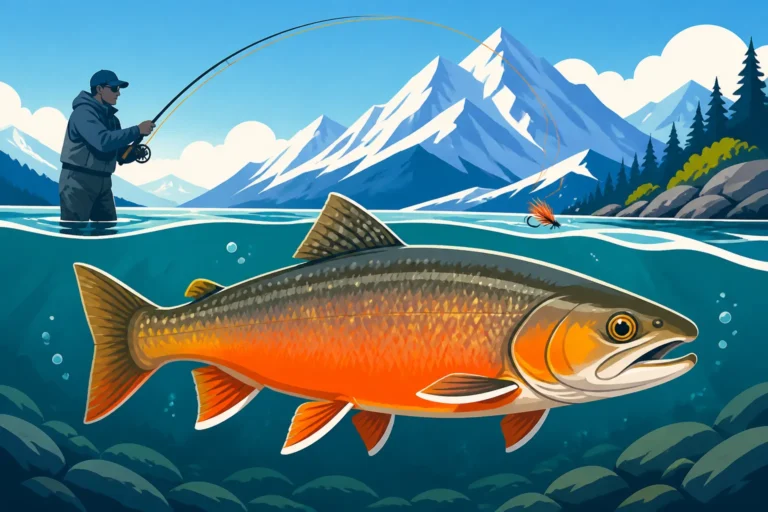
- Flies: For fly anglers, pink salmon are a blast on the fly rod. Bright, flashy flies such as pink or chartreuse Clouser Minnows, Pink Poppers, or other similar streamer patterns are highly effective. Don't be afraid to use flies with a lot of tinsel or flashabou.
While pink salmon aren't as focused on bait once in freshwater, a small piece of cured salmon roe (roe from other salmon species or even their own) can sometimes entice a bite, especially when fishing jigs. For more specific recommendations, check out the guide on the best lures and bait for Alaska Pink Salmon.
Essential Tackle and Apparel
Given their size, you don't need heavy gear for pink salmon. A medium-light to medium action spinning rod, around 7 to 9 feet in length, paired with a matching spinning reel spooled with 8-12 pound monofilament or braided line is ideal. This setup provides enough backbone to fight the fish but is light enough to make the experience genuinely fun. Fly anglers will do well with a 6-8 weight fly rod.
Beyond your rod and reel, a few other items are critical for a comfortable and successful outing:
- Waders and Boots: If you plan on standing in the river or stream, good quality waders are a must. Many rivers in Alaska, especially those frequented by pinks, have rocky or silty bottoms, so sturdy wading boots with good traction are essential. You can often find reliable, comfortable wader sets on Amazon.
- Rain Gear: Alaska weather is famously unpredictable. Always carry waterproof rain jackets and pants, even on sunny days. A sudden shower can turn a pleasant outing into a miserable one if you're not prepared.
- Pliers/Forceps: For easy and safe hook removal, especially if you plan on catch-and-release.
- Net: A salmon net, ideally one with a rubberized mesh to protect the fish, will help land your catch.
- Cooler and Ice: If you're planning to harvest fish, having a cooler with ice readily available is crucial for preserving your catch.
- Bug Spray: Mosquitoes and gnats can be fierce in Alaska, especially near water. Don't leave home without it!
A comprehensive overview of what to pack can be found in the Alaska Fishing Gear and Tackle Guide.
Regulations and Conservation for Pink Salmon
While pink salmon are abundant, they are still a managed resource. Adhering to fishing regulations is not just a legal requirement but also a crucial part of ensuring these vibrant runs continue for future generations. Alaska's fisheries management is world-class, but it relies on every angler doing their part.
Bag Limits and Special Rules
The bag limits for pink salmon are generally very liberal across Alaska compared to other salmon species, reflecting their immense abundance. It's not uncommon to see daily bag limits of 6, 10, or even more fish in certain areas. However, these limits can and do change, sometimes quickly, based on run strength and conservation concerns. Always check the current Alaska Fishing Regulations Explained booklet or the ADF&G website for the specific region and water body you plan to fish. Emergency Orders are frequently issued during the season, often via press releases or the ADF&G website, which can alter bag limits, open or close fisheries, or impose gear restrictions. Staying informed is your responsibility as an angler.
Some specific rules you might encounter include:
- King Salmon Stamp: While not typically required for pink salmon, if you're fishing in waters where King Salmon might also be present and you intend to keep a King, you'll need an Alaska King Salmon Stamp Requirements in addition to your regular license.
- Gear Restrictions: Certain areas might have bait restrictions (e.g., no bait allowed), or require single, barbless hooks, especially if other species are present that are catch-and-release only. This is less common for general pink salmon fisheries but can occur.
- Harvest Recording: While pink salmon generally don't require recording on a harvest card, some specific fisheries or areas might have unique reporting requirements. Always double-check.
Promoting Sustainable Fishing Practices
Even with abundant pink salmon populations, practicing responsible and sustainable fishing is paramount. These fish play a vital ecological role, providing food for bears, eagles, and other wildlife, and their sheer numbers contribute significantly to the health of coastal and river ecosystems.
- Respect Bag Limits: Even if you could catch more, only take what you can realistically use and consume. Over-harvesting, even of abundant species, can have consequences.
- Careful Handling of Released Fish: If you're catching and releasing, minimize handling time, keep the fish in the water as much as possible, and use barbless hooks to reduce injury. Avoid "combat fishing" tactics that can stress fish unnecessarily.
- Proper Disposal of Waste: Never leave fishing line, hooks, or other trash along the riverbanks or on the beach. Pack it in, pack it out!
- Respect Spawning Fish: Once pink salmon have fully transitioned to their spawning colors and are actively pairing up on redds (spawning beds), it's generally best to leave them undisturbed. Their primary goal at this point is reproduction, and disturbing them can impact future generations. Focusing on fresh, ocean-bright fish is always a more ethical and culinary choice.
By understanding the Alaska Pink Salmon: Facts and Fishing Tips and following these guidelines, you contribute to the long-term health of Alaska's incredible fishing heritage.
Pink Salmon: An Unsung Hero of Alaska's Fisheries
Pink salmon might not be the poster child for Alaska's trophy fishing, but they are undeniably the workhorses of the state's salmon runs. They offer consistent action, are readily accessible, and provide a fantastic experience for anglers of all skill levels. Whether you're a seasoned veteran looking for a break from the crowds or a complete beginner hoping to catch your first Alaskan salmon, the humble humpy is a worthy target.
Their aggressive nature, combined with their sheer abundance, means you can often find yourself in non-stop action, sometimes hooking fish on nearly every cast. This makes them an incredible species for introducing kids or new anglers to the sport. Plus, when caught fresh from the ocean, their meat is delicious, with a delicate flavor and texture perfect for grilling, baking, or smoking.
So, the next time you plan an Alaska fishing trip, don't overlook the pink salmon. They represent an opportunity for high-volume, exciting fishing without the pressure and often the cost associated with targeting larger, less numerous species. Grab some bright lures, head to an accessible stream or beach, and get ready for some serious fun. You might just find that the most rewarding fishing experiences come from the most abundant resources.
| Characteristic | Pink Salmon (Humpy) |
|---|---|
| Average Size | 3-5 lbs, 18-25 inches |
| Distinct Features | Large oval spots on back/tail; males develop pronounced dorsal hump during spawning |
| Life Cycle | Fixed two-year cycle |
| Ocean Color | Silvery sides, dark blue/green back, white belly |
| Spawning Color | Males: olive green/brown mottling, distinct hump, hooked jaw; Females: darker olive, less dramatic changes |
| Typical Season | Mid-July to late August/early September |
| Preferred Habitat | Coastal waters, lower reaches of rivers, intertidal zones |
| Fishing Technique | Spinners, spoons, jigs, flashy flies |
| Accessibility | Highly accessible, good for shore and boat fishing |
| Bag Limits | Generally liberal (check current regulations) |
Disclaimer
The information provided in this guide is for general informational purposes only and is not intended as legal advice or a substitute for official regulations. Fishing regulations in Alaska can change frequently due to emergency orders and conservation efforts. It is always the angler's responsibility to consult the most current Alaska Department of Fish and Game (ADF&G) regulations for the specific area and time you plan to fish before engaging in any fishing activity. Non-compliance with regulations can result in fines and penalties.