Best Bank Fishing in Alaska
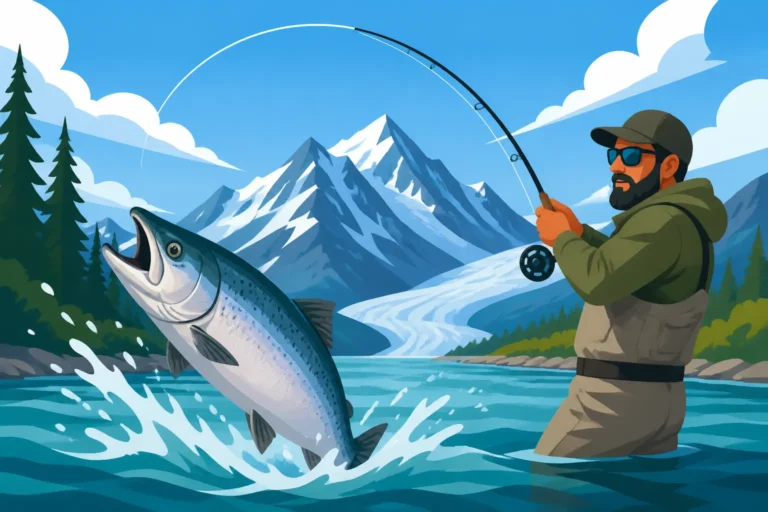
For many of us, the dream of fishing in Alaska often conjures images of expensive charters, remote fly-out lodges, and boats venturing far into the wilderness. But let's be real, those experiences aren't always accessible or affordable for everyone, and sometimes you just want to feel the earth under your feet while you cast. This comprehensive guide is here to tell you that incredible fishing doesn't always require a boat; it's entirely possible to land trophy fish right from the bank, offering an equally thrilling yet much more accessible Alaskan angling adventure.
Why Bank Fishing in Alaska is a Game Changer and a Wallet Saver
Let's face it, planning an Alaskan fishing trip can feel overwhelming and frankly, a bit intimidating on the budget front. The thought of shelling out hundreds, if not thousands, of dollars for a multi-day charter or a remote lodge experience is enough to make many anglers sigh and put the dream on hold. But what if I told you that some of the most exciting and productive fishing in Alaska can be had right from the shore, often with just a pair of waders and a good rod? Bank fishing isn't just a budget-friendly alternative; it's a completely different way to experience the raw, untamed beauty of Alaska's fisheries, offering a unique connection to the land and the water. It’s an approach that validates the desire to fish on your own terms, without the constraints or costs of a guided vessel.
The Frustration of Boat-Dependent Fishing
There’s a certain magic to being out on the water in a boat, I won't deny that. But there's also the logistical nightmare: booking well in advance, coordinating schedules, dealing with sea sickness, being at the mercy of the captain's chosen spots, and yes, the often-exorbitant cost. Imagine spending hours on a boat, only to find the fish aren't biting where you are, but you're stuck. Or perhaps you're sharing a small deck with a dozen other anglers, all vying for space. For many, that's not the serene, wild Alaskan experience they envision. The frustration of being tethered to a boat schedule or a crowded deck can really detract from the joy of fishing, making you feel more like a passenger than an active participant in the hunt.
Bank fishing cuts through all that. You decide where to go, when to go, and how long to stay. If a spot isn't producing, you can simply walk to the next bend in the river or another section of beach. This freedom is incredibly empowering and removes many of the common stressors associated with traditional guided trips. It allows for a more personal, intimate connection with the environment, letting you observe the wildlife, listen to the river's rhythm, and truly immerse yourself in the Alaskan wilderness without the constant hum of an outboard motor.
Accessibility for All Skill Levels and Budgets
One of the greatest advantages of bank fishing in Alaska is its unparalleled accessibility. You don’t need years of experience navigating treacherous waters or a deep understanding of marine electronics. If you can cast a line, you can bank fish. This opens up Alaska's legendary fisheries to beginners, families with young children, and seasoned anglers alike, regardless of their budget. Think about it: a day of bank fishing might cost you nothing more than your Alaska Fishing License: Complete Guide, a bit of gas to get to the spot, and maybe some new tackle. Compare that to the hundreds of dollars for a single day on a charter!
For those traveling on a shoestring, this is a dream come true. You can spend weeks exploring different rivers and coastal areas, sampling various fisheries, all while keeping your expenses manageable. Families, in particular, benefit from bank fishing because it offers the flexibility to take breaks, explore the shoreline, and avoid the confines of a boat, making for a much more enjoyable experience for everyone. Even for experienced anglers, bank fishing presents a delightful challenge and a chance to hone their skills in a raw, authentic environment. It’s a chance to truly understand the water, observe fish behavior, and develop a deeper intuition for where the fish might be holding, rather than relying solely on a guide's expertise.
Understanding Alaska's Bank Fishing Hotspots
Alaska is massive, and while it might seem like every river and coastline is teeming with fish, knowing where to focus your bank fishing efforts is crucial. The state's unique geography, characterized by extensive road systems, sprawling river deltas, and accessible coastal towns, offers surprising opportunities for shore-bound anglers. It’s not about finding the most remote spot, but rather understanding which easily reachable locations consistently produce fish and how to approach them effectively. Navigating these options can be daunting if you’re not familiar with the lay of the land, but with a bit of local insight, you'll be casting in prime territory in no time.
Road System Rivers and Lakes
The road system in Alaska is your best friend when it comes to bank fishing. Unlike the vast majority of the state, which is only accessible by air or boat, certain areas are incredibly well-connected, allowing you to drive right up to prime fishing spots. The Kenai Peninsula, in particular, is a mecca for roadside angling, boasting an impressive network of rivers, streams, and lakes that are easily accessed by car. The Kenai River, for instance, offers numerous public access points, parks, and pull-offs where anglers can walk down to the water and cast for salmon and trout. Similarly, the Mat-Su Valley, just north of Anchorage, provides access to rivers like the Little Susitna and Deshka, as well as many lakes perfect for targeting rainbow trout, Arctic char, and Northern pike.
When looking at maps, seek out designated public access points, state park areas, and bridges. These are often indicators of established bank fishing spots. Always be mindful of private property signs and respect land ownership. Many of these areas also feature maintained trails or boardwalks, making access even easier, especially for those who might not be comfortable bushwhacking through dense Alaskan brush. Exploring these accessible waterways means you don’t need specialized equipment or a guide; just your tackle, your license, and a willingness to explore.
The Importance of Tides and River Levels
Bank fishing, especially in tidal rivers or coastal areas, isn't just about finding a good spot; it's about timing your visit with the natural rhythms of the water. Tides play a massive role in how fish behave, particularly salmon moving into rivers and halibut feeding along the coast. For example, in many tidal river sections, salmon runs are heavily influenced by the incoming tide, which provides a fresh push of water and helps fish move upstream. Fishing during a strong incoming tide can often mean the difference between an empty stringer and a limit of energetic salmon.
River levels are equally critical, especially after heavy rains or during spring thaw. High, muddy water can make fishing nearly impossible as fish spread out and visibility decreases, making it harder for them to see your presentation. Conversely, very low water can concentrate fish in certain pools but also make them spooky and difficult to approach. Before heading out, always check local tide charts and river level reports. Resources like the Alaska Department of Fish and Game (ADF&G) website or even local bait shops often provide real-time updates. Understanding these dynamics is key to not only finding fish but presenting your bait or lure effectively, ensuring your efforts aren't wasted casting into unproductive conditions.
Top Rivers for Productive Bank Fishing
When you picture Alaska fishing, you probably imagine crystal-clear rivers brimming with salmon. The good news is, many of those iconic rivers are indeed accessible to bank anglers, offering prime opportunities to hook into powerful King, Sockeye, or Silver salmon, as well as resident trout. While some stretches are undeniably best fished from a boat, there are numerous public access points along these legendary waterways that allow you to cast from shore and experience the thrill of a lifetime. Knowing which rivers offer the best bank access and what species to target is essential for a successful trip, saving you time and frustration.
Kenai River's Accessible Banks
The Kenai River is arguably the most famous river in Alaska, renowned for its colossal King Salmon and incredible Sockeye Salmon runs. While much of the river is frequented by drift boats and powerboats, there are surprisingly many public access areas perfect for bank fishing. Spots around Soldotna and Cooper Landing, for instance, offer excellent shore access. The Kenai River’s public parks, such as Soldotna Creek Park, Centennial Park, and Swiftwater Park, provide ample space for anglers to spread out and target salmon as they migrate upstream. During the peak of the Sockeye run, these banks can get crowded, a testament to the productivity of the fishing.
Anglers here often use weighted flies or Sockeye jigs to "floss" for the migrating salmon, a technique that requires practice but can be incredibly effective. For those targeting Rainbow Trout, the upper Kenai River near Cooper Landing offers fantastic opportunities, especially in the slower eddies and deeper pools. Be sure to check the specific regulations for each section of the Kenai, as rules regarding bait, hooks, and species can change depending on whether you're above or below certain markers. Don't forget to visit the Kenai River Fishing: Complete Guide for more detailed information.
Kasilof River's Quieter Shores
Just south of the Kenai Peninsula's bustle, the Kasilof River offers a slightly more serene, yet equally productive, bank fishing experience. The Kasilof is a glacial river, meaning its waters are often a bit milkier, which can sometimes make the salmon less "spooky" than in clearer rivers. It sees strong runs of King Salmon (both hatchery and wild) and robust Sockeye Salmon runs. While many anglers float the Kasilof in drift boats, there are several public access points, particularly near the Kasilof River Ferry crossing and various pull-offs along the Sterling Highway.
Bank anglers on the Kasilof often find success using cured salmon roe for Kings or flossing for Sockeye, similar to the Kenai. The banks here can be less crowded than the Kenai, especially during weekdays, offering a more peaceful angling experience. It's a fantastic option if you're seeking good fishing without the intense "combat fishing" atmosphere sometimes found on other rivers. Always be aware of the daily bag limits and annual limits, which can be found in the Alaska Fishing Limits and Bag Limits Explained guide.
Russian River's Sockeye Mecca
For many Sockeye Salmon enthusiasts, the Russian River is the holy grail of bank fishing. Located near Cooper Landing on the Kenai Peninsula, this relatively small, clearwater river connects to the Kenai River and becomes an absolute beehive of activity during the Sockeye runs. The ADF&G maintains excellent public access, including boardwalks and trails, making it incredibly accessible for anglers of all ages. This is a true "combat fishing" experience during peak season, where anglers stand shoulder-to-shoulder, flipping flies for the bright red salmon migrating upstream.
While it can be crowded, the sheer numbers of Sockeye can lead to incredibly fast-paced action. Anglers typically use small, weighted Sockeye flies with a short leader, casting upstream and allowing the fly to drift naturally into the mouths of the fish. It's a specialized technique, but once mastered, it can lead to limits in a matter of hours. The Russian River also offers opportunities for Rainbow Trout and Dolly Varden, which often feed behind spawning salmon. For a deeper dive into this unique fishery, check out the Russian River Fishing Guide. Always carry bear spray here; the abundance of salmon attracts a healthy population of bears, and safe fishing practices are paramount.
Premier Saltwater Bank Fishing Locations
While Alaska's rivers get a lot of attention for salmon, don't overlook the incredible opportunities for saltwater bank fishing. The state's vast coastline, with its deep fjords, rocky beaches, and productive estuaries, offers a diverse array of species from the shore. From feisty King Salmon to the coveted Pacific Halibut, and various species of rockfish and cod, saltwater bank fishing can be an incredibly rewarding experience. These spots often require a different approach and tackle than river fishing but can yield impressive catches and truly unique angling memories.
Homer Spit: A Bank Angler's Dream
The Homer Spit, a narrow 4.5-mile long landform extending into Kachemak Bay, is legendary among bank anglers, and for good reason. This geological marvel offers some of the most accessible and diverse saltwater bank fishing opportunities in Alaska. Along its length, you'll find numerous public docks and beaches where anglers can cast for a variety of species. Perhaps the most famous bank fishing here is for King Salmon, especially in the spring and early summer when hatchery-reared kings return to the Nick Dudiak Fishing Lagoon. This lagoon is stocked annually, offering fantastic chances to hook into a chrome-bright King right from the bank.
Beyond the lagoon, anglers on the Spit can also target Halibut, Pacific Cod, various rockfish, and even Dungeness crab directly from the docks or shoreline. Simply drop a baited rig to the bottom, and you never know what you might pull up. Many locals and visitors alike spend hours here, enjoying the stunning views of Kachemak Bay and the Kenai Mountains. Tackle shops and bait stores are conveniently located right on the Spit, making it easy to grab whatever you need. If you're planning a trip, be sure to explore the Homer Alaska Fishing Guide for detailed information on seasons and best practices.
Valdez and Whittier Harbors
The deep, protected waters of Prince William Sound offer fantastic saltwater bank fishing, particularly in the harbors of Valdez and Whittier. These communities are easily accessible by road (Valdez) or by car/train tunnel (Whittier) and serve as popular launching points for charter boats. However, their harbors and associated public access areas provide excellent opportunities for shore anglers.
In Valdez, the main boat harbor and the small boat harbor docks are prime locations. Anglers regularly catch Pink Salmon, Chum Salmon, and Silver Salmon here, especially during the summer and fall runs. Herring under a bobber or small spinners are often effective. You might even hook into a feisty Pacific Cod or a small Rockfish. In Whittier, the same holds true; fishing from the docks or the shoreline around the harbor can yield similar results. These harbors are particularly great for families or beginners, as they offer safe, convenient access to saltwater species without needing to venture out on a boat. Check out the Valdez Fishing: What to Know Before You Go for more details on this picturesque fishing destination.
Remote Coastal Opportunities
While the focus of bank fishing is often on accessibility, Alaska still holds countless remote coastal opportunities for the adventurous angler willing to put in a little extra effort. This might involve a short hike, a kayak paddle, or even utilizing water taxis from towns like Homer, Seward, or Sitka to access secluded coves and beaches. These areas, though less easily reached, often offer unparalleled solitude and pristine fishing experiences.
Imagine casting from a remote beach on Prince William Sound for Silver Salmon, with only eagles and bears as your company. Or hiking to a less-pressured rocky point near Seward to target Lingcod or Yelloweye Rockfish. These experiences require more planning and self-sufficiency, including knowledge of tides, local hazards, and how to stay safe in bear country, but the rewards can be immense. For those seeking true wilderness bank fishing, these remote coastal spots represent the pinnacle of self-guided adventure in Alaska, allowing you to immerse yourself fully in the rugged beauty of the Last Frontier.
Essential Gear and Techniques for Alaska Bank Anglers
Successfully bank fishing in Alaska isn't just about finding the right spot; it's also about having the right tools and knowing how to use them. Alaska's diverse fisheries, from powerful salmon rivers to vast saltwater bays, demand versatile gear and adaptable techniques. Don't fall into the trap of thinking one rod fits all; tailoring your setup to the species and environment you're targeting will dramatically increase your chances of success. Furthermore, being prepared for Alaska's unpredictable weather and wild inhabitants is just as crucial as having the right lure.
Rods, Reels, and Line for Various Species
When it comes to bank fishing in Alaska, versatility is key, but so is power. You'll likely encounter hard-fighting fish that demand robust tackle.
- Salmon Rods: For most salmon species (Sockeye, Silver, Chum, Pink), a medium-heavy spinning or casting rod, 8.5 to 10.5 feet long, is ideal. This length helps with casting distance, managing line in current, and absorbing the shock of a thrashing salmon. Pair this with a reliable spinning reel (size 4000-6000) or a baitcasting reel spooled with 20-30 lb braided line, often with a fluorocarbon leader of 15-25 lb test. For King Salmon, you'll want to beef up even more: a heavy-action rod, 9-11 feet, paired with a large spinning (size 8000+) or baitcasting reel, spooled with 40-65 lb braid and a 30-40 lb mono or fluorocarbon leader. These fish are absolute tanks!
- Trout/Char Rods: For rainbow trout, Dolly Varden, and Arctic grayling in smaller streams or lakes, a medium-light to medium action rod, 6.5 to 8 feet, with a size 2500-3000 spinning reel spooled with 8-12 lb monofilament or braid, will provide ample sport and sensitivity.
- Saltwater Rods: For general saltwater bank fishing (halibut from docks, rockfish), a sturdy, medium-heavy to heavy conventional or spinning rod (7-9 feet) with a powerful reel (size 6000-10000 spinning or comparable conventional) and 50-80 lb braided line is recommended. You'll often be using heavy weights to get to the bottom, so a strong backbone is essential.
For a comprehensive breakdown of what to pack, check out the Alaska Fishing Gear and Tackle Guide.
Baits, Lures, and Flies that Produce
Knowing what to tie on the end of your line is half the battle. Alaska’s fish can be picky, but certain presentations are consistently effective.
- Salmon Baits/Lures:
- Sockeye: Small, weighted Sockeye flies (like the Russian River Fly or Bowmar's Sockeye Slammer) are paramount. Flossing with these flies is the most common technique.
- King Salmon: Cured salmon roe (eggs) fished with a weight, large Spin-N-Glos, Kwikfish, or large spinners (like Pixees or Blue Fox Vibrax in sizes #5-#6) are go-to choices. Back-bouncing with roe can be deadly in deeper holes.
- Silver (Coho) Salmon: Spinners (Vibrax, Mepps Aglia), spoons (Pixees, Krokodile), weighted flies (Clouser Minnows, Flesh Flies), and salmon roe are all highly effective. Silvers are aggressive and will chase flashy presentations.
- Chum/Pink Salmon: Pinks especially will hit almost anything flashy – small spoons, spinners, and pink-colored flies. Chums often respond well to bright jigs or large flies.
- Trout/Char Baits/Lures: Small spinners (size #1-3), spoons, bead patterns that imitate salmon eggs, and flesh flies are excellent for trout and char. In areas where bait is allowed, a piece of cured salmon roe can be irresistible.
- Saltwater Baits/Lures: For halibut and cod from the bank, a chunk of herring, salmon head, or squid on a heavy bottom rig is often best. Large jigs (4-12 oz) can also be effective. For rockfish, smaller jigs or bait fished closer to rocky structure works well.
Remember to always check emergency orders and regional regulations for bait restrictions, especially on rivers, as some areas are fly-fishing only or prohibit bait during certain periods. This is covered in more detail in Alaska Bait Restrictions Explained.
Safety First: Waders, Bear Spray, and First Aid
Alaska is wild, and even accessible bank fishing spots can present serious hazards. Your safety should always be your top priority.
- Waders: Good quality, breathable chest waders are essential for comfort and accessing slightly deeper water, allowing you to wade out to prime casting lanes or retrieve snagged gear. Opt for sturdy, stockingfoot waders with comfortable wading boots that provide good ankle support on slippery river bottoms.
- Bear Awareness: You will be sharing the riverbanks with bears, especially during salmon runs. Always carry bear spray, know how to use it, and keep it easily accessible. Make noise as you walk, fish with a buddy if possible, and be aware of your surroundings. Never leave food scraps or fish entrails on the bank. Read up on How to Fish Safely Around Alaska Bears.
- First Aid Kit: A compact, well-stocked first aid kit is non-negotiable. Minor cuts, scrapes, hook injuries, or even unexpected allergic reactions can happen anywhere, and help might be hours away.
- Weather Appropriate Gear: Alaska's weather is famously fickle. Dress in layers, including waterproof and windproof outer shells. Even on a sunny day, rain can move in quickly, and temperatures can drop. Good rain gear is an absolute must.
- Communication: Cell service can be spotty outside of major towns. Consider carrying a satellite messenger or GPS device for emergencies, especially if you venture into less-trafficked areas. Let someone know where you're going and when you expect to return.
Navigating Regulations and Seasons for Bank Fishing
Attempting to fish in Alaska without a solid understanding of its regulations and seasonal timings is like trying to navigate a dense fog without a compass. Alaska's fisheries are among the most robustly managed in the world, and for good reason—they're a precious resource. Regulations can be complex, varying by region, river, species, and even time of year. Missing a critical detail could lead to a hefty fine, loss of your gear, or worse, the loss of fishing privileges. Don't let the rules intimidate you; instead, see them as a roadmap to successful and sustainable angling.
Understanding Alaska Fishing Regulations Explained
The Alaska Department of Fish and Game (ADF&G) is the governing body for sport fishing regulations. Their annual sport fishing regulations booklet is your Bible, available online and at most license vendors and sporting goods stores. It's thick, yes, but every page holds vital information. You absolutely need to read it before you cast a line, and keep a copy (digital or physical) with you while fishing.
Here's what you need to pay close attention to:
- Regional Differences: Alaska is divided into multiple management regions (e.g., Southcentral, Interior, Southeast). Regulations can differ wildly between these regions, so ensure you're looking at the correct section for where you plan to fish. For instance, Alaska Southcentral Regulations Summary will be crucial if you're fishing the Kenai Peninsula.
- Species-Specific Rules: Each fish species has its own set of rules regarding bag limits, size restrictions, and seasons. For example, Alaska King Salmon Fishing Regulations and Limits will be different from Alaska Sockeye Salmon Fishing Regulations and Limits.
- Daily, Annual, and Possession Limits: There's a limit to how many fish you can keep per day, how many you can keep in a calendar year (especially for King Salmon for non-residents), and how many you can possess at any given time. These are distinct and important to understand.
- Gear Restrictions: This is crucial for bank anglers. Many rivers have specific rules about bait (e.g., bait prohibitions, single-hook only), hook types (e.g., barbless hooks), and even methods of fishing (e.g., no snagging outside of designated terminal areas). Ignoring these can quickly lead to a violation.
- Emergency Orders: This is perhaps the most critical and often overlooked aspect. Due to fluctuating fish runs, ADF&G frequently issues "Emergency Orders" that can change regulations mid-season, sometimes with very short notice. A river that was open yesterday might be closed today, or bag limits might be reduced. Always check for current emergency orders right before you head out. You can typically find these on the ADF&G website or by calling local offices.
Remember, ignorance of the law is no excuse. A simple mistake can cost you big.
Key Salmon Run Timing for Bank Anglers
Timing is everything in Alaska, especially when targeting salmon. These anadromous fish migrate from the ocean into freshwater rivers to spawn, and their runs are highly seasonal. Hitting a river before or after the main run can result in very slow fishing.
- King Salmon (Chinook): The earliest salmon to arrive, typically running from mid-May through July, with peaks often in June. Early run kings can be found on rivers like the Kasilof, while later runs peak on the Kenai.
- Sockeye Salmon (Red): Known for their incredible numbers, Sockeye runs are usually from mid-June through August. The Kenai River and Russian River are famous Sockeye destinations, with distinct early and late runs. Peak Sockeye fishing can be a truly incredible experience, with fish literally finning past your feet. Learn more about their migration with Alaska Sockeye Salmon Run Timing.
- Pink Salmon (Humpy): These smaller, numerous salmon run primarily in odd-numbered years (e.g., 2023, 2025) from July through August. They are often found in coastal streams and rivers, and are very aggressive, making them a great target for beginners or kids.
- Chum Salmon (Dog): Running concurrently with Pinks and Sockeye, typically July through August, Chums are strong fighters. They are often found in similar habitats to Pinks.
- Silver Salmon (Coho): These aggressive fighters are the last salmon to arrive, with runs from late July through September, often extending into October in some areas. They offer fantastic fishing later in the season when other salmon runs have waned.
Understanding Alaska Salmon Run Timing Explained for your chosen region is paramount. Local knowledge from bait shops, guides, or online forums can also provide invaluable insights into the specific timing and strength of runs in any given year. A little research into the expected runs for your target species can save you days of unproductive casting and lead to a truly memorable bank fishing adventure.
Maximizing Your Bank Fishing Experience
Bank fishing in Alaska, while accessible, isn't always as simple as throwing a line in the water. To truly maximize your success and enjoyment, it pays to be strategic, informed, and respectful of both the environment and other anglers. Just like any form of angling, there are nuances and best practices that can elevate your experience from merely "fishing" to "catching" and deeply appreciating the Alaskan wilderness.
Scouting and Local Knowledge
One of the biggest advantages of bank fishing is the ability to move around. Don't be afraid to explore!
- Pre-Trip Research: Before you even arrive, spend time poring over maps, satellite imagery, and fishing reports. Look for public access points, river bends, deep pools, and confluence areas (where two rivers meet) – these are often fish-holding spots. Websites like the ADF&G, local tourism bureaus, and even forums on sites like FishingBooker often have valuable insights. Pay attention to comments about easy bank access.
- On-Site Scouting: When you get to a river, don't just jump into the first open spot. Take some time to walk the banks, observe the water, and watch what other successful anglers are doing. Look for current seams, submerged structure, natural eddies, and areas where fish might be resting or staging. Often, the fish are in predictable holding patterns. For example, salmon tend to stack up at the tail end of a deep pool before attempting to navigate a shallow riffle. Observing the water and seeing where fish are jumping or rolling can tell you a lot about their travel lanes.
- Talk to Locals: The best source of information is almost always the local anglers. Strike up friendly conversations at bait shops, tackle stores, or even on the riverbank. Most Alaskans are incredibly generous with their knowledge, especially if you show genuine interest and respect. They can tell you what's biting, what gear is working, and where the current hotspots are, often saving you hours of unproductive fishing. Ask about specific techniques, bait preferences, and any recent changes in the fishery.
- Learn to Read the Water: Develop an eye for prime fish habitat. Look for changes in current speed, depth variations, undercut banks, and submerged logs or rocks. These features create cover, ambush points, and resting areas for fish. Learning to "read the water" is a skill that takes time but will dramatically improve your bank fishing success.
Ethical Angling and Leave No Trace
Alaska’s natural beauty is fragile, and its fisheries are a shared resource. As bank anglers, we have a profound responsibility to protect both.
- Respect Other Anglers: Bank fishing spots, especially during peak salmon runs, can get crowded. Be courteous, maintain a reasonable distance, and avoid casting over other people's lines. If you're unsure of local etiquette, simply observe and ask. A friendly demeanor goes a long way. This is particularly important on popular rivers like the Russian River, where specific "combat fishing" rules of engagement sometimes develop organically among regulars.
- Practice Catch and Release Properly: If you're not keeping a fish, ensure you release it quickly and safely to maximize its survival. Minimize handling, use barbless hooks, keep the fish in the water as much as possible, and revive it gently before letting it go. Proper Alaska Catch-and-Release Best Practices ensure the health of future fish populations.
- Leave No Trace: This is non-negotiable. Pack out everything you pack in, and if you see litter, pick it up. This includes fishing line, bait containers, food wrappers, and anything else. Never leave fish guts or carcasses on the bank near public access points, as this attracts bears and creates a hazard for others. Dispose of them properly, away from trails and camping areas, or in designated fish cleaning stations.
- Understand and Obey Regulations: We touched on this earlier, but it bears repeating. Regulations are in place to protect the resource. Know your Alaska Fishing Regulations Explained, adhere to bag limits, and respect closures. Reporting violations you witness is also a part of being a responsible angler.
- Respect Wildlife: You are in bear country. Maintain a respectful distance from all wildlife, never approach them, and never feed them. Secure your food and fish properly.
By following these principles, you not only enhance your own bank fishing experience but also contribute to the long-term health and accessibility of Alaska’s incredible fisheries for everyone.
Planning Your Bank Fishing Adventure
Embarking on an Alaska bank fishing trip, even a self-guided one, requires a bit of thoughtful planning to ensure it's not just successful but also enjoyable and stress-free. From figuring out where you'll lay your head at night to deciding if you want a little expert help, the logistics can sometimes feel daunting. But with a few key considerations, you can piece together an unforgettable Alaskan adventure that truly caters to your preferences and budget.
Finding Accommodations and Services
Even when you're roughing it on the riverbanks, you'll need a place to sleep, grab supplies, and maybe even get a hot meal.
- Camping: For the truly budget-conscious and wilderness-minded, camping is often the most appealing option. Alaska has an excellent network of state parks, national forests, and private campgrounds, many located conveniently close to prime bank fishing rivers. For example, on the Kenai Peninsula, numerous campgrounds are dotted along the Kenai and Kasilof rivers, offering easy access to the water. Some even have designated fish cleaning stations, which are a huge plus. Make reservations well in advance, especially for popular spots during peak summer months.
- Hotels/Motels/Cabins: If you prefer a roof over your head and a warm bed, towns like Soldotna, Cooper Landing, Homer, Seward, Valdez, and Anchorage all offer a range of lodging options, from cozy cabins to chain hotels. Consider booking accommodations with kitchenettes if you plan to cook some of your fresh catch! Many smaller towns also have vacation rentals or B&Bs that cater specifically to anglers.
- Local Services: Regardless of where you stay, you'll want access to essential services. This includes bait and tackle shops (where you can also get local fishing reports and buy your Alaska Fishing License Cost and Types), grocery stores for food and water, gas stations, and possibly fish processors if you plan to ship your catch home. In fishing-centric towns, these services are usually plentiful and easy to find.
Remember that peak season (June-August) means higher demand and potentially higher prices for all accommodations, so early booking is always advised.
Considering Guided Bank Fishing Trips
Wait, guided bank fishing? Absolutely! While the appeal of bank fishing is its self-guided nature, there are definite benefits to hiring a local guide, even if it's just for a day or two. This can be a fantastic way to jumpstart your trip, especially if it's your first time bank fishing in Alaska.
- Expert Knowledge: A local guide lives and breathes these rivers. They know the subtle nuances of each bend, the current hotspots, the exact techniques working that day, and the ever-changing Alaska Fishing Emergency Orders Explained. They can quickly put you on fish, teach you the most effective local presentations, and ensure you're fishing legally. This can save you days of trial and error.
- Specialized Gear: Many guides provide all the necessary gear, including rods, reels, tackle, and sometimes even waders. This is a huge advantage, as you don't need to invest in a full setup for a potentially one-time trip or worry about transporting bulky equipment.
- Safety and Logistics: Guides are experts in river safety, bear awareness, and navigating local terrain. They handle all the logistics, from transportation to the best spots to proper fish handling and cleaning. This allows you to focus purely on the fishing.
- Learning Opportunity: A guided trip is an invaluable learning experience. You can observe their techniques, ask questions, and absorb their wisdom, which you can then apply to your subsequent self-guided bank fishing days. This makes a lot of sense if you plan to do a mix of guided and unguided angling. Sites like FishingBooker are a great resource for finding reputable guides for all types of trips, including those specializing in bank fishing, allowing you to compare options and read reviews from other anglers.
While it adds to the cost, a guided bank fishing day can significantly enhance your overall success and enjoyment, making it a worthy investment, especially for those who appreciate the value of local expertise.
Bank Fishing Hotspots & Target Species at a Glance
| Location | Primary Access | Target Species | Best Time | Key Techniques |
|---|---|---|---|---|
| Kenai River (Soldotna/Cooper Landing) | Public Parks, Roadside | King Salmon, Sockeye Salmon, Rainbow Trout, Dolly Varden | June – August | Flossing (Sockeye), Back-bouncing (Kings), Beads (Trout) |
| Kasilof River (Ferry/Sterling Hwy) | Public Access, Roadside | King Salmon, Sockeye Salmon | June – August | Cured Roe (Kings), Flossing (Sockeye) |
| Russian River (Cooper Landing) | ADF&G Boardwalks | Sockeye Salmon, Rainbow Trout, Dolly Varden | July – August | Sockeye Flies (Flossing), Beads (Trout) |
| Homer Spit (Nick Dudiak Lagoon) | Public Docks, Beach | King Salmon (Hatchery), Halibut, Pacific Cod, Rockfish | May – September | Bait (Herring, Roe), Spinners, Jigs (Saltwater) |
| Valdez Harbor | Public Docks | Pink Salmon, Chum Salmon, Silver Salmon, Cod | July – September | Spinners, Spoons, Herring under bobber |
| Whittier Harbor | Public Docks | Pink Salmon, Chum Salmon, Silver Salmon, Cod | July – September | Spinners, Spoons, Herring under bobber |
| Ship Creek (Anchorage) | Downtown Access | King Salmon (Hatchery), Coho Salmon | May – September | Cured Roe, Spinners, Spoons |
| Eklutna Tailrace (Palmer) | Roadside Access | King Salmon (Hatchery), Coho Salmon | June – September | Cured Roe, Spinners, Twitching Jigs |
Disclaimer
The information provided in this guide is for general informational purposes only. Fishing regulations in Alaska are complex and subject to change without notice via emergency orders issued by the Alaska Department of Fish and Game (ADF&G). It is the responsibility of every angler to consult the most current ADF&G regulations and emergency orders for the specific area they plan to fish before engaging in any angling activity. Failure to do so may result in fines or penalties. Always prioritize safety, respect wildlife, and practice ethical angling.