Best Lakes for Fishing in Alaska
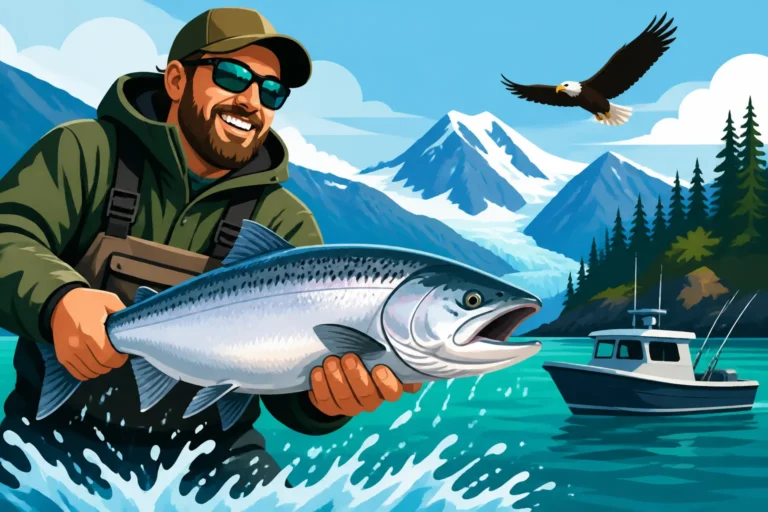
When most folks dream of fishing in Alaska, their minds often conjure images of mighty rivers teeming with salmon or vast ocean expanses where halibut lurk in the deep. It's true, those experiences are iconic, but many overlook an equally incredible, and often less crowded, opportunity: lake fishing. This guide is here to shed light on some of Alaska's best lakes, revealing the diverse species you can target, the unique experiences they offer, and how to plan your perfect freshwater adventure.
Why Lake Fishing in Alaska is a Hidden Gem
It's easy to get caught up in the hype of the big salmon runs on famous rivers, and for good reason! But thinking beyond the rivers opens up a whole new world of angling possibilities. Alaska's lakes, from the smallest roadside ponds to massive, remote glacial giants, offer a different pace, a unique array of fish, and often stunning, tranquil scenery that's hard to beat. If you've ever felt overwhelmed by the crowds on popular rivers or simply yearned for a more peaceful connection with nature while still catching incredible fish, lake fishing might just be your calling.
Beyond the Salmon Runs: Diverse Opportunities
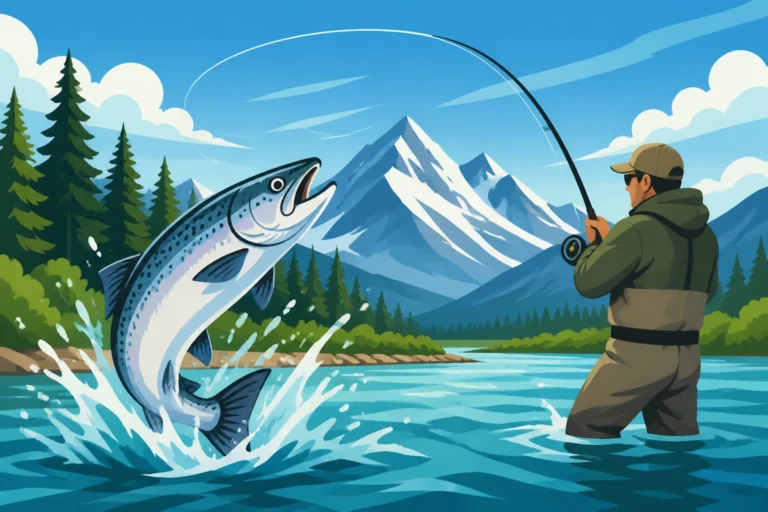
While salmon do enter some lakes, particularly systems that connect to the ocean, many of Alaska's lakes are renowned for their incredible populations of resident freshwater species. We're talking about robust rainbow trout, aggressive northern pike, elusive Arctic char, and the vibrant Arctic grayling. Each of these species offers a distinct challenge and reward, often thriving in environments where the focus isn't solely on the migratory salmon. It's a chance to broaden your angling horizons and experience a different facet of Alaska's legendary fisheries.
Imagine casting to a rising trout in a pristine alpine lake, surrounded by towering peaks, with not another soul in sight. Or perhaps battling a toothy pike in a lily-pad-laden bay, its raw power a thrilling surprise. These are the kinds of moments that often define Alaska lake fishing, offering a more intimate and varied experience than simply chasing the next silver-bright salmon upriver. It's a chance to truly explore the incredible diversity of Alaska Fish Species Guide.
Accessibility and Unique Experiences
One of the great advantages of many Alaskan lakes is their accessibility. While some of the most remote and trophy-laden lakes require a float plane or substantial hike, many others are right off the road system, making them perfect for day trips or family outings. You can launch a small boat, kayak, or simply cast from shore, all without the need for specialized river drift boats or expensive saltwater charters. This often translates to a more budget-friendly and spontaneous fishing trip.
Beyond accessibility, the sheer variety of ecosystems found in Alaska's lakes creates unique experiences. You might be fishing a clear, cold glacier-fed lake one day, and a warmer, tannin-stained boreal forest lake the next, each demanding different approaches and yielding different fish. This diversity ensures that every lake fishing trip feels like a new adventure, and it keeps you on your toes, learning and adapting your techniques. It's a fantastic way to immerse yourself in the Alaskan wilderness at your own pace.
Top Lakes for Trophy Trout and Char
When it comes to big, beautiful fish that pull hard and challenge your skills, Alaska's lakes deliver. Many of the state's most famous trout and char fisheries are lake-based, offering incredible opportunities for anglers seeking that true trophy catch.
Tustumena Lake: A Deepwater Marvel
Located on the Kenai Peninsula, Tustumena Lake is a truly massive body of water, over 25 miles long and several hundred feet deep in places. This glacial lake is a renowned spot for trophy lake trout, some of which can push well into the double digits in terms of weight. These aren't your typical stocked pond trout; Tustumena's lake trout are wild, powerful, and reside in a challenging, ever-changing environment. Anglers often troll deep with downriggers or heavy jigs to target these behemoths, especially around drop-offs and underwater structures.
Beyond lake trout, Tustumena also boasts strong runs of sockeye and silver salmon that enter the lake's tributaries to spawn. While the lake itself isn't typically fished for these salmon during their main run, the tributaries and associated lake areas can be productive. The sheer scale and wildness of Tustumena Lake make it an adventure in itself, requiring respect for its often-fierce weather and deep, cold waters. Access usually involves a boat launch from the Kasilof River or remote cabins accessed via air taxi.
Lake Iliamna: Legendary Rainbows and More
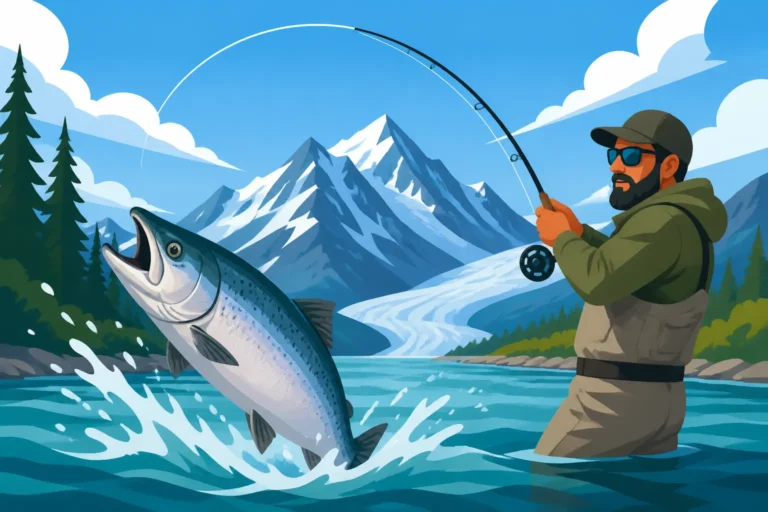
Head to the Bristol Bay region, and you'll find Lake Iliamna, a name synonymous with some of the largest wild rainbow trout in the world. This lake is truly legendary. Fed by countless salmon-rich tributaries like the Newhalen and Kvichak rivers, the rainbows here grow to incredible sizes, often exceeding 25 inches and sometimes pushing over 30 inches. These trout are opportunistic predators, gorging themselves on salmon eggs and fry, which fuels their massive growth. Anglers typically target them in the tributary mouths or along the lake's shores during the salmon runs, using flies, beads, or small lures.
But Lake Iliamna isn't just about rainbow trout. It's also home to massive lake trout, some truly gigantic northern pike, and a thriving population of Arctic char. Its sheer size – it's Alaska's largest lake – and remote location mean that while fishing lodges dot its shores, there are still vast, untouched areas to explore. Fishing here is often a multi-species affair, and the chance to hook into a rainbow that could be the fish of a lifetime is a powerful draw for anglers from around the globe. For an in-depth look at chasing these beauties, check out our guide on Alaska Rainbow Trout Guide.
Other Notable Trout and Char Lakes
While Tustumena and Iliamna might get the most press, countless other lakes across Alaska offer fantastic trout and char fishing.
- Lake Louise and Paxson Lake: These accessible lakes along the Richardson Highway in Southcentral Alaska are prime destinations for lake trout, especially in the spring and fall. Ice fishing for lake trout is also very popular here during the winter months. They also hold good populations of Arctic grayling and burbot.
- Finger Lake (near Talkeetna): A popular spot for local anglers, Finger Lake is stocked with rainbow trout and also contains resident Dolly Varden and Arctic grayling. It's a great option for a day trip from Anchorage or Wasilla, offering easy boat access and a family-friendly atmosphere.
- Wonder Lake (Denali National Park): While strictly catch-and-release and requiring a multi-day backcountry permit, the Arctic grayling in Wonder Lake are truly spectacular, offering an unparalleled fly-fishing experience against the backdrop of Denali itself. This is wilderness fishing at its finest, but be sure to understand the specific Alaska Arctic Grayling Regulations and Limits before you go.
- Skilak Lake (Kenai Peninsula): Another large, glacial lake on the Kenai, Skilak holds healthy populations of lake trout and Dolly Varden. It also receives sockeye and King salmon heading upriver, providing additional opportunities, though the lake itself is vast and can be challenging to fish effectively for salmon.
Lakes for Northern Pike and Landlocked Salmon
Beyond the trout and char, Alaska's lakes offer exciting action for other freshwater predators, providing a different kind of angling thrill.
Susitna Valley Lakes: Pike Havens
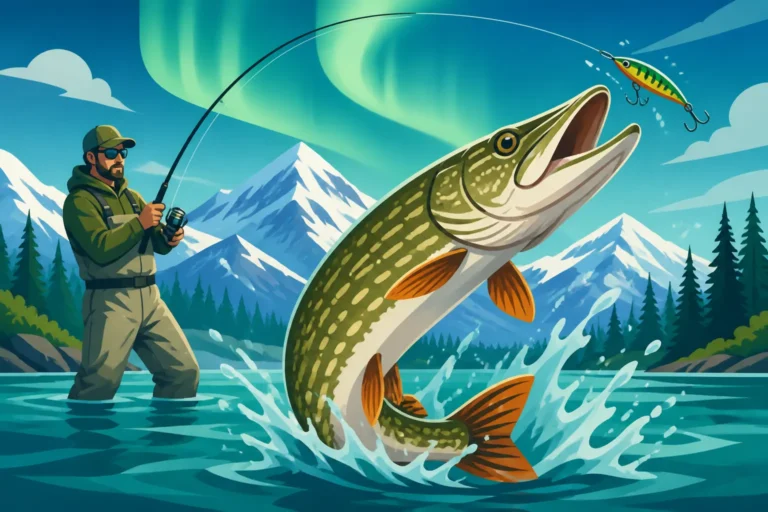
If battling toothy, aggressive northern pike sounds like your kind of fun, the lakes of the Susitna Valley, north of Anchorage, are calling your name. Lakes like Nancy Lake, Big Lake, Eightmile Lake, and the sprawling Susitna River drainage lakes are prime pike habitat. These fish thrive in the warmer, shallower, weed-choked waters of these systems. Pike are ambush predators, known for their explosive strikes and powerful fights. They'll readily hit large spoons, spinnerbaits, topwater lures, and even flies.
The popularity of pike fishing in these areas has grown immensely, and it's a fantastic alternative when salmon runs are low or regulations are restrictive. Many of these lakes are easily accessible by road, making them ideal for those traveling with a boat or even just a canoe or kayak. Be prepared for some serious action, and remember that pike have sharp teeth, so a pair of pliers and a jaw spreader are essential for safe handling. Familiarize yourself with the Alaska Northern Pike Regulations and Limits as some areas have liberal limits to help control their populations where they are invasive.
Landlocked Salmon Hotspots
While most salmon are anadromous (migrating from fresh to saltwater and back), some lakes in Alaska hold unique populations of landlocked salmon. These fish complete their entire life cycle within a freshwater system, offering a distinct fishing experience.
- Campbell Lake (Anchorage): Right in the heart of Anchorage, Campbell Lake is a surprisingly productive spot for landlocked salmon, specifically King salmon. Stocked regularly, these fish provide exciting action, especially for urban anglers. While they don't reach the size of their ocean-going cousins, they offer a great fight on lighter tackle. It's a fantastic local resource for residents and visitors alike, particularly for those looking for fishing close to the city.
- Eklutna Lake (near Anchorage): This stunning glacial lake, nestled in the Chugach Mountains, is known for its incredible populations of Dolly Varden and a unique landlocked sockeye salmon run. The Dolly Varden here are plentiful and aggressive, readily taking spoons, spinners, or flies. The landlocked sockeye, while smaller than their ocean-run relatives, still provide a fun challenge and are a testament to Alaska's diverse fisheries. Access is via a paved road, and the lake is popular for kayaking and hiking, offering a true multi-sport experience.
Planning Your Alaska Lake Fishing Adventure
Embarking on a lake fishing trip in Alaska requires a bit of preparation, but the rewards are well worth it. From understanding the right gear to navigating regulations, a little homework goes a long way.
Gear and Techniques for Lake Success
The gear you'll need for lake fishing in Alaska really depends on your target species. For aggressive northern pike, a medium-heavy spinning or baitcasting setup with 20-30 lb braided line and a steel leader is a must. Large spoons (like Daredevils or Five of Diamonds), spinnerbaits, and topwater frogs are excellent choices.
For rainbow trout and Arctic char in larger lakes, a medium-action spinning rod with 8-12 lb fluorocarbon or monofilament line is versatile. Trolling with spoons (like a Luhr-Jensen Kwikfish or a Dick Nite spoon) or plug cut herring can be effective. If you're fly-fishing, a 6-8 weight rod with a floating or intermediate line is a good starting point, using streamers, leeches, or egg patterns, especially during salmon spawning periods. For detailed fly-fishing tips, check out How to Fly Fish in Alaska. Remember that specific lakes and species will dictate the best approach, so always do some research on your chosen destination. A comprehensive guide like Alaska Fishing Gear and Tackle Guide can also provide valuable insights.
Navigating Regulations and Access
Alaska's fishing regulations can be complex, and they often vary by region, lake, and even time of year. Before you cast a single line, you absolutely must obtain an Alaska Fishing License: Complete Guide and then consult the current Alaska Fishing Regulations Explained booklet published by the Alaska Department of Fish and Game (ADF&G). Pay close attention to bag limits, size restrictions, gear restrictions (e.g., bait prohibitions, single-hook rules), and any emergency orders that might be in effect. Many lakes, especially those on the road system or within state parks, also have specific rules regarding boat horsepower, camping, and other activities.
Access to lakes can range from developed boat launches to remote float plane drop-offs. For road-accessible lakes, simply driving up and finding a spot is often feasible. For larger lakes, a sturdy boat is usually necessary. If you're heading into the backcountry, ensure you have appropriate permits, safety gear, and a solid understanding of wilderness navigation.
Here's a quick reference for some common lake species and their general best fishing times:
| Lake Fish Species | Best Time to Fish (General) | Common Techniques | Notes |
|---|---|---|---|
| Rainbow Trout | Spring, Summer, Fall | Trolling, Casting lures/flies, Bait fishing (where allowed) | Often follow salmon runs for eggs/fry |
| Lake Trout | Spring (shallows), Summer (deep), Fall, Ice Fishing | Trolling deep, Jigging, Heavy casting lures | Prefer cold water, often large |
| Northern Pike | Late Spring, Summer | Casting spoons/spinnerbaits, Topwater, Fly fishing | Found in weed beds, aggressive biters |
| Arctic Char | Summer, Fall, Ice Fishing | Casting small lures/flies, Jigging | Similar to Dolly Varden, often in clear, cold water |
| Arctic Grayling | Summer | Dry flies, Nymphs, Small spinners | Distinctive large dorsal fin, found in clear waters |
| Dolly Varden | Summer, Fall | Spinners, Spoons, Flies, Bait (where allowed) | Often follow salmon runs for eggs, found in many lakes |
Finding Guides and Accommodations
While lake fishing often lends itself to DIY trips, hiring a local guide can significantly enhance your experience, especially if you're targeting a specific species or exploring a new, large lake. Guides possess invaluable knowledge of local hotspots, current conditions, and effective techniques. Many professional guides specialize in freshwater trips, whether it's fly-fishing for rainbow trout or chasing pike in the Susitna Valley. Websites like FishingBooker can be a great resource to browse and compare different guides and charters for various lakes across Alaska, reading reviews and seeing what specific services they offer.
For accommodations, options range widely. Many accessible lakes have nearby campgrounds, lodges, or cabins available for rent. In more remote areas, you might find wilderness lodges that offer all-inclusive packages, including guided fishing and rustic lodging. For the truly adventurous, backcountry camping by foot or float plane allows for an immersive wilderness experience. Whether you choose to go completely unguided or opt for the expertise of an Alaska Fishing Charters: Complete Guide, doing your research on How to Choose an Alaska Fishing Charter will ensure a smooth trip.
No matter where you choose to drop a line, Alaska's lakes offer a truly spectacular angling experience. They represent a wild, often overlooked, side of the Last Frontier's fishing scene, promising tranquility, diverse catches, and unforgettable memories.
Disclaimer
The information provided in this guide is for general informational purposes only. Alaska fishing regulations are subject to change rapidly due to emergency orders and in-season adjustments by the Alaska Department of Fish and Game (ADF&G). It is the angler's responsibility to consult the most current ADF&G regulations booklet and any active emergency orders before fishing. Fishing conditions, species availability, and access can vary greatly. Always prioritize safety and practice responsible angling.