Alaska Fishing Limits and Bag Limits Explained
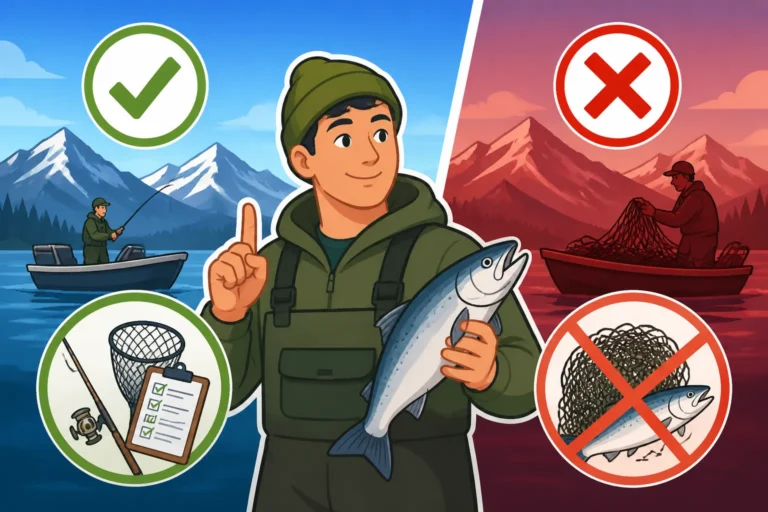
Alright, let's talk about fishing in Alaska. You're probably picturing those incredible photos of massive salmon and barn-door halibut, right? But before you even think about dropping a line, there's this nagging worry: "What are the rules? How much can I keep? Am I going to accidentally break the law?" It's a completely valid concern, and honestly, the regulations can feel like a labyrinth. This guide is here to untangle the complexities of Alaska fishing limits and bag limits, helping you understand the ins and outs so you can focus on the thrill of the catch, not the fear of a fine.
Understanding the Basics of Alaska Fishing Regulations
Alaska's fishing regulations are designed to protect its precious fish stocks while still allowing anglers like us to enjoy the bounty. It's a delicate balance, and because the state's fisheries are so dynamic, the rules often change. This can be frustrating, especially for visitors or those new to a specific area. But understanding the core principles behind these regulations is your first step to a successful and legal fishing trip.
Why Bag Limits Exist
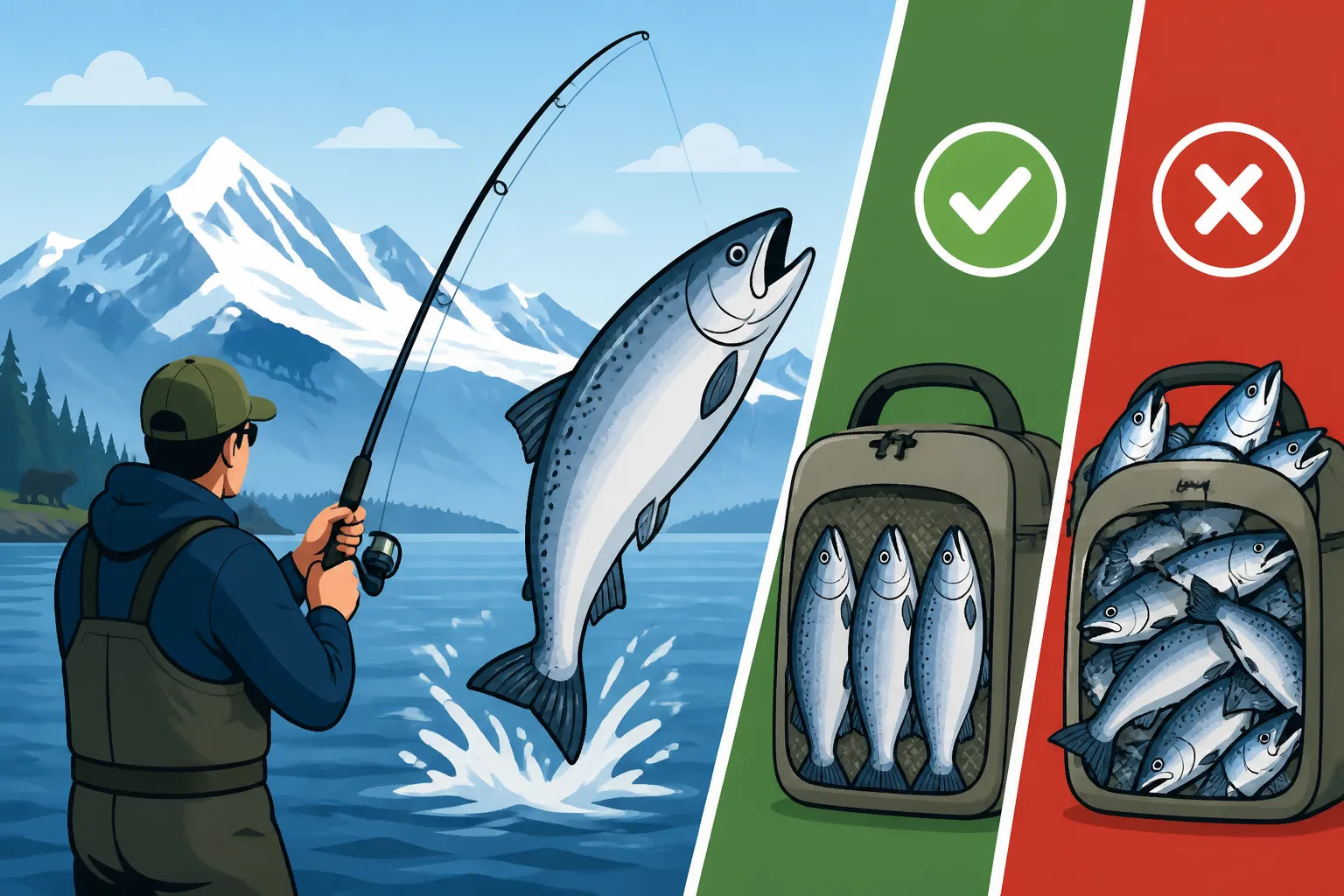
Bag limits aren't just arbitrary numbers; they're vital conservation tools. Think about it: Alaska is home to some of the most prolific fisheries in the world, but even here, fish populations can be sensitive to fishing pressure, environmental changes, and even the natural cycles of salmon runs. Bag limits help ensure that enough fish escape to spawn, guaranteeing future generations of salmon, halibut, and trout for everyone to enjoy. Without these limits, even with millions of fish returning, a free-for-all could quickly deplete local runs, leading to closures and long-term damage. They’re a way for us, as anglers, to do our part in sustainable fishing.
Moreover, these limits often consider factors like the species' lifespan, reproductive rates, and overall health of the stock in specific river systems or ocean areas. For instance, a species like King Salmon, which can take several years to mature and often faces environmental challenges, will naturally have more restrictive limits than, say, Pink Salmon, which have a much shorter life cycle and typically return in massive numbers. It's all about ensuring that we leave enough fish for tomorrow.
Key Regulatory Agencies
When you're trying to figure out the rules, it's easy to get overwhelmed by acronyms and official-sounding names. In Alaska, the primary authority for setting and enforcing sport fishing regulations is the Alaska Department of Fish and Game (ADF&G). These are the folks who conduct all the scientific studies, monitor fish populations, and propose regulatory changes. They work closely with the Alaska Board of Fisheries, a group of Alaskans appointed by the governor, who review proposals and make the final decisions on sport, commercial, and subsistence fishing regulations.
Beyond the state level, if you're venturing into federal waters, particularly for species like halibut in the Gulf of Alaska or Bering Sea, you'll also encounter regulations set by the National Oceanic and Atmospheric Administration (NOAA) Fisheries and managed by the International Pacific Halibut Commission (IPHC). This dual layer of state and federal oversight, while sometimes confusing, is critical for managing highly migratory species that cross jurisdictional lines. Always double-check whose rules apply to your specific fishing location, especially when you're out on the open ocean.
The Importance of the Annual Regulation Booklet
I cannot stress this enough: your best friend in Alaska fishing is the current year's sport fishing regulation booklet. Seriously, don't leave home without it, or at least have the digital version downloaded on your phone. These booklets, published annually by the ADF&G, compile all the rules, limits, and seasons for every region and most major water bodies in the state. They’re designed to be comprehensive and, frankly, they're often the most accurate and up-to-date resource you'll find. You can usually pick up a physical copy at most sporting goods stores like Cabela's or Bass Pro Shops in Anchorage or Fairbanks, or even local gas stations and general stores throughout the state.
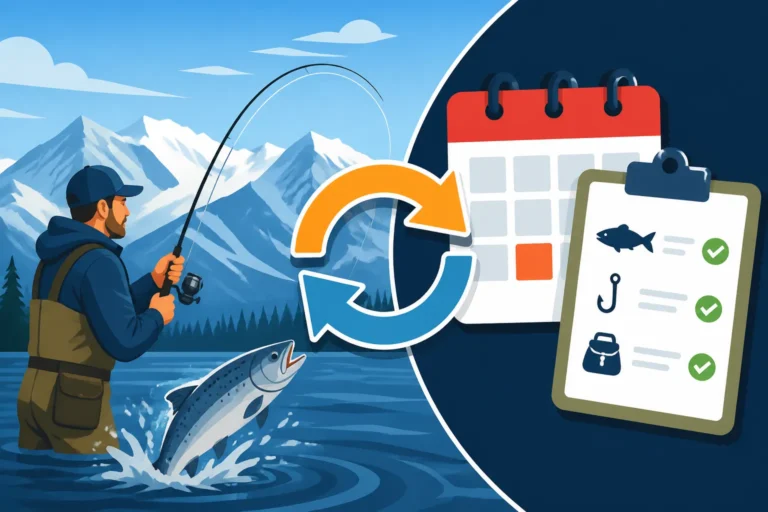
If you prefer digital, the ADF&G website has them readily available for download. They're typically organized by region, making it easier to navigate to the specific area you plan to fish. Before every trip, or even just before heading out for the day, make it a habit to quickly review the pertinent sections. Believe me, a few minutes of reading can save you a lot of headache (and potential fines) down the line. It's also a good idea to bring a highlighter and mark the sections relevant to your trip, making it easier to reference on the water. For an even deeper dive, consider our full guide on How to Read Alaska Fishing Regulations.
General Statewide Possession and Bag Limits
Beyond the species-specific rules, there are overarching concepts you need to grasp when it comes to limits in Alaska. These general rules apply to most sport fisheries and are crucial for understanding the total number of fish you can legally retain. Ignoring these can lead to honest but costly mistakes, which is the last thing anyone wants on their dream Alaska fishing trip.
Daily vs. Possession Limits
This is where many anglers get confused, and it’s a critical distinction. A daily bag limit is the maximum number of a specific species you can keep in a single day. So, if the daily limit for King Salmon is one, you can only keep one King Salmon today. A possession limit refers to the maximum number of a species an individual can have in their possession at any given time, whether it's on your boat, in your cooler, at your camp, or back at your lodge. Usually, the possession limit is twice the daily bag limit.
Let’s say the daily limit for Sockeye Salmon is three, and the possession limit is six. On Monday, you catch and keep three sockeye. On Tuesday, you go out again. You can still catch and keep three more sockeye on Tuesday. But you cannot have more than six sockeye total in your possession at any point. So, if you kept three on Monday, and another three on Tuesday, you’ve reached your possession limit. You would need to process and ship some of your fish home or consume them before you could legally keep more on a subsequent day. This is particularly important for multi-day trips or when visiting different areas. Understanding these nuances is key to avoiding Alaska Fishing Violations and Fines.
Annual Limits for Specific Species
Some of Alaska's most prized fish species, especially King Salmon, have additional restrictions in the form of annual limits. This limit dictates the total number of a particular fish you, as an individual, can keep within an entire calendar year, particularly if you're a non-resident. For example, a non-resident might be limited to an annual total of two King Salmon from specific drainages or areas. This is usually implemented to further protect vulnerable populations, ensuring that the pressure isn't too high on a specific stock over the entire season.
If you catch and keep a fish that counts towards an annual limit, you are often required to immediately record it on your physical or digital sport fishing license. This might be on an actual punch card, or on a section of your paper license itself. For non-residents, these annual limits often differentiate between "guided" and "unguided" catches or specify different limits for different regions. Always review the annual limits carefully for the species you intend to target, especially King Salmon and sometimes Steelhead. You definitely want to know if Do You Need a King Salmon Stamp in Alaska and how it ties into these annual limits.
What to Do with Your Catch
So, you’ve caught your fish and stayed within the limits. What next? The moment a fish is retained, it counts towards your bag and possession limits. If you're on a multi-day trip, especially if you're moving between fishing locations, you need a plan for your catch. Many lodges and charter operations offer fish processing services, which can include filleting, vacuum-sealing, and freezing your fish. They often also handle packaging and shipping directly to your home state.
If you're going the DIY route, you'll need coolers, ice, and possibly a portable vacuum sealer to preserve your fillets. Remember that fish must remain in a condition that allows for species identification until you get them to your final destination for consumption or processing. This typically means keeping a portion of the skin on your fillets. If you're shipping fish out of Alaska, there are specific guidelines and approved shippers. Always check with your airline if you're flying with frozen fish as checked baggage. For detailed information on this, you might find our guide on Alaska Fish Transport and Shipping Rules helpful.
Diving Deep into Salmon Bag and Size Limits
Salmon are, without a doubt, the superstars of Alaska fishing. Millions return to spawn each year, creating legendary fisheries across the state. However, not all salmon are created equal when it comes to regulations. Their individual life cycles, population health, and economic importance mean that each species has its own set of rules, often varying dramatically by river, region, and even time of year.
King Salmon Limits and Annual Non-Resident Caps
King Salmon (Chinook) are the undisputed monarchs of Alaska's fresh and saltwater fisheries. Their size, fighting prowess, and delectable meat make them a top target. Unfortunately, King Salmon populations have faced challenges in recent years, leading to some of the most stringent and frequently changing regulations. For non-residents, annual limits are almost universally applied, often capping catches at 1-3 Kings per year, depending on the management area. For example, in certain areas, the annual limit for a non-resident might be one King Salmon 28 inches or greater, and then perhaps a second King Salmon under 28 inches, with a total annual cap of two. These specific numbers are subject to change annually and even in-season via emergency orders.
Daily and possession limits for Kings are usually quite low – often just one per day in many areas, sometimes with size restrictions (e.g., minimum size of 20 or 28 inches, or maximum size restrictions). You’ll also often encounter a requirement for a King Salmon stamp, even if you’re only targeting other species but a King Salmon might be incidentally caught. Always check the specific regulations for the river or marine area you plan to fish. For instance, the Kenai River, famous for its giant Kings, has seen highly restrictive seasons and even full closures in recent years to protect dwindling runs. Knowing the current Alaska King Salmon Fishing Regulations and Limits is crucial.
Sockeye Salmon Limits by River System
Sockeye Salmon (Red Salmon) are arguably the most iconic salmon species for many Alaskans, especially for personal use fisheries, thanks to their incredible numbers and rich, red meat. While King Salmon rules are usually tight, Sockeye limits can be incredibly generous, particularly in robust systems like the Kenai River, Russian River, and Bristol Bay drainages. In these areas, daily bag limits can be as high as 3-6 sockeye per day during the peak of the run, with possession limits often double that.
However, even with large runs, specific river systems will have their own distinct limits. The Kenai River, for example, often has different daily limits for Sockeye depending on whether you are fishing in the upper river versus the lower river, and these limits are subject to change based on ADF&G escapement goals (the number of fish that "escape" fishing pressure to spawn). It's vital to know the specific regulations for areas like the Alaska Kenai River Sockeye Recording Rules if you plan to partake in these popular fisheries. Sometimes, during particularly strong runs, emergency orders might even increase the daily bag limits for a short period, allowing anglers to harvest more fish.
Coho, Pink, and Chum Salmon Regulations
While Kings and Sockeye often steal the spotlight, Coho (Silver), Pink (Humpy), and Chum (Dog) Salmon are also incredibly important to Alaska's fisheries and have their own sets of regulations.
-
Coho Salmon (Silver Salmon): These are fantastic sport fish, known for their aggressive bites and acrobatic fights. Coho typically arrive later in the summer, from August through September. Daily bag limits for Coho are generally more liberal than Kings, often 2-3 per day, with possession limits typically double that. There are rarely annual limits for Coho, making them a consistent target throughout their run. Areas like the Kenai Peninsula and the rivers of Southeast Alaska are famous for their Coho runs. You can find specific rules for Alaska Coho Salmon Bag Limits.
-
Pink Salmon (Humpy Salmon): Pink Salmon are the most numerous Pacific salmon species in Alaska, returning in massive "even-year" and "odd-year" runs, especially in Southeast and Southcentral Alaska. Their sheer abundance means bag limits are often very generous, with daily limits of 3-6 or even higher in many areas, and possession limits to match. They're a great target for families and beginners due to their aggressive nature and willingness to bite. While sometimes overlooked for table fare, Pinks can be excellent when caught fresh and properly prepared. Detailed Alaska Pink Salmon Regulations can be found in the ADF&G booklet.
-
Chum Salmon (Dog Salmon): Chum Salmon are also plentiful and play a vital role in the ecosystem. While not always the top choice for consumption for some anglers, they offer a powerful fight and are excellent smoked or canned. Limits for Chum Salmon are usually quite liberal, similar to Pink Salmon, with daily bags often in the 3-6 range. Like Pink Salmon, Chum runs are generally robust, and regulations typically reflect their abundance. Look for Alaska Chum Salmon Regulations in the specific region you're fishing.
Salmon Species Bag Limit Summary (General Guidelines – Always Consult Current ADF&G Regulations)
| Species | Typical Daily Limit (Resident/Non-Resident) | Typical Possession Limit | Non-Resident Annual Limit (Common) | Notes |
|---|---|---|---|---|
| King Salmon | 1 (often with size restrictions) | 2 | 1-3 (area-dependent) | Most restrictive; frequently changing; King Salmon stamp often required. |
| Sockeye Salmon | 3-6 (river-dependent) | 6-12 | None | Varies widely by river system and run strength; popular for personal use. |
| Coho Salmon | 2-3 | 4-6 | None | Excellent sport fish; strong fighters; late summer runs. |
| Pink Salmon | 3-6+ | 6-12+ | None | Most abundant; usually even-year dominant in some areas; great for beginners. |
| Chum Salmon | 3-6+ | 6-12+ | None | Strong fighters; great smoked; often caught alongside Pinks. |
Note: This table provides general examples. Actual limits can vary drastically by specific fishery, region, and in-season emergency orders. Always verify with the current ADF&G regulations booklet.
Halibut Regulations: Daily, Annual, and Size Restrictions
Halibut fishing in Alaska is a bucket-list experience for many. These giant flatfish can grow to enormous sizes, offering a truly powerful fight and providing a bounty of delicious white meat. However, due to their popularity and the need for sustainable management, halibut regulations are some of the most complex, especially for those fishing on guided charters. The rules often differentiate between charter and un-guided anglers, include specific size restrictions, and even implement weekly closures.
Charter vs. Un-guided Halibut Limits
This is perhaps the most significant distinction in Alaska halibut regulations. If you're fishing on a guided charter boat (even if it's a private charter with just your group), the rules are typically more restrictive than if you're fishing from your own boat or with a friend who isn't a licensed guide. The reasoning is that charter operations account for a large portion of the overall halibut harvest, and tighter regulations help manage that pressure.
For charter anglers, daily bag limits in most areas (like Southcentral Alaska around Homer and Seward) are often one halibut per person, with an annual limit that is sometimes 4-6 fish. Additionally, there are frequently size restrictions and specific "two-fish" rules where only one of your two annual fish can be of a certain larger size. For un-guided anglers, the daily bag limit is typically two halibut, with less stringent (or no) annual limits and fewer size restrictions, generally allowing two halibut of any size per day. It’s a huge difference and something you absolutely need to clarify before you go. Make sure you understand Alaska Halibut Charter Regulations Explained if you're planning on booking a trip with a guide.
The Reverse Slot Limit Explained
One of the most unique and often confusing aspects of Alaska halibut regulations for charter anglers is the reverse slot limit. Instead of a minimum size limit, many charter fisheries have a maximum size limit for one of the two halibut you are allowed to keep in your annual limit. For example, a common reverse slot limit might state that charter anglers can keep one halibut of any size, but their second halibut must be 40 inches or less, or even 28 inches or less, depending on the year and management area.
The purpose of this reverse slot limit is to protect the larger, older, and more reproductively valuable female halibut (which are almost always the biggest fish). By encouraging the release of these "barn door" halibut and allowing retention of smaller "chicken" halibut, managers hope to ensure the long-term health of the halibut stock. While it can be heartbreaking to release a monster halibut, it's a crucial conservation measure. Always be prepared with a good tape measure on board and know the exact dimensions of the current slot limit.
Thursday Closures and GAF Programs
To further manage fishing pressure, especially in busy areas like Cook Inlet and Prince William Sound, some halibut charter fisheries implement weekly closures. Historically, Thursday has been a common closure day for charter halibut fishing in these areas, meaning charter boats cannot target or retain halibut on those days. This provides a "rest day" for the fishery and helps distribute the harvest over the season. These closures are announced well in advance but can sometimes change, so always consult the most current regulations.
Additionally, the Guided Angler Fish (GAF) Program is a significant element of halibut management. This program allows charter operators to acquire "GAF permits" or quota from the commercial sector, which then allows their clients to retain additional halibut beyond the standard charter limits, often including a second halibut of any size. If you're looking to maximize your halibut take on a charter, finding an operator participating in the GAF program can be a huge advantage. However, there's usually an additional cost associated with GAF fish, as the charter operator has purchased that quota. Be sure to discuss GAF options with your charter captain if catching more halibut is a priority. For detailed information on this, check out Alaska Halibut GAF Program Explained.
Freshwater Species: Trout, Char, Grayling, and Pike Limits
While salmon and halibut often get all the glory, Alaska's freshwater fisheries offer incredible opportunities for diverse and exciting angling. From the feisty Rainbow Trout to the elusive Arctic Grayling, these species have their own unique charm and, of course, their own specific set of regulations designed to protect their unique habitats and populations.
Rainbow Trout and Steelhead Rules
Alaska's Rainbow Trout are legendary, particularly the large, anadromous (sea-run) variety found in certain systems, and the resident populations in pristine lakes and rivers. Regulations for Rainbow Trout and their sea-run counterparts, Steelhead, are often complex and highly localized. In many sensitive areas, especially on rivers like the Kenai and the Russian River, Rainbow Trout fishing is strictly catch-and-release only, or has very restrictive size slots (e.g., only keeping fish between 16-20 inches) with a low daily bag limit (often one). These measures protect the larger, trophy-sized fish that contribute significantly to the breeding stock and overall health of the fishery.
Steelhead are particularly vulnerable and often have the most restrictive rules, with many areas requiring mandatory catch-and-release, often with single, barbless hooks. If retention is allowed, it's typically a very low annual limit, sometimes as little as one per year, requiring immediate recording on your license. The best practice for both Rainbow Trout and Steelhead is to assume catch-and-release unless the regulations explicitly state otherwise. Always use proper handling techniques to minimize harm to released fish, as outlined in Alaska Catch-and-Release Best Practices. Familiarize yourself with Alaska Rainbow Trout Regulations before heading out.
Dolly Varden and Arctic Char Limits
Dolly Varden and Arctic Char are often mistaken for each other, and for good reason—they’re closely related and often share similar habitats. Both are beautiful, aggressive char species that can be found in a wide range of freshwater (and sometimes saltwater coastal) environments across Alaska. Regulations for Dolly Varden and Arctic Char are typically more liberal than those for Rainbow Trout, reflecting their generally robust populations.
Daily bag limits for Dolly Varden and Arctic Char often range from 2-5 fish per day, with possession limits usually double the daily. Size limits are less common but can exist in specific sensitive areas. They're popular targets in many Southcentral and Southeast Alaska rivers and lakes, offering consistent action. It's always a good idea to double-check the ADF&G regulations for the specific body of water you'll be fishing, as localized rules can sometimes apply, especially in high-pressure areas or unique ecosystems.
Arctic Grayling and Northern Pike Regulations
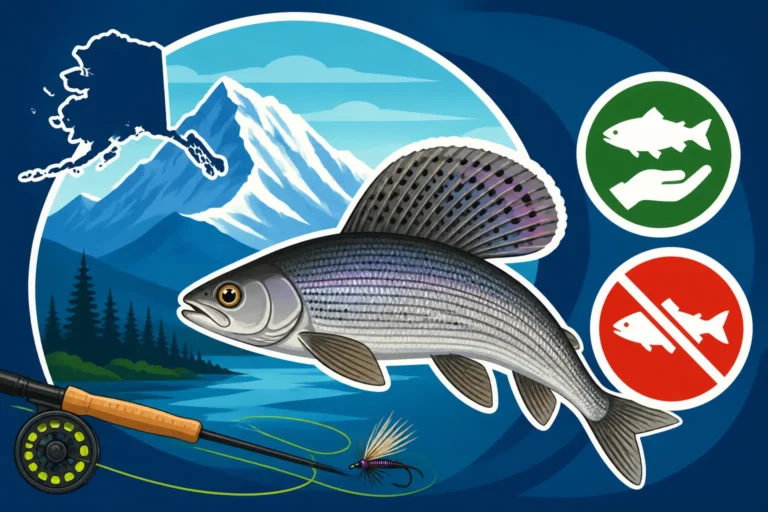
Arctic Grayling, with their distinctive sail-like dorsal fin, are a favorite among fly anglers and those seeking a quintessential Alaskan freshwater experience. They inhabit clear, cold streams and lakes across much of Interior and Southcentral Alaska. Regulations for Arctic Grayling are generally moderate, with daily bag limits often around 5 fish per day, and possession limits of 10. In some trophy management areas, there might be lower limits or size restrictions to protect larger individuals. They are sensitive to overfishing due to their slow growth rates in colder climates, so respecting limits is especially important.
Northern Pike are an invasive species in some parts of Southcentral Alaska, particularly in the Susitna Valley and Anchorage bowl lakes, where they prey on native salmon and trout. In these areas, ADF&G actively encourages anglers to harvest pike, often with no bag or possession limits, and in some cases, you are not allowed to release them alive if caught. However, in their native range (primarily Interior and Western Alaska), Northern Pike are considered a native sport fish, and more conservative bag limits (e.g., 5 per day) are in place. It's absolutely crucial to know if you're in an area where pike are invasive or native, as the regulations (and your ethical responsibility) will differ dramatically.
Other Saltwater Species: Lingcod, Rockfish, and Pacific Cod
Beyond the famous halibut and salmon, Alaska's vast marine waters teem with a diverse array of other delicious and exciting bottomfish and pelagic species. Targeting these often provides a great complement to a salmon or halibut trip, adding variety to your cooler and your angling experience. However, just like their more famous counterparts, these species have their own set of specific regulations, often involving size, season, and aggregate limits.
Lingcod Size and Season Restrictions
Lingcod are aggressive, toothy predators that offer a truly powerful fight and yield excellent white meat. They are typically found in rocky, deep water habitats, often caught incidentally while halibut fishing. Due to their slow growth rate and relatively long lifespan, Lingcod regulations are often quite strict.
Common regulations for Lingcod include both minimum and maximum size limits, creating a slot limit (e.g., minimum 35 inches, maximum 45 inches). This protects both juvenile fish and the large, reproductively valuable older females. Daily bag limits are usually low, often one per day, with low possession limits (e.g., two). Furthermore, there are often specific seasons when Lingcod can be harvested, with closures in place during their spawning periods to protect vulnerable populations. It's essential to consult the specific regulations for the marine area you're fishing, as limits can vary between regions like Southeast and Southcentral Alaska. You'll definitely want to check the Alaska Lingcod Season and Size Limits before planning your trip.
Rockfish Retention, Deepwater Release, and Aggregate Limits
Alaska is home to numerous species of rockfish, including popular targets like Yelloweye Rockfish, Black Rockfish, and a host of others. Rockfish are long-lived and incredibly sensitive to changes in pressure, especially barotrauma (the expansion of gases in their swim bladder) when brought up from deep water. Because of this, regulations are carefully crafted to ensure their sustainability.
Daily bag limits for rockfish often combine multiple species into an aggregate limit, meaning you can keep a certain total number of rockfish, but only a smaller number of a specific, more vulnerable species like Yelloweye. For example, you might be allowed four rockfish total, but only one of those can be a Yelloweye. Additionally, deepwater release devices are mandatory in many areas when fishing for rockfish (and sometimes other bottomfish) in deeper waters (typically 60 feet or more). These devices allow you to return a released rockfish to the depth it was caught, recompressing its swim bladder and significantly increasing its survival chances. Many charter boats will have these on hand, but if you're fishing unguided, you'll need to acquire one. This regulation is a critical part of Alaska Rockfish Deepwater Release Device Rules and angler responsibility.
Pacific Cod and Other Bottomfish
Pacific Cod are another abundant and delicious species found in Alaska's marine waters. While not always a primary target for sport anglers, they are often caught incidentally while targeting halibut or other bottomfish. For Pacific Cod, regulations are generally quite liberal, often with no bag or possession limits in many sport fisheries, reflecting their widespread abundance and robust populations. They provide excellent white fillets, similar to true cod, and are a welcome bonus to any saltwater fishing trip.
Beyond cod and rockfish, depending on your location, you might also encounter other species like Sablefish (Black Cod), Greenling, or Flounder. While some of these might fall under general "other bottomfish" categories with relatively generous limits, it’s always best practice to consult the ADF&G regulations for any specific rules that might apply to less common species you might encounter. The goal is to always be informed and prepared for whatever bites your hook!
Regional Variations and Emergency Orders
One of the biggest challenges for anglers in Alaska is the sheer dynamic nature of the regulations. Alaska is a massive state, with incredibly diverse ecosystems, and what's legal and ethical in one region might be completely different just a few hundred miles away. Add to that the constant monitoring of fish runs and the issuance of emergency orders, and staying compliant can feel like a full-time job.
How Regions Impact Bag Limits
Alaska is divided into numerous sport fishing regulatory regions, such as Southeast, Southcentral, Interior, Arctic-Yukon-Kuskokwim, and Southwest. Each region has its own specific regulation booklet, and within those regions, rules can vary even further by management area, river system, or bay. For example, the King Salmon limits on the Deshka River in Southcentral Alaska can be vastly different from those on a river in Southeast Alaska, like the Stikine. The run timing, population health, and fishing pressure are all unique to each area, necessitating tailored management.
It's common for an angler to visit multiple regions on a single trip. If you're fishing in the salt near Seward for halibut and then driving up to the Kenai River for sockeye, you'll be dealing with completely different sets of rules and limits. This is why having access to the specific ADF&G regulations for each area you plan to visit is non-negotiable. Don't assume that a rule you learned in Homer applies in Valdez, or that a limit in the Mat-Su Valley is the same on Kodiak Island. Our guide to Alaska Fishing Regulations by Region offers a great overview to help you navigate this complexity.
Understanding Emergency Orders and In-Season Changes
This is perhaps the most critical, and often frustrating, aspect of Alaska fishing regulations. Due to the dynamic nature of fish runs – influenced by everything from ocean conditions to water levels – the ADF&G constantly monitors escapement (the number of fish passing counting stations) against pre-set goals. If a run is weaker than anticipated, or stronger, they can issue emergency orders (EOs) that modify regulations in-season. These changes can happen with little notice and can include:
- Closures: Entire fisheries (e.g., a specific river section for King Salmon) might close to retention, or even to all fishing, for a period or for the rest of the season.
- Reduced Bag Limits: The daily bag limit for a species might be lowered.
- Gear Restrictions: Anglers might be restricted to single, barbless hooks, or bait might be prohibited.
- Increased Bag Limits: In rare cases of exceptionally strong runs, bag limits might be temporarily increased.
The challenge is that these EOs supersede the printed regulation booklet. So, while the booklet is your foundational guide, you absolutely must check for current emergency orders before each day you go fishing. Failing to do so can easily lead to a violation, even if you were following the printed rules. Understanding Alaska Fishing Emergency Orders Explained is crucial for any responsible angler.
Where to Find Up-to-Date Information
So, how do you stay on top of these constant changes? The ADF&G offers several reliable ways to get the most current information:
- ADF&G Website: The official Alaska Department of Fish and Game website is your primary source. They have dedicated sections for sport fishing news releases and emergency orders, usually organized by region. This is where you'll find the official announcements as soon as they are issued.
- ADF&G News Release Subscription: You can sign up for email notifications from ADF&G to receive alerts about emergency orders and regulation changes for specific regions directly in your inbox. This is an invaluable tool, especially if you're planning a trip to a particular area.
- Local Tackle Shops and Guides: Once you're on the ground in Alaska, local tackle shops, sporting goods stores, and your chosen fishing guide (if you have one) are excellent sources of real-time information. They live and breathe these regulations and are often the first to know about changes. Guides, especially, will be intimately familiar with the specific rules for their operating area.
- Social Media: The ADF&G often posts updates on their social media channels (e.g., Facebook), which can be another quick way to see breaking news, though it's always best to verify with their official website.
I can't emphasize enough the importance of checking emergency orders daily. A rule that was in effect yesterday might be different today. Imagine flying all the way to Alaska, landing a beautiful King, only to find out it was a closed retention day. It happens, and it's a gut punch. A quick check of the ADF&G website each morning can prevent that heartbreak. You can often find the official regulation booklets and current emergency order updates easily by searching "Alaska Department of Fish and Game sport fishing regulations" on any search engine or even on platforms like Amazon if you're looking for physical copies of fishing guides or maps.
Common Mistakes and How to Avoid Violations
Even with the best intentions, it's easy to make mistakes when navigating Alaska's complex fishing regulations. The rules are intricate, fish species can be tricky to identify, and in-season changes add another layer of challenge. Understanding the most common pitfalls can help you avoid unwelcome encounters with Alaska Wildlife Troopers and ensure your trip remains focused on the joy of fishing.
Misidentifying Species
This is a very common error, especially for those new to Alaskan waters, and it can lead directly to violating bag limits. For example, some anglers struggle to differentiate between King Salmon and large Coho Salmon, or between certain types of rockfish. While experienced anglers might scoff, it's genuinely tricky, especially when fish are fresh out of the water or if you're unfamiliar with their specific identifying features. The consequences can be severe if you accidentally keep a species that is closed, has a lower limit, or requires a special stamp you don't possess.
To avoid this, invest time in learning how to identify the fish you're targeting and those you might incidentally catch. The ADF&G regulation booklet often includes helpful identification charts. Many online resources and books available on Amazon also provide excellent visual guides. If you're unsure about a fish, the safest bet is to release it carefully, or if you're with a guide, ask for immediate clarification. When in doubt, let it go. Our guide on How to Identify Alaska Salmon Species can be a useful tool for familiarizing yourself with the nuances.
Not Checking Daily for Emergency Orders
As discussed, emergency orders can change regulations with very little notice. This is not a "check once at the beginning of your trip" kind of situation. Imagine you're fishing the Kenai River for King Salmon. You checked the regulations on Monday, and it said you could keep one King. You go out Tuesday morning, unaware that an emergency order was issued Monday evening closing retention. You catch a King, keep it, and suddenly you're in violation.
This scenario plays out every season. The responsibility falls squarely on the angler to know the current rules. Make it a routine: every morning before you head out, pull up the ADF&G website on your phone, or check with your charter captain or local tackle shop. Many local radio stations or news outlets in fishing communities will also announce major changes. This simple habit can save you significant grief and ensure you're always fishing legally and ethically.
Improperly Recording Your Catch (Harvest Record Card)
For certain species, particularly King Salmon, Steelhead, and often the larger Halibut caught by charter clients, you are required to immediately record your catch on your sport fishing license or a separate Harvest Record Card. This might involve punching out a notch, writing down the date and species, or providing other details. This is not something you can do later that evening back at the lodge. "Immediately" means as soon as the fish is retained and dispatched.
This recording requirement helps ADF&G monitor harvest numbers in real-time and ensures compliance with annual limits, especially for non-residents targeting King Salmon. Failing to properly or immediately record a fish can be considered a violation, even if you were within your bag limit. It's a small but critical detail. Make sure you understand What Is the Alaska Harvest Record Card and how to properly fill it out for any species you're required to record. Have a pen or a punching tool ready and keep your license accessible when fishing for these regulated species.
Planning Your Alaska Fishing Adventure Within Limits
Planning a fishing trip to Alaska is a thrilling endeavor, and understanding the regulations upfront will make your experience infinitely better. The state's commitment to sustainable fisheries means that the rules are often dynamic and specific, but they exist for a good reason: to preserve these incredible resources for generations to come. By being prepared, staying informed, and respecting the guidelines, you'll not only have a successful trip but also contribute to the conservation efforts that make Alaska the world-class fishing destination it is.
Consider how these limits might influence your itinerary. If you're dead set on keeping a couple of trophy King Salmon, you'll need to research regions with more liberal non-resident annual limits, or potentially plan multiple trips across different management areas, though this is often not practical. If maximum harvest for table fare is your goal, then targeting plentiful species like Sockeye, Coho, or Pink Salmon during their peak runs, or un-guided halibut fishing, might be a more rewarding strategy given the limits.
Don't forget to integrate learning about these limits into your pre-trip planning, just like you would research Best Fishing Techniques for Alaska or Alaska Fishing Gear and Tackle Guide. It’s all part of the adventure! Remember, a well-informed angler is a successful and responsible angler in Alaska.
Disclaimer
Please remember that fishing regulations in Alaska are subject to change at any time due to emergency orders and annual reviews by the Alaska Department of Fish and Game (ADF&G). While we strive to provide accurate and up-to-date information, this guide is for informational purposes only and should not be considered a substitute for consulting the current official ADF&G sport fishing regulation booklet and checking for recent emergency orders immediately before and during your fishing trip. Always verify specific limits, seasons, and gear restrictions for your intended fishing location directly with the ADF&G.