Best Places to Fish in Alaska for Beginners
Stepping into the vast world of Alaska fishing can feel incredibly daunting for a beginner. The sheer scale of the state, the legendary fish stories, and the often-complex regulations can leave you wondering where on earth to even start without feeling completely overwhelmed or making a costly mistake. This comprehensive guide is here to cut through the noise, showing you the absolute best, most accessible, and most rewarding places to begin your Alaskan angling adventure, ensuring your first trip is filled with success and incredible memories, not frustration.
Why Alaska for Beginners? Understanding the Appeal
It's easy to think of Alaska fishing as an extreme sport reserved for seasoned pros with decades of experience under their belts. Maybe you’ve seen those intense fishing shows, or heard tales of grizzled guides battling monstrous fish in remote, untamed wilderness. While that aspect certainly exists, it's far from the only reality. Alaska truly offers something for everyone, and for beginners, it provides an unparalleled opportunity to connect with nature and experience world-class fishing without needing to be an expert right out of the gate.
The Myth of "Experts Only"
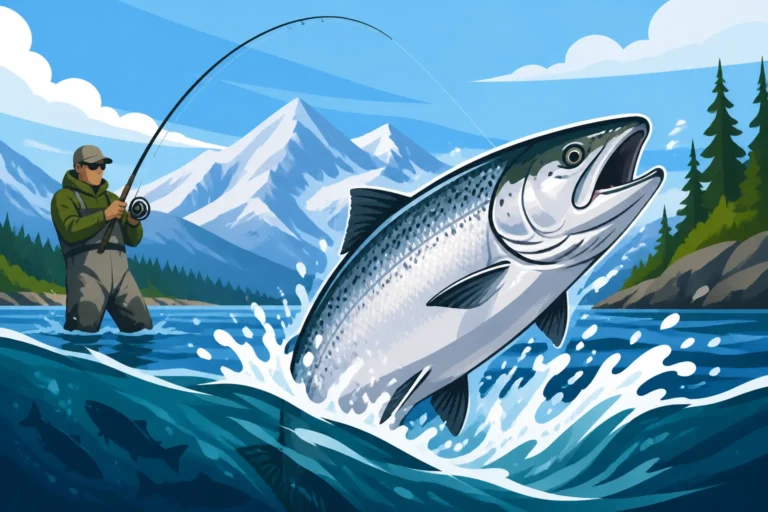
Let's debunk this myth right now: you absolutely do not need to be an "expert" to enjoy phenomenal fishing in Alaska. Many people harbor the misconception that Alaska's famed fisheries are too challenging, too remote, or too exclusive for someone new to the game. The truth is, some of the state's most productive waters are also its most accessible, teeming with fish that are eager to bite, especially during the peak of their runs. Think about it – millions of salmon surge into rivers during the summer, and while some techniques require finesse, others are surprisingly straightforward, making success achievable for even the greenest angler.
What often gets overlooked is the sheer abundance. When you have literally millions of salmon migrating upstream, the odds of encountering fish swing heavily in your favor. This means less time worrying about perfect technique and more time enjoying the thrill of a bending rod. The environment itself, with its breathtaking scenery and abundant wildlife, adds another layer to the experience, ensuring that even if the fish aren't biting every second (which is rare in peak season!), you're still immersed in an unforgettable Alaskan adventure.
Diversity of Fish Species and Fishing Experiences
One of Alaska's greatest assets for beginners is the incredible variety of fish species available and the diverse ways you can target them. You're not just limited to one type of fishing or one type of fish. From fighting mighty Pacific salmon in a river to jigging for barn-door halibut in the deep ocean, there’s an experience tailored to every interest and skill level. This diversity allows you to try different methods and discover what you enjoy most, all within the same trip or region.
Consider the five species of Pacific salmon: King (Chinook), Sockeye (Red), Coho (Silver), Pink (Humpy), and Chum (Dog). Each offers a unique challenge and fishing experience. Beyond salmon, you have powerful halibut, aggressive lingcod, various rockfish species, and in freshwater, the beautiful rainbow trout, Dolly Varden, and Arctic grayling. This rich ecosystem means that if one fishery isn't producing, another often is, providing a fantastic backup plan and increasing your chances of a successful outing.
Accessibility and Infrastructure
Contrary to popular belief, not all of Alaska's prime fishing spots require a bush plane or a multi-day trek into the wilderness. Many of the best beginner-friendly locations are easily accessible by car, with well-maintained roads leading directly to prime fishing holes. Towns like Soldotna, Cooper Landing, Seward, and Homer are built around their fishing industries, offering a robust infrastructure that caters specifically to anglers.
This infrastructure includes a plethora of fishing charters, tackle shops, fish processing facilities, and accommodations, all designed to make your trip as smooth and enjoyable as possible. You can rent gear, hire a guide for a day, and even get your catch filleted, vacuum-sealed, and shipped home for you. This kind of support system is invaluable for beginners, removing many of the logistical hurdles and allowing you to focus purely on the fishing experience. It’s about leveraging local knowledge and resources to maximize your time on the water.
Key Factors Making a Spot Beginner-Friendly
When you're sifting through all the amazing possibilities for fishing in Alaska, it's essential to understand what truly makes a location ideal for someone just starting out. It's not just about catching fish – though that's certainly a big part of it! It’s also about the overall ease, comfort, and support available to you. Focusing on these factors will help ensure your first Alaskan fishing trip is a fantastic introduction rather than a frustrating challenge.
Ease of Access and Road System Availability
For beginners, nothing beats the convenience and flexibility of fishing spots that are easily reached by road. Alaska has a vast landscape, but its road system, while not as extensive as the Lower 48, connects many of its most productive fisheries. Being able to drive to your fishing destination means you avoid the added cost and complexity of bush flights or boat transfers, which can be intimidating for a first-timer. It also allows for greater spontaneity if you decide to try a different spot.
Roadside fishing provides a sense of security and familiarity. You can easily pull off the highway, park your vehicle, and walk a short distance to the water. This contrasts sharply with remote fly-in lodges or multi-day wilderness trips that, while incredible, often require more planning, specialized gear, and a higher comfort level with rugged conditions. For your first foray, sticking to places within easy driving distance of towns and services is a smart move. Think about popular areas along the Sterling Highway on the Kenai Peninsula, or even destinations just a few hours from Anchorage.
Predictable Runs and Higher Success Rates
The magic of Alaska fishing, especially for salmon, lies in the sheer volume and predictability of the fish runs. For a beginner, there’s nothing more encouraging than knowing you have a high chance of hooking into a fish. Some rivers and coastal areas are renowned for incredibly strong and consistent salmon runs, particularly for sockeye and pink salmon, which migrate in numbers that can literally turn the rivers red.
These high-volume fisheries mean that even if your casting technique isn't perfect or your bait presentation is a bit off, the sheer density of fish increases your odds of success dramatically. It's an environment where you can learn by doing, gaining confidence with each bite and each fish landed. When you're consistently getting action, it keeps you engaged and motivated, which is crucial for fostering a love for the sport. This also applies to certain halibut grounds where a good captain can almost guarantee bites.
Availability of Guides and Gear Rentals
One of the biggest advantages of beginner-friendly spots is the robust support system in place. You'll find an abundance of experienced fishing guides and charter operations ready to share their knowledge and put you on fish. A good guide doesn't just drive the boat; they teach you techniques, help you understand the regulations, rig your gear, and offer invaluable local insights that you simply can't get from a book or a website. This mentorship is priceless for a beginner. You can easily find and book these experienced pros through platforms like FishingBooker, which makes planning much simpler.
Furthermore, these popular fishing towns are usually well-equipped with tackle shops that not only sell gear but also offer rentals. This means you don't need to invest a fortune in specialized rods, reels, waders, or rain gear before you even know if fishing is your passion. You can rent quality equipment for a day or a week, ensuring you have the right tools without the upfront cost or hassle of transporting bulky items. This accessibility to both expert guidance and necessary gear drastically lowers the barrier to entry for any aspiring angler. If you're interested in understanding the types of gear you might encounter, check out our guide on Alaska Fishing Gear and Tackle Guide.
Top Road-Accessible Spots for First-Timers
When planning your first Alaska fishing trip, staying on the road system is often the smartest move for beginners. It reduces logistical headaches, saves money, and puts you within easy reach of amenities and services. Thankfully, some of Alaska's most famous and productive fisheries are also its most accessible. These regions offer a fantastic mix of guided and DIY opportunities, making them perfect starting points for new anglers.
Kenai Peninsula: A Central Hub for Anglers
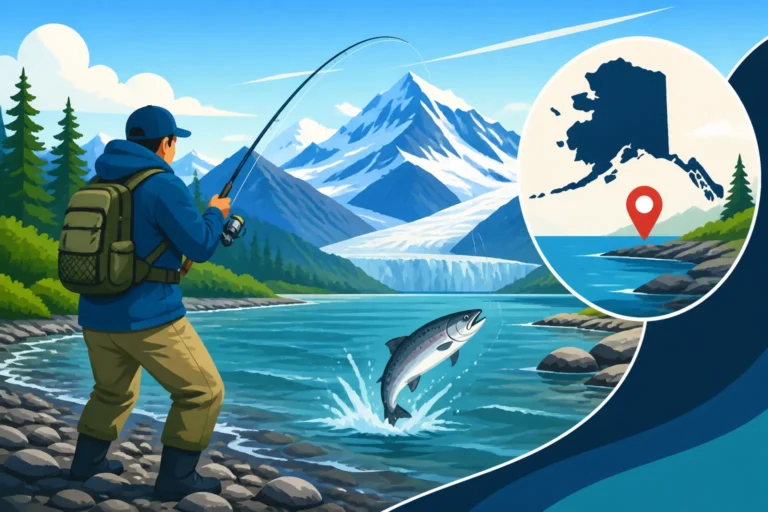
The Kenai Peninsula, often called "Alaska's Playground," is undoubtedly one of the best places for beginners to experience world-class fishing. It’s easily accessible from Anchorage by a scenic three-hour drive, and it boasts an incredible variety of fishing opportunities. The towns of Soldotna, Cooper Landing, and Kenai are practically synonymous with salmon fishing, and for good reason. The Kenai River and Kasilof River are legendary, drawing anglers from around the globe.
For sockeye salmon, the Kenai River near Cooper Landing and Soldotna is hard to beat. During July, the sockeye run is so immense that even novice anglers often find incredible success with relatively simple techniques like "flossing." You’ll see hundreds, if not thousands, of people lining the riverbanks, all hooked into fish. It's a truly social and exciting experience. If you want a more in-depth look, our Kenai River Fishing: Complete Guide has everything you need to know. Beyond salmon, the upper Kenai River is also known for its stunning rainbow trout and Dolly Varden populations, offering a different kind of freshwater challenge that can be incredibly rewarding.
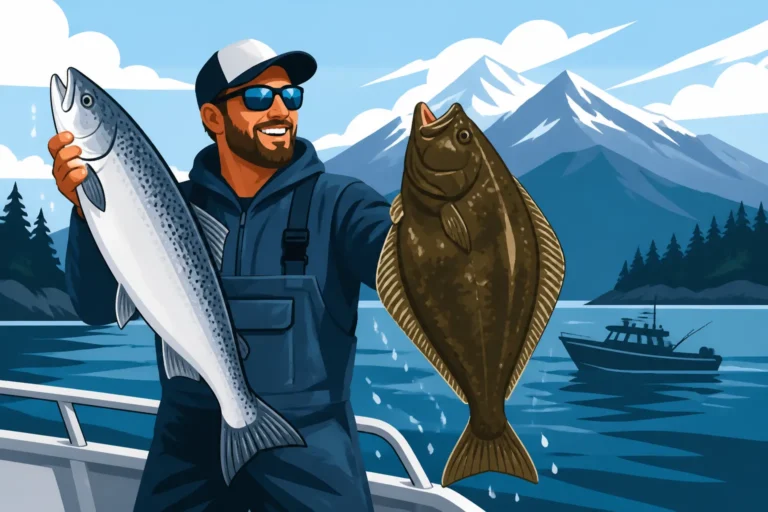
The Kenai Peninsula also serves as a fantastic base for saltwater fishing. From towns like Homer and Seward, you can easily book a halibut or salmon charter. These charters cater heavily to tourists and beginners, providing all the gear, expertise, and safety equipment you need for a fantastic day on the water. Many even offer combo trips where you can target both salmon and halibut in one exciting outing. The sheer volume of options and the ease of access make the Kenai Peninsula an absolute must-visit for any beginner.
Anchorage Area: Urban Fishing Opportunities
You might be surprised to learn that you don't have to venture far from Alaska's largest city, Anchorage, to find some decent fishing opportunities, especially for beginners. While not as wild as the more famous rivers, the waters surrounding Anchorage offer convenience, making them perfect for a quick trip or a family outing. This proximity means you can enjoy the comforts of the city while still getting a taste of Alaskan angling.
Ship Creek, flowing right through downtown Anchorage, is a unique urban fishery. From late May through July, king salmon make their way up this small creek, and later in the summer, coho salmon arrive. It's a popular spot for locals and tourists alike, with easy access points and a surprisingly good chance of hooking into a salmon. You can literally walk from your hotel to the fishing grounds! While it can get crowded, the energy is infectious, and the opportunity to catch a salmon with the city skyline in the background is truly one-of-a-kind. You can find more details in our guide on Best Fishing Spots Near Anchorage.
Beyond Ship Creek, numerous small lakes and stocked ponds in and around Anchorage offer excellent fishing for rainbow trout, Arctic grayling, and Dolly Varden. These are perfect for kids or anyone looking for a relaxed day of fishing without the intensity of a river salmon run. Lakes like Campbell Lake, Goose Lake, and Cheney Lake are regularly stocked by the Alaska Department of Fish and Game, providing consistent action. You can often rent small boats or fish from shore, making them incredibly beginner-friendly and low-stress.
Valdez: Coastal Charm and Productive Waters
Heading east from Anchorage, the scenic drive to Valdez offers another fantastic option for beginner anglers, particularly those interested in saltwater action combined with river fishing. Valdez is a picturesque port town nestled at the head of Prince William Sound, famous for its incredible scenery and surprisingly diverse fishing. It's a bit further than the Kenai Peninsula but well worth the drive for its unique charm and opportunities.
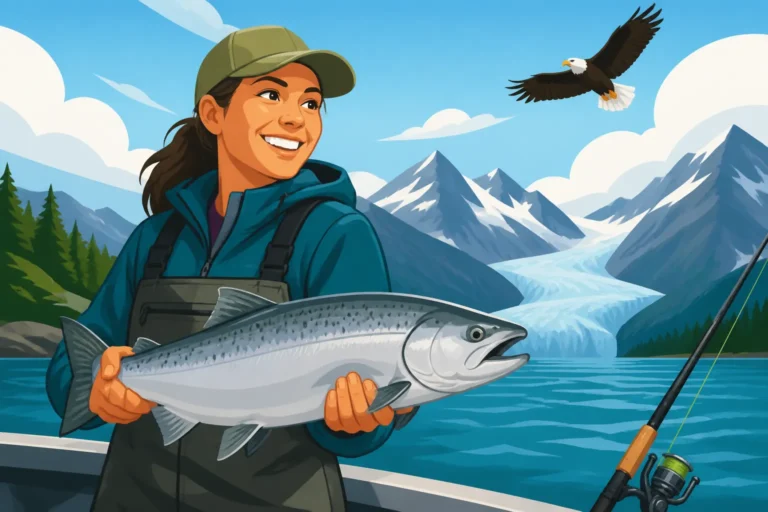
Valdez is a hotspot for silver (coho) salmon, particularly in August and September. These aggressive fish provide fantastic sport, and you can target them both from shore in places like the Valdez Glacier Stream or on short, affordable charters in the Sound. Many local operations offer half-day trips, perfect for beginners who might not be ready for a full day on the open ocean. The waters of Prince William Sound also hold good populations of halibut, rockfish, and lingcod, making combo trips a popular choice.
The infrastructure in Valdez is excellent, with numerous charter operators, tackle shops, and fish processors. The town itself has a welcoming, small-town feel, and the surrounding natural beauty is simply stunning. It's a place where you can easily combine fishing with other Alaskan adventures like glacier viewing or wildlife cruises, making it a well-rounded destination for a beginner's trip. When the salmon runs are strong, the action can be phenomenal, making Valdez a truly memorable first experience.
Coastal Towns Offering Great Guided Experiences
While the road system provides many accessible opportunities, some of Alaska's most iconic fishing experiences are found by venturing slightly further, often with the help of a professional charter. These coastal towns are geared towards making your deep-sea dreams a reality, providing everything you need for an unforgettable guided fishing trip. Even for beginners, stepping onto a charter boat is one of the easiest ways to target big saltwater species.
Homer: Halibut Capital and Beyond
Homer, located on the southern tip of the Kenai Peninsula, proudly bears the title "Halibut Capital of the World," and for good reason. Its location on Kachemak Bay provides access to some of the most productive halibut grounds in Alaska. For a beginner looking to land a monster flatfish, a guided halibut charter out of Homer is an absolutely stellar choice. The vast majority of charters here are incredibly experienced in hosting first-timers, handling all the gear, bait, and heavy lifting. You can learn more about this incredible destination in our Homer Alaska Fishing Guide.
On a typical Homer halibut charter, you’ll head out to Cook Inlet or the outer waters of Kachemak Bay. The crew will set up your rods, bait your hooks (often with herring, cod, or salmon heads), and instruct you on how to drop your line and jig. When a halibut hits, it’s an unmistakable, powerful tug, and the fight can be exhilarating. The beauty of these charters is that the crew handles the boat, navigation, fish finding, and even helps gaff and bring aboard your catch. They make it incredibly easy for you to focus purely on the thrill of the catch. Many charters also offer salmon trolling as part of a combo trip, targeting king and silver salmon alongside halibut.
Beyond halibut, Homer offers excellent opportunities for king salmon during the early summer and coho salmon later in the season. You can target these by trolling on specialized salmon charters or sometimes as part of a multi-species trip. The Homer Spit, a long finger of land extending into Kachemak Bay, also provides some accessible bank fishing, particularly for pink and silver salmon returning to local streams, making it a good spot for a quick DIY session if you have some time before or after a charter.
Seward: Gateway to Resurrection Bay
Seward, nestled at the head of Resurrection Bay on the eastern side of the Kenai Peninsula, offers another fantastic coastal experience, especially if you're looking for a wider variety of saltwater species beyond just halibut. Like Homer, Seward is a vibrant port town with a strong fishing heritage and a plethora of charter options perfect for beginners. The stunning scenery alone, with towering mountains meeting the sea, makes a trip here worthwhile. For more information on this charming town, check out our Seward Alaska Fishing Guide.
Seward is particularly known for its excellent silver salmon fishing, which peaks in August and September. These acrobatic fighters are a blast to catch by trolling in Resurrection Bay. Charters here are adept at putting clients on these hard-fighting fish, providing all the necessary tackle and guidance. You’ll often use downriggers to get your lures or bait down to the correct depth, and the crew will be there every step of the way to assist with setting lines, netting fish, and ensuring you have a great time.
In addition to salmon, Seward charters target halibut, lingcod, and a variety of rockfish species. A popular choice for beginners is a multi-species trip, where you might spend part of the day deep-dropping for halibut and rockfish, and another part trolling for salmon. This variety keeps the fishing exciting and increases your chances of bringing home a diverse cooler of fish. The deep-water release device rules for rockfish are often something beginners learn about on these trips, emphasizing responsible angling practices. What to expect on one of these guided trips? Our article What to Expect on an Alaska Fishing Charter covers it all.
Sitka and Ketchikan: Southeast Alaska's Charms
While a bit further off the main road system and requiring a flight or ferry to reach, the towns of Sitka and Ketchikan in Southeast Alaska are absolute gems for guided fishing, especially if you're looking for an all-inclusive lodge experience. These communities are steeped in fishing culture and offer some of the most consistent salmon and halibut action in the state. For a beginner who wants a truly immersive, yet guided, experience, they are phenomenal choices.
Ketchikan, often called the "Salmon Capital of the World," lives up to its name. All five species of Pacific salmon pass through these waters, offering incredible trolling opportunities throughout the summer. Charters here are highly specialized in targeting salmon, using a range of techniques with downriggers and various lures. The scenery of the Inside Passage is breathtaking, and the fishing is often incredibly productive. For halibut, lingcod, and rockfish, the nearby ocean waters deliver consistently.
Sitka, nestled on Baranof Island, is another premier destination known for its massive king salmon, particularly in early summer. The abundance of baitfish in the nutrient-rich waters surrounding Sitka draws in large numbers of feeding kings, making for exciting battles. Later in the season, coho salmon fishing is phenomenal. Like Ketchikan, Sitka offers top-notch charter operations and fishing lodges that handle every detail, from airport transfers to fish processing and packaging. These lodges provide an unparalleled, worry-free experience where beginners can simply show up, fish, and enjoy. The only caveat is the logistics of getting there, but once you arrive, you're in fishing paradise.
Understanding Different Fish Species for Beginners
One of the beauties of fishing in Alaska as a beginner is that many of its most popular species are also quite forgiving and offer high success rates. Knowing which fish to target first can greatly improve your chances of a memorable and productive trip. Each species offers a slightly different experience, catering to various levels of effort and excitement.
Sockeye Salmon: The Accessible Fight
For sheer numbers and relatively easy bank access, sockeye salmon are arguably the most beginner-friendly species in Alaska. Known for their vibrant red flesh and strong fight, sockeye runs, especially on rivers like the Kenai and Russian, are nothing short of spectacular. During peak season (typically July), millions of these fish surge upstream, making it possible for anglers of all skill levels to hook into them. Our guide on How to Catch Sockeye Salmon in Alaska provides all the essential techniques.
The primary technique for sockeye from the bank is often "flossing" or "combat fishing." While it sounds intense, it involves a simple setup: a heavy leader, a small hook tied to the end, and a weight a foot or two above it. The idea is to drift your line through the massive schools of fish, allowing the line to catch in the sockeye's mouth as they swim upstream. It's less about traditional bait fishing and more about strategic drifting. This method, when done correctly, is incredibly effective and results in constant action, making it perfect for beginners who want to feel the thrill of a fish on the line without needing complex casting skills. The raw power of a fresh sockeye on the line is an unforgettable experience.
Pink Salmon: High Numbers and Easy Action
Pink salmon, affectionately known as "humpies" due to the pronounced hump males develop during spawning, are another excellent choice for beginners. These are the smallest and most abundant of the Pacific salmon species, and they run every other year in massive numbers (even years in Southcentral Alaska, odd years in Southeast). When a pink salmon run is on, you can catch them almost anywhere – rivers, streams, and even from saltwater beaches.
Pink salmon are not as picky as sockeye or kings, readily striking at a variety of lures, flies, and bait. Small spinners, spoons, and flies in bright pink or chartreuse colors are often irresistible to them. Their aggressive nature and sheer numbers mean you’ll get consistent bites and plenty of opportunities to practice your casting and fish-fighting skills. They may not be the biggest or most prized salmon, but they offer non-stop action, which is invaluable for building confidence and having fun on your first trip. Plus, they are still delicious, especially when caught fresh from saltwater.
Halibut: The Thrill of the Deep Sea
For those looking for a truly "big fish" experience, halibut fishing is a must, and it's surprisingly beginner-friendly when done with a charter. While the fish themselves can be massive, the technique on a charter boat is relatively straightforward, and the guides handle all the complexities. Our guide on How to Catch Halibut in Alaska dives into the specifics.
You'll typically be using heavy gear to drop large baits or jigs to the bottom, sometimes hundreds of feet down. The captain will position the boat over productive areas, and the crew will help you with baiting and deploying your lines. When a halibut hits, it often feels like you've hooked a Volkswagen, pulling hard to the bottom. Reeling in a "barn door" halibut can be a significant workout, but it's an incredibly satisfying fight. The entire experience – the boat ride, the anticipation, the powerful bite, and the struggle to bring up a large fish – makes for an exhilarating day on the water. Charters often clean and fillet your catch, making it ready for the freezer.
Rainbow Trout and Dolly Varden: Freshwater Fun
If you prefer freshwater fishing that's a bit more serene than the "combat fishing" for sockeye, targeting rainbow trout and Dolly Varden is an excellent option for beginners. These fish are found in many of Alaska's rivers and lakes, particularly on the Kenai Peninsula. They offer consistent action and can be targeted with both spin fishing and fly fishing gear.
Rainbow trout in Alaska, especially the "leopard rainbows" of the Upper Kenai River, are renowned for their beauty and spirited fights. Dolly Varden, a char species, are also widespread and aggressive. Both respond well to egg patterns (especially during and after salmon spawning), small spinners, and flies. Many lakes around Anchorage and the Mat-Su Valley are stocked with rainbows and Arctic grayling, providing easily accessible, family-friendly fishing where success is often measured by consistent bites and beautiful scenery rather than trophy size. These fisheries offer a great way to hone your casting and presentation skills in a more relaxed environment.
Planning Your First Alaska Fishing Trip
Alright, you're convinced Alaska is the place for your beginner fishing adventure. Now comes the exciting part: planning! Getting the logistics right can make all the difference between a good trip and a truly epic one. From timing your visit to understanding what to pack and whether to go guided or DIY, a little foresight goes a long way.
Timing Your Visit for Success
The absolute most critical factor for a beginner's successful fishing trip to Alaska is timing. Alaska's fishing seasons are distinct and often short, dictated by the salmon runs. To maximize your chances of success and minimize frustration, you need to align your trip with the peak of the runs for the species you want to target. Our comprehensive guide on Alaska Salmon Run Timing Explained is an excellent resource for this.
Generally, late June through early September offers the most consistent and diverse fishing opportunities.
- Late May to Mid-July: Primarily targets king salmon (Chinook) and early sockeye salmon. King salmon are bigger and fewer, making them more challenging, but the early sockeye runs can be fantastic.
- Mid-July to Early August: This is prime time for sockeye salmon across many rivers on the Kenai Peninsula. It's also when pink salmon (in even years in Southcentral Alaska) start showing up in massive numbers. Halibut fishing is consistently good throughout this period.
- August to Mid-September: This is prime time for silver salmon (Coho), especially in Southcentral and Southeast Alaska. Silver salmon are aggressive and plentiful, providing excellent action. The late sockeye runs are winding down, and trout fishing often picks up as they feed on salmon eggs.
Booking well in advance, especially for charters and popular lodges during these peak windows, is essential. Many operations are booked a year or more out, so don't procrastinate!
Essential Gear and Clothing
Even if you plan to use a guide who provides all the tackle, you'll still need to bring appropriate clothing. Alaska's weather is famously unpredictable – you can experience sun, rain, and cold winds all in one day, even in summer. Layering is key!
Here’s a basic checklist for beginners:
- Rain Gear: This is non-negotiable. A high-quality, waterproof and windproof jacket and pants are absolute must-haves. Even on sunny days, boat spray or a sudden shower can leave you soaked and miserable. Brands like Grundéns or Helly Hansen are popular among Alaskans for their durability.
- Layers: Think moisture-wicking base layers, a warm fleece or down mid-layer, and then your waterproof outer shell. Wool or synthetic materials are far superior to cotton, which loses its insulating properties when wet.
- Waterproof Boots: Insulated, waterproof boots are essential, especially for bank fishing or if you're on a boat deck. XTRATUF boots are an iconic Alaskan choice.
- Hat and Gloves: A warm beanie and waterproof gloves can make a huge difference, particularly on chilly mornings or windy boat rides.
- Sunglasses: Polarized sunglasses help reduce glare on the water, allowing you to spot fish or identify structures.
- Sunscreen and Insect Repellent: Yes, the sun can be intense, and Alaska's mosquitoes and gnats are legendary, especially away from the coast.
- Small Backpack: For snacks, water, extra layers, and your personal items.
If you're planning any DIY fishing, you'll need to consider renting or buying a fishing rod and reel (medium-heavy spinning combos are versatile for salmon), lures or bait, a landing net, and a fishing knife. Most local tackle shops can advise you on the best local setups.
Guided vs. DIY: Making the Right Choice
Deciding between a guided trip and a do-it-yourself adventure is a big decision for a beginner. Both have their merits, but one might be a better fit for your first experience.
Guided Trips (Highly Recommended for Beginners):
- Pros: Guides provide all the specialized gear, bait, and local knowledge. They handle boat operation, fish finding, and safety. They teach you techniques and regulations. High success rates are common. Everything is taken care of, from finding fish to often processing them. You can easily find and book trips through services like FishingBooker.
- Cons: More expensive than DIY. Less flexibility in choosing your exact fishing spots or methods for the day. Can feel less "authentic" to some who prefer complete independence.
- Best For: First-timers, those who want to maximize their chances of catching fish, groups or families, anyone intimidated by the logistics, or those targeting large saltwater species like halibut.
Do-It-Yourself (DIY) Trips:
- Pros: More affordable. Complete freedom and flexibility to fish where and how you want. A greater sense of adventure and accomplishment.
- Cons: Requires significant research and planning (where to go, what gear to use, understanding regulations). You need to acquire or rent all your own gear. Higher potential for frustration or low success rates if you're inexperienced. Safety can be a concern in remote areas.
- Best For: Anglers with some prior fishing experience (even if not in Alaska), those on a tight budget, or those primarily interested in bank fishing for abundant species like sockeye or pink salmon in easily accessible areas.
For your very first trip, a guided experience, especially for saltwater or river salmon, is generally the most stress-free and rewarding way to go. You’ll learn a tremendous amount from the pros and likely catch more fish, setting a strong foundation for future, more independent adventures.
Navigating Regulations and Licenses
Alaska has some of the most complex yet robust fishing regulations in the world, designed to protect its precious fisheries. As a beginner, understanding these rules is paramount to having a legal and ethical fishing trip. Don't let this intimidate you; simply be prepared to do a little homework. You'll definitely want to check out our Alaska Fishing License: Complete Guide and Alaska Fishing Regulations Explained.
Key things you'll need:
- Fishing License: Every angler aged 16 and older needs an Alaska fishing license. Non-residents will pay more than residents, and you'll typically choose between 1-day, 3-day, 7-day, 14-day, or annual options. You can purchase these online, at tackle shops, or designated vendors throughout the state.
- King Salmon Stamp: If you plan to target king salmon, you'll need to purchase a King Salmon Stamp in addition to your regular fishing license. This is critical as regulations for kings are often very specific. To learn more, see our guide on Do You Need a King Salmon Stamp in Alaska.
- Harvest Record Card: This is a physical card (usually attached to your license) where you must immediately record specific species of fish, primarily king salmon and halibut, once you catch and retain them. Failure to properly record your catch can result in significant fines. Familiarize yourself with our Alaska Harvest Record Card Explained.
- Emergency Orders: This is perhaps the most challenging aspect for beginners. Alaska's fishing regulations can change daily based on fish escapement (how many fish return to spawn) and run strength. The Alaska Department of Fish and Game (ADF&G) issues "Emergency Orders" that can close fisheries, change bag limits, or alter legal gear without much notice. Always check the ADF&G website or call their local offices right before you fish and while you are fishing. Your guide will handle this if you're on a charter, but DIY anglers must be diligent.
It sounds like a lot, but a good guide will walk you through everything, and local tackle shops are invaluable resources for up-to-the-minute information. Remember, ignorance of the law is not an excuse, and violations can lead to hefty fines and even confiscation of gear. Being prepared and informed ensures a stress-free and legal fishing experience.
Disclaimer
The information provided in this guide is for general informational purposes only and does not constitute legal or professional advice. Fishing regulations in Alaska are complex and subject to frequent change. Always consult the official Alaska Department of Fish and Game (ADF&G) regulations booklet and current emergency orders before fishing. Fishing conditions, species availability, and success rates can vary. Engaging a licensed fishing guide or charter is highly recommended for beginners to ensure a safe and compliant experience.