Best Fishing Near Wasilla
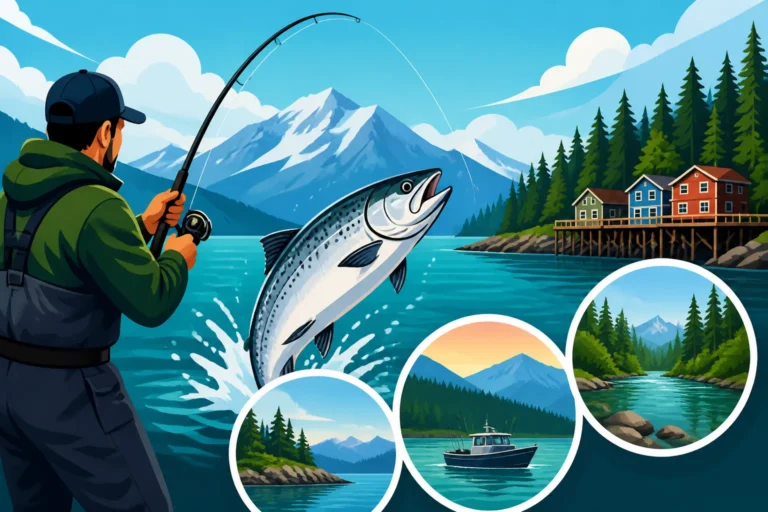
Trying to figure out where to cast your line when you're visiting or living near Wasilla can feel a bit overwhelming, right? You're surrounded by gorgeous Alaskan wilderness, but pinpointing the best spots, knowing what's biting, and understanding the local nuances takes insider knowledge. This comprehensive guide will cut through the confusion, helping you discover fantastic fishing opportunities right in the Mat-Su Valley, whether you're after salmon, trout, or something a little more exotic like Northern Pike.
Prime Lake Fishing Opportunities Near Wasilla
Wasilla, nestled in the heart of the Mat-Su Valley, is a haven for lake anglers. Many of these lakes are stocked regularly by the Alaska Department of Fish and Game (ADF&G), offering reliable action for a variety of species. It's truly a blessing for those who love the tranquility of still waters and the thrill of a fight, especially when you're not up for the crowds often found on major rivers.
Stocked Lakes for Family Fun and Consistent Catches
The beauty of stocked lakes near Wasilla is their accessibility and consistent fish populations, making them perfect for beginners, families with kids, or anyone just looking for a relaxing day on the water with a good chance of success. These lakes typically hold Rainbow Trout, Arctic Char, and often Arctic Grayling, providing diverse angling experiences. You'll find many of these spots within a short drive, sometimes even within the city limits.
One fantastic example is Matanuska Lake, located right off the Palmer-Wasilla Highway. This lake is generously stocked with Rainbow Trout and Arctic Char, often yielding good catches, especially in spring and early summer. It's easy to access, with a public boat launch and plenty of shoreline for bank fishing. Imagine spending a sunny afternoon teaching a youngster how to cast, watching their face light up as they reel in their first feisty trout – it's moments like these that make fishing in Alaska so special. Another popular spot is Wasilla Lake itself, which is also regularly stocked. While it's right in town, it offers decent fishing for trout and even some landlocked salmon, providing a quick escape to nature without a long drive.
Exploring the Kepler-Bradley Lakes Complex
A little further out, but well worth the short drive, is the Kepler-Bradley Lakes Complex near Palmer. This isn't just one lake; it's a series of interconnected lakes – Matanuska, Bradley, Long, and Kepler – each offering slightly different characteristics and fishing opportunities. This complex is a true gem, providing some of the best fishing on the Mat-Su Valley. These lakes are a favorite among local anglers due to their consistent stocking and the variety of species available, including Rainbow Trout, Arctic Char, and even some landlocked Coho Salmon in certain lakes.
Long Lake, for instance, is known for its larger Rainbow Trout and Arctic Char. It's a great place to drift in a float tube or small boat, casting small spoons, spinners, or fly-fishing with leeches and scuds. Bradley Lake, adjacent to Long Lake, also offers similar species and is easily accessible. The sheer number of options within this complex means you can try a different spot each time, exploring new coves and drop-offs. Always check the current ADF&G regulations for specific daily limits and any special restrictions on these interconnected waters, as they can sometimes vary slightly from lake to lake. These spots are also popular for ice fishing in the winter, adding another dimension to your angling adventures.
River and Stream Fishing Adventures
While the lakes offer serene experiences, the rivers and streams near Wasilla bring a whole different level of excitement, especially when the salmon runs are in full swing. The sound of rushing water, the vibrant energy of migrating fish, and the challenge of river fishing make for unforgettable moments. It’s important to understand the specific regulations for each river, as they can change rapidly due to emergency orders. Checking Alaska Fishing Regulations Explained before you head out is crucial.
The Mighty Little Susitna River
The Little Susitna River, affectionately known as the "Little Su," is arguably one of the most popular and productive rivers for fishing in the Mat-Su Valley, drawing anglers from all over for its spectacular salmon runs. This river, accessible via the Little Susitna Public Use Facility, offers excellent opportunities for King Salmon, Sockeye Salmon, and Silver Salmon throughout the summer months. It's a true Alaskan experience, complete with the chance of spotting wildlife like moose and bears along the banks.
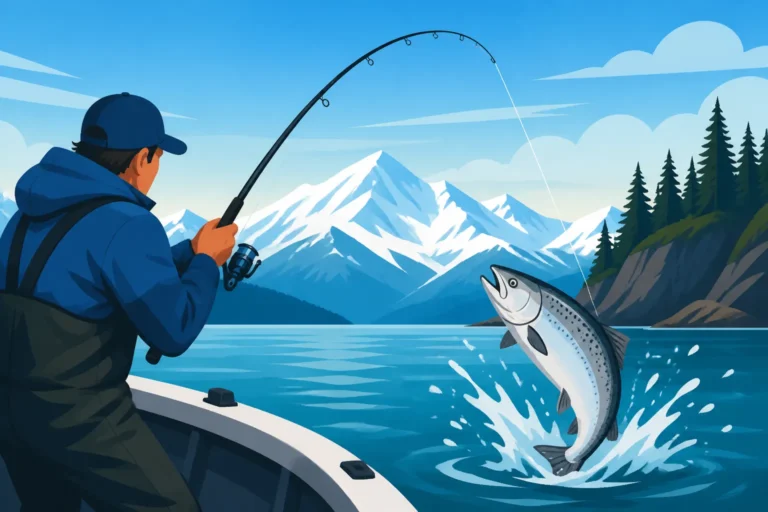
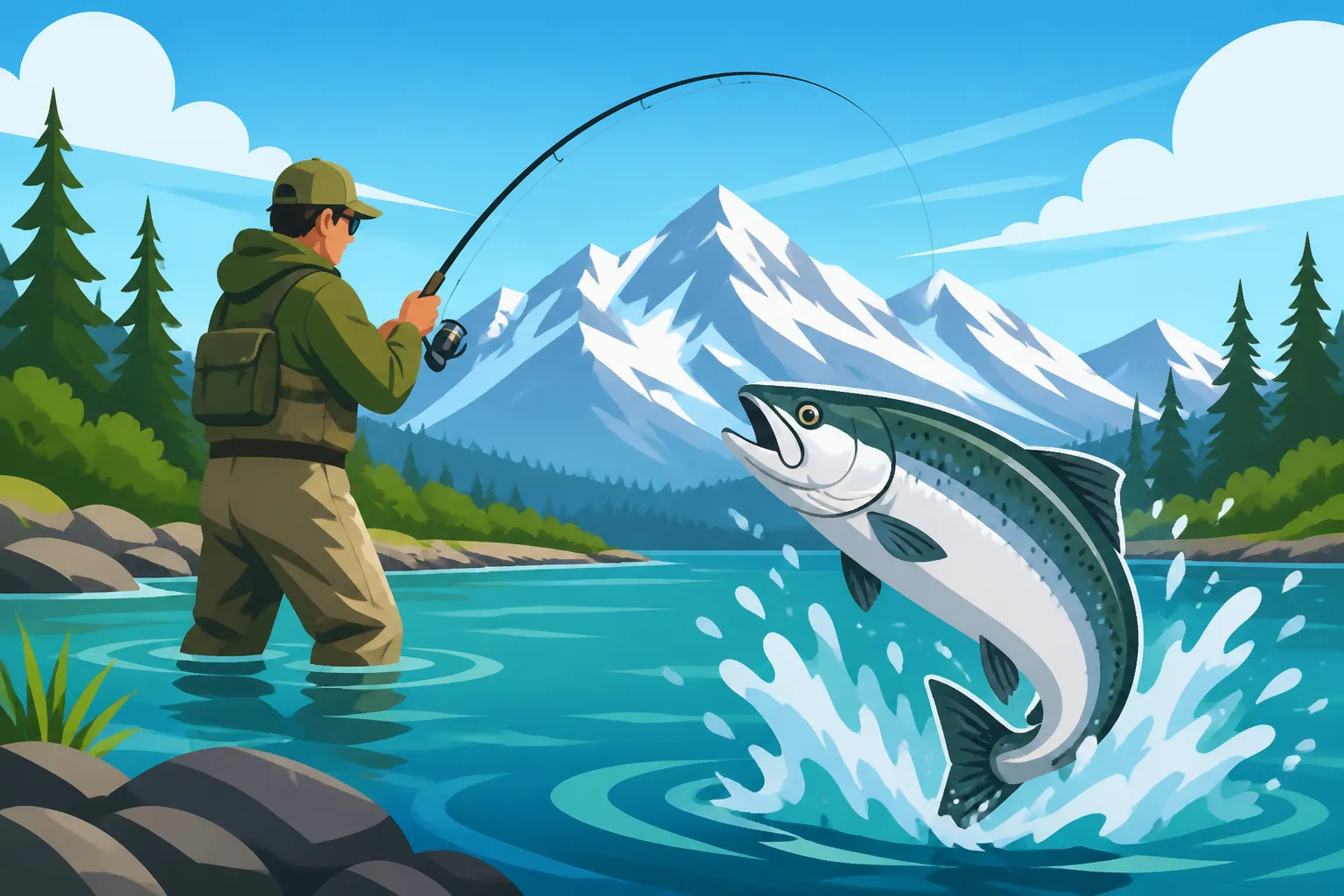
King Salmon typically arrive in late May and June, offering an intense battle that seasoned anglers crave. Later in July, the Sockeye Salmon surge upstream, providing fast-paced action for those who master the art of flossing. As summer wanes and August rolls into September, the Silver Salmon (Coho) make their grand entrance, known for their aggressive strikes and acrobatic fights. The "Little Su" is accessible by boat, and many sections are also suitable for bank fishing, though navigating the best spots often requires local knowledge or a good map. You'll find plenty of charter operators who focus on the Little Susitna, and if you’re looking to connect with a reputable guide, services like FishingBooker can help you find experienced captains specializing in these waters.
Roadside Gems Along the Parks Highway
For those who prefer easy access without venturing too far off the beaten path, numerous smaller streams and creeks flowing into the Susitna River system along the Parks Highway offer fantastic, often overlooked, fishing opportunities. While they might not boast the sheer volume of fish as the "Little Su," they can provide intimate and rewarding experiences, particularly for trout and Dolly Varden, with occasional salmon migrating through.
Willow Creek, for example, is a popular spot accessible from the Parks Highway, offering good fishing for Rainbow Trout and Dolly Varden throughout the summer. During salmon runs, particularly for Sockeye and Silver Salmon, these smaller tributaries can become bustling with activity. Other smaller, unnamed creeks and culverts along the highway can surprise you with resident trout populations or provide brief windows of opportunity during salmon migrations. The key here is exploration and keeping an eye out for signs of fish. These spots are often perfect for a quick stop, a bit of spin fishing or fly-fishing, and enjoying the solitude. Remember, even in these smaller waters, Alaska Fishing License: Complete Guide is a must-have, and understanding current Alaska Fishing Regulations Explained is paramount to a successful and legal trip.
Targeting Specific Species Near Wasilla
Wasilla's diverse waters mean you're not limited to just one type of fishing. Depending on the time of year and your preferred challenge, you can target several iconic Alaskan fish species, each offering a unique thrill. From the powerful Kings to the elusive Pike, there's always something new to learn and pursue.
Chasing King and Sockeye Salmon
The allure of Alaskan salmon fishing is undeniable, and near Wasilla, the focus often turns to the magnificent King (Chinook) Salmon and the tenacious Sockeye (Red) Salmon. Landing one of these powerful fish is an experience many anglers dream of, but it requires specific techniques and timing.
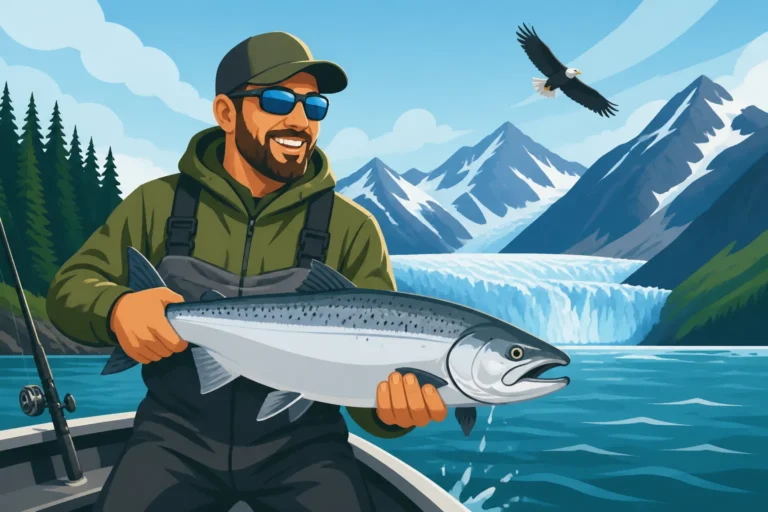
King Salmon, often considered the prize of Alaskan fishing, make their way into rivers like the Little Susitna and Deshka River from late May through June. They are notoriously strong fighters, requiring heavy tackle and a good deal of patience. Back-trolling with Kwikfish, drifting cured eggs, or even casting large spinners are common methods. Keep a close watch on Alaska King Salmon Fishing Regulations and Limits, as these fisheries are often subject to emergency orders due to conservation concerns. When conditions are right, though, hooking into a twenty-pound King that peels line off your reel is pure exhilaration. Sockeye Salmon, arriving in July, present a different challenge. They typically don't bite lures but are caught by "flossing" – a technique where a weighted fly or bare hook drifts into their mouth as they swim upstream. It's a unique and highly effective method that can lead to dozens of hook-ups on a good day, providing an intense and fast-paced angling experience. Understanding Alaska Sockeye Salmon Fishing Regulations and Limits is crucial for these popular fisheries.
Hooking into Rainbow Trout and Dolly Varden
Beyond the salmon runs, the rivers and lakes around Wasilla offer fantastic year-round opportunities for resident fish species like Rainbow Trout and Dolly Varden. These fish provide consistent action and are often found in breathtaking settings, away from the salmon-run crowds. They are also incredibly beautiful fish, with vibrant colors that light up any angler's day.
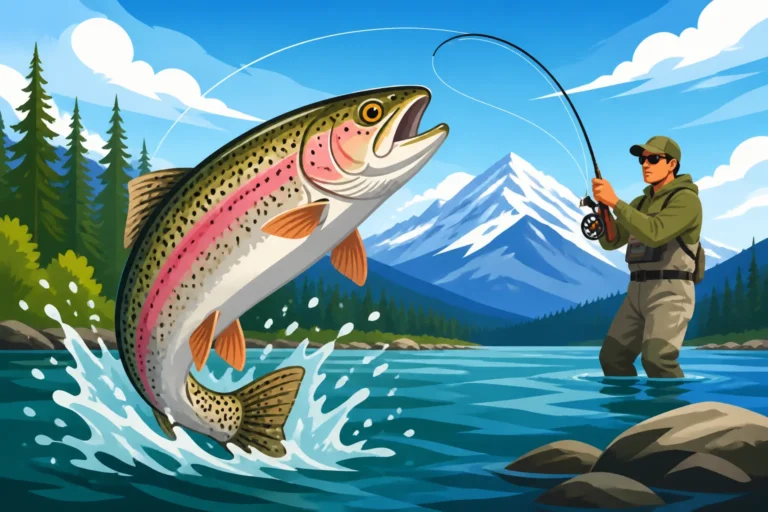
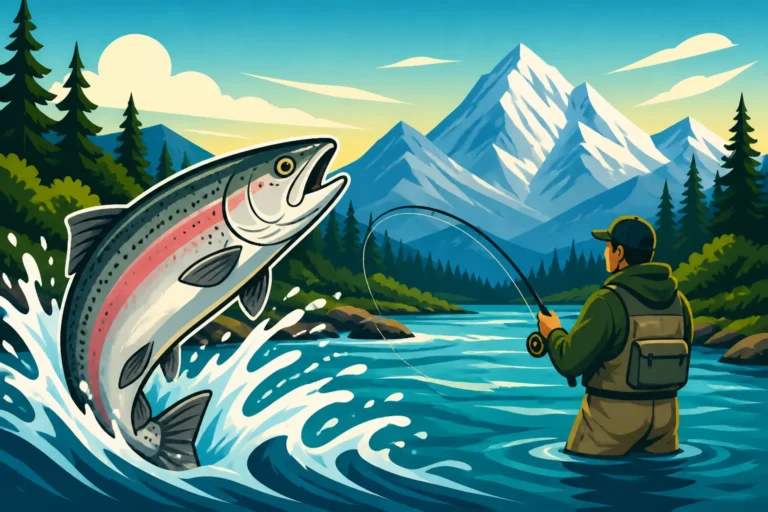
Rivers like Willow Creek, the upper reaches of the Little Susitna, and numerous smaller streams that feed into the larger river systems are prime habitats for these species. Anglers targeting Rainbow Trout often have success with beads (mimicking salmon eggs), small spinners, flies like Woolly Buggers and egg patterns, or even small pieces of bait where legal. Dolly Varden are opportunistic feeders and will strike a variety of offerings, including small spoons, flies, and even salmon egg imitations. Many of the stocked lakes, such as those in the Kepler-Bradley complex, also hold robust populations of Rainbow Trout and Arctic Char, making them excellent choices for light tackle fishing. Always be mindful of specific regulations, as some areas may have special catch-and-release rules or gear restrictions, especially for Rainbow Trout; checking Alaska Rainbow Trout Regulations is highly recommended.
Northern Pike Challenges
For those seeking a different kind of freshwater predator, Northern Pike offer an exciting challenge in several lakes and slow-moving sloughs near Wasilla. These toothy fish are ambush predators known for their aggressive strikes and powerful runs, making them a thrilling target for spin and fly anglers alike.
Pike are common in many of the warmer, shallower lakes and sloughs in the Mat-Su Valley, particularly in areas with abundant submerged vegetation where they can hide and ambush prey. Lakes like Eightmile Lake and other similar waters closer to Nancy Lake State Recreation Area are known pike strongholds. Anglers typically target them with large spoons, spinnerbaits, topwater lures, or big flies that imitate baitfish. Be sure to use a wire leader, as their razor-sharp teeth can easily cut through monofilament or fluorocarbon lines. Catching a trophy pike in the wilds of Alaska is an unforgettable experience, and while they might not be as iconic as salmon, they provide a serious adrenaline rush.
| Fishing Location | Primary Species | Best Season | Typical Techniques | Access Level |
|---|---|---|---|---|
| Matanuska Lake | Rainbow Trout, Arctic Char | Spring, Summer, Fall | Spin, Fly, Bait | Easy (Roadside) |
| Wasilla Lake | Rainbow Trout, Landlocked Salmon | Spring, Summer, Fall | Spin, Fly, Bait | Easy (In-town) |
| Kepler-Bradley Lakes | Rainbow Trout, Arctic Char, Coho | Spring, Summer, Fall | Spin, Fly, Bait | Easy (Roadside) |
| Little Susitna River | King, Sockeye, Silver Salmon | Summer (specific runs) | Drift, Back-troll, Floss, Spin | Medium (Boat launch, some bank) |
| Willow Creek | Rainbow Trout, Dolly Varden, Salmon | Summer, Fall | Spin, Fly, Bait | Easy (Roadside) |
| Eightmile Lake (Pike) | Northern Pike | Summer | Large Lures, Fly | Medium (Small boat, kayak) |
Planning Your Wasilla Fishing Excursion
A successful fishing trip near Wasilla, or anywhere in Alaska, hinges on good preparation. The Last Frontier can be unpredictable, both in terms of weather and fish behavior. Taking the time to plan will significantly enhance your experience and increase your chances of a memorable catch.
Essential Gear and Tackle for Mat-Su Waters
The right gear can make or break your fishing trip. Given the diversity of fishing available near Wasilla, a versatile setup or a few specialized rods and reels will serve you well. For general lake fishing for trout and char, a light to medium-light spinning rod (6-7 feet) paired with a 1000-2500 series reel spooled with 6-10 lb test line is perfect. This setup handles small spinners, spoons, and bait presentations beautifully. For fly fishing, a 5 or 6-weight rod is versatile enough for most trout and char.
When it comes to salmon, you'll need to step up your game. For Sockeye Salmon, a medium to medium-heavy spinning rod (8.5-10.5 feet) with a 3000-4000 series reel and 15-25 lb test line is common for flossing. For King and Silver Salmon, a heavy-action baitcasting or spinning rod (8-10 feet) with a 4000-6000 series reel and 25-40 lb test line is recommended. Many anglers opt for braided line with a fluorocarbon leader for added strength and sensitivity. Don't forget a good landing net, pliers for hook removal, and a cooler for your catch. And perhaps most importantly, layered clothing, rain gear, and bug spray are non-negotiables in Alaska. For a more exhaustive list, check out our Alaska Fishing Gear and Tackle Guide.
Understanding Regulations and Emergency Orders
This might be the most critical piece of advice for any angler in Alaska: know the regulations! Alaska's fishing rules are dynamic and often change with little notice, especially during salmon runs, to protect vulnerable fish stocks. The ADF&G website is your best friend here, providing detailed regulations booklets for each region and, more importantly, issuing emergency orders.
Emergency orders can close fisheries, change bag limits, alter legal gear, or restrict fishing times, sometimes with only a day's notice. Missing this crucial information can lead to fines, confiscation of gear, or even loss of your catch. Before you head out, always check the latest updates for the Southcentral region. You can find out How to Check Alaska Emergency Orders Before Fishing directly from the ADF&G website or through their recorded hotlines. A common mistake newcomers make is assuming rules are static, but in Alaska, they are constantly monitored and adjusted to ensure sustainable fishing for generations to come. Be a responsible angler and stay informed!
Utilizing Local Expertise: Guides and Charters
While DIY fishing near Wasilla is entirely possible and often rewarding, sometimes nothing beats the local expertise of a seasoned guide. If you're new to Alaska, targeting a specific challenging species, or just want to maximize your chances of success and minimize the learning curve, a guided trip is an excellent investment. Local guides know the hot spots, the most effective techniques, and are constantly updated on the latest regulations and fish movements.
For river fishing, especially for King and Sockeye Salmon on rivers like the Little Susitna or Deshka, a guided trip can provide invaluable insights. Guides typically supply all the necessary gear, bait, and even process your fish, making for a hassle-free experience. When looking for a guide, ask about their experience, what's included, and their approach to ethical fishing. Services like FishingBooker are a great resource for finding and comparing local charters and guides operating out of areas like Wasilla, Palmer, or even further afield if you're looking to expand your horizons. They allow you to read reviews, compare prices, and book with confidence, ensuring you find a professional who aligns with your fishing goals. Whether it's a full-day salmon float trip or a half-day lake excursion, a good guide can transform a good fishing day into a truly unforgettable Alaskan adventure. Learning How to Choose an Alaska Fishing Charter can save you time and money in the long run.
Disclaimer
The information provided in this guide is for general informational purposes only and should not be considered legal advice regarding fishing regulations. Alaska fishing regulations, seasons, and bag limits are subject to change frequently due to emergency orders issued by the Alaska Department of Fish and Game. Always consult the official Alaska Department of Fish and Game regulations booklet and check for current emergency orders before engaging in any fishing activity. It is the angler's responsibility to know and follow all applicable regulations.