Valdez Fishing: What to Know Before You Go
Planning a fishing trip to Alaska, especially to a legendary spot like Valdez, can feel a bit overwhelming, right? There's so much to consider – from what species are running to how to navigate the regulations, let alone finding the right gear or a reputable guide. This comprehensive guide is designed to cut through the confusion, offering you all the essential insights and practical tips you need to know before you cast a line in the incredible waters of Valdez.
Why Valdez is a Premier Fishing Destination
Valdez, often called "The Switzerland of Alaska" due to its dramatic mountain backdrop and stunning fjords, isn't just a pretty face; it's a powerhouse for anglers seeking diverse and abundant fishing opportunities. Tucked away at the head of Port Valdez, which is an arm of the vast Prince William Sound, this charming town offers unique access to both prolific saltwater and freshwater fisheries. The sheer accessibility combined with the breathtaking scenery makes it a truly special place for any angler.
A Rich History and Stunning Scenery
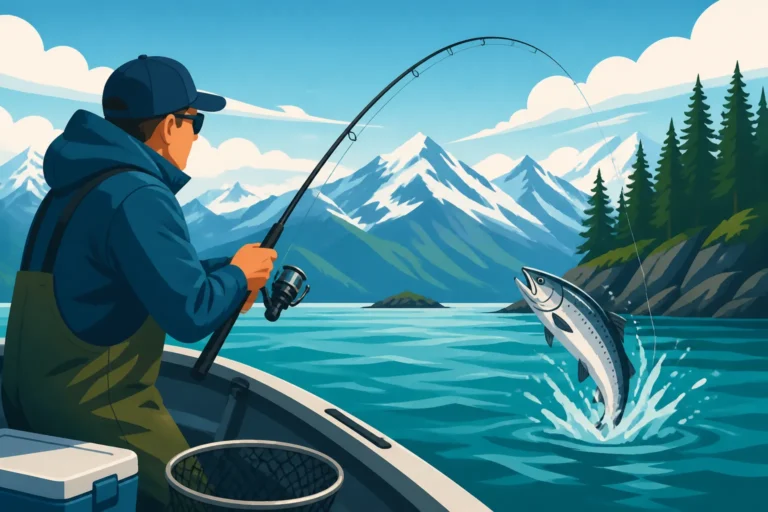
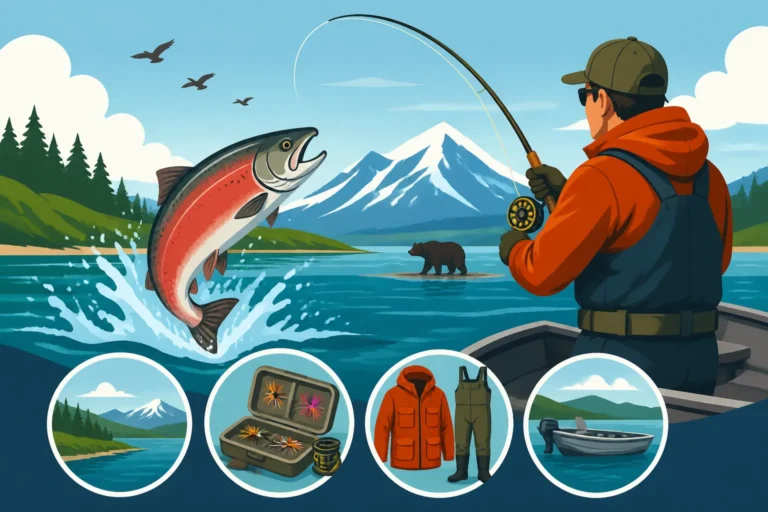
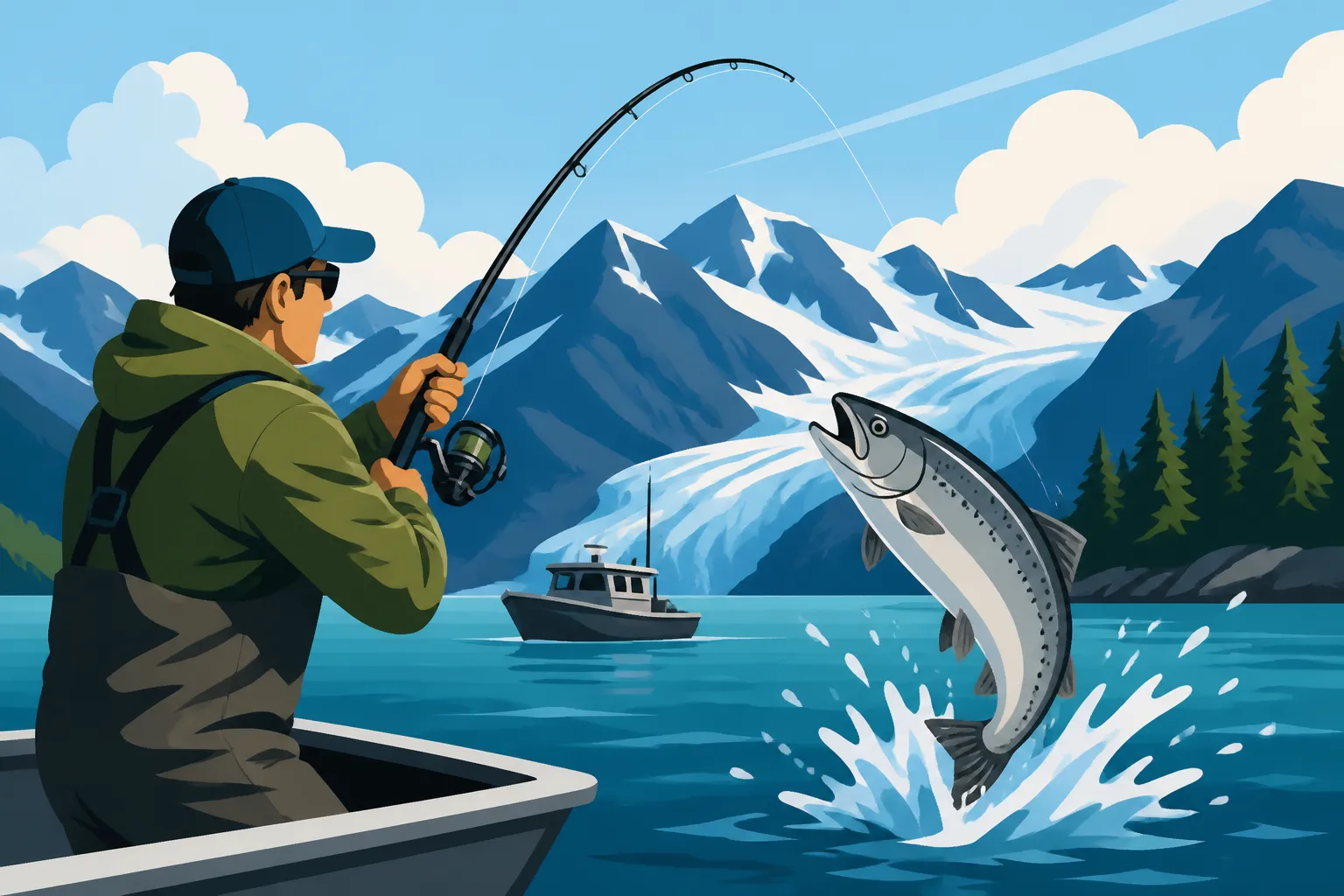
Valdez boasts a captivating history, from its gold rush days to its crucial role as the terminus of the Trans-Alaska Pipeline. This rich past is woven into the fabric of the town, offering more than just fishing; it's an immersive Alaskan experience. Imagine pulling in a chrome-bright King salmon with glacier-capped mountains towering above you and bald eagles circling overhead – that's the daily reality here. The deep, protected waters of Prince William Sound, carved by ancient glaciers, create a calm environment often appreciated by those who might be prone to seasickness on the open ocean.
Beyond the fishing, Valdez serves as a gateway to exploring the majestic Prince William Sound. You can combine your fishing adventure with sightseeing tours to see tidewater glaciers calve into the ocean, spot playful sea otters, curious seals, and even massive whales. This unique blend of world-class fishing and unparalleled natural beauty truly sets Valdez apart from other Alaskan fishing towns, offering a holistic outdoor adventure that goes beyond just reeling in a fish.
The Diverse Fisheries of Prince William Sound
The waters surrounding Valdez are incredibly diverse, supporting a wide array of fish species that appeal to all types of anglers. Prince William Sound is renowned for its productive marine ecosystem, fed by numerous glacier-fed rivers and streams that flow into the saltwater. This creates a nutrient-rich environment that supports massive baitfish populations, which in turn attract larger predatory species. Whether you prefer the thrill of battling a huge bottom fish or the finesse of targeting migrating salmon, Valdez has something for everyone.
The protected nature of the Sound means that fishing trips are less likely to be canceled due to rough seas, offering a more consistent and reliable fishing experience compared to some open ocean destinations. This makes it an excellent choice for families or those new to saltwater fishing. Anglers here can experience deep-sea jigging for halibut, trolling for various salmon species, or even venturing into nearby freshwater streams for resident trout and Dolly Varden. This diversity ensures that every day on the water in Valdez can bring a new and exciting challenge.
Key Fish Species You'll Encounter in Valdez
Valdez is a hotspot for a variety of popular sport fish, making it a dream destination for anglers hoping to fill their freezers and catch some truly memorable fish. Understanding what species are available and when they typically show up is crucial for planning your trip. The primary targets here include all five species of Pacific salmon, along with the highly sought-after Pacific halibut, lingcod, and several types of rockfish.
Legendary Salmon Runs King, Silver, Pink, Chum
Valdez lights up with incredible salmon runs throughout the summer, offering opportunities for all five species of Pacific salmon, though King (Chinook) and Silver (Coho) salmon tend to be the biggest draws.
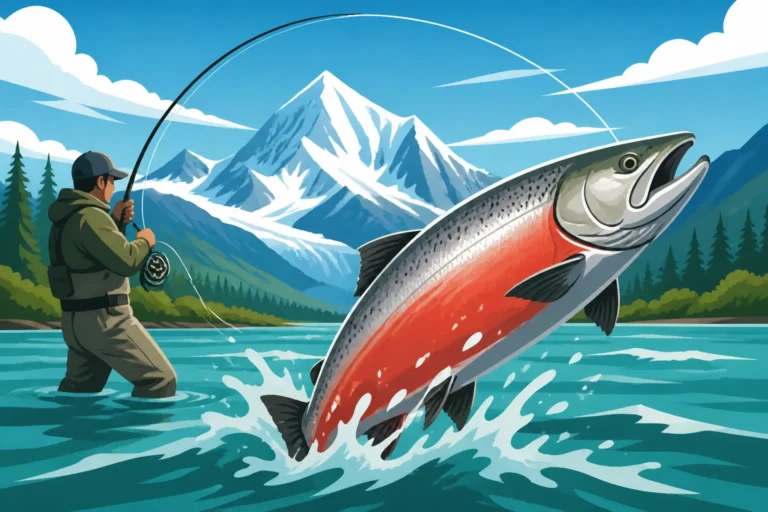
- King Salmon: The season for these prized fish typically kicks off in late May and extends through June, with some lingering into early July. Valdez offers both feeder kings that stay in the Sound and large migratory kings making their way to natal rivers. Targeting them often involves trolling with downriggers and large spoons or baitfish. Many anglers dream of catching these massive fish, and Valdez is one of the top locations to make that dream a reality. If you're wondering how to catch King Salmon in Alaska, Valdez provides ample opportunity and guides specializing in these powerful fish.
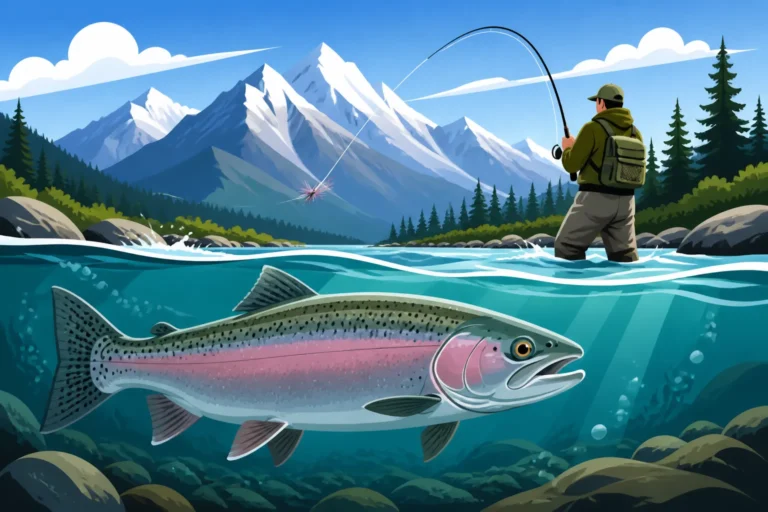
- Sockeye Salmon: While not as numerous in Valdez as in some other Alaskan rivers, sockeye can be found in certain streams and near river mouths, particularly from late June through July. These hard-fighting fish are usually targeted by fly-fishing or drift fishing with small, unbaited hooks.
- Pink Salmon: Known as "humpies" for the distinctive hump males develop during spawning, pink salmon arrive in enormous numbers, especially during even-numbered years, typically from mid-July through August. They are abundant and offer non-stop action, making them perfect for beginners or kids. They readily strike spinners, spoons, and flies.
- Chum Salmon: Also known as dog salmon, chums are incredibly strong fighters, providing a serious tug-of-war. They run alongside pinks, generally peaking in late July and August. They respond well to similar tackle as pinks but demand a heavier hand due to their robust nature.
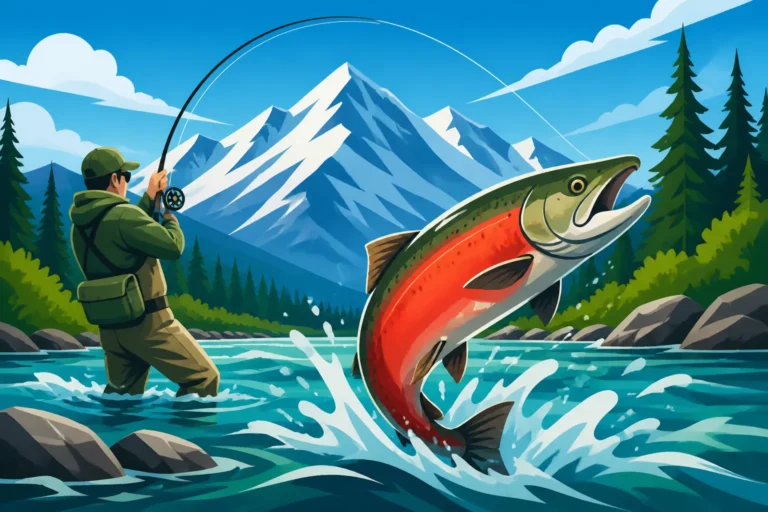
- Silver Salmon: Arguably the most acrobatic and exciting salmon to catch, silver salmon start showing up in mid-July, with peak runs in August and September. They hit a variety of lures, flies, and bait with aggression and put on an incredible aerial show once hooked. Many local guides focus heavily on silver salmon charters due to their consistency and popularity. If you're planning your trip around these thrilling fish, checking the Alaska Salmon Run Timing Explained can help you pinpoint the best windows.
The Thrill of Halibut and Lingcod
Beyond salmon, Valdez is world-renowned for its phenomenal bottom fishing, with Pacific halibut being the undisputed king. These massive flatfish provide an incredible fight and delicious fillets, making them a top target for many visitors. Halibut fishing in Valdez typically runs from May through September, with the peak season usually from June to August.
Anglers often use heavy-duty gear to drop large baits (like herring or salmon heads) or jigs to the deep ocean floor, sometimes hundreds of feet down. The sensation of a "barn door" halibut hitting your line is unforgettable. It's a true test of strength and endurance, often requiring teamwork to get these behemoths into the boat. For those new to the experience, understanding how to catch Halibut in Alaska is crucial, and a good charter captain will provide all the necessary instruction and specialized gear. Many Valdez charters focus primarily on halibut, sometimes offering combo trips that include salmon fishing.
Lingcod, with their formidable teeth and aggressive strikes, are another exciting bottom fish found in the deep, rocky structures of Prince William Sound. These prehistoric-looking fish are fantastic eating and offer a strong, sustained fight. Lingcod season typically opens in July, providing an additional target for bottom fish enthusiasts. Anglers usually target them with jigs or large swimbaits near rocky reefs and pinnacles. They often ambush their prey, leading to explosive strikes that get your adrenaline pumping.
Rockfish and Other Bottom Dwellers
Prince William Sound is also home to a diverse array of rockfish species, including the prized yelloweye, black rockfish, and quillback rockfish. These colorful fish inhabit rocky reefs and pinnacles and are caught using jigs, bait, or even salmon gear when fishing closer to the surface. Rockfish are excellent table fare and provide consistent action, often filling out limits when salmon or halibut fishing is slower.
Catching rockfish often involves vertical jigging or bait fishing over structure. Due to their tendency to suffer from barotrauma when brought up from deep water, many charters in Valdez use and promote the use of descending devices to release rockfish safely, adhering to sustainable fishing practices. Beyond rockfish, anglers might also encounter Pacific cod, especially during the early season, which offer a good fight and are another tasty option for the dinner table. This variety ensures that a day on the water in Valdez is rarely dull, with opportunities to catch a wide range of species.
Understanding Valdez Fishing Seasons and Timing
Timing your trip is paramount to maximizing your chances of success in Valdez. Alaska's fishing seasons are distinct, with different species peaking at various times throughout the summer. While fishing is available from May through September, the specific month can dramatically alter what you'll be targeting and the techniques you'll be using. A little planning goes a long way in ensuring your trip aligns with your angling goals.
Prime Time for Salmon Species
The salmon runs dictate much of the excitement in Valdez throughout the summer:
- May to Early July: This is prime time for King Salmon. Early May might see some resident kings, but the major migratory run typically hits its stride in June. If you're dreaming of a trophy King, aim for this window. You'll likely be trolling in deeper waters, covering ground to find these elusive giants.
- Mid-July to August: This period is often the busiest and most diverse. Pink Salmon and Chum Salmon arrive in huge numbers, particularly in July. These provide fast action and are excellent for families or those who want consistent bites. As August rolls around, the focus shifts heavily to the thrilling Silver Salmon (Coho). Silvers are known for their aggressive strikes and acrobatic fights, making late July through September a fantastic time for coho enthusiasts. Many charters will offer combo trips during this period, targeting both salmon and halibut. To get a comprehensive overview, checking an Alaska Fishing Seasons: Month-by-Month Guide is highly recommended.
- September: While some salmon runs dwindle, September remains excellent for Silver Salmon, often providing some of the largest fish of the season as they prepare to spawn. The crowds also thin out, offering a more peaceful angling experience.
Best Months for Halibut and Bottom Fish
Unlike salmon, which are largely seasonal migrants, halibut and other bottom fish are available throughout the sportfishing season in Valdez, though certain months offer better conditions and larger fish.
- May to September: Halibut fishing is strong all season long. However, many consider June, July, and August to be the absolute prime months due to warmer weather and higher concentrations of fish. During these months, the large "barn door" halibut are more prevalent as they feed aggressively.
- July to September: This window is ideal for Lingcod, as their season typically opens in July. Combining a halibut trip with lingcod or rockfish adds exciting variety and the chance to bring home a diverse catch.
- Weather Considerations: While fish are present, weather can play a role. Early season (May) and late season (September) can bring more unpredictable weather, including cooler temperatures and potential for rougher seas, though the protected nature of Prince William Sound often mitigates this. Mid-summer generally offers the most stable and pleasant conditions for long days on the water.
Navigating Emergency Orders
One critical aspect of fishing in Alaska, especially in dynamic fisheries like Valdez, is understanding and staying up-to-date on emergency orders. The Alaska Department of Fish and Game (ADF&G) regularly issues these orders to adjust fishing regulations in response to fish stock health, run strength, or other biological factors.
- What they are: Emergency orders can change bag limits, open or close specific areas, restrict gear types, or alter fishing hours for particular species on short notice. For example, if a King salmon run is weaker than expected, ADF&G might reduce the daily limit or close the fishery entirely to ensure conservation.
- Why they matter: Failing to adhere to an emergency order, even if you weren't aware of it, can result in significant fines and penalties. It’s your responsibility as an angler to know the current rules. This is particularly important for species like King salmon, where regulations, such as those covered in Alaska King Salmon Fishing Regulations and Limits, are frequently adjusted.
- How to stay informed: Before and during your trip, make it a habit to check the ADF&G website or call their local offices in Anchorage, Soldotna, or Cordova for the latest updates. Reputable fishing charters and lodges also stay on top of these changes and will inform their clients. Many local tackle shops and harbormasters will also have the most current information posted. Staying informed ensures a legal and enjoyable fishing experience.
Planning Your Valdez Fishing Adventure
A successful fishing trip to Valdez requires a bit more than just showing up with a pole. Thoughtful planning concerning whether to hire a guide, what gear to bring, and how to handle your catch can make all the difference between a good trip and a truly great one.
Guided Charters vs. DIY Fishing
Deciding whether to go with a guided charter or try a do-it-yourself (DIY) approach is one of the first big decisions you’ll make. Each has its pros and cons, and the best choice depends on your experience, budget, and desired level of adventure.
- Guided Charters: For most visitors to Valdez, especially those new to Alaskan fishing, a guided charter is highly recommended. Charter captains are experts in local waters, familiar with current regulations (including emergency orders), and know exactly where the fish are biting. They provide all the necessary, often heavy-duty, gear, bait, and safety equipment. This means less stress for you, more focus on fishing, and a much higher chance of success. Many charters offer combo trips, allowing you to target halibut and salmon in the same day. Booking through a service like FishingBooker can help you find reputable local operators and read reviews to ensure a quality experience. They handle all the logistics, from navigating the waters of Prince William Sound to helping you land your catch. For more detailed information on what to expect, check out What to Expect on an Alaska Fishing Charter.
- DIY Fishing: If you have your own boat, experience navigating Alaskan waters, and are comfortable with various fishing techniques, DIY fishing can be a rewarding and more budget-friendly option. Valdez has excellent public boat launches and fish cleaning stations. However, you'll be responsible for all your gear, safety planning, and knowing the ever-changing regulations. Bank fishing opportunities are more limited, but some streams and shorelines around Valdez do offer access, particularly for salmon later in the season. Consider your experience level and comfort with the local conditions before committing to a DIY trip.
Essential Gear and Packing Tips
Regardless of whether you go guided or DIY, having the right personal gear is crucial for comfort and safety in Alaska's often unpredictable weather.
- Layer Up: Alaska weather can change in an instant, even in summer. Pack multiple layers, including a moisture-wicking base layer, insulating fleece or wool mid-layers, and a waterproof and windproof outer shell (jacket and pants). Quality rain gear is non-negotiable; you don't want to be cold and wet on the water. Many guides and experienced anglers recommend brands like Grundens or Helly Hansen for their durability and waterproofing.
- Footwear: Waterproof boots are a must. Xtratuf boots are practically the unofficial footwear of Alaska and for good reason – they are comfortable, durable, and keep your feet dry.
- Gloves and Hat: Even in summer, insulated, waterproof gloves can make a huge difference, especially if you're handling fish or dealing with chilly winds. A warm hat, like a beanie, and a wide-brimmed hat or baseball cap for sun protection are also recommended.
- Sunglasses and Sunscreen: Don't underestimate the Alaskan sun, especially with the reflection off the water. Polarized sunglasses will also help you spot fish or changes in water conditions.
- Camera: You’ll want to capture the incredible scenery and your catches! Make sure it’s waterproof or in a protective case.
- Small Day Pack: For snacks, water, and personal items.
- Fishing Gear (if DIY): If you're going DIY, make sure you have appropriate rods, reels, line, lures, and bait for the species you're targeting. For halibut, this means heavy-duty conventional gear capable of handling large fish and heavy weights. For salmon, a medium-heavy spinning or baitcasting setup is generally sufficient for trolling or casting. This guide on Alaska Fishing Gear and Tackle Guide can provide more specifics.
Logistics: Licenses, Processing, and Accommodation
Handling the practical details ahead of time will make your Valdez fishing trip much smoother.
- Fishing Licenses: Everyone aged 16 and older needs an Alaska fishing license. Non-residents will need to purchase a specific non-resident license, and if you plan to target King salmon, you'll also need an Alaska King Salmon Stamp. You can purchase these online through the ADF&G website before your trip, or at local vendors in Valdez. Remember, your charter may provide the gear, but the license is always your responsibility. Find out more in this Alaska Fishing License: Complete Guide.
- Fish Processing: Once you've caught your limit, you'll need to process your fish. Many charters will fillet your fish for you on the boat or back at the dock. From there, you'll typically take your fillets to a local processor in Valdez, like Great Pacific Seafoods or Valdez Fish Processing. These businesses will cut, vacuum-seal, and freeze your catch, and can often arrange for shipping your precious fillets home. This service is invaluable, especially if you're flying. It’s wise to budget for this service, as it can add up but is well worth it to ensure your catch arrives home in pristine condition. Learn more about Fish Processing After an Alaska Charter.
- Accommodation: Valdez offers a range of accommodations, from hotels and motels to cabins, B&Bs, and RV parks. During peak fishing season (July-August), lodging can fill up quickly, so it's essential to book well in advance. Popular options include the Best Western Valdez Harbor Inn or the Totem Hotel and Suites, both conveniently located near the harbor. If you're looking for something more rustic, there are also several campgrounds nearby. Booking your accommodations at the same time you book your charter is a smart move.
- Travel: Valdez is accessible by road (the scenic Richardson Highway) or by ferry via the Alaska Marine Highway System. If you're driving from Anchorage, it's about a 5.5 to 6-hour drive through stunning mountain passes. Factor in time for potential construction delays during the summer months.
Disclaimer
The information provided in this guide is for general informational purposes only and is subject to change. Fishing regulations, seasons, and local conditions in Alaska can change rapidly, often due to emergency orders issued by the Alaska Department of Fish and Game. Always consult the official ADF&G regulations, emergency orders, and local authorities before and during your fishing trip to ensure compliance and safety. Fishing involves inherent risks, and adherence to safety guidelines and local expertise is paramount.