Best Rivers for Silver Salmon in Alaska
It's no secret that Alaska is synonymous with incredible salmon fishing, but let's be real, chasing the mighty King Salmon or dipping for Sockeye can feel like an Olympic sport with the crowds and intense regulations. If you're yearning for a more consistent bite, a fantastic fight, and a truly rewarding experience without feeling like you're in a combat zone, then focusing on Silver Salmon, or Coho, is your ticket. This guide is dedicated to helping you pinpoint the absolute best rivers in Alaska where these acrobatic beauties run thick and furious, ensuring your next angling adventure is packed with thrilling action.
The Allure of Silver Salmon in Alaska
There's something uniquely exhilarating about hooking into an Alaskan Silver Salmon. They're not the largest of the Pacific salmon species, often weighing in around 8 to 12 pounds, but what they lack in sheer bulk, they more than make up for in acrobatic displays and dogged determination. Unlike some of their brethren, Silvers are known for their aggressive strikes and aerial antics, jumping and thrashing with impressive vigor once hooked. It's this spirited fight that truly cements their place as a favorite among anglers, offering a dynamic challenge that keeps you on your toes from the moment they hit your lure until they're safely in the net.
The Thrill of the Coho Fight
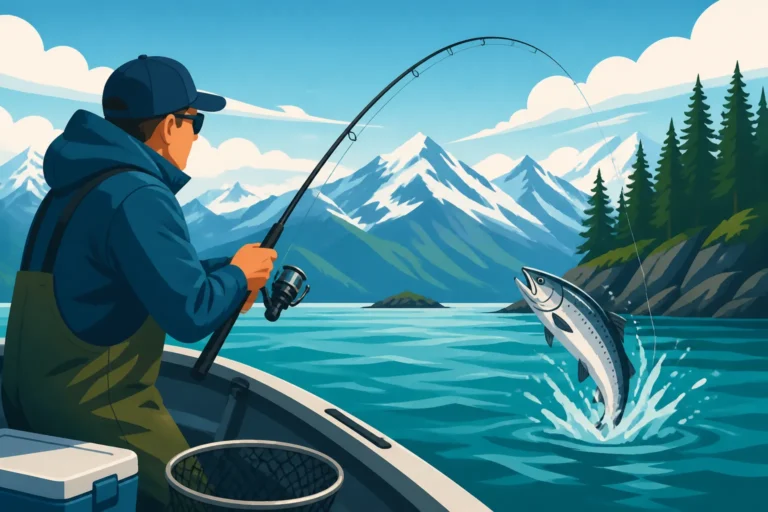
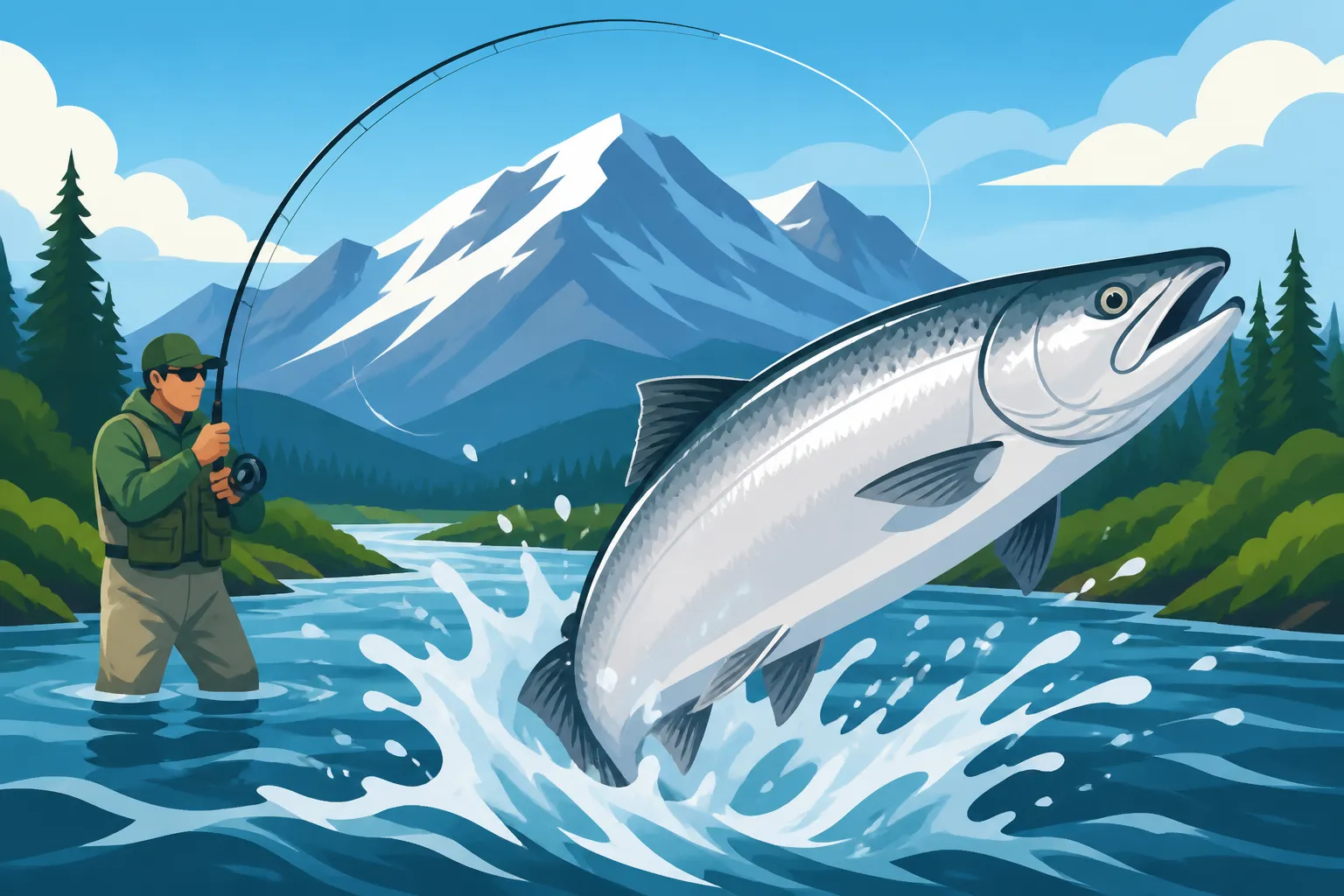
Imagine casting your spinner into a deep pool, feeling that familiar thunk as a fish strikes, and then watching in awe as a flash of silver explodes from the water, tail-walking across the surface before diving back down with surprising power. That's the quintessential Coho experience. They hit hard, run fast, and often spend as much time in the air as they do in the water. This isn't a subtle retrieve; it's a battle of wills where you need to react quickly to their sudden bursts of speed and unexpected jumps. Many anglers find the sustained action and visual spectacle of a Coho fight far more engaging than the deeper, more powerful but less theatrical runs of a King Salmon. It’s an almost addictive thrill that keeps people coming back year after year.
Peak Season Timing Across Regions
Knowing when to target Silvers is just as crucial as knowing where. While their runs aren't as notoriously fickle as King Salmon, they do have distinct windows of opportunity that vary by region. Generally, Silver Salmon begin to show up in late July, with the runs intensifying throughout August and often extending well into September, sometimes even into early October in certain areas. This late-season timing makes them a perfect target once the main Sockeye and King runs have tapered off, offering fantastic fishing opportunities during a period when many other species are past their prime. Understanding Alaska Salmon Run Timing Explained for specific rivers will give you a significant advantage in planning your trip. For instance, early August might be prime in some Southcentral rivers, while late August and September are fantastic in Southeast Alaska. Monitoring local fishing reports and emergency orders from the Alaska Department of Fish and Game (ADF&G) is paramount for dialing in your timing.
Kenai Peninsula: Southcentral Alaska's Silver Salmon Stronghold
The Kenai Peninsula, often called "Alaska's Playground," isn't just famous for its King and Sockeye runs. It's an absolute powerhouse for Silver Salmon, offering a variety of river experiences from the vast, iconic Kenai River to smaller, more intimate streams. Its accessibility from Anchorage makes it a prime destination for many anglers seeking that unforgettable Coho experience.
Kenai River: A Legendary Silver Fishery
When most people think of the Kenai River, they often picture monstrous King Salmon or dense schools of Sockeye. But trust me, the Kenai in late summer and early fall becomes a silver salmon paradise. The sheer volume of fish entering this system is astounding. The lower Kenai, particularly around Soldotna and Kenai, sees massive pushes of Silvers from early August through September. Anglers often target them from drift boats, casting spinners like the Blue Fox Vibrax or Kwikfish, or back-trolling with cured eggs. The middle and upper Kenai, especially above Skilak Lake, also offer incredible opportunities, often with fewer crowds.
Fishing here can be incredibly productive, with many anglers easily catching their daily limit. Remember to check the current Alaska Fishing Regulations Explained for the specific section of the river you plan to fish, as rules can change. You might be drifting past someone using a fly rod while another boat is back-bouncing bait, all for the same vibrant Coho. This river's broad appeal and variety of access points make it a top choice, but don't expect solitude – the Kenai, even for silvers, draws a crowd. For a complete overview, be sure to check out the Kenai River Fishing: Complete Guide.
Kasilof River: Smaller Crowds, Big Silvers
Just south of the Kenai, the Kasilof River offers a different, often more serene, silver salmon experience. While it might not boast the sheer numbers of the Kenai, the Kasilof is known for producing some exceptionally large Coho. The river is glacier-fed, giving it a milky turquoise hue, and is primarily fished from drift boats. The run typically kicks off in early August and continues strong through September.
The Kasilof's more intimate size compared to the Kenai means fewer boats and a more relaxed atmosphere. Anglers here often use similar tactics to the Kenai, favoring bait presentations like cured salmon roe under a bobber or back-trolling plugs. Because of its hatchery program, there's often a healthy return of Silvers, making it a reliable choice. If you're looking for quality over sheer quantity, and a chance at a true trophy Coho without navigating intense boat traffic, the Kasilof is an excellent alternative. Learn more about planning your trip by reading Kasilof River Fishing: What to Know Before You Go.
Russian River: A Different Kind of Silver Experience
While the Russian River is legendary for its Sockeye salmon "combat fishing," it also offers a fantastic, albeit challenging, silver salmon fishery. Located near Cooper Landing, where it merges with the Upper Kenai, the Russian River's clear waters provide a stunning backdrop for fishing. Silver Salmon typically start entering the river in late August and continue through September, mixing with late-run Sockeye and resident Rainbow Trout.
Fishing the Russian requires a different approach. Because of its clarity and snags, fly fishing with streamers or beads is often the most effective method, though spin anglers can also find success with small spinners or jigs. The terrain often involves hiking along the banks, and the focus here is often on sight-fishing to individual Coho in deeper pools or slow currents. It’s a physically demanding but incredibly rewarding experience, especially for those who cherish the challenge of stalking fish in pristine wilderness settings. Just be prepared for potential bear encounters, as the Russian River is prime habitat for them. For specific gear advice, consider articles like Best Lures for Alaska Salmon.
Mat-Su Valley Rivers: Accessible Silver Salmon Fishing Near Anchorage
For those based in or flying into Anchorage, the Matanuska-Susitna (Mat-Su) Valley offers some of the most accessible and productive silver salmon fisheries in the state. These rivers are often a favorite for locals and visitors alike due to their proximity to major roads and towns.
Deshka River: Early Season Opportunities
The Deshka River, a major tributary to the Susitna River, is renowned for its early silver salmon run, often kicking off in mid-July and continuing through August. This makes it one of the first places anglers can consistently target Coho each season. The Deshka is accessible via a short boat ride from the Susitna Landing or by air taxi to various points along the river.
Fishing the Deshka for silvers typically involves casting spinners, twitching jigs, or drift fishing with bait. Its relatively small size and clear water make it a fun river to fish, and the early timing means you can often beat the peak crowds found later in the season on other rivers. The ADF&G often operates a weir on the Deshka, which provides excellent data on fish counts, giving anglers a good indication of when the run is strong. This makes planning your trip to the Deshka a bit easier, as you can track the run in real-time. For a deep dive into this river, read Deshka River Fishing: What to Know Before You Go.
Susitna River Drainage: Vast and Rewarding
The Susitna River, one of Alaska's largest river systems, along with its countless tributaries, offers an immense playground for silver salmon. While accessing the main stem can be challenging due to its size and braided channels, many of its tributaries, beyond the Deshka, are fantastic destinations. Rivers like the Talkeetna River, Little Susitna River, and Willow Creek all see strong silver salmon returns from late July through September.
Fishing methods vary widely depending on the specific tributary. On smaller, clearer streams like Willow Creek, fly fishing with Coho flies or small spinners can be highly effective. On larger, more turbid rivers within the drainage, bait under a bobber or casting larger spoons and spinners from a boat or bank is common. The sheer scale of the Susitna drainage means there are always new spots to explore, offering a sense of adventure beyond the more heavily trafficked areas. It's a fantastic region for anglers who enjoy exploring and finding their own honey holes, though a good local guide or detailed river maps are invaluable resources.
| River Name | Peak Silver Season | Primary Fishing Methods | Typical Access | Notable Features |
|---|---|---|---|---|
| Kenai River | Aug – Sep | Spinners, Bait, Back-Trolling | Roadside, Boat launch | High volume, varied techniques, large fish |
| Kasilof River | Aug – Sep | Bait, Plugs, Spinners | Boat launch | Larger average size, fewer crowds than Kenai |
| Russian River | Late Aug – Sep | Fly fishing (streamers/beads), Spinners | Hiking, Walk-in | Clear water, wilderness feel, bear country |
| Deshka River | Mid-Jul – Aug | Spinners, Jigs, Bait | Boat shuttle (Susitna Landing) | Early run, good counts from weir |
| Nushagak River | Mid-Jul – Mid-Aug | Spinners, Plugs, Bait, Fly Fishing | Fly-in lodge/charter | Incredible volume, multi-species combos |
| Naknek River | Late Aug – Sep | Spinners, Bait, Fly Fishing | Fly-in lodge/charter | Strong later run, trophy rainbows post-spawn |
| Karluk River (Kodiak) | Aug – Oct | Spinners, Spoons, Fly Fishing (streamers) | Remote fly-in | Very consistent, known for chrome fish |
| Sitka Area Streams | Late Aug – Sep | Spinners, Jigs, Fly Fishing | Boat/Kayak, some roadside | Coastal access, often less pressure |
Southeast Alaska: Saltwater and Tributary Silver Salmon Opportunities
Southeast Alaska, a region defined by its rugged coastline, dense rainforests, and intricate network of islands and fjords, offers a different flavor of silver salmon fishing. Here, the pursuit often blends saltwater trolling with targeting smaller, easily accessible freshwater tributaries.
Ketchikan Area: Abundant Smaller Rivers
Ketchikan, known as the "Salmon Capital of the World," lives up to its name with robust runs of all five Pacific salmon species, including a fantastic silver salmon season. While large rivers are less common here, the region boasts numerous smaller streams and creeks that get packed with Coho from late August through September. Many of these streams are accessible via short boat rides or even by road from Ketchikan.
Anglers often enjoy incredible success casting medium-sized spinners, spoons, or twitching jigs in the clear, shallower waters of these creeks. Fly fishing with flashy streamers can also be exceptionally productive. The key here is mobility; being able to hop from one stream to another as the tides and fish movements dictate can lead to phenomenal days. For visitors, many local charters offer combination trips, allowing you to troll for silvers in the saltwater and then switch to bank fishing a tributary once the fish move in.
Juneau and Sitka: Charter-Accessible Silvers
Further north in Southeast, the areas around Juneau and Sitka provide excellent opportunities for silver salmon, often with the convenience of charter operations. While these areas are more famous for their saltwater King Salmon and Halibut, the Coho runs are equally impressive, particularly from late July through September.
In these coastal communities, many anglers opt for guided saltwater charters that troll with flashers and spoons or bait. The beauty of this approach is that you're not solely reliant on river conditions or specific tides, as schools of Silvers often feed actively in the ocean before pushing into the spawning rivers. For those who prefer freshwater, numerous small rivers and creeks around Juneau and Sitka also receive strong silver runs. Popular spots might include Cowee Creek near Juneau or the Indian River near Sitka, though local knowledge from guides is priceless for finding the hot spots. Websites like FishingBooker can be an excellent resource for finding reputable charters in these areas, helping you secure a knowledgeable captain who knows where the Silvers are biting.
Western Alaska's Wild Frontier: Bristol Bay and Beyond
If you're looking for a truly epic, remote, and often unbelievably productive silver salmon experience, then Western Alaska, particularly the vast Bristol Bay region, should be high on your list. This is where wilderness and incredible fish populations collide, offering an adventure unlike any other.
Nushagak and Naknek: Unforgettable Silver Expeditions
The Nushagak River, often hailed as one of the best salmon rivers in the world, is primarily known for its mind-boggling Sockeye and King runs. However, its silver salmon fishery, peaking from mid-July to mid-August, is equally impressive. Thousands upon thousands of chrome-bright Coho flood this massive system, providing non-stop action for anglers. Due to its remote location, access is typically via fly-in lodges or specialized charters.
Fishing on the Nushagak often involves casting heavy spinners and spoons or drift fishing with bait from jet boats. The sheer numbers of fish can be staggering, leading to incredible catch rates. Further north, the Naknek River, which flows out of Katmai National Park, also sees a fantastic silver salmon run from late August through September. While not as early as the Nushagak, the Naknek's Silvers are often larger, and fishing here can be combined with targeting trophy Rainbow Trout that gorge themselves on salmon eggs. Both rivers offer a quintessential Alaskan wilderness experience, surrounded by stunning scenery and abundant wildlife. For more details on the Nushagak, check out the Nushagak River Fishing Guide.
Alagnak River: Fly-Out Silver Salmon Paradise
Nestled within the wilderness of Bristol Bay, the Alagnak River is another gem, offering world-class fishing, especially for those seeking a true fly-out experience. This designated Wild and Scenic River becomes a haven for silver salmon from late August through September. Its relatively unpressured waters and stunning natural beauty make it a dream destination for many anglers.
Fishing on the Alagnak for Silvers is often done from shallow-draft boats or by wading, casting flies, spinners, or spoons into its pristine waters. The clear water here often allows for sight fishing, adding another layer of excitement to the pursuit. Many all-inclusive lodges operate on the Alagnak, providing expert guides, comfortable accommodations, and the logistical support needed for a remote Alaskan adventure. While a trip to the Alagnak can be a significant investment, the rewards – endless fish, untouched wilderness, and incredible wildlife viewing – are truly priceless. If you're planning a trip to this region, you might explore options on FishingBooker for guides specializing in fly-out experiences.
Essential Strategies for Silver Salmon Success
Regardless of which incredible Alaskan river you choose to pursue silver salmon, having the right approach, gear, and understanding of local conditions will dramatically increase your chances of success. Silvers are aggressive, but they also respond best to certain presentations and conditions.
Essential Gear and Techniques for Coho
Silver Salmon are opportunistic feeders, meaning they're not too picky, which is great news for anglers. However, having a few go-to setups will serve you well. A medium-heavy spinning rod (8-9 feet) paired with a reel spooled with 20-30 lb braided line and a fluorocarbon leader of 15-20 lb is a versatile choice. For lures, bright, flashy spinners are almost universally effective. Brands like Blue Fox, Mepps, and Hildebrandt are popular choices. Spoons in chartreuse, orange, or silver are also deadly. Twitching jigs, especially in pink, chartreuse, or white, are incredibly effective when fish are holding in deeper pools or slower currents.
For bait, cured salmon roe is a perennial favorite, often fished under a float or drifted on its own. Plugs like Kwikfish or Wiggle Warts, typically back-trolled from a boat, can also entice aggressive strikes. Fly anglers will find success with large, flashy streamers in similar color patterns (chartreuse, pink, purple) or egg-sucking leech patterns. Remember, fishing techniques in Alaska can vary greatly, so knowing how to effectively How to Catch Silver Salmon in Alaska with different methods is key. And always check for specific Alaska Bait Restrictions Explained as some areas or times may have limitations.
Navigating Regulations and Emergency Orders
Alaska's fishing regulations are dynamic and can be complex, especially with in-season changes due to fish counts or environmental factors. Before embarking on any trip, it is absolutely essential to purchase your Alaska Fishing License: Complete Guide and thoroughly review the current regulations for the specific region and river you plan to fish. The ADF&G website is your best friend here, providing detailed booklets and, critically, daily updates on emergency orders.
Emergency orders can change bag limits, open or close fisheries, or restrict certain gear types (e.g., single-hook, barbless hooks only). What was legal yesterday might not be today, so staying informed is paramount to avoid violations. Many local guides and lodges will keep you updated, but it's ultimately your responsibility as an angler. Pay close attention to daily bag limits, annual limits (especially for non-residents), and any special harvest recording requirements. For example, some species or regions require you to record your catch immediately on your license or a separate harvest card.
Planning Your Alaska Silver Salmon Trip
Planning an Alaskan fishing trip can feel overwhelming, but focusing on silver salmon simplifies things somewhat due to their predictable runs and aggressive nature. First, decide on your desired experience: do you want a remote wilderness adventure, or something more accessible with road system access? Your budget will also play a significant role, as fly-in trips or all-inclusive lodges will be more expensive than a DIY trip to a roadside river. Consider researching Alaska Fishing Charter Cost Explained if you prefer a guided experience.
Once you've chosen a region and a few target rivers, look into accommodations well in advance, especially if you're traveling during peak August or September. Lodges, cabins, and even campgrounds fill up quickly. If you plan to hire a guide or charter, booking several months, or even a year, ahead is strongly recommended. Websites like FishingBooker allow you to compare various charters, check availability, and read reviews, which is incredibly helpful in making an informed decision. Finally, don't forget to pack appropriate clothing – layers are key in Alaska, along with good rain gear and waterproof boots. Remember, you can consult resources like What to Bring on an Alaska Fishing Charter for a comprehensive packing list.
Disclaimer
Please remember that fishing conditions, regulations, and fish runs in Alaska can change rapidly. Always consult the official Alaska Department of Fish and Game (ADF&G) website for the most up-to-date regulations, emergency orders, and licensing requirements before planning and during your fishing trip. This guide is for informational purposes only and should not replace official sources. Responsible angling practices, including adherence to all regulations and ethical catch-and-release methods when appropriate, are crucial for preserving Alaska's incredible fisheries for future generations.