Alaska Sockeye Salmon Fishing Regulations and Limits
Trying to figure out the exact rules for Sockeye salmon fishing in Alaska can feel like deciphering ancient hieroglyphs, especially when regulations change so quickly or vary wildly from one river to the next. It’s enough to make you second-guess every cast! But don't you worry, this comprehensive guide is here to untangle the complexities, walking you through the critical regulations and limits for Sockeye salmon so you can fish with confidence and stay on the right side of the law.
Demystifying Sockeye Salmon Fishing Regulations: The Core Essentials
Sockeye salmon, also known as red salmon due to their vibrant spawning colors, are an iconic species in Alaska, famous for their firm, flavorful flesh and challenging fight. Because they are such a prized resource, their regulations are often among the most strictly managed. It's not just about catching them; it's about understanding the specific rules designed to protect these vital runs.
Daily and Annual Bag Limits for Sockeye
When you’re out on the water, the first thing on most anglers' minds is, "How many can I keep today?" For Sockeye salmon, daily and annual bag limits are a moving target, often dictated by the specific region, the river you're fishing, and even the time of year. Generally, the Alaska Department of Fish and Game (ADF&G) sets these limits to ensure sustainable harvests and conservation. For sportfishing, you might see daily bag limits ranging from 3 to 6 Sockeye per person, with some areas having different annual limits, particularly for non-residents.
These numbers aren't arbitrary; they’re carefully calculated based on escapement goals (how many fish need to make it upstream to spawn) and run strength. Sometimes, early in the season, limits might be more conservative, only to be liberalized if the run proves exceptionally strong. It's a dynamic system that requires anglers to be vigilant. Always check the most current regulations for the area you plan to fish before heading out. Ignoring these can lead to hefty fines and confiscation of your catch, which is the last thing anyone wants after a long day on the river.
Beyond just the daily count, it's crucial to understand what "retained" means. Once a fish is kept and not immediately released, it counts toward your daily bag limit. This means if you catch a Sockeye, decide to keep it, and then later decide you want to release it because you caught a bigger one, that first fish still counts towards your limit. There’s no swapping out fish once they’re in the cooler or on the stringer. This rule is in place to prevent people from high-grading their catch and putting undue stress on released fish.
Identifying Sockeye Salmon for Compliance
One of the biggest challenges, especially for new anglers or those visiting Alaska, is correctly identifying the species of salmon you've caught. While Sockeye are distinct, particularly as they mature and turn red, they can be confused with other salmon species when fresh from the ocean or in their chrome phase. Misidentification can lead to inadvertently violating bag limits for other species or keeping a fish you weren't legally allowed to retain.
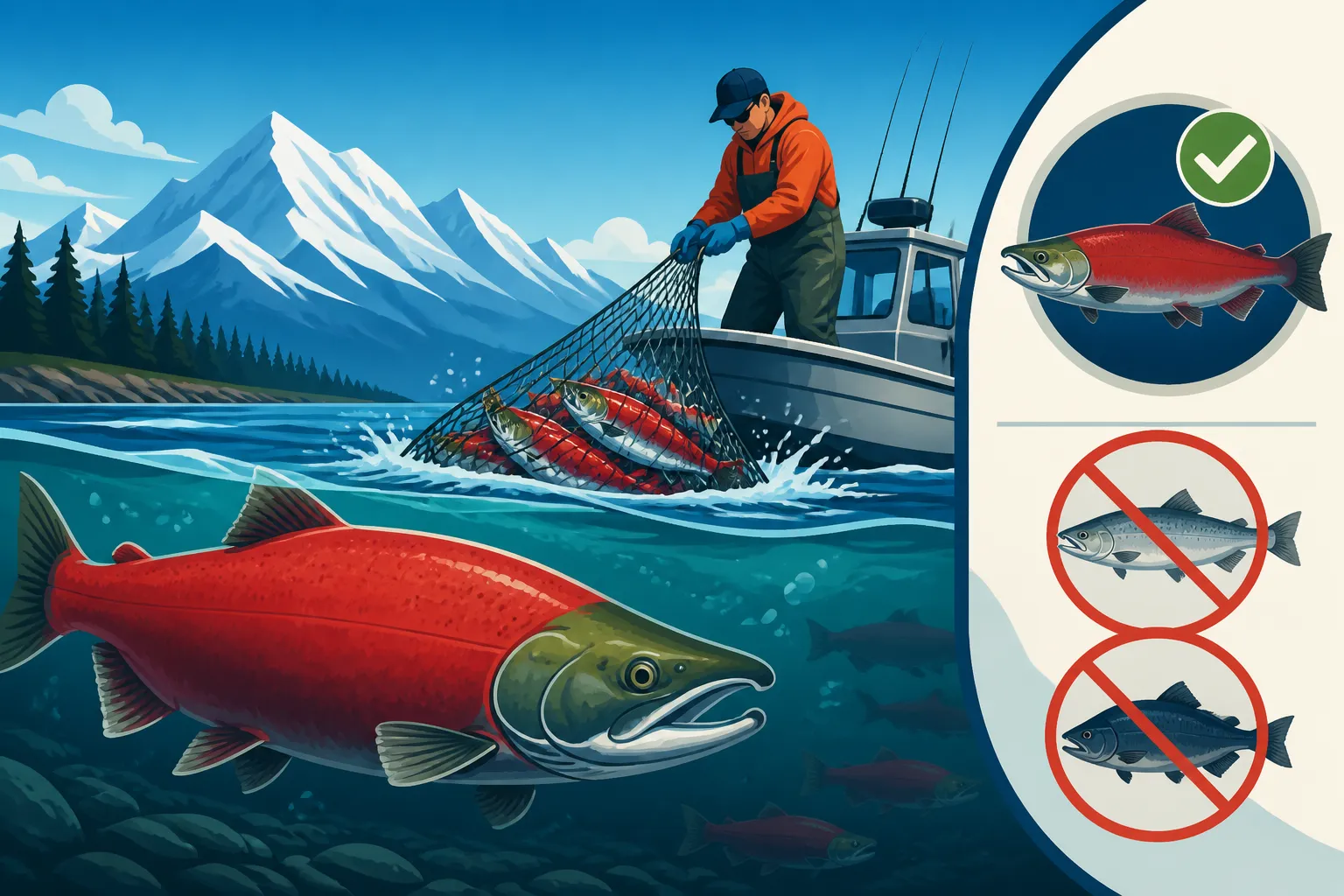
Sockeye salmon in their ocean phase are typically bright silver with a dark blue-green back. They have no spots on their back or tail, which immediately sets them apart from King (Chinook) or Silver (Coho) salmon. Their eyes tend to be larger in proportion to their head, and their gill rakers are long and numerous. As they enter freshwater to spawn, their bodies transform into a brilliant red, and their heads turn green. It's this striking change that gives them their "red salmon" moniker. During the run, males develop a pronounced humped back and hooked jaw (kype).
Knowing these identification markers is more than just trivia; it's a critical aspect of responsible fishing. Imagine you're on the Kenai River, and you accidentally keep a King salmon, believing it to be a Sockeye, only to find out the King season is closed or the limit is drastically different. This kind of mistake can easily happen if you're not paying close attention. Many experienced anglers carry a small laminated guide or use an app to help with quick identification, especially when the fish are fresh and less distinctly colored.
General Fishing Methods and Gear Restrictions for Sockeye
Catching Sockeye salmon in Alaska often involves specific techniques, and with those techniques come particular gear restrictions. Sockeye are primarily plankton feeders in saltwater and typically don't feed once they enter freshwater. This means they are rarely caught on traditional lures or bait in rivers. The most common and effective method for Sockeye in rivers is often referred to as "flossing" or "flipping."
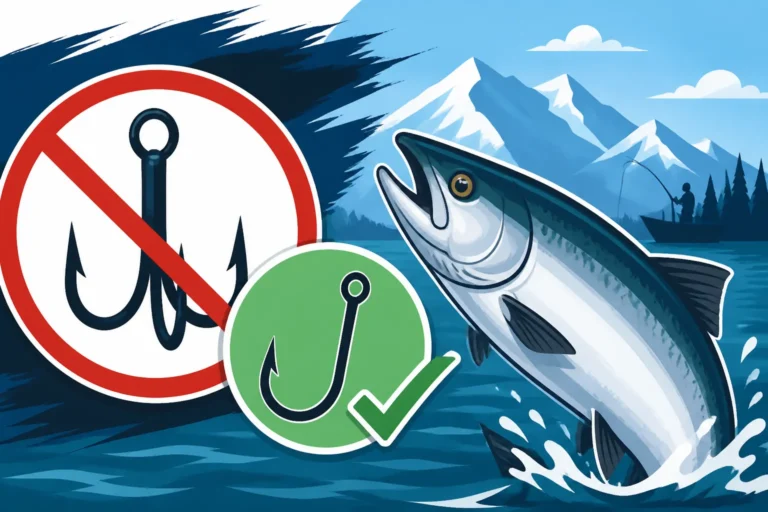
Flossing involves using a heavy leader and a bare, unbaited hook. The idea is to drift your line directly into the mouth of a Sockeye as it swims upstream, and then when you feel a tick, you set the hook. This technique is often misunderstood and sometimes criticized, but when done legally and correctly, it's a highly effective way to catch Sockeye. However, many areas have strict rules about hook gap, leader length, and the use of single, barbless hooks. For instance, in many freshwater systems, Alaska Barbless Hook Requirements are strictly enforced to minimize injury to fish that are not retained.
For those who prefer a more traditional approach, fly fishing can also be productive, particularly with brightly colored Sockeye flies designed to irritate or provoke a strike from a territorial fish. Spin fishing with small, brightly colored lures or flies, often weighted heavily, can also work. Whatever method you choose, always check the current sport fishing regulations booklet or website for the specific water you're fishing. You can usually find a good basic setup, including the right weights and leaders, on Amazon, but always ensure your hooks comply with local regulations. These details, like Alaska Single-Hook Rules During King Closures, are constantly updated and can make or break your trip.
Navigating Regional Sockeye Salmon Limits and Special Fisheries
Alaska is a vast state, and its fishing regulations reflect that diversity. What's allowed on the Kenai River might be completely different from rules on the Copper River, or a personal use dipnet fishery. It’s not a one-size-fits-all situation, and understanding these regional nuances is key to a successful and legal Sockeye fishing trip.
Kenai River Sockeye Regulations and Specifics
The Kenai River is perhaps the most famous Sockeye salmon fishery in the world, drawing thousands of anglers each summer. The sheer volume of Sockeye returning to the Kenai and its tributaries like the Russian River is astounding, but with that popularity comes incredibly specific and often rapidly changing regulations. For example, the daily bag limits for Sockeye on the Kenai are frequently adjusted through emergency orders based on real-time run data. While a general limit might be three Sockeye per day, it can quickly increase to six or even more if the run is exceptionally strong, or decrease if it's lagging.
Anglers on the Kenai need to pay close attention to the specific sections of the river. Certain areas might have special restrictions, such as fly-fishing-only zones or bait restrictions. The confluence of the Kenai and Russian Rivers is particularly popular for Sockeye, famous for its "combat fishing" conditions, where anglers stand shoulder-to-shoulder. Here, methods like "flossing" are prevalent, but rules regarding leader length, weight, and hook types are extremely strict. Any Sockeye retained must also be recorded on your Alaska Harvest Record Card Explained, with specific rules sometimes applying to Kenai Sockeye. You can learn more about specific regulations in our guide to Alaska Kenai River Sockeye Recording Rules.
Chitina Personal Use Dipnet Fishery Rules
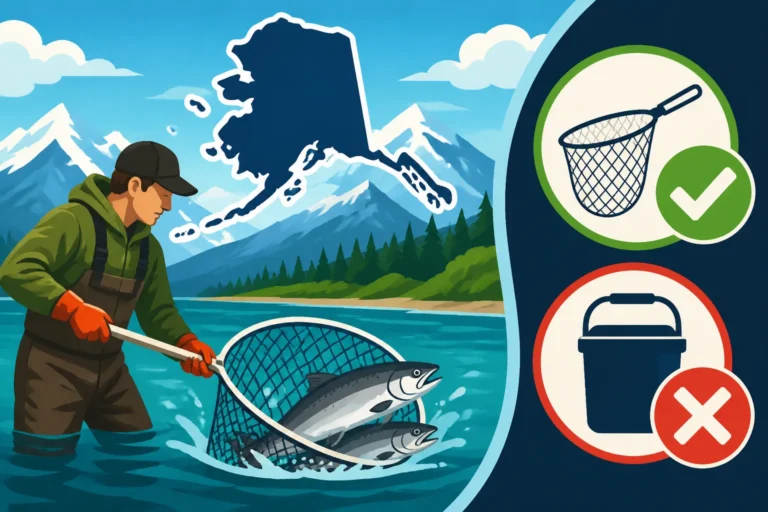
For residents of Alaska, the Chitina Personal Use Fishery on the Copper River is a unique and incredibly popular way to harvest Sockeye salmon. This isn't your typical rod and reel sportfishing; it's a large-scale dipnet operation that allows Alaska residents to harvest a substantial amount of Sockeye for personal consumption. The rules for Chitina are distinct from sportfishing regulations and require a separate permit, in addition to an Alaska resident fishing license.
The fishery is managed by specific open periods, which are announced well in advance but can be adjusted by emergency order. Participants use large dipnets to scoop salmon directly from the powerful current of the Copper River. The possession limits here are generous, often allowing for hundreds of pounds of Sockeye per household, making it an essential food source for many Alaskans. However, there are strict rules about net size, personal use only (no selling fish), and proper fish cleaning and transport. For a full breakdown, check out our guide on Alaska Dip Netting Regulations and Alaska Personal Use Fishing Explained.
Other Key Sockeye Fisheries (Copper River, Russian River)
While the Kenai and Chitina often grab the headlines, many other rivers across Alaska offer incredible Sockeye fishing opportunities, each with its own set of rules. The main stem of the Copper River, outside of the personal use dipnet area, also has sportfishing opportunities for Sockeye, though often in more remote sections. The early run Copper River Sockeye are legendary for their high fat content and command a premium price.
The Russian River, a tributary of the Kenai, is another hotspot, particularly known for its consistent Sockeye returns and easier access for bank anglers. However, it also comes with extremely tight regulations, including specific fly-fishing-only sections, bait bans, and often, mandatory catch-and-release for species like Rainbow Trout. It’s truly a special place, but one where knowing the rules, especially those covered in our Alaska Russian River Sockeye Fishing Guide, is paramount to avoiding citations. Other systems like the Kasilof River, Susitna River tributaries, and various rivers in Bristol Bay also host robust Sockeye runs, each with unique daily and annual limits. For precise details, you'll want to reference resources like Alaska Sockeye Daily Limit by River.
Here's a quick overview of some common Sockeye regulations by general location, but remember these can change via emergency order!
| Fishery Type/Location | Typical Daily Limit (Sport) | Special Considerations | Common Season |
|---|---|---|---|
| Kenai River (Sport) | 3-6 Sockeye | Flossing, barbless hooks, gear restrictions | Late June – August |
| Russian River (Sport) | 3-6 Sockeye | Fly-fishing only in certain areas, bait ban | Late June – July |
| Chitina (Personal Use) | Varies by permit (hundreds of fish per household) | Alaska Resident only, dipnetting, specific open periods | June – August |
| Statewide General | 3-6 Sockeye | Check local regulations, potential annual limits | Mid-June – September |
Staying Compliant: Licensing, Harvest Cards, and Emergency Orders for Sockeye
Fishing in Alaska isn't just about knowing where the fish are; it's about being prepared with the right paperwork and staying informed about dynamic rule changes. The state takes its fisheries management very seriously, and ignorance of the law is no excuse for a violation.
Essential Licenses and Harvest Recording for Sockeye Anglers
Before you even make your first cast, you need to ensure you have the proper Alaska fishing license. This isn't unique to Sockeye fishing but is a fundamental requirement for virtually all sportfishing in the state. Whether you're an Alaska resident or a non-resident, you'll need a current sport fishing license. The type of license you need – whether it's a 1-day, 7-day, or annual license – depends on the duration of your trip. Our guide, Alaska Fishing License: Complete Guide, can walk you through all the options, including details on Alaska Fishing License Cost and Types.
Beyond the basic license, many anglers, especially those targeting salmon species like Sockeye, are required to possess and correctly fill out an Alaska Harvest Record Card. This card is not just a piece of paper; it’s a vital tool for fisheries managers to track harvest numbers and monitor the health of fish populations. For Sockeye salmon, you are typically required to immediately record any retained fish on this card, noting the species, date, and location. This immediate recording prevents over-harvesting and helps ADF&G gather accurate data. Failing to record your catch promptly or incorrectly can be considered a violation. It’s worth taking a moment to familiarize yourself with What Is the Alaska Harvest Record Card and how to properly document your Sockeye.
How Emergency Orders Impact Sockeye Seasons
This is perhaps the trickiest part of Sockeye fishing in Alaska: the constant potential for emergency orders. Unlike many other states where regulations are static for an entire season, Alaska’s fisheries are managed dynamically, often on a week-to-week, or even day-to-day basis. Sockeye runs can be incredibly unpredictable; some years see record returns, while others are below average. ADF&G monitors these runs in real-time using sonar, weir counts, and test fisheries.
If a run is weaker than expected, or if escapement goals (the number of fish needed to make it to the spawning grounds) are not being met, ADF&G will issue an emergency order. These orders can significantly change daily bag limits, close entire fisheries, restrict gear types, or alter fishing hours, sometimes with very little notice. It’s incredibly frustrating to plan a trip for months, only to have the rules change the day before you arrive. Many a dedicated angler has driven for hours to a favored spot only to find it closed by emergency order. But these measures are crucial for conservation, ensuring that future generations can also enjoy the incredible Sockeye runs. Our article, Alaska Fishing Emergency Orders Explained, delves deeper into this often-vexing topic.
Resources for Up-to-Date Sockeye Information
Given the dynamic nature of Sockeye regulations, relying on an old regulation booklet or hearsay is a recipe for trouble. You must check for current emergency orders and regulations before every fishing trip, even if you fished the same spot the day before. The Alaska Department of Fish and Game (ADF&G) is your primary and most reliable source for this information.
Here’s how to stay informed:
- ADF&G Website: The ADF&G website has dedicated pages for sport fishing regulations by region, including a section specifically for emergency orders. Bookmark these pages and check them frequently. They often provide detailed explanations for changes and current forecasts.
- Emergency Order Hotline: Many regions have specific phone hotlines that provide recorded messages about the latest emergency orders. These are invaluable, especially if you’re in an area with limited internet access.
- Local Sporting Goods Stores: Tackle shops and outdoor gear retailers in Alaska are often highly informed about local regulations and emergency orders. They’re a great resource for not only gear but also up-to-the-minute advice. When buying your gear on Amazon, you might also find relevant fishing apps or digital copies of regulation booklets that can be helpful for quick reference on the go, though always cross-reference with the official ADF&G sources.
- Smartphone Apps: While not official ADF&G apps, several third-party apps provide fishing reports and regulation summaries. Use them as a supplemental resource, always confirming critical information with the official ADF&G website or hotline.
Making it a habit to consult these resources, especially How to Check Alaska Emergency Orders Before Fishing, will ensure your Sockeye salmon fishing adventure is both memorable and fully compliant with Alaska's ever-changing regulations.
Disclaimer
Please note that fishing regulations in Alaska are subject to change at any time due to emergency orders issued by the Alaska Department of Fish and Game. Always consult the most current ADF&G regulations booklet and emergency order announcements for the specific area and time you plan to fish. This guide is for informational purposes only and should not be considered a substitute for official regulations.