Best Fishing Spots Near Ketchikan, Alaska
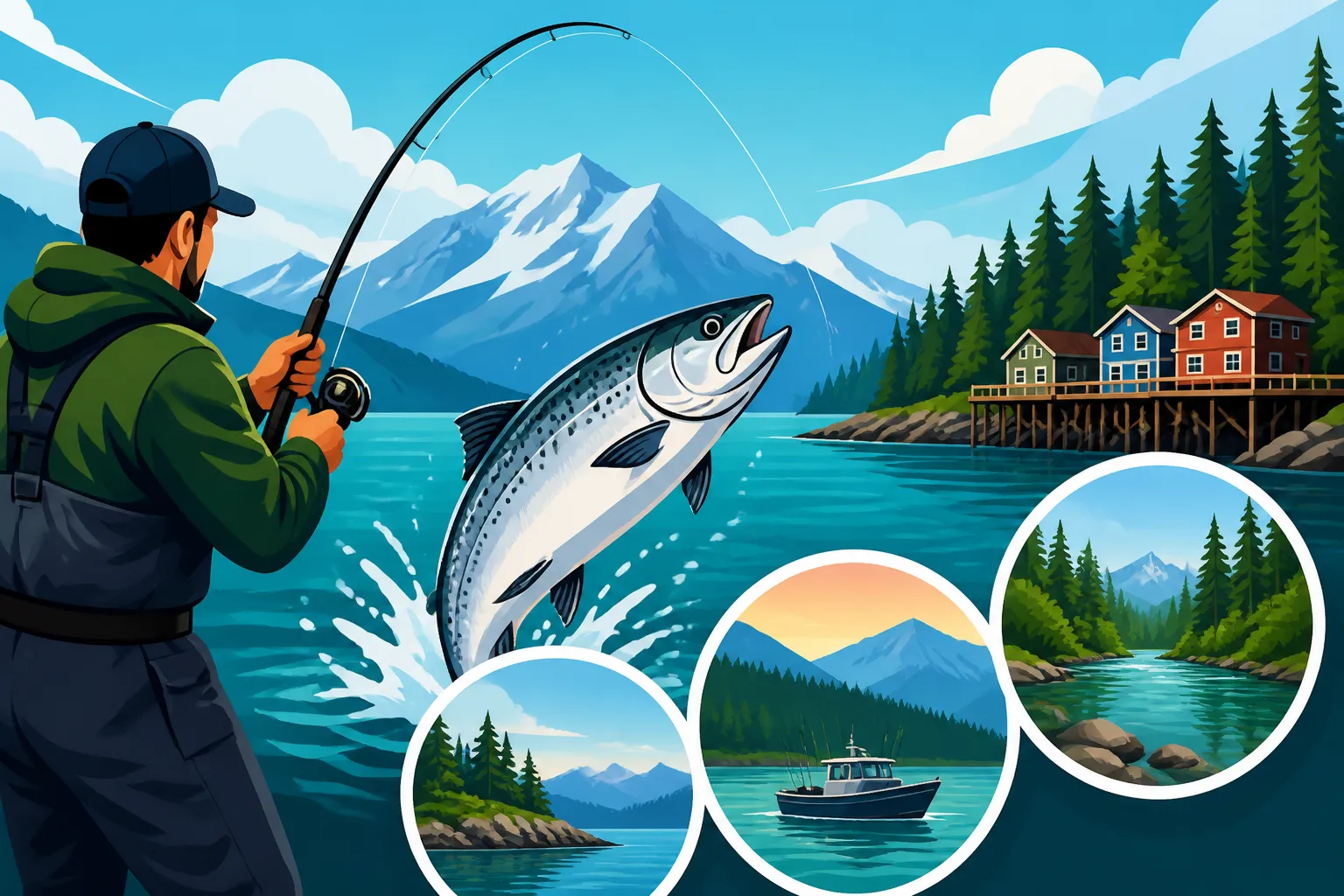
Planning a fishing trip to Ketchikan can feel a bit daunting, with so much water and so many stories of legendary catches. You want to make sure every cast counts, especially when you're visiting Alaska's 'First City' with its incredible reputation for salmon and halibut. This guide will cut through the noise, revealing the absolute best fishing spots near Ketchikan, breaking down what you can expect, and helping you target the fish of your dreams with confidence.
The Allure of Ketchikan's Fishing Grounds
Ketchikan, nestled in Alaska's Inside Passage, isn't just known for its breathtaking scenery and rich Tlingit culture; it's a bonafide fishing paradise. What makes this area so special is its incredible diversity of fishing opportunities, both saltwater and freshwater, all within easy reach. Unlike some other Alaskan destinations that might specialize in just one type of salmon or a specific fishery, Ketchikan offers a full smorgasbord, allowing anglers to target multiple species in different environments, often in the same trip. This versatility is a huge draw for anyone looking to experience the full breadth of Alaskan fishing.
One of the biggest advantages of fishing near Ketchikan is the relatively protected waters of the Inside Passage. While the Pacific Ocean can be notoriously rough, the myriad islands, coves, and channels surrounding Ketchikan often provide calmer conditions, making for a more comfortable and enjoyable day on the water, especially for those prone to seasickness or families with younger anglers. This doesn't mean the fishing is less exciting; it simply means you can focus more on the fight of a king salmon or the massive tug of a halibut without battling choppy seas. The deep, nutrient-rich waters here are a highway for migrating salmon and a prime feeding ground for bottom dwellers, creating a vibrant ecosystem that consistently produces excellent fishing.
Prime Saltwater Fishing Hotspots Near Ketchikan
When most people dream of fishing in Alaska, they envision the saltwater action, and Ketchikan certainly delivers. The expansive marine environment around the city is a veritable playground for anglers, offering everything from trophy salmon to giant halibut and a variety of rockfish. The deep channels and kelp beds provide ideal habitat for a wide array of species, ensuring there's always something biting. Knowing where to focus your efforts can make all the difference, transforming a good day into an unforgettable one.
Catching King Salmon Off Ketchikan
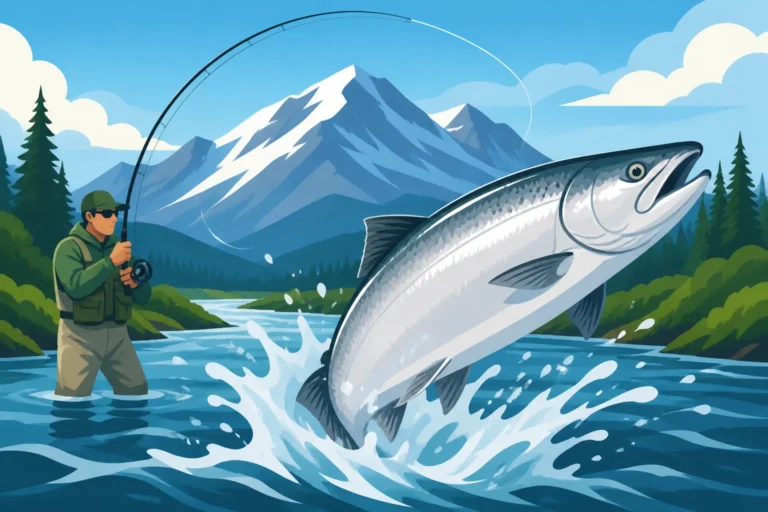
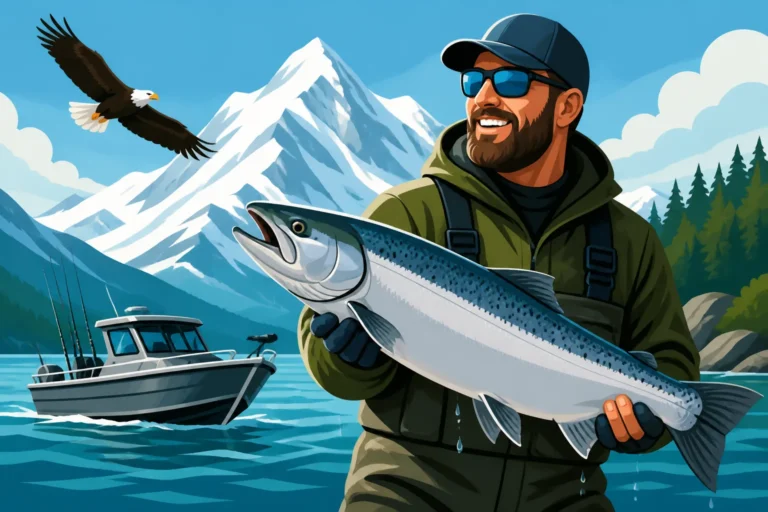
King salmon, also known as Chinook, are the undisputed royalty of Alaskan salmon, prized for their massive size and powerful fights. Near Ketchikan, these magnificent fish are a primary target, drawing anglers from all over the world. The season typically kicks off in late spring, around May, and can run strong through July, with different pockets of fish moving through the area. Productive spots for kings often include the waters around the Gravina Island Airport, the areas near Duke Island, and various points within Clarence Strait. These locations are known for their deep, cool waters and ample baitfish, which attract hungry kings.
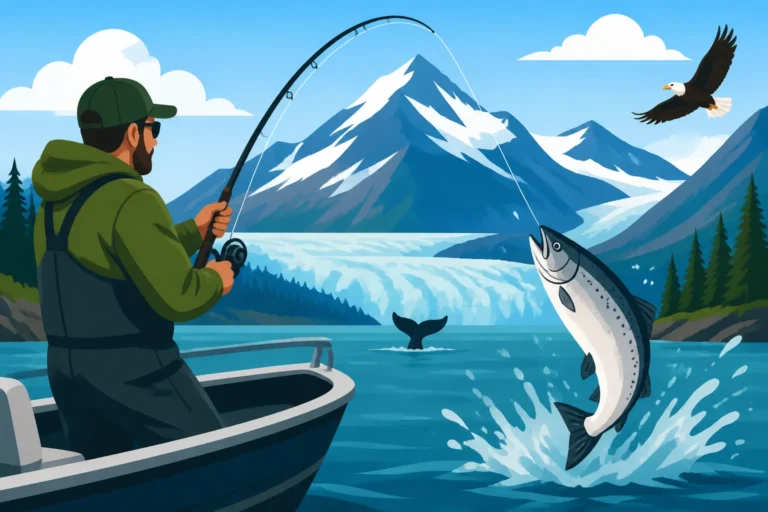
When targeting King Salmon in Alaska, particularly around Ketchikan, trolling with downriggers is the most common and effective technique. Anglers typically use large spoons, hootchies, or cut-plug herring at depths ranging from 60 to 150 feet, depending on the tide, time of day, and baitfish presence. Many local charters, which you can easily find and book through platforms like FishingBooker, will have specialized gear and local knowledge to put you right on top of these fish. Keep a close eye on your rod tip; a king strike is unmistakable – a violent jerk that quickly turns into a heavy, head-shaking battle. Remember that specific regulations, like those for a King Salmon Stamp, may apply. Always consult the current Alaska King Salmon Fishing Regulations and Limits before heading out.
Pursuing Silver Salmon and Sockeye
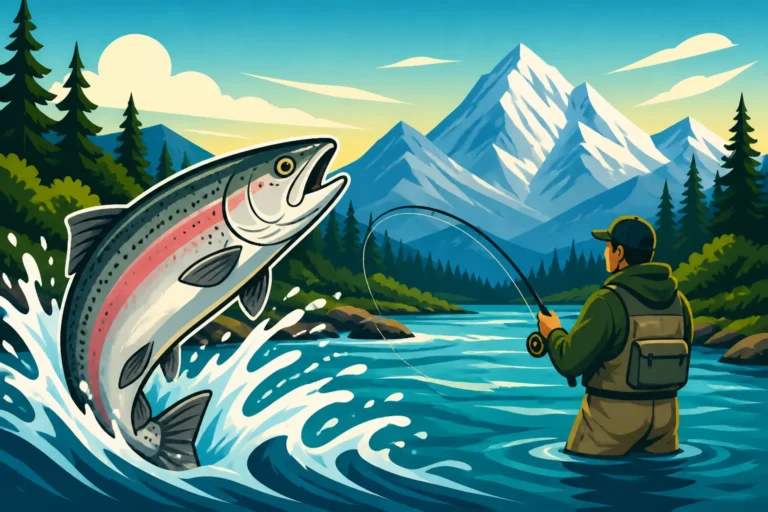
While kings might get most of the glory, silver salmon (coho) and sockeye salmon are incredibly popular targets near Ketchikan, offering consistent action and delicious table fare. Silver salmon typically arrive later in the summer, usually starting in late July and peaking in August and September. These acrobatic fighters are known for their spirited jumps and aggressive strikes. Good spots for silvers include the waters closer to the numerous river mouths and around the many islands that dot the sound. They often cruise nearer to the surface than kings, making for exciting topwater action at times.
Sockeye salmon, renowned for their vibrant red flesh, also make their presence known in the Ketchikan area, though often in specific systems. While the massive runs of the Kenai River might be more famous, local rivers and bays near Ketchikan can see strong sockeye returns in June and July. Trolling shallower with smaller hootchies or flashers is often effective for silvers, while sockeye in saltwater can be notoriously difficult to target directly, often caught incidentally or as they stage near river mouths. For those specifically targeting sockeye, river fishing once they enter freshwater is generally more productive. Regardless of species, understanding Alaska Salmon Run Timing Explained is crucial for planning your trip.
Landing Halibut and Other Bottom Fish
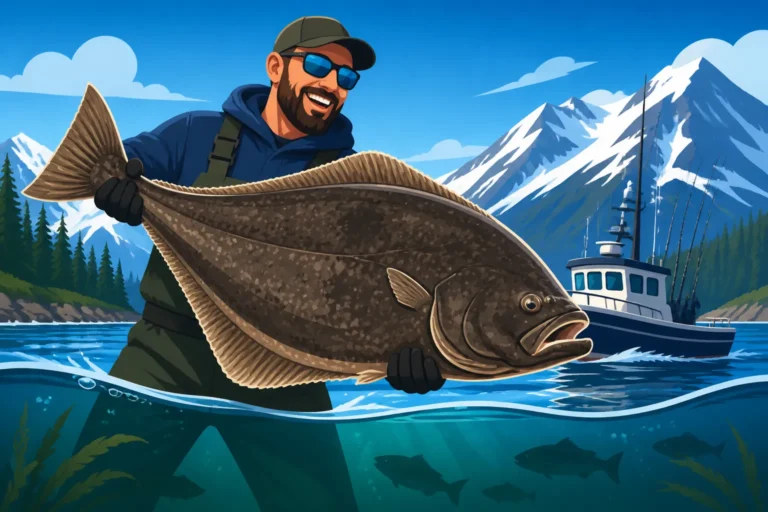
Beyond salmon, Ketchikan offers world-class opportunities for Pacific halibut, a true bucket-list fish for many anglers. These flat-bodied giants reside on the ocean floor, and the deep channels and rocky bottoms around Ketchikan provide excellent habitat. Popular halibut grounds include the vast expanses of Clarence Strait, the areas off Point Chehalis, and various deeper banks and ledges. Halibut fishing usually heats up from May through September, with charter operations running daily out of the Ketchikan harbor. The typical method involves bottom fishing with heavy-duty gear, using large pieces of herring, salmon heads, or octopus as bait. The take from a halibut can be subtle at first, feeling like a heavy weight, until you start reeling and realize you’ve hooked into a powerful, determined fish that will test your endurance.
In addition to halibut, the same deep-water areas are teeming with various rockfish species, including the prized yelloweye rockfish, often called "red snapper" for its vibrant color and delicious meat. Lingcod, with their toothy grins and aggressive nature, also inhabit these rocky structures. Jigging with heavy metal jigs or bait presentations near the bottom is effective for these species. Remember that regulations for rockfish often include special deepwater release requirements to help fish recover from barotrauma, and specific Alaska Halibut Charter Regulations Explained are vital to follow, especially regarding daily and annual limits.
Hidden Gems: Freshwater Fishing Opportunities
While Ketchikan is celebrated for its saltwater fisheries, the surrounding wilderness also offers fantastic freshwater fishing. These opportunities often get overlooked by visitors focused solely on salmon charters, but they provide a different, equally rewarding experience, allowing for more intimate encounters with nature and a chance to target resident species like trout and Dolly Varden. The numerous lakes and rivers, fed by abundant rainfall, create a thriving environment for cold-water fish.
Fishing Ketchikan's Rivers and Creeks
Ketchikan is literally built around salmon-rich rivers and creeks. The most prominent and easily accessible is Ketchikan Creek, which flows right through downtown. This creek is famous for its incredible salmon runs, especially during the pink and silver salmon seasons. In July and August, pink salmon flood the creek, creating what's sometimes called "combat fishing" due to the sheer number of fish and anglers. Later in August and September, silver salmon move in, offering excellent fly-fishing and spin-fishing opportunities. While it’s incredibly accessible, anglers need to be mindful of local regulations, which can change frequently and might include restrictions on gear or bait.
Other productive rivers and creeks accessible via the road system or short boat rides include Ward Creek in Ward Lake Recreation Area and Carlanna Creek. These systems offer chances at coho and pink salmon during their respective runs, as well as resident cutthroat trout and Dolly Varden. These are fantastic spots for those who prefer bank fishing or want to explore with lighter tackle. Always check the current Alaska Fishing Regulations Explained for the specific area you plan to fish, as rules can vary even between adjacent streams.
Lake Fishing for Trout and Dolly Varden
For those seeking calmer waters and the pursuit of trout and Dolly Varden, Ketchikan's numerous lakes offer peaceful and productive fishing. Ward Lake, located within the popular Ward Lake Recreation Area, is easily accessible and stocked with rainbow trout, making it an excellent spot for families or beginners. Anglers can fish from shore or use small boats, targeting trout with small spinners, spoons, or bait. It's a serene setting for a relaxed day of fishing.
Further afield, but still within a reasonable reach, other lakes accessible via floatplane or a bit of hiking offer more remote fishing experiences. These wilderness lakes often hold healthy populations of cutthroat trout and Dolly Varden. For instance, some of the lakes on Revillagigedo Island can provide incredible, unpressured fishing. Light spinning gear or fly rods are ideal for these locations. When planning a trip to a more remote lake, remember to prioritize safety and prepare for true Alaskan wilderness. For specialized fishing adventures or to maximize your chances, consider browsing options on FishingBooker for guides specializing in backcountry or floatplane excursions.
Essential Tips for a Successful Ketchikan Fishing Trip
Fishing in Alaska is an incredible experience, but it also comes with unique challenges and considerations. Being prepared and understanding the local nuances will significantly enhance your chances of success and ensure a smoother, more enjoyable trip. From licensing to gear and safety, a little forethought goes a long way.
Understanding Alaska Fishing Licenses and Regulations
First and foremost, every angler 16 years or older needs an Alaska fishing license. This is non-negotiable. You can purchase your license online before your trip or upon arrival at various vendors in Ketchikan. There are different types of licenses available, including short-term non-resident options (like a 1-day, 3-day, 7-day, or 14-day license) and annual licenses. If you plan to target king salmon, you'll also need to purchase an additional Alaska King Salmon Stamp Requirements if you are a non-resident, which is vital for compliance. Don't overlook the importance of checking the current Alaska Fishing License: Complete Guide for all the details.
Beyond the license, Alaska's fishing regulations can be complex and change frequently due to emergency orders, especially for salmon. It’s absolutely critical to stay informed about daily bag limits, possession limits, size restrictions, and gear restrictions (e.g., bait bans, single-hook rules). These rules are often specific to certain areas, species, and even times of the year. Your charter captain will be well-versed in current regulations, but if you're fishing unguided, you are personally responsible for knowing and adhering to all rules. The Alaska Department of Fish and Game (ADF&G) website is your best resource for the most up-to-date information, including emergency orders that can alter seasons or limits overnight.
Choosing the Right Gear and Tackle
The gear you bring will largely depend on whether you're joining a charter or fishing independently, and what species you're targeting. For saltwater charters, most operations provide all necessary rods, reels, and terminal tackle, which is a huge convenience. However, if you prefer using your own gear, or if you're planning some DIY fishing, here’s a general idea:
- For Salmon (Saltwater): Medium-heavy to heavy conventional or baitcasting rods paired with line counter reels spooled with 30-50 lb braided line are common for trolling for kings and silvers. Lures typically include large spoons (like Coho Killers or Silver Horde), hootchies, and flashers. Cut-plug herring is a staple bait.
- For Halibut/Bottom Fish: You’ll need stout gear – heavy conventional rods with large reels capable of holding 80-100 lb braided line. Large circle hooks, heavy lead weights (8 oz to 2 lbs or more depending on current and depth), and substantial bait (salmon heads, cod fillets, octopus) are essential.
- For Freshwater Salmon/Trout: Medium-light to medium spinning rods with 8-12 lb monofilament or fluorocarbon line are versatile. Small spinners (like Pixie or Mepps), spoons, and drift gear with cured salmon eggs are effective. For fly fishing, 6-8 weight rods with appropriate fly lines and a selection of local patterns (egg imitations, streamers, Dolly Llamas) will cover most situations.
Regardless of your target, always bring plenty of spare line, leaders, hooks, and weights. The rugged Alaskan environment can be tough on gear, and it’s better to have too much than too little.
When to Plan Your Ketchikan Fishing Adventure
The timing of your trip is paramount in Alaska, as different species have distinct runs and seasons. Generally, the prime fishing season in Ketchikan runs from May through September.
Here’s a quick overview of what you can expect:
| Species | Best Season Near Ketchikan | Primary Fishing Method | Notes |
|---|---|---|---|
| King Salmon | May – July | Trolling with downriggers | Early season can see large resident kings; migratory runs peak mid-summer. |
| Sockeye Salmon | June – July | River fishing (e.g., flossing) | Strong river runs, challenging to target in saltwater directly. |
| Pink Salmon | July – August | Spin fishing, fly fishing | Abundant, great for action, especially in creeks. |
| Coho/Silver Salmon | August – September | Trolling, spin fishing, fly fishing | Aggressive fighters, excellent late-season action. |
| Halibut | May – September | Bottom fishing, jigging | Consistent throughout summer, deeper water. |
| Rockfish | Year-round, best in summer | Bottom fishing, jigging | Good incidental catch, often in deeper water with halibut. |
| Trout & Dolly Varden | May – September (freshwater) | Spin fishing, fly fishing | Found in lakes and rivers; some year-round opportunities. |
Early summer (May-June) is often ideal for larger King Salmon and the beginning of the halibut season. Mid-summer (July) can offer a mix of King, Sockeye, and early Pink/Silver salmon, plus consistent halibut. Late summer (August-September) is prime time for Silver Salmon, Pink Salmon, and continues to be great for halibut and resident freshwater species. For a comprehensive overview, checking out Best Time to Fish in Alaska can help fine-tune your travel dates.
Disclaimer
Fishing in Alaska involves inherent risks. This guide provides general information and recommendations. Always consult the most current regulations from the Alaska Department of Fish and Game (ADF&G) before fishing, obtain all necessary licenses and stamps, and prioritize safety on the water. Fishing conditions, fish availability, and regulations can change rapidly.