Best Alaska Fishing and Lodging Packages
Planning an unforgettable Alaska fishing trip can feel like a monumental task, often leading to endless hours sifting through various guides, accommodations, and charter options, leaving many anglers overwhelmed before they even cast a line. The sheer scale and diversity of Alaska's fisheries mean there are countless decisions to make, from where to go and what to fish for, to finding suitable lodging and reliable guides. This comprehensive guide is here to simplify that process, helping you understand the immense value and convenience of Alaska fishing and lodging packages, and how to choose the perfect one for your dream Alaskan adventure.
Why Choose an Alaska Fishing and Lodging Package?
Let's be real, planning a trip to the Last Frontier isn't like booking a weekend getaway to the local lake. The logistics can be a headache, especially if you're traveling from afar and aren't familiar with the local scene, weather patterns, or fishing hot spots. This is where fishing and lodging packages truly shine, transforming a potentially stressful planning process into a seamless, enjoyable experience. They're designed to take the guesswork out of your hands, allowing you to focus on the anticipation of landing that trophy fish.
Streamlined Planning and Convenience
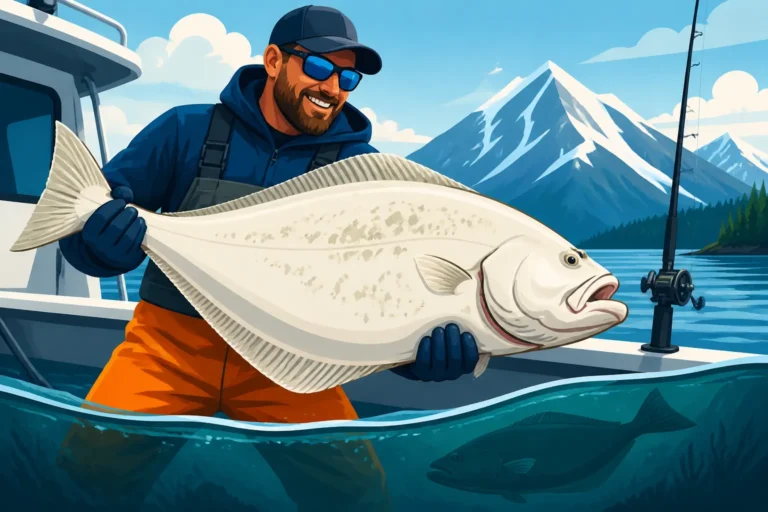
Imagine arriving in Alaska, knowing that your accommodation, your expert guides, and often even your meals and gear are all pre-arranged and perfectly coordinated. That's the core promise of an all-inclusive or package deal. Instead of booking a hotel here, a charter there, and trying to figure out transportation between them, everything is bundled. This means less time worrying about connections and more time dreaming about catching that giant Kenai River King Salmon or a barn-door halibut off Homer.
These packages often include airport transfers, comfortable lodging ranging from rustic cabins to luxurious lodges, and daily guided fishing excursions. Some even cover things like fish processing and freezing, making the logistics of getting your prized catch home much simpler. For busy folks who want a world-class fishing experience without the operational headaches, these packages are an absolute game-changer. They consolidate costs and schedules, presenting you with one clear itinerary and price, which can be a huge relief.
Maximized Fishing Opportunities
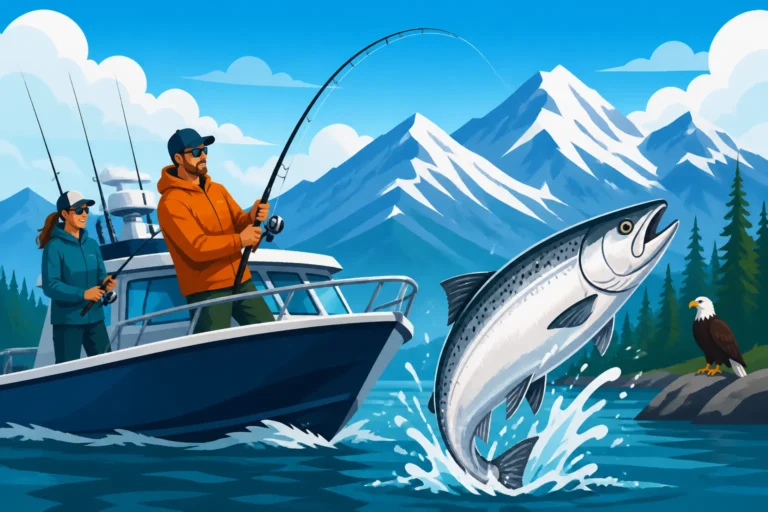
One of the biggest advantages of these packages is the unparalleled access they provide to prime fishing grounds and the expertise of seasoned local guides. These aren't just folks who know how to drive a boat; they're professionals who live and breathe Alaska fishing. They know the rivers, the tides, the salmon runs, and the secret spots that independent anglers might spend years trying to discover. They track the ever-changing conditions, from water levels to Alaska Emergency Orders Explained, ensuring you're always in the best position for success.
A well-chosen package will pair you with guides intimately familiar with the specific species and techniques in their area. For instance, if you're chasing sockeye salmon on the Kenai, your guide will know exactly where and when to "floss" for them, or if you're targeting halibut in Prince William Sound, they'll have the best bottom fishing setups. This local knowledge isn't just about catching fish; it's about understanding the ecosystem, practicing responsible angling, and maximizing your chances of a truly memorable experience. You can even gain insights into topics like Alaska Salmon Run Timing Explained or the nuances of How to Catch Halibut in Alaska directly from the experts.
Cost-Effectiveness and Value
At first glance, an all-inclusive fishing package might seem expensive. And yes, a trip to Alaska generally isn't cheap. However, when you break down the individual costs of a DIY trip – flights, car rental, lodging, multiple daily charters, meals, gear rentals, fish processing, and potentially unforeseen expenses – a package often presents significant value. Many lodges and outfitters receive discounts on various services that they pass on to you in the form of a bundled price.
Consider the cost of an Alaska Fishing Charter Cost Explained for a full day, then multiply that by several days, add a week's worth of lodging, meals, transportation, and gear. Suddenly, a package that includes all of this starts to look much more reasonable. Plus, many packages offer transparent pricing, meaning fewer surprises down the road. Some operators, like those found on platforms such as FishingBooker, clearly list what's included, allowing for easy comparison. By bundling services, these operations can often provide a higher quality experience for a more predictable total outlay, sometimes even including things like basic Alaska Fishing Gear and Tackle Guide recommendations or even providing the gear itself.
Types of Alaska Fishing and Lodging Packages
Alaska is a vast state, and its fishing opportunities are incredibly diverse. From remote freshwater streams teeming with trout to vast saltwater expanses holding monster halibut, there's a package for almost every angler's dream. Understanding the different types available will help you narrow down your options and find the perfect fit for your ideal Alaskan adventure.
Fly-In Remote Wilderness Lodges
For those seeking the quintessential, off-the-grid Alaskan experience, fly-in wilderness lodges are often the pinnacle. These lodges are typically located in pristine, remote areas, often accessible only by small bush planes. Think of places deep in Bristol Bay or other untouched regions. The allure here is the incredible isolation, breathtaking scenery, and unparalleled access to untouched fisheries. You're talking about world-class opportunities for Alaska Rainbow Trout Guide, Alaska King Salmon: Complete Guide, and massive sockeye runs on legendary rivers.
Staying at a fly-in lodge usually means an all-inclusive experience: all meals, comfortable lodging, daily guided fishing (often with multiple fly-outs to different streams), and even laundry service. The focus is entirely on the fishing and the wilderness experience. Guests usually arrive at a regional hub like Anchorage or King Salmon, then take a scheduled charter flight to the lodge. These are often smaller, more intimate operations, providing a highly personalized experience. Expect top-tier guides, gourmet meals, and fishing that truly feels like you're the only one on the water. If you're serious about chasing trophy fish in a wild setting, exploring options through an Alaska Fly-In Fishing Lodges Guide is a must.
Road System Lodges and Charters
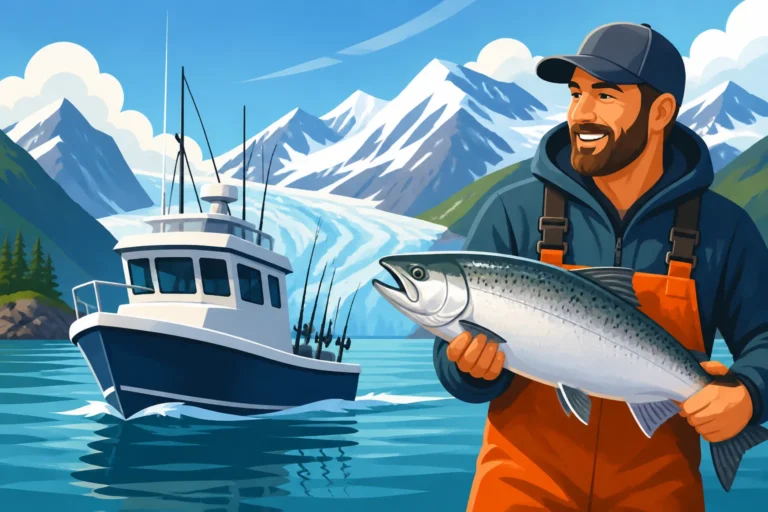
Not everyone wants to fly into the remote wilderness, and thankfully, Alaska's road system offers incredible fishing opportunities, especially on the Kenai Peninsula, known for its incredible salmon runs and proximity to saltwater giants. These packages typically combine lodging in towns like Soldotna, Cooper Landing, or Homer with guided river or saltwater charters. This option provides a balance of accessibility and fantastic fishing, often at a more approachable price point than fly-in lodges.
You can drive your own vehicle or arrange for local transport. Lodging options range from cabins and B&Bs to larger hotels. Fishing excursions will include guided trips on famous rivers like the Kenai and Kasilof for salmon and trout, or saltwater charters out of Homer or Seward for halibut and rockfish. This type of package is great for families or groups who want some flexibility, ease of access, and the chance to explore other Alaskan attractions. Many operations allow you to mix and match river trips with ocean charters, providing a diverse angling experience. When considering these packages, it's a good idea to research Best Fishing Spots in Alaska accessible by road.
Saltwater vs. Freshwater Focused Packages
Deciding between saltwater and freshwater packages often comes down to your preferred species and fishing style. Alaska offers both in abundance, and some packages even combine the two for the ultimate experience.
-
Freshwater Packages: These are generally focused on Alaska's incredible salmon runs and trophy trout fisheries. Think of packages centered around the Kenai River for its world-famous king and sockeye salmon, or remote rivers in the Interior for acrobatic Arctic Grayling and huge rainbow trout. Fly fishing enthusiasts will often lean towards freshwater options, especially those targeting specific salmon runs or trout species. These packages can range from single-species focus (e.g., dedicated sockeye trips) to multi-species adventures, depending on the season and location. They provide an opportunity to truly immerse yourself in the riverine environment and experience classic Alaskan river fishing techniques.
-
Saltwater Packages: If your heart beats for the ocean, saltwater packages are your calling. These are typically based out of coastal towns like Homer, Seward, Sitka, or Valdez. The primary targets here are often colossal halibut, a variety of tasty rockfish, and aggressive silver salmon. Many charters offer combo trips where you can target multiple species in a single day. Fishing for halibut involves deep drops with heavy gear, while salmon fishing might involve trolling or mooching. The scenery of Alaska's coastline, with its towering glaciers and abundant wildlife, adds another layer of magic to these trips. Understanding Alaska Halibut Charter Regulations Explained is particularly crucial for these packages.
What to Look for in a Great Package
With so many options, how do you sort through them to find "the best"? The truth is, the "best" package is subjective and depends entirely on your preferences, budget, and fishing goals. However, there are some universal considerations that will help you make an informed decision and ensure a fantastic trip.
Understanding Inclusions and Exclusions
This is paramount. Many packages tout "all-inclusive," but the definition can vary wildly. Always get a detailed list of what's covered and what isn't.
Common Inclusions:
- Lodging: Number of nights, type of accommodation.
- Meals: How many per day, are beverages included?
- Guided Fishing: Number of days, type of fishing (saltwater, freshwater, specific species), duration of trips.
- Gear: Rods, reels, tackle, bait. Are waders, rain gear, or specific flies/lures included?
- Fish Processing: Filleting, vacuum sealing, freezing, and sometimes boxing for transport.
- Transportation: Airport transfers, transfers to fishing sites.
Common Exclusions (and potential hidden costs):
- Airfare to Alaska: This is almost always separate.
- Fishing Licenses and Stamps: You will almost certainly need to purchase your Alaska Fishing License Cost and Types and any necessary stamps (like a King Salmon Stamp) separately. Your guide can't buy these for you.
- Gratuities for Guides/Staff: Tipping is customary and expected.
- Alcoholic Beverages: Often an extra cost, even in "all-inclusive" packages.
- Specialty Tackle/Flies: If you have specific preferences or lose a lot of gear, you might incur extra costs.
- Personal Items: Waders, rain gear, warm layers – unless specifically stated as provided.
- Shipping Fish Home: While processing might be included, shipping costs are usually separate.
Don't be shy about asking for a crystal-clear breakdown. A reputable outfitter will be happy to provide it. This is where using a platform like FishingBooker can be helpful, as many listings detail their inclusions upfront, making it easier to compare apples to apples.
Location, Species, and Season Alignment
Your personal fishing goals should be the compass guiding your package choice.
- Target Species: Are you dead set on landing a massive King Salmon, or would you prefer the fast-paced action of sockeye? Perhaps halibut is your ultimate goal. Every region and season offers different species and different levels of success. Research the Alaska Fish Species Guide to see what excites you most.
- Preferred Fishing Style: Do you love fly fishing? Prefer spin casting? Or is deep-sea bottom fishing your jam? Ensure the package's fishing activities align with your preferred techniques.
- Seasonality: Alaska's fishing seasons are distinct and species-specific. For example, Alaska King Salmon Run Timing usually peaks in June and early July, while silver salmon are stronger in August and September. Halibut season is generally May through September. Matching your travel dates with the peak season for your target species is critical for success. Read up on the Best Time to Fish in Alaska to optimize your trip.
If your heart is set on catching a trophy rainbow trout in a remote stream, a saltwater halibut package probably isn't the best fit, no matter how good the deal.
Reputation and Reviews
In today's interconnected world, there's no excuse not to do your homework. Look for lodges and charters with a strong, consistent track record of positive reviews. Websites like FishingBooker or TripAdvisor are excellent resources for checking out past angler experiences. Pay attention to comments about:
- Guide Quality: Are the guides knowledgeable, patient, and professional? Do they prioritize safety?
- Fish Production: While fishing is never guaranteed, do reviewers consistently report good success rates?
- Lodging Comfort and Cleanliness: Is the accommodation as advertised?
- Customer Service: How does the staff handle issues or requests?
- Overall Value: Do people feel they got what they paid for?
Don't just skim the five-star reviews; also look at the three and four-star comments to get a balanced perspective. A few minor complaints are normal, but recurring themes of dissatisfaction should raise a red flag. Feel free to directly ask the lodge or charter for references from previous clients as well. A reputable operator will be transparent.
Planning Your Dream Alaska Fishing Vacation
Once you've zeroed in on a few potential fishing and lodging packages, it's time to nail down the specifics and prepare for your adventure. A little forethought goes a long way in Alaska.
Booking Timeline and Flexibility
Alaska's prime fishing seasons, typically from late May through early September, are incredibly popular, and the best lodges and most sought-after guides book up fast. It's not uncommon for top operations to be fully booked a year or even 18 months in advance.
- Book Early: If you have specific dates or a particular lodge in mind, especially for popular times like the Kenai's sockeye or king runs, start looking and booking at least 9-12 months out. For peak season, 18 months isn't unreasonable.
- Consider Shoulder Seasons: If your schedule is flexible, consider visiting during the shoulder seasons (late May/early June or late August/early September). You might find better availability, potentially lower prices, and still excellent fishing for certain species. For example, late August can be fantastic for Alaska Coho Salmon Fishing Regulations and Limits.
- Flexibility is Key: If you're struggling to find availability for your exact dates, be open to adjusting your travel window by a few days or even a week. Sometimes, a slight shift can open up many more options. You can use resources like FishingBooker to quickly check various availabilities across different operators. For a deeper dive, read How to Book an Alaska Fishing Trip.
Essential Gear and Packing Considerations
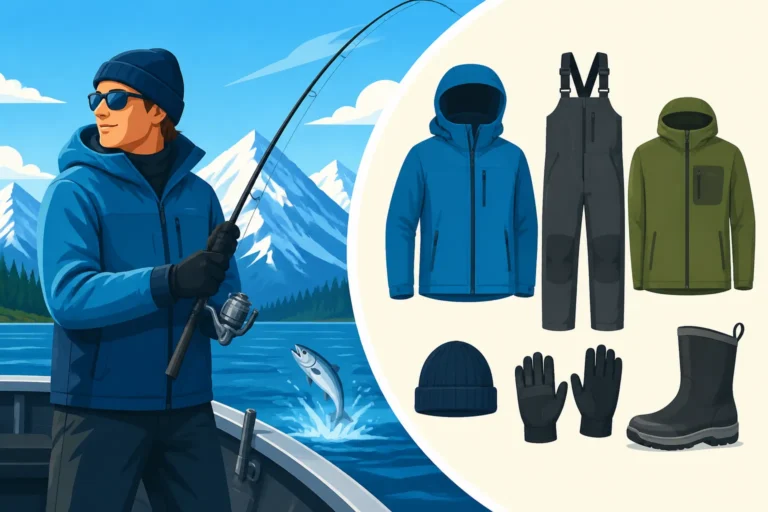
While many packages provide fishing gear, you'll still need to pack wisely for Alaska's unpredictable weather and remote locations. The mantra here is "layers, layers, layers."
- Rain Gear: This is non-negotiable. A high-quality, waterproof and windproof jacket and pants are essential, even if the forecast looks clear. You'll be spending long hours on the water or riverbanks, and sudden downpours are common.
- Insulating Layers: Fleece jackets, wool sweaters, and thermal underwear are crucial. Even in summer, mornings and evenings can be chilly, especially on the water.
- Footwear: Waterproof wading boots (if river fishing) and comfortable, waterproof walking shoes are a must.
- Headwear: A warm hat (beanie) and a brimmed hat (for sun and rain protection).
- Gloves: Waterproof gloves can make a huge difference in comfort on colder, rainy days.
- Sun Protection: Sunscreen, sunglasses (polarized are best for fishing), and lip balm.
- Personal Toiletries and Medications: Don't forget any essentials.
- Camera: To capture those unforgettable moments!
Even if your package provides waders, it's wise to bring thick wool socks. Ask your specific lodge or charter for their recommended packing list; they know their local conditions best. Also, refer to What to Bring on an Alaska Fishing Charter for a general checklist.
Local Regulations and Licensing
No matter how comprehensive your fishing and lodging package is, you are personally responsible for understanding and adhering to Alaska's fishing regulations and securing the necessary licenses and stamps. Guides will enforce the rules on their boats, but ignorance is no excuse in the eyes of the law.
- Alaska Fishing License: Every angler aged 16 and older needs a valid Alaska Fishing License: Complete Guide. Non-residents will typically purchase a short-term license (1, 3, 7, or 14-day options) or an annual license depending on the length of their stay. You can often purchase these online before you arrive or at various vendors throughout the state.
- King Salmon Stamp: If you plan to fish for King Salmon, a special King Salmon Stamp is required, in addition to your regular fishing license. This is critical for managing the highly prized Chinook runs.
- Harvest Record Card: For certain species, like King Salmon and Steelhead, you'll need to record your catch on a physical or digital harvest record card. Your guide will assist with this, but understanding its purpose is important.
- Emergency Orders: Alaska's fisheries are dynamically managed. Bag limits, open seasons, and even entire fisheries can change on short notice via "Emergency Orders" issued by the Alaska Department of Fish and Game (ADF&G). Your guides will be up-to-date, but it’s good practice to be aware that rules can shift. Check out Alaska Fishing Regulations Explained for more details.
Comparison of Common Alaska Fishing & Lodging Package Types
| Feature | Fly-In Remote Wilderness Lodge | Road System Lodge & Charter | Combo (Salt & Freshwater) Package |
|---|---|---|---|
| Accessibility | Requires bush plane flight; highly remote | Accessible by car; near towns/roads | Varies, often road accessible with diverse charters |
| Typical Duration | 5-7 days often standard | 3-7 days, flexible | 5-10 days, allowing diverse experiences |
| Target Species | Trophy Rainbow Trout, King Salmon, Sockeye, Arctic Char, Grayling | King Salmon, Sockeye, Coho (rivers); Halibut, Rockfish (salt) | Combination of river salmon/trout and saltwater halibut/rockfish |
| Inclusions | All-inclusive: lodging, meals, guided fishing, bush flights, gear | Lodging, guided fishing; meals/gear often add-ons or self-catered | Lodging, guided fishing (both types); meals & gear vary |
| Experience Level | All levels, but often appeals to dedicated anglers | All levels, good for families and mixed groups | All levels, great for experiencing varied Alaskan fishing |
| Cost Range | High (premium experience) | Moderate to High | High (combining multiple high-value experiences) |
| Best For | Ultimate wilderness immersion, trophy fish, unparalleled solitude | Convenience, diverse options, mixing fishing with other activities | Experiencing the full spectrum of Alaska's fishing opportunities |
No matter what package you ultimately choose, remember that an Alaska fishing trip is about more than just the fish you catch; it's about the adventure, the scenery, the wildlife, and the memories you create. By doing your homework and selecting a package that aligns with your vision, you're setting yourself up for the trip of a lifetime.
Disclaimer
The information provided in this guide is for general informational purposes only. Fishing regulations, seasons, and availability of services in Alaska can change frequently. Always consult the latest regulations from the Alaska Department of Fish and Game (ADF&G) and confirm details directly with your chosen fishing lodge or charter operator before making travel plans.